
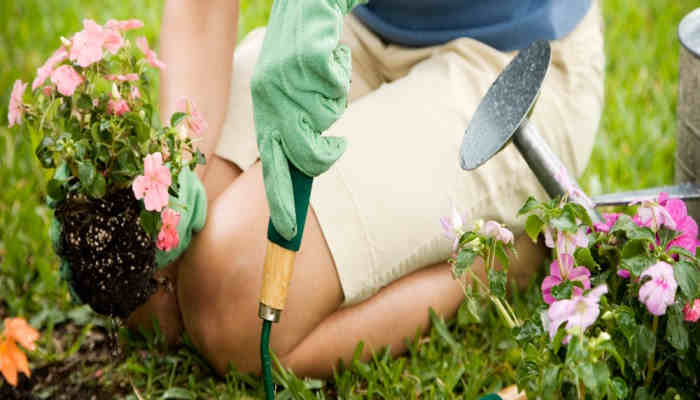
A garden planting guide is useful because successful gardening is not just about putting seeds in the ground. Healthy plants depend on timing, sunlight, soil, spacing, water, and the right plant in the right place. When those basics are planned before planting, the garden becomes easier to maintain and more likely to thrive.
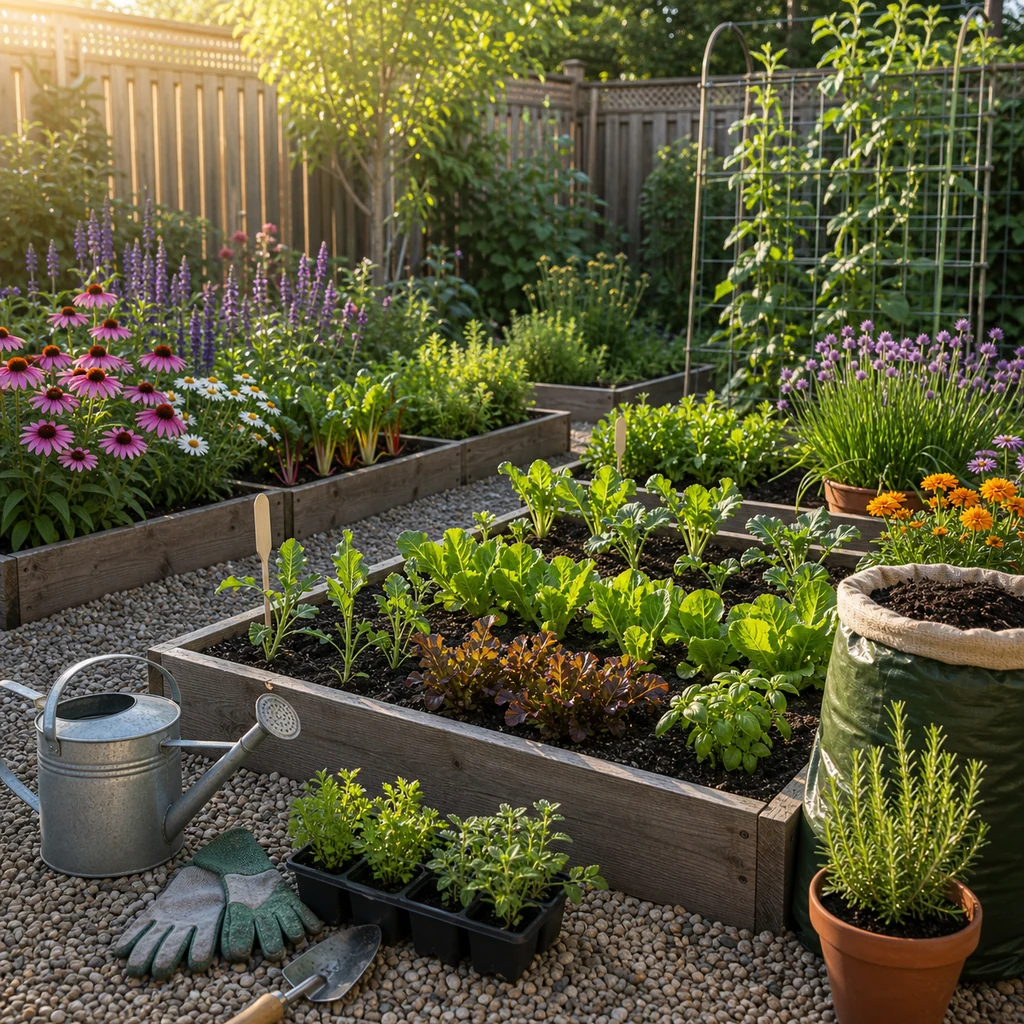
This Garden Planting Guide will walk you through the essentials: understanding your growing zone, planning by season, preparing soil, choosing plant placement, using companion planting, watering correctly, and maintaining the garden after planting. It works for vegetable gardens, flower beds, herb gardens, and mixed raised beds.
1. Know Your Growing Zone and Frost Dates
Your growing zone helps you understand which perennial plants are likely to survive winter in your area. Frost dates help you decide when tender vegetables, herbs, and flowers can safely go outside. Both are important because planting too early can damage seedlings, while planting too late can shorten the growing season.
What to check before planting
- Your USDA Plant Hardiness Zone
- Average last spring frost date
- Average first fall frost date
- Length of your growing season
- Local heat, rainfall, and wind patterns
You can check your zone using the official USDA Plant Hardiness Zone Map. For annual vegetables and flowers, frost dates are often more useful than zone alone.
2. Study Sunlight Before You Choose Plants
Sunlight determines what will grow well. Most vegetables and many flowering plants need at least 6 hours of direct sun per day. Leafy greens, herbs, and some flowers can tolerate partial shade, especially in hot climates.
Simple sunlight categories
- Full sun: 6 or more hours of direct sun daily.
- Part sun: 4 to 6 hours of direct sun.
- Part shade: Filtered light or morning sun with afternoon shade.
- Full shade: Less than 4 hours of direct sun, usually best for shade-tolerant plants.
Track sunlight across the day before you plant. A bed that looks sunny in the morning may be shaded by afternoon, and that can change your plant choices.
3. Prepare Healthy Soil Before Planting
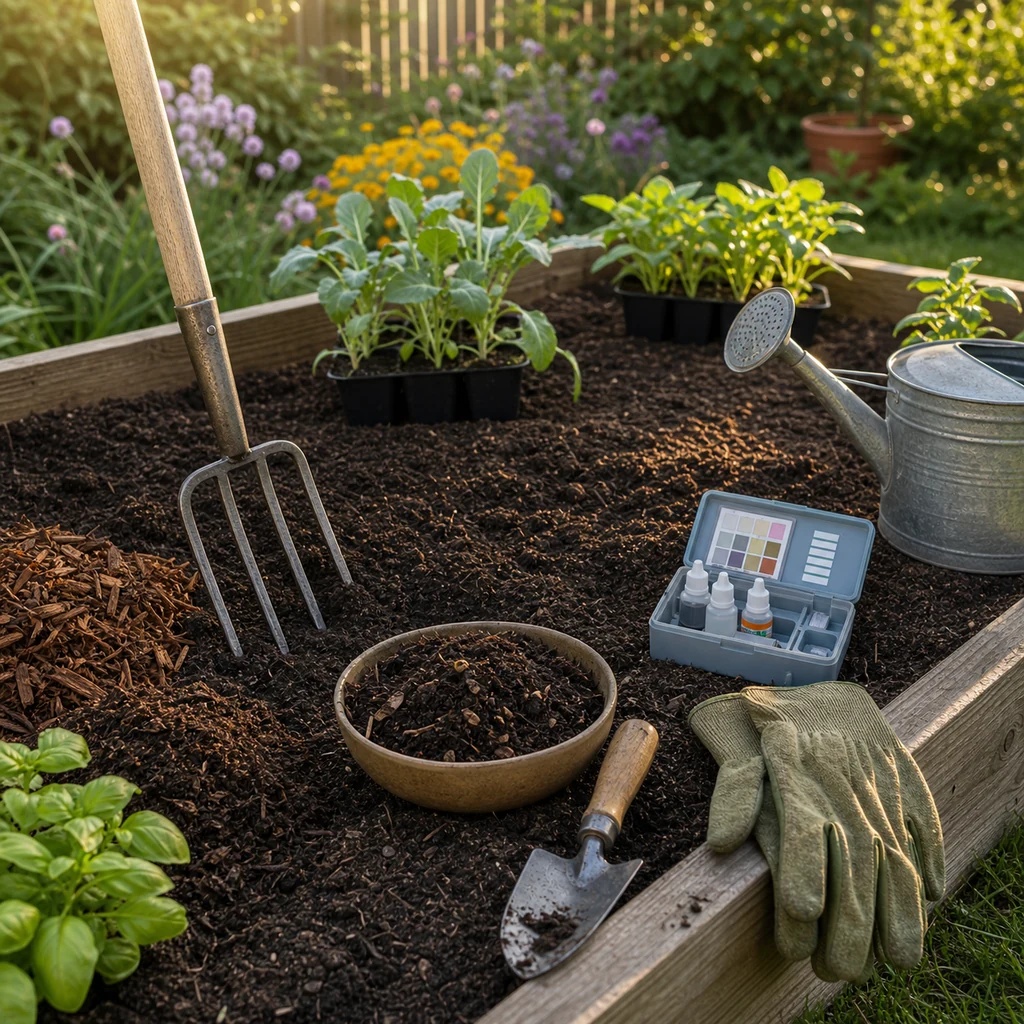
Soil is the foundation of the garden. Good soil holds moisture without staying soggy, drains well enough for healthy roots, and contains organic matter that supports plant growth. Before planting, remove weeds, loosen compacted areas, and add compost where needed.
Soil preparation checklist
- Remove weeds, rocks, and old plant debris.
- Loosen the top layer of soil without overworking it.
- Add compost to improve structure and nutrients.
- Check drainage after watering or rain.
- Use mulch after planting to reduce weeds and moisture loss.
- Consider a soil test before adding fertilizers.
A soil test helps you avoid guessing. Many university extension services offer soil testing or guidance. The University of Minnesota Extension explains why soil testing for gardens can improve plant health and fertilizer decisions.
4. Plan Planting by Season
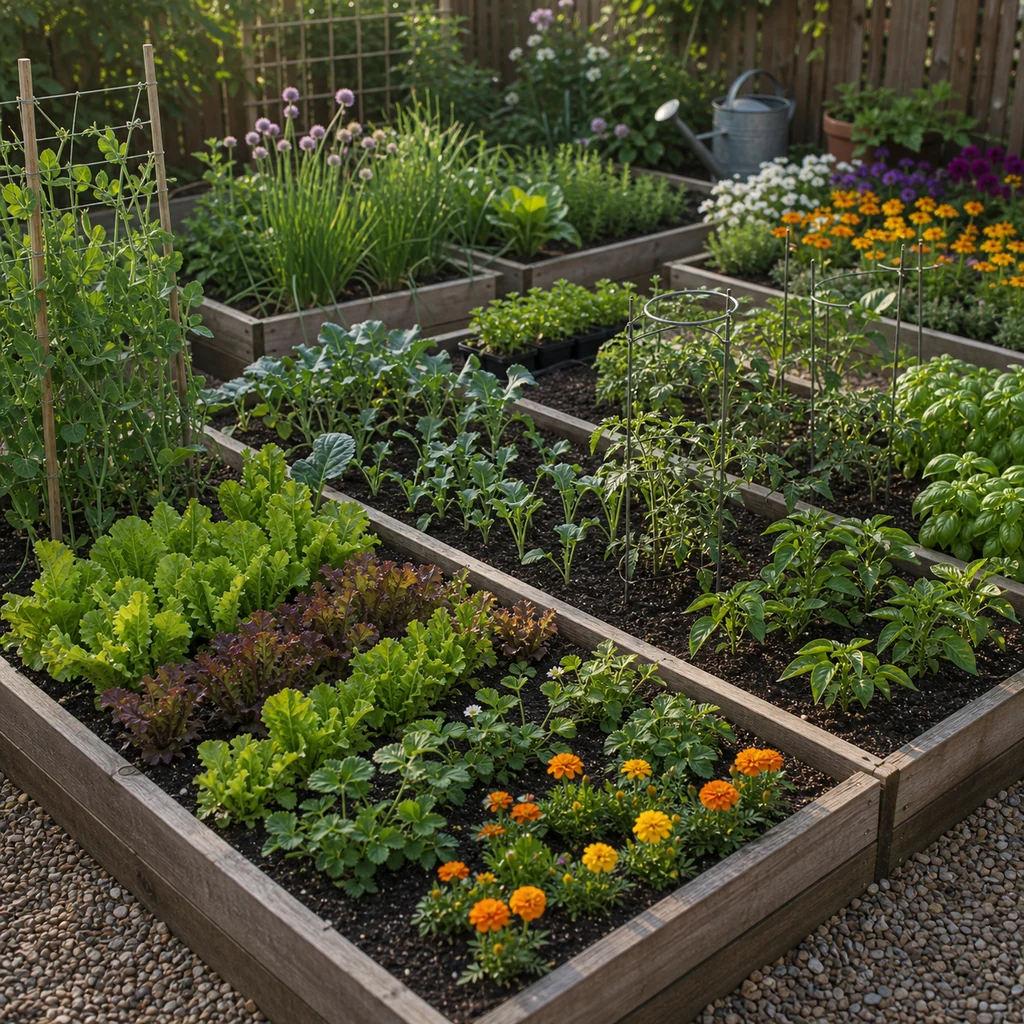
Different plants prefer different temperatures. Cool-season crops do best in spring and fall, while warm-season crops need warmer soil and nights. Planning by season helps you avoid planting stress and makes better use of the garden space.
Spring planting ideas
- Lettuce, spinach, kale, peas, radishes, carrots, pansies, and cool-season herbs
- Start warm-season seedlings indoors if your climate requires it
- Prepare beds, add compost, and set up supports before the garden gets crowded
Summer planting ideas
- Tomatoes, peppers, beans, cucumbers, squash, basil, zinnias, marigolds, and sunflowers
- Mulch well to conserve moisture
- Water deeply during hot weather
Fall planting ideas
- Kale, broccoli, carrots, beets, lettuce, spinach, garlic, and spring-blooming bulbs
- Use row cover when early frost is possible
- Clean up diseased plant material before winter
5. Use Smart Plant Placement
Good plant placement makes the garden easier to care for. Put tall plants where they will not shade smaller sun-loving plants. Keep frequently harvested herbs and greens near paths. Give spreading plants enough room so they do not overwhelm neighbors.
Placement tips that prevent problems
- Place tall crops like tomatoes, corn, or trellised beans on the north side of beds when possible.
- Keep paths wide enough for watering, harvesting, and weeding.
- Group plants with similar water needs together.
- Use trellises for climbing crops to save ground space.
- Leave airflow between plants to reduce disease pressure.
6. Try Companion Planting Thoughtfully
Companion planting can help you organize the garden, attract pollinators, and make better use of space. It is not magic, but some pairings are practical because they combine different heights, scents, bloom times, or growth habits.
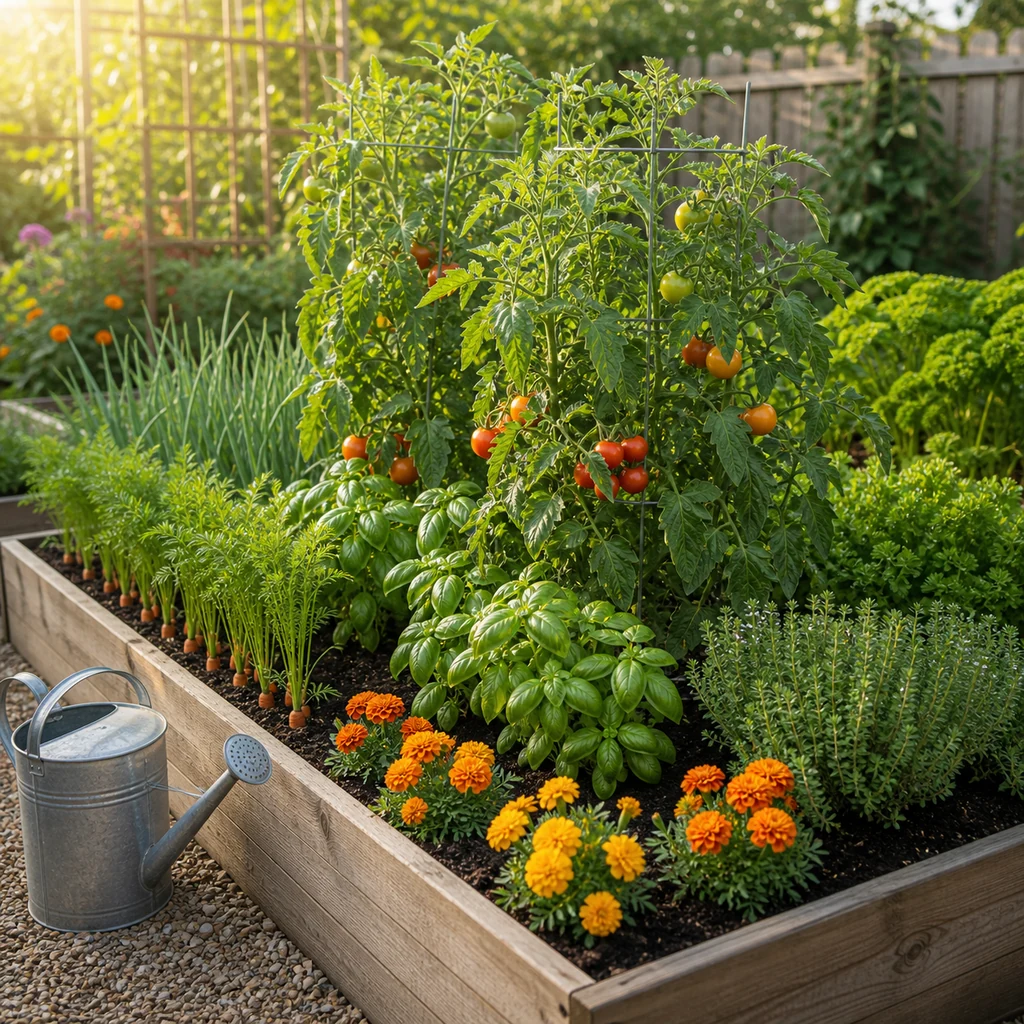
Simple companion planting ideas
- Tomatoes with basil: Convenient for harvest and a classic garden pairing.
- Marigolds near vegetables: Add color and attract beneficial insects.
- Carrots and onions: Different root shapes help use space efficiently.
- Beans with trellises: Grow vertically and leave room for low crops nearby.
- Flowers near herbs: Support pollinators and make the bed more attractive.
Do not overcrowd plants just because they are called companions. Spacing, sunlight, and airflow still matter.
7. Water Deeply and Consistently
New plantings need consistent moisture while roots establish. Established plants usually do better with deep watering than frequent shallow sprinkling. Watering at soil level is often better than wetting leaves, especially for disease-prone plants.
Watering tips for new gardens
- Water early in the morning when possible.
- Check soil moisture with your finger before watering again.
- Use mulch to help soil stay evenly moist.
- Water containers more often than in-ground beds.
- Adjust watering during heat waves, rain, and windy weather.
8. Maintain the Garden After Planting
Planting day is only the beginning. Regular maintenance keeps plants healthier and helps you spot issues early. A few minutes of observation can prevent small problems from becoming major ones.
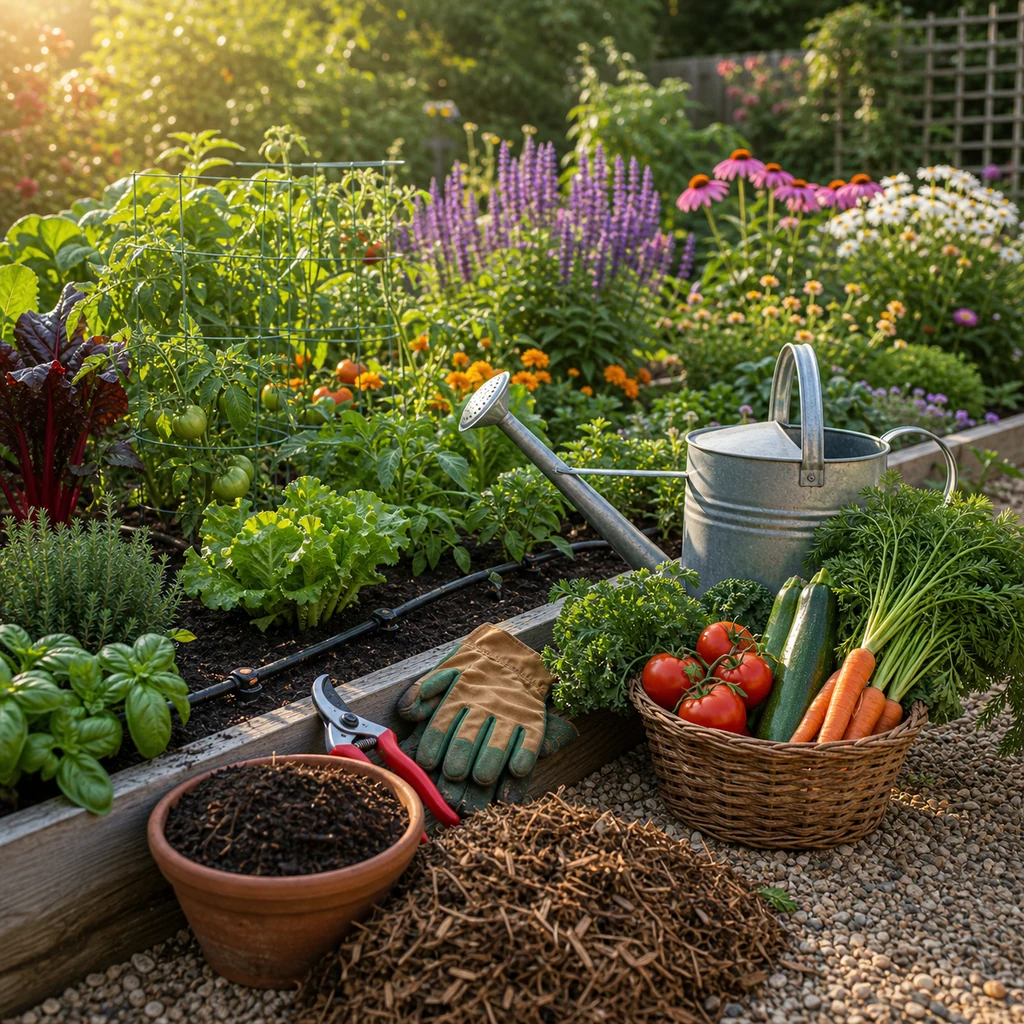
Weekly garden maintenance checklist
- Pull weeds while they are small.
- Check for yellowing leaves, pests, wilting, or disease spots.
- Harvest vegetables and herbs regularly.
- Deadhead flowers that rebloom.
- Top up mulch where soil is exposed.
- Prune only when the plant benefits from it.
9. Common Garden Planting Mistakes
- Planting before checking frost dates.
- Choosing plants that do not match the available sunlight.
- Skipping soil preparation.
- Planting too closely and reducing airflow.
- Watering lightly every day instead of watering deeply when needed.
- Forgetting paths, supports, and harvest access.
- Adding fertilizer without knowing what the soil needs.
10. Garden Planting Checklist Before You Start
- Check your growing zone and frost dates.
- Track sunlight in the garden area.
- Test soil or improve it with compost before planting.
- Choose plants that match your season and climate.
- Plan spacing, paths, supports, and water access.
- Group plants with similar needs together.
- Prepare mulch, labels, tools, and watering supplies.
- Make a simple weekly care routine.
FAQ About Garden Planting Guide
When should I start planting a garden?
Start by checking your last frost date and the needs of each plant. Cool-season crops can often go out earlier, while warm-season crops should wait until frost risk has passed and soil is warmer.
What is the first step in planting a garden?
The first step is choosing the right location. Check sunlight, soil drainage, water access, and available space before buying seeds or plants.
How do I prepare soil for planting?
Remove weeds, loosen compacted soil, add compost, check drainage, and consider a soil test before adding fertilizer. Healthy soil gives roots a better start.
How far apart should garden plants be?
Spacing depends on the mature size of the plant. Always check plant tags or seed packets, and leave enough room for airflow, harvesting, and maintenance.
Is companion planting necessary?
No, but it can be useful. Companion planting helps organize space, attract pollinators, and combine plants with different growth habits. It still needs proper spacing and sunlight.
Final Thoughts
A good garden planting guide helps you slow down before planting so the garden can grow with fewer problems later. Start with your climate, sunlight, and soil, then plan the season, spacing, water, and care routine. When the basics are right, flowers, vegetables, and herbs all have a better chance to thrive.