
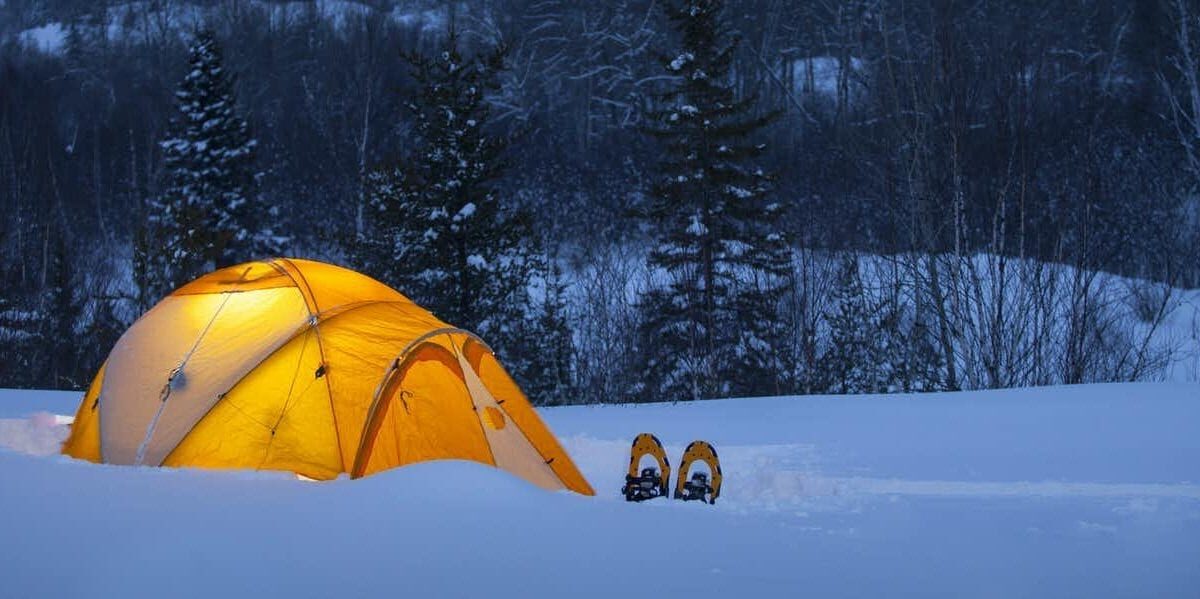
Winter camping can feel peaceful, quiet, and completely different from camping in warmer seasons. Snow softens the landscape, campsites are often less crowded, and cold nights can make simple routines feel more memorable. But winter camping also demands better planning. Low temperatures, wind, snow, condensation, short daylight, icy trails, and wet clothing can become serious problems if you treat a winter trip like a regular weekend campout.
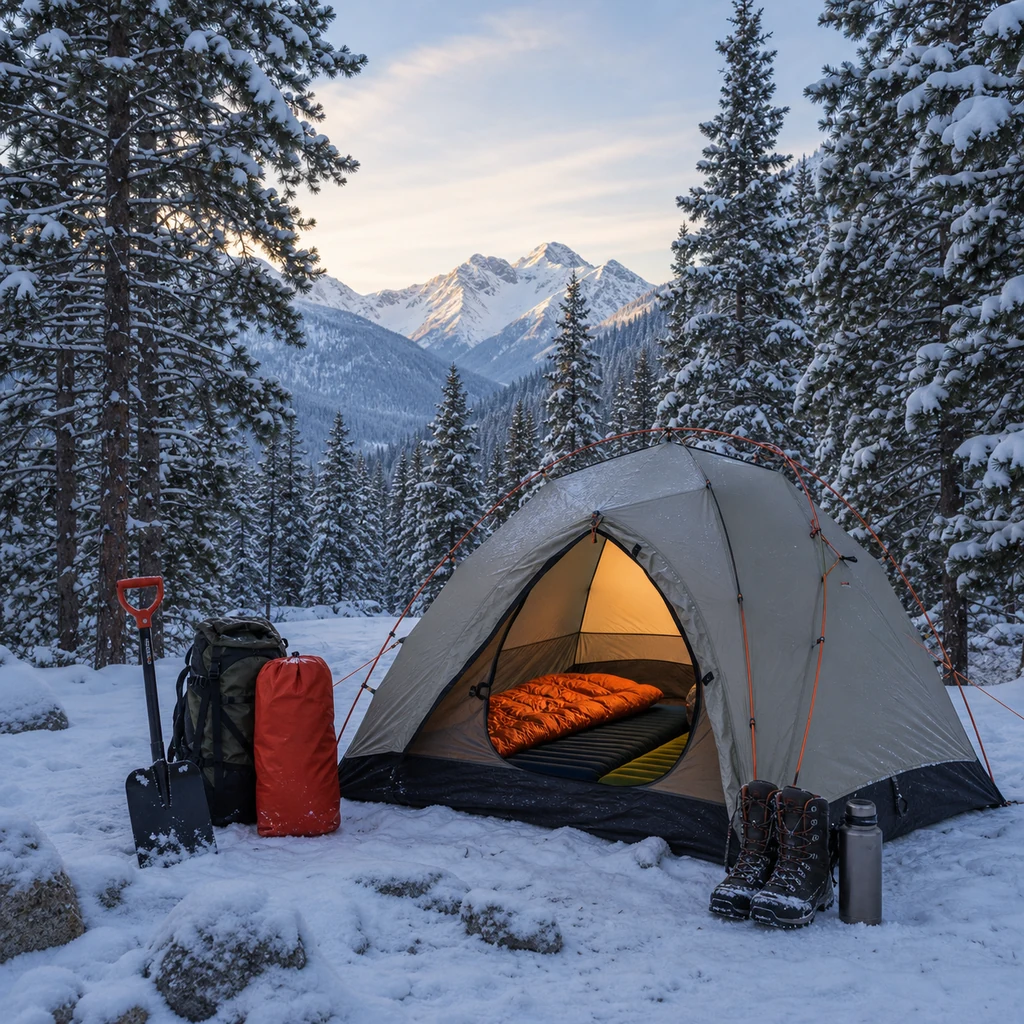
These winter camping ideas will help you build a safer, warmer, and more enjoyable cold-weather camping plan. You will find campsite selection tips, winter gear guidance, sleep-system advice, cooking ideas, trail safety, cold-weather warnings, and a practical checklist to review before you leave home.
1. Choose a Winter-Friendly Campsite
The right campsite can make winter camping much easier. Look for a legal camping area that is protected from strong wind, safe from avalanche terrain, and realistic to reach in winter conditions. A spot that feels easy in summer may become difficult when roads are icy, daylight is short, or trails are covered in snow.
What to look for in a winter campsite
- Shelter from wind, such as trees or natural terrain barriers
- Higher ground away from cold air pockets and drainage areas
- Safe distance from avalanche slopes, unstable snow, and cornices
- Enough flat space to pack snow and pitch your tent securely
- Access that matches your skill level, gear, and daylight window
Before choosing a remote winter campsite, check road conditions, trail reports, weather alerts, and local land-management rules. If you are new to winter camping, start with a developed campground or a short approach rather than a deep backcountry trip.
2. Pack the Right Winter Camping Gear
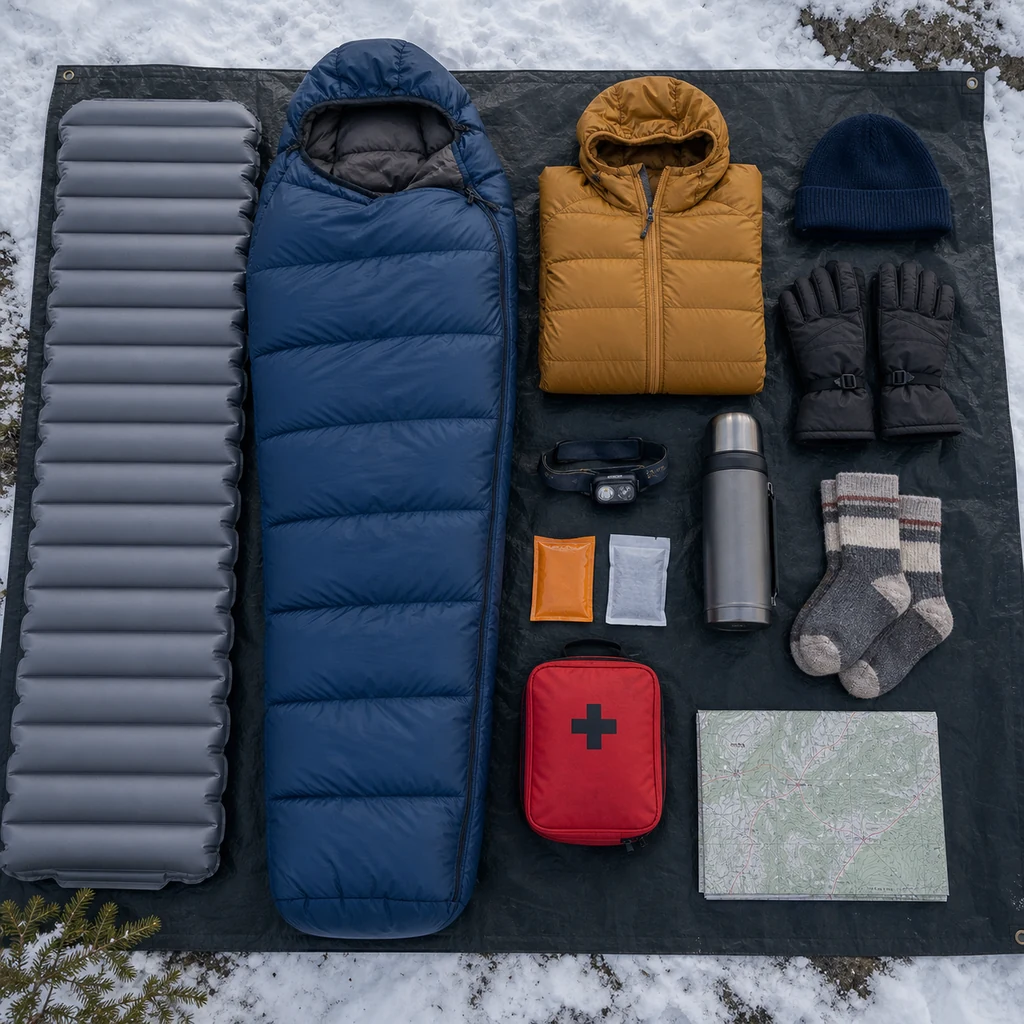
Winter camping gear has one job: help you stay warm, dry, hydrated, and able to function when temperatures drop. A few comfort items are nice, but your sleeping system, clothing layers, shelter, stove, lighting, and emergency gear matter most.
Winter camping gear checklist
- 4-season tent or strong winter-capable shelter
- Cold-rated sleeping bag or quilt suited to expected low temperatures
- Insulated sleeping pad with enough R-value for frozen ground
- Base layers, insulating mid layers, and waterproof/windproof shell
- Warm hat, neck gaiter, gloves, backup gloves, and thick socks
- Insulated boots with traction for snow and ice
- Headlamp with extra batteries kept warm
- Stove and fuel that perform well in cold conditions
- Thermos, water bottles, and a way to keep water from freezing
- First-aid kit, emergency blanket, fire starter, whistle, and navigation tools
Do not rely on cotton clothing as your main winter layer. Cotton holds moisture and can make you colder. Wool and synthetic layers are usually better because they manage sweat and dry faster.
3. Build a Warm Sleep System
Your sleep system is the heart of a winter camping trip. A warm sleeping bag alone is not enough if the ground is pulling heat from your body. Pair your cold-rated sleeping bag with an insulated sleeping pad, and consider adding a closed-cell foam pad underneath for extra protection from snow or frozen ground.
Simple ways to sleep warmer
- Change into dry base layers before bed.
- Use a warm hat or hood to reduce heat loss.
- Keep tomorrow morning’s clothes inside the sleeping bag if space allows.
- Eat a warm meal before sleeping so your body has fuel.
- Keep a sealed warm water bottle near your core or feet, if safe and leakproof.
Avoid breathing into your sleeping bag. Moisture from your breath can collect inside the insulation and make it less effective over time.
4. Set Up Your Tent for Snow and Wind
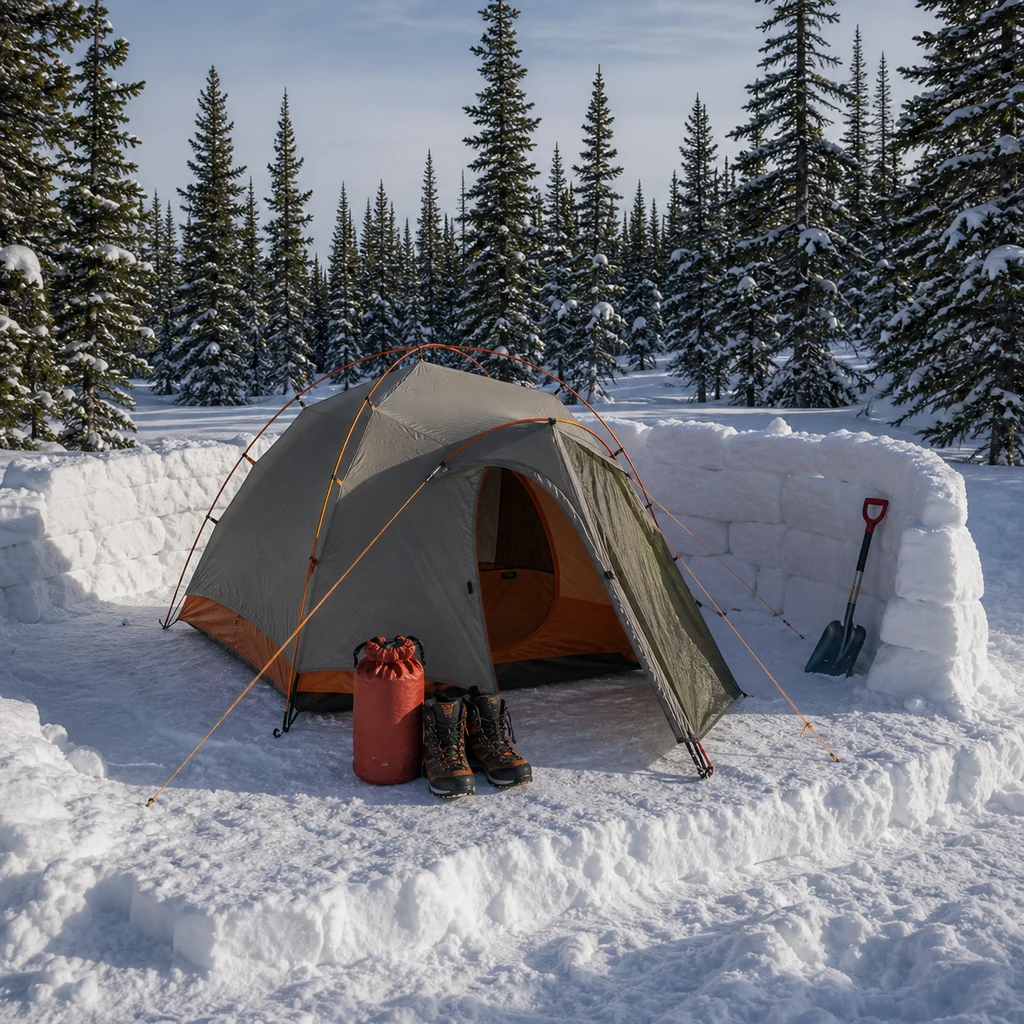
Winter campsites need more preparation than summer campsites. Pack down the snow before pitching your tent so the surface is firm and level. Let the platform settle for a few minutes, then set up the tent with secure anchors. If wind is expected, build a low snow wall as a windbreak, but avoid blocking tent ventilation.
Winter tent setup tips
- Pack snow firmly before pitching the tent.
- Use snow stakes, deadman anchors, or secure winter anchoring methods.
- Keep vents open enough to reduce condensation.
- Brush snow off the tent during storms so weight does not build up.
- Create a clear path to boots, shovel, stove area, and emergency gear.
Ventilation may feel counterintuitive in cold weather, but it helps manage condensation. A sealed tent can trap moisture from breathing and wet gear, making the inside feel colder and damp.
5. Eat Warm, High-Energy Meals
Your body burns more energy in cold weather, especially if you are hiking, snowshoeing, skiing, or working around camp. Bring meals that are warm, calorie-dense, and easy to prepare with gloves on. Complicated recipes are less appealing when your fingers are cold and daylight is fading.
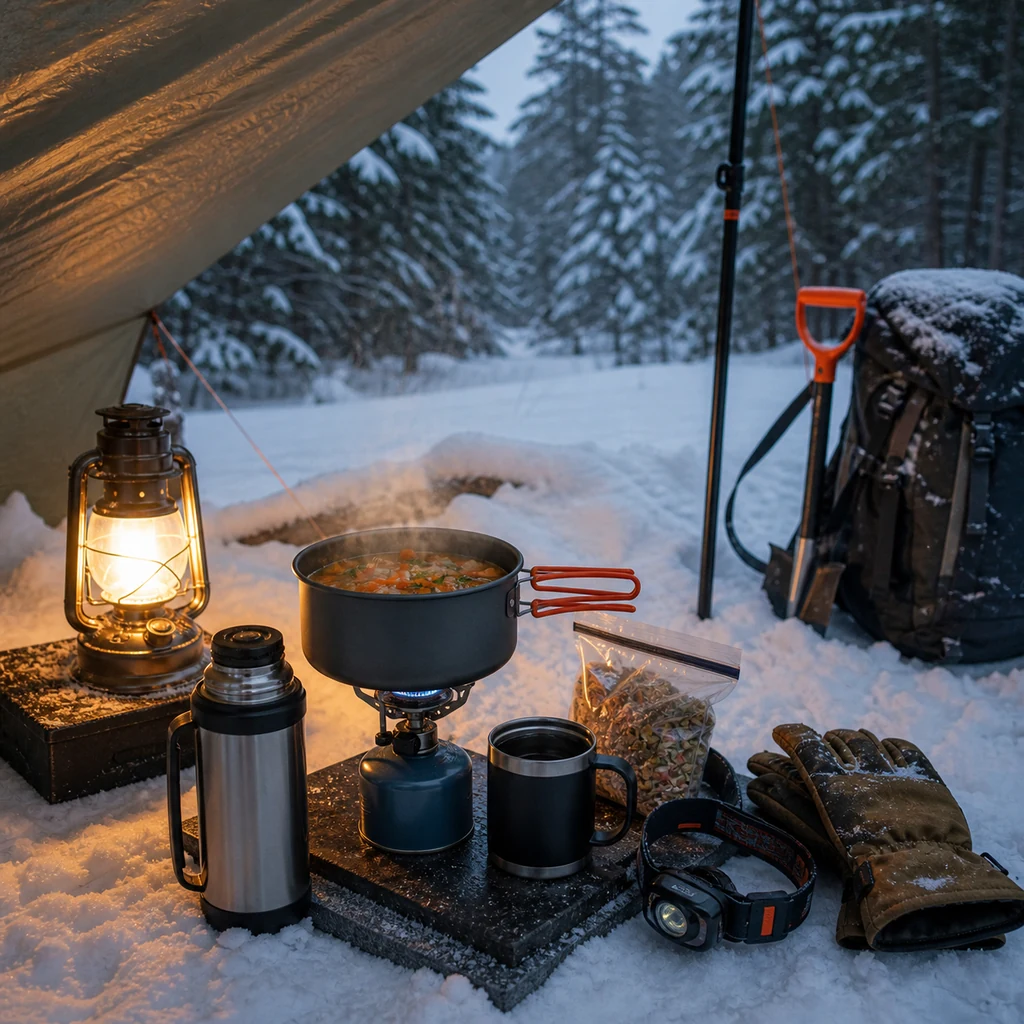
Good winter camping food ideas
- Oatmeal with nuts, dried fruit, or nut butter
- Instant rice, pasta, couscous, or dehydrated meals
- Soups, stews, and hot drinks
- Energy bars that do not freeze too hard
- Trail mix, cheese, tortillas, chocolate, and high-calorie snacks
Cook only in a well-ventilated outdoor area. Do not use a stove inside a closed tent because of fire and carbon monoxide risks. Keep fuel canisters warm enough to work properly, and follow the stove manufacturer’s cold-weather guidance.
6. Manage Water Before It Freezes
Hydration is easy to forget in winter because you may not feel as thirsty as you do in summer. Cold air, dry wind, and physical effort can still dehydrate you. Keep water bottles insulated, store them upside down so ice forms near the bottom first, and bring a reliable way to melt snow or treat water if needed.
Melting snow takes more fuel than many beginners expect. If you plan to rely on snow for water, bring extra fuel and start melting before you are almost out of drinking water.
7. Plan Safe Winter Activities
Winter camping is not only about staying warm. Snowshoeing, winter hiking, cross-country skiing, photography, stargazing, and quiet wildlife observation can make the trip special. The key is choosing activities that match the weather, terrain, daylight, and your group’s experience.
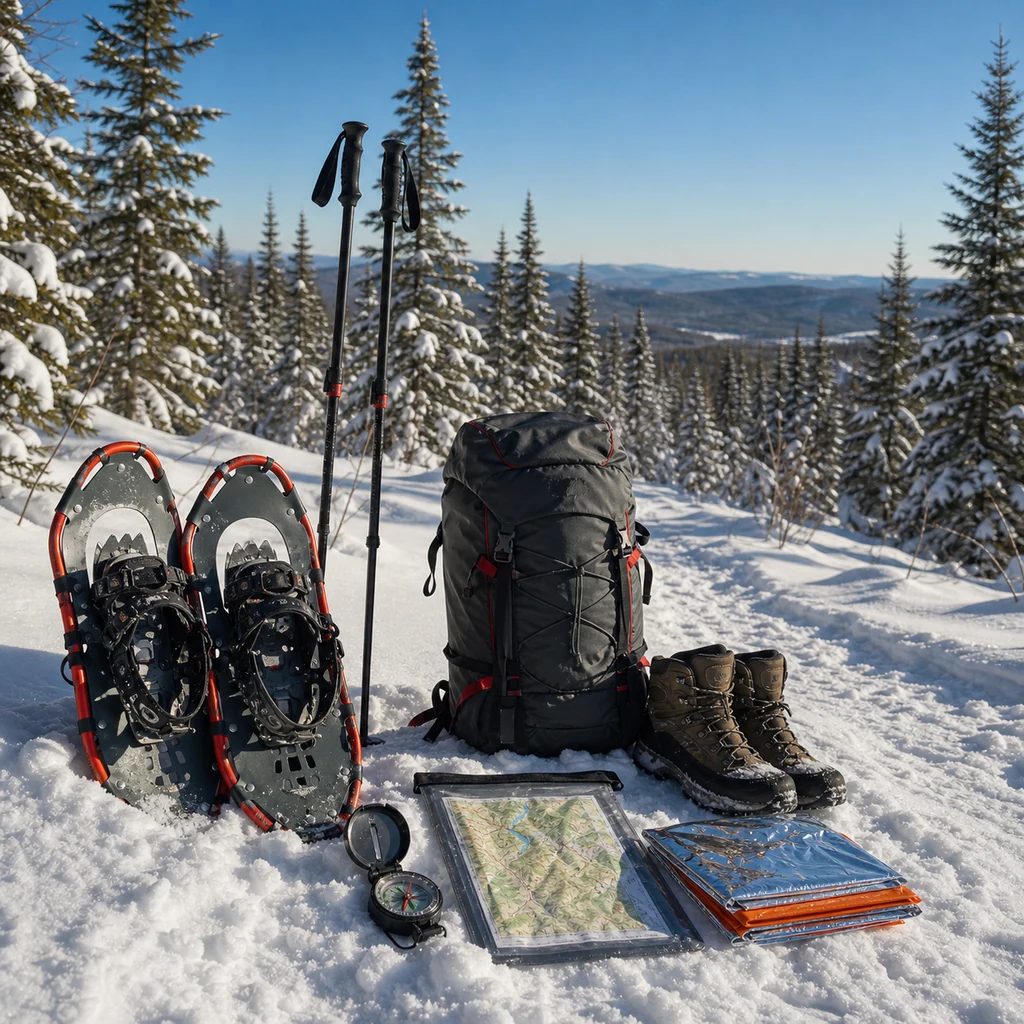
Winter trail safety tips
- Start early and plan around short daylight hours.
- Carry traction, snowshoes, or skis when conditions require them.
- Keep a map, compass, GPS, or offline route available.
- Turn around before weather, fatigue, or darkness becomes a problem.
- Tell someone your route and expected return time.
Before heading out, review winter weather alerts from the National Weather Service winter safety page. If your route crosses avalanche terrain, check local avalanche forecasts and carry the correct training and equipment.
8. Know the Signs of Cold Stress
Cold-weather safety is not only about comfort. Hypothermia and frostbite are serious risks when temperatures drop, clothing gets wet, or wind removes body heat. Learn the warning signs before your trip so you can respond early.
Warning signs to watch for
- Uncontrolled shivering, confusion, slurred speech, or unusual clumsiness
- Numb fingers, toes, nose, cheeks, or ears
- Skin that looks pale, gray, waxy, or unusually firm
- Extreme fatigue, poor coordination, or poor decision-making
For health guidance, review the CDC information on preventing cold-related illness. If someone shows serious symptoms, get them warm and seek emergency help.
9. What Not to Do While Winter Camping
- Do not sleep directly on snow or frozen ground without insulation.
- Do not wear damp base layers into your sleeping bag.
- Do not cook inside a closed tent.
- Do not ignore wind, avalanche, or storm warnings.
- Do not rely on a summer tent in severe winter conditions.
- Do not wait until you are thirsty to manage water.
- Do not push mileage goals when daylight, weather, or energy is dropping.
10. Winter Camping Checklist Before You Leave
- Check weather alerts, road conditions, trail reports, and avalanche forecasts if relevant.
- Confirm campsite access, permits, winter closures, and local rules.
- Test your tent, stove, sleeping pad, and cold-weather layers before the trip.
- Pack dry base layers, backup gloves, warm socks, and a sleep-only clothing set.
- Bring a cold-rated sleeping bag and insulated sleeping pad.
- Carry a stove, extra fuel, high-energy food, and a water-freezing plan.
- Pack navigation, headlamp, emergency blanket, first-aid kit, and communication plan.
- Tell someone where you are going and when you expect to return.
FAQ About Winter Camping Ideas!
Is winter camping safe for beginners?
Winter camping can be safe for beginners if the first trip is short, close to help, and planned in mild winter conditions. Beginners should start with a developed campground or easy-access site before trying remote snow camping.
What is the most important winter camping gear?
The most important items are a warm sleeping system, insulated sleeping pad, weather-appropriate shelter, layered clothing, reliable stove, headlamp, navigation, first-aid kit, and emergency warmth.
How do you stay warm while winter camping?
Stay dry, wear layered clothing, eat enough calories, use an insulated sleeping pad, change into dry sleep clothes, protect your head and extremities, and avoid sweating heavily during activity.
Can you use a regular tent for winter camping?
A regular 3-season tent may work in mild winter conditions with little wind or snow load, but a 4-season tent is safer for harsher weather, strong wind, and snow accumulation.
What should you eat while winter camping?
Choose warm, high-energy foods that cook quickly, such as oatmeal, soup, rice, pasta, dehydrated meals, nut butter, tortillas, trail mix, and hot drinks.
Final Thoughts
The best winter camping ideas start with warmth, dryness, and realistic planning. Choose a sheltered campsite, build a strong sleep system, protect yourself from wind and moisture, and keep your food and water plan simple. With the right preparation, winter camping can be quiet, beautiful, and deeply rewarding.