
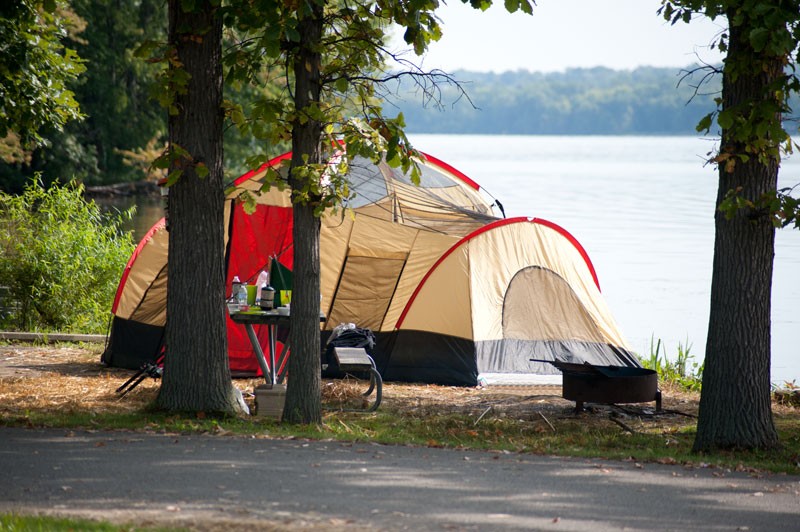
Summer camping is one of the easiest ways to enjoy long days, warm evenings, lakeside mornings, and time outside with less complicated gear. But summer also brings its own challenges: heat, sun exposure, dehydration, insects, food storage issues, crowded campsites, and sudden thunderstorms. A relaxed summer trip still needs a thoughtful plan.
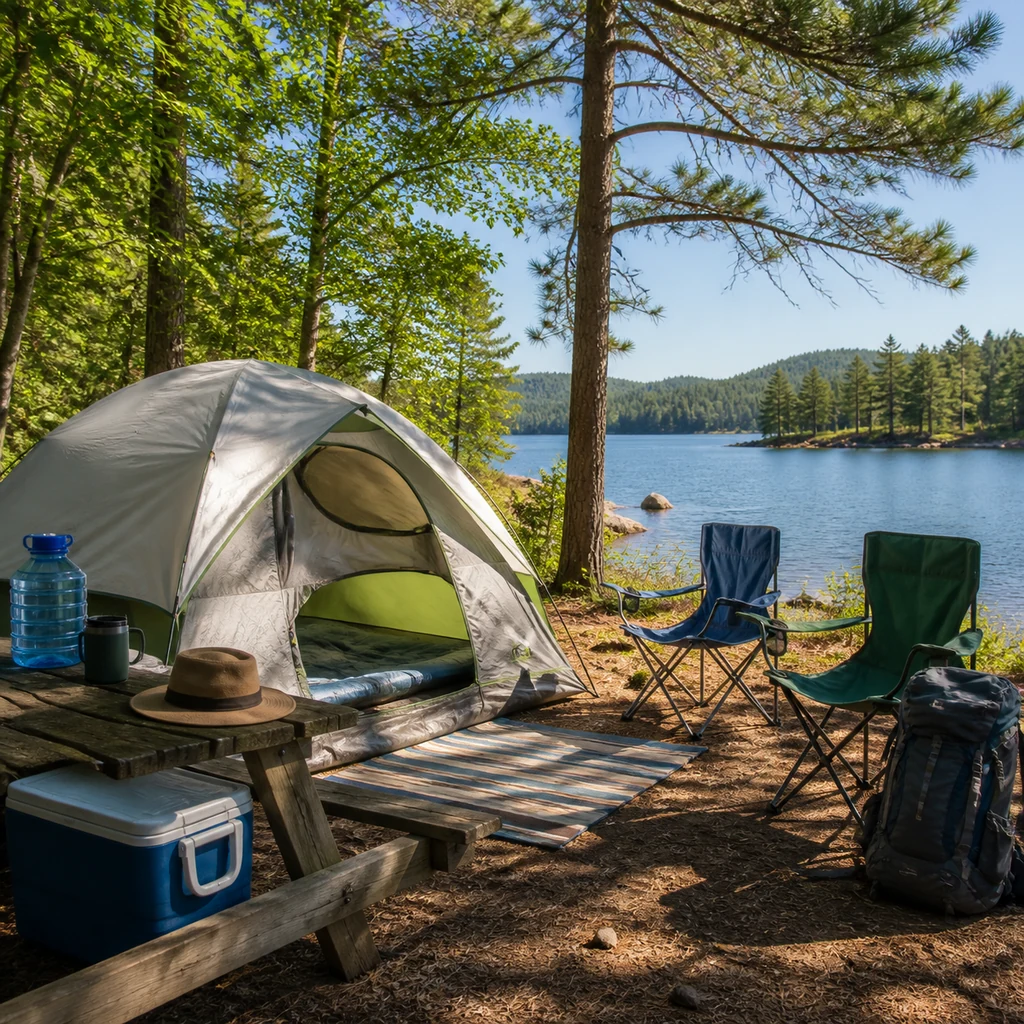
These summer camping thoughts will help you choose a better campsite, pack practical warm-weather gear, stay cool, plan easy meals, protect yourself from heat and insects, and enjoy summer activities safely. The goal is simple: make your trip feel relaxed without ignoring the details that keep camp comfortable.
1. Choose a Campsite With Shade and Airflow
A great summer campsite should give you shade during the hottest hours, enough airflow to keep the tent from feeling stuffy, and easy access to safe water or cooling activities when possible. Lakeside and forest campsites can be wonderful, but they may also bring mosquitoes, humidity, and crowded weekends.
What to look for in a summer campsite
- Natural shade from trees during afternoon heat
- Flat, durable ground for the tent
- Good airflow rather than a still, low pocket of hot air
- Safe distance from water, cliffs, unstable trees, and busy roads
- Nearby activities that match your plan, such as hiking, swimming, or kayaking
If you are camping in a popular area, reserve early and read campsite notes carefully. In summer, a shaded site can feel dramatically better than an exposed site with no cover.
2. Pack Summer Camping Gear That Solves Real Problems
Summer gear should be lightweight, breathable, and focused on heat, sun, insects, hydration, and quick weather changes. You do not need to overpack, but you do need the items that keep you comfortable when the sun is high or a storm rolls in.
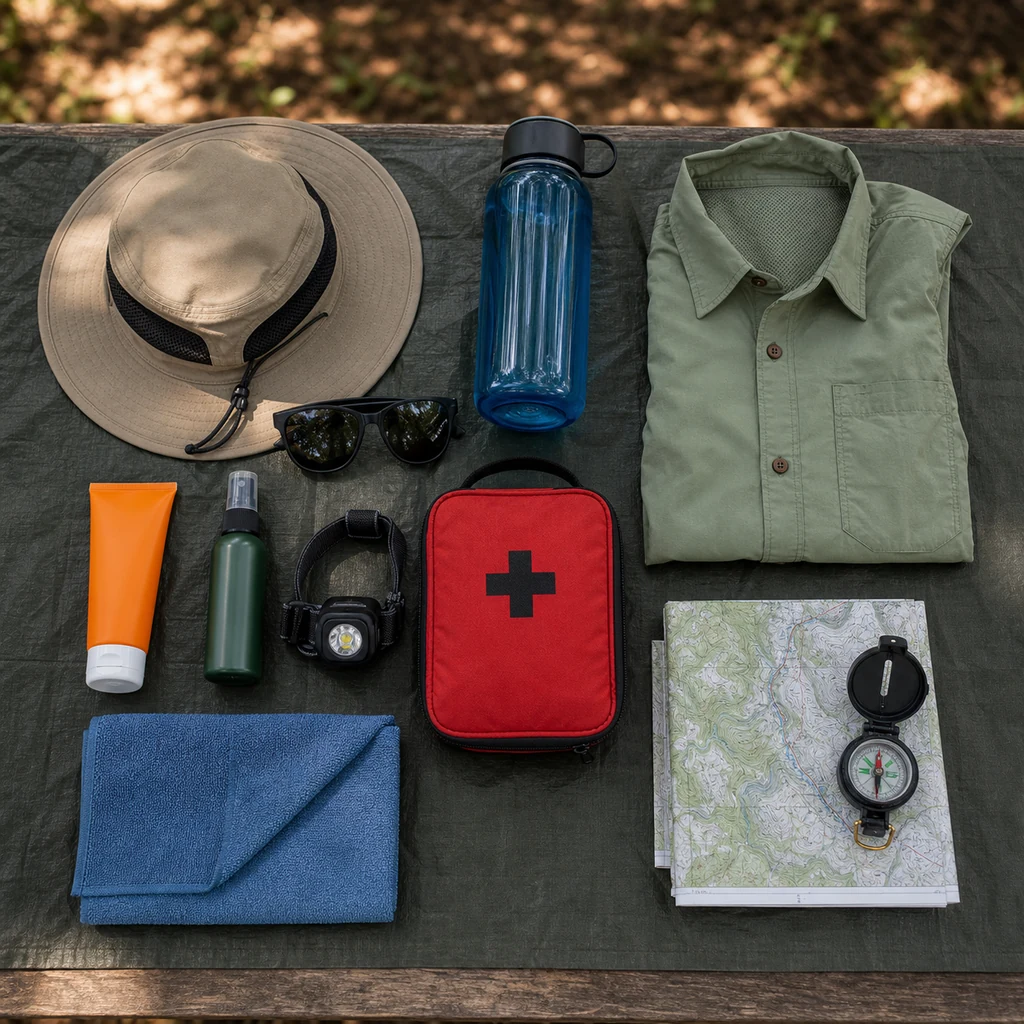
Summer camping gear checklist
- Breathable tent with mesh panels and rainfly
- Lightweight sleeping bag, quilt, or sheet for warm nights
- Sleeping pad for comfort and insulation from the ground
- Wide-brimmed hat, sunglasses, and sunscreen
- Lightweight long-sleeve shirt for sun protection
- Insect repellent and bite-care basics
- Water bottles, water jug, or hydration reservoir
- Cooler, food storage containers, and trash bags
- Headlamp, first-aid kit, map, and weather-ready rain jacket
A tent with good ventilation matters more than many beginners expect. Warm, still air can make sleeping uncomfortable, so open vents and mesh panels when weather allows.
3. Stay Cool During Hot Days
Summer heat can sneak up fast, especially when you are setting up camp, hiking, paddling, or cooking in direct sun. Plan harder activities for early morning or evening, and use midday for shade, swimming where safe, reading, light camp chores, or quiet rest.
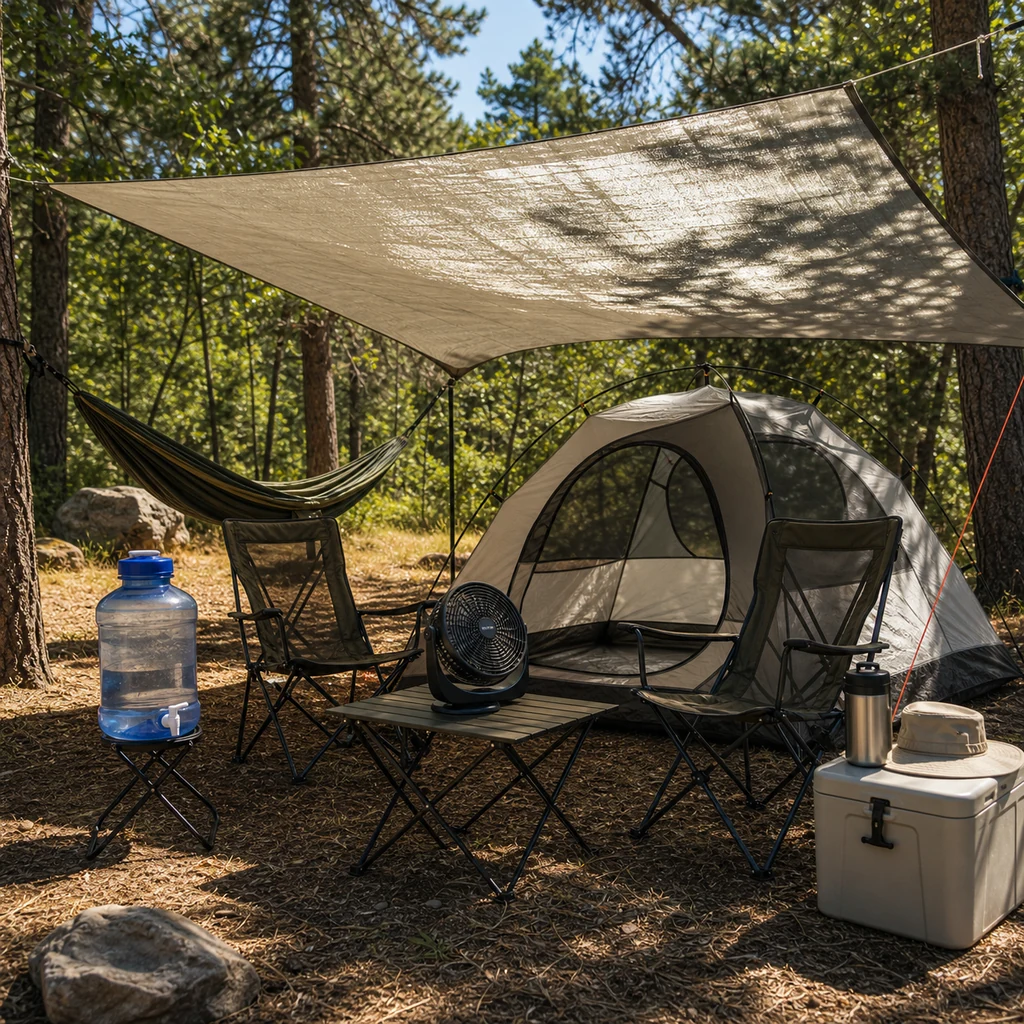
Simple ways to keep camp cooler
- Set up the tent in shade if the campsite allows it.
- Use a tarp or shade cloth over the camp kitchen or sitting area.
- Open tent vents and doors when bugs and weather allow.
- Keep water accessible instead of buried in the car or pack.
- Wear light-colored, breathable clothing.
- Take breaks before you feel overheated.
For heat safety guidance, review the CDC advice on preventing heat-related illness. Heat exhaustion can become serious quickly, so do not ignore dizziness, heavy sweating, confusion, headache, or nausea.
4. Plan Hydration and Easy Summer Meals
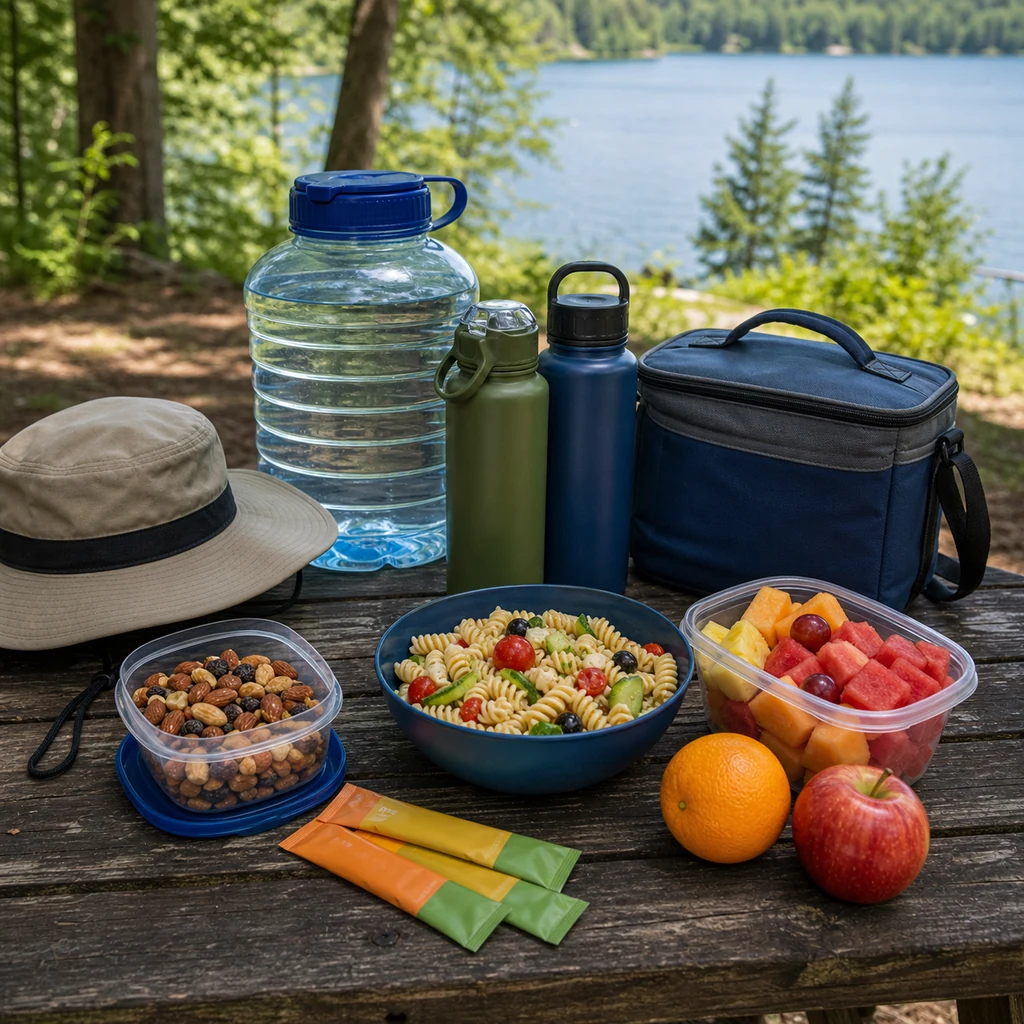
Hydration is one of the most important parts of summer camping. Bring more water than you expect to drink, especially if you are camping somewhere hot, hiking during the day, bringing pets, or staying far from reliable water. If you plan to use natural water sources, bring a filter or purification method.
Good summer camping food ideas
- Fresh fruit, cut vegetables, hummus, and wraps
- Pasta salad, grain bowls, or couscous meals
- Trail mix, nuts, dried fruit, and energy bars
- Simple grilled vegetables or quick stove meals
- Cold drinks, electrolyte packets, and hot-weather snacks
Keep perishable food cold and sealed. Use a cooler strategy that separates drinks from food if possible, because drink coolers are opened more often. Store food securely and follow local wildlife rules.
5. Protect Yourself From Sun and Insects
Sunburn and insect bites can make a summer trip uncomfortable fast. Use sunscreen as directed, reapply after swimming or sweating, and protect your neck, ears, and shoulders. Long sleeves may feel counterintuitive in summer, but lightweight sun-protective layers can keep you cooler than direct sun on bare skin.
Insect-smart campsite habits
- Keep food sealed and clean up crumbs quickly.
- Use insect repellent according to the label directions.
- Close tent mesh doors immediately.
- Avoid leaving damp towels or food scraps around camp.
- Check for ticks after walking through grass or brush.
For bite-prevention tips, the CDC has guidance on preventing mosquito bites. Local insect risks vary, so check park or campground advice before your trip.
6. Plan Activities Around Temperature and Weather
Summer is perfect for hiking, swimming, kayaking, paddleboarding, fishing, stargazing, and slow mornings around camp. The trick is timing. Do active adventures early or late, and keep the hottest part of the day flexible.
Summer activity safety tips
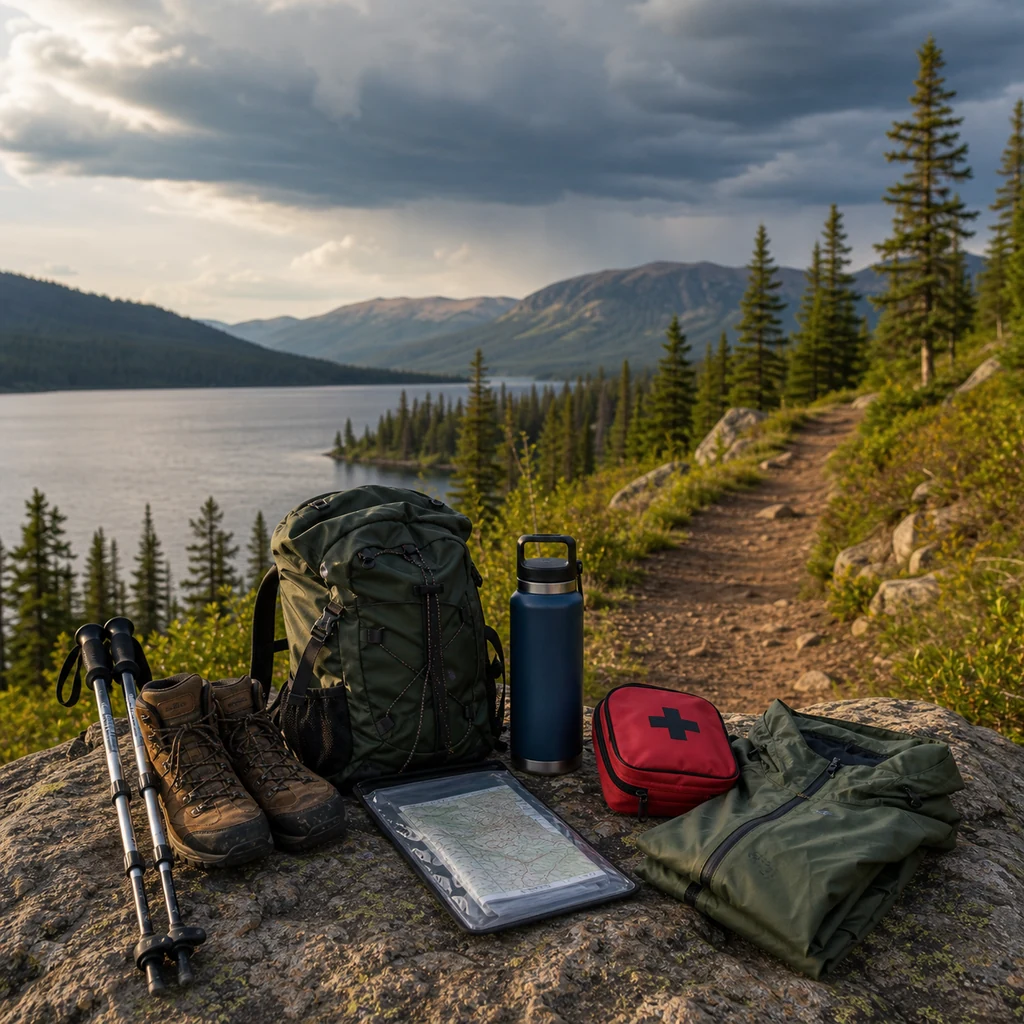
- Start hikes early and carry more water than usual.
- Check swimming and boating rules before entering water.
- Wear a life jacket for paddling and follow local water safety guidance.
- Watch for afternoon thunderstorms, especially near mountains or lakes.
- Keep a rain jacket and dry layer available even on warm days.
Before you leave, check forecasts and alerts from the National Weather Service heat safety page. If thunderstorms are likely, avoid exposed ridges, open water, and tall isolated trees.
7. Make Warm Nights More Comfortable
Sleeping in summer can be harder than expected when the air is still, humid, or buggy. Choose a breathable tent, keep mesh panels open when safe, use a light sleep layer, and avoid overdressing. A small battery fan can help in developed campsites where it is allowed and practical.
Better summer sleep tips
- Use a lightweight sleeping bag, quilt, or sheet.
- Keep the tent shaded before bedtime if possible.
- Ventilate the tent to reduce stuffy air and condensation.
- Store food away from the sleeping area.
- Use earplugs if campground noise is common.
8. Keep Camp Clean and Wildlife-Safe
Summer campsites can attract wildlife, insects, and campground pests when food is not stored well. Keep meals organized, seal scented items, and never feed animals. Even small scraps can create problems for wildlife and future campers.
For low-impact camping habits, review the National Park Service guidance on Leave No Trace while camping.
9. What Not to Do While Summer Camping
- Do not set up your tent in full sun if shade is available.
- Do not wait until you feel thirsty to drink water.
- Do not leave food, trash, or scented items outside overnight.
- Do not ignore heat advisories or thunderstorm warnings.
- Do not hike at midday in extreme heat if you can start earlier.
- Do not swim in unsafe water or during storms.
- Do not rely on sunscreen alone without shade, clothing, and hydration.
10. Summer Camping Checklist Before You Leave
- Check weather, heat alerts, fire restrictions, and campground rules.
- Confirm reservations, permits, and arrival times.
- Pack water storage, hydration bottles, and water treatment if needed.
- Bring sun protection, insect repellent, first aid, and a rain jacket.
- Prepare easy meals and a cooler plan for perishable food.
- Download maps and plan activities for cooler parts of the day.
- Pack trash bags and know local food-storage rules.
- Tell someone your location and return plan if camping remotely.
FAQ About Summer Camping Thoughts!
What is the best way to stay cool while summer camping?
Choose a shaded campsite, use breathable shelter, drink water consistently, avoid heavy activity during peak heat, wear lightweight clothing, and rest during the hottest part of the day.
What should I pack for summer camping?
Pack a breathable tent, lightweight sleep system, water storage, sunscreen, sunglasses, hat, insect repellent, first aid kit, rain jacket, cooler, easy meals, headlamp, and navigation basics.
How much water do I need for summer camping?
The amount depends on heat, activity, trip length, and water availability. Bring more than you expect to drink, and add extra for cooking, pets, washing, and emergencies.
How do I keep food safe during summer camping?
Use a cooler with enough ice, keep raw and ready-to-eat foods separate, store food in sealed containers, and follow campground wildlife storage rules. Keep the cooler shaded when possible.
What activities are best for summer camping?
Good summer camping activities include early-morning hikes, swimming where safe, kayaking, fishing, nature walks, stargazing, camp cooking, and relaxing in shaded areas.
Final Thoughts
The best summer camping trips feel easy because the planning is already done. Choose shade, bring enough water, keep meals simple, watch the weather, and protect yourself from heat, sun, insects, and food-storage problems. With a little preparation, summer camping can feel relaxed, comfortable, and full of small outdoor moments worth remembering.