
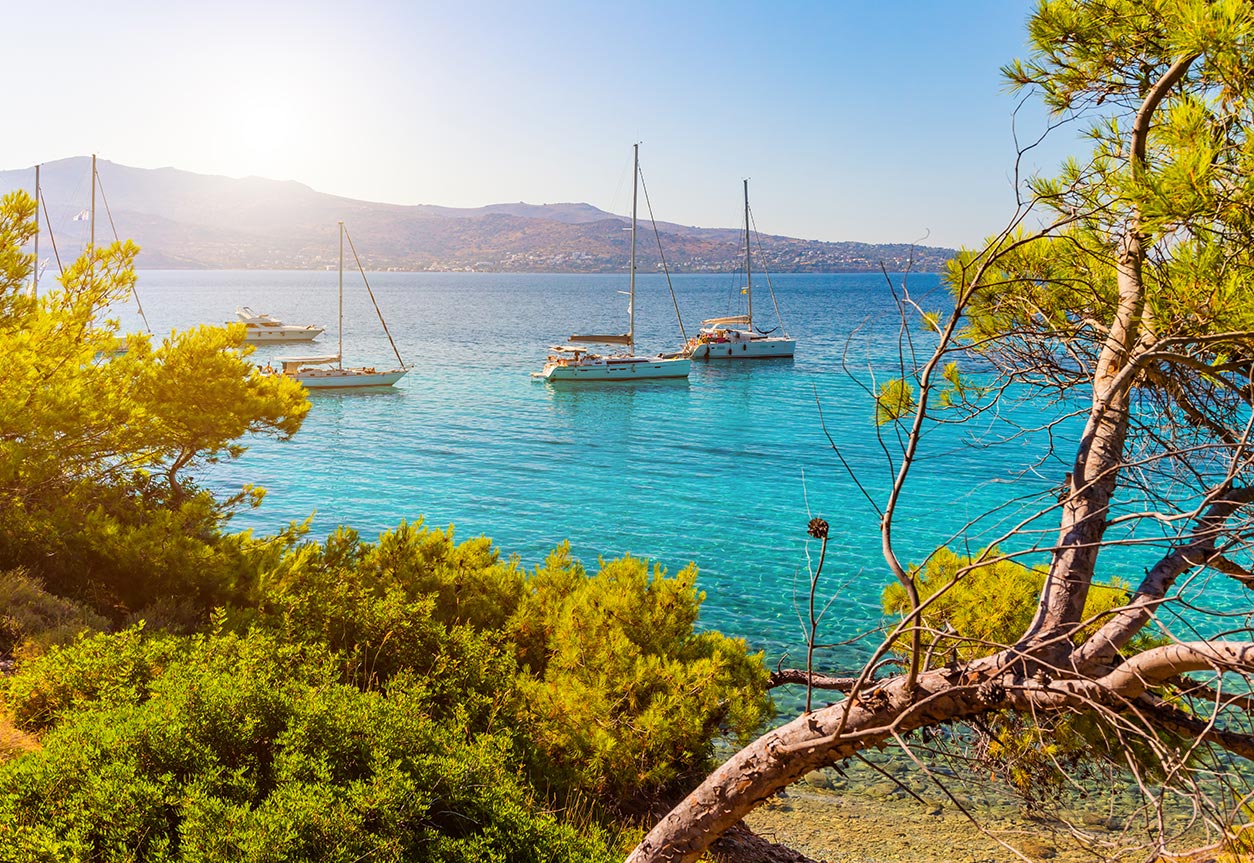
The Mediterranean climate is famous for warm dry summers, mild winters, coastal breezes, bright sunlight, and outdoor living. It is a wonderful climate for travel, camping, hiking, beach days, long meals, and slow afternoons, but it also requires smart planning around heat, hydration, sun exposure, and seasonal timing.
This guide explains how to enjoy the Mediterranean climate comfortably, whether you are planning a coastal trip, a camping weekend, a garden-inspired getaway, or a relaxed outdoor holiday.
What Is the Mediterranean Climate?
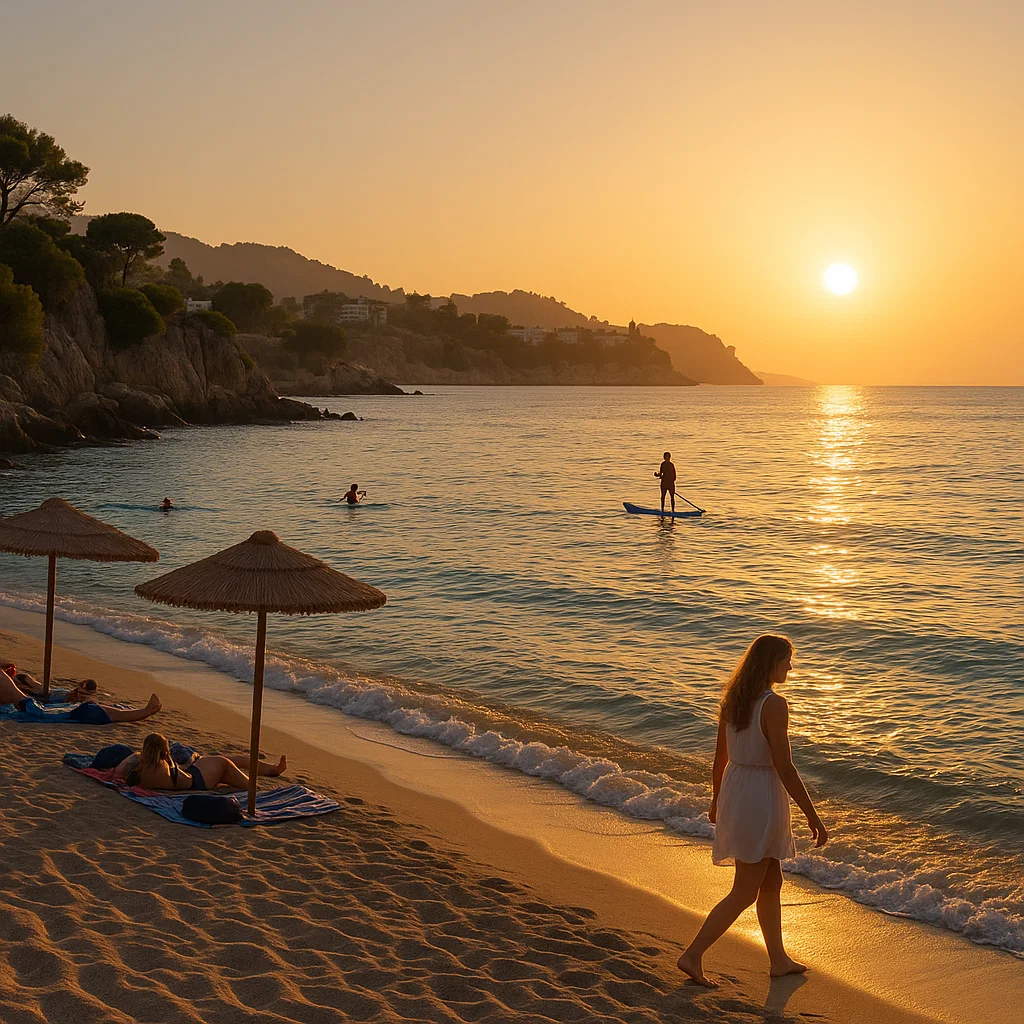
A Mediterranean climate usually means hot, dry summers and mild, wetter winters. You will find this climate around the Mediterranean Sea, but also in parts of California, Chile, South Africa, and Australia. The best part is the outdoor lifestyle: morning walks, shaded lunches, beach afternoons, and cooler evenings.
Key features to expect
- Strong sun during the day, especially in summer.
- Low rainfall in peak summer months.
- Cooler evenings near the coast.
- Fresh seasonal foods and outdoor dining culture.
- Dry landscapes, olive groves, pine forests, beaches, and rocky trails.
Plan Activities Around the Sun
The easiest way to enjoy this climate is to match your day to the weather. Early mornings and evenings are best for walking, hiking, cycling, markets, and sightseeing. Midday is better for shade, swimming, long lunches, or rest.
A smart daily rhythm
- Morning: Walk, hike, explore towns, visit markets, or start a beach day.
- Midday: Rest in shade, eat lunch, swim, or take a quiet break.
- Late afternoon: Return outdoors when the sun softens.
- Evening: Enjoy outdoor dining, coastal views, or a sunset walk.
This rhythm is not only comfortable; it is also safer during hot periods.
Stay Hydrated and Sun-Safe
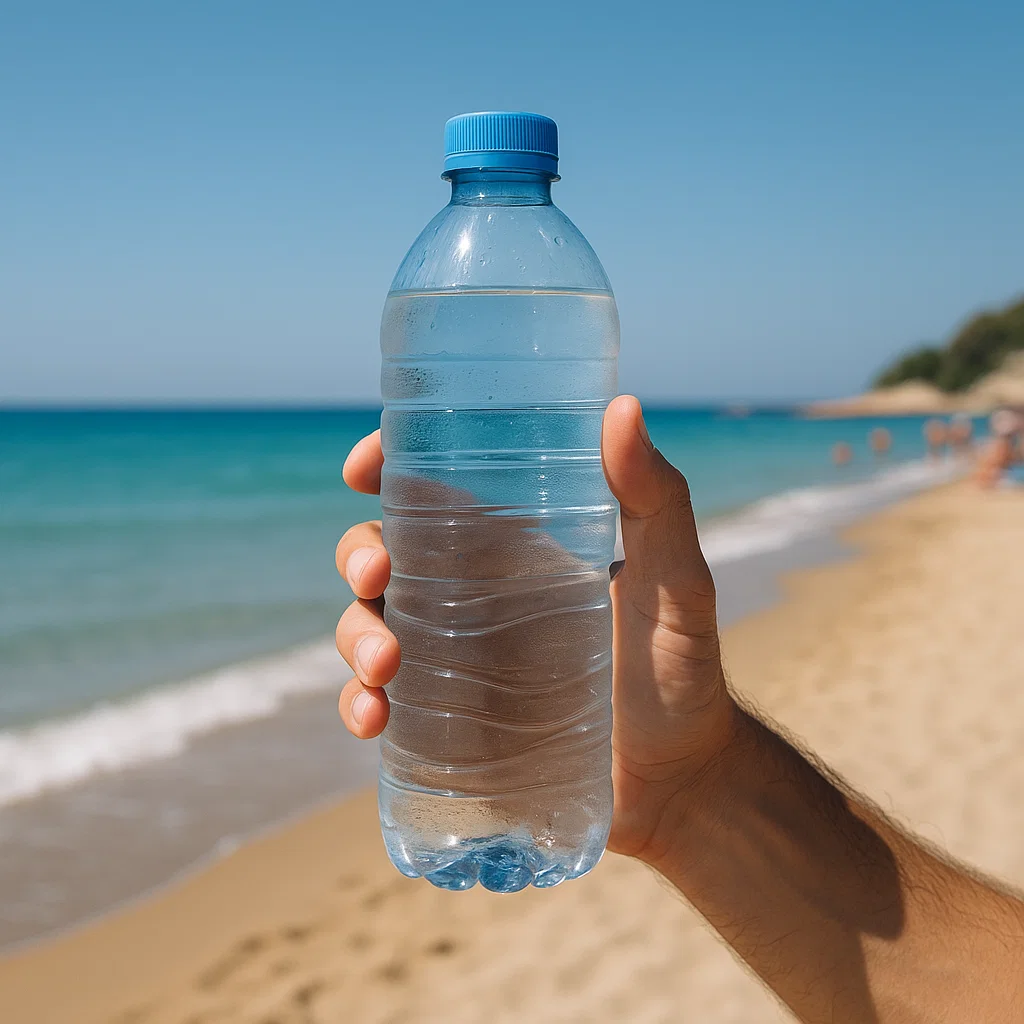
Dry heat can make dehydration easy to miss. Carry water, drink before you feel very thirsty, and use shade breaks as part of your plan.
Sun and heat essentials
- Refillable water bottle.
- Wide-brim hat or cap.
- Sunglasses with UV protection.
- Lightweight breathable clothing.
- Sunscreen reapplied as needed.
- Electrolytes for long hikes or very hot days.
If you feel dizzy, unusually tired, nauseous, confused, or overheated, stop, cool down, drink water, and seek help if symptoms do not improve.
Choose Clothing for Heat and Evening Cool
Mediterranean weather can feel hot in the afternoon and surprisingly cool after sunset, especially near the coast or in hill towns. Lightweight layers work better than one heavy outfit.

What to pack
- Linen or cotton-blend shirts.
- Breathable walking clothes.
- Comfortable sandals and walking shoes.
- Light sweater or wrap for evenings.
- Swimwear and quick-dry towel.
- Light rain layer for shoulder seasons.
Enjoy Food, Views, and Slow Evenings
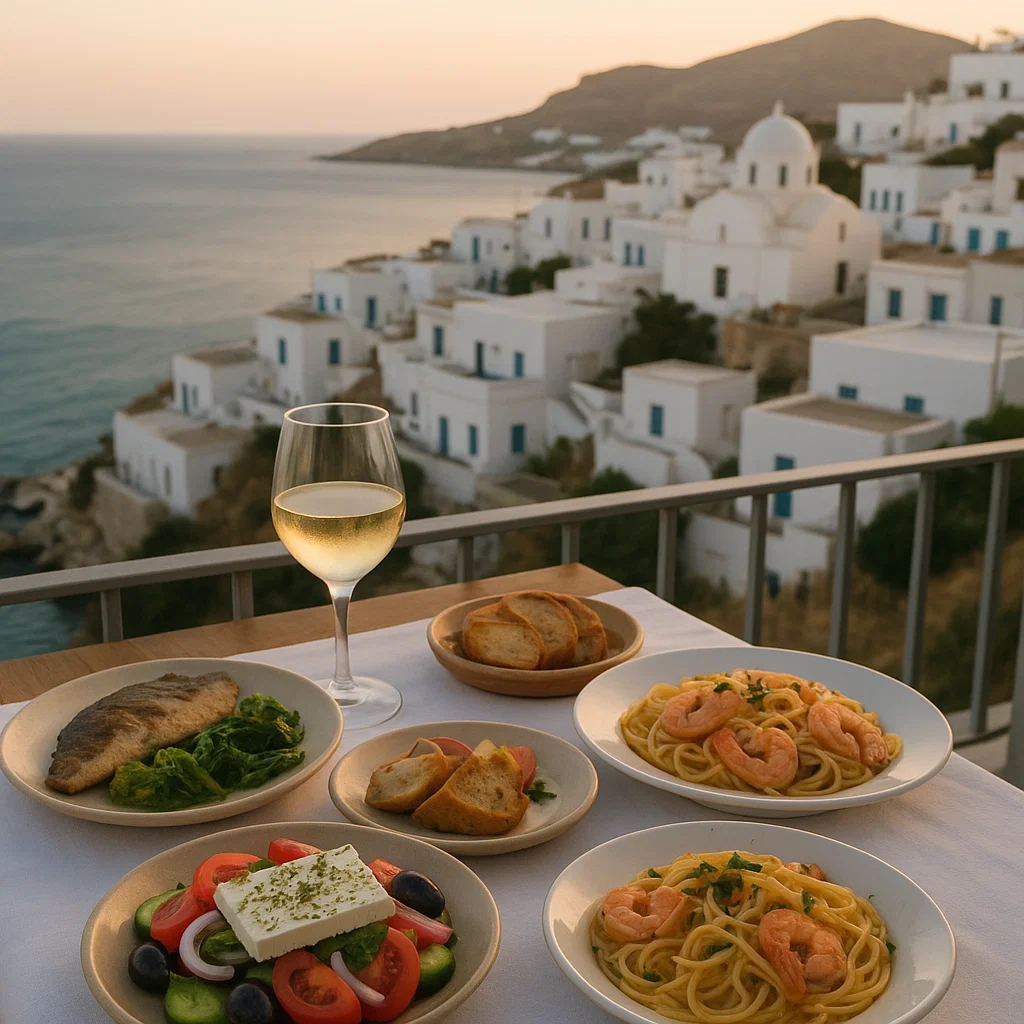
The Mediterranean climate supports a slower outdoor lifestyle. Meals often feel like part of the experience: fresh produce, seafood, olive oil, herbs, grilled vegetables, salads, fruit, and long views.
Simple ways to enjoy it
- Eat outdoors when temperatures are comfortable.
- Try local seasonal produce.
- Plan picnic meals for beaches or viewpoints.
- Choose shaded terraces at midday.
- Save longer walks for sunset or early morning.
Mediterranean Climate Packing Checklist
- Water bottle and electrolyte packets.
- Hat, sunglasses, and sunscreen.
- Breathable daytime clothing.
- Light evening layer.
- Comfortable walking shoes.
- Swimwear and quick-dry towel.
- Small first-aid kit.
- Offline map or saved route.
- Reusable tote for markets or beach supplies.
- Light rain jacket for spring or fall trips.
Common Mistakes to Avoid
Doing too much at midday
Midday sun can drain energy quickly. Plan the hardest activities earlier or later.
Underestimating evening temperature
Always bring a light layer, especially near the sea or in elevated villages.
Skipping hydration
Drink regularly, even when the air feels dry and sweat evaporates quickly.
Only planning beach time
The climate is also ideal for gardens, coastal trails, markets, historic towns, and outdoor meals.
FAQ
What is the best season to enjoy a Mediterranean climate?
Spring and fall are often the most comfortable because temperatures are milder and outdoor activities are easier. Summer is best for beach-focused trips if you plan around heat.
How do you stay cool in Mediterranean summer weather?
Start early, rest in shade at midday, wear breathable clothing, drink water regularly, and save active plans for late afternoon or evening.
Is the Mediterranean climate good for camping?
Yes, especially in spring, early summer, and fall. Choose shaded campsites, prepare for dry conditions, and check local fire rules.
What should I wear in a Mediterranean climate?
Wear breathable clothing during the day, sun protection outdoors, comfortable shoes for walking, and a light layer for evening.
Best Times of Year to Visit
Spring and fall are often the easiest seasons for enjoying a Mediterranean climate because the days are warm without being extreme. These shoulder seasons are especially good for hiking, camping, sightseeing, cycling, and visiting outdoor markets. Summer is beautiful for beaches and late dinners outdoors, but it requires more care around midday heat.
Season-by-season planning
- Spring: Wildflowers, mild walks, greener landscapes, and comfortable camping.
- Summer: Beach days, swimming, dry heat, and strong sun protection needs.
- Fall: Warm seas, harvest foods, fewer crowds, and excellent hiking weather.
- Winter: Mild coastal breaks in many areas, but more rain and cooler evenings.
Outdoor Activities That Fit the Climate
The Mediterranean climate rewards flexible planning. Instead of filling every hour, choose activities that match the time of day and temperature. Coastal walks, shaded old towns, botanical gardens, farmers markets, swimming, kayaking, terrace dining, and scenic drives all work well when scheduled thoughtfully.
For camping or longer outdoor days, check local fire restrictions, carry enough water, and avoid exposed trails during peak heat. Dry landscapes can be fragile, so stay on marked paths and pack out everything you bring.
Final Thoughts
To enjoy the Mediterranean climate, work with its natural rhythm. Use mornings and evenings for activity, protect yourself from midday sun, pack breathable layers, and leave space for slow meals, coastal views, and restful outdoor moments.