
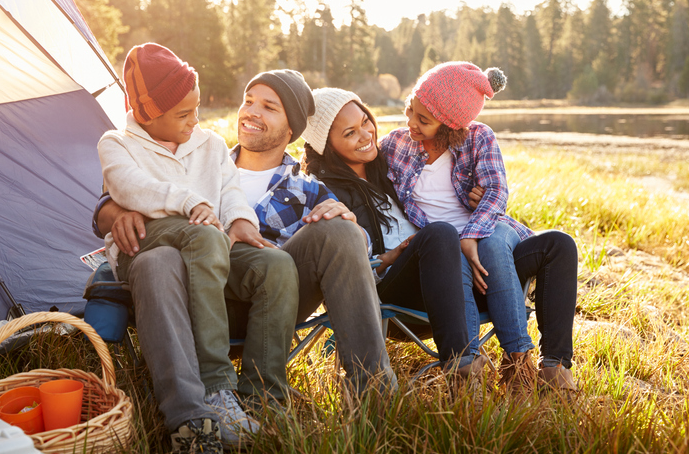
Spring camping can be one of the best ways to enjoy the outdoors before summer crowds arrive. The weather feels fresh, trails are greener, and campsites often feel calmer than they do in peak season. But spring also brings quick temperature changes, muddy ground, rain showers, active wildlife, and chilly nights.
These spring camping tips will help you plan a safer, more comfortable trip with the right gear, clothing, food, weather preparation, and campsite habits. Whether you are camping for one night or planning a longer outdoor weekend, use this guide as a practical checklist before you go.
Why Spring Camping Needs Extra Planning
Camping in spring is different from camping in summer. A sunny afternoon can turn into a cold evening quickly, and a dry trail can become muddy after one rain shower. Good planning does not mean packing everything you own. It means choosing gear that handles changing conditions without making your trip heavy or stressful.
Before you leave, check the forecast for daytime highs, nighttime lows, wind, and rain. Look at campsite rules, road conditions, and whether water sources or facilities are open for the season. Some campgrounds open gradually in spring, so it is worth confirming details before you arrive.
Choosing the Right Gear for Spring Camping
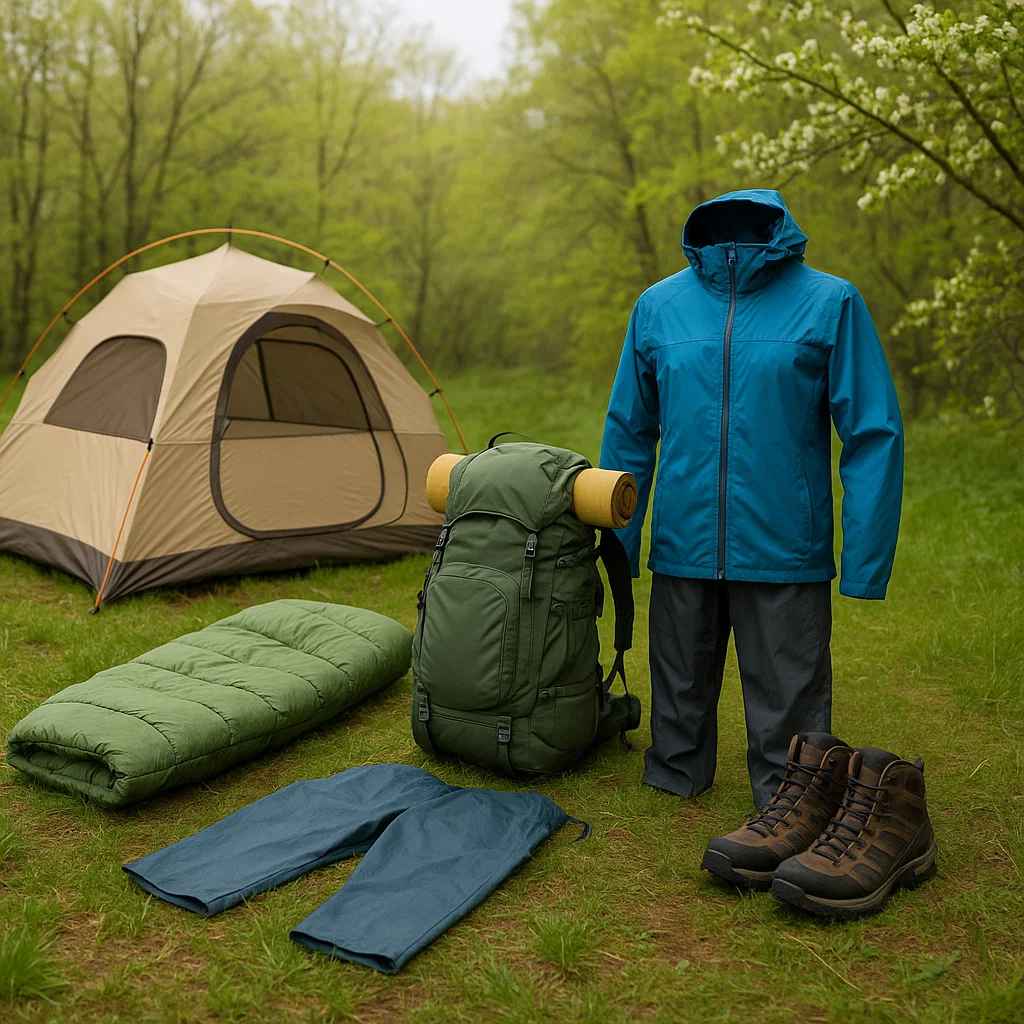
The right gear makes spring camping much easier. Focus on items that protect you from moisture, help you stay warm at night, and keep your campsite organized.
Use a reliable 3-season tent
A 3-season tent is usually the best choice for spring camping. It gives you ventilation for mild weather while still offering protection from wind and rain. Make sure your rainfly fits correctly and pack a groundsheet or footprint to reduce moisture from wet soil.
Choose a sleeping bag for cool nights
Spring nights can feel much colder than expected. Choose a sleeping bag rated for the lowest temperature you may face, not just the daytime forecast. A sleeping pad is just as important because cold ground can pull warmth away from your body while you sleep.
Pack rain protection
Bring a waterproof jacket, a tent rain cover, dry bags, and a simple tarp. A tarp can create a dry cooking or sitting area and gives you a backup shelter if rain lasts longer than expected.
Wear waterproof footwear
Waterproof hiking boots or trail shoes are helpful when trails are muddy or grass is wet in the morning. Pack extra socks so you can change into a dry pair before sleeping.
Layering for Comfort in Spring Camping
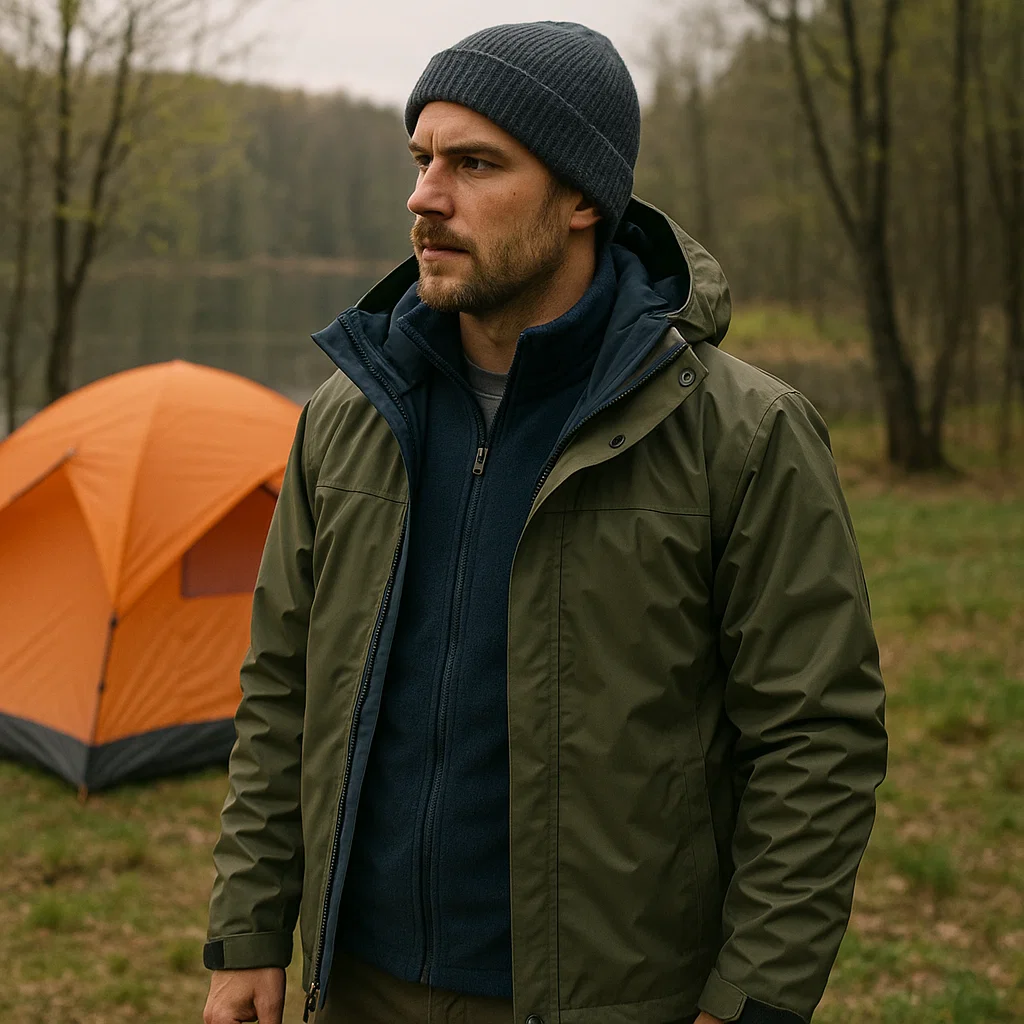
Layering is one of the most important spring camping tips because temperatures can shift throughout the day. Instead of relying on one heavy jacket, wear layers you can add or remove as the weather changes.
Start with a moisture-wicking base layer
A good base layer helps move sweat away from your skin. This keeps you more comfortable while hiking, setting up camp, or walking around during warmer parts of the day.
Add an insulating middle layer
A fleece, lightweight puffer, or insulated jacket helps you stay warm when the temperature drops in the evening. This layer is especially useful around the campfire or early in the morning.
Finish with a waterproof outer layer
Your outer layer should block rain and wind while still allowing some breathability. A waterproof shell is better than a bulky coat because it gives you more flexibility in changing weather.
Spring Camping Food Tips
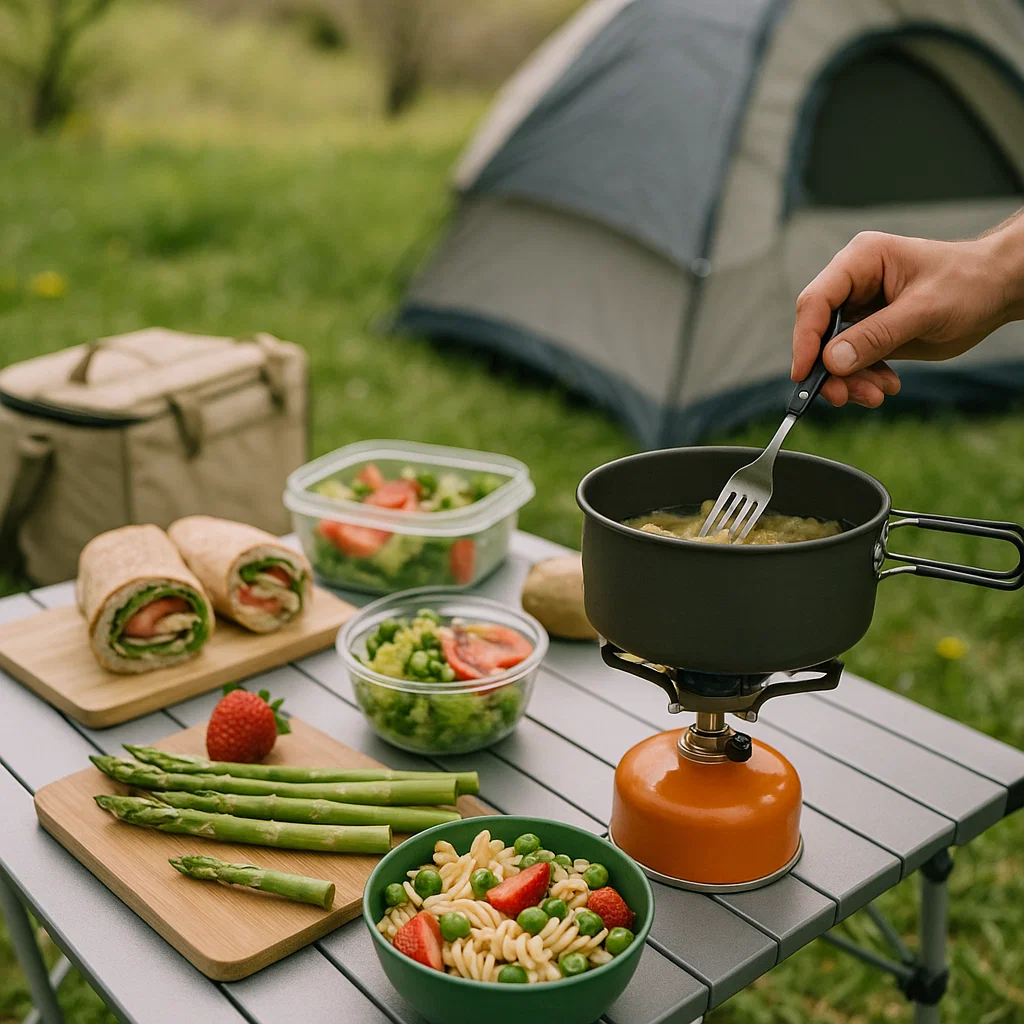
Food planning should be simple, fresh, and realistic. Spring is a great season for lighter meals, but you still need enough energy for hiking, setup, and outdoor activities.
Choose meals that are easy to prepare even if the weather changes. Wraps, pre-chopped vegetables, oatmeal, soup, pasta, eggs, fruit, and trail snacks are practical choices. If rain is likely, avoid meals that require long cooking times in an exposed area.
A small camp stove is useful because wet wood can make fire cooking difficult. Pack matches or a lighter in a waterproof bag, and always follow local fire rules.
Stay Safe with Spring Wildlife
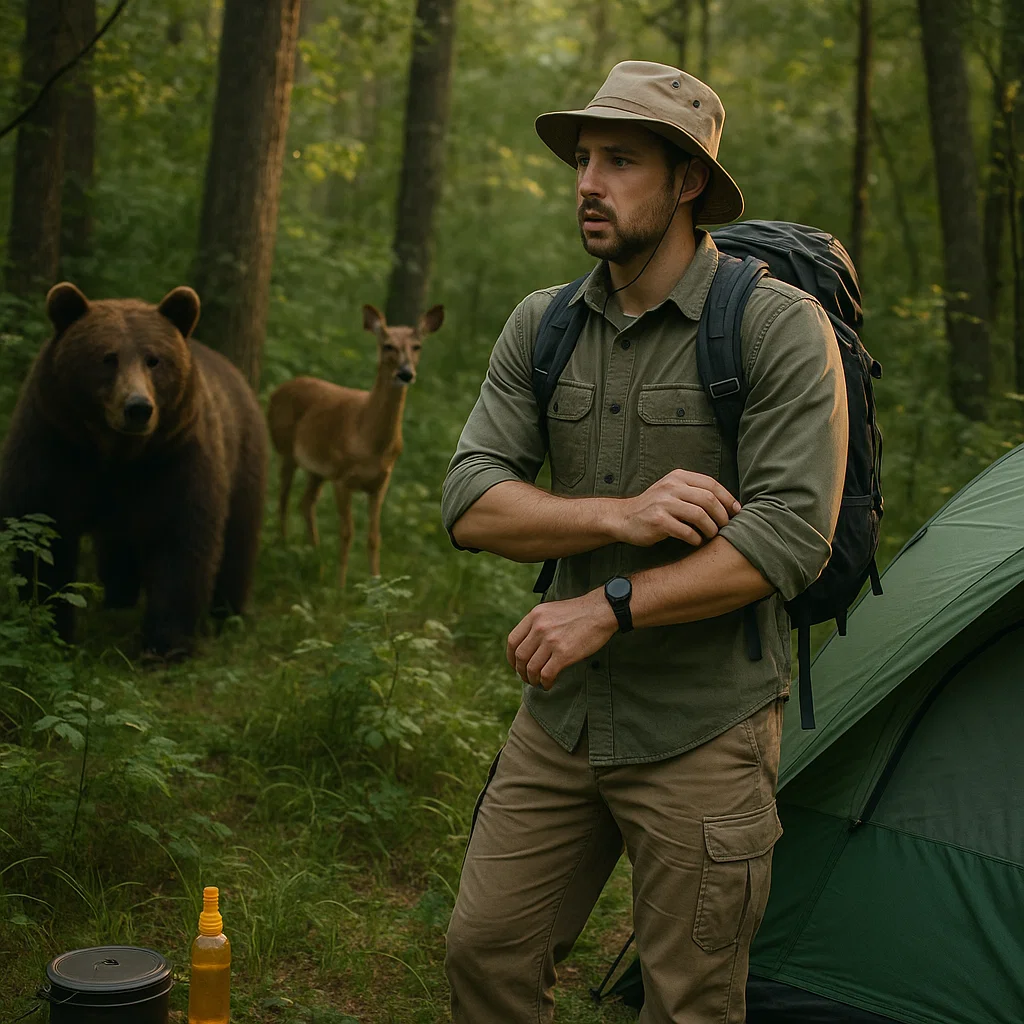
Spring is an active season for wildlife. Animals may be moving more after winter, nesting, feeding, or traveling with young. Respecting wildlife keeps both campers and animals safer.
Store food in sealed containers, never leave snacks inside your tent, and use bear-safe storage where required. Keep a clean campsite and dispose of trash properly. Even small food scraps can attract animals.
Insects also become more common in spring. Pack insect repellent, check for ticks after walking through grass or wooded areas, and wear long sleeves when needed.
Dealing with Spring Weather Challenges
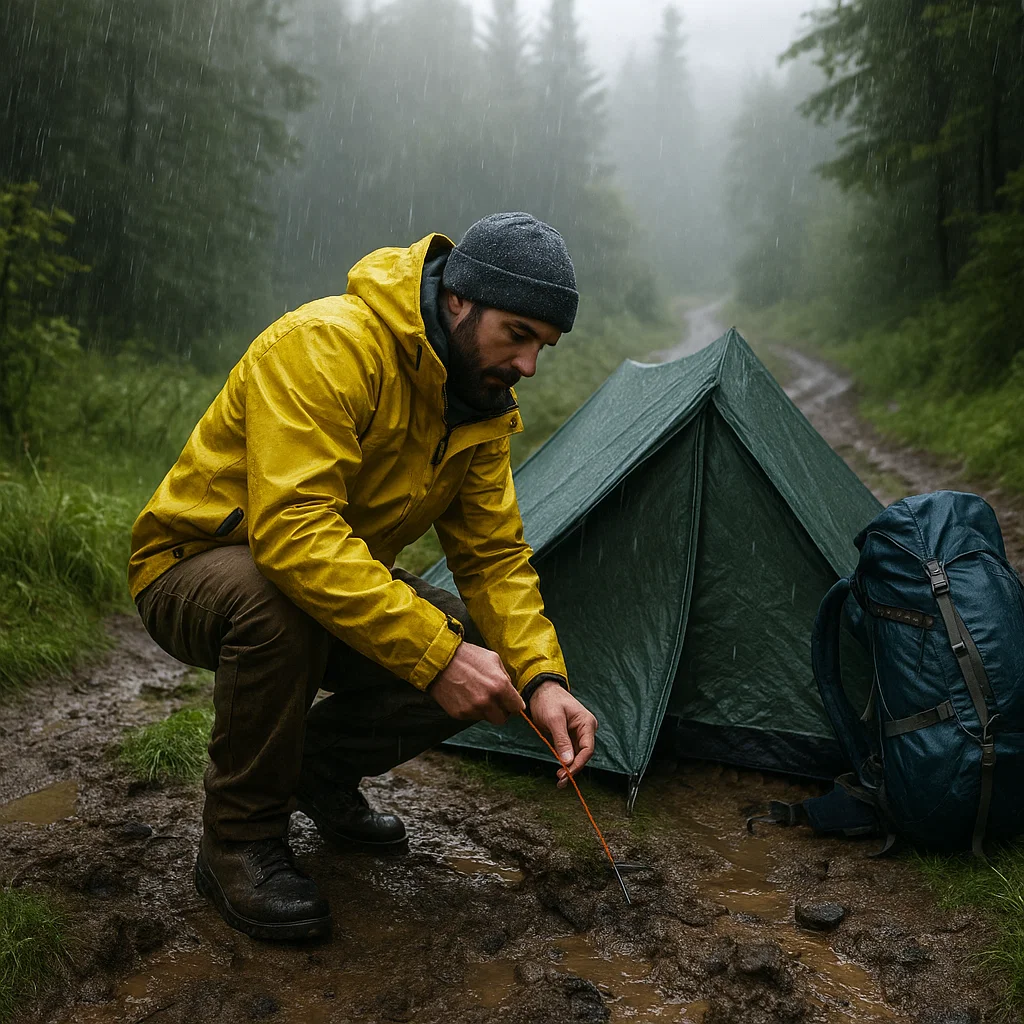
Spring weather can change quickly, so your setup should be ready for rain, wind, mud, and cold nights.
Prepare for rain
Set up your tent on higher ground when possible, away from low spots where water may collect. Keep gear inside dry bags or plastic bins. If you expect steady rain, place a tarp over your cooking or sitting area.
Plan for muddy trails
Mud can slow down hikes and make trails slippery. Wear shoes with good grip and avoid damaging soft trails by walking through the center of the path instead of widening it around muddy areas.
Keep your sleep system dry
Your sleeping bag and sleep clothes should stay dry at all costs. Store them in a dry bag until bedtime and avoid wearing damp hiking clothes inside your sleeping bag.
Spring Camping Activities
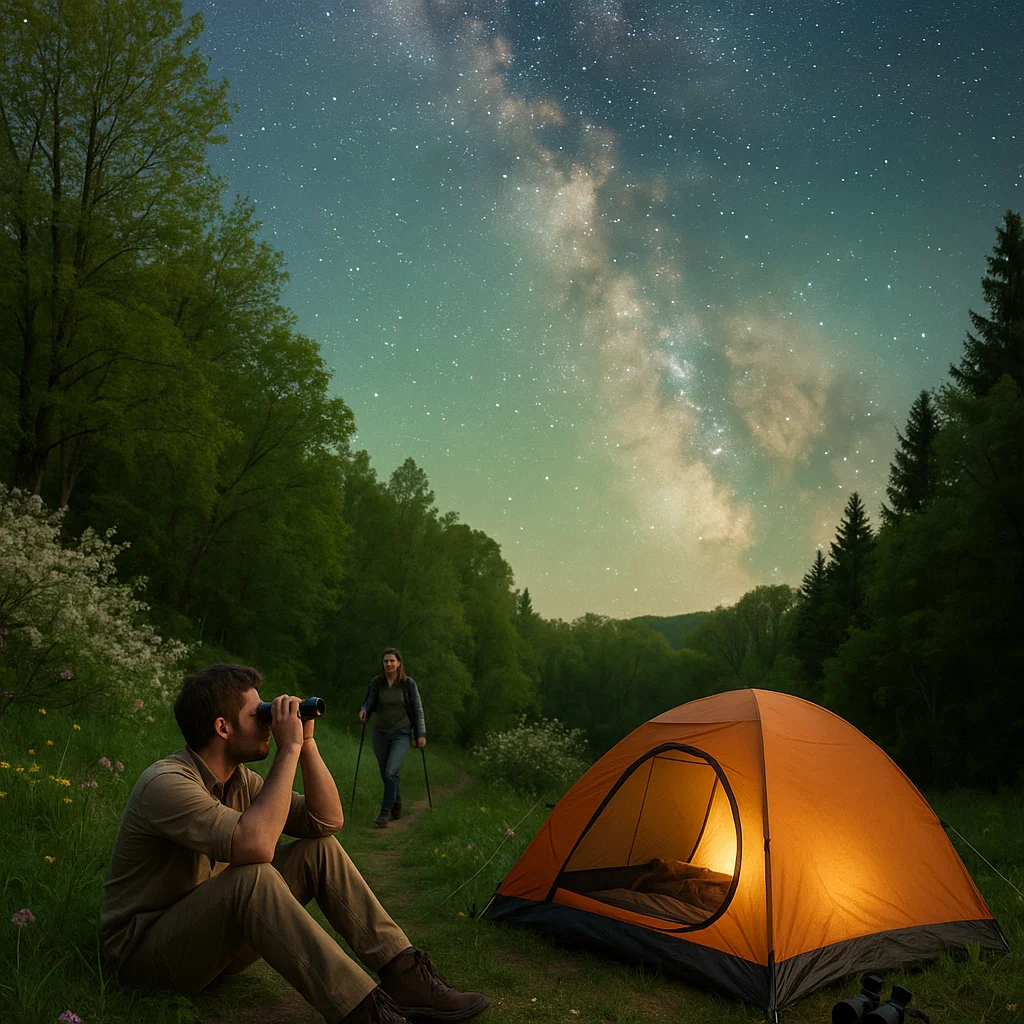
Spring offers some of the best outdoor activities of the year. Mild weather makes hiking more comfortable, flowers begin to bloom, and wildlife viewing can be especially rewarding.
Good spring camping activities include hiking, birdwatching, nature photography, fishing where allowed, journaling, camp cooking, and stargazing. If rain is in the forecast, pack a book, cards, or a small notebook so you still have something relaxing to do inside the tent or under a tarp.
Leave No Trace Principles
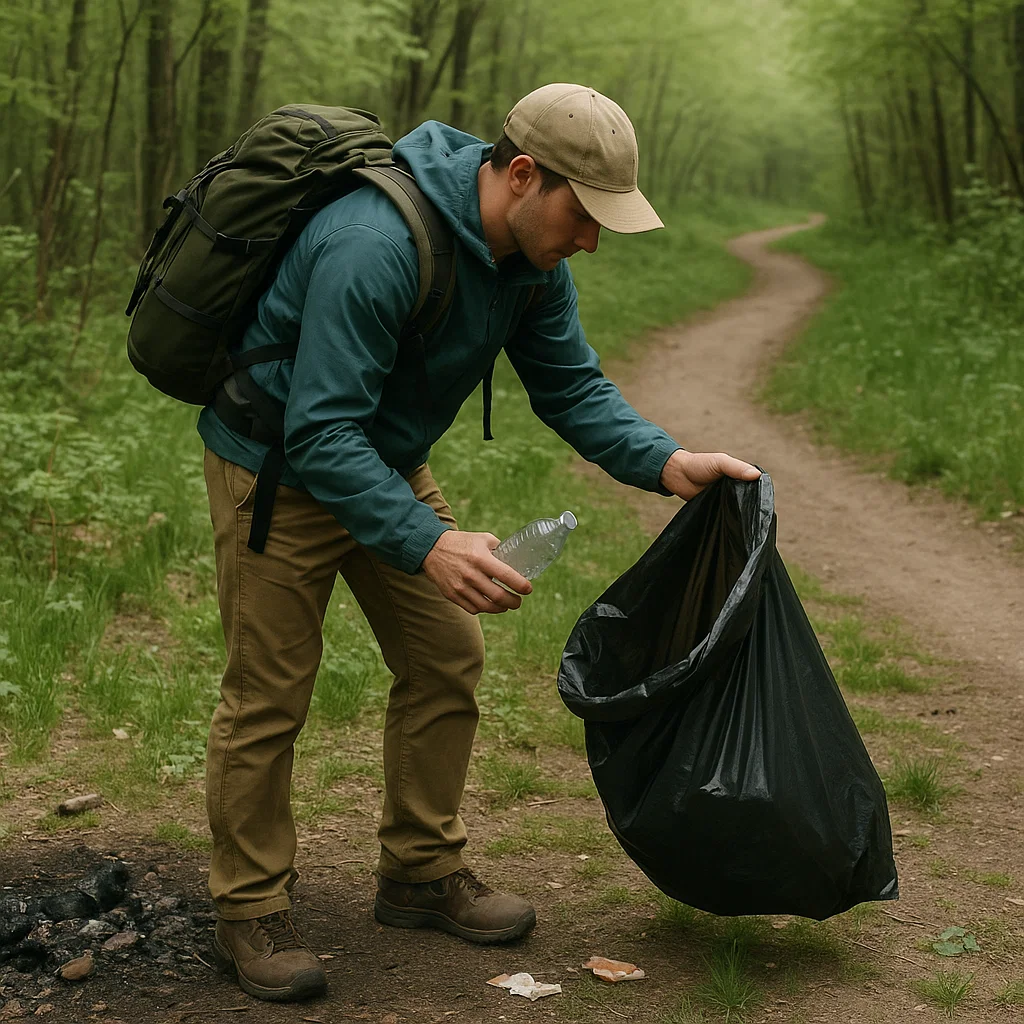
Spring landscapes can be delicate. Wet soil, young plants, nesting wildlife, and soft trails are easy to damage. Following Leave No Trace principles helps keep campsites beautiful and usable for everyone.
Pack out all trash, stay on established trails, avoid picking plants, keep noise low, and leave natural objects where you find them. If you build a fire, use existing fire rings and make sure the fire is fully out before leaving.
Spring Camping Checklist
Use this quick checklist before your trip:
- 3-season tent with rainfly and footprint
- Sleeping bag rated for cool nights
- Insulated sleeping pad
- Waterproof jacket and extra socks
- Layered clothing for changing temperatures
- Camp stove, fuel, lighter, and simple meals
- Sealed food storage and trash bags
- Insect repellent and tick-check routine
- Headlamp, first-aid kit, and power bank
- Map, weather check, and campsite reservation details
Frequently Asked Questions About Spring Camping
Is spring a good time to go camping?
Yes, spring is a great time to camp because temperatures are usually mild, nature is active, and campsites may be quieter than in summer. The key is preparing for rain, mud, and cold nights.
What should I wear for spring camping?
Wear moisture-wicking base layers, an insulating middle layer, and a waterproof outer layer. Pack extra socks and dry sleep clothes so you can stay warm at night.
What is the most important spring camping gear?
A reliable 3-season tent, rain protection, a warm sleeping bag, an insulated sleeping pad, waterproof footwear, and layered clothing are some of the most important items.
How do you keep a tent dry in spring?
Use a tent footprint, set up on higher ground, attach the rainfly correctly, keep wet gear outside the sleeping area, and avoid touching the tent walls from the inside during rain.
Final Thoughts
Spring camping is rewarding when you prepare for the season instead of assuming it will feel like summer. With the right gear, smart layers, simple meals, rain planning, and respect for nature, you can enjoy a comfortable outdoor trip while everything feels fresh and alive.
Keep this guide handy when planning your next spring camping weekend, and adjust your packing list based on the weather, location, and length of your trip.