

“Glowing skin” can mean comfortable, hydrated skin with its natural texture still visible. It does not require an elaborate shelf of products, a perfect complexion, or a promise to erase pores and marks. A simple routine you can repeat is often easier to judge than adding several new products at once. Photos and changing light can make the same skin look very different, so use comfort and your own priorities as the guide.
Start with gentle cleansing, a moisturizer that suits your skin, and daytime sun protection. The later steps are choices, not requirements. Skin changes with season, medication, age, and health conditions; if irritation persists or a rash develops, a dermatologist can help identify the cause. Give new products time and stop using anything that causes a concerning reaction.
Six Simple Steps for a Comfortable Natural Glow
1. Cleanse Without Scrubbing

Wash away makeup, sunscreen, and the day’s buildup with a mild cleanser and lukewarm water. Use your fingertips rather than an abrasive brush or rough scrub, then pat with a clean towel. If your face feels tight, stings, or looks red afterward, the cleanser or frequency may be too harsh. Some people prefer washing morning and evening; people with dry or sensitive skin may find one evening cleanse enough. The American Academy of Dermatology emphasizes a simple routine and notes that gentle cleansing matters more than a complicated list of products. If you wear makeup, remove it before bed and avoid sharing face tools.
2. Moisturize According to How Your Skin Feels
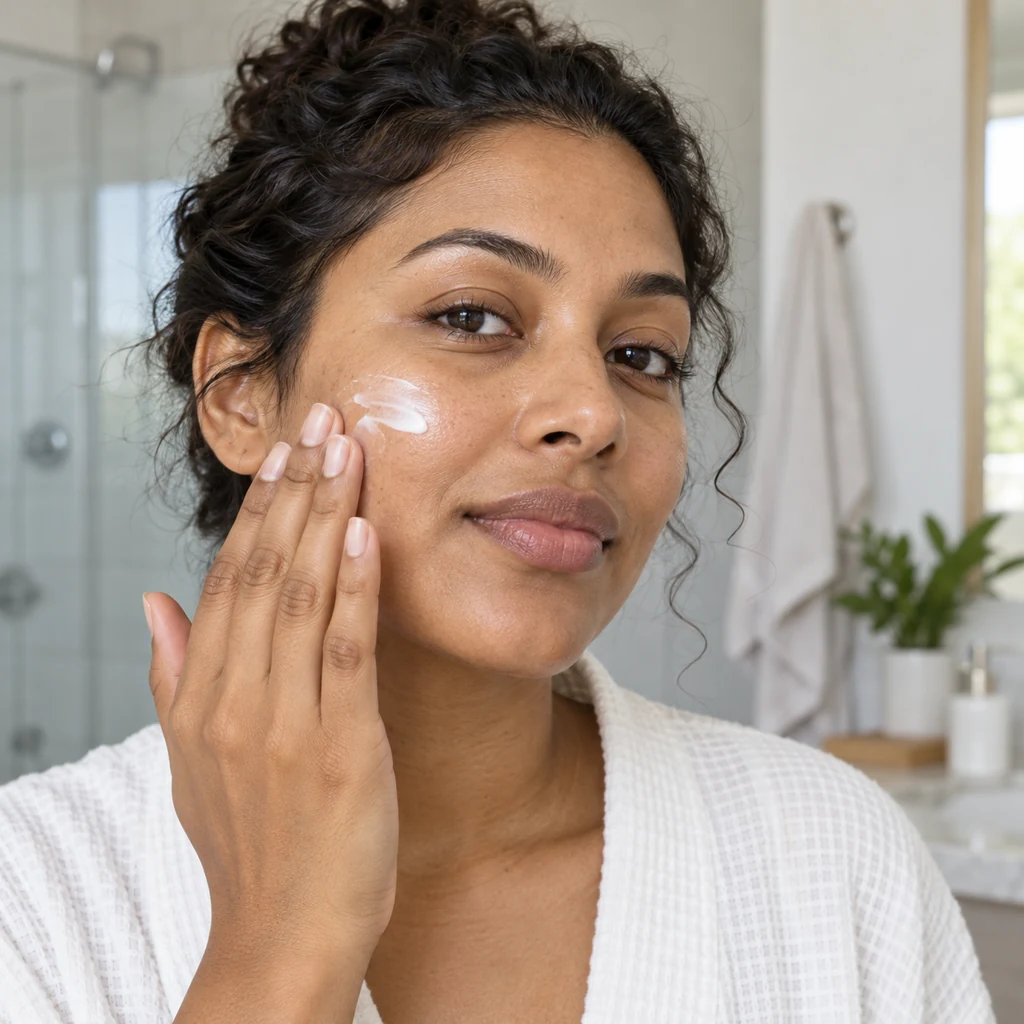
A moisturizer helps hold water in the skin and can make dry or tight areas more comfortable. Apply it after cleansing while skin is still slightly damp if that feels good to you. A light lotion may suit some people, while a cream or ointment may suit drier areas; oily skin can need moisturizer too. Fragrance-free options can be useful when scents irritate your skin. More product is not always better: start with a thin, even layer and adjust. If you have eczema, persistent flaking, cracking, or a painful rash, ask a clinician about care tailored to that condition rather than relying on a cosmetic label.
3. Protect Exposed Skin When You Go Outdoors

The AAD recommends broad-spectrum, water-resistant sunscreen with SPF 30 or higher for exposed skin. Apply it as directed before going outside and reapply according to the label, especially during extended outdoor time, after swimming, or after sweating. Shade, protective clothing, a wide-brimmed hat, and sunglasses also help. Sunscreen is about protection from ultraviolet damage, not making skin “glow” overnight. Choose a formula you can use comfortably; tinted sunscreen may be an option if you want a more even-looking finish. For a cosmetic finish after sun protection, see our everyday makeup routine.
4. Treat Exfoliation as Optional
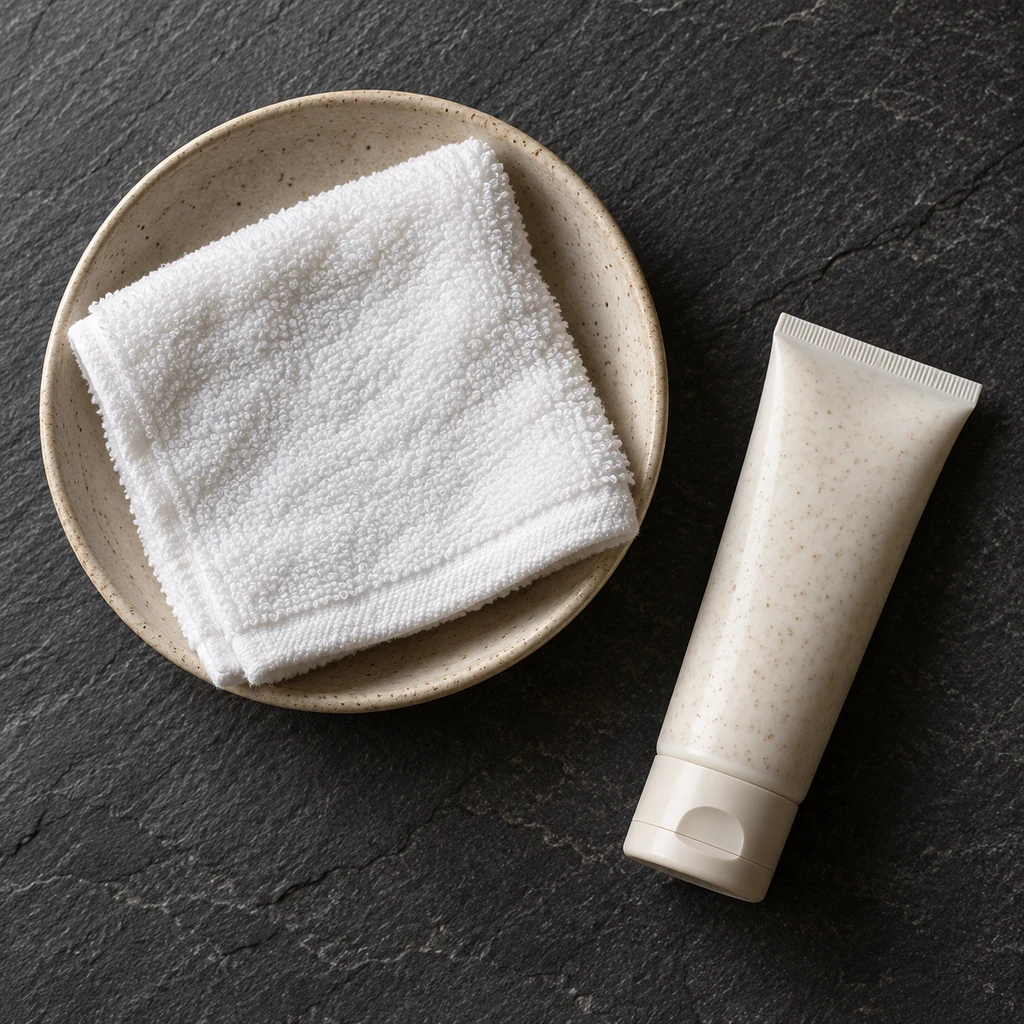
You do not need to exfoliate on a fixed weekly schedule to have healthy-looking skin. If you choose to try it, consider your skin type, other products, and how your skin responds. Avoid exfoliating sunburned or broken skin. Strong scrubs, acids, retinoids, and acne treatments can add up to irritation when used together. The AAD’s exfoliation guidance explains that the right method and frequency vary, and that overdoing it can cause redness or breakouts. Follow product directions, begin cautiously, and moisturize afterward. Stop if your skin becomes uncomfortable; there is no reason to push through burning for a promised result.
5. Add One Optional Product at a Time
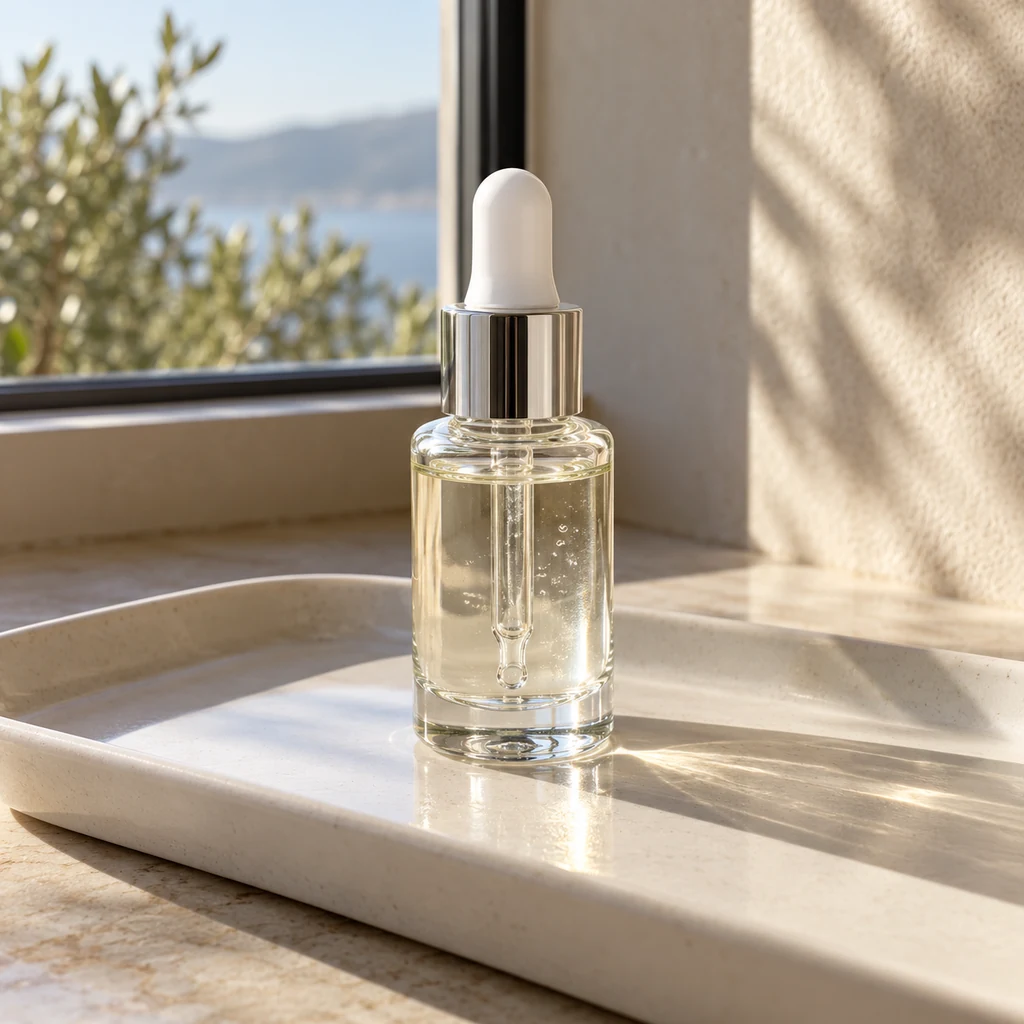
A serum, face oil, or mist can be pleasant, but none is essential for a basic routine. Pick a product for a specific preference, such as a lighter texture or a little extra moisture, rather than an “instant glow” claim. Introduce one new item at a time so you can notice whether it helps or irritates your skin. The AAD advises testing new skincare products on a small area before broader use. Natural ingredients can also cause reactions. If a product causes redness, itching, or swelling, wash it off and stop using it. A dermatologist can help if the reaction is severe or does not settle.
6. Keep Daily Habits Realistic

Drink enough for your own needs, eat a varied diet, make time for sleep, and move in ways that suit your health and schedule. Those are good general habits; they do not “detox” the skin or replace treatment for a skin condition. There is no universal eight-glass rule for a brighter face, and a facial mist does not substitute for moisturizer or sunscreen. Notice what leaves your skin comfortable over several weeks rather than judging it by one photo or a single day. If you want a little reflected light for an event, our dewy makeup guide offers a cosmetic approach without treating shine as a measure of skin health.
When to Simplify or Seek Advice
If your face burns, peels, or develops a new rash, pause recently added products and return to a gentle routine. Avoid piling on acids or fragranced products to “fix” irritation. A persistent problem, painful acne, an unusual changing spot, or symptoms that disrupt daily life deserves a clinician’s assessment. Skin care should make your skin feel cared for, not turn every normal line, pore, or freckle into a problem.
Frequently Asked Questions
Do I need to exfoliate every week?
No. Exfoliation is optional, and the right frequency depends on your skin and the product. Stop if it irritates you.
Can drinking more water replace moisturizer?
No. Drink according to your needs, and use a moisturizer if your skin feels dry. Extra water is not a proven shortcut to a visible glow.
What is the shortest daytime routine?
Gentle cleansing as needed, a suitable moisturizer, and sunscreen on exposed skin when going outdoors are a practical starting point.