
A glowing complexion is not about chasing perfection. It is about consistent habits that support your skin barrier, hydration, and sun protection every day. These Top Skincare Tips for a Glowing Complexion combine dermatologist-backed basics with practical routines you can maintain at home without a cabinet full of products.
Whether you are refining a morning skincare routine or pairing tips with a simple nighttime skincare routine, small upgrades add up. For extra boosters, explore natural remedies for glowing skin and DIY face masks for glowing skin when you want a weekly treat.
Why Consistency Beats Trendy Products
Social media launches a new hero ingredient every week, but radiant skin usually comes from repeating the right steps: cleanse, treat, moisturize, and protect. When you stay consistent for four to six weeks, you give active ingredients time to improve texture, tone, and moisture retention. Jumping between harsh products often triggers redness and breakouts that dull your glow.
Track how your skin responds after each change. Note oiliness, tightness, flaking, or new bumps. One adjustment at a time makes it easier to identify what works. If irritation appears, scale back exfoliation and focus on gentle hydration until your barrier calms down.
1. Hydrate Inside and Out
Dehydrated skin often looks flat, emphasizing fine lines and uneven texture. Drink water steadily through the day and eat water-rich produce such as cucumber, berries, and leafy greens. Topically, choose a moisturizer matched to your skin type: gel creams for oily skin, richer creams for dry skin, and lotion textures for combination skin.
Look for humectants like hyaluronic acid, glycerin, and panthenol that draw water into the upper layers of skin. Apply moisturizer on slightly damp skin after cleansing to lock in hydration. In dry climates or heated indoor air, a light facial oil over moisturizer at night can reduce overnight water loss.
Pro tip: If makeup turns patchy by afternoon, your base may need more hydration—not more powder.
2. Cleanse Gently but Thoroughly
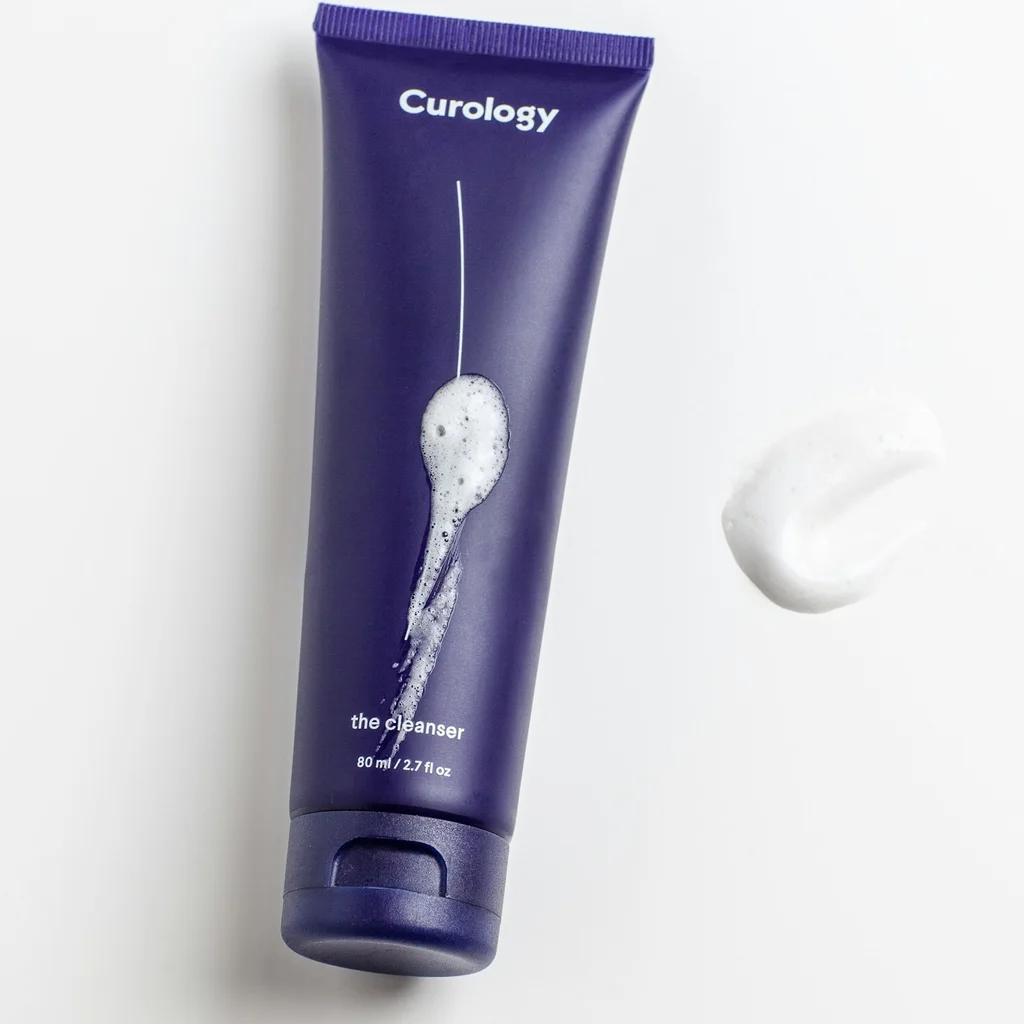
Cleansing removes sunscreen, sweat, pollution, and excess oil that clog pores and dull radiance. Use a gentle, pH-balanced cleanser morning and night. Avoid scrubbing with rough cloths or aggressive brushes that micro-tear the skin barrier.
At night, double cleansing helps when you wear sunscreen and makeup. Start with an oil-based cleanser or cleansing balm, then follow with a water-based gel or cream cleanser. In the morning, a single gentle wash—or rinsing with lukewarm water if your skin is very dry—may be enough.
If skin feels squeaky or tight after washing, your cleanser is likely too stripping. Switch to a cream or micellar formula and reduce water temperature to lukewarm.
3. Exfoliate Smart, Not Often
Exfoliation removes dead cells that make skin look ashy and block light reflection. Chemical exfoliants with AHAs (such as lactic or mandelic acid) or BHAs (salicylic acid for oilier areas) tend to be smoother than harsh physical scrubs. Most people do well with one to two sessions per week, not daily.
Never stack strong exfoliants on the same night as retinol unless a professional has guided your routine. Over-exfoliation shows up as burning, persistent redness, and a waxy shine that is not true glow. Always follow acids with moisturizer and daytime SPF.
4. Never Skip Daily Sunscreen
UV exposure is the fastest route to dark spots, rough texture, and premature fine lines. Broad-spectrum SPF 30 or higher every morning protects the progress you make with serums and moisturizers. Apply a generous amount to face, neck, ears, and any exposed chest area.
Reapply every two hours during long outdoor days, and pair sunscreen with hats or shade when possible. For active summers, a sweat-proof summer SPF routine helps you stay protected without heavy greasiness.
Mineral and chemical formulas both work when you choose one you will actually wear. Tinted sunscreens can even out tone while blocking UV rays.
5. Add Antioxidants and Brightening Serums
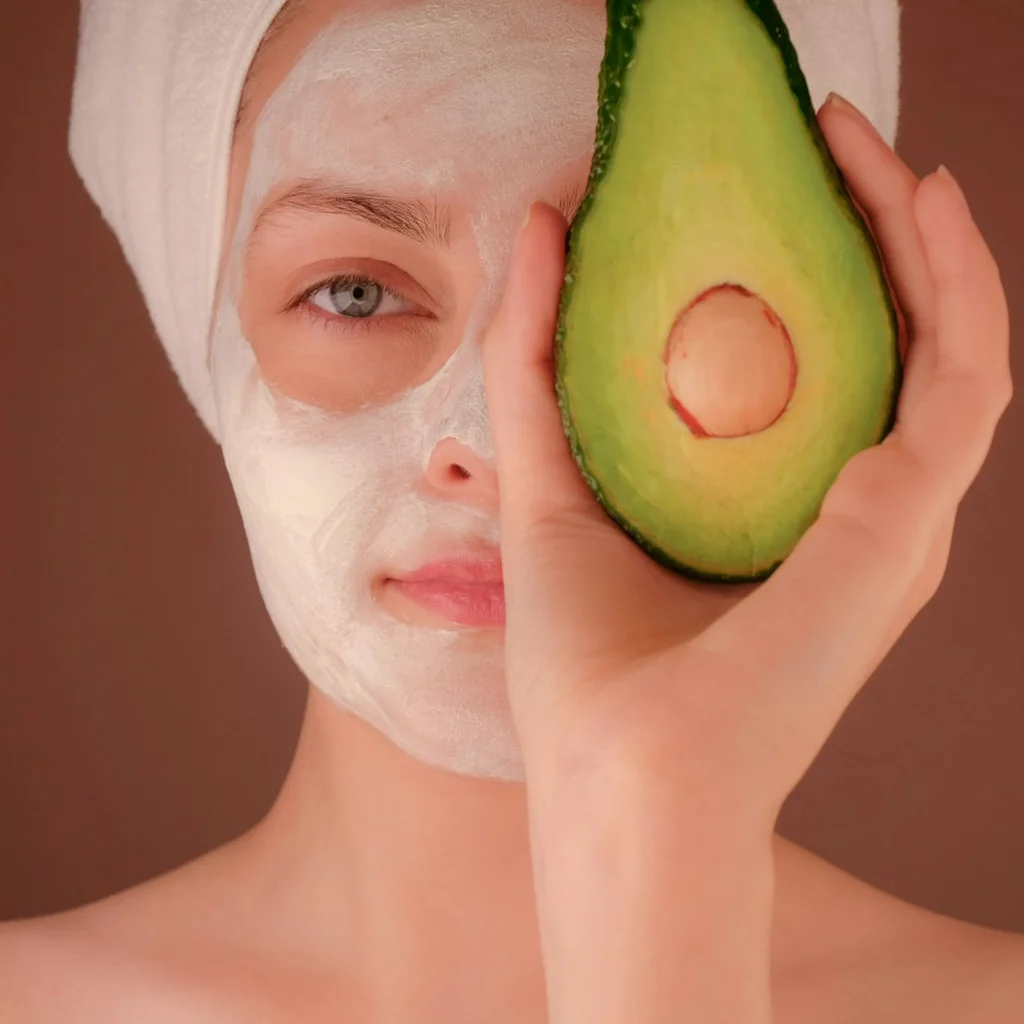
Vitamin C serums support collagen production and help fade superficial discoloration over time. Apply a few drops in the morning before moisturizer and sunscreen. Niacinamide is another versatile option that can calm redness and refine the look of pores.
Store opened vitamin C in a cool, dark place and discard if the product turns dark orange or smells off. Introduce one active serum at a time and patch test along the jawline for three days if your skin is sensitive.
6. Support Your Skin While You Sleep

Night is when skin repair peaks. After cleansing, layer a hydrating toner or essence, treatment serum if needed, then a nourishing night cream. Ingredients like ceramides, peptides, and squalane reinforce the barrier while you rest.
Silk or satin pillowcases reduce friction that can aggravate breakouts and sleep creases. Aim for seven to nine hours of sleep when you can—fatigue shows up quickly as dullness and under-eye shadows.
7. Lifestyle Habits That Show on Your Face
Balanced meals with adequate protein and healthy fats provide building blocks for skin repair. Limit highly processed snacks and excess alcohol, which can trigger inflammation and puffiness. Regular movement improves circulation, giving skin a temporary natural flush that looks like glow.
Manage stress with short walks, stretching, or breathing exercises. Chronic stress elevates cortisol, which can worsen acne and slow healing. Clean phone screens and makeup brushes weekly to reduce bacteria transfer to your cheeks and jaw.
Glowing Complexion Checklist
Print or save this checklist and run through it once a week.
- Cleanse twice daily with a gentle, non-stripping formula.
- Moisturize while skin is damp to improve water retention.
- Apply SPF 30+ every morning, even on cloudy or indoor-heavy days.
- Exfoliate 1–2 times weekly with acids suited to your skin type.
- Introduce one active at a time and patch test when unsure.
- Drink water steadily and eat colorful produce for micronutrients.
- Wash pillowcases weekly and keep hands off your face midday.
- Review products quarterly and replace expired sunscreen.
- Track progress with photos in consistent lighting every month.
- See a dermatologist for persistent acne, rashes, or sudden texture changes.
Frequently Asked Questions
How long until I see a visible glow?
Most people notice smoother texture in two to three weeks with steady cleansing, moisturizing, and SPF. Brightening from vitamin C or exfoliation often takes six to eight weeks. Stick with a routine before deciding it does not work.
What is the minimum routine for glowing skin?
A gentle cleanser, moisturizer for your skin type, and morning sunscreen are the non-negotiable trio. Add one treatment—such as niacinamide or a mild AHA—only after those basics feel automatic.
Can oily skin still use facial oil?
Yes. Lightweight oils like squalane or jojoba can balance oil production when applied sparingly over moisturizer at night. Avoid heavy occlusive oils if you are acne-prone unless they are non-comedogenic and tested on your skin.
Should I exfoliate if I use retinol?
Many people alternate nights rather than layering strong exfoliants and retinol on the same evening. If you are new to retinol, pause acids for the first few weeks, then reintroduce exfoliation once weekly as tolerated.
Does drinking water alone fix dull skin?
Hydration helps, but topical moisturizers and barrier care do the heavy lifting for surface glow. Combine adequate fluids with humidifiers in dry rooms and ingredients that hold water in skin.
When should I see a professional?
Book a dermatologist if you have painful cystic acne, spreading rashes, sudden pigment changes, or products that consistently burn. Prescription options can be faster and safer than experimenting with harsh over-the-counter stacks.
Final Thoughts
Top Skincare Tips for a Glowing Complexion come down to protection, hydration, and patience—not a endless shelf of products. Build a morning and night rhythm you can keep, add targeted serums slowly, and protect your progress with daily sunscreen. Over time, your skin will reflect the care you repeat, not the trends you chase.