

A simple skincare routine should make your skin feel comfortable, not leave you managing a crowded shelf of products. For most people, the strongest foundation is also the least dramatic: cleanse gently, address one specific concern only when necessary, moisturize, and protect exposed skin from the sun. This approach is easier to follow consistently and makes it simpler to identify which product helps or causes irritation.
“Glowing skin” is not a medical outcome or a promise of perfect texture. In practical terms, it usually means skin that looks hydrated, calm, and cared for. Your routine should respect your skin type, climate, medications, and existing conditions. Persistent acne, painful dryness, swelling, a spreading rash, or burning that does not settle deserves advice from a board-certified dermatologist rather than another experimental product.
Why You’ll Love It
- Easy to repeat: a short morning and evening routine is more realistic than a complicated sequence.
- Lower irritation risk: introducing one product at a time helps reveal what your skin tolerates.
- Flexible: cleanser, moisturizer, and sunscreen can be selected for dry, oily, combination, or sensitive skin.
What You Need
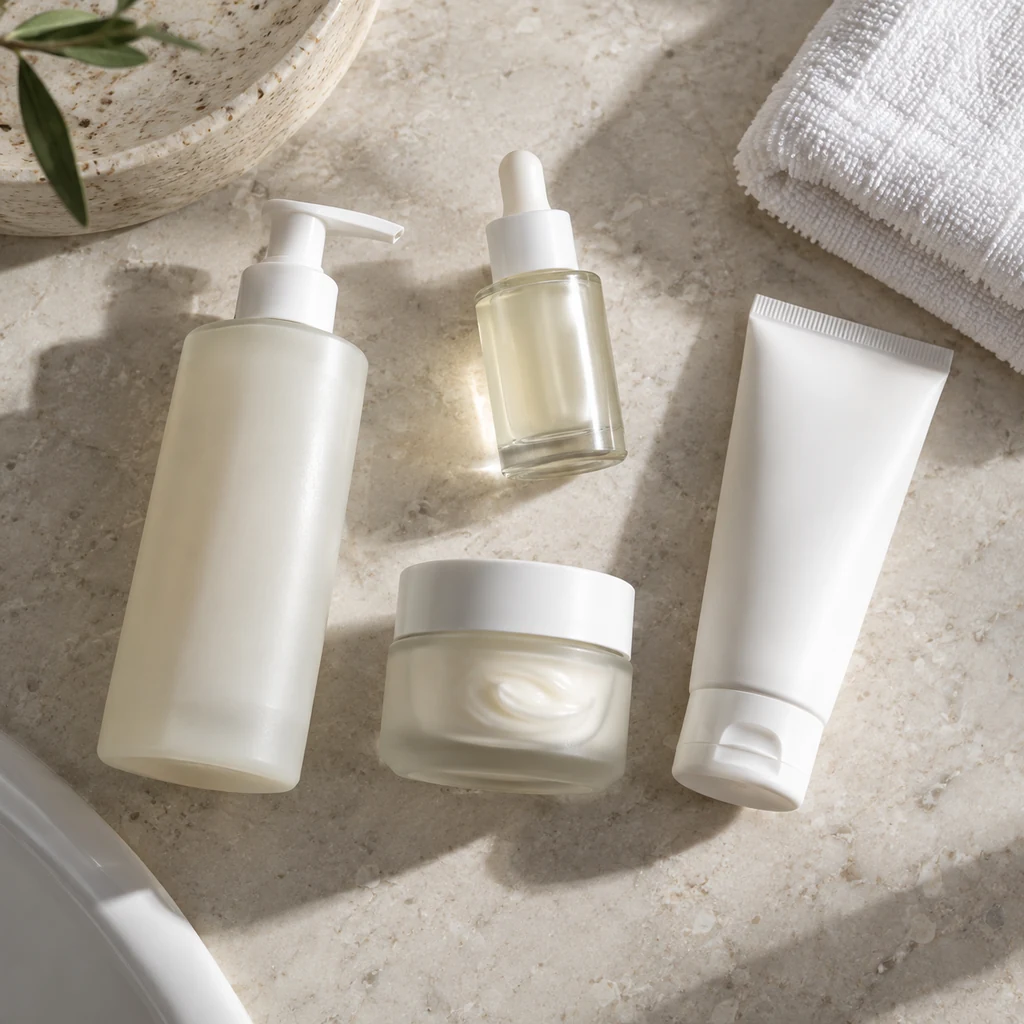
- A gentle, non-abrasive facial cleanser
- A fragrance-free moisturizer suited to your skin type
- A broad-spectrum, water-resistant sunscreen with SPF 30 or higher
- One optional treatment chosen for a specific concern
- A clean, soft towel and lukewarm water
Expensive packaging is not evidence that a formula will work better. Read labels and favor products described as gentle or fragrance-free when irritation is a concern. Acne-prone skin may benefit from “non-comedogenic” or “won’t clog pores” wording. Patch-test a new leave-on product on a small area and introduce only one change at a time so any reaction is easier to trace.
Step-by-Step Routine
Step 1: Identify what your skin actually needs
Observe how your bare skin feels a few hours after gentle cleansing. Dry skin may feel tight or rough, oily skin tends to become shiny, combination skin behaves differently across the face, and sensitive skin may sting or burn after products. These are useful clues, not a diagnosis. Choose a basic routine first and write down one main concern instead of trying to correct texture, pores, lines, spots, and breakouts at once.

Step 2: Cleanse gently without scrubbing
Wet your face with lukewarm water, apply a mild cleanser with your fingertips, rinse thoroughly, and pat dry with a soft towel. Wash before bed to remove sunscreen, makeup, oil, and daily debris. Many people also cleanse in the morning; however, avoid repeatedly washing throughout the day. The American Academy of Dermatology advises limiting face washing to twice daily and after heavy sweating because friction and over-cleansing can increase irritation.

Step 3: Add one targeted product cautiously
A treatment is optional, not the foundation of the routine. Select one ingredient for one goal and follow its label rather than combining several strong actives. Vitamin C may be used in the morning for concerns such as uneven-looking tone, while retinoids or exfoliating acids require more caution and are not appropriate for everyone. Start infrequently, stop if significant burning or swelling occurs, and seek professional advice if you use prescription treatments, are pregnant, or have a diagnosed skin condition.
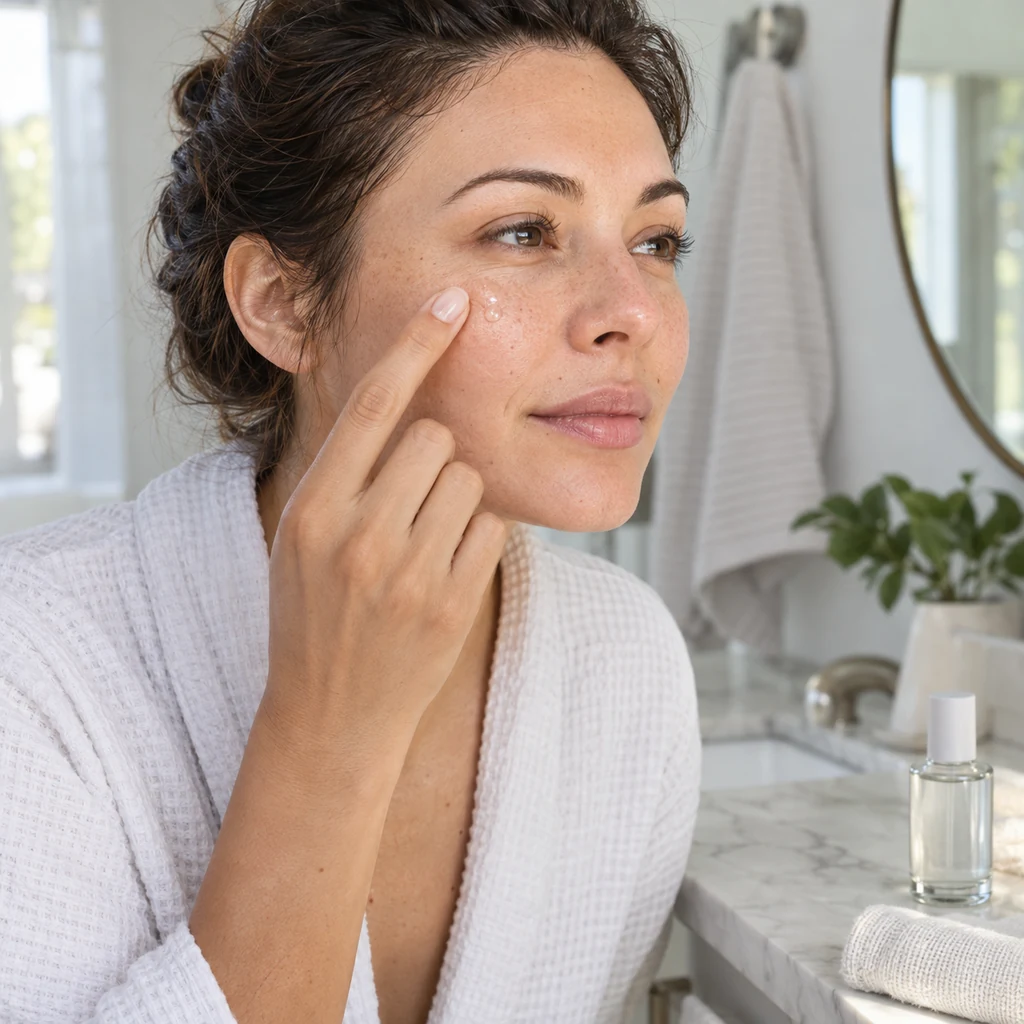
Step 4: Apply moisturizer while skin is slightly damp
Moisturizer helps reduce water loss and supports a comfortable skin barrier. Apply it after cleansing or treatment while the skin is still slightly damp. Lightweight lotions or gels may feel pleasant on oilier areas, while creams or ointments often suit drier skin. Oily skin can still need moisturizer; use a light non-comedogenic formula rather than skipping hydration automatically. If a product stings consistently, discontinue it and return to a simpler fragrance-free option.
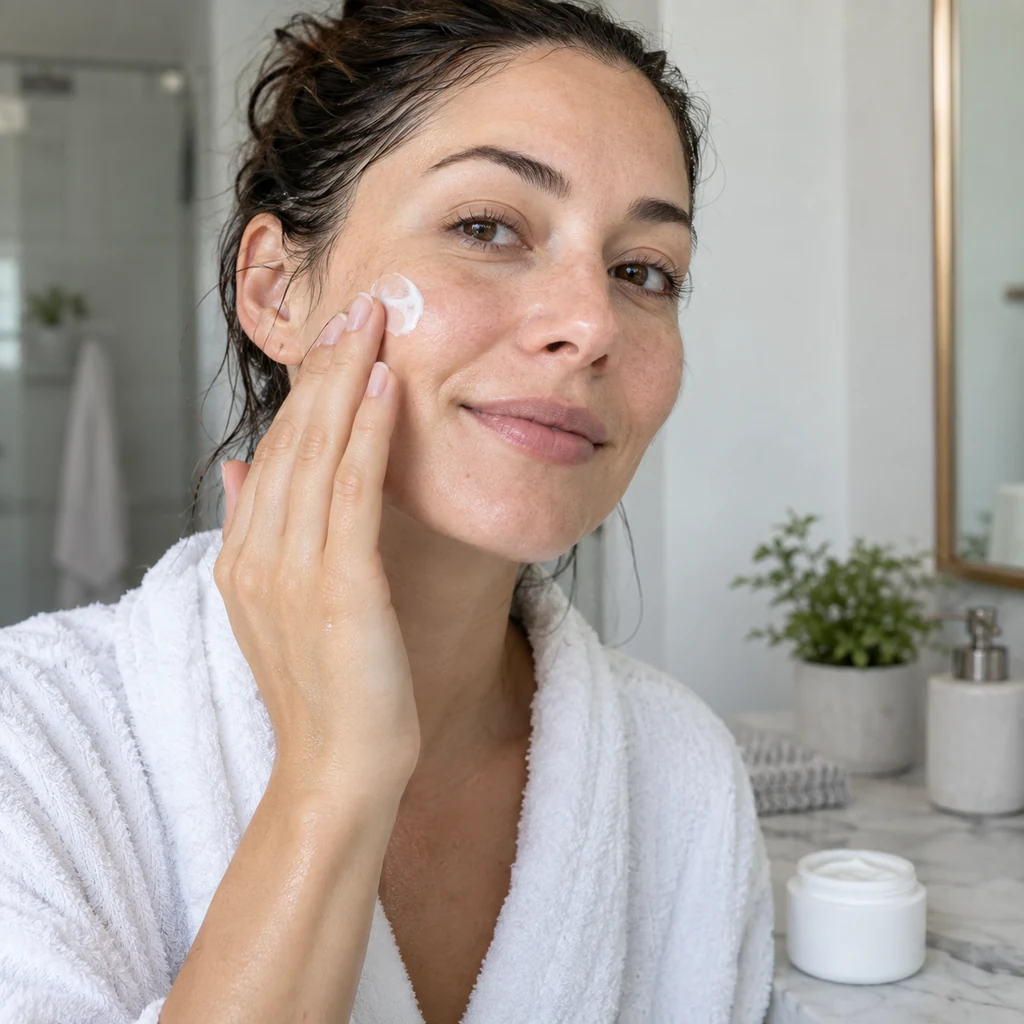
Step 5: Finish every morning with sun protection
Apply a broad-spectrum, water-resistant sunscreen with SPF 30 or higher to exposed skin as the final morning skincare step, before makeup. The AAD recommends applying it before going outdoors and reapplying about every two hours when outside, as well as after swimming or sweating. Sunscreen works best alongside shade, protective clothing, and a hat. Choose a texture you will use consistently; tinted formulas can also reduce the appearance of white cast on some skin tones.

Substitutions & Variations
Your climate and skin response should guide small adjustments. In humid weather, a gel moisturizer may feel more comfortable; during a cold, dry season, a richer cream can reduce tightness. Micellar water can help remove makeup, but follow its directions and do not assume it replaces every cleanser. A moisturizer containing sunscreen may simplify mornings only when it provides broad-spectrum SPF 30+ protection and you apply enough to achieve the labeled protection.
Exfoliation is not mandatory for healthy-looking skin. If you choose an acid exfoliant, start with a low frequency and do not stack it immediately with other potentially irritating actives. Physical scrubs, rough brushes, and aggressive rubbing can worsen sensitivity. When skin is red, peeling, or painful, pause optional treatments and focus on gentle cleansing, moisturizing, and sun protection until you can get appropriate advice.
Habits to Pair With Your Routine
Keep pillowcases, towels, and makeup tools clean, remove makeup before sleeping, and avoid picking at blemishes. Consistent sleep, balanced meals, adequate hydration, and stress management support general well-being, but no drink or food can replace sunscreen or treat a skin disease. Give a tolerated routine time to work instead of changing products every few days. Photographing your skin in the same lighting once a month can be more useful than checking it repeatedly in a magnifying mirror.
Frequently Asked Questions
Do I need toner in a simple skincare routine?
No. Toner is optional. A gentle cleanser, suitable moisturizer, and daytime sun protection form a useful basic routine. Add a toner only if its formula serves a clear purpose and does not irritate your skin. Modern cleansers do not require a separate toner simply to “restore” skin after every wash.
How long should I test a new routine?
Comfort can improve quickly, but visible changes often require several weeks. Introduce one leave-on product at a time and monitor for burning, itching, swelling, or a persistent rash. Stop the suspected product if irritation develops. Severe reactions or ongoing skin problems should be evaluated by a healthcare professional.
Should the morning and evening routines be identical?
They share the same gentle foundation but have different priorities. Morning care ends with sunscreen. Evening care focuses on removing sunscreen and makeup, followed by moisturizer and any appropriate nighttime treatment. There is no need to repeat sunscreen at bedtime or use every active ingredient twice daily.