
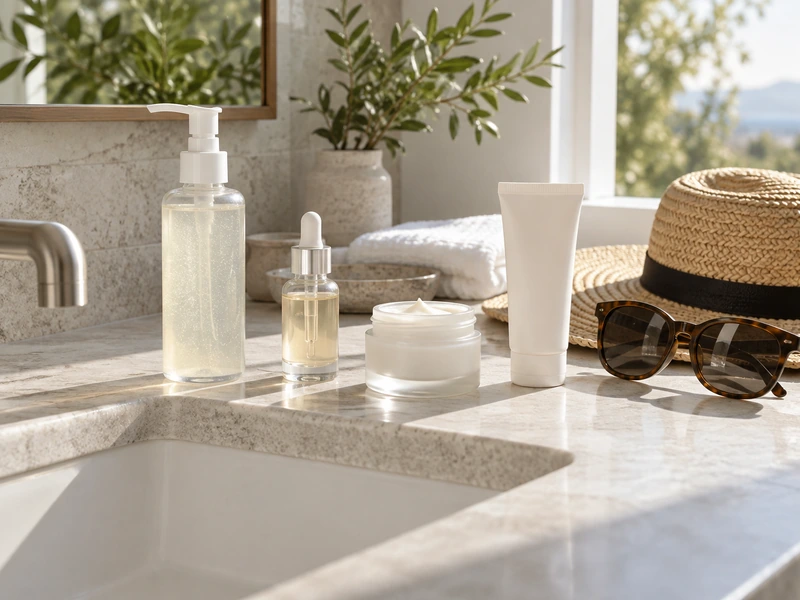
A simple morning skincare routine should prepare your skin for the day without turning the bathroom shelf into a laboratory. For most people, the useful priorities are gentle cleansing when needed, one appropriate treatment, comfortable moisture, and reliable sun protection. “Glowing” skin here means skin that looks hydrated and cared for—not a promise that a five-minute routine will erase pores, acne, pigmentation, or natural texture.
Your routine should respond to your skin, climate, medications, and daily plans. The American Academy of Dermatology recommends a practical order: cleanse, apply medication or treatment, then moisturize and use sunscreen before makeup. Toner, eye cream, facial mist, and multiple serums are optional. Introduce new products gradually, and seek a board-certified dermatologist’s advice for persistent acne, rosacea, eczema, painful irritation, or an unexplained rash.
Why You’ll Love This Routine
- It is realistic: the core steps fit an ordinary morning instead of requiring a crowded product lineup.
- It limits irritation: one targeted product is easier to evaluate than several new actives layered together.
- It prioritizes protection: sunscreen, shade, and protective clothing matter more than chasing an instant glow.
What You Need
- A mild facial cleanser, or lukewarm water if your skin does not need a morning cleanse
- One prescribed medication or optional leave-on treatment suited to your goal
- A moisturizer that feels comfortable under sunscreen
- A broad-spectrum, water-resistant sunscreen with SPF 30 or higher
- Optional makeup applied after sunscreen
- A hat, sunglasses, shade plan, or sunscreen for outdoor reapplication
- Clean hands and a clean face towel
Step-by-Step Morning Skincare Routine
1. Cleanse According to What Your Skin Needs
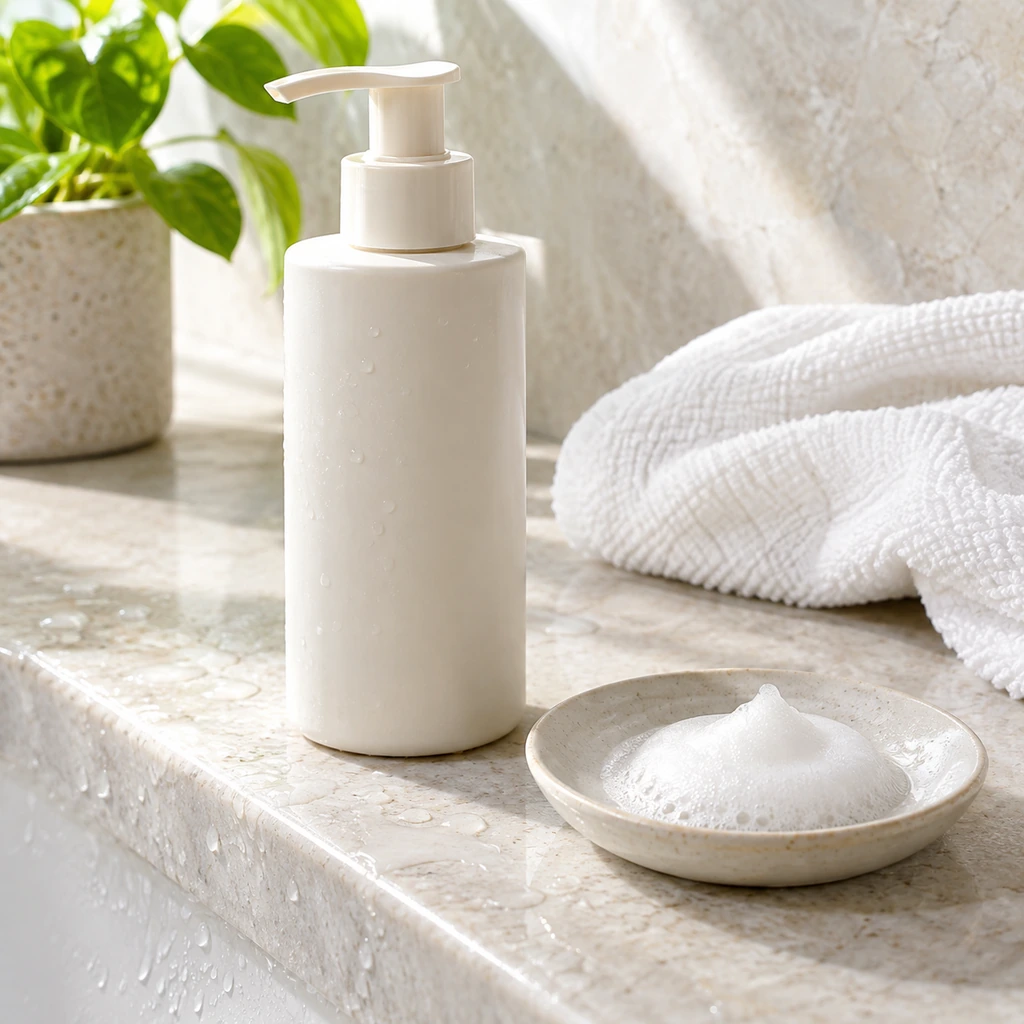
Wash your hands, then use lukewarm water and a mild cleanser with your fingertips. Rinse and pat dry instead of rubbing. This can remove overnight oil, sweat, and residue from evening products. Dry or sensitive skin may not need a full cleanser every morning; a water rinse may feel better unless your dermatologist has given different instructions. Skip rough scrubs and cleansing brushes when skin is irritated. If washing consistently causes burning, redness, or tightness, shorten the cleanse or choose a gentler fragrance-free formula.
2. Apply One Medication or Targeted Treatment
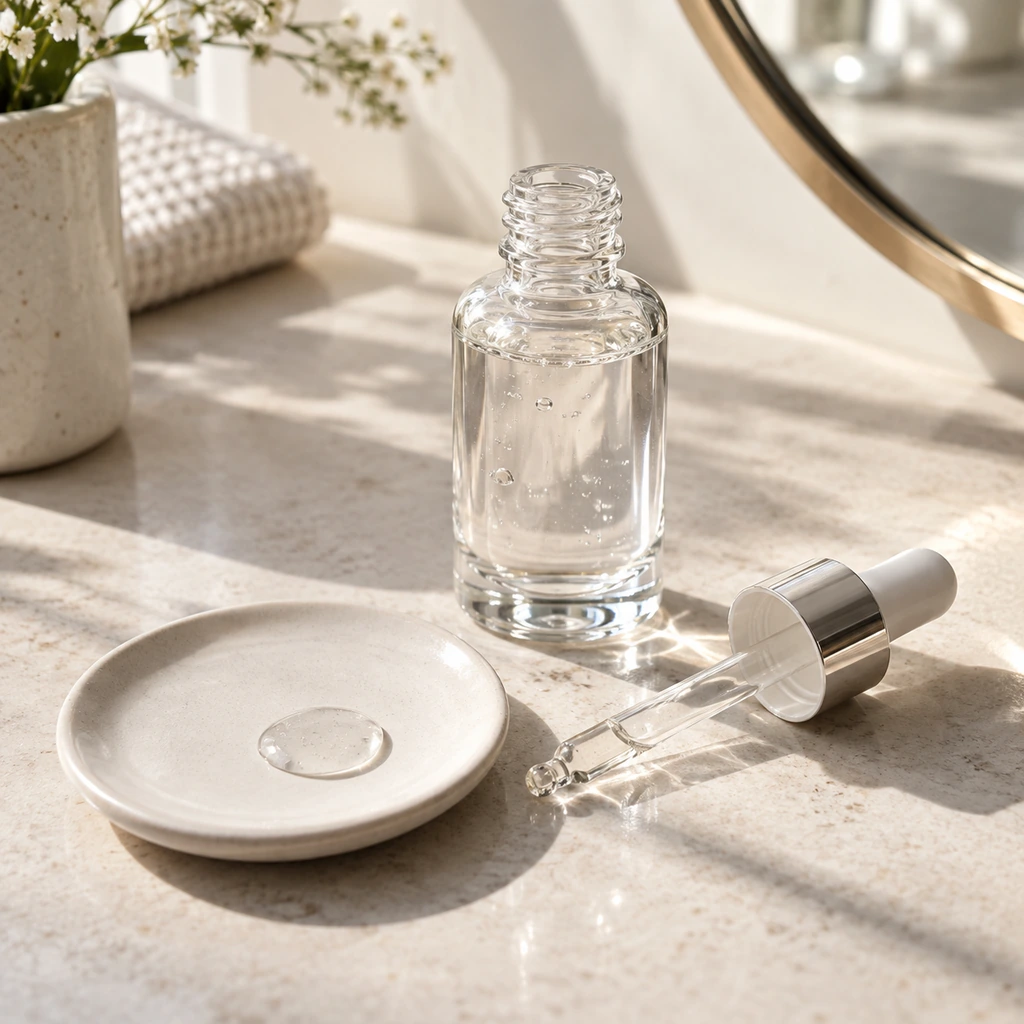
Apply prescribed medication exactly as directed. If you want an optional serum, select it for one clear concern and make sure it suits the rest of your routine. A basic hydrating serum can support comfort, while vitamin C or acne treatments may require more careful product selection. No ingredient is “ideal” for everyone, and more layers do not guarantee better results. Patch test a new product before regular use; the AAD suggests testing a small area twice daily for seven to ten days. Stop and wash it off if you develop swelling, marked itching, or a persistent rash.
3. Add Moisturizer Where You Need It
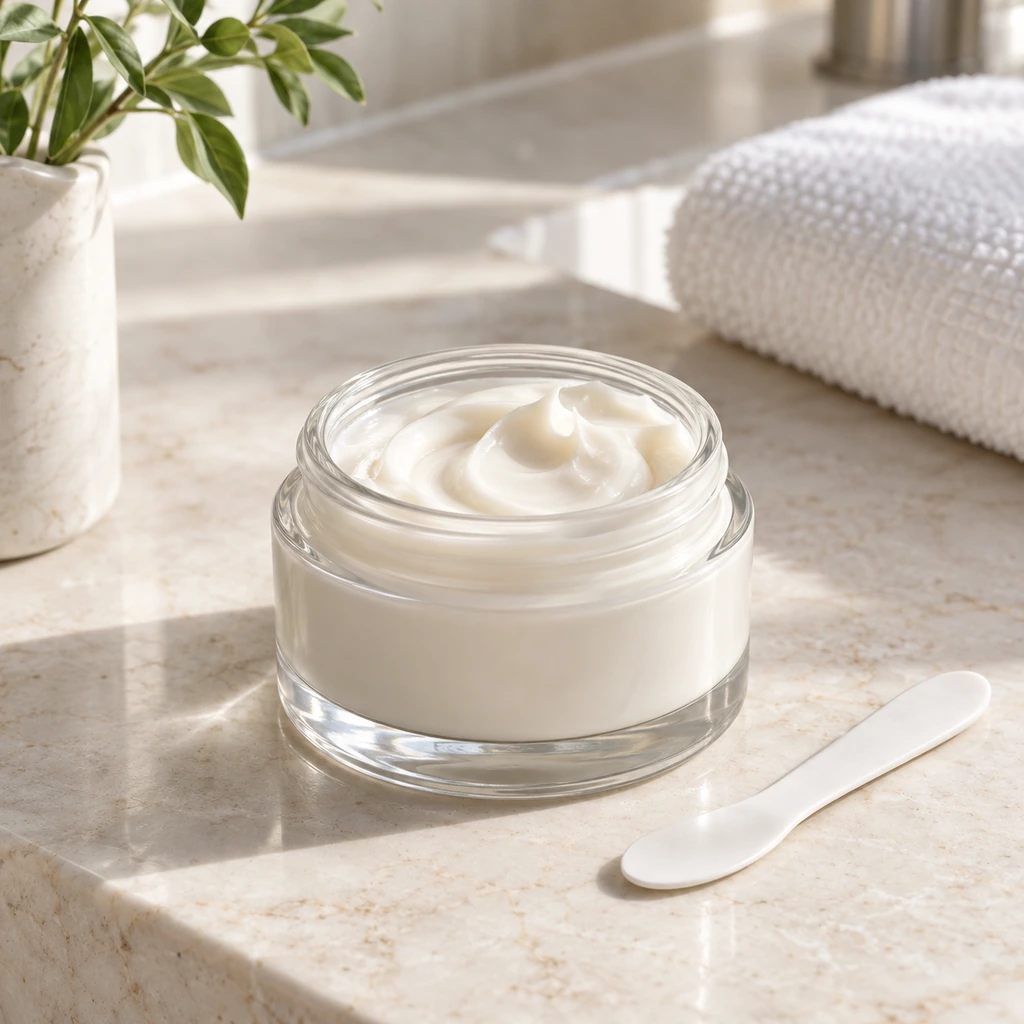
Smooth moisturizer onto slightly damp skin or after your treatment has settled according to its directions. A gel or light lotion may suit humid weather and oily skin, while dry skin may prefer a cream. Acne-prone readers can look for “non-comedogenic,” “oil-free,” or “won’t clog pores” on the label. Moisturizer does not force oily skin to “balance” its sebum, but it can reduce uncomfortable dryness—especially when acne treatments are involved. Eye cream is optional; a gentle facial moisturizer may be sufficient around the orbital bone if it does not sting.
4. Finish Skincare with Broad-Spectrum Sunscreen
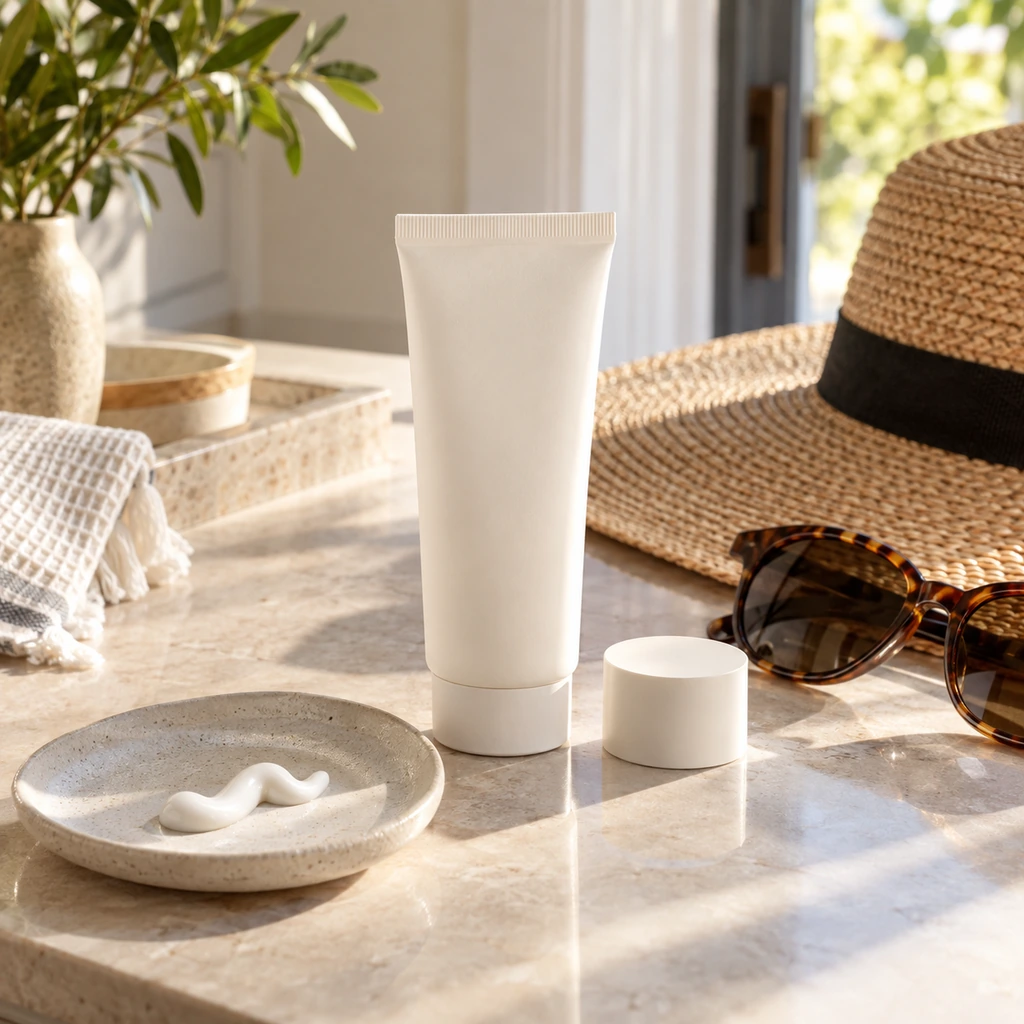
Choose sunscreen labeled broad spectrum, water resistant, and SPF 30 or higher. Apply it before going outdoors and cover often-missed areas such as the ears, neck, hairline, and exposed chest. The AAD’s current sunscreen application guidance says adults should use at least one teaspoon for the face, roughly enough to cover the lengths of the index and middle fingers. Follow the product label and allow it to form an even layer. Sunscreen is part of a larger plan: seek shade and wear protective clothing rather than expecting one product to cancel unlimited sun exposure.
5. Apply Makeup and Plan Outdoor Reapplication
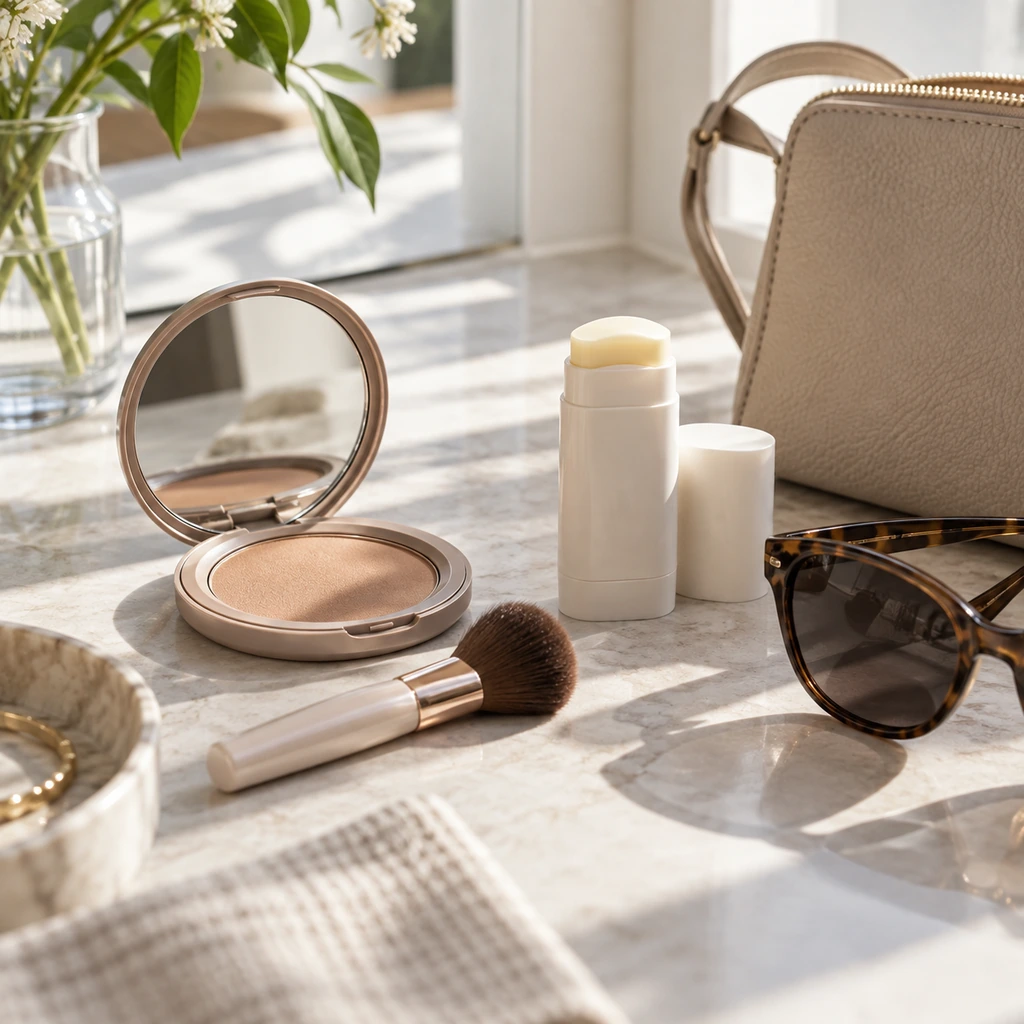
Let sunscreen settle enough that makeup can glide over it without aggressively rubbing the layer away. Apply makeup afterward, using clean tools. If you will remain outdoors, carry a sunscreen format you can apply in an adequate amount rather than relying on makeup alone. Reapply sunscreen every two hours outdoors and immediately after swimming or sweating, following the product’s water-resistance directions. A hat, sunglasses, and shade make reapplication easier to manage. If a sunscreen pills, try fewer underlying layers or allow each one to settle instead of abandoning protection.
Substitutions & Variations
Sensitive skin can begin with cleanser or water, moisturizer, and sunscreen only. Oily or acne-prone skin may prefer lighter, non-comedogenic textures. Dry skin may use a creamy cleanser and richer moisturizer, while combination skin can receive moisturizer mainly on areas that feel tight. Toner is not required to “tighten” pores or repair everyone’s pH. If you enjoy one, treat it as an optional leave-on product and avoid formulas that sting. A moisturizer with sunscreen can reduce steps, but it still needs broad-spectrum SPF 30 or higher and sufficient application.
What to Pair With Your Morning Routine
Pair topical products with practical sun habits: shade during strong sunlight, a wide-brimmed hat, UV-protective clothing, and sunglasses. Check the UV forecast when planning outdoor time, but remember that cloudy weather can still involve UV exposure. Keep pillowcases, towels, phones, and makeup tools reasonably clean without becoming obsessive. Sleep, nutrition, hydration, and medical care support overall wellbeing, but none is a guaranteed cosmetic treatment. A steady, tolerable routine is usually more useful than frequently replacing products because of online trends.
Frequently Asked Questions
Do I have to wash my face every morning?
Not every person needs the same cleanse. Oily skin or heavy nighttime products may benefit from a mild cleanser, while dry or sensitive skin may prefer lukewarm water. Follow treatment directions and judge the result by comfort, not a squeaky feeling.
Can sunscreen replace moisturizer?
Sometimes. A moisturizing sunscreen may provide enough comfort for your skin, provided it offers broad-spectrum SPF 30 or higher and you apply enough. If your skin still feels dry, use a separate moisturizer underneath.
Why does my morning routine pill?
Pilling often comes from too many layers, incompatible textures, excessive quantities, or rubbing before a layer settles. Simplify to one treatment, moisturizer if needed, and sunscreen. Change one variable at a time so you can identify the cause.