
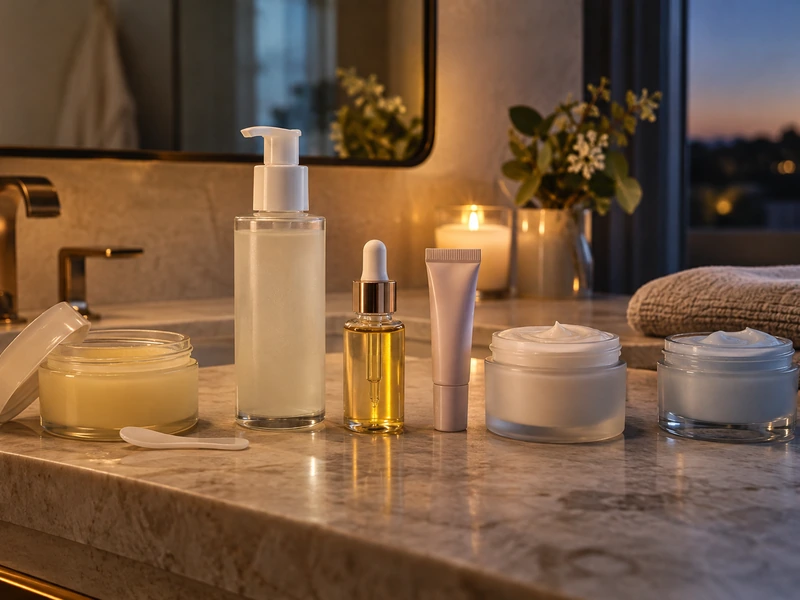
A good night skincare routine should leave your face comfortable, not coated in a complicated stack of products. Cleansing away makeup and sunscreen, using one treatment that suits your goal, and sealing in moisture are the useful fundamentals. “Glowing” skin in this guide means skin that looks comfortably hydrated and cared for; it is not a promise that one evening routine can erase pores, pigmentation, acne, or lines.
Your ideal routine also depends on skin type, current prescriptions, climate, and tolerance. The American Academy of Dermatology recommends a simple order: cleanse, apply medication or treatment, then moisturize. Start with that framework and treat eye creams, toners, oils, and sleeping masks as optional. If you have persistent acne, eczema, rosacea, painful irritation, or an unexplained rash, ask a board-certified dermatologist for individualized advice.
Why You’ll Love This Routine
- It stays manageable: the core routine needs only cleanser, one suitable treatment, and moisturizer.
- It protects comfort: every step emphasizes gentle handling and avoiding unnecessary irritation.
- It is flexible: optional steps can be removed when your skin is sensitive, oily, dry, or already being treated.
What You Need
- An optional makeup or sunscreen remover, such as cleansing balm or micellar water
- A mild facial cleanser suited to your skin type
- One leave-on treatment chosen for a specific concern, if needed
- An optional fragrance-free eye moisturizer
- A moisturizer; choose a non-comedogenic formula if you are prone to clogged pores
- An optional plain balm or sleeping mask for dry areas
- A clean towel and freshly washed hands
Step-by-Step Night Skincare Routine
1. Remove Makeup and Water-Resistant Sunscreen
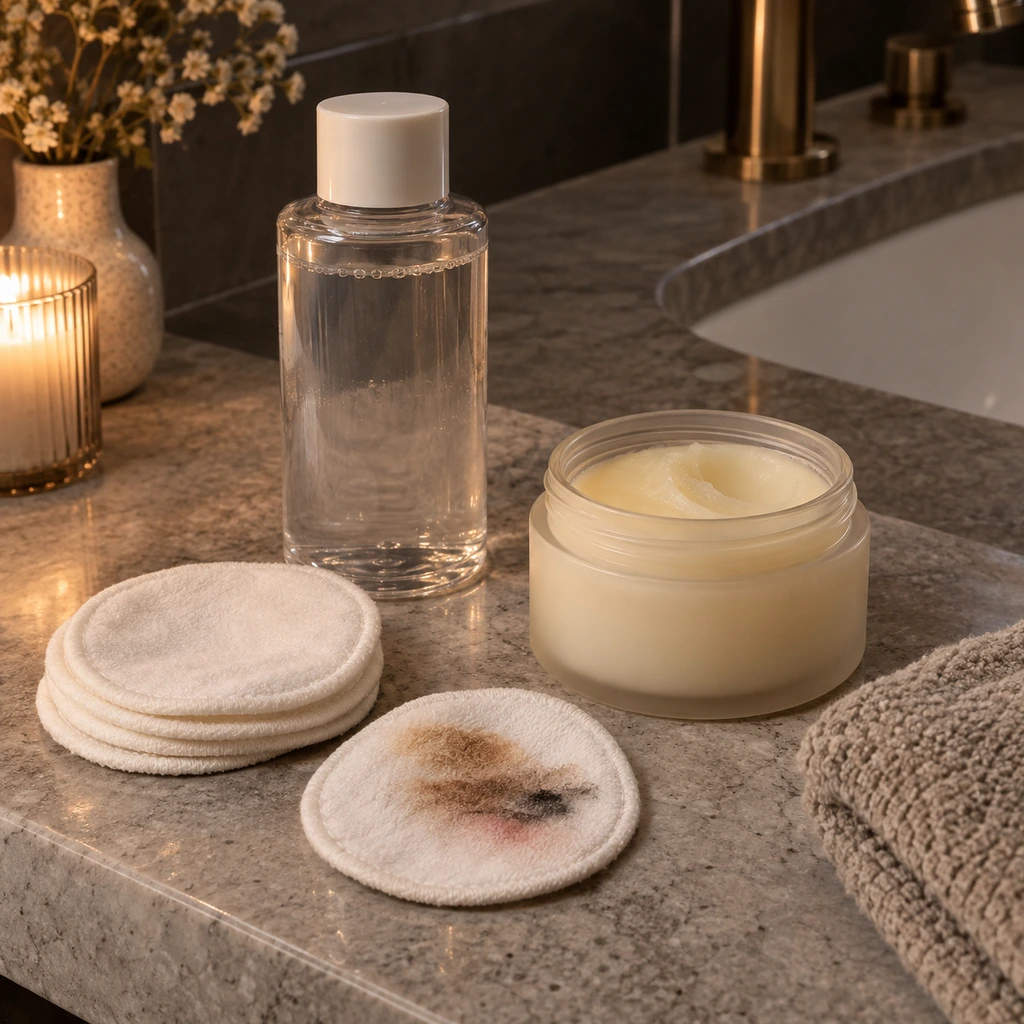
If you wore makeup or a water-resistant sunscreen, loosen it before washing. Use a cleansing balm, cleansing oil, or micellar water according to its label, then rinse when directed. Move gently around the eyelids instead of rubbing. A separate remover is not mandatory on bare-skin days, and “double cleansing” should not leave your face tight or squeaky. Stop if the remover causes burning, swelling, or persistent redness.
2. Cleanse Gently with Lukewarm Water
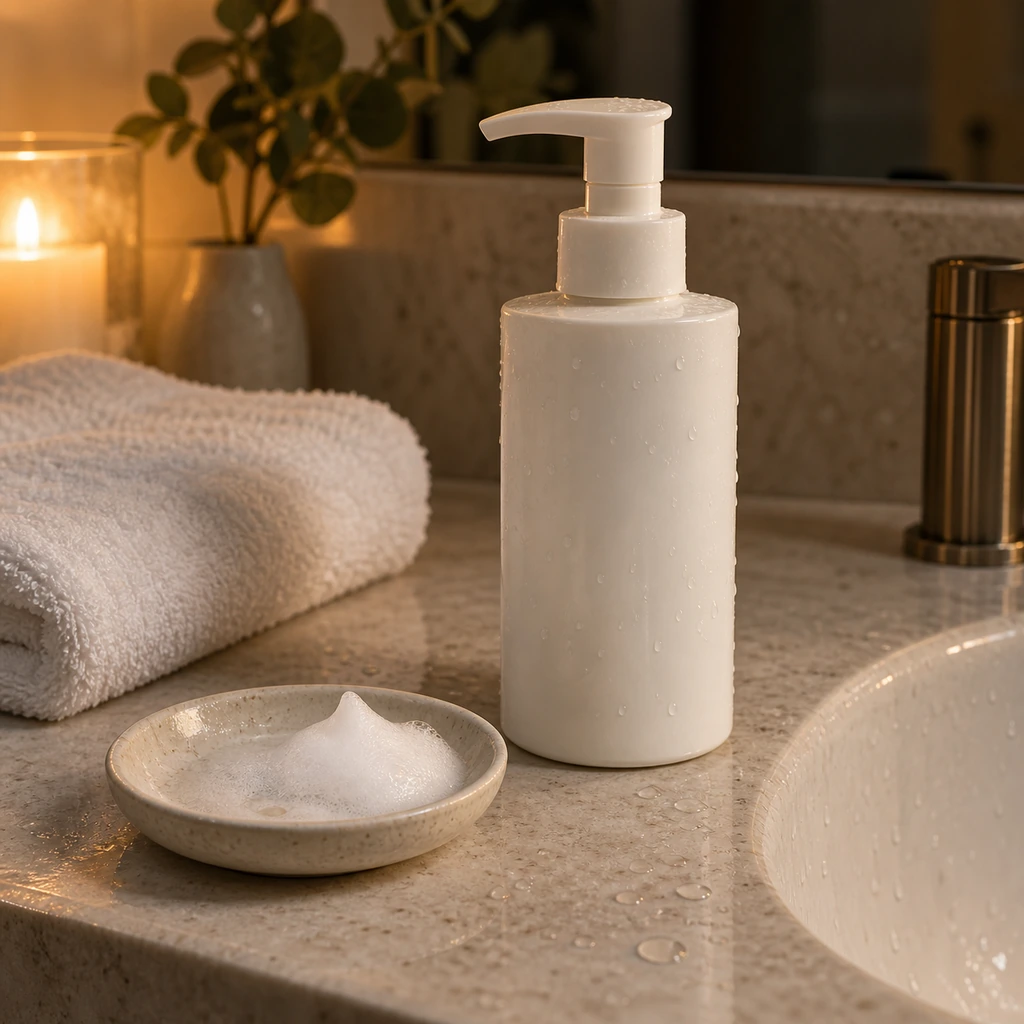
Wet your face with lukewarm—not hot—water. Massage a mild cleanser with your fingertips, paying attention to the hairline, sides of the nose, and jaw without using a rough cloth or scrub. Rinse thoroughly and pat with a clean towel. The goal is to remove the day’s residue while keeping the skin comfortable. If cleansing produces stinging or lasting tightness, try a gentler formula or wash for less time.
3. Apply One Targeted Treatment
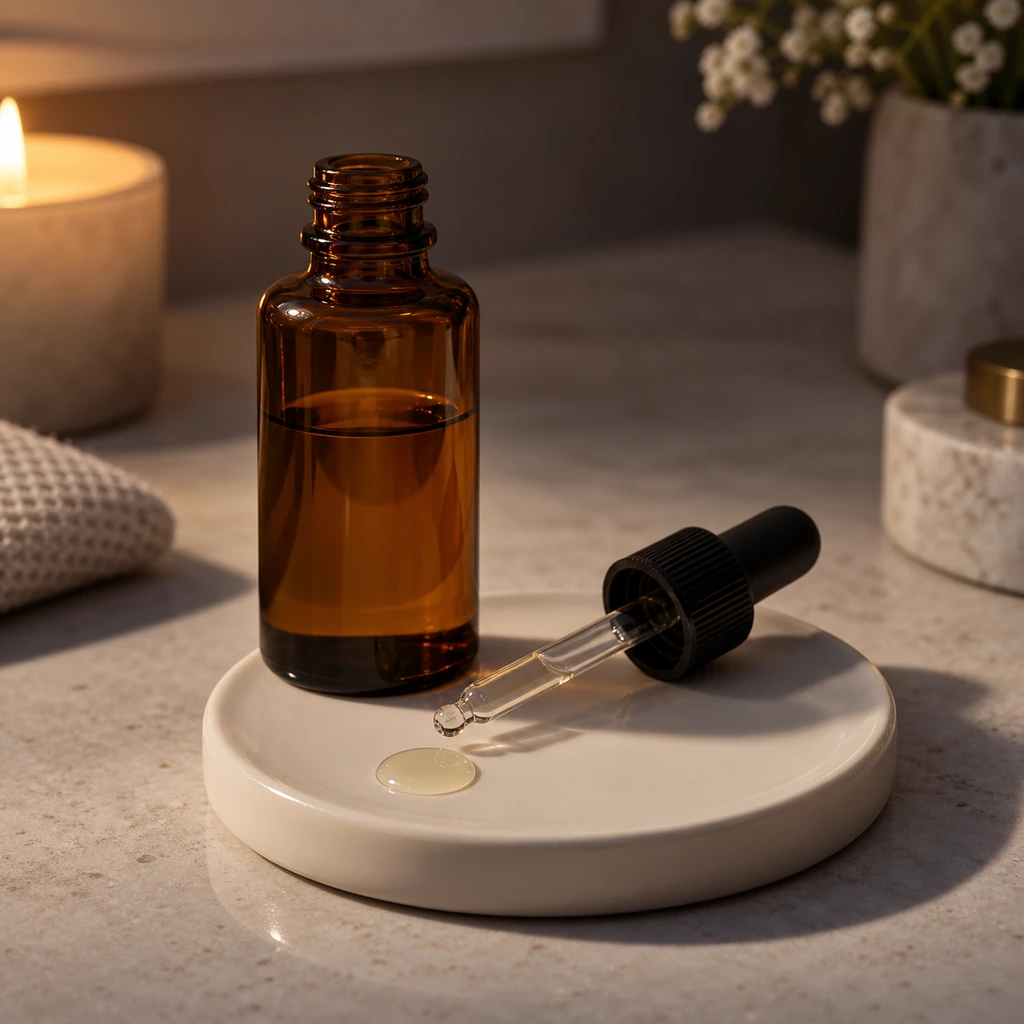
Apply prescribed medication exactly as directed. If you use an over-the-counter serum, pick it for a clear reason rather than combining every trend: a simple hydrating formula may suit dryness, while acne or uneven tone may require a different plan. Introduce one new product at a time and patch test first. Retinoids can irritate, should be introduced slowly with professional guidance, and should not be used during pregnancy. Do not layer retinoids, exfoliating acids, and harsh acne treatments unless your clinician has approved the combination.
4. Keep Eye Care Optional and Gentle
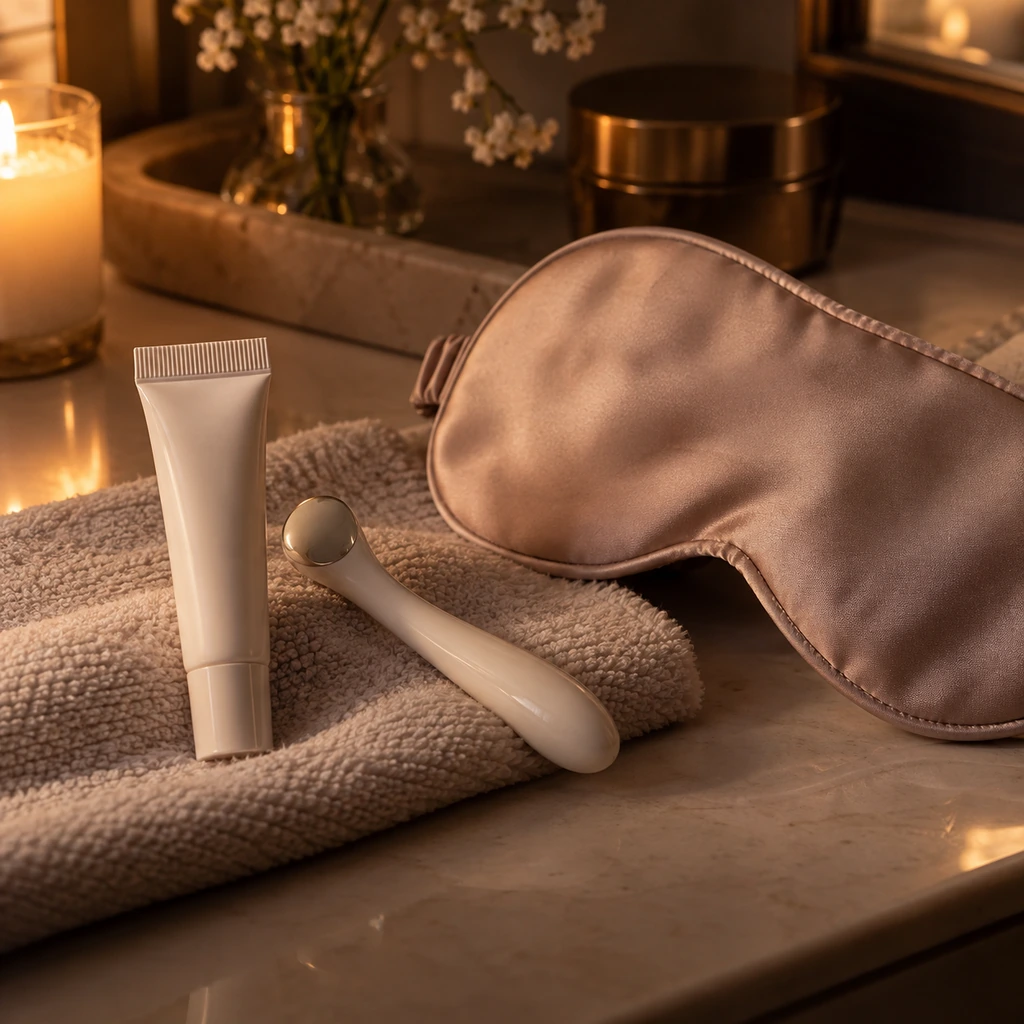
Eye cream is optional. If your facial moisturizer is fragrance-free and does not sting, a small amount may be enough around the orbital bone. If you prefer a separate eye product, tap on a thin layer without pulling the skin and keep it out of the eye itself. Puffiness, dark circles, and fine lines have many causes, so no cream should be presented as a guaranteed correction. Stop using a product that makes the area itchy, watery, or swollen.
5. Seal in Moisture
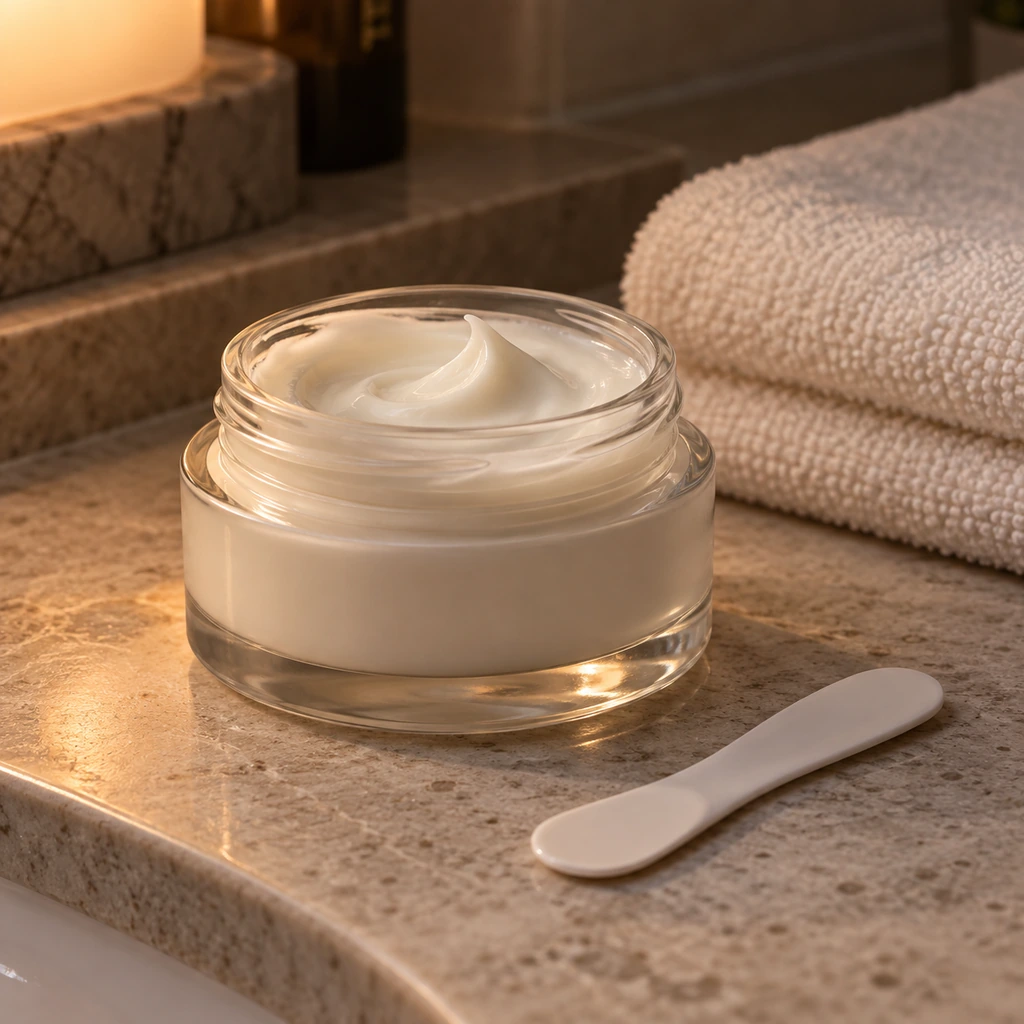
Smooth moisturizer over the face and neck while the skin is slightly damp, or after your treatment has settled as its directions specify. Humectants such as glycerin attract water, while ingredients such as ceramides and petrolatum help reduce moisture loss. Texture matters more than price: a light lotion may feel better on oily skin, while dry skin may prefer a cream. Acne-prone readers can look for “non-comedogenic,” “oil-free,” or “won’t clog pores” on the label.
6. Add a Sleeping Mask or Balm Only When Needed
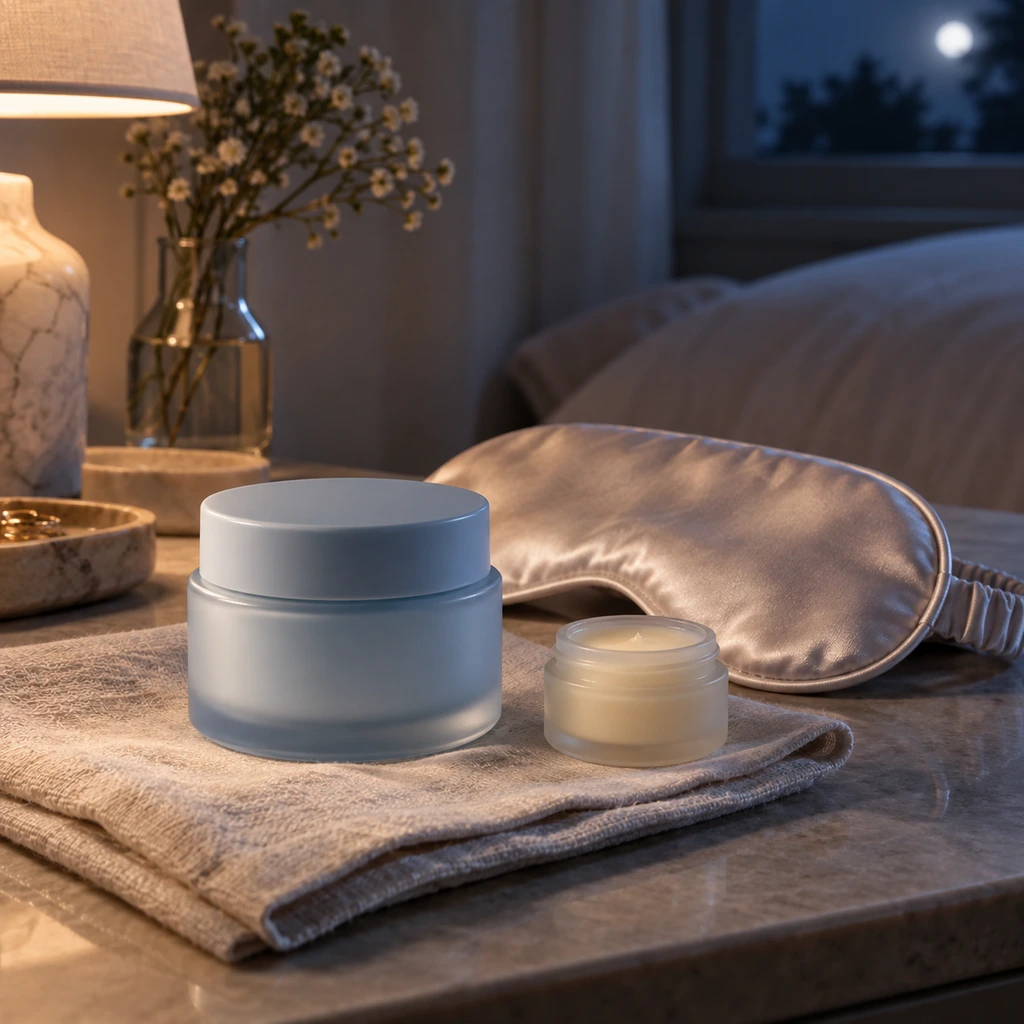
Very dry patches may benefit from a small amount of plain balm over moisturizer. A sleeping mask can provide a similar final layer, but it is not essential and should not replace treatment for a skin condition. Avoid heavily fragranced formulas if you are sensitive, and do not seal a strong active beneath an occlusive layer unless its instructions permit it. Wash the product off and discontinue it if you notice burning, itching, or a new rash.
Substitutions & Variations
For sensitive skin, begin with cleanser and moisturizer alone, then add one product after your baseline feels stable. For oily or acne-prone skin, lightweight non-comedogenic moisturizer can still help limit dryness from acne treatments. Dry skin may prefer a creamy cleanser and richer moisturizer. Toner is optional; it does not need to “restore” every person’s pH or tighten pores. Facial oils can soften the finish for some people, but they do not replace water-based hydration or prescribed care.
What to Pair With Your Night Routine
Pair evening care with daytime sun protection. Use broad-spectrum, water-resistant SPF 30 or higher, seek shade, and wear protective clothing when appropriate—especially if your nighttime treatment increases sun sensitivity. Clean pillowcases, hands, and applicators also keep the routine pleasant. Support realistic expectations with sleep, balanced meals, and medical care when needed; none of these replaces treatment, and a product does not have to tingle to be working.
Frequently Asked Questions
Do I need to wait between every layer?
Usually, no elaborate timer is required. Follow medication directions, allow a product to settle enough that it does not immediately mix or pill, and then continue. Comfort and consistent use matter more than a viral waiting rule.
Should I use retinol every night?
Not automatically. Retinoids can be helpful for selected concerns but may cause dryness and irritation. Start slowly only if the product and your clinician’s advice support it, moisturize, and use daytime sun protection. Avoid retinoids during pregnancy.
How long before my skin looks different?
Moisturizer may make dry skin feel comfortable quickly, but acne, discoloration, and texture changes generally take consistent care over weeks or longer. Stop chasing overnight transformations. Seek professional advice for worsening symptoms, scarring, persistent inflammation, or a routine that repeatedly causes irritation.