

If mosquitoes turn every summer evening into a swatting marathon, it is time to fight back with mosquito repelling plants. These natural defenders release aromatic oils that insects dislike—while making your patio, borders, and window boxes more beautiful. Plant them once, maintain them through the season, and enjoy outdoor time with fewer bites.
This guide covers six proven performers—citronella, lavender, marigolds, basil, rosemary, and mint—plus placement and care tips that actually boost their effectiveness. Pair your planting plan with our tree stump removal guide if you are reclaiming yard space, or browse more garden planting ideas for a cohesive backyard refresh.
At a glance: 6 top plants · Full sun to partial shade · Pots or beds · Low to moderate maintenance · Best for patios, entryways, and seating areas · Works alongside other pest-control habits
Why Plant Mosquito Repelling Plants?
- Natural approach: Aromatic foliage discourages mosquitoes without spraying chemicals across your whole yard.
- Dual purpose: Many repellent plants are edible herbs or showy flowers you already want in the garden.
- Flexible placement: Grow in pots and move them near chairs, grills, and doorways when guests arrive.
- Budget-friendly: One nursery trip can outfit several zones for the entire season.
Reality check: Plants alone will not eliminate every mosquito—but clustered, well-maintained plantings noticeably reduce activity where you sit and entertain.
1. Citronella Grass
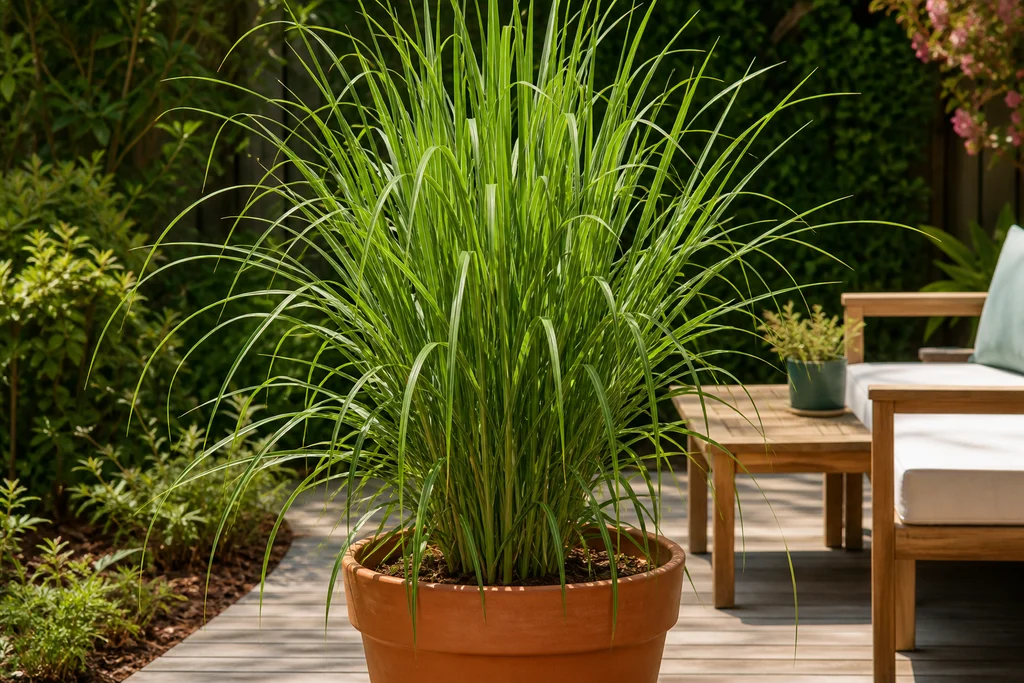
Citronella is the plant most people picture when they think of natural mosquito control. Its strong citrus scent comes from essential oils in the leaves—the same family of compounds used in citronella candles and sprays. Mosquitoes avoid that aroma, which makes this tall grass-like plant ideal for borders around decks and pool areas.
- Growing tips: Plant in full sun and well-drained soil. In cooler zones, grow in large containers you can move indoors before frost.
- Best placement: Line patio edges or flank walkways where people gather.
- Maximize effect: Crush a few leaves and rub them near seating areas to release extra oils on humid evenings.
2. Lavender
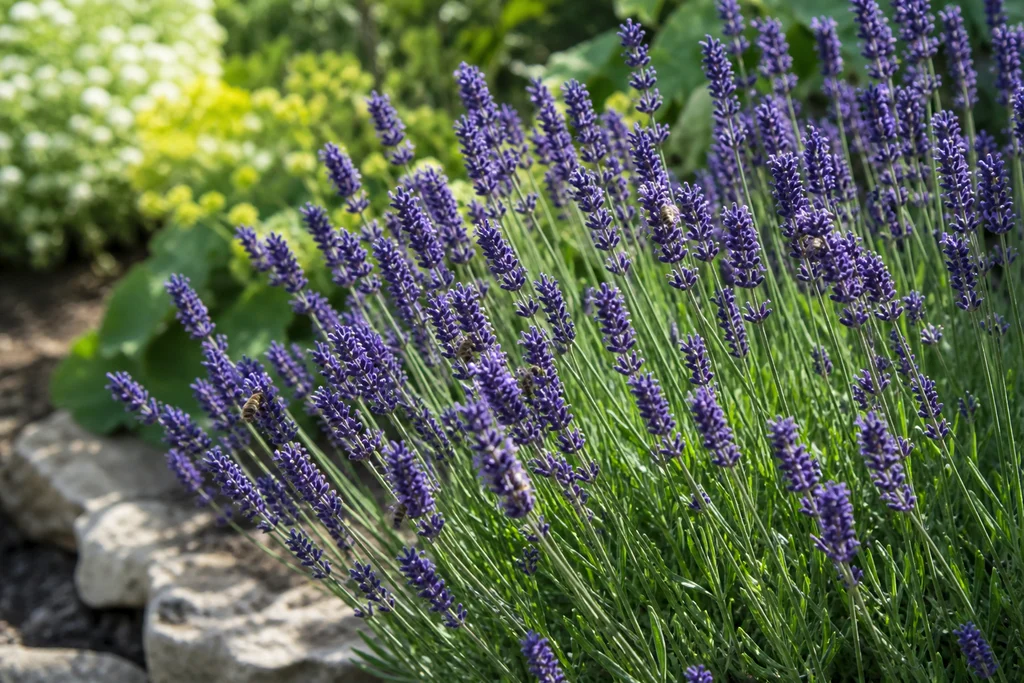
Lavender smells soothing to humans and offensive to mosquitoes. The silvery foliage and purple blooms look stunning in herb gardens, rock gardens, and cottage-style borders. Once established, lavender is remarkably drought-tolerant—perfect for hot, dry summers when mosquitoes are most active.
- Growing tips: Full sun and well-drained soil are non-negotiable. Avoid heavy clay or overwatering.
- Best placement: Near windows, doorways, and outdoor dining tables.
- Maximize effect: Dry bundles of lavender and tuck them on patios or porches for lingering scent indoors and out.
3. Marigolds
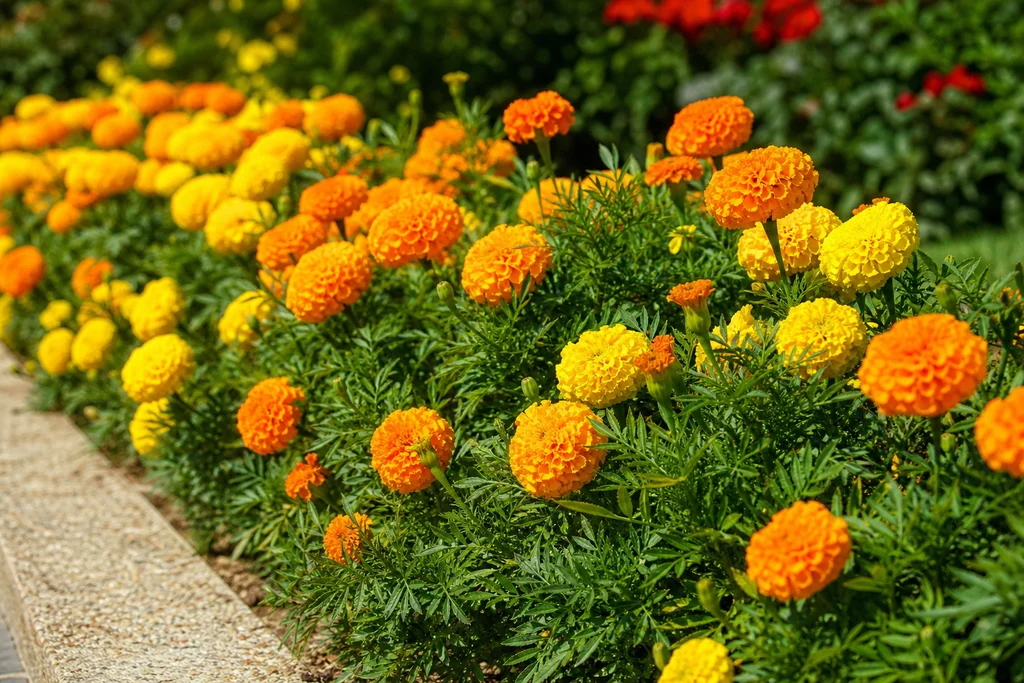
Marigolds contain pyrethrum, a compound found in many commercial insect repellents. Their bright orange and yellow blooms cheer up any bed while helping deter mosquitoes and other garden pests like aphids and nematodes near vegetables.
- Growing tips: Full sun and well-draining soil. Deadhead spent flowers to keep blooms coming all season.
- Best placement: Borders along entry paths, window boxes, and vegetable garden edges.
- Maximize effect: Plant marigolds in clusters rather than single scattered plants for a stronger visual and aromatic barrier.
4. Basil
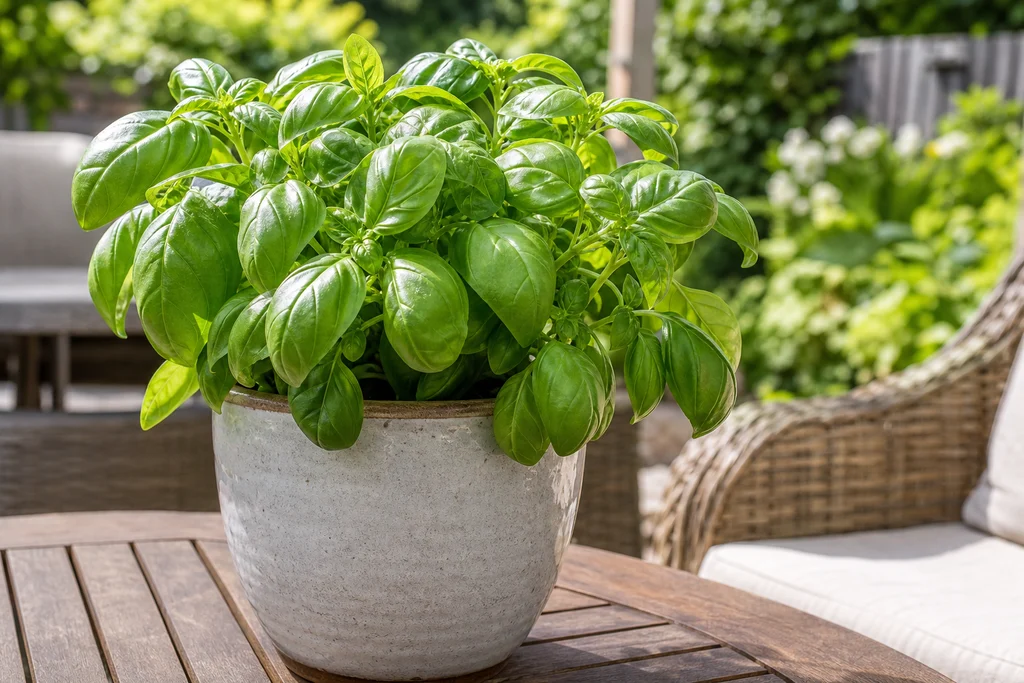
Basil is a kitchen favorite that pulls double duty outdoors. Its pungent leaves release oils mosquitoes avoid, and fresh pesto is a nice bonus. Keep pots on patio tables or window sills where you can snip leaves for dinner and brush the foliage to release scent during outdoor meals.
- Growing tips: Full sun and consistently moist (not soggy) soil. Pinch flower buds to keep leaves tender.
- Best placement: Outdoor kitchen areas, grill stations, and herb planters near seating.
- Maximize effect: Crush leaves lightly before guests arrive to boost the aromatic shield.
5. Rosemary
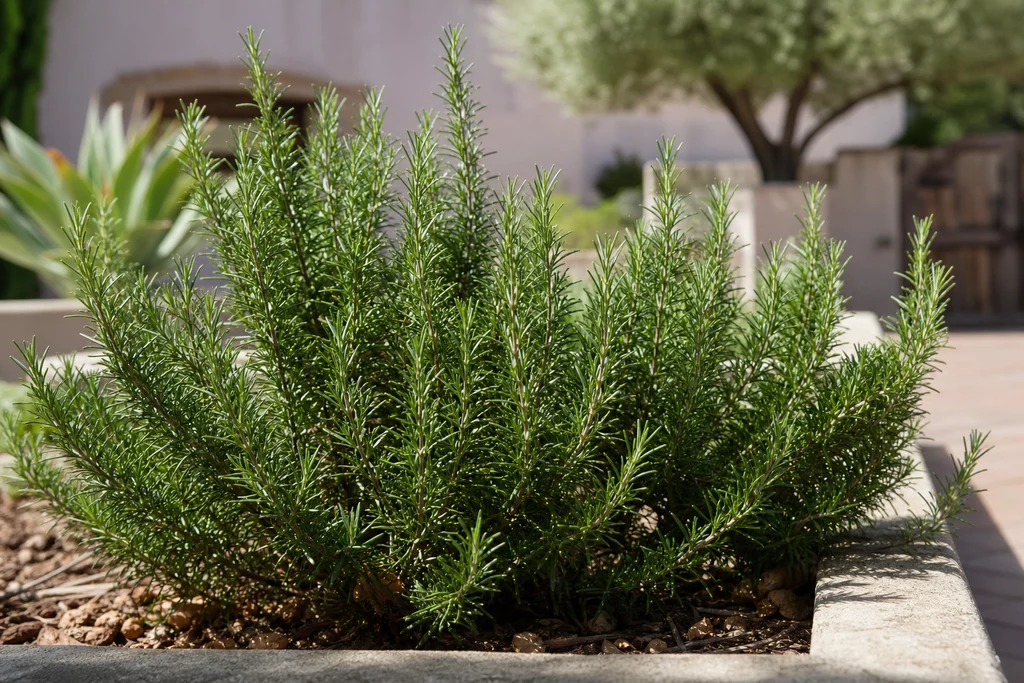
Rosemary’s woody, pine-like fragrance acts as a natural mosquito deterrent. This hardy perennial thrives in pots or directly in the ground, making it one of the most versatile repellent plants for any garden layout. It also handles heat and dry spells better than many tender herbs.
- Growing tips: Full sun and well-drained soil. Trim regularly to maintain bushy growth.
- Best placement: Near grills, fire pits, and raised beds where you spend evening hours.
- Maximize effect: Toss a few sprigs on hot coals during barbecues—the smoke carries rosemary oils mosquitoes hate.
6. Mint
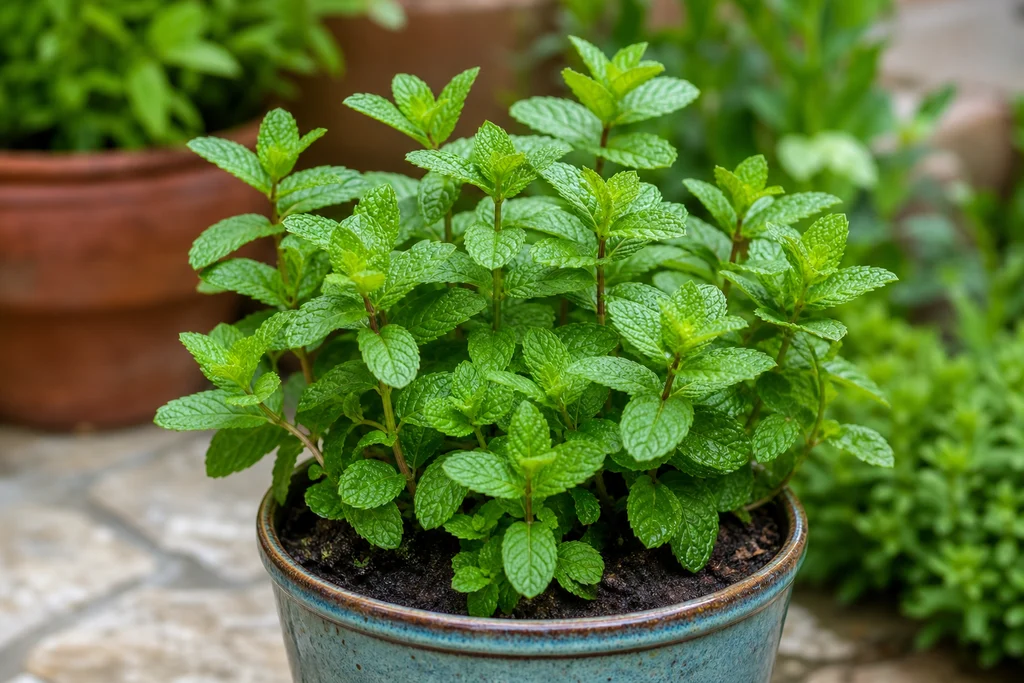
Mint’s cool, sharp scent is wonderful in drinks and terrible for mosquitoes. It spreads aggressively through underground runners, so container growing is strongly recommended unless you want mint taking over an entire bed.
- Growing tips: Partial sun to full sun with consistently moist soil. Use pots with drainage holes.
- Best placement: Patio corners, porch steps, and anywhere you want easy access for mojitos and iced tea.
- Maximize effect: Rub crushed leaves on skin for a quick natural repellent—patch test first if you have sensitive skin.
Tips for Maximizing Effectiveness

- Plant in clusters: A single pot helps; a ring of pots around your seating area helps more. Aim for plants within arm’s reach of where people sit.
- Release the oils: Gently crush or brush foliage before outdoor gatherings to intensify scent.
- Use movable pots: Shift containers toward the grill, fire pit, or dining table as needed.
- Combine strategies: Eliminate standing water, run a fan on the patio, and wear repellent during peak mosquito hours (dawn and dusk).
- Refresh tired plants: Leggy or dried-out herbs produce less oil—trim, fertilize lightly, and replace annuals mid-season if needed.
Planting and Care Checklist
- Choose a sunny spot (or partial shade for mint) with drainage.
- Group at least three different repellent plants near seating areas.
- Use pots for mint, citronella (in cool zones), and any plant you want to relocate.
- Water consistently the first two weeks after planting.
- Crush or brush leaves before guests arrive on humid evenings.
- Bring tender pots indoors or cover before the first hard frost.
Indoor and Container Growing
Most of these plants adapt well to sunny windowsills. Citronella, basil, and mint are especially suited to indoor pots if they receive six or more hours of direct light. Rotate containers outdoors during warm months for stronger growth, then bring them inside when temperatures drop. A sunny kitchen window with basil and mint gives you year-round cooking herbs and a light indoor mosquito deterrent near open doors.
Winter Care in Cold Climates
In USDA zones with freezing winters, treat marigolds and basil as annuals. Lavender and rosemary may survive outdoors if hardy in your zone—mulch around the base for insulation. Citronella and mint should move to bright indoor locations before frost. Cut back dead growth in spring and refresh potting soil for container plants that overwinter inside.
Frequently Asked Questions
Do mosquito repelling plants really work?
Yes—with realistic expectations. They reduce mosquito activity in the immediate area by releasing repellent oils, especially when leaves are brushed or crushed. They work best as part of a broader strategy that includes removing standing water and using physical barriers like screens and fans.
Can I grow these plants indoors?
Most can, provided they get enough sunlight. Citronella, basil, and mint perform well in bright indoor pots. Lavender needs excellent drainage and strong light—choose a south-facing window or supplemental grow light.
Which plant is the strongest mosquito repellent?
Citronella and lavender are among the most cited for scent intensity. In practice, a mix of several plants near where you sit outperforms relying on a single type.
How do I care for these plants during winter?
Bring potted citronella, mint, and tender herbs indoors before frost. Mulch perennial lavender and rosemary in the ground. Replace annual marigolds and basil each spring.
Are these plants safe around pets?
Many are generally safe, but some essential oils can irritate pets if ingested in large amounts. Keep curious dogs and cats from chewing heavily on concentrated plant material, and consult your vet if you have concerns about specific species.
Final Thoughts
The best mosquito repelling plants do more than fight bugs—they make your outdoor space smell amazing, look inviting, and feel lived-in. Start with two or three favorites near your main seating area, add marigolds along paths, and keep mint contained in pots you can move wherever the party goes. With a little placement know-how and regular leaf-crushing before guests arrive, you will spend less time swatting and more time enjoying your backyard.