
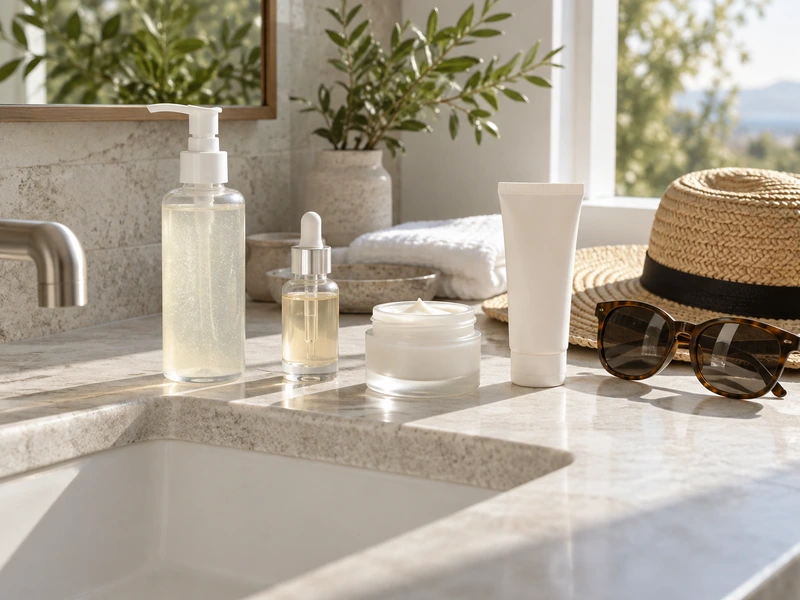
Glowing skin is not a medical condition or a finish that every face should look the same. In practical terms, it usually means skin that feels comfortable, looks hydrated, and is protected from avoidable irritation and sun damage. You can support that appearance at home, but the safest approach is a steady routine rather than harsh scrubs, lemon juice, or a crowded shelf of “miracle” remedies.
This guide keeps the original goal—how to get glowing skin naturally at home—while treating “naturally” as gently and realistically as possible. Your skin type, climate, medications, hormones, and health all affect what you see in the mirror. Patch-test new products, change one thing at a time, and consult a board-certified dermatologist for persistent acne, eczema, rosacea, painful irritation, or a changing skin lesion.
Why You’ll Love This Approach
- It is simple: the core routine uses only cleansing, moisturizing, and sun protection, with optional treatment added carefully.
- It protects your skin barrier: gentle habits are less likely to create the tightness and redness that can make skin look dull.
- It is adaptable: you can adjust textures and frequency without chasing every new trend or kitchen remedy.
What You Need
- A mild, fragrance-free facial cleanser
- A moisturizer suited to your skin type
- A broad-spectrum, water-resistant sunscreen with SPF 30 or higher
- One optional treatment chosen for a specific concern
- A clean towel, clean hands, and a consistent morning and evening schedule
- Shade, protective clothing, and a hat for time outdoors
Step-by-Step Routine for Naturally Healthy-Looking Skin
1. Begin with a Patch Test and One Change at a Time
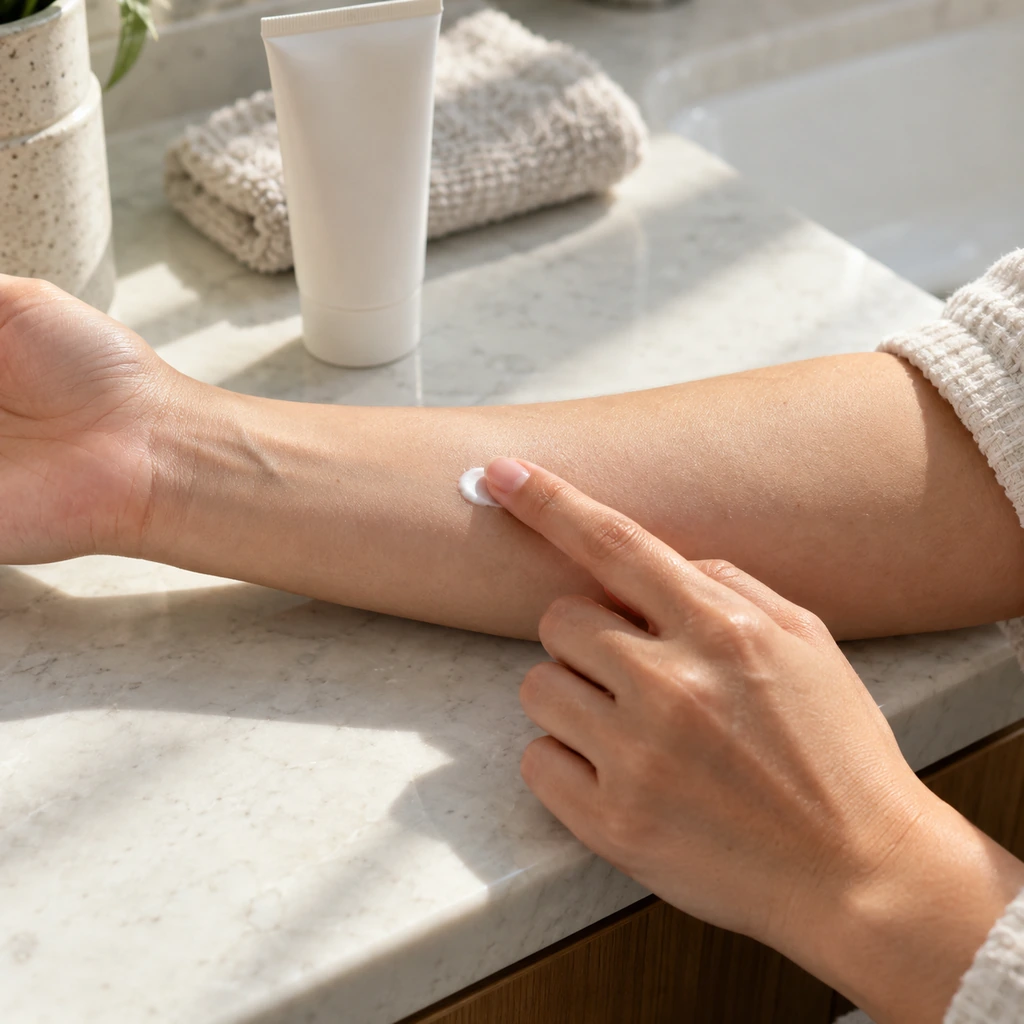
Before a new leave-on product reaches your face, test it on a small area where it will not be rubbed away. The American Academy of Dermatology recommends applying the normal amount to a quarter-sized test spot twice daily for seven to ten days. Stop if you develop redness, itching, swelling, or significant discomfort. “Natural,” botanical, and unscented labels do not guarantee that a formula is fragrance-free or hypoallergenic. Introduce only one product at a time so you can identify what helps and what causes irritation.
2. Cleanse Gently Instead of Scrubbing for Shine
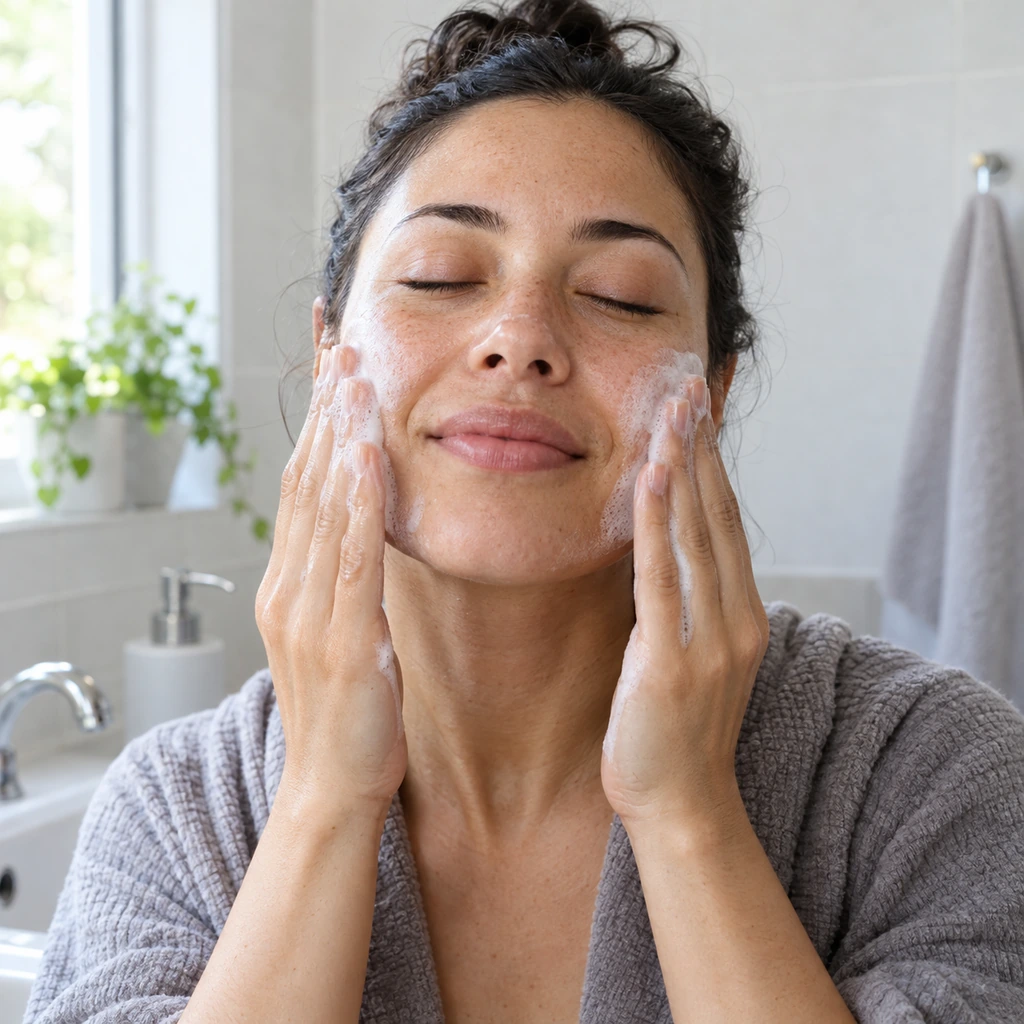
Wash with lukewarm water and a mild cleanser, using your fingertips rather than a brush, rough cloth, or grainy scrub. Rinse thoroughly and pat dry. Cleansing at night removes sunscreen, makeup, oil, and everyday debris; a morning cleanse can be lighter if dry or sensitive skin already feels comfortable. Avoid trying to polish away texture with sugar, salt, or coarse oatmeal. Repeated friction can irritate the skin and undermine the smooth, calm appearance you want. If cleansing leaves your face burning or tight, shorten the wash and choose a gentler fragrance-free formula.
3. Moisturize While Skin Is Still Slightly Damp
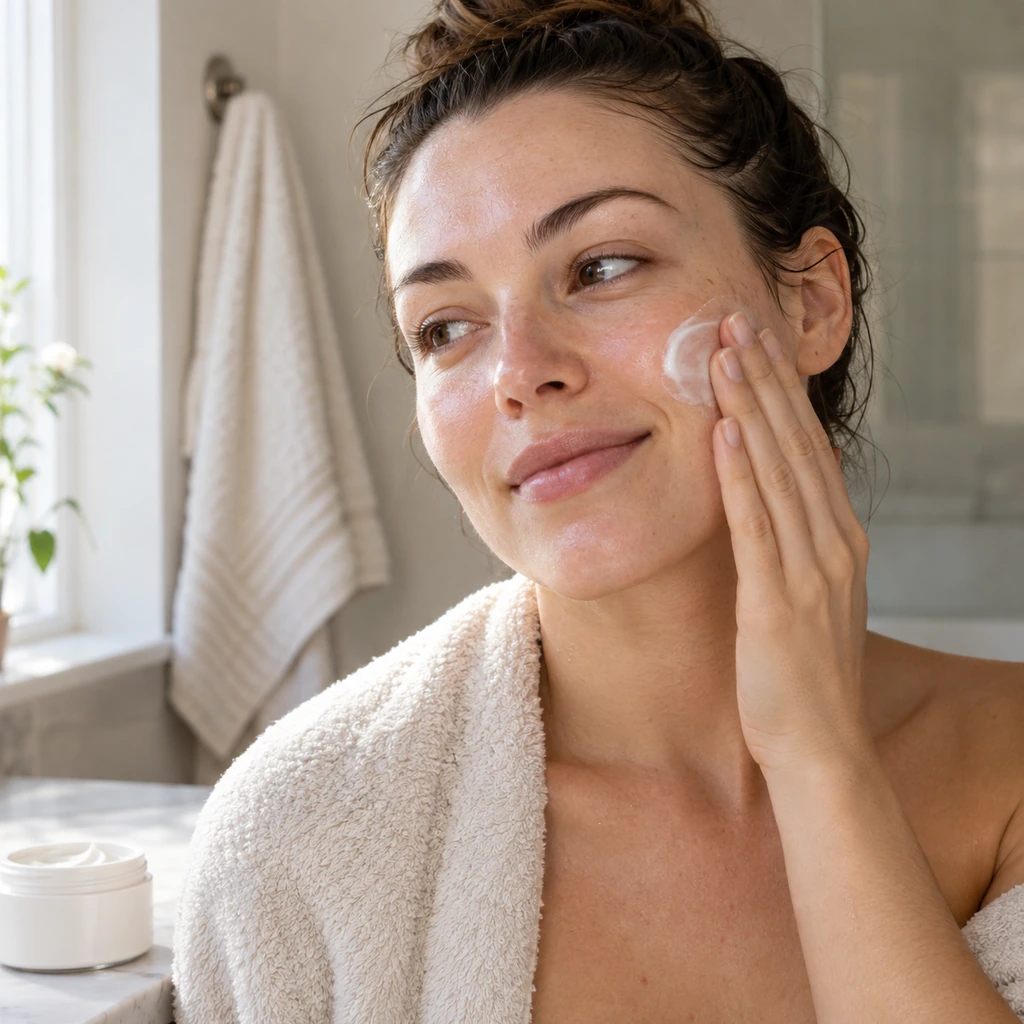
Apply moisturizer after cleansing while the skin retains a little water, without leaving it dripping wet. Moisturizer helps reduce water loss and supports a comfortable surface that reflects light more evenly. A light lotion or gel-cream may suit oily skin, while a richer cream can feel better on dry skin; labels such as non-comedogenic can be useful for acne-prone skin. Plant oils are not automatically the best match for every face, and coconut oil can feel heavy or contribute to clogged pores for some people. Choose the texture your skin tolerates consistently instead of assigning one oil to an entire skin type.
4. Make Sun Protection the Daytime Essential
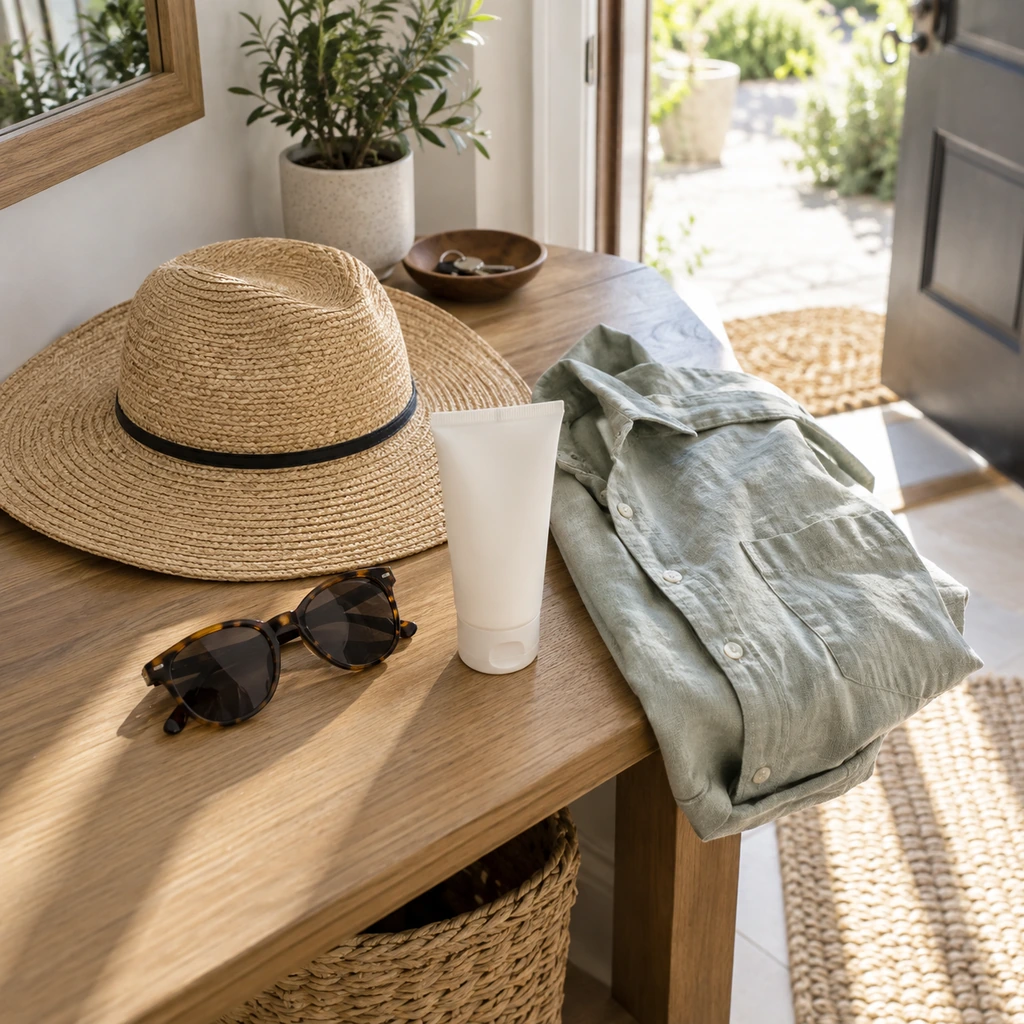
Sun protection does more for long-term evenness than a brightening mask. Before going outdoors, apply a broad-spectrum, water-resistant sunscreen with SPF 30 or higher to exposed skin. The AAD’s sunscreen guidance advises applying it about 15 minutes before outdoor exposure and reapplying approximately every two hours while outside, as well as after swimming or sweating. Pair sunscreen with shade, a brimmed hat, sunglasses, and protective clothing. Pick a finish you will use generously; tinted and untinted formulas can both work when their protection and application are adequate.
5. Add Only One Optional Treatment for a Clear Goal
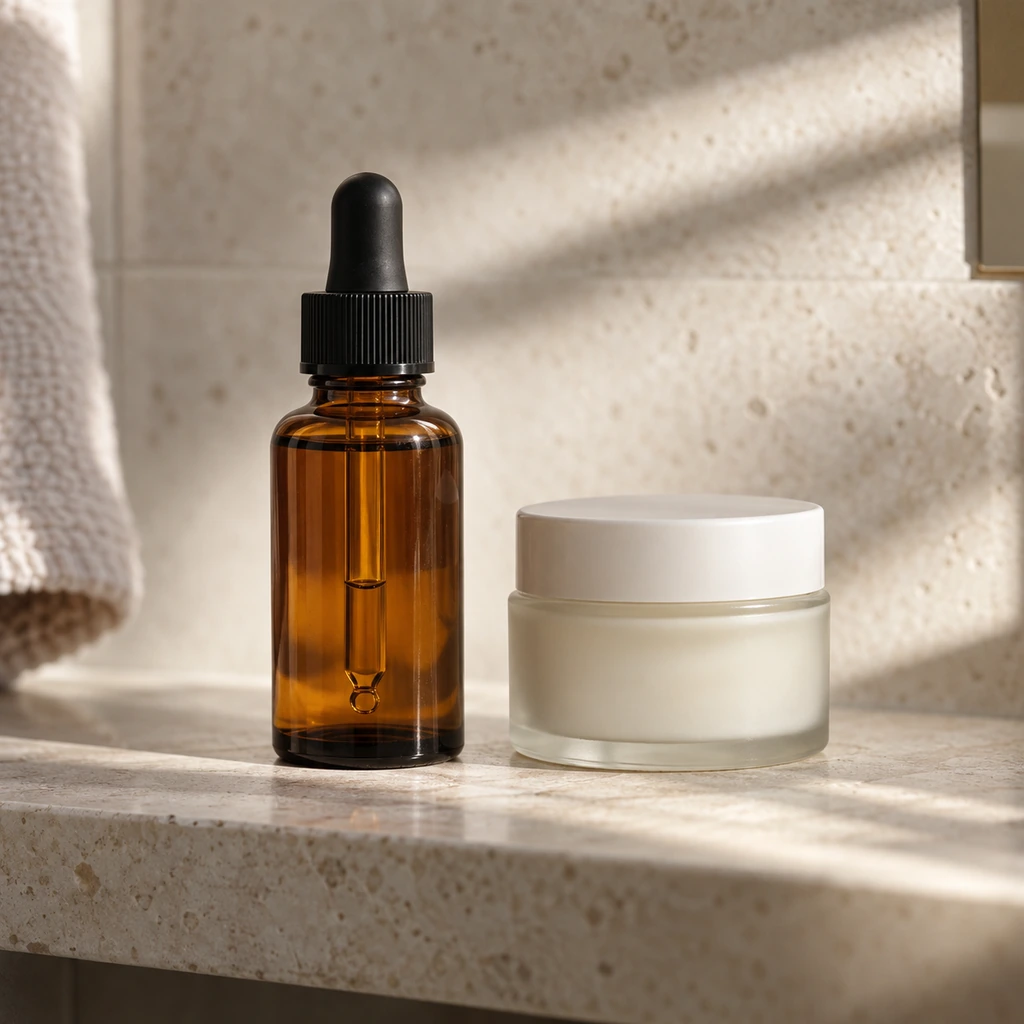
If your basic routine is comfortable, choose one treatment for one concern rather than layering several actives. A dermatologist or pharmacist can help you select an option compatible with your skin and medications. Follow the label or prescription, begin at the recommended frequency, and do not assume tingling means a product is working. Skip undiluted lemon juice and improvised acidic mixtures: variable strength and sun exposure can make irritation or discoloration more likely. The usual product order is cleanser, medication or treatment, moisturizer and sunscreen, then makeup if desired.
6. Support the Routine with Sustainable Daily Habits

Skin care cannot replace sleep, medical care, or a varied diet, but daily habits can support general wellbeing. Drink according to thirst and your clinician’s advice instead of treating a fixed number of glasses as a cosmetic prescription. Eat a varied pattern that includes fruits, vegetables, protein, and sources of healthy fats; no single “glow food” can transform the skin. Keep pillowcases, phones, and makeup tools reasonably clean, remove makeup before bed, and avoid picking. Aim for a sleep schedule you can maintain. These habits are supportive, not treatments for persistent acne, pigmentation, or inflammatory skin disease.
Substitutions & Variations
For very dry or sensitive skin, rinse with lukewarm water in the morning and reserve cleanser for the evening if that feels better. Use a cream moisturizer and avoid fragrance. Oily or acne-prone skin may prefer lighter, non-comedogenic textures, but it still benefits from moisturizer. If sunscreen stings, try a different fragrance-free formula or ask a dermatologist for help rather than abandoning protection. When a prescribed treatment conflicts with general advice, follow your clinician’s instructions. Seasonal changes also matter: a richer moisturizer in cold, dry weather and a lighter texture in humid weather can make the same routine more comfortable.
What to Pair With Your At-Home Routine
Pair the routine with practical protection rather than more products: a hat near the door, sunscreen in your day bag, and a reminder for outdoor reapplication. Keep a short note of when you introduce a product and any reaction you observe. Good lighting and an occasional photo can help you judge change more reliably than checking the mirror several times a day. If a concern is painful, scarring, spreading, bleeding, or not improving, pair home care with professional assessment. A simple routine should make daily care easier; it should never delay treatment you need.
Frequently Asked Questions
Can homemade face masks make skin glow?
A mask may temporarily make skin feel softer, but homemade mixtures have inconsistent strength, hygiene, and allergy risk. Lemon juice and abrasive ingredients are especially poor choices for facial skin. A tested moisturizer used consistently is a safer way to support hydration.
How quickly should I expect a visible difference?
Comfort and surface hydration may improve sooner than acne, pigmentation, or texture. Give a gentle routine time and avoid introducing several products at once. Seek professional advice instead of repeatedly switching remedies if symptoms persist or worsen.
Does drinking more water automatically clear the skin?
Hydration is important for general health, but extra water is not a proven stand-alone cure for acne or dullness. Drink appropriately for your health and activity level, then rely on gentle topical care and sun protection for the routine itself.