
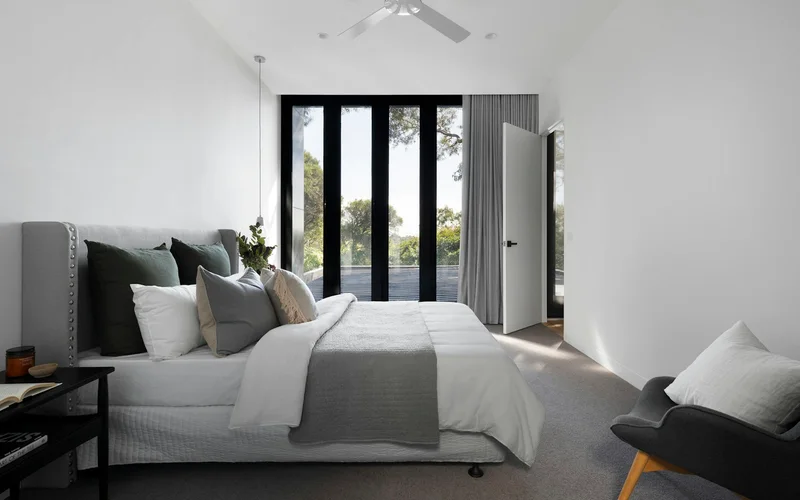
A cramped bath can still feel calm and roomy when you control color, light, and clutter. This guide shows how to make a small bathroom feel spacious using layout tricks, smart storage, and finishes that expand sight lines without a full remodel.
Pair these ideas with budget-friendly bathroom refresh ideas, wider home organization tips, and soft ways to make your home feel cozy. If you are juggling work from home, a tidy bath also supports a calm start before you head to your budget-friendly home office setup.
Why Small Bathrooms Feel Tight
Enclosed walls, dark corners, and busy surfaces shrink a room visually. When the eye stops at a bulky vanity, a frosted shower curtain, or stacks of products, the space reads smaller than its square footage. The goal is not magic. It is directing light, keeping floors visible, and limiting what competes for attention.
Most renter-friendly changes cost less than a weekend and work in powder rooms, apartment baths, and guest ensuites. Focus on one or two high-impact moves first, then layer storage and styling once the bones feel lighter.
1. Choose Light, Reflective Colors
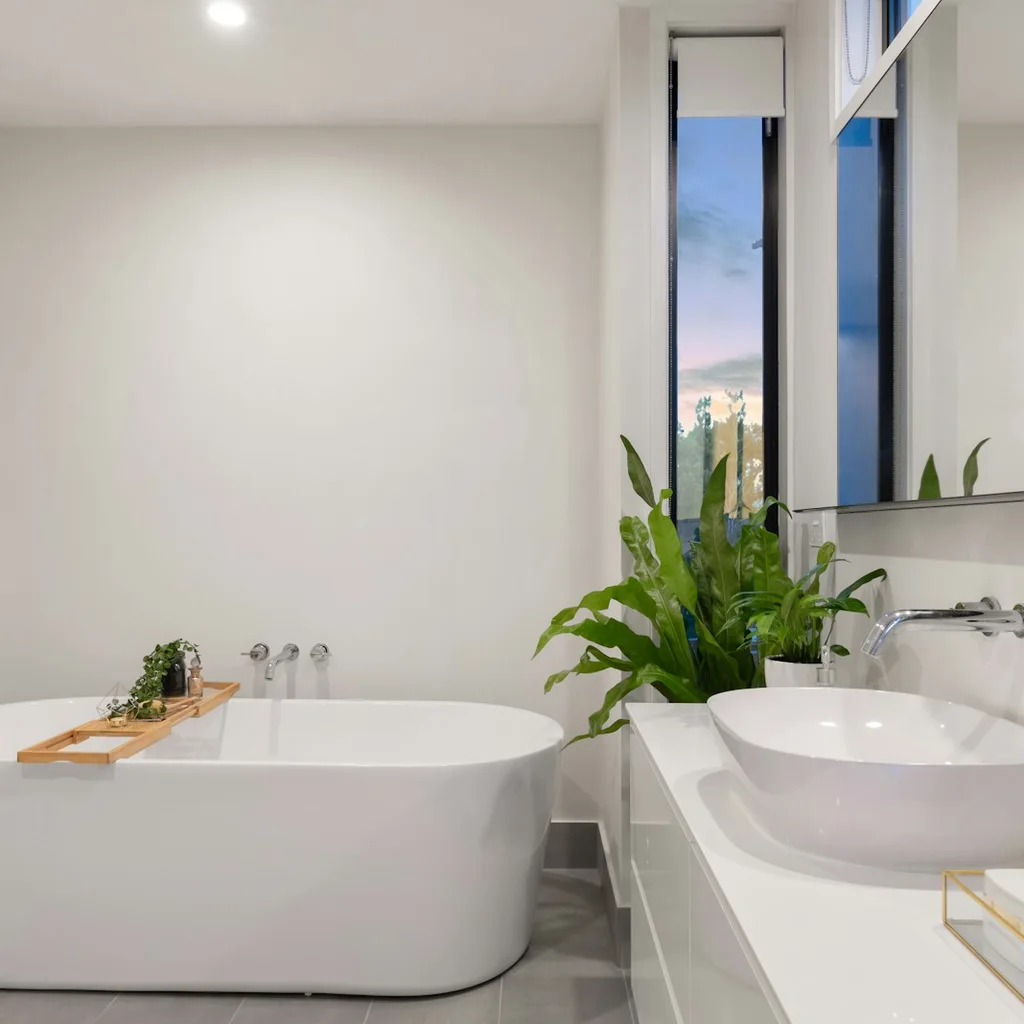
Soft whites, warm off-whites, pale gray, and light sand tones bounce daylight and lamp light around the room. Paint ceilings the same family as walls so corners disappear. If you love color, use it on a single accent wall or in a narrow band of tile while keeping larger planes neutral.
Glossy or satin paint on trim and semi-gloss on moisture-prone walls wipe clean and catch highlights. Match grout to tile when possible so grid lines blur instead of chopping the wall into tiny squares. Even a fresh coat on a tired vanity can lift the whole room.
2. Upgrade Mirrors and Lighting
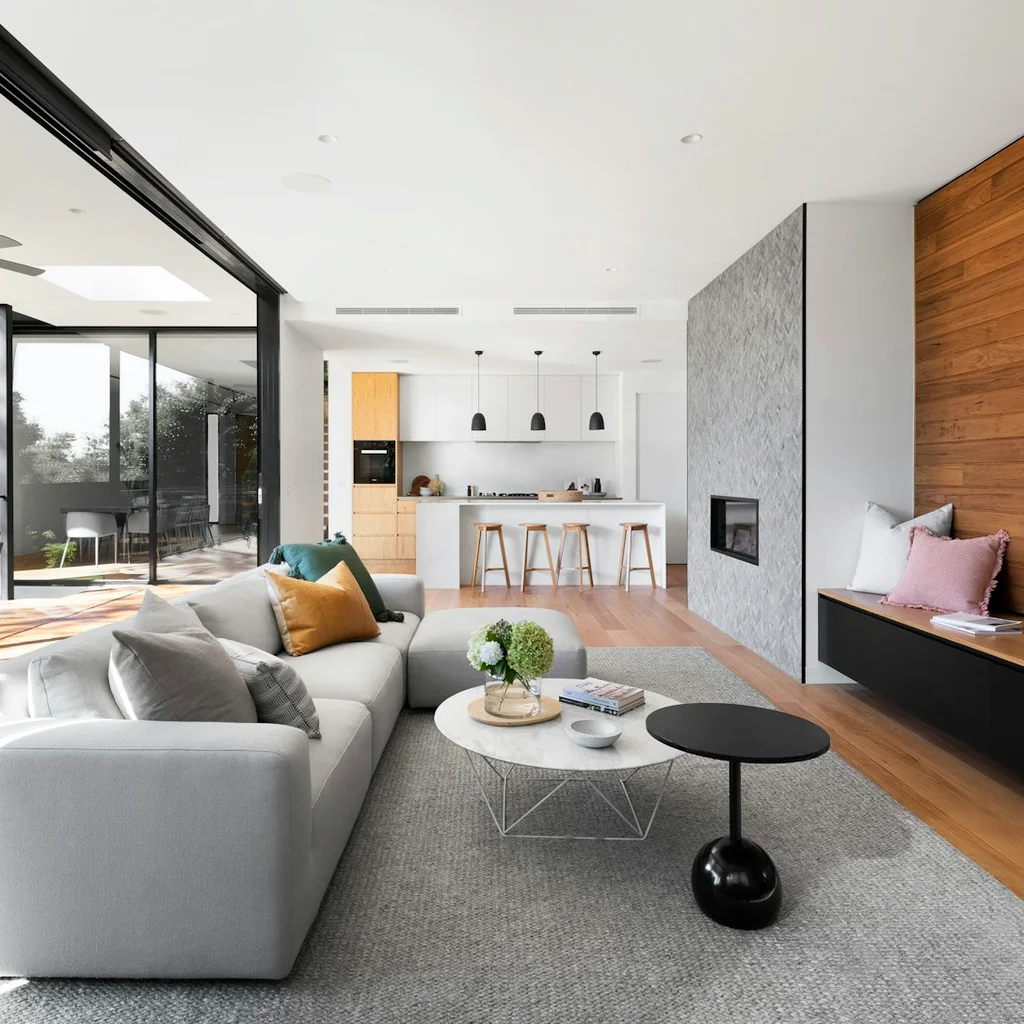
A mirror that is wider than the vanity doubles the sense of depth. Frameless edges feel modern and weightless. Place sconces at eye level on both sides of the mirror to reduce shadows on your face and brighten the perimeter.
If wiring is limited, add a slim LED mirror or a plug-in bar light with a warm color temperature near 3000K. Dimmer switches let you keep soft light at night while still flooding the room for cleaning. Never block window light with heavy treatments. Use sheer privacy film or top-down shades instead of bulky fabric.
3. Float the Vanity and Show More Floor
Wall-mounted vanities expose continuous flooring, which the brain reads as extra space. Pick a slim profile with one drawer and an open shelf for towels. Leggy freestanding pieces work too when the floor color runs underneath without interruption.
Round or oval sinks soften tight corners compared with sharp rectangles. Consider a compact wall-hung toilet tank to reclaim a few precious inches. Keep plumbing chrome or brushed nickel consistent so fixtures feel intentional, not scattered.
4. Open the Shower with Glass
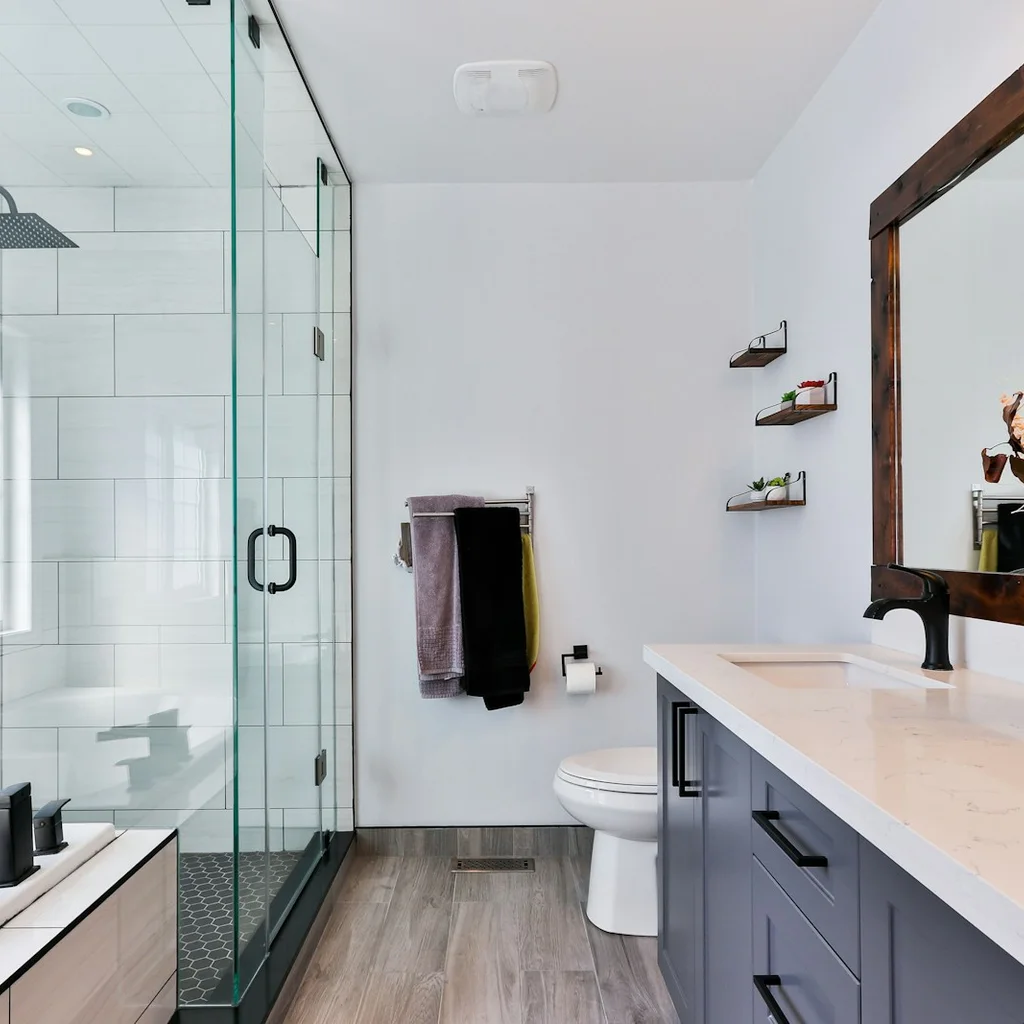
Opaque curtains and high tub surrounds create a second wall in an already small room. Clear glass panels, even on a tub-shower combo, let your eye travel to the back wall. Use a single large pane instead of busy grids when code allows.
Continuity helps: run the same floor tile into the shower pan or use a matching tone on the shower wall. Niche storage built into the tile replaces bottles on the ledge. A linear drain and curbless entry remove visual bumps and make cleaning faster.
5. Store Vertically and Behind Doors
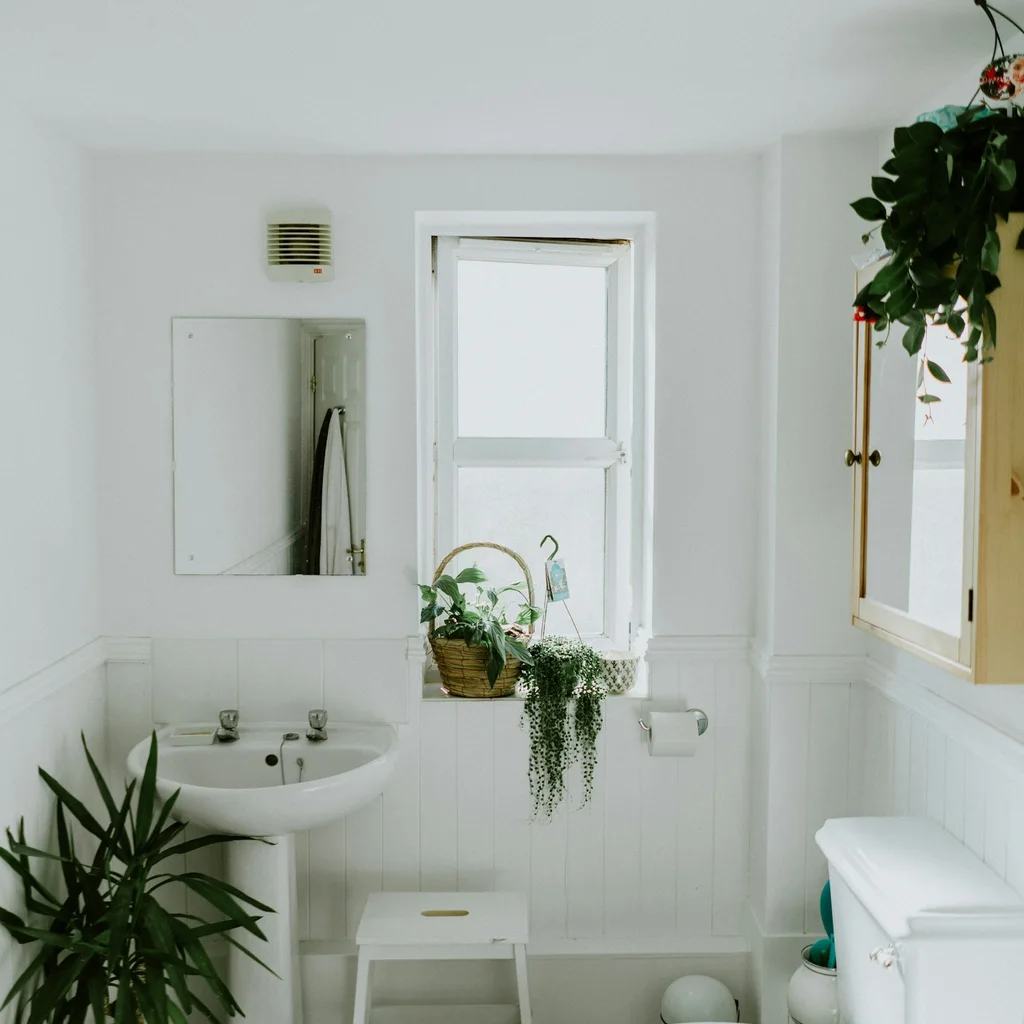
Floor space is premium, so claim height. Tall slim cabinets, ladder shelves, and over-toilet units use air space without widening the footprint. Stick-on hooks inside the door hold robes and hair tools. Magnetic strips inside medicine cabinets corral bobby pins and tweezers.
Decant daily products into matching dispensers to cut label noise. Roll towels instead of stacking them in uneven piles. Label bins inside drawers so everything returns to the same slot after use, which prevents counter creep during busy mornings.
6. Edit What Sits on Display
Minimal does not mean sterile. It means every visible item earns its spot. Keep one small plant, one scented candle, and one tray for keys or jewelry. Move backups and seasonal scents to a hall closet or under-sink bin with a child lock if needed.
Match accessory finishes across soap pumps, towel bars, and hooks. Textured towels in one palette add warmth without pattern overload. A single piece of art or a narrow floating ledge for photos is enough personality in a micro bath.
Layout and Fixture Scale
Measure door swing, shower entry, and knee space before buying anything new. A 24-inch vanity can feel generous when the room is only five feet wide. Pocket doors reclaim floor area compared with inward-swinging slabs. Corner sinks free a straight wall for storage.
Large-format wall tile reduces grout lines and looks upscale in tight rooms. If you keep a tub, choose a shorter apron length so the floor opens up. Wall-mounted faucets on a narrow ledge free depth on the counter for essentials only.
Renter-Friendly Wins Without Renovation
Peel-and-stick floor tile over existing vinyl can refresh color when landlords allow it. Removable wallpaper on an accent wall adds depth if paint is forbidden. Tension-mounted shower rods and adhesive hooks leave no scars when you move.
Replace an oversized mirror with an IKEA-style framed unit using existing anchor points. Swap heavy shower curtains for a clear liner plus a light linen outer panel that stays tied open. These swaps travel with you and still make a small bathroom feel spacious on photo day.
Small Bathroom Spacious Checklist
- Paint or tile in light, reflective tones on walls and ceiling.
- Install a wide mirror with balanced side lighting.
- Choose a floating or leggy vanity to expose floor area.
- Use clear glass or minimal shower enclosures when possible.
- Add vertical storage and behind-door hooks instead of floor bins.
- Limit counter items to a short daily-use list.
- Match metal finishes and towel colors for a calm, unified look.
- Declutter under-sink and medicine cabinet every season.
- Keep window paths clear or use sheer privacy solutions.
- Photograph problem angles and fix the darkest corner first.
Frequently Asked Questions
What color makes a small bathroom look bigger?
Light neutrals such as soft white, warm gray, and pale beige reflect the most light. Keeping the ceiling in the same color family avoids a visual lid that lowers the room.
Are large tiles better in small bathrooms?
Large-format tiles on walls or floors reduce grout lines, which can make surfaces feel calmer and more expansive. Use proportional sizes so cuts around fixtures still look balanced.
How do I add storage without cluttering the floor?
Use over-toilet shelving, tall narrow cabinets, recessed shower niches, and door-mounted hooks. Store bulk items outside the bath in a hallway closet.
Can I make a small bathroom feel spacious on a budget?
Yes. Fresh paint, a larger mirror, coordinated accessories, decluttering, and a clear shower liner deliver strong impact for modest cost before any plumbing changes.
Should I use a shower curtain or glass in a tiny bath?
Glass keeps sight lines open, which usually helps most. If you need a curtain, use a clear liner and tie fabric panels to the sides when not showering.
What lighting temperature works best?
Warm white around 3000K flatters skin and feels relaxing. Layer overhead and mirror lighting so corners are not left in shadow.
Final Thoughts
Learning how to make a small bathroom feel spacious comes down to light, continuity, and editing. Start with color and mirrors, open the shower view, then tighten storage. Small disciplined changes add up to a bath that feels brighter every morning and photographs larger for guests and future buyers alike.