
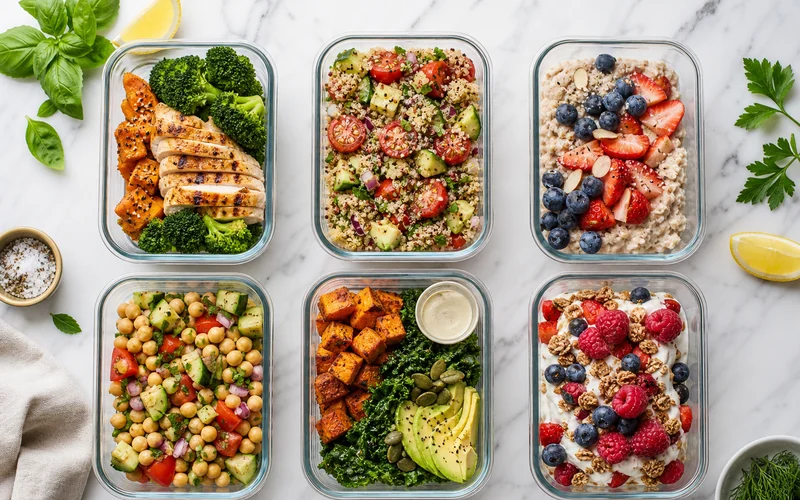
Maintaining a healthy diet gets harder when your calendar fills up with work, school runs, and summer plans. That is where meal prepping earns its place in a busy American kitchen. With one focused session on the weekend, you can stock your fridge with balanced, home-cooked meals that are ready in minutes all week long.
Whether you want to eat cleaner, spend less on takeout, or stop reaching for vending-machine snacks at 3 p.m., these healthy meal prep ideas give you a practical starting point. This guide walks through the benefits, a simple shopping list, eight make-ahead recipes, storage rules, and answers to the questions home cooks ask most in 2026.
Guide Snapshot
- Best for: busy weeknights, lunch packing, budget-conscious households, and cleaner eating goals
- Prep time: about 2 hours once per week (or split across two shorter sessions)
- Recipes below: 8 ideas covering breakfast, lunch, and dinner
- Storage: most meals last 3–5 days refrigerated; some freeze well
- Start simple: pick 2–3 recipes first, then expand your rotation
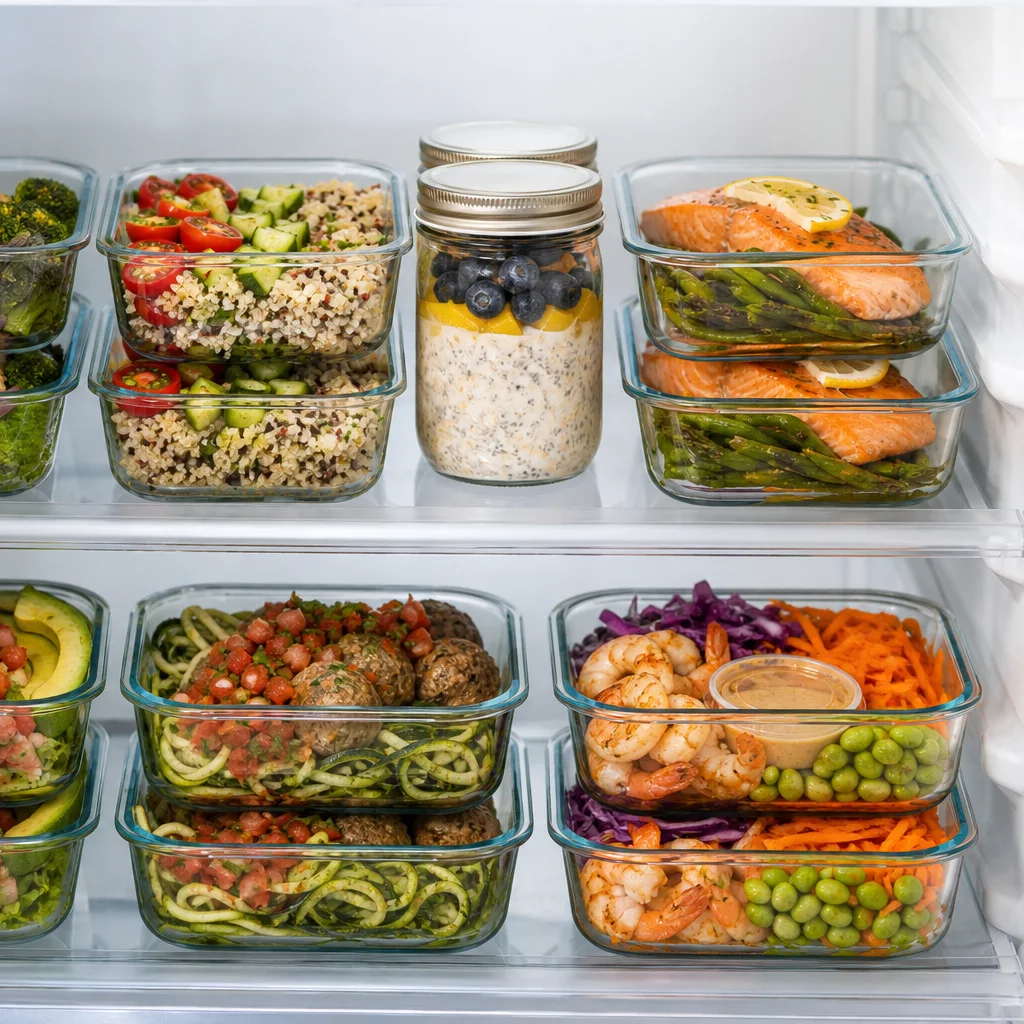
Why Meal Prepping Still Works in 2026
Grocery prices and restaurant tabs keep climbing, and most households are looking for ways to eat well without cooking from scratch every single night. Batch cooking solves that problem by front-loading the effort. You chop once, cook once, and portion everything into containers so weekday dinners feel almost automatic.
The best part? You do not need a perfect kitchen or a meal-prep influencer setup. A sheet pan, a pot of grains, and a set of stackable glass containers are enough to transform how you eat from Monday through Friday.
Benefits of Meal Prepping
- Time savings: One two-hour session replaces five separate weeknight cooks. That adds up to roughly eight extra hours per month for family, fitness, or rest.
- Portion control: Pre-portioned containers make it easier to hit protein and vegetable targets without guessing serving sizes at the counter.
- Budget-friendly eating: Buying chicken, grains, and produce in bulk and cooking at home typically costs far less than daily delivery apps or drive-through runs.
- Healthier default choices: When a balanced meal is already in the fridge, you are far less likely to grab chips, candy, or fast food on impulse.
- Less decision fatigue: Knowing lunch is already packed removes one daily stress point, especially during hectic summer weeks.
Meal Prep Tips for Success
Good meal prep is less about perfection and more about repeatable habits. Use these guidelines to build a routine that sticks:
- Pick a prep day and protect it. Sunday afternoon or Monday evening works for most people. Block two hours and treat it like any other appointment.
- Invest in the right containers. Choose BPA-free glass or sturdy plastic that is microwave-safe, leak-resistant, and easy to stack. Mason jars are ideal for overnight oats and salads.
- Batch versatile base ingredients. Cook a large pot of brown rice, quinoa, or roasted sweet potatoes that can anchor multiple meals. Pair them with different proteins and sauces so nothing feels repetitive.
- Prep components, not always full plates. Wash and chop vegetables, cook grains, and grill protein separately. Assemble fresh bowls the night before if you prefer crunchier textures.
- Build color onto every plate. Dark greens, orange root vegetables, red peppers, and purple cabbage deliver fiber, vitamins, and visual variety that keeps meals interesting.
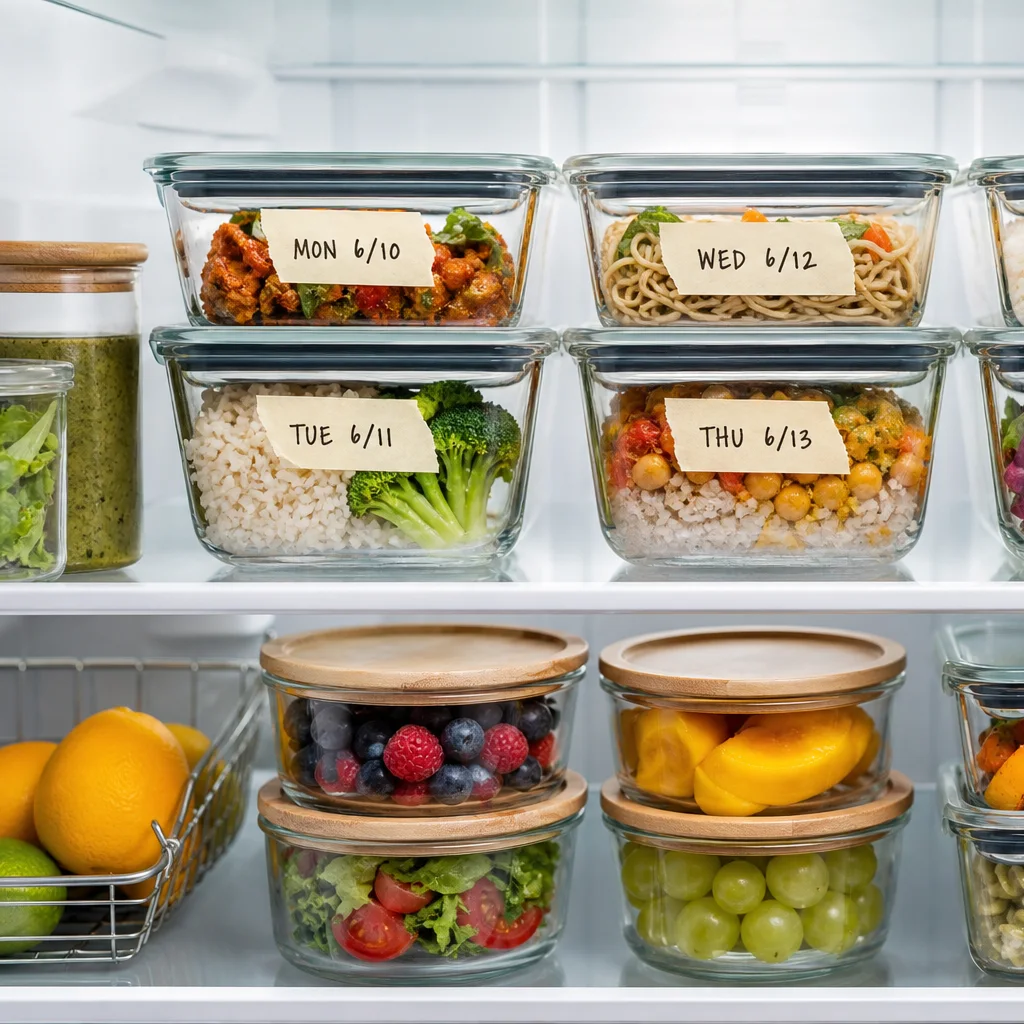
- Label and date containers. A strip of masking tape and a marker prevent mystery meals and help you follow the first-in, first-out rule.
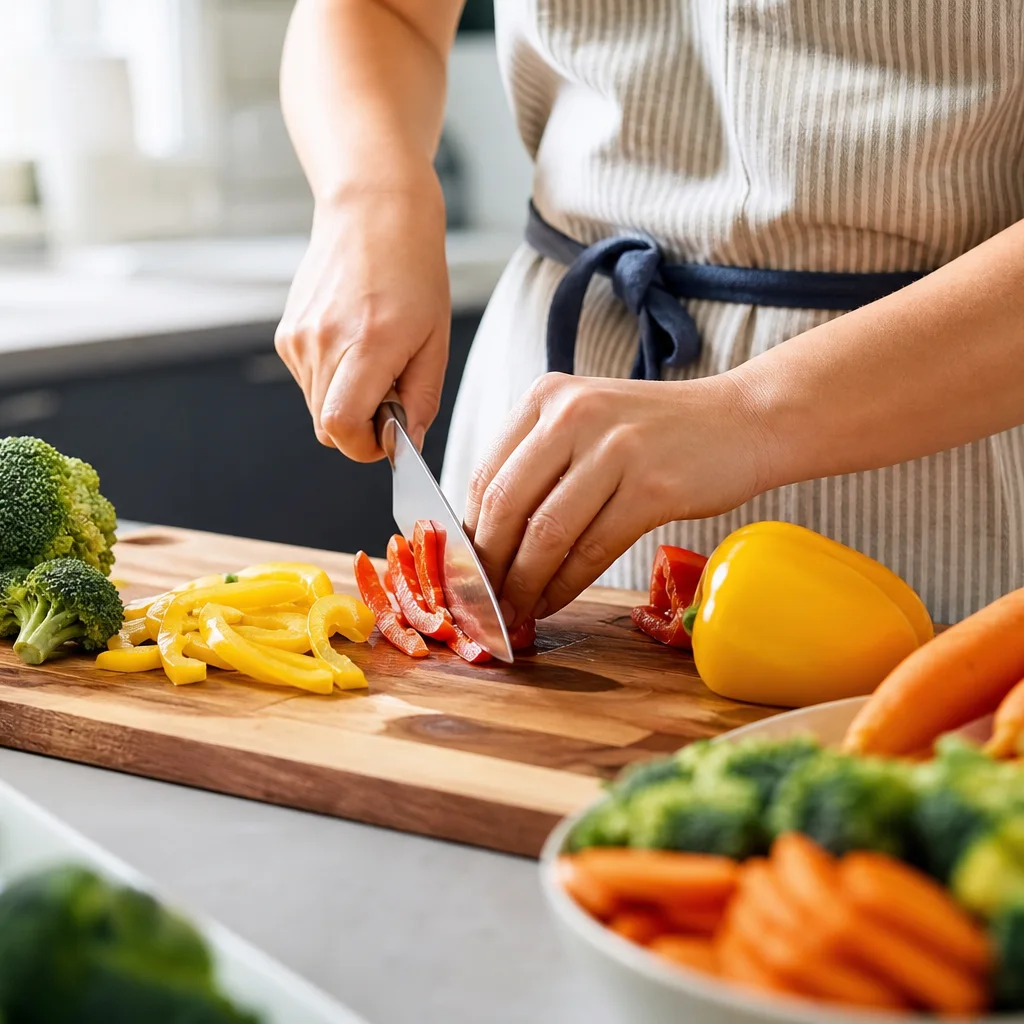
What to Buy Before You Prep
Stocking a few staples makes every prep session faster. Here is a practical shopping list you can adapt to your household size:
- Proteins: Chicken breast or thighs, lean ground turkey, canned chickpeas, eggs, Greek yogurt
- Grains and starches: Quinoa, brown rice, rolled oats, whole-wheat pasta, sweet potatoes
- Produce: Broccoli, bell peppers, carrots, cucumbers, cherry tomatoes, spinach, lemons, fresh herbs
- Pantry helpers: Olive oil, balsamic vinegar, low-sodium soy sauce, marinara, spices, nuts, seeds
- Storage: Glass meal prep containers, mason jars, reusable silicone bags
Healthy Meal Prep Ideas
These eight recipes cover breakfast, lunch, and dinner. Each one stores well for three to five days and scales easily for one person or a family of four.
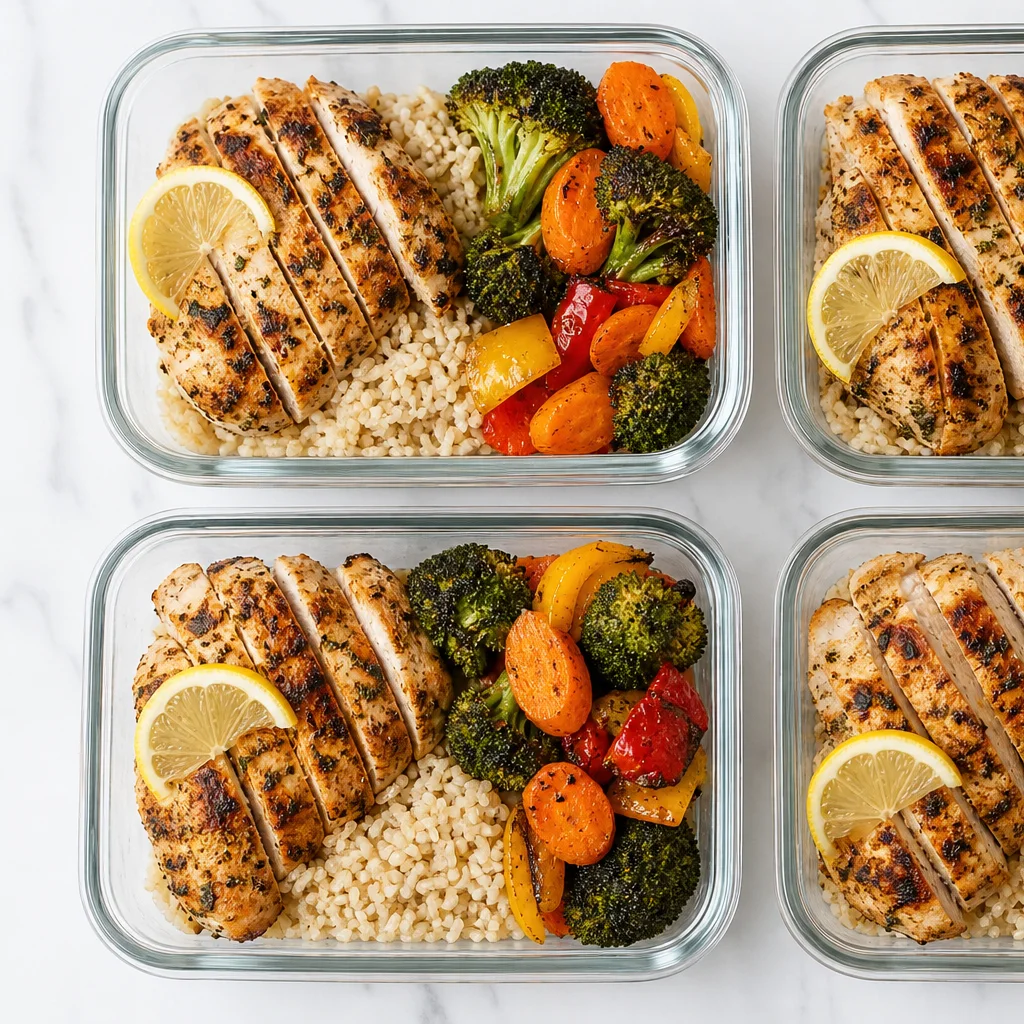
1. Grilled Chicken with Roasted Vegetables
This classic combination delivers lean protein, fiber, and steady energy. Season chicken breasts with olive oil, garlic powder, smoked paprika, salt, and pepper. Roast on a sheet pan alongside broccoli florets, carrot coins, and bell pepper strips at 425°F for about 25 minutes.
Divide into containers with a half-cup of brown rice or quinoa per serving. For a similar bowl-style dinner, try our Grilled Chicken Kabob Bowls when you want a fresh summer twist on the same protein base.
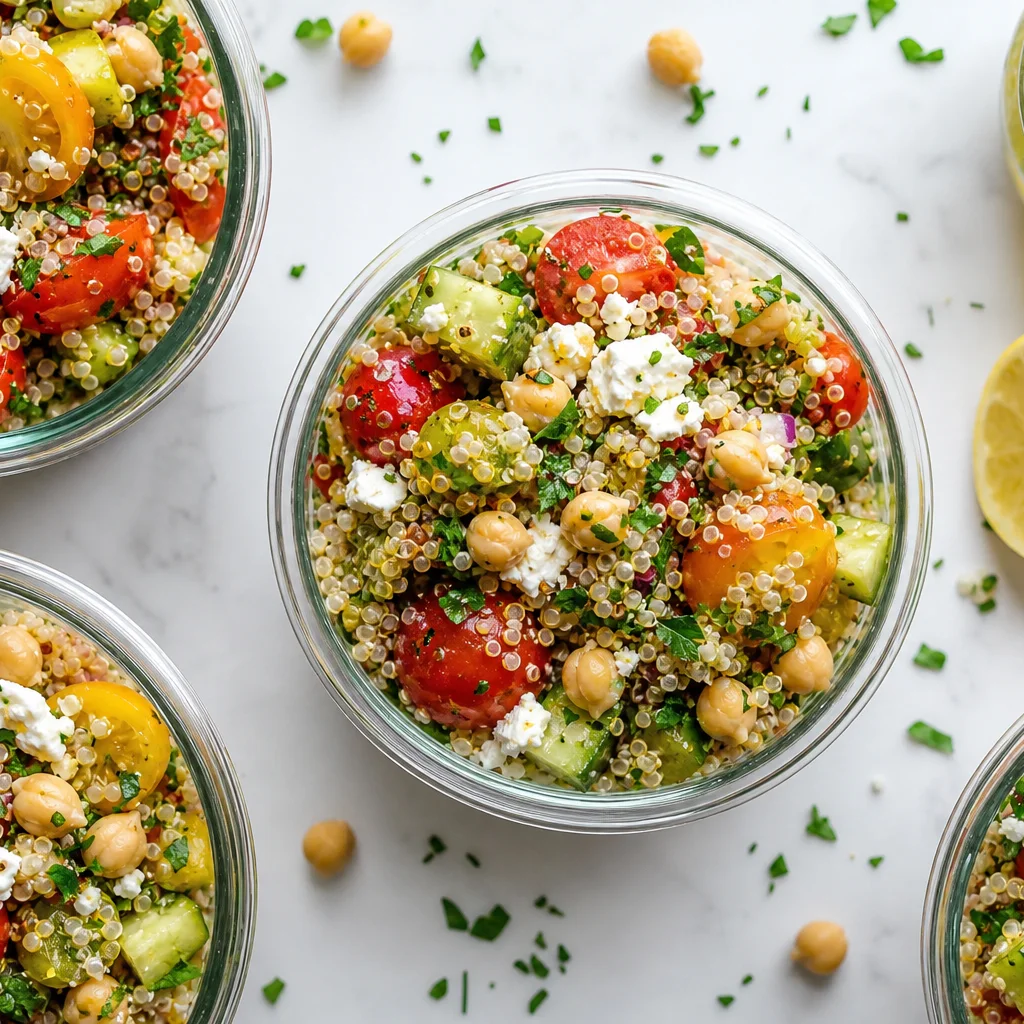
2. Quinoa Salad Bowls
Quinoa cooks in roughly 15 minutes and stays fluffy in the fridge. Prepare a large batch, then top individual containers with cherry tomatoes, diced cucumber, chickpeas, crumbled feta, and a lemon-olive oil dressing.
Add rotisserie chicken or baked tofu for extra protein. These bowls pair well with a light side like our Fresh Peach Cucumber Salad on days you want something crisp and no-cook.
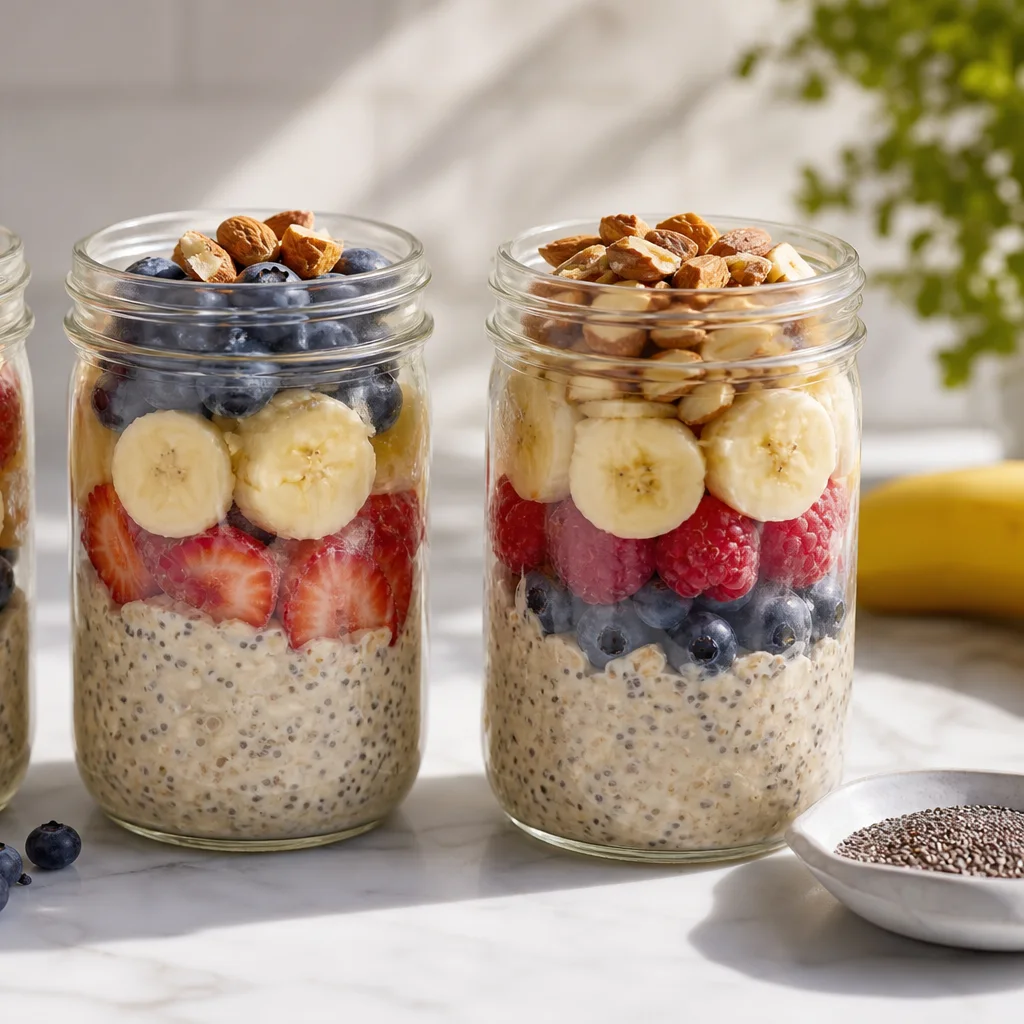
3. Overnight Oats
Breakfast is the meal most people skip when mornings get rushed. Mix rolled oats with milk or almond milk, chia seeds, and a touch of maple syrup in jars. Refrigerate overnight and top with berries, sliced banana, or chopped nuts before eating.
For a citrus-forward variation, see our Lemon Blueberry Overnight Oats recipe, which layers bright flavor without extra morning work.
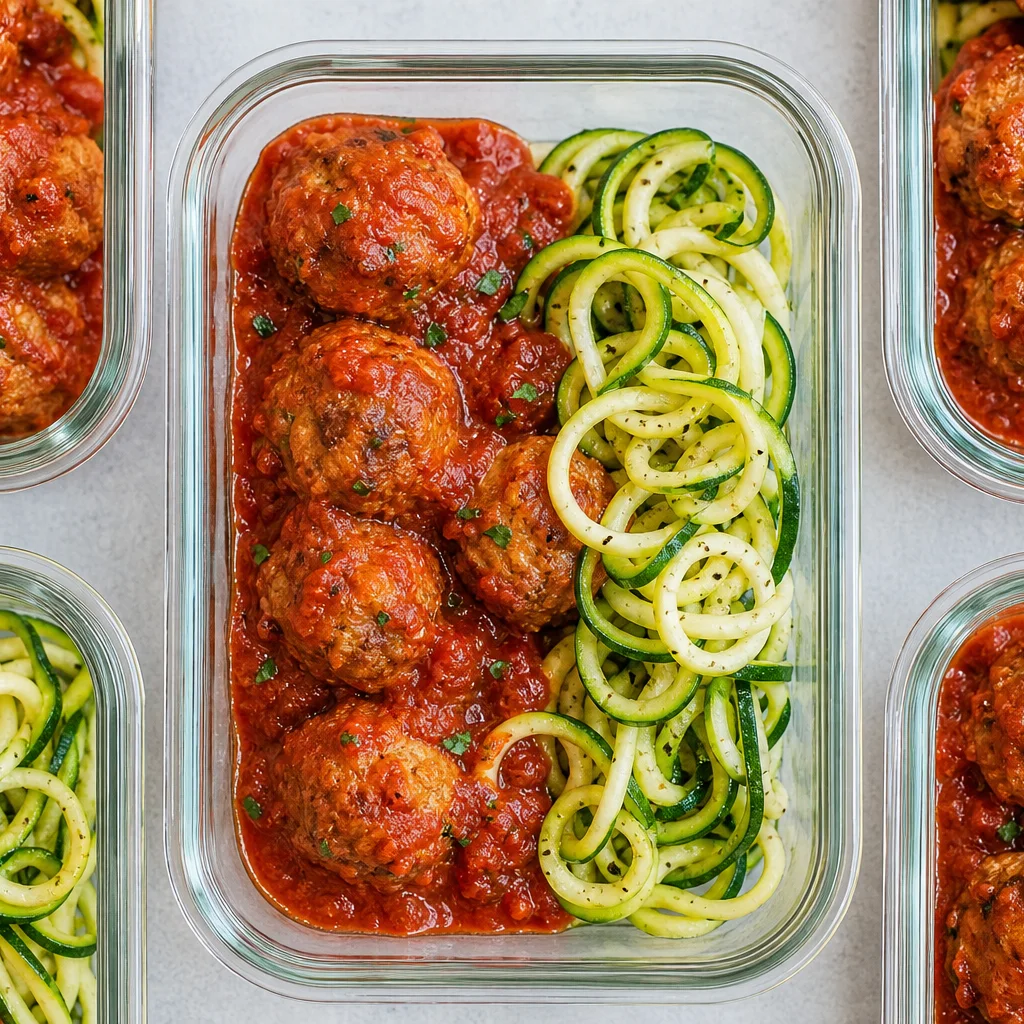
4. Turkey Meatballs with Zucchini Noodles
Lean ground turkey mixed with grated onion, Italian seasoning, and an egg makes tender meatballs that reheat beautifully. Simmer them in marinara and serve over spiralized zucchini for a lower-carb dinner that still feels hearty.
Store noodles and sauce separately so the zucchini stays firm. This is a great option when you want comfort food that still fits a lighter weekly plan.
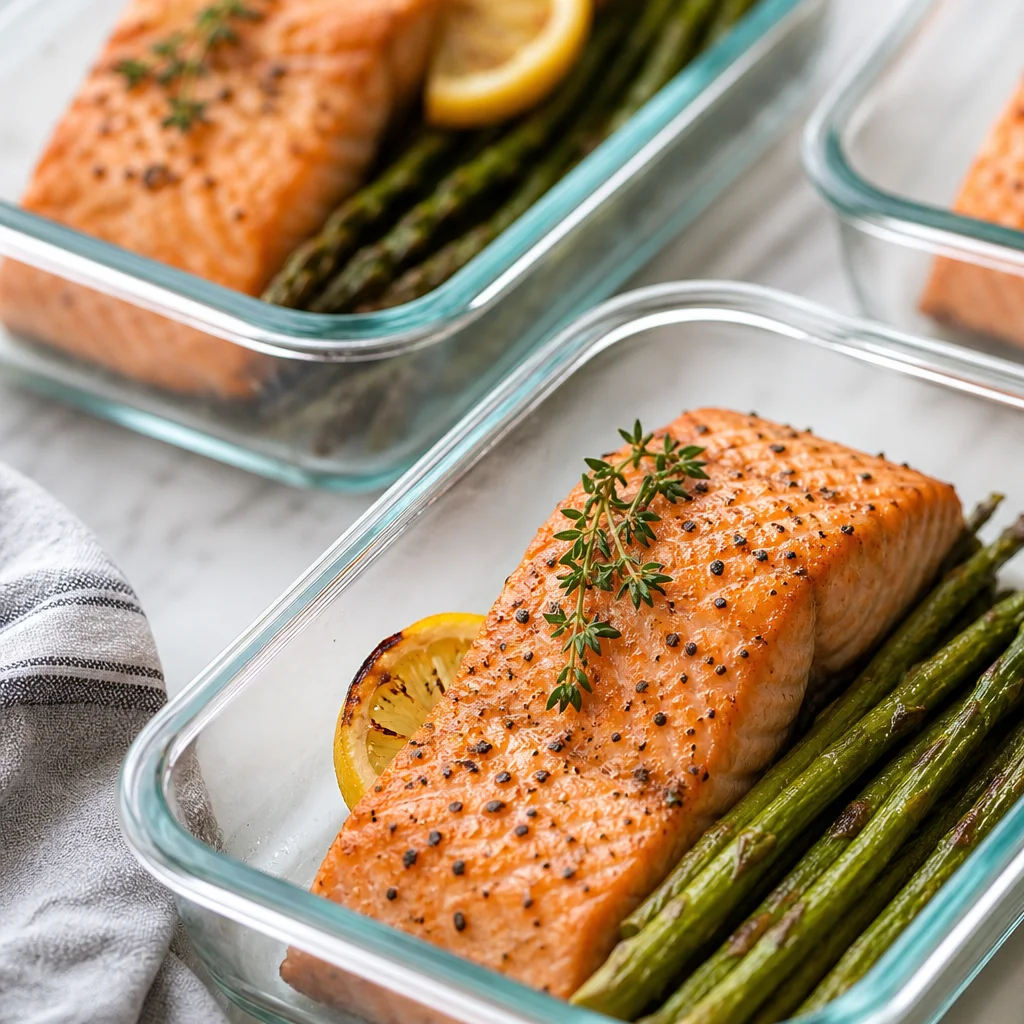
5. Sheet-Pan Salmon and Asparagus
Salmon fillets and trimmed asparagus spears roast together on one pan with lemon slices and dill. This high-protein, omega-3-rich meal comes together in under 30 minutes.
It tastes great cold in a lunch box or reheated gently in the microwave. Seafood is best eaten within two days, so schedule salmon early in your prep week.
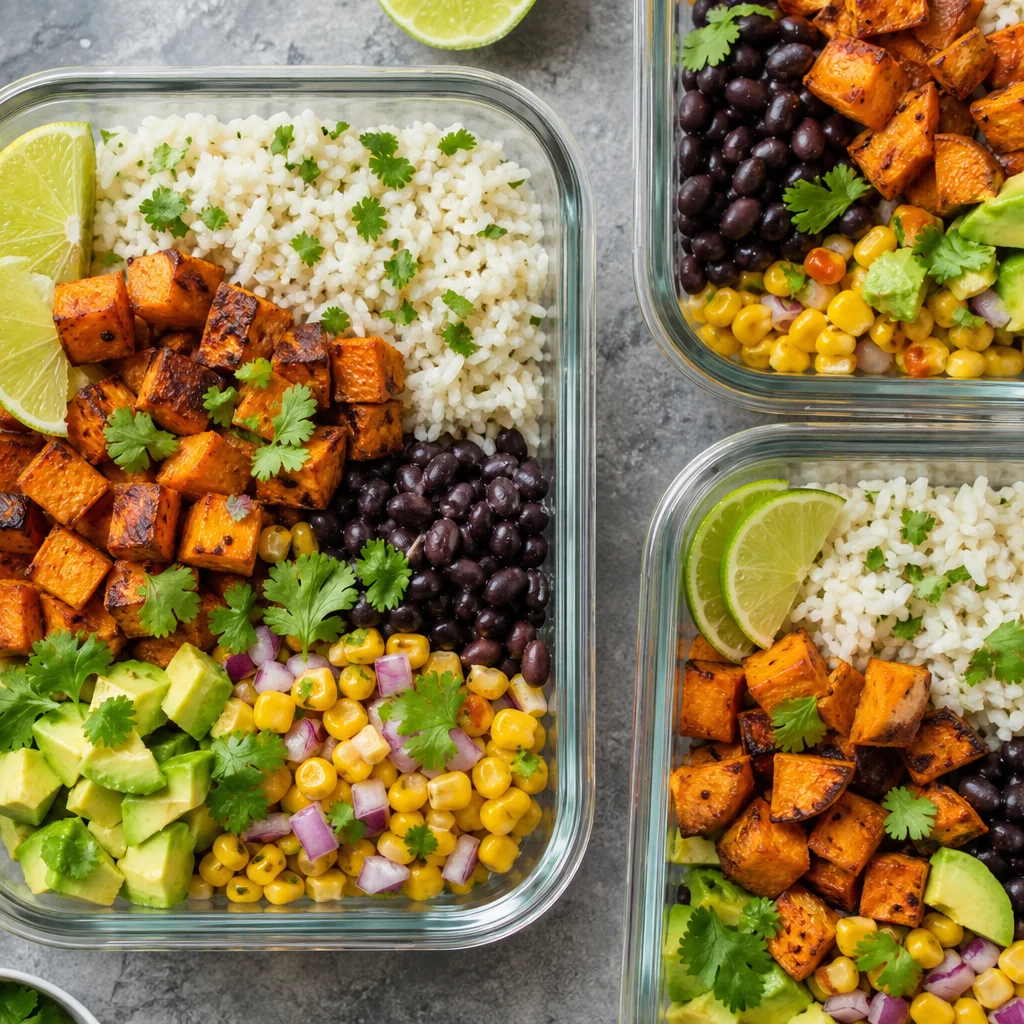
6. Black Bean and Sweet Potato Burrito Bowls
Roast cubed sweet potatoes until caramelized, then combine with seasoned black beans, corn, avocado, and cilantro-lime rice. Pack salsa or Greek yogurt on the side.
This vegetarian option freezes well if you want backups for future weeks. For more make-ahead dinners, browse our 7 easy make-ahead dinners to simplify your week.
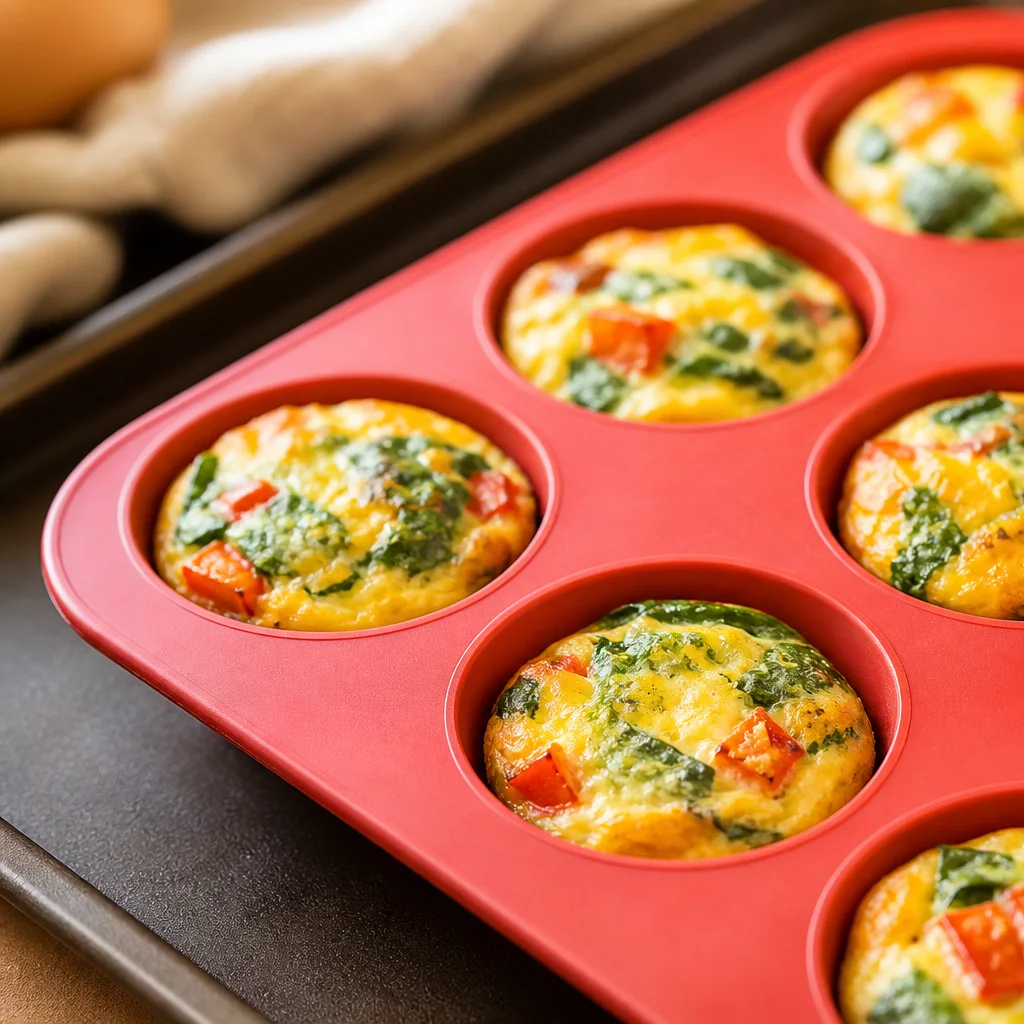
7. Egg Muffin Cups
Whisk eggs with spinach, diced bell pepper, and a little shredded cheese, then bake in a muffin tin until set. Two cups plus a piece of fruit make a grab-and-go breakfast that beats most coffee-shop pastries on nutrition and cost.
Egg muffins freeze well for up to one month. Reheat two at a time in the microwave for busy mornings when you did not prep the night before.
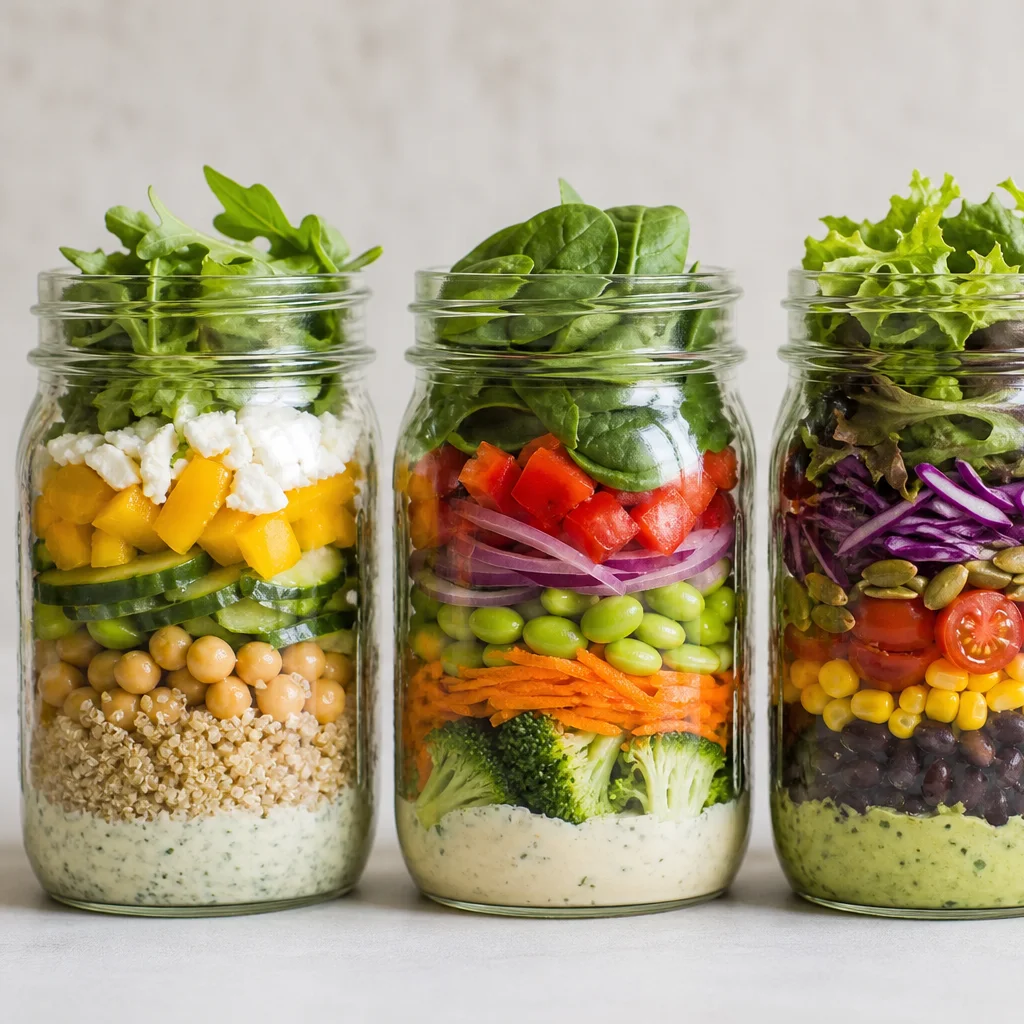
8. Mason Jar Salads
Layer dressing at the bottom, then add sturdy vegetables, proteins, grains, and greens at the top so nothing wilts. When you are ready to eat, shake the jar and pour into a bowl.
Rotate dressings weekly—balsamic, tahini-lemon, or honey-mustard—to keep lunch exciting. Mason jars are inexpensive and make portion control effortless.
Need a quick blender breakfast to round out your prep week? Our Healthy Breakfast Smoothies come together in five minutes and use many of the same fruits you already bought for oats and snacks.
Storage and Food Safety Tips
Proper storage keeps your hard work safe and tasty:
- Refrigerate cooked meals within two hours of cooking.
- Most prepped dishes stay fresh for three to five days at 40°F or below.
- Freeze soups, stews, and burrito fillings for up to three months in airtight containers.
- Cool hot food slightly before sealing lids to prevent condensation and sogginess.
- Reheat proteins to 165°F and stir halfway through for even warming.
For a lighter vegetable side that meal preps in minutes, Crispy Roasted Cabbage Steaks roast on one pan and add crunch to any protein you batch-cook.
Weekly Meal Prep Packing Checklist
Print or save this list and run through it each prep day:
- Review the week’s calendar and decide how many meals you actually need
- Check the fridge and pantry before writing your grocery list
- Wash, dry, and chop all vegetables first
- Start grains and oven items that take the longest
- Cook proteins while sides finish
- Cool food completely, then portion into labeled containers
- Store sauces and crunchy toppings separately
- Place the oldest meals at the front of the fridge
FAQ
How long do meal prep meals last in the fridge?
Most cooked proteins, grains, and roasted vegetables stay fresh for three to five days when stored in airtight containers at or below 40°F. Seafood is best eaten within two days. When in doubt, follow the sniff test and the two-hour cooling rule after cooking.
Can I meal prep if I am trying to lose weight?
Yes. Pre-portioning meals makes calorie and macro tracking easier because you decide serving sizes in advance. Focus on lean protein, half a plate of vegetables, and modest portions of whole grains or starchy vegetables.
Do I need special containers for meal prep?
Not necessarily, but glass or high-quality BPA-free containers with secure lids reduce leaks and stains. Mason jars work well for overnight oats and layered salads. A set of three to six containers per person is a good starting point.
What is the best day to meal prep?
Sunday is the most popular choice because it sets up the work week, but any consistent day you can protect for two hours works. Some people split prep across Sunday and Wednesday to keep food fresher.
Can I freeze meal prep meals?
Soups, chili, meatballs, burrito fillings, and cooked grains freeze well for up to three months. Avoid freezing salads with high-water vegetables or dairy-heavy sauces that can separate when thawed.
How do I keep meal prep from getting boring?
Rotate proteins, change sauces weekly, and prep components instead of identical plates every day. One batch of grilled chicken can become tacos, salads, grain bowls, and wraps with different seasonings and toppings.
How many recipes should beginners start with?
Start with two or three reliable recipes—usually one protein dinner, one lunch bowl, and one breakfast option. Master that rhythm before adding more variety to your weekly rotation.
Start Your Meal Prep Routine This Week
Healthy meal prep does not require gourmet skills or a full Sunday in the kitchen. Pick two or three recipes from this list, shop once, and cook in one focused session. By midweek you will notice less stress, fewer impulse food orders, and more energy from balanced homemade meals.
Start with grilled chicken and roasted vegetables plus a jar of overnight oats. Once that rhythm feels natural, expand to quinoa bowls, egg muffins, or freezer-friendly burrito fillings. Small, consistent steps beat an ambitious plan you abandon by Tuesday.