
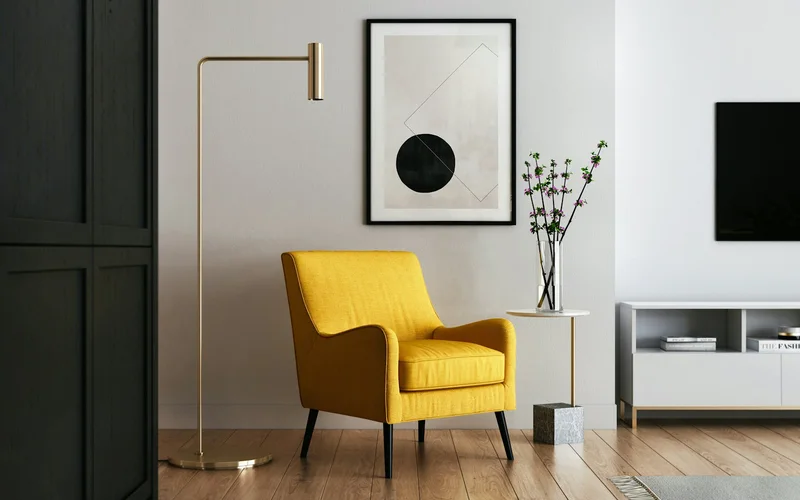
An organized home does more than look good on camera. It saves time, lowers stress, and makes everyday routines feel lighter. These home organization tips walk you through how to declutter your life room by room, choose storage that actually works, and build habits that keep clutter from creeping back.
Whether you are refreshing a budget-friendly home office setup, pairing order with cozy inviting home ideas, or tackling a bathroom refresh on a budget, the same declutter principles apply. For tight spaces, see how to make a small bathroom feel spacious after you clear the counters.
Why Decluttering Pays Off Long Term
Clutter is rarely about laziness. It is often delayed decisions, sentimental attachments, and systems that do not match how you live. When surfaces stay clear and every item has a home, you spend less time searching for keys, mail, or chargers. Mental load drops because your environment stops sending constant visual reminders of unfinished tasks.
Organization is not about owning less for its own sake. It is about keeping what supports your daily life and letting go of what competes for space and attention. A realistic plan beats marathon purging sessions that burn you out by the weekend.
1. Start With a Written Plan

Before you open a single drawer, list the zones that frustrate you most: entryway pileups, overflowing closets, or a pantry where nothing is visible. Rank them by impact and pick one starting point. Block two-hour windows on your calendar rather than vague someday goals.
Gather supplies in advance: donation bags, recycling bins, marker and tape for labels, and a timer. Decide donation drop-off days ahead of time so bags do not sit in your hallway for weeks. If you live with others, agree on shared rules for common areas before you reorganize private spaces.
Pro tip: Photograph messy zones before and after. Progress photos motivate you when the middle of a project feels chaotic.
2. Declutter One Room at a Time

Room-by-room focus prevents clutter from migrating into already-finished spaces. Empty one category at a time within that room—books, then clothes, then paper—instead of bouncing between tasks. Use four sort piles: keep, donate, recycle, and trash. If you are unsure about an item, place it in a maybe box dated thirty days out; if you do not need it by then, release it.
Start with a smaller win such as a linen closet or guest bath to build momentum. Save sentimental areas like photo albums for later when your decision muscle is stronger. Play music or a podcast to stay engaged, and stop when you are tired so you do not create new piles on the floor.
When each room is done, walk through with a laundry basket and collect anything that belongs elsewhere. Return those items to their designated homes immediately.
3. Choose Storage That Fits Your Habits
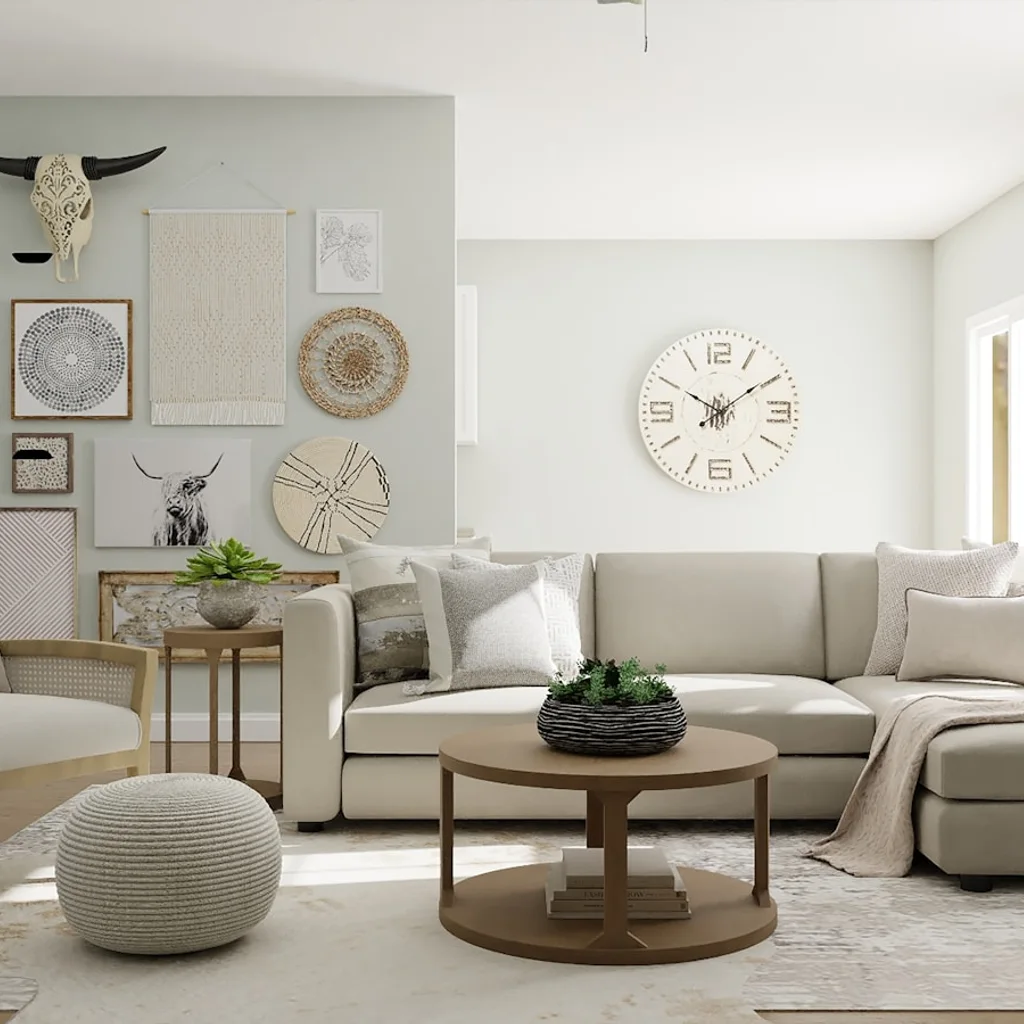
Storage should make putting things away easier than leaving them out. Open bins work for kids and high-traffic toys; closed baskets hide visual noise in living rooms. Measure shelves and cabinets before buying containers so you do not end up with awkward gaps.
Label consistently: broad categories for family members (snacks, cleaning, cables) and specific labels inside craft or hobby zones. Clear bins help pantries and fridges because you see inventory at a glance. Vertical dividers turn deep shelves into usable layers for plates, pans, or folded sweaters.
Avoid buying organizers before you declutter. Fewer items often need fewer boxes, which saves money and shelf space.
4. Tame Closets and Clothing Piles

Closets swell when we keep clothes for multiple lifestyles at once. Try everything on with the shoes you actually wear. If it does not fit comfortably today, donate or tailor it with a deadline. Hang garments facing the same direction; when you wear something, flip the hanger backward to reveal what you never touch after a season.
Group by category then color so outfits are faster to build. Use slim velvet hangers to reclaim rod space. Store off-season items in breathable bins on high shelves, and keep a donation bag on the closet floor for one-in-one-out shopping habits.
Bedroom calm supports better rest, especially when paired with thoughtful decor elsewhere in the home.
5. Organize Kitchen and Pantry Zones
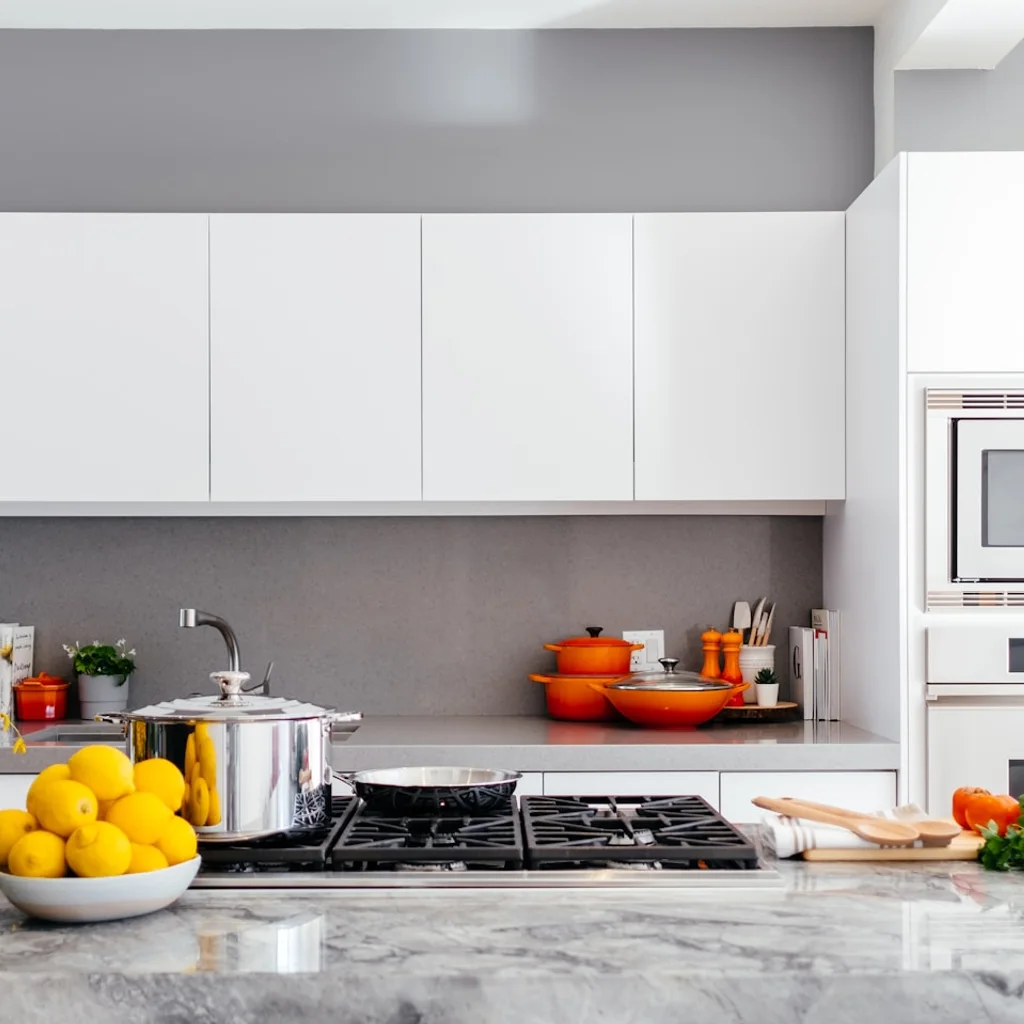
Kitchens collect duplicate tools, expired spices, and promo mugs. Pull everything out, wipe shelves, and group by task: daily cooking, baking, entertaining. Keep counters clear except for tools you use every day.
Store heavy items at waist height and rarely used appliances on top shelves or in a garage if space allows. Use lazy Susans for corners and drawer dividers for utensils. In the pantry, place newest items behind older ones and keep snacks at kid height if little hands help themselves.
A clean kitchen makes weeknight dinners faster and reduces food waste because you can see what you own.
6. Paper, Digital, and Entryway Systems
Mail is a common clutter magnet. Set up a landing strip near the door: hooks for bags, a tray for keys, and a shredder or scan station for paper. Open mail above the recycling bin so junk never touches the counter. Switch recurring bills to paperless where safe, and snapshot warranties into a single cloud folder.
For digital clutter, unsubscribe from promotional email in batches once a month. Delete duplicate phone photos after backing up favorites. A five-minute nightly phone reset prevents notification overload in the morning.
7. Build a Daily Tidying Routine
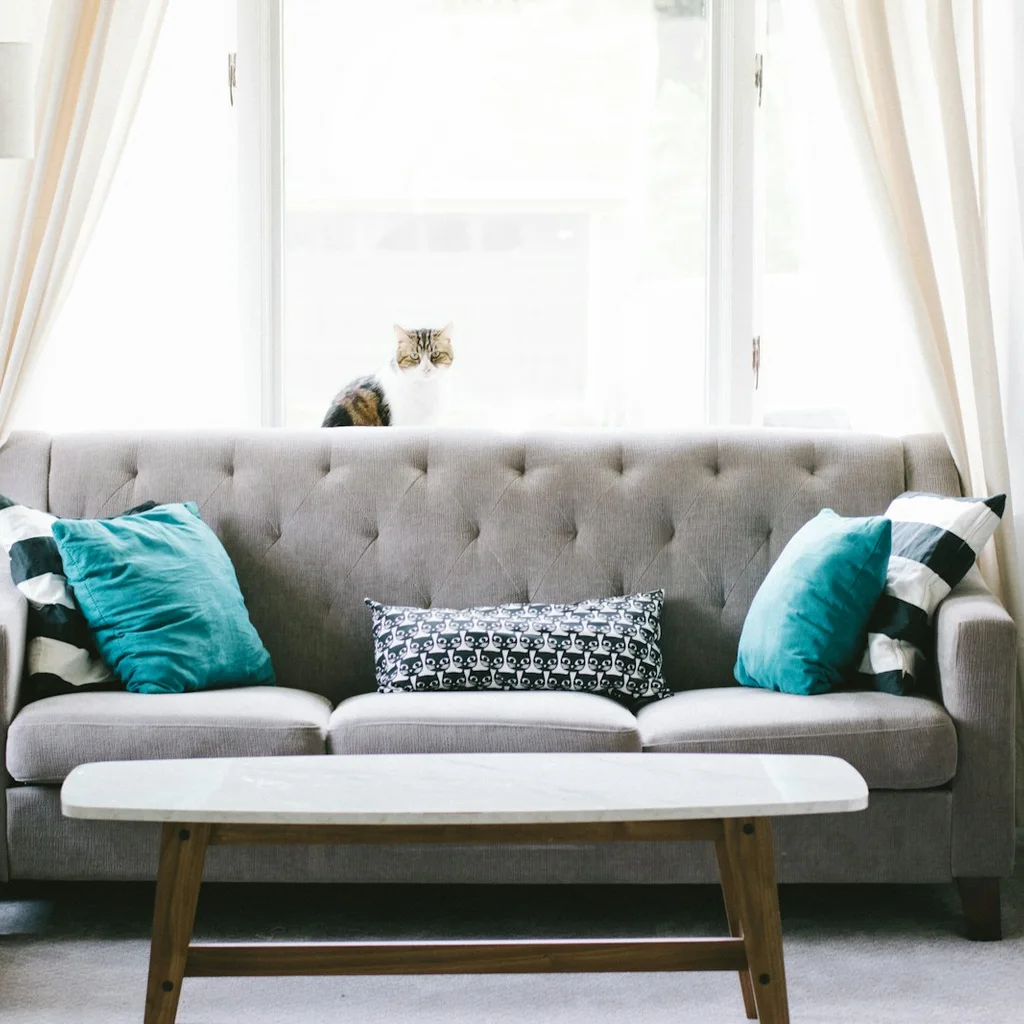
Maintenance beats marathon cleaning. Spend ten to fifteen minutes each evening resetting high-traffic zones: fluff pillows, load the dishwasher, wipe the kitchen table, and walk through with a basket for stray items. Involve household members with short assigned tasks so one person does not carry the whole mental load.
Weekly, schedule a slightly deeper pass: vacuum main paths, change towels, and clear fridge leftovers before grocery day. Monthly, review one storage area that tends to drift—under-sink cabinets, the junk drawer, or the garage shelf.
Small repeats protect the big wins from your declutter weekends.
Home Declutter Checklist
Save this checklist and run through it at the start of each season.
- Write a room priority list and schedule two-hour work sessions.
- Sort with keep, donate, recycle, and trash piles every time.
- Measure storage areas before buying bins or baskets.
- Label containers so everyone knows where items return.
- Reset entryways daily with a mail and key landing zone.
- Review closets seasonally and remove unworn pieces.
- Clear kitchen counters except daily-use tools.
- Run a ten-minute evening tidy in shared spaces.
- Photograph progress to stay motivated mid-project.
- Donate on a set day so bags never become new clutter.
Frequently Asked Questions
How long does it take to declutter a whole house?
Most homes take several weekends when tackled room by room. A focused two-hour session per zone often finishes a single room. Speed depends on how much you own and how many decisions require family input.
What should I declutter first?
Start with the area that bothers you most or the smallest space you can finish in one sitting. Entryways and bathrooms are quick wins that improve daily life immediately.
How do I let go of sentimental items?
Keep a curated memory box with a defined size limit. Photograph bulky keepsakes and donate the physical item if the story matters more than the object. Give heirlooms to relatives who will use them.
Do I need expensive organizers?
No. Decluttering first reveals what you truly need. Repurpose shoe boxes, jars, and trays before shopping. Buy matching bins only for visible areas where consistency helps.
How do I stop clutter from coming back?
Use one-in-one-out rules for clothes and hobby gear, pause before impulse buys, and reset shared spaces nightly. When everything has a labeled home, putting items back takes seconds.
Can I organize with kids in the house?
Yes. Use picture labels on bins, keep toy limits visible, and make five-minute pickup games part of bedtime. Store active toys low and rotate lesser-used sets in closets.
Final Thoughts
Home Organization Tips to Declutter Your Life are less about perfection and more about repeatable systems. Plan your zones, finish one room at a time, invest in storage that matches your routines, and protect your progress with short daily resets. Over weeks, your home will feel calmer, easier to clean, and ready for the life you want to live inside it.