
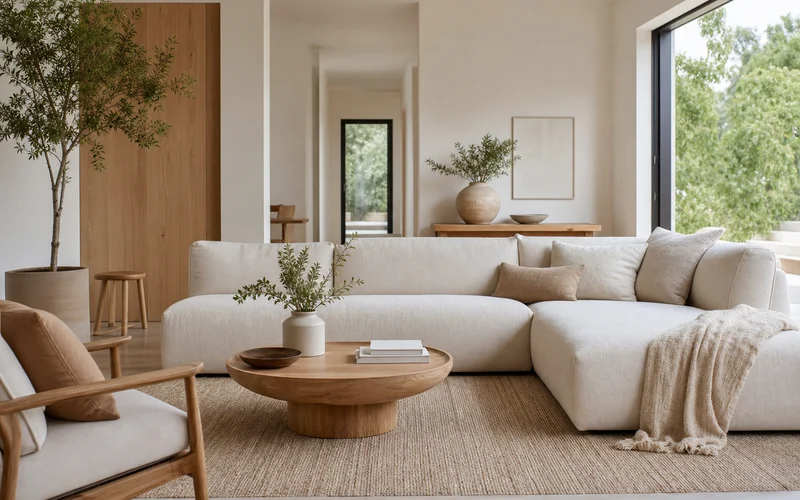
The benefits of minimalism go far beyond a tidy home. A simpler lifestyle can lower stress, improve focus, protect your budget, and create more room for relationships, rest, and the experiences that actually matter. Minimalism is not about owning nothing—it is about owning with intention.
This guide explains how minimalism can improve your daily life, where to start without burnout, and practical habits that make simplicity stick. For hands-on decluttering help, pair these ideas with our home organization tips to declutter your life and easy ways to transform your home on a budget.
Guide Snapshot
- Best for: busy households, small spaces, overwhelmed beginners, and anyone craving more calm
- Core idea: keep what adds value, release what creates stress
- Biggest wins: less clutter, better focus, smarter spending, more time
- Start here: one drawer, one surface, or one room—not the whole house at once
- Mindset: minimalism is a long-term habit, not a one-day purge
What Minimalism Really Means
Minimalism is often misunderstood as stark white rooms and almost no belongings. In real life, it simply means being selective. You keep items that are useful, meaningful, or beautiful—and you stop letting excess stuff manage your time and energy.
For some people, minimalism looks like a capsule wardrobe. For others, it is a decluttered kitchen, a paperless desk, or fewer subscriptions and commitments. The goal is the same: more clarity, less chaos.
Key Benefits of Minimalism in Daily Life
These eight benefits show how simplifying your home and habits can improve the way you feel, work, spend, and connect with others.
1. Less Stress and Mental Clutter
One of the biggest benefits of minimalism is a calmer mind. When your home has fewer visual distractions, your brain spends less energy processing clutter. That often translates into lower stress, fewer overwhelmed moments, and more mental space for rest.
Minimalism is not about living with nothing. It is about keeping what supports your life and letting go of what creates noise. A clear countertop, an organized entryway, and a tidy nightstand can all make daily life feel lighter.
2. Better Focus and Productivity
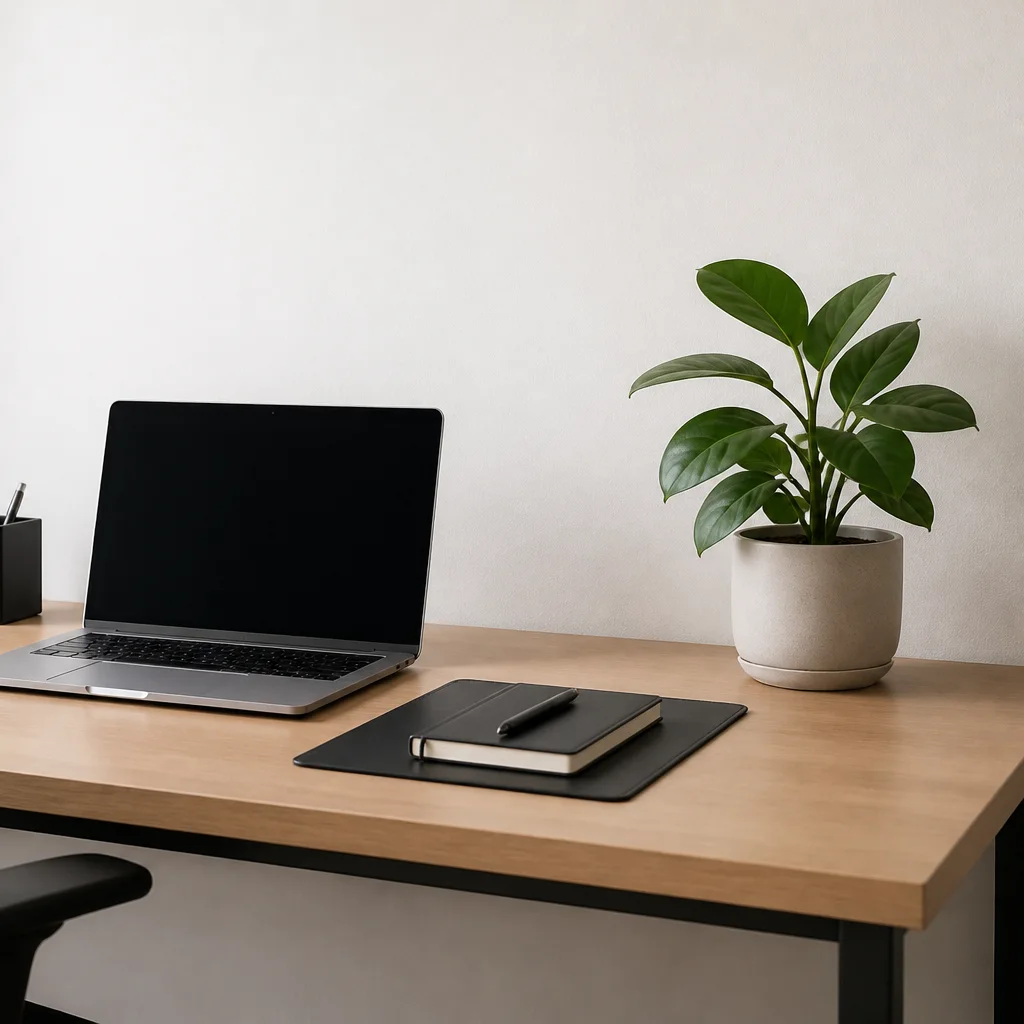
Clutter competes for attention. A simplified workspace helps you start tasks faster, stay on track longer, and finish with less friction. That is why minimalism and productivity often go hand in hand.
Start with your desk, kitchen command zone, or the area where you plan your day. Remove duplicates, clear surfaces, and keep only the tools you use weekly. You do not need a perfect room to feel the benefit—one focused zone is enough.
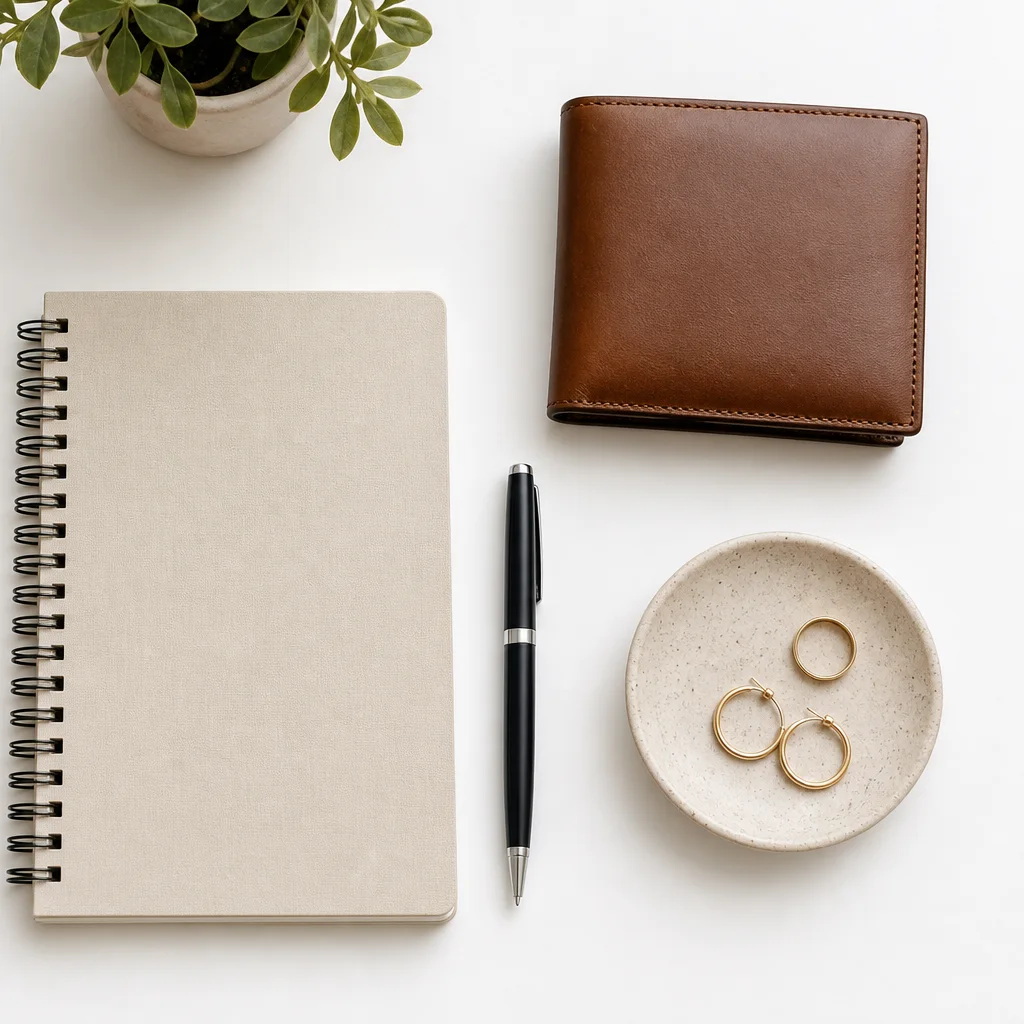
3. More Financial Freedom
Minimalism encourages intentional spending. When you pause before buying, you buy fewer impulse items, maintain less storage clutter, and redirect money toward experiences, savings, or quality pieces that last.
This does not mean never shopping again. It means choosing purchases that earn their place in your home. Over time, that mindset can reduce debt pressure and make your budget feel more flexible.
4. More Time for What Matters
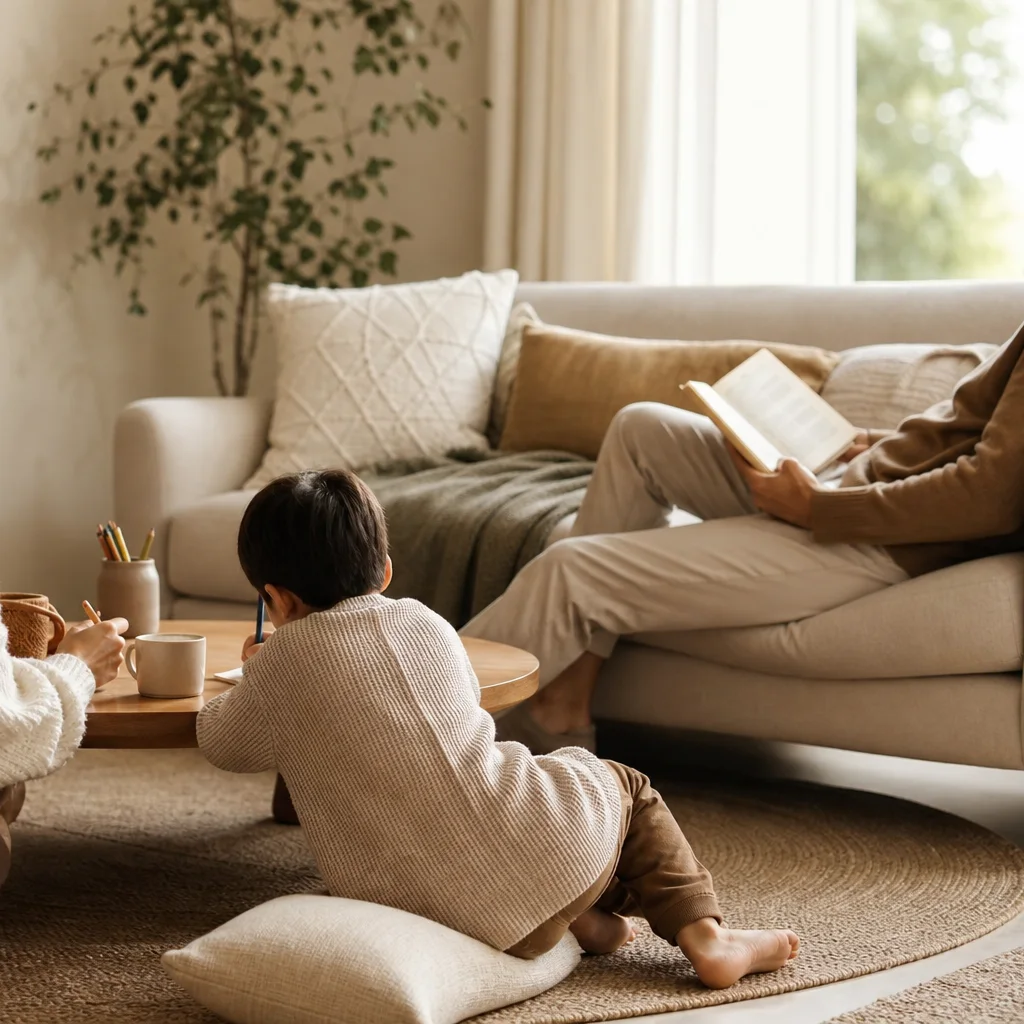
Fewer possessions usually means less cleaning, less organizing, and less time searching for things. Minimalism gives time back for hobbies, relationships, rest, and personal growth.
Think of minimalism as protecting your calendar, not just your shelves. When home systems are simple, weekends feel less like catch-up and more like living.
5. Calmer Mornings and Better Sleep
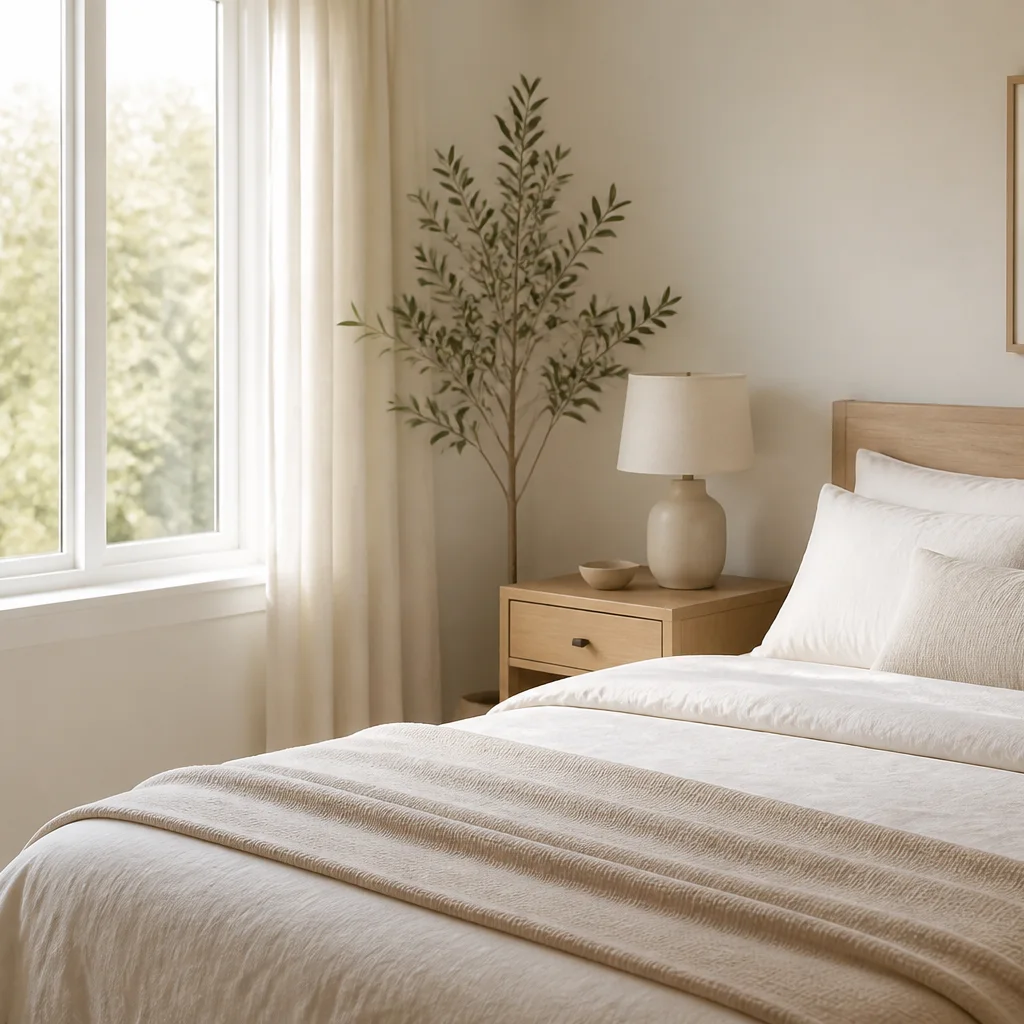
Bedrooms are one of the best places to practice minimalism. A calmer sleep environment—clear surfaces, soft textures, limited visual noise—can support better rest and smoother mornings.
Remove non-essential items from nightstands, limit screen clutter, and keep only what helps you wind down. Small changes here often create an outsized impact on how rested you feel.
6. Stronger Relationships at Home
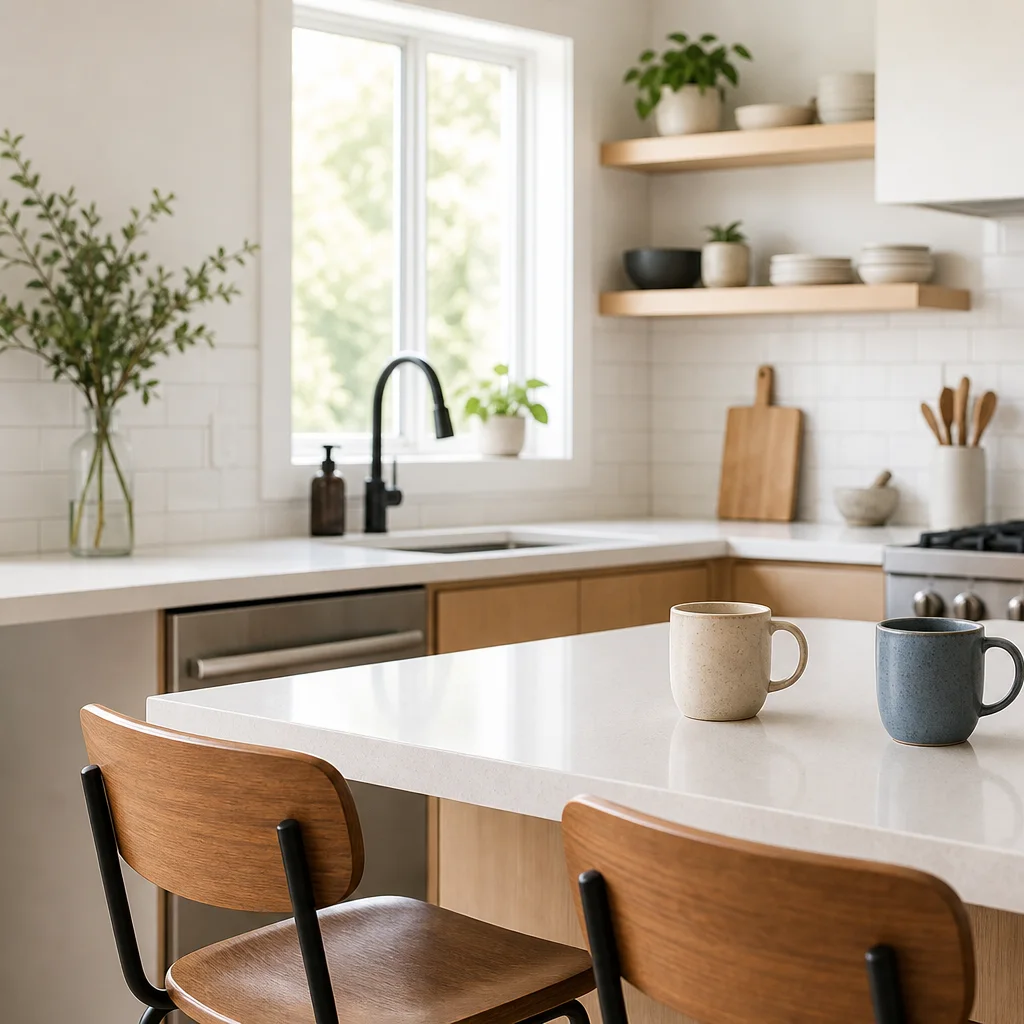
Shared spaces feel more inviting when they are not overloaded with stuff. Minimalism can reduce friction over mess, make hosting easier, and create room for conversation instead of constant tidying.
If you live with others, focus on shared zones first: kitchen, living room, entryway. Agree on what stays visible and what gets stored. Minimalism works best when it supports the household, not just one person.
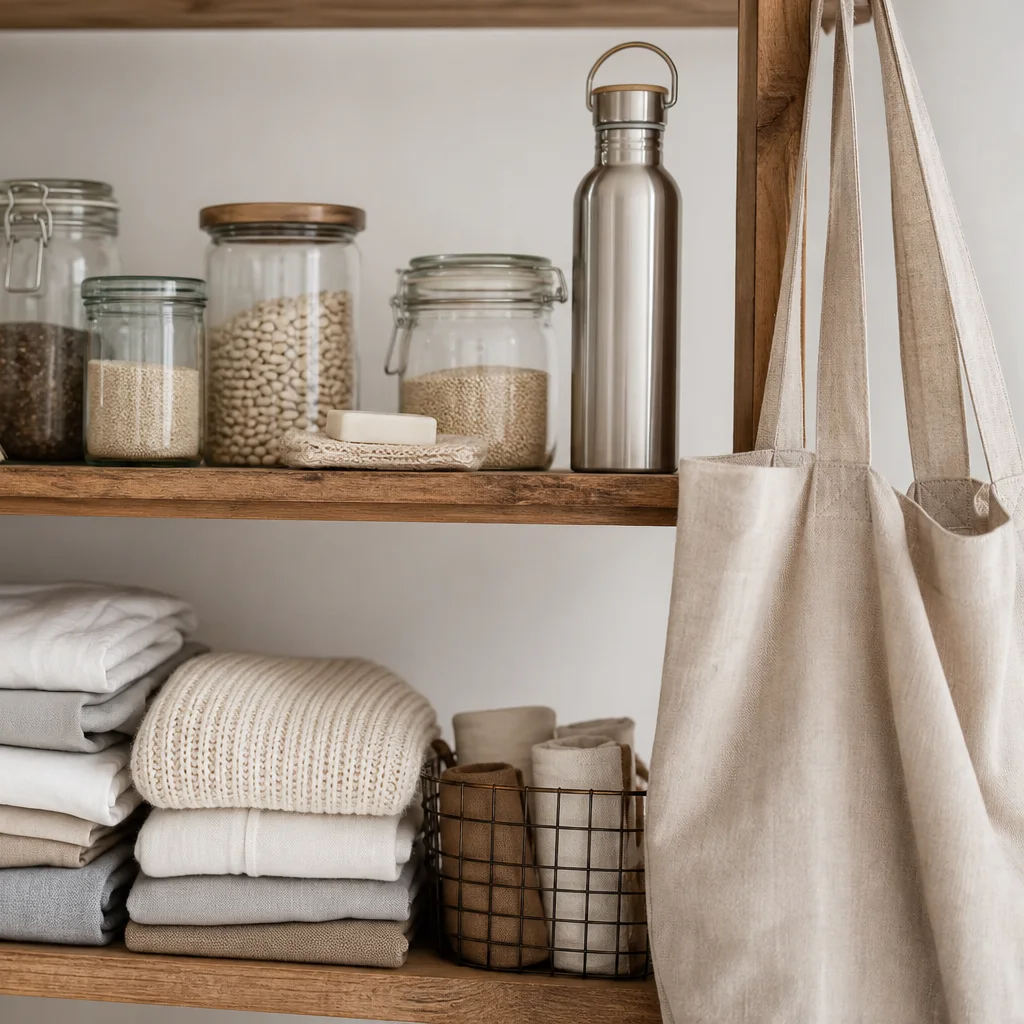
7. A Lighter Environmental Footprint
Buying less often means less packaging, less waste, and fewer items that end up unused. Many minimalists also choose durable, multipurpose products instead of trend-driven duplicates.
You do not need to be perfect to make a difference. Choosing one reusable item, decluttering responsibly, and buying secondhand when possible all align with a simpler lifestyle.
8. Greater Appreciation for Everyday Life
When life is less crowded with things, small moments stand out more: morning light, a good meal, a walk, time with someone you love. Minimalism supports mindfulness by removing what distracts from the present.
This is often the benefit people notice last but value most. Simplicity does not make life smaller—it makes the important parts easier to see.
How to Start Minimalism Without Overwhelm
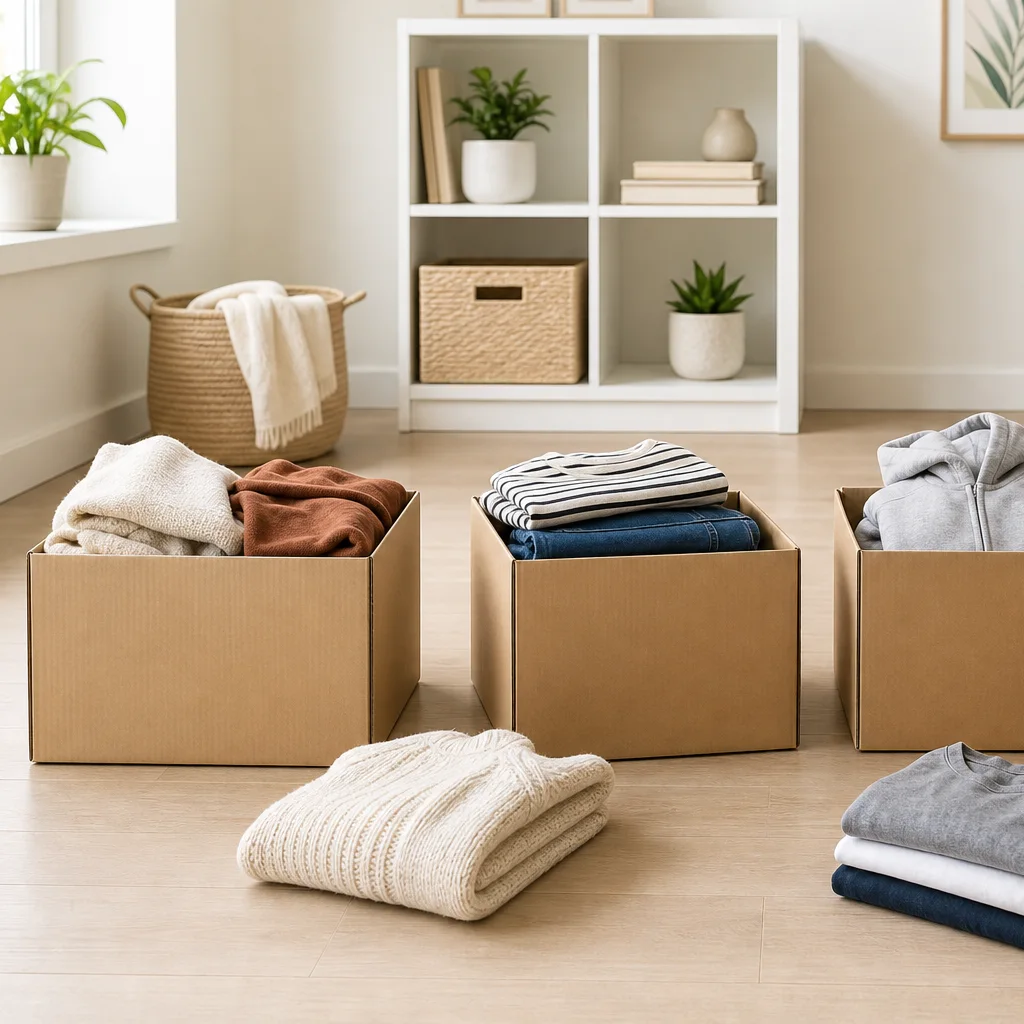
Do not try to declutter your entire home in one weekend unless you thrive on intense projects. Instead, choose one small zone and finish it completely. A single junk drawer, coat closet, or bathroom cabinet builds momentum fast.
Use simple sorting rules: keep, donate, recycle, trash. If you are unsure about an item, ask whether you used it in the last year and whether it supports your current life. For cozy inspiration after decluttering, see our effortless ways to make your home feel cozy and inviting guide.
Minimalism Habits That Make It Stick
- One in, one out: when something new enters, something similar leaves
- Daily reset: spend five minutes clearing high-traffic surfaces each evening
- Capsule thinking: limit duplicates in kitchen tools, linens, and toiletries
- Digital minimalism: unsubscribe, delete unused apps, and simplify notifications
- Seasonal review: revisit closets and storage every three to six months
These habits matter more than a single dramatic purge. Minimalism succeeds when it becomes part of how you live, not a temporary cleanup. For atmosphere-focused ideas, explore creating a cozy atmosphere at home.
Minimalism Checklist
- Choose one small area to declutter first
- Sort items into keep, donate, recycle, and trash
- Clear flat surfaces in your main living zones
- Remove duplicate tools and unused decor
- Create a simple landing zone for keys and mail
- Pause before non-essential purchases for 24 hours
- Schedule a weekly five-minute reset routine
- Review one storage area every season
FAQ
Is minimalism only for small homes?
No. Minimalism works in homes of any size because it is about intention, not square footage. Larger homes still benefit from less clutter and clearer systems.
Do I have to get rid of everything I love?
Not at all. Minimalism encourages keeping meaningful and useful items. The goal is to remove excess, not joy.
How long does it take to see benefits?
Many people feel calmer after decluttering just one room or workspace. Bigger lifestyle shifts build over weeks and months of consistent habits.
Can families practice minimalism?
Yes. Start with shared spaces and simple rules everyone understands. Focus on systems that reduce daily mess rather than strict aesthetics.
What is the easiest place to start?
Entryways, nightstands, and kitchen counters are high-impact starting points because they are used every day.
Does minimalism save money?
Often yes. Intentional spending, fewer duplicates, and less impulse buying can free up money for savings, travel, or quality essentials.
How is minimalism different from organizing?
Organizing arranges what you have. Minimalism reduces what you do not need in the first place. Both work best together.