
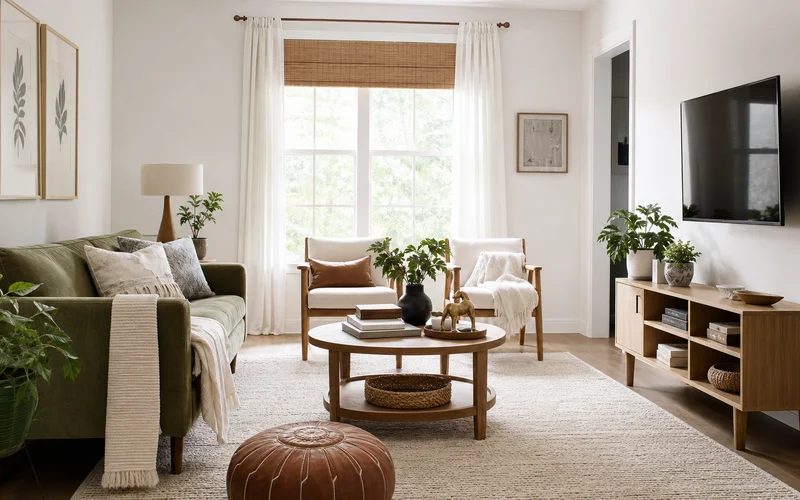
A full renovation is not the only path to a home that feels fresh, calm, and more like you. Some of the biggest visual upgrades cost far less than new furniture or custom built-ins. With a clear plan and a few smart swaps, you can transform your home on a budget without sacrificing style or comfort.
This guide walks through affordable changes that deliver real impact: paint, plants, lighting, layout, mirrors, DIY decor, textiles, and simple organization. Each idea works on its own or stacks together for a room-by-room refresh. For related inspiration, explore our guides to budget-friendly bathroom updates, making your home feel cozy and inviting, and home organization tips that cut clutter.
Why Small Updates Change How a Room Feels
Budget makeovers succeed when you focus on what the eye notices first: color on the walls, light in the corners, texture on the sofa, and clear surfaces that let the room breathe. Expensive mistakes often come from buying new pieces before fixing the basics. Paint a tired wall, edit what sits on open shelves, and shift furniture toward the window. The space can feel new before you spend money on a single major purchase.
Start with one room and one goal. Maybe the living room needs more light, or the bedroom feels flat and cluttered. Choose two or three updates from this list, finish them completely, then decide whether the room still needs more. That pace keeps spending under control and helps you see which changes matter most in your home.
1. Start with a Fresh Coat of Paint
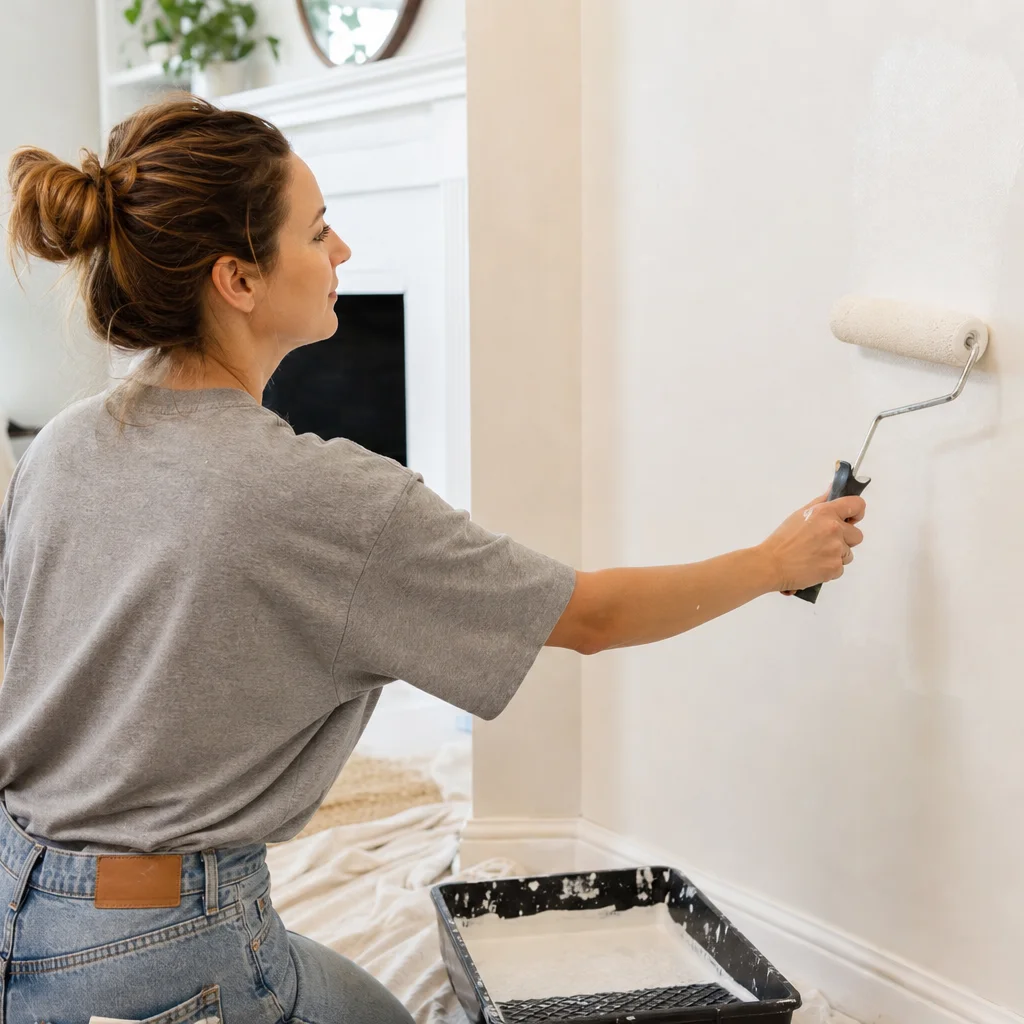
Paint remains one of the most affordable ways to transform a room. A gallon covers a surprising amount of wall space, and the right color can make a small room feel larger, a dark corner feel warmer, or an outdated space feel current again. Soft whites, warm greiges, and muted sage greens work well in most US homes because they pair easily with existing furniture.
Prep matters even on a budget. Fill nail holes, wipe down walls, and use painter’s tape along trim for clean lines. Sample pots are worth the small cost before committing to a full gallon. Check hardware store sales, loyalty discounts, and contractor-return sections for quality paint at lower prices. If you rent, confirm what your lease allows and keep a small jar of touch-up paint for move-out day.
Budget tip: Paint one accent wall instead of the full room for maximum impact with less product and labor.
Best for: Living rooms, bedrooms, hallways, and dated kitchens with worn walls.
2. Add Greenery with Indoor Plants
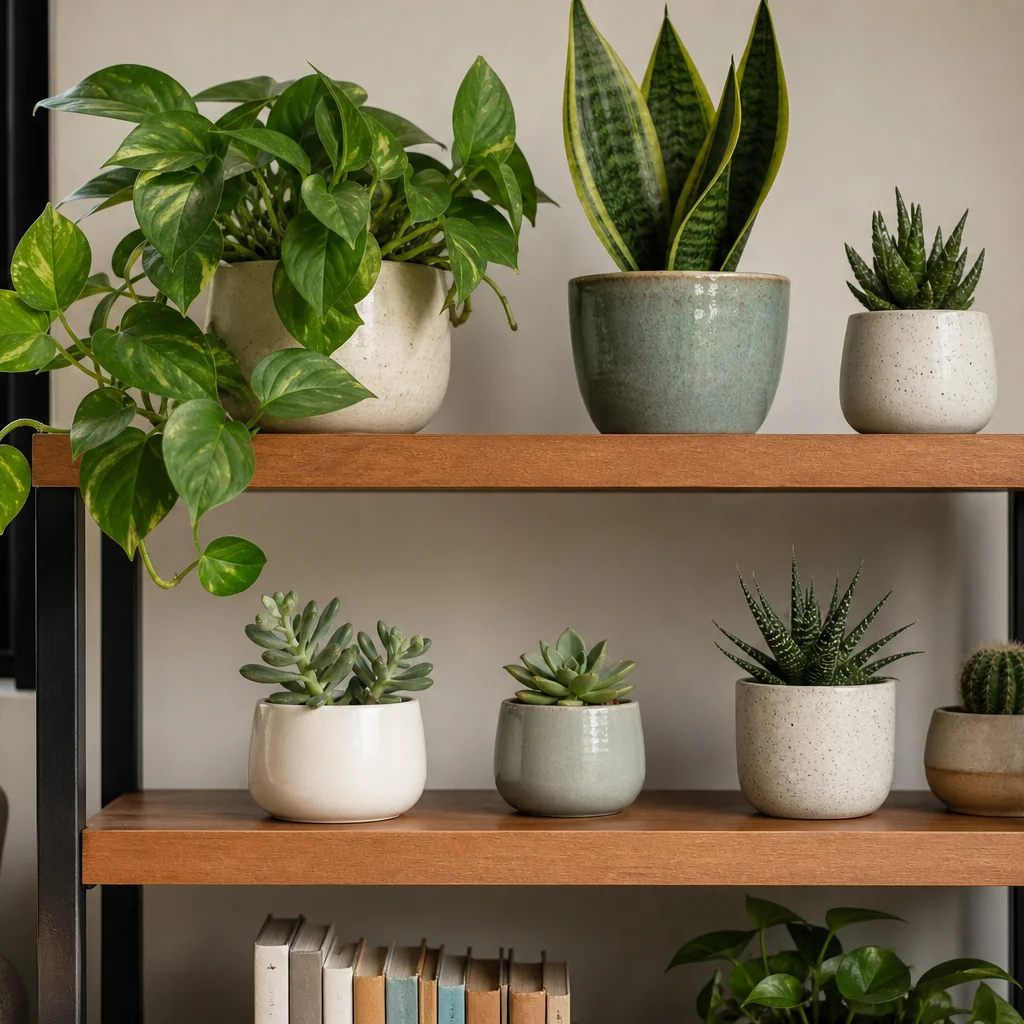
Plants add color, texture, and life without requiring a furniture budget. They soften shelves, fill empty corners, and make a room feel cared for even when everything else is simple. Low-maintenance options like pothos, snake plants, ZZ plants, and succulents survive busy schedules and varying light levels.
Group plants in odd numbers for a natural look, and mix heights with floor pots, hanging planters, and small pots on bookshelves. Thrifted ceramic containers and woven baskets cost less than designer planters and look just as good with a little consistency in tone. Place plants near windows when possible, but avoid blocking the light you want to keep.
Budget tip: Propagate cuttings from friends or split an overgrown plant instead of buying every specimen new.
Best for: Living rooms, home offices, kitchens with bright sills, and entryways.
3. Update Your Lighting
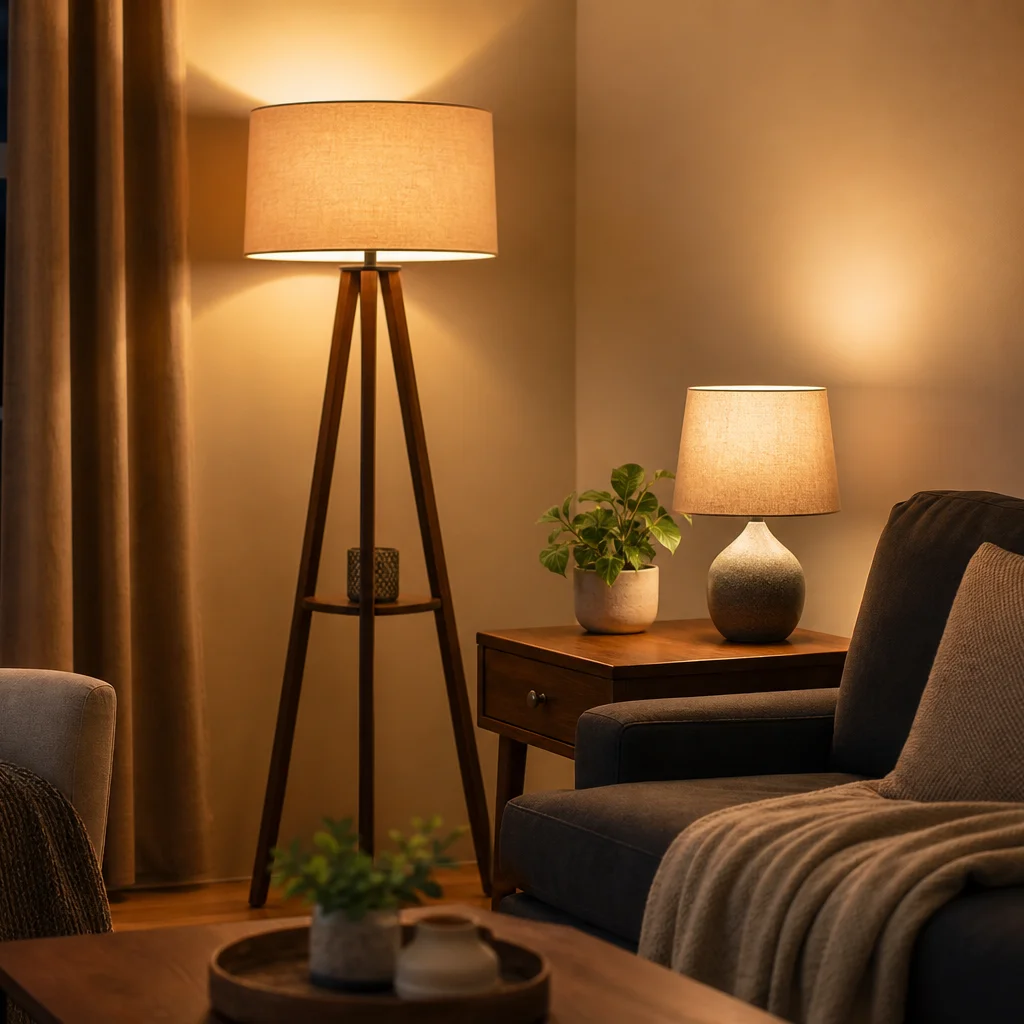
Lighting shapes mood more than almost any decor item. A room with one overhead bulb often feels flat, while layered lighting—ambient, task, and accent—makes the same furniture look intentional. Swap harsh cool bulbs for warm-white LEDs around 2700K to 3000K for a cozy evening feel.
Floor lamps and table lamps are affordable entry points. Thrift stores, online marketplaces, and discount retailers frequently carry solid bases that only need a new shade or a coat of spray paint. Place a lamp behind a sofa, beside a reading chair, or on a hallway console to fill dark zones. If you can safely update a dated ceiling fixture, a simple modern shade or flush mount can modernize the whole room.
Budget tip: Use plug-in sconces or adhesive LED strips under shelves when wiring changes are not an option.
Best for: Living rooms, bedrooms, dining areas, and poorly lit corners.
4. Rearrange Your Furniture
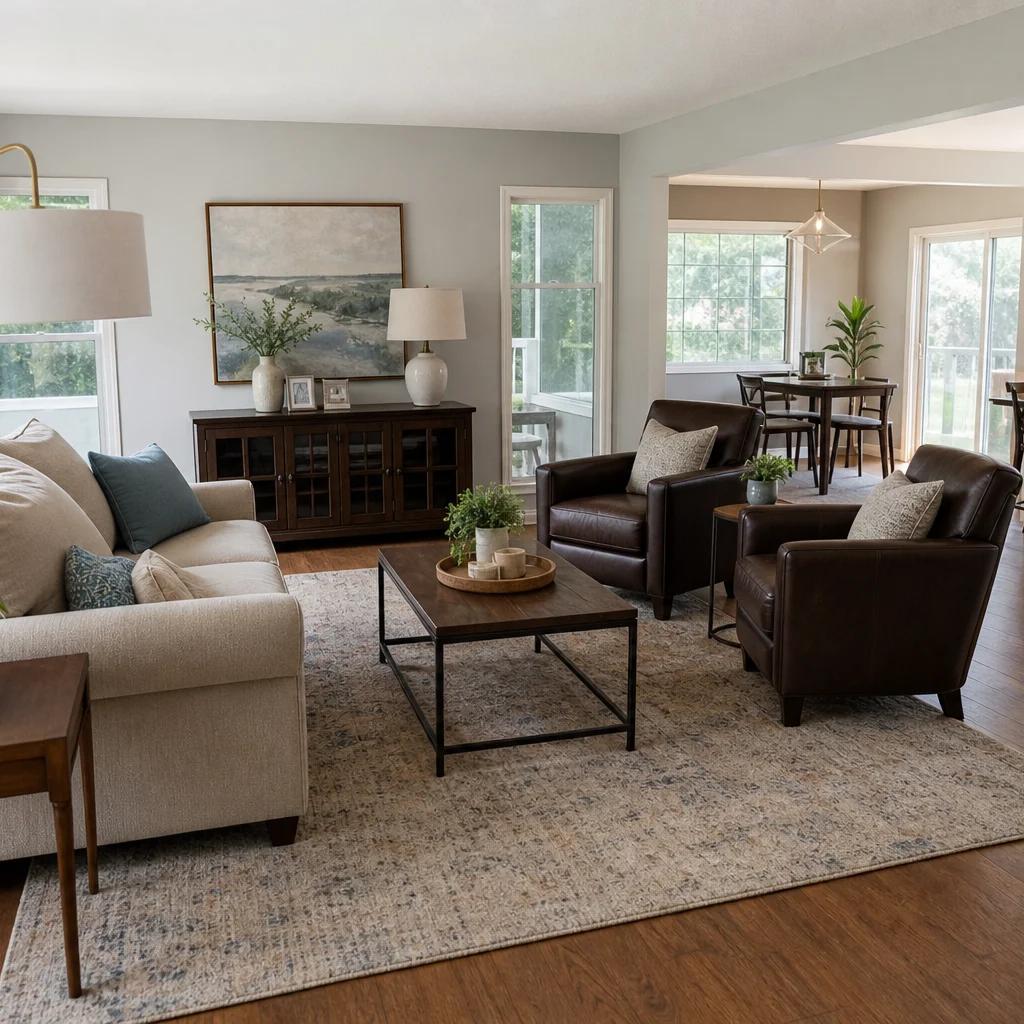
Sometimes the most powerful transformation costs nothing. Moving a sofa off the wall, angling a chair toward a window, or pulling the bed away from a cramped corner can improve traffic flow and make a room feel larger. Before you lift heavy pieces, sketch a few layouts on paper or use a free room-planning app.
Anchor seating around a focal point such as a fireplace, media console, or large window. Leave clear paths at least thirty inches wide where people walk regularly. Remove one bulky item if the room still feels crowded. Less furniture often reads as more intentional than filling every inch of floor space.
Budget tip: Swap pieces between rooms before buying anything new—a nightstand may work as an end table.
Best for: Living rooms, bedrooms, and multi-use spaces that feel awkward or cramped.
5. Incorporate Mirrors
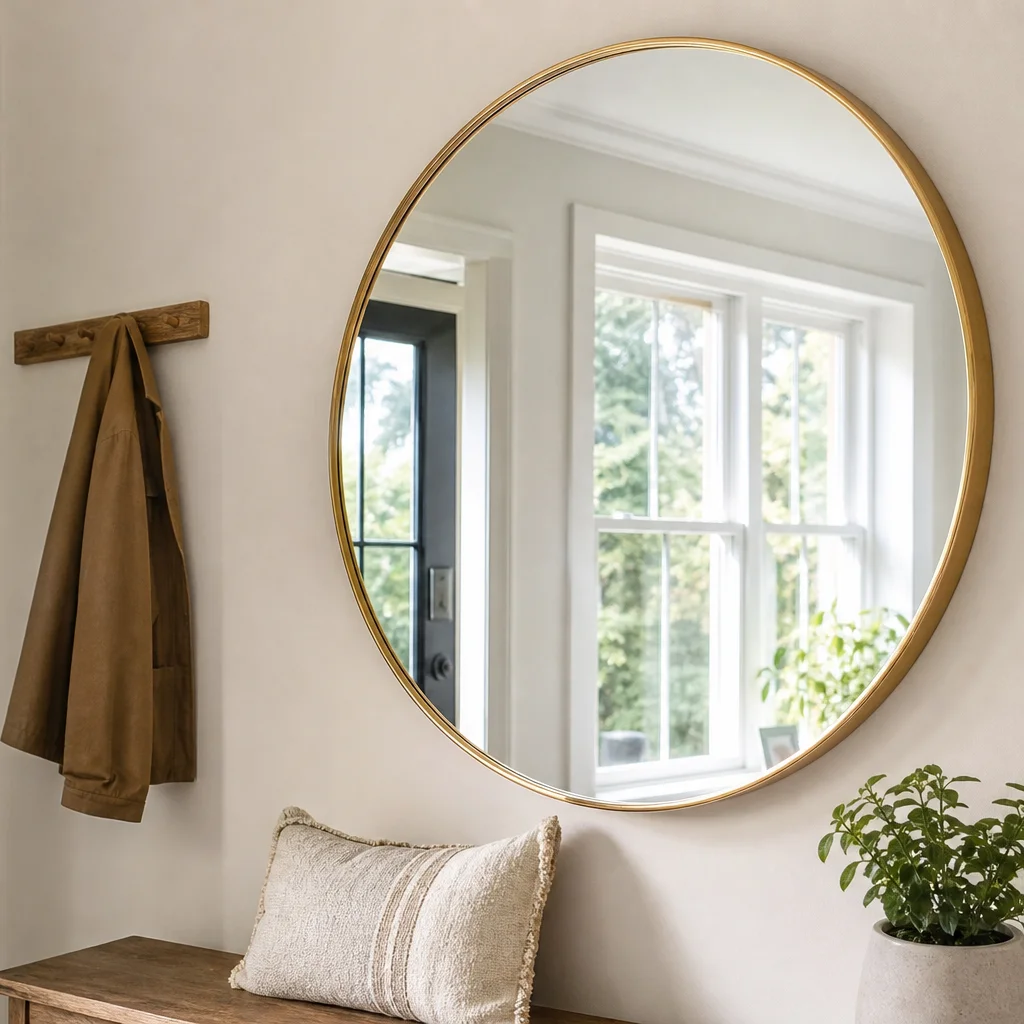
Mirrors bounce light and create the illusion of depth, which makes them one of the smartest budget decor tools. Hang a mirror opposite or near a window to amplify daylight. In narrow hallways or small dining areas, a large mirror can keep the space from feeling closed in.
Look for interesting frames at thrift shops, estate sales, and discount home stores. A plain plate-glass mirror in a fresh painted frame can look custom for a fraction of the price. Avoid placing mirrors where they reflect visual clutter unless you plan to tidy that zone first.
Budget tip: Group smaller mirrors as a gallery wall for a designer look at a lower total cost.
Best for: Entryways, dining rooms, bedrooms, and dark hallways.
6. Add Personal Touches with DIY Decor
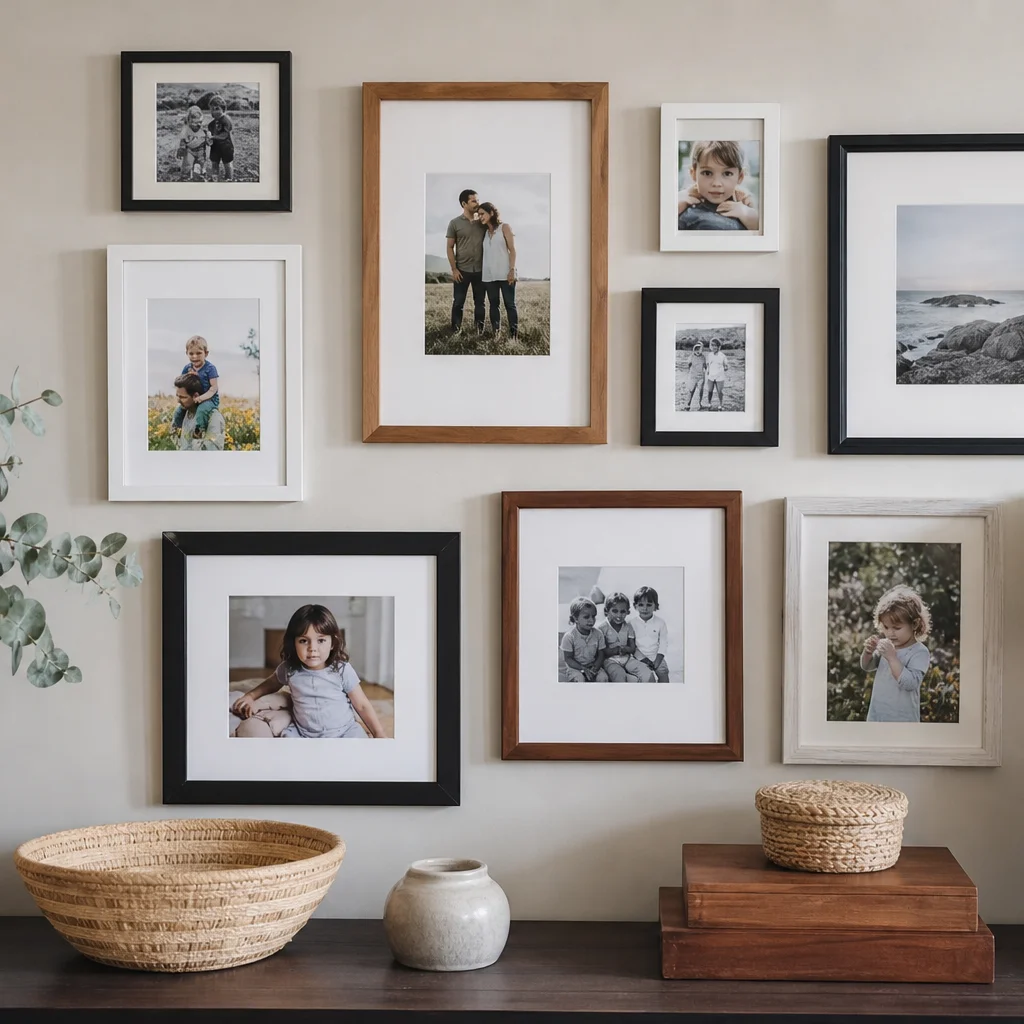
DIY decor lets you personalize a room while controlling spending. A gallery wall of family photos, thrifted art, and one or two printed pieces creates warmth that store-bought sets rarely match. Mix frame sizes and finishes for an collected-over-time look rather than a perfect grid.
Other low-cost projects include stenciled clay pots, painted thrift vases, woven wall hangings, and seasonal wreaths made from foraged greenery. Choose projects that match your skill level so finished pieces look polished, not rushed. One well-made DIY focal point beats a dozen half-finished crafts stored in a closet.
Budget tip: Print large-format art at home or through an online print service instead of buying oversized canvases.
Best for: Living rooms, stair walls, bedrooms, and home offices that need personality.
7. Refresh with Textiles
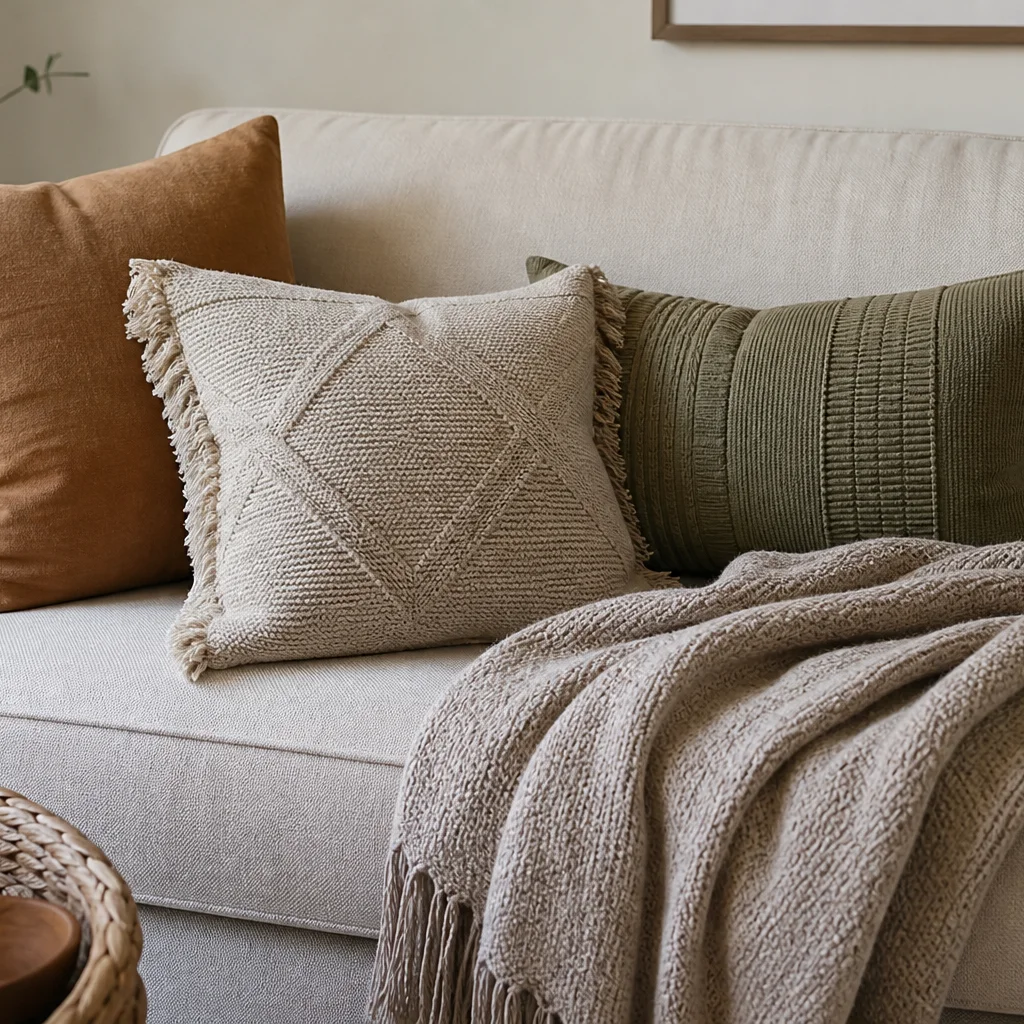
Textiles change color and comfort faster than replacing major furniture. New throw pillows, a cozy blanket draped over the sofa, or an inexpensive area rug can pull a palette together when walls and upholstery feel mismatched. Stick to two or three main colors plus a neutral so the room stays cohesive.
Wash or dye faded cushion covers before replacing them. Removable covers extend the life of pillows and make seasonal swaps easy. In bedrooms, new bedding often delivers more impact than new nightstands. Layer textures—linen, knit, velvet, or cotton—to keep neutral palettes from feeling flat.
Budget tip: Shop end-of-season clearance for rugs and pillow covers in classic colors you can use year-round.
Best for: Living rooms, bedrooms, and reading nooks that feel visually tired.
8. Declutter and Organize What You Already Own
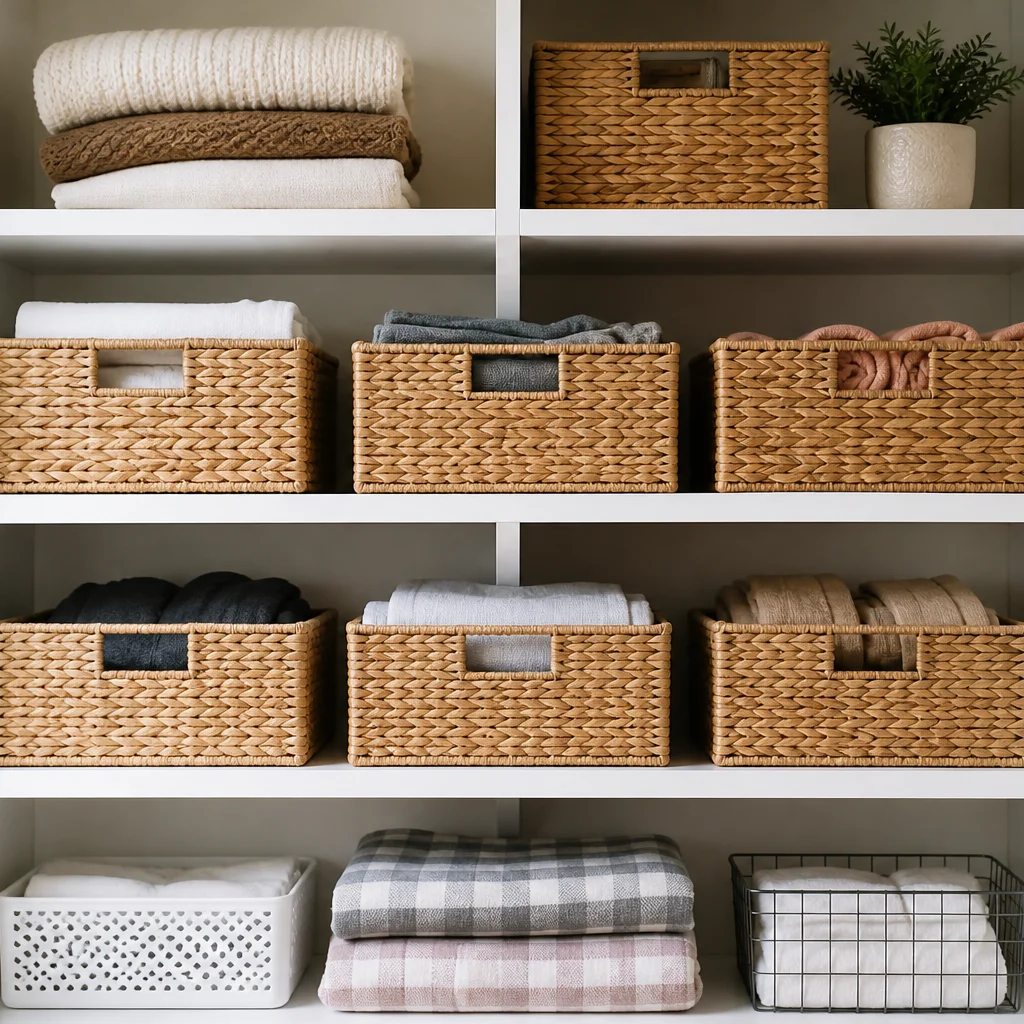
Clutter makes even beautiful rooms feel stressful. Decluttering is a free upgrade that clears surfaces, improves function, and lets the updates you make actually show. Start with one zone—a bookshelf, entryway table, or kitchen counter—and sort items into keep, donate, and relocate piles.
Use baskets, jars, and labeled bins you already own before buying a full organization system. Store daily items where you use them and move sentimental or seasonal pieces to closed storage. Once surfaces are clear, your paint, plants, and lighting have room to shine. If you need a deeper system, our budget-friendly home office setup tips also apply to desk corners and multi-use rooms.
Budget tip: Set a fifteen-minute timer daily instead of waiting for a full weekend overhaul.
Best for: Every room, especially entryways, kitchens, and open shelving.
Budget Home Refresh Checklist
Use this checklist to plan a room update without overspending or losing momentum.
- Pick one room and one primary goal such as brighter, cozier, or less cluttered.
- Set a realistic budget and assign amounts to paint, plants, lighting, and textiles first.
- Test paint colors with samples in morning and evening light before buying full gallons.
- Layer lighting with at least two light sources in main seating areas.
- Try a free furniture layout before purchasing new pieces.
- Add mirrors strategically to reflect light, not clutter.
- Choose low-maintenance plants that match your room’s light level.
- Refresh textiles with pillows, throws, or a rug in a cohesive palette.
- Declutter surfaces so each update remains visible.
- Finish one project completely before starting the next to avoid half-done rooms.
How to Prioritize When Money Is Tight
If you can only afford one or two changes this month, prioritize paint and lighting first. They alter the whole room quickly. Add plants and textiles next for color and softness. Mirrors, DIY decor, and furniture rearrangement can follow at little or no cost. Decluttering should run alongside every step because a tidy base makes each upgrade look more expensive than it is.
Track receipts and keep a simple photo log of each finished zone. That record helps you avoid duplicate purchases and shows progress when motivation dips. A transformed home on a budget is built in layers, not in a single shopping trip.
Frequently Asked Questions
What is the cheapest way to transform a room?
Decluttering and rearranging furniture cost nothing and often change how a room feels immediately. After that, paint and updated lighting deliver the most visual impact per dollar spent.
How much should I budget for a whole-home refresh?
Many homeowners refresh one room for $100 to $300 using paint, lamps, plants, and textiles. Whole-home updates spread over several months stay manageable when you prioritize high-impact rooms such as the living room and entryway first.
Can renters transform a home on a budget?
Yes. Focus on removable changes: peel-and-stick wallpaper or decals where allowed, freestanding lighting, plants, mirrors with proper hanging hardware, textiles, and furniture layout. Always review your lease before painting or drilling.
Which rooms give the best return on a small budget?
Living rooms and entryways offer the strongest first impression. Bedrooms benefit from lighting and textile updates. Kitchens and bathrooms may need targeted changes; our bathroom refresh guide covers compact upgrades that pair well with the ideas here.
How do I keep a budget makeover from looking cheap?
Limit your color palette, finish one project at a time, and invest in good lighting. Mix a few thrifted pieces with simple new textiles rather than filling a room with many small novelty items.
How long does a budget home refresh take?
A single room can look noticeably different in one weekend if you paint one wall, add two lamps, and declutter main surfaces. Larger transformations spread across several weeks feel less overwhelming and easier on your budget.
Final Thoughts
Transforming your home on a budget is less about chasing trends and more about making deliberate choices that improve light, color, flow, and comfort. Paint a tired wall, brighten a dark corner, bring in a few plants, and clear the surfaces that steal attention from the details you love. Stack small wins room by room and the whole home will feel refreshed long before you need a major renovation budget.