
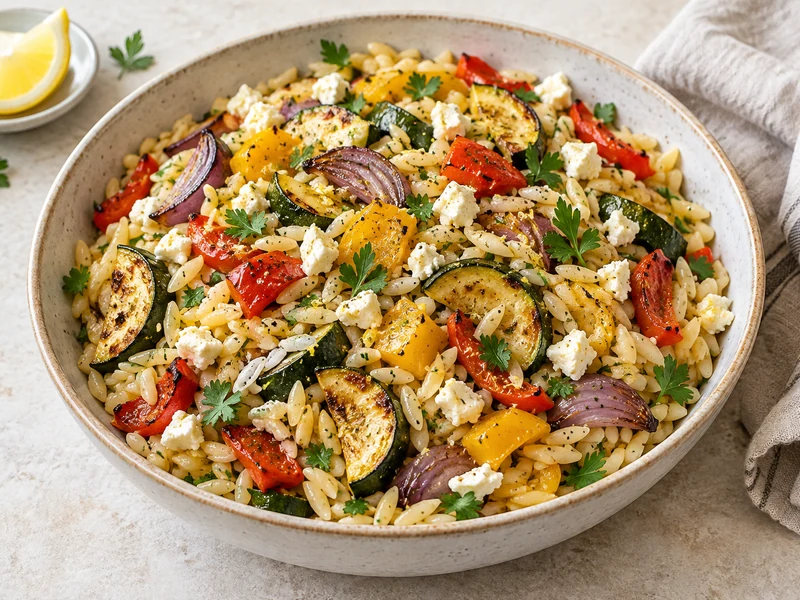
Zesty lemon orzo with roasted vegetables combines tender pasta, caramelized summer vegetables, fresh herbs, and bright citrus in one colorful dish. The vegetables roast at high heat until their edges deepen in flavor, while lemon zest and juice keep the finished orzo light and lively.
RECIPE CARD
Zesty Lemon Orzo with Roasted Vegetables
Ingredients
- 1 cup dry orzo pasta
- 1 medium zucchini, cut into 1-inch pieces
- 1 red bell pepper, cut into 1-inch pieces
- 1 yellow bell pepper, cut into 1-inch pieces
- 1 small red onion, cut into wedges
- 3 tablespoons extra-virgin olive oil, divided
- 3/4 teaspoon fine salt, divided
- 1/2 teaspoon black pepper, divided
- 1/2 teaspoon dried oregano
- 1 tablespoon finely grated lemon zest
- 3 tablespoons fresh lemon juice
- 1/4 cup chopped fresh parsley
- 1/3 cup crumbled feta cheese (optional)
Quick Method
Condensed overview. Use Full Instructions for the complete method, timing and doneness details.
- Prepare the vegetables: Heat oven to 425°F (220°C). Toss zucchini, peppers, and onion with 2 tablespoons olive oil, oregano, salt, and pepper. Spread in one layer on…
- Roast the vegetables: Roast for 22 to 25 minutes, stirring once halfway through, until tender with caramelized edges.
- Cook the orzo: Boil orzo in well-salted water according to package directions, usually 8 to 10 minutes. Reserve 1/2 cup pasta water, then drain without rinsing.
- Make the lemon dressing: Whisk lemon zest, lemon juice, remaining olive oil, salt, and pepper in a large bowl.
- Combine: Toss warm orzo with the lemon dressing, then gently fold in roasted vegetables and parsley. Add pasta water as needed for moisture.
- Finish and serve: Taste and adjust lemon, salt, and pepper. Scatter with optional feta and serve warm or at room temperature.
Serve it warm as a simple dinner, at room temperature for a picnic, or chilled for lunch the next day. It is satisfying on its own and easy to pair with other dishes. For another vegetable-forward meal with grains and a creamy element, try our vibrant veggie Buddha bowl.
Why You’ll Love It
- Bright, balanced flavor: Lemon lifts the sweet roasted vegetables without making the dish feel heavy.
- Flexible serving temperature: The orzo tastes delicious warm, at room temperature, or properly chilled.
- Easy to customize: Seasonal vegetables, herbs, cheese, or added protein can change with what you have.
Ingredients You’ll Need
Orzo is a small rice-shaped pasta that cooks quickly and catches the lemon dressing between its grains. Use zucchini, red and yellow bell peppers, and red onion for a balance of color, sweetness, and texture. Cut the vegetables into similar bite-size pieces so they finish roasting at the same time.
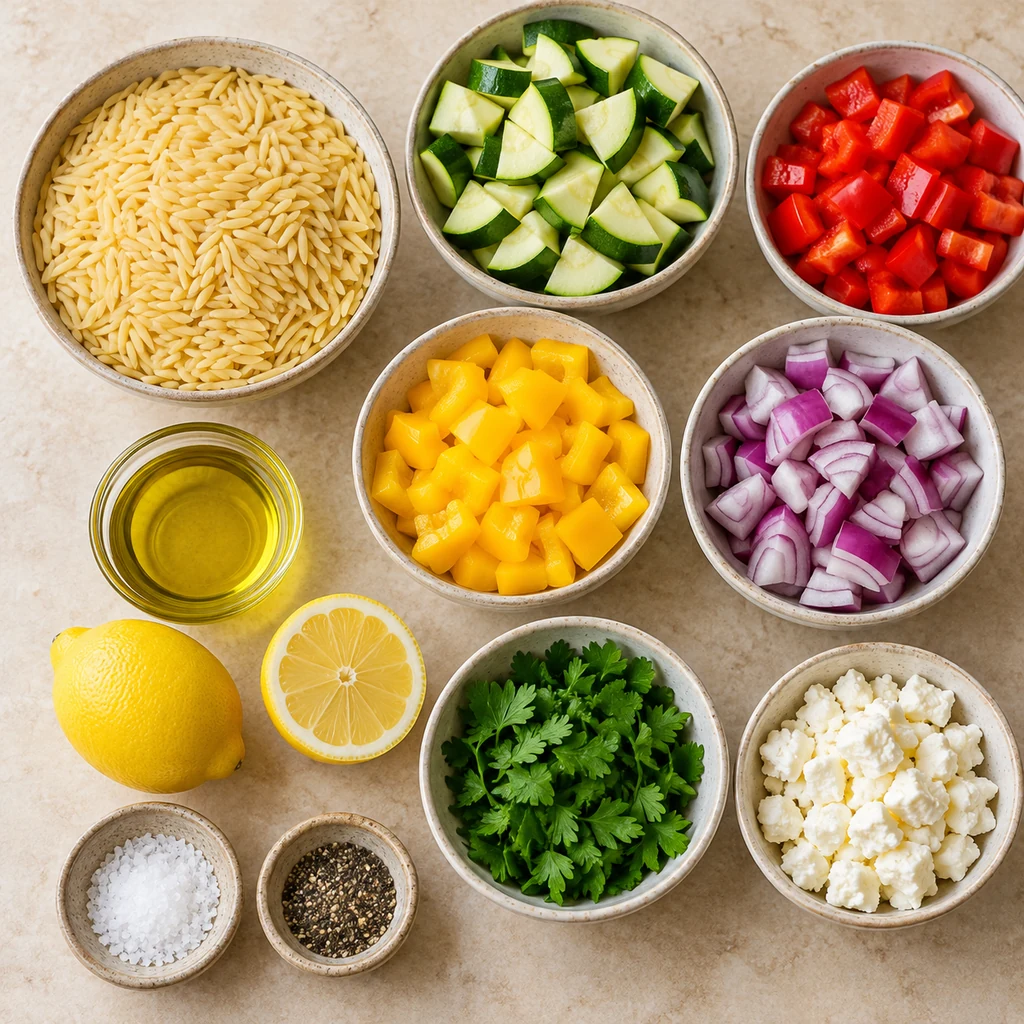
Extra-virgin olive oil carries the lemon flavor and keeps the orzo glossy. Use both finely grated zest and fresh juice: zest contributes fragrant citrus oils, while juice adds acidity. Parsley supplies freshness and feta adds a salty, creamy finish. The cheese is optional, so the recipe can easily remain vegan.
How to Make Lemon Orzo with Roasted Vegetables
1. Prepare the vegetables
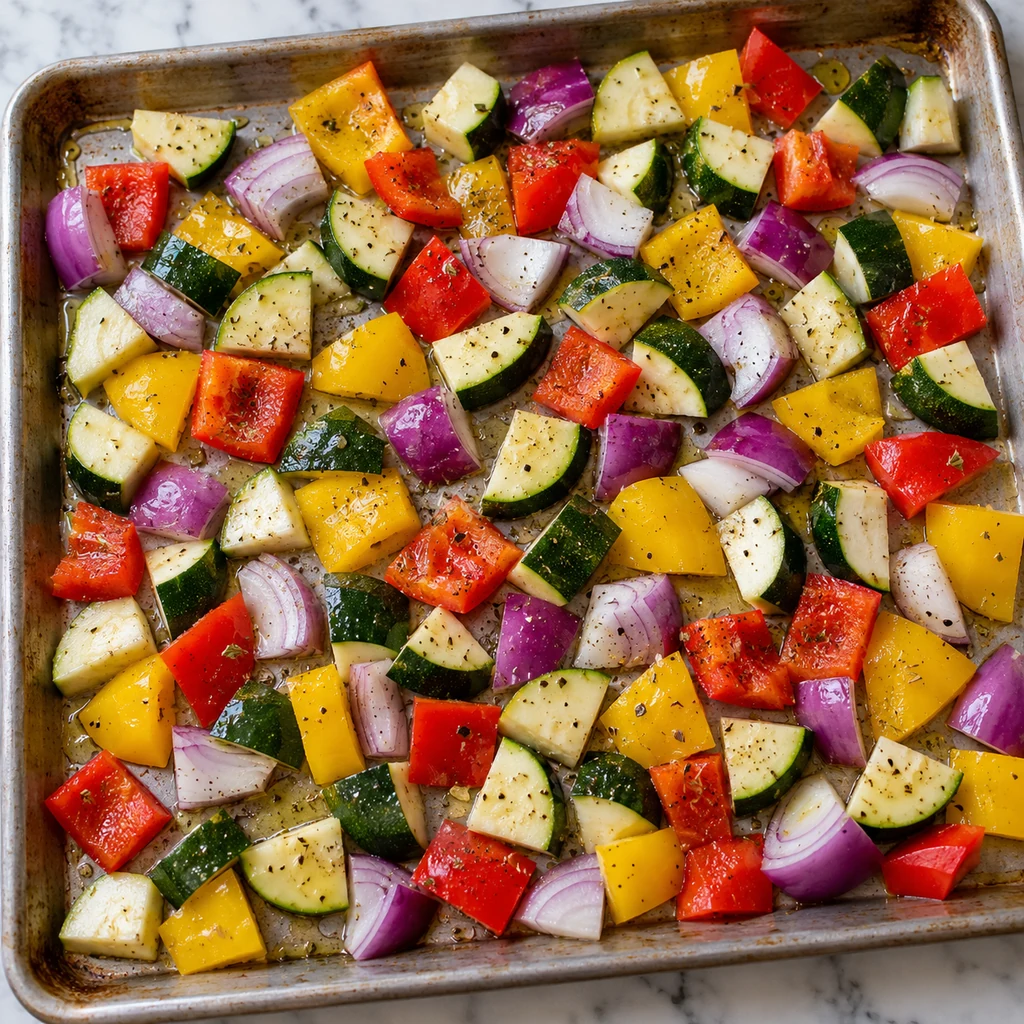
Heat the oven to 425°F (220°C). Cut the zucchini, peppers, and onion into pieces close to one inch. Spread them over a large rimmed baking sheet, drizzle with olive oil, and season with salt, pepper, and dried oregano. Toss thoroughly, then arrange everything in a single uncrowded layer.
2. Roast until caramelized
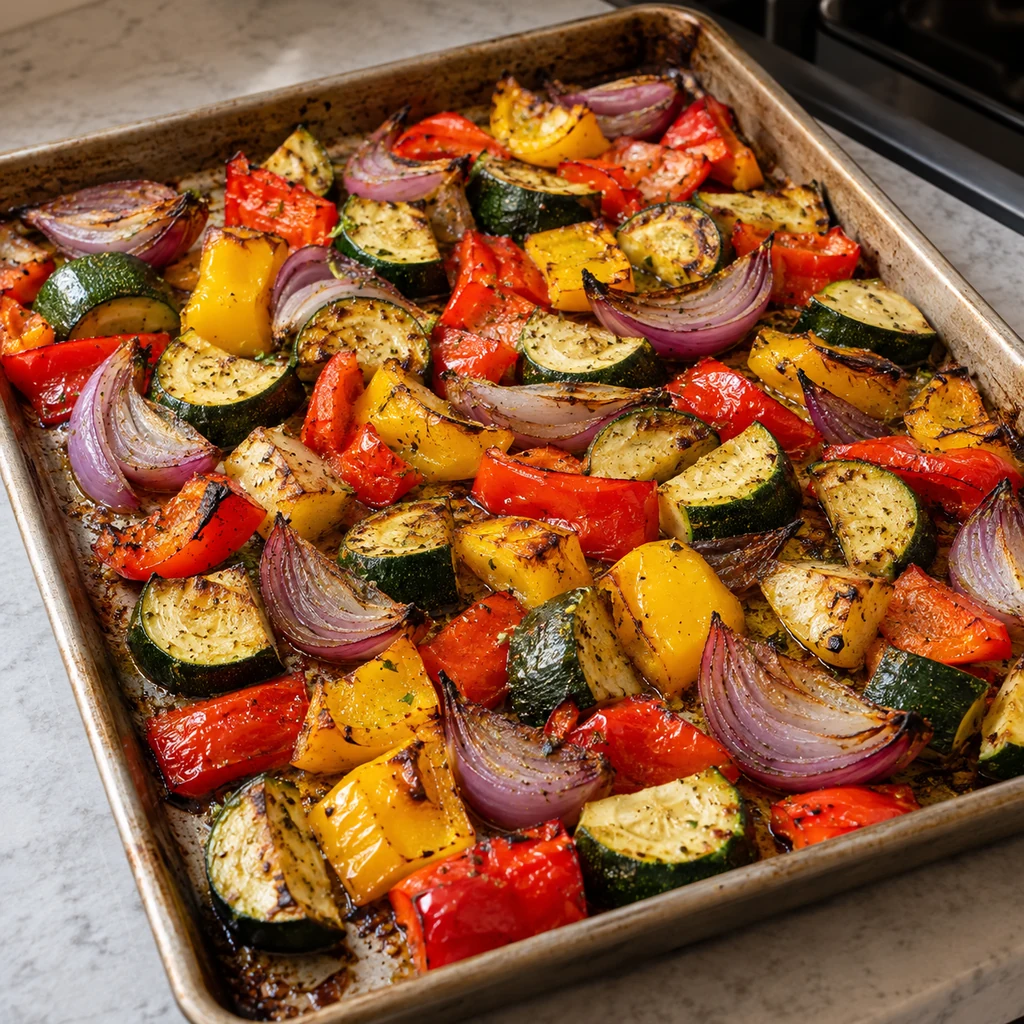
Roast the vegetables for 22 to 25 minutes, stirring once halfway through. They are ready when the zucchini is tender, the peppers have darkened slightly, and the onion edges are browned. Avoid constant stirring because steady contact with the hot pan produces better caramelization.
3. Cook the orzo
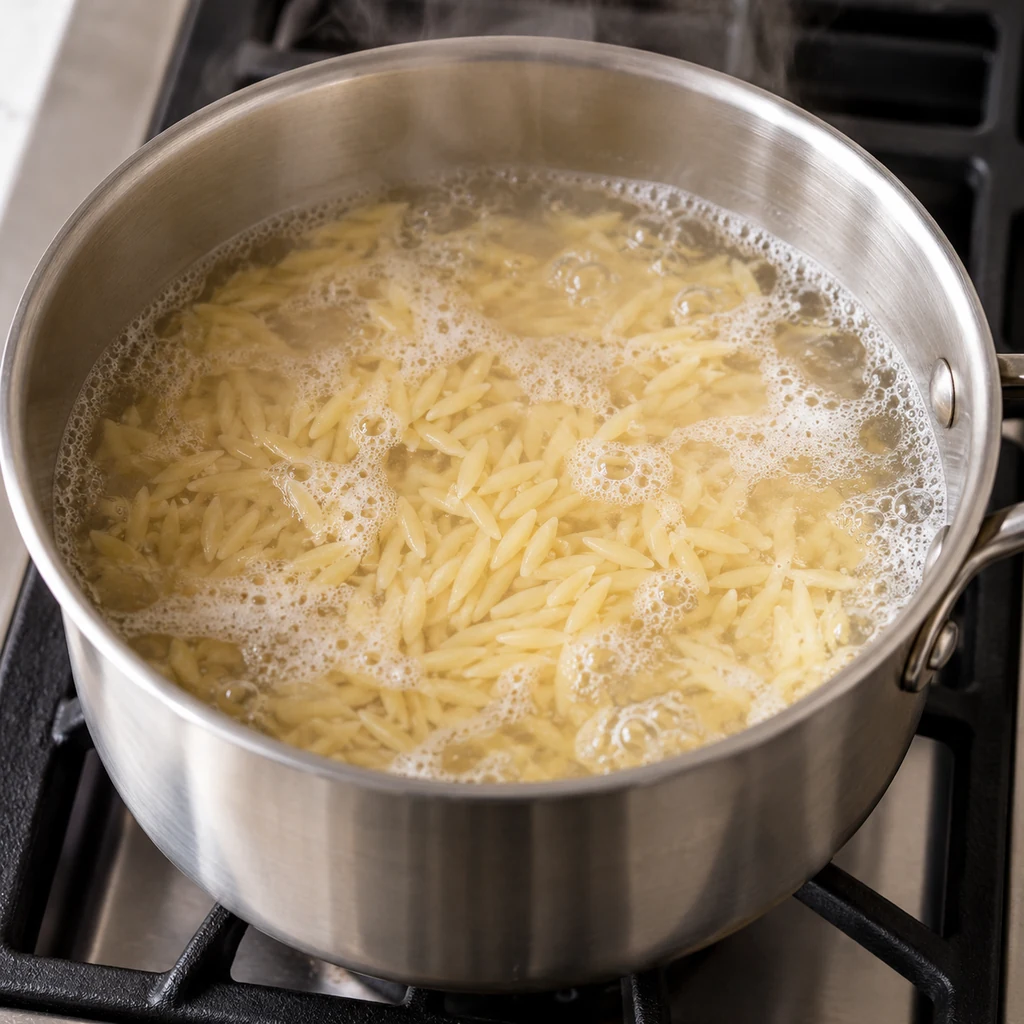
While the vegetables roast, bring a medium saucepan of well-salted water to a boil. Add the orzo and cook according to the package directions, usually eight to ten minutes. Stir several times, especially during the first two minutes, because the small pasta can settle and stick.
Reserve half a cup of pasta water, then drain the orzo thoroughly. Do not rinse it; the light coating of starch helps the lemon and olive oil cling. Return it to the warm pot and toss with a teaspoon of olive oil if the vegetables need a few more minutes.
4. Add lemon and combine
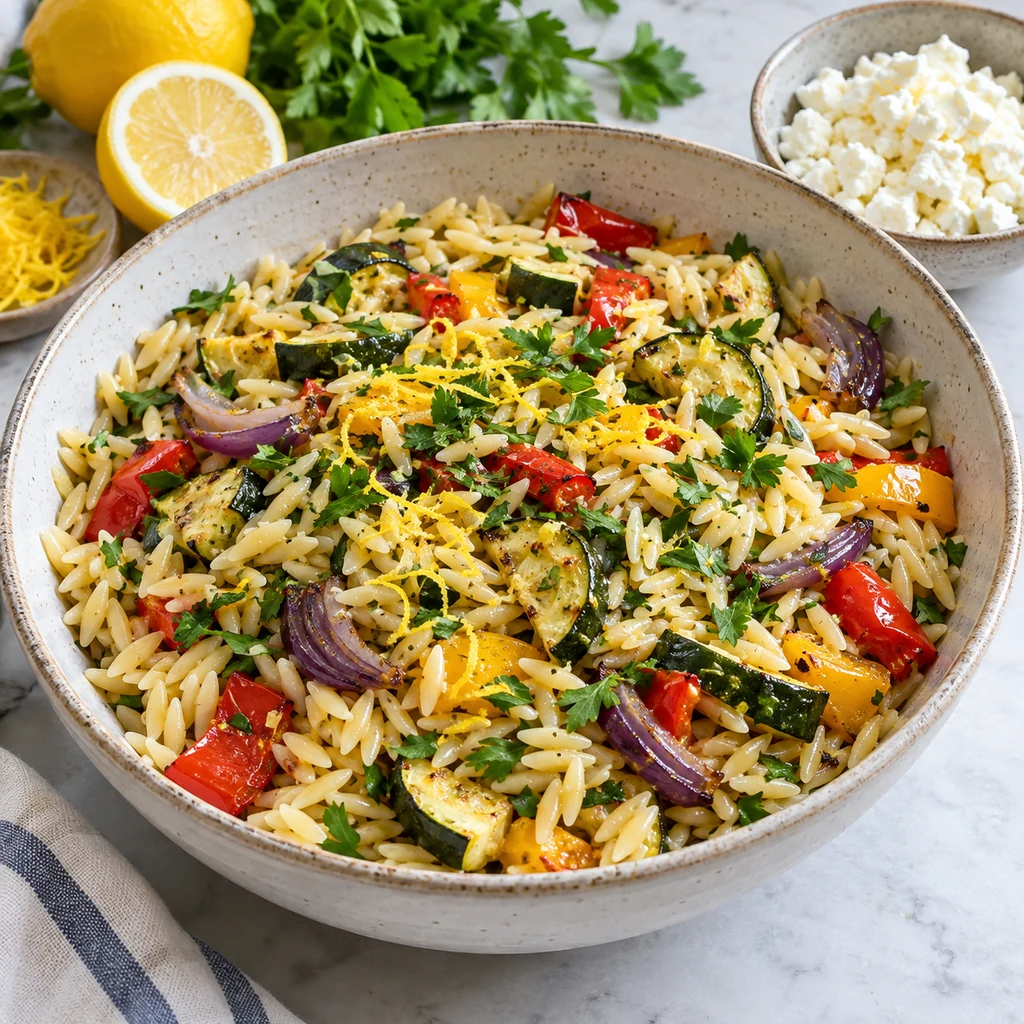
Whisk lemon zest, lemon juice, the remaining olive oil, a pinch of salt, and black pepper in a large bowl. Add the warm orzo and toss first, allowing it to absorb the dressing. Fold in the roasted vegetables and parsley gently so the zucchini and peppers keep their shape.
5. Finish and serve
Taste while the mixture is still warm. Add more lemon juice for brightness, pasta water for moisture, or salt as needed. Scatter feta over the top just before serving. Keeping some cheese on the surface preserves its creamy texture and makes each serving visually appealing.
Tips for the Best Texture
Choose a large baking sheet and leave space between vegetables. A crowded pan traps steam and prevents browned edges. If your pan is small, divide the vegetables between two sheets and rotate them halfway through roasting. Cut zucchini slightly larger than the peppers because it softens more quickly.
Dress the orzo while warm but add feta only after the mixture has cooled slightly. If the dish sits for more than 20 minutes, it may absorb the dressing; restore its gloss with a splash of olive oil, lemon juice, or reserved pasta water.
Variations and Serving Ideas
Cherry tomatoes, broccoli, asparagus, eggplant, or cubed sweet potato can replace part of the vegetable mixture. Adjust roasting time for denser choices. Fresh basil, dill, or mint can replace parsley, while toasted almonds or pumpkin seeds add crunch. Omit feta or use a dairy-free alternative for a vegan version.
For extra protein, add chickpeas, grilled shrimp, salmon, or sliced chicken. The orzo also makes a lively side for our grilled chicken and mango salad. For a portable meat-free lunch, pair smaller portions with the filling from our avocado chickpea wrap.
Storage and Make-Ahead Notes
Refrigerate leftovers in a sealed container for up to four days. Let the dish cool before covering it, but do not leave it at room temperature for more than two hours. Refresh chilled orzo with lemon juice and olive oil, then taste again for salt before serving.
You can roast the vegetables and whisk the lemon dressing one day ahead. Store them separately, then cook the orzo close to serving time for the best texture. If assembling everything in advance, reserve the parsley and feta until the final few minutes.
Frequently Asked Questions
Can I serve lemon orzo cold?
Yes. Cool it promptly, refrigerate until chilled, and add a small splash of lemon juice and olive oil before serving. Cold temperatures mute seasoning, so taste and adjust salt after the dish has chilled.
How do I keep orzo from sticking?
Use plenty of boiling water and stir during the first minutes of cooking. Drain promptly when al dente and toss the warm pasta with dressing or a little olive oil. Avoid overcooking, which releases excess starch and produces a softer texture.
Can I make this recipe gluten-free?
Yes. Use gluten-free orzo and follow its package directions because cooking times vary by brand. A small gluten-free pasta shape also works, although the final texture and appearance will differ from traditional orzo.
Final Notes
The best zesty lemon orzo with roasted vegetables depends on three simple details: give the vegetables room to brown, cook the pasta only until al dente, and add citrus while the orzo is warm. The result is colorful, fresh, and adaptable enough for weeknight dinners, gatherings, and make-ahead lunches.