
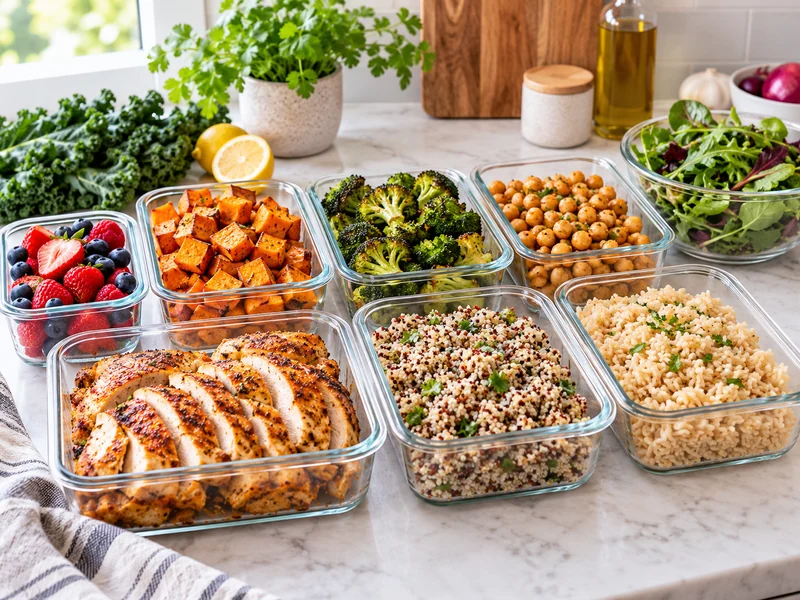
Weekend meal prep is less about cooking seven identical dinners and more about giving your future self useful building blocks. A focused session can turn a few grains, proteins, vegetables, sauces, and snacks into flexible meals that are faster to assemble than takeout. The best routine is realistic for your schedule, refrigerator space, and appetite.
This guide shows you how to plan a manageable menu, shop efficiently, batch-cook in the right order, and store food safely. Start with three or four days rather than an entire week, especially if meal prep is new to you. Once the rhythm feels easy, you can increase the number of portions or add breakfasts and snacks.
Why You’ll Love It
- Calmer weekdays: Most of the chopping, cooking, and cleanup happens in one planned session.
- Flexible meals: Shared components can become bowls, salads, wraps, or quick dinners.
- Less food waste: A clear plan gives every ingredient a purpose before you shop.
Plan a Flexible Menu
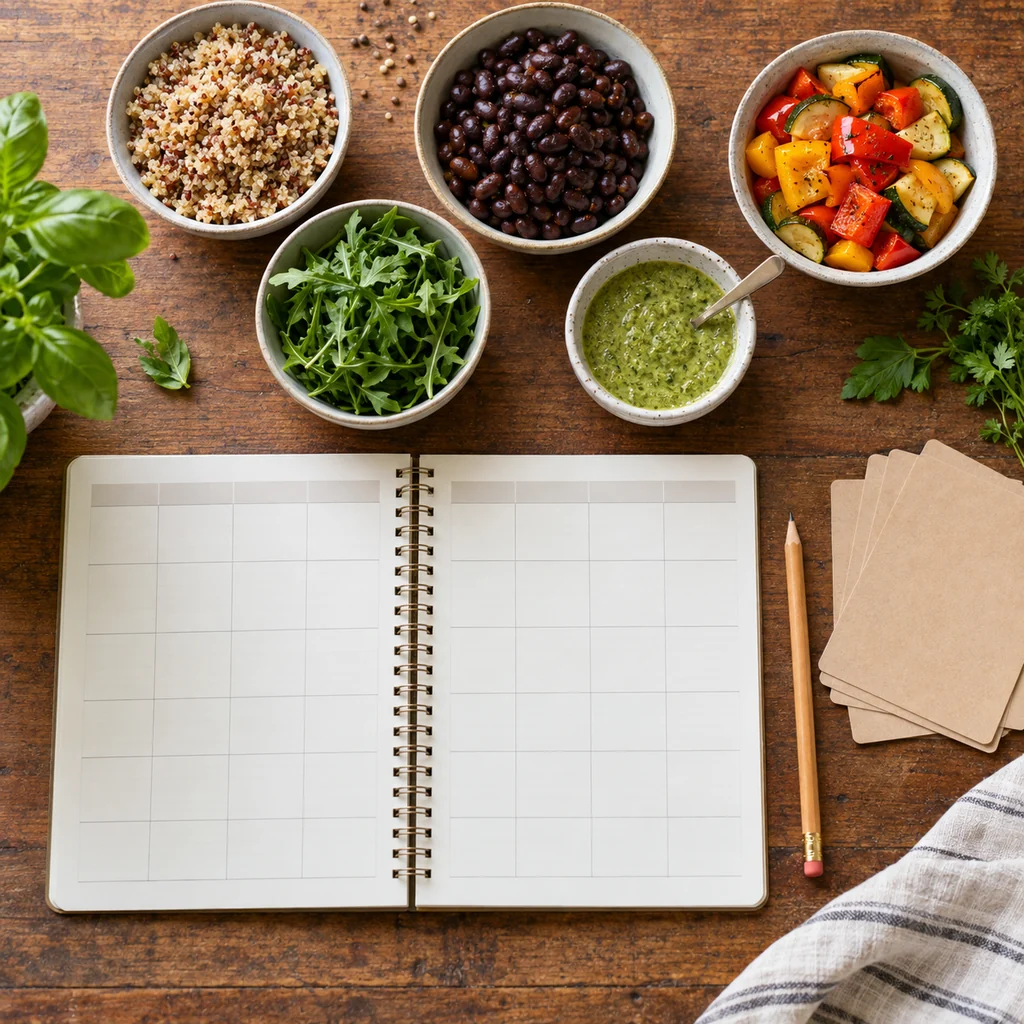
Choose one or two proteins, one grain or starchy vegetable, two cooked vegetables, a raw crunchy element, and one versatile sauce. That is enough variety to build several distinct combinations without preparing a separate recipe for every day. For example, roasted chicken and chickpeas can share a sheet pan, while quinoa, greens, peppers, cucumber, and a lemon-herb sauce can move between warm bowls and cold salads.
Check your calendar before choosing quantities. Plan portable lunches for office days and easier dinners for late evenings. Leave one open meal for leftovers, plans, or a spontaneous craving. If you want a complete bowl in the rotation, use the component ideas from this vegan Buddha bowl and keep the dressing separate until serving.
Shop Once and Organize Ingredients
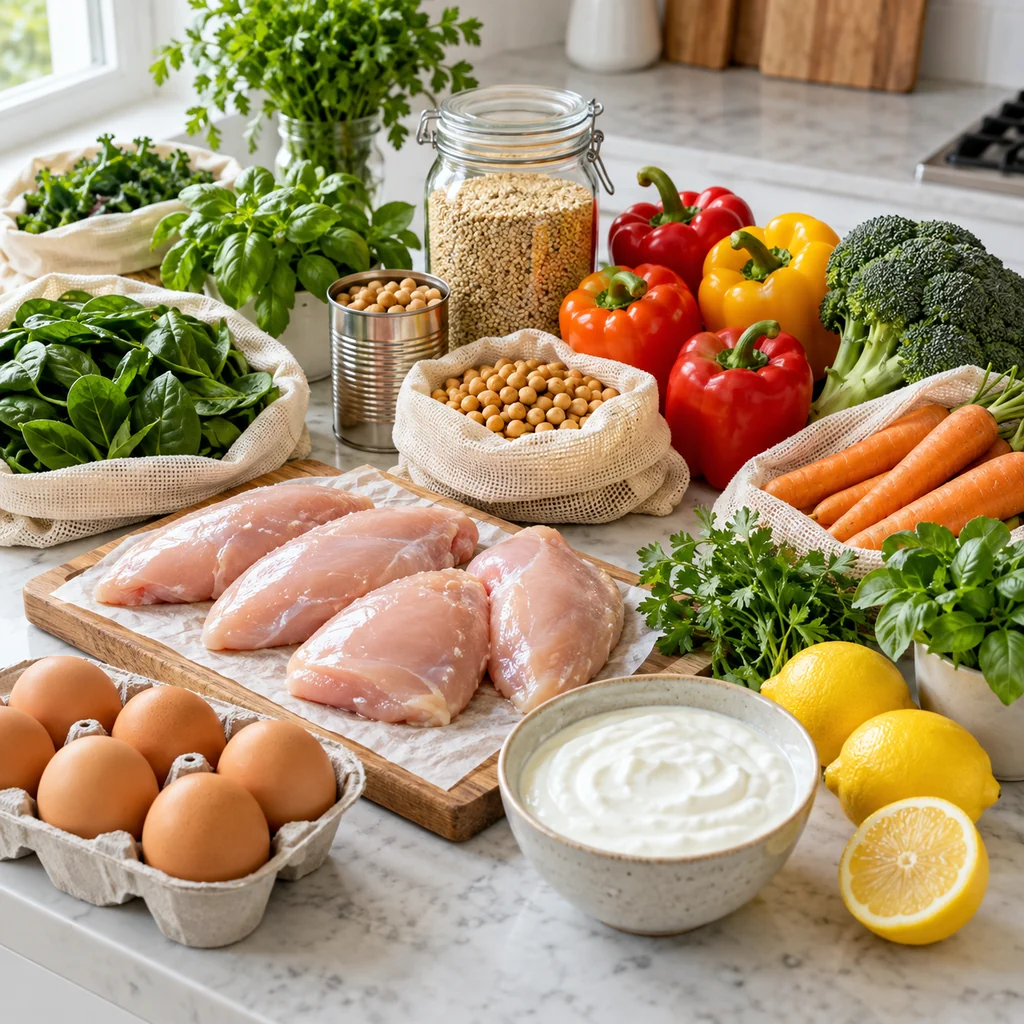
Write the list from your menu, then check the pantry, refrigerator, and freezer before leaving home. Group items by store section so shopping is quick: produce, proteins, grains, dairy, and pantry flavorings. Look for ingredient overlap. A bunch of parsley can brighten a grain salad, season roasted vegetables, and finish a yogurt sauce instead of being forgotten after one use.
When you unpack, keep raw meat separate from ready-to-eat foods and wash your hands, boards, and utensils after handling it. Set out only the ingredients needed for the first task. A clear counter and a bowl for scraps make the session feel controlled, while a written mini-schedule prevents a forgotten pan or overcooked grain.
Prep in an Efficient Order
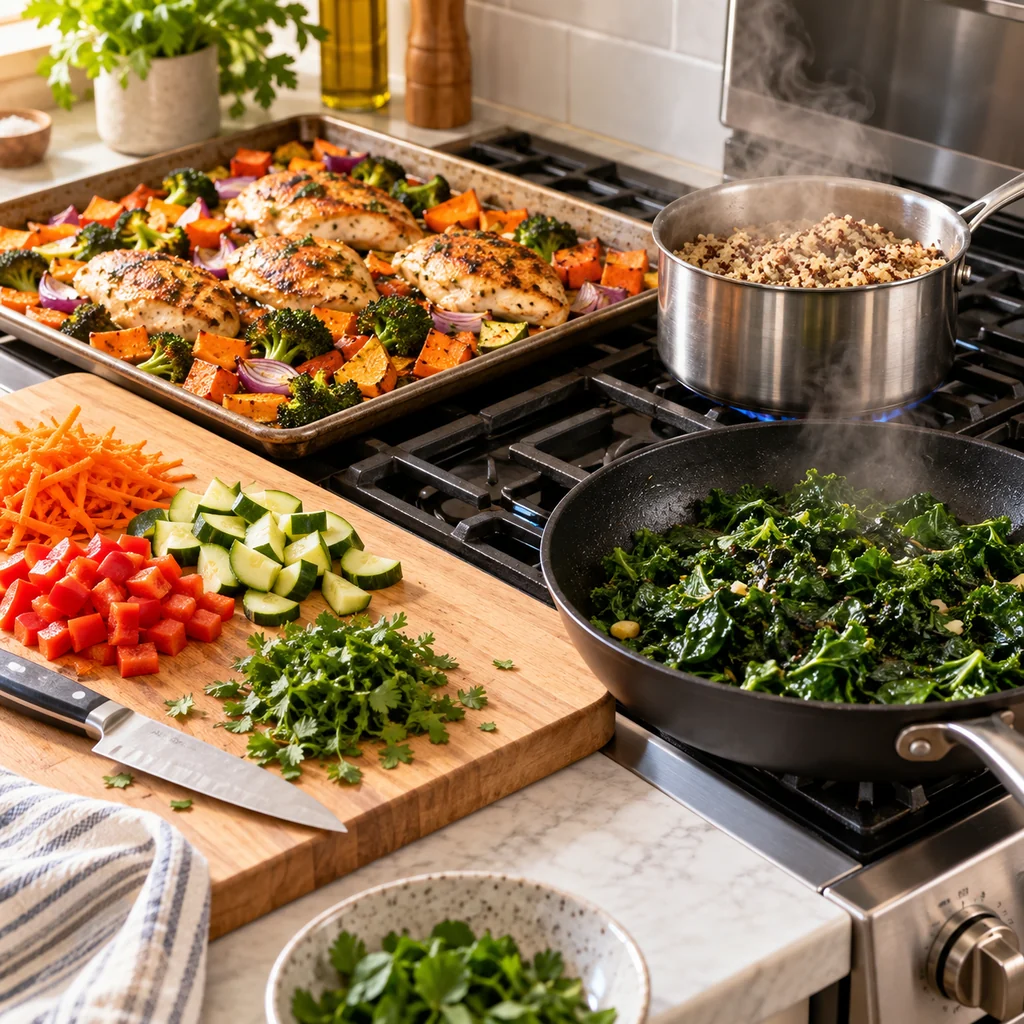
Begin with the longest passive tasks. Preheat the oven, start grains, and get sheet-pan ingredients roasting. While those cook, mix a sauce and prepare vegetables that will be eaten raw. Cook a second protein or sauté quick greens last. This sequence uses waiting time well and keeps the cutting board available when you need it.
Season components simply so they can change character later. Salt, pepper, garlic, lemon, and olive oil work with many cuisines; a different sauce or garnish can make the same base feel new. Keep delicate greens, chopped herbs, crunchy toppings, and dressings away from hot food. Clean as you go, but never reuse a plate or utensil that touched raw meat until it has been properly washed.
Build Balanced Mix-and-Match Meals
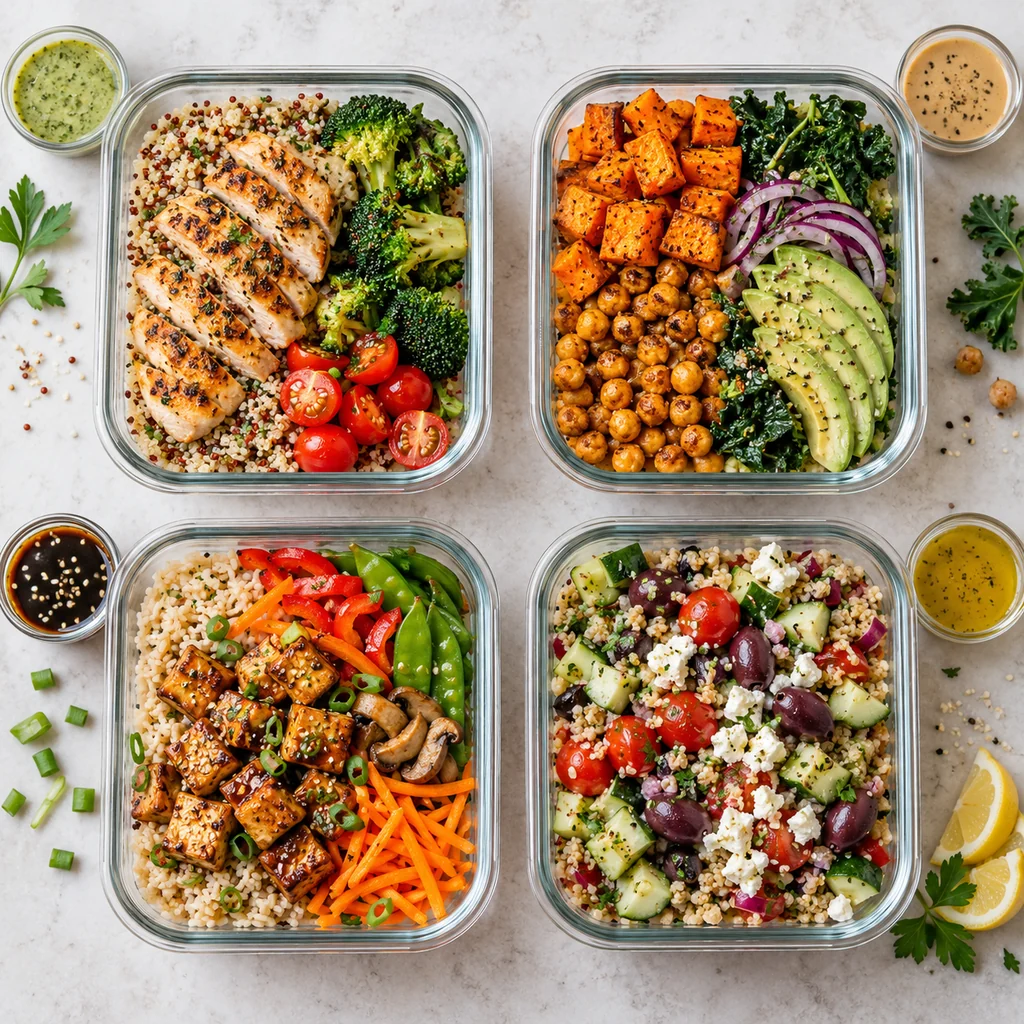
Use a simple framework rather than measuring every box identically: include a satisfying protein, plenty of vegetables, a grain or other carbohydrate, and a flavorful fat or sauce. Adjust portions to your own needs and hunger. Keep wet ingredients separate from crisp ones, and pack avocado, fresh herbs, nuts, or seeds on the day you plan to eat them.
For variety, turn quinoa, chickpeas, greens, and roasted sweet potato into a plant-based bowl; pair chicken with rice and broccoli for a warm lunch; or serve chopped vegetables and beans over greens. The fresh elements in this vegan nourish bowl also make useful mix-and-match inspiration. Pack sauces in small leakproof cups so texture stays lively.
Cool, Portion, and Store Food Safely
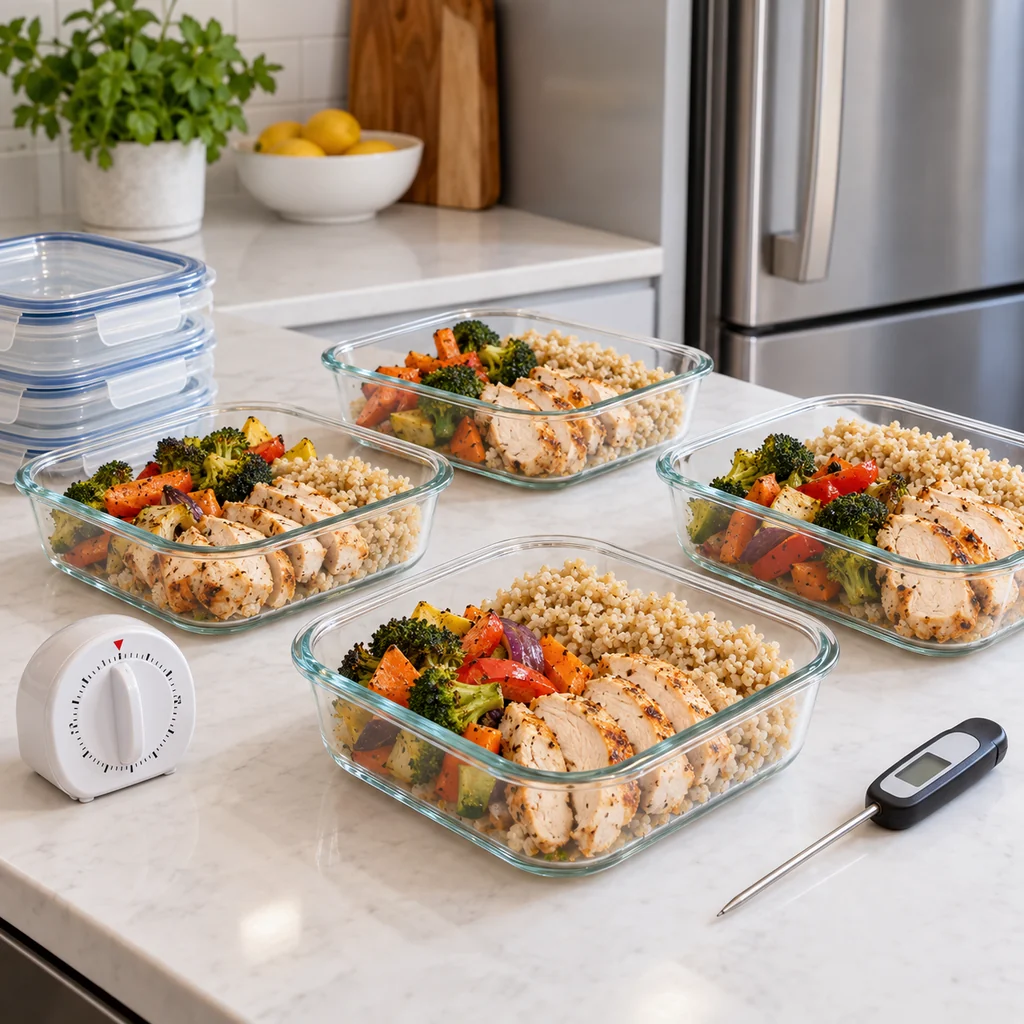
Divide cooked food among shallow containers instead of leaving a large batch in a deep pot. According to USDA food-safety guidance, refrigerate perishable food within two hours, or within one hour when the surrounding temperature is above 90°F (32°C). Do not wait for food to sit on the counter until it reaches room temperature.
Use clean, airtight containers and leave a little space around newly chilled portions so cold air can circulate. Most cooked leftovers should be used within three to four days; freeze portions intended for later in the week. Label containers with the food and preparation date, and move frozen portions to the refrigerator to thaw rather than leaving them on the counter.
Keep Meals Fresh and Reheat Well
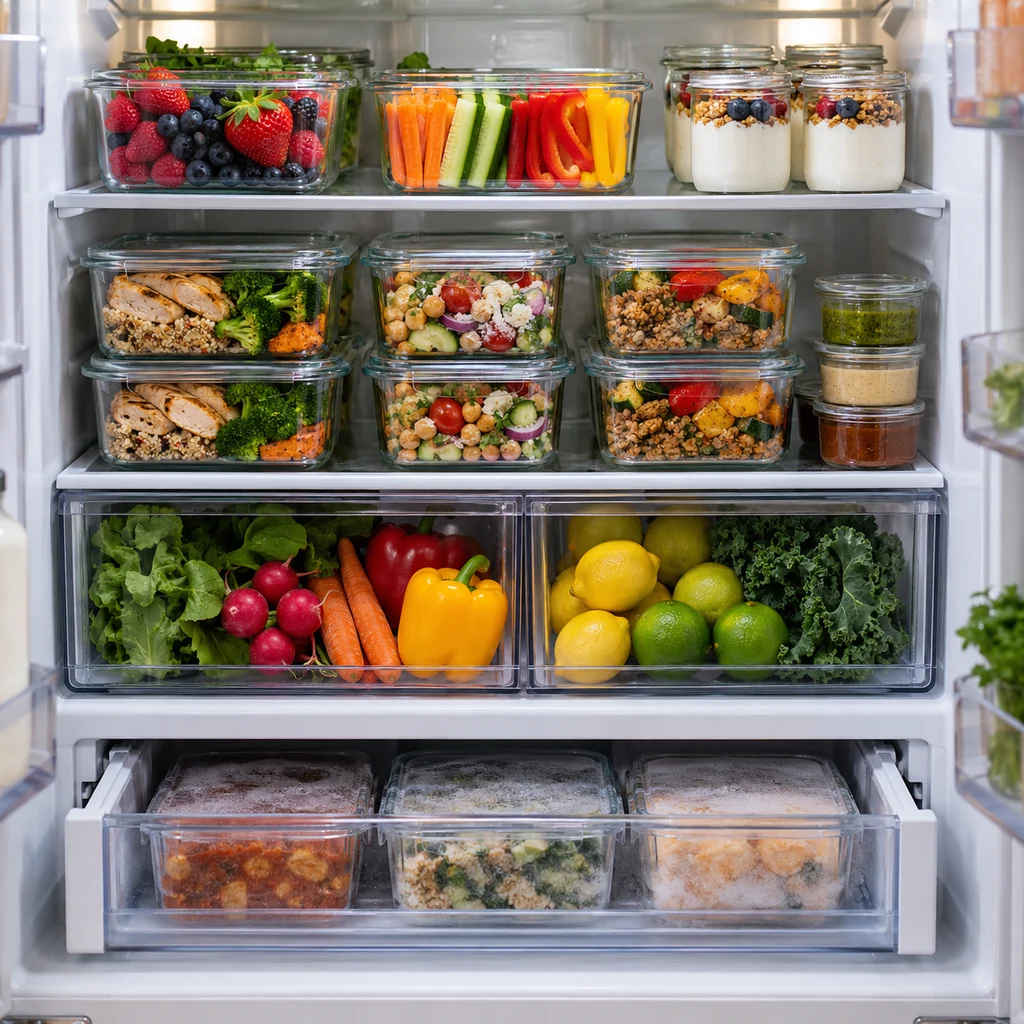
Put meals you will eat first at eye level and keep raw ingredients below ready-to-eat food. Store greens with a dry paper towel, keep dressings separate, and leave chopped nuts or crackers at room temperature in a sealed container. If a meal smells unusual, shows mold, or has been stored beyond the recommended window, discard it rather than tasting to decide.
Reheat only the portion you intend to eat. Add a spoonful of water to grains before microwaving, stir food midway for even heating, and restore contrast with a fresh squeeze of lemon or a spoonful of sauce. USDA guidance recommends reheating leftovers to 165°F (74°C), measured in the center with a food thermometer.
Frequently Asked Questions
How long should weekend meal prep take?
A simple three- or four-day plan often fits into about two focused hours. Limit the number of cooked components, use one sheet pan, and choose at least one no-cook item to keep the session manageable.
Can I meal prep without eating the same thing every day?
Yes. Prep neutral components and change the final format or sauce. The same roasted vegetables and grain can become a warm bowl, a leafy salad, or a wrap with different toppings.
Which foods are best kept separate?
Keep dressings, sauces, crunchy toppings, delicate greens, sliced avocado, and juicy cut fruit separate until serving. This protects texture and lets you reheat only the ingredients that should be warm.