
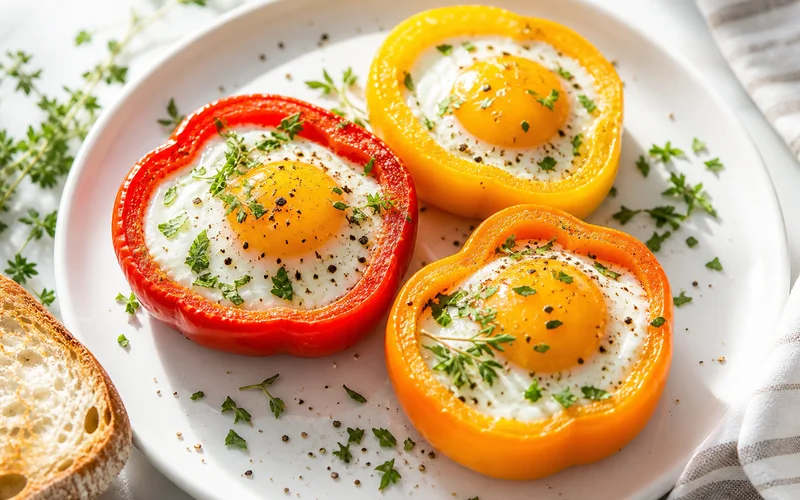
Breakfast should feel bright, satisfying, and simple enough for a weekday morning. This bell pepper egg-in-a-hole delivers all three: crisp pepper rings, runny yolks, and a plate that looks like it came from a brunch café. It is naturally low-carb, gluten-free, and ready in about fifteen minutes with ingredients you probably already have.
RECIPE CARD
Perfect Bell Pepper Egg-in-a-Hole: A Colorful and Delicious Breakfast Idea
Timing and serving details are shown only when they are available in the original recipe.
Ingredients
- 1 large bell pepper (red, orange, yellow, or green)
- 2 large eggs
- 1 tablespoon olive oil (or avocado oil)
- Salt and freshly ground black pepper, to taste
- Fresh herbs for garnish (parsley, chives, or basil), optional
- Pinch of smoked paprika or red pepper flakes, optional
- Shredded cheese (cheddar, feta, or pepper jack), optional
Quick Method
Condensed overview. Use Full Instructions for the complete method, timing and doneness details.
- Read through all seven steps before you start. A non-stick pan and medium heat are the keys to peppers that soften without burning and…
- Prepare the Bell Pepper: Wash the bell pepper and pat it dry. Slice it horizontally into rings about half an inch thick. You will typically get two to…
- Heat the Pan: Place a non-stick frying pan over medium heat and add olive oil. Let the oil heat for about one minute until it shimmers but…
- Cook the Bell Pepper: Lay the pepper rings flat in the pan. Cook for two to three minutes on the first side until the edges begin to soften…
- Add the Eggs: Reduce heat to medium-low. Crack one egg into a small bowl first, then pour it into the center of each pepper ring. Cracking into…
- Season: with salt and black pepper while the eggs finish setting. Add smoked paprika or red pepper flakes now if you want warmth. A light…
- Flip (Optional): For firmer yolks, slide a thin spatula under each pepper ring and flip carefully. Cook for about one minute on the second side. This…
- Serve: Transfer the bell pepper egg-in-a-hole to a warm plate. Garnish with fresh herbs, avocado slices, or a side of whole-grain toast if you want…
Egg-in-a-hole is a classic for good reason. Swapping bread for bell peppers adds color, vitamins, and a sweet pepper flavor that pairs beautifully with eggs. Red, orange, and yellow peppers caramelize slightly in the pan, while green peppers bring a sharper bite if that is what you prefer.
If you love savory morning dishes, this recipe sits nicely alongside other protein-forward breakfasts on the site. Try a spinach and mushroom crustless quiche when you want something you can bake ahead, or a savory mushroom and spinach quiche for a crowd. For a heartier skillet option, this best turkey burgers recipe works well when you want lunch-for-breakfast energy.
Why Bell Pepper Egg-in-a-Hole Works
Traditional egg-in-a-hole uses bread, which soaks up oil and can turn soggy if the pan is too hot. Bell pepper rings hold their shape, add fiber and vitamin C, and create a natural cup for the egg. The result is a breakfast that feels indulgent but stays light.
This method also scales easily. Cook one ring for a solo breakfast or fill the pan with three colors for a shared platter. Kids enjoy choosing their pepper color, and the built-in portion control makes it a smart choice when you are watching carbs without counting every gram.
Ingredients
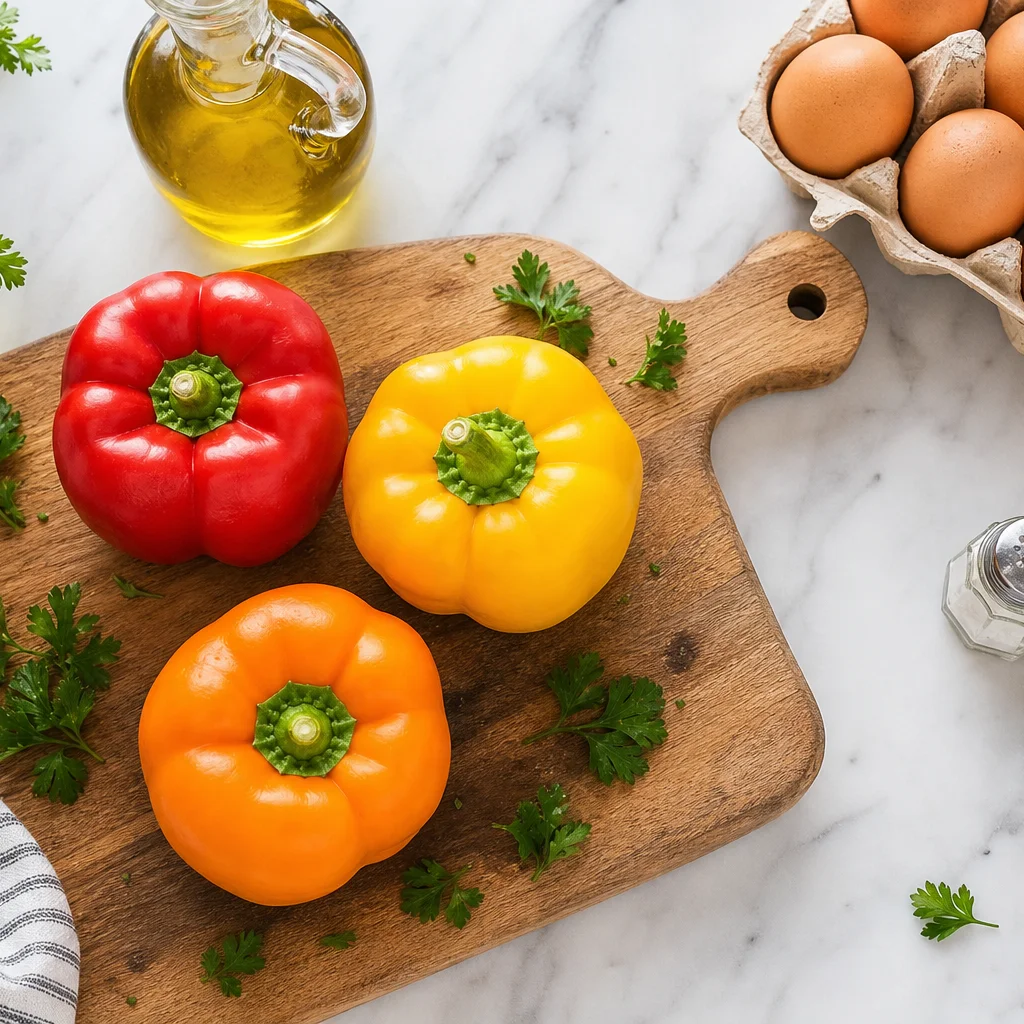
- 1 large bell pepper (red, orange, yellow, or green)
- 2 large eggs
- 1 tablespoon olive oil (or avocado oil)
- Salt and freshly ground black pepper, to taste
- Fresh herbs for garnish (parsley, chives, or basil), optional
- Pinch of smoked paprika or red pepper flakes, optional
- Shredded cheese (cheddar, feta, or pepper jack), optional
Choose peppers with flat sides so the rings sit level in the pan. Wide rings—about half an inch thick—give the egg enough room to spread without overflowing. Farm-fresh eggs have sturdy yolks that hold their shape when cracked into the pepper center.
Instructions
Read through all seven steps before you start. A non-stick pan and medium heat are the keys to peppers that soften without burning and yolks that stay runny if you prefer them that way.
Step 1: Prepare the Bell Pepper
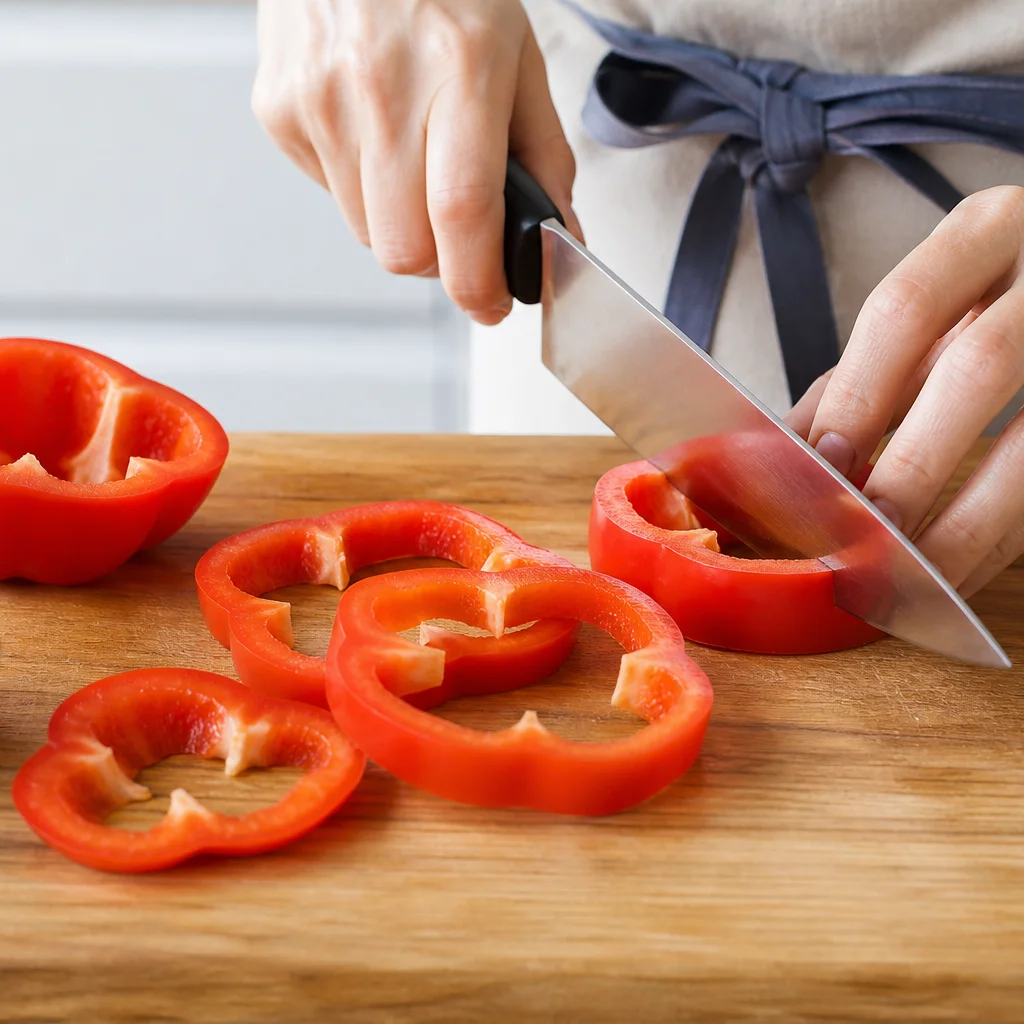
Wash the bell pepper and pat it dry. Slice it horizontally into rings about half an inch thick. You will typically get two to three rings from one large pepper. Remove all seeds and white membrane from each ring so the egg has a clean cavity. Blot the rings with a paper towel—excess moisture makes the pan steam instead of sear.
Step 2: Heat the Pan
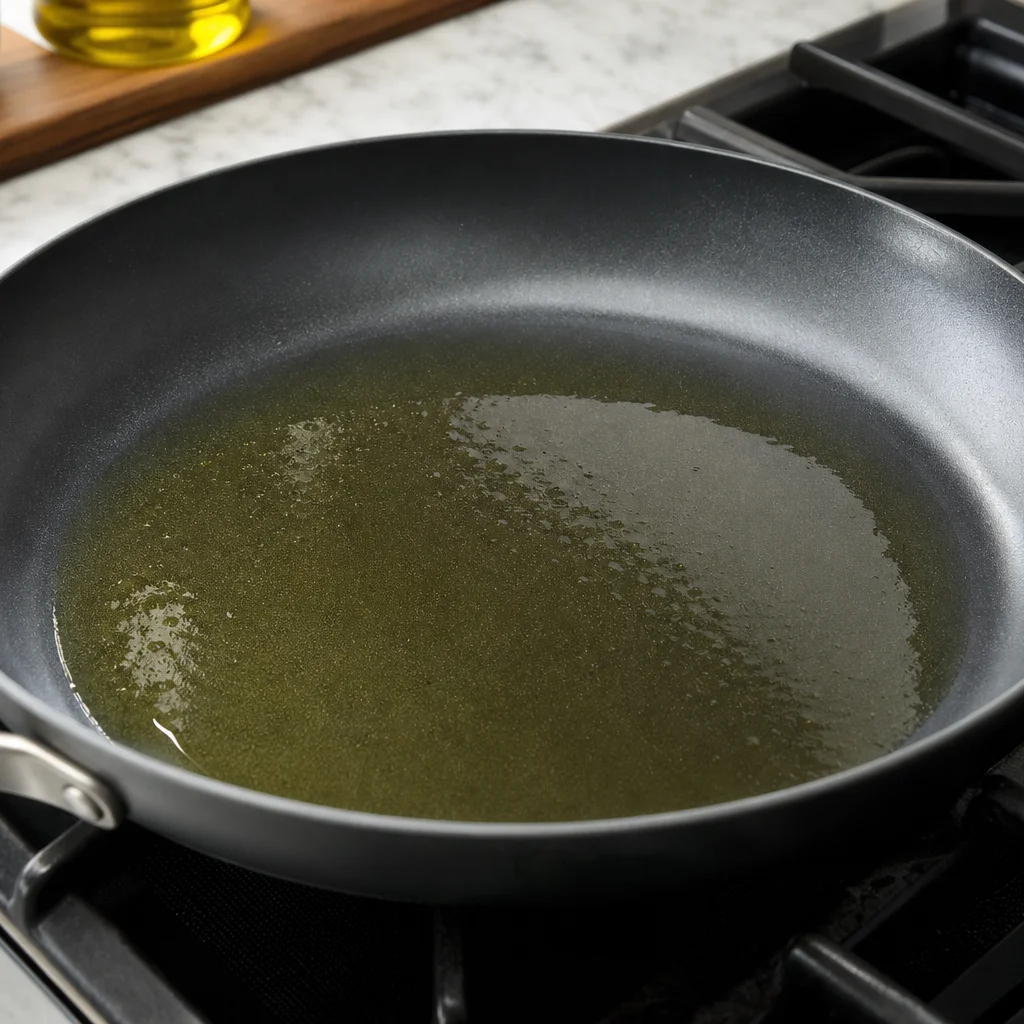
Place a non-stick frying pan over medium heat and add olive oil. Let the oil heat for about one minute until it shimmers but does not smoke. Medium heat gives you control: the peppers soften gently while the egg whites set without browning too fast on the bottom.
Step 3: Cook the Bell Pepper
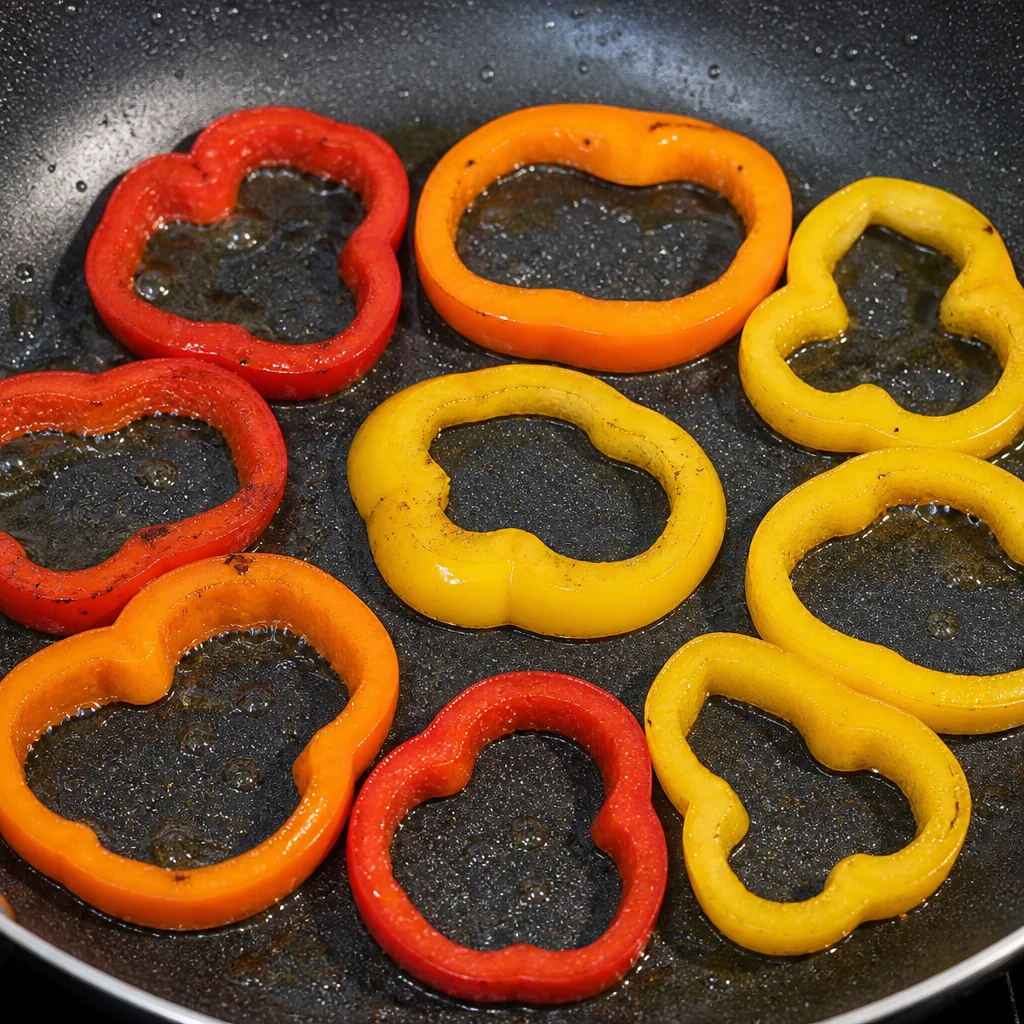
Lay the pepper rings flat in the pan. Cook for two to three minutes on the first side until the edges begin to soften and take on light color. If a ring wobbles, press it gently with a spatula for a few seconds so it makes full contact with the pan. Repeat on the second side for one to two minutes if you want extra tenderness.
Step 4: Add the Eggs
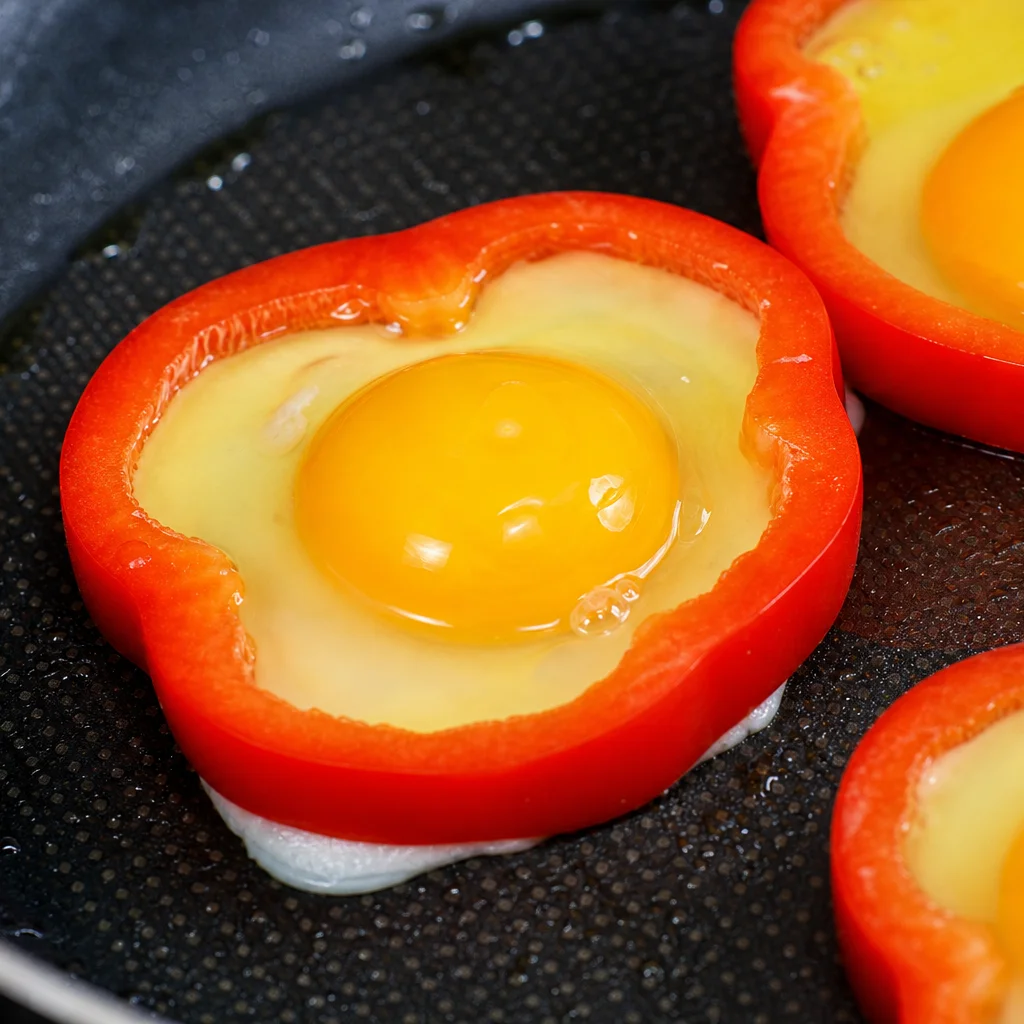
Reduce heat to medium-low. Crack one egg into a small bowl first, then pour it into the center of each pepper ring. Cracking into a bowl prevents shell fragments and lets you slide the egg cleanly into the cavity. Cook without moving until the whites turn opaque at the edges, about three to four minutes for runny yolks.
Step 5: Season
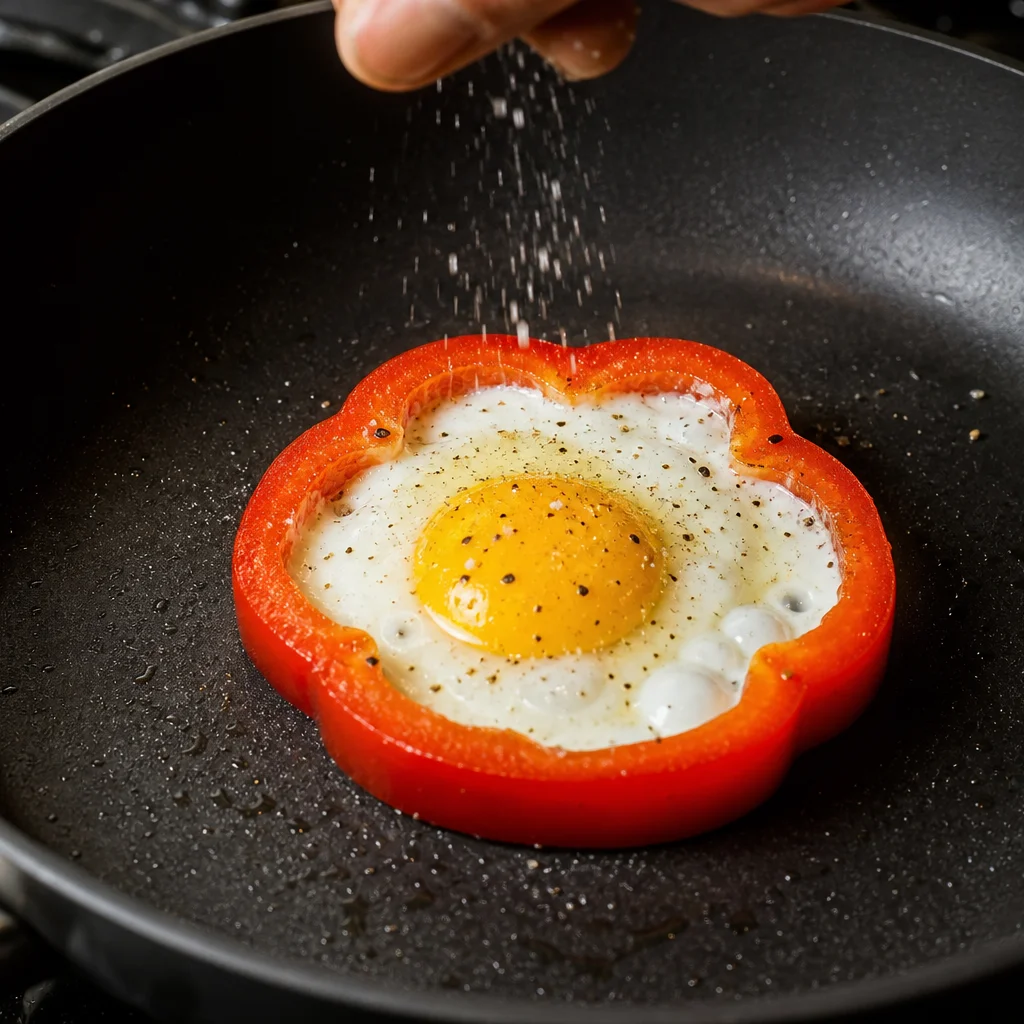
Season with salt and black pepper while the eggs finish setting. Add smoked paprika or red pepper flakes now if you want warmth. A light sprinkle of cheese can go on during the last minute of cooking—cover the pan briefly so it melts evenly without overcooking the yolk.
Step 6: Flip (Optional)
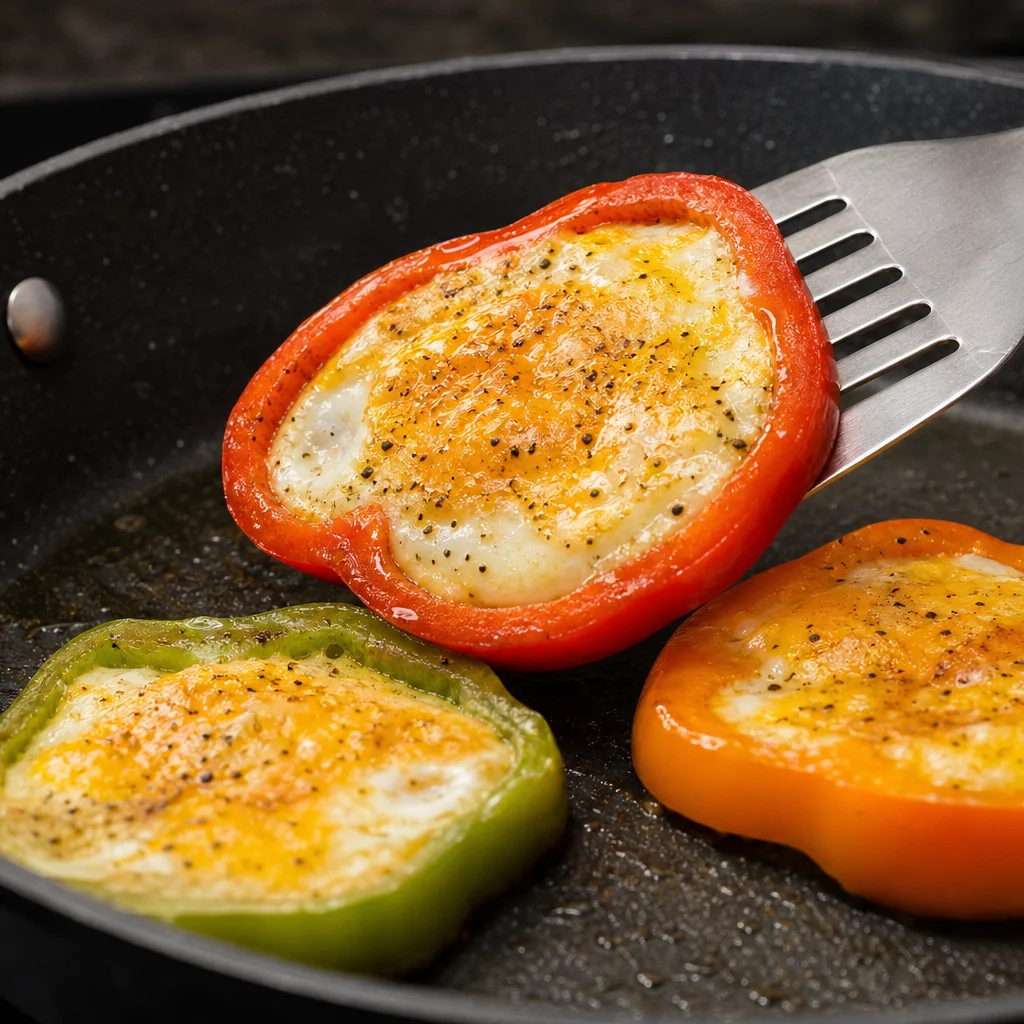
For firmer yolks, slide a thin spatula under each pepper ring and flip carefully. Cook for about one minute on the second side. This step is optional; many people prefer sunny-side-up yolks that break over the plate. If you flip, work gently so the yolk does not burst unless you want it fully cooked through.
Step 7: Serve
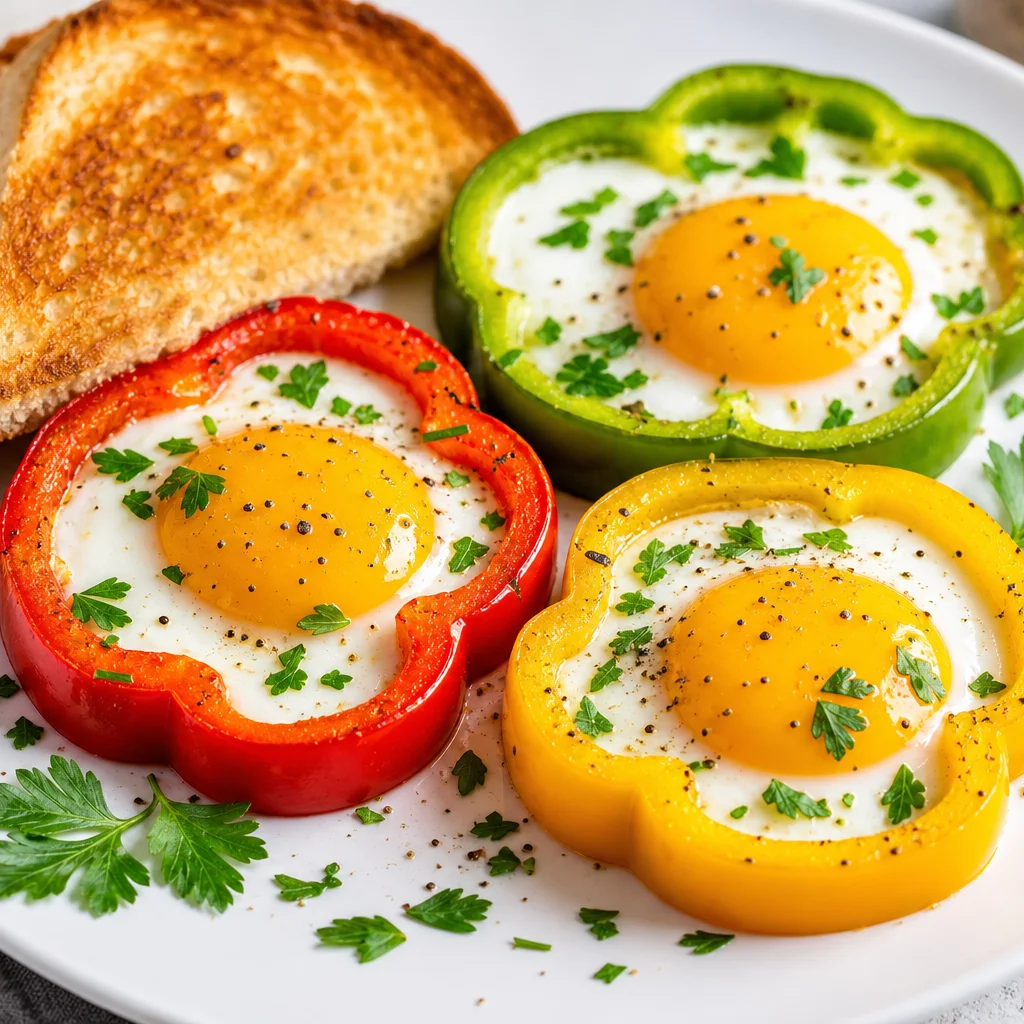
Transfer the bell pepper egg-in-a-hole to a warm plate. Garnish with fresh herbs, avocado slices, or a side of whole-grain toast if you want extra fiber. Serve immediately while the yolk is still glossy and the pepper retains a little snap.
Tips for Success
- Choose your peppers: Red, yellow, and orange peppers taste sweeter; green peppers are more assertive and pair well with hot sauce.
- Control the yolk: Medium-low heat and a lid for thirty seconds set whites faster while keeping yolks runny.
- Extra flavor: Try everything bagel seasoning, crumbled feta, or a drizzle of hot honey after plating.
- Batch cooking: Use a large griddle to cook multiple rings at once for family breakfast.
- Meal prep note: Slice peppers the night before and store in an airtight container; cook fresh in the morning for best texture.
Health Benefits
Bell peppers deliver vitamins A and C, antioxidants, and fiber with very few calories. Eggs provide high-quality protein, choline, and healthy fats that keep you full through the morning. Together, this dish supports steady energy without a mid-morning crash from refined carbs.
One serving (two pepper rings with eggs) typically lands around twelve to fifteen grams of protein depending on pepper size and egg weight. It fits keto, paleo, Whole30, and gluten-free eating patterns without modification. Add fruit or toast on the side if you want more complex carbohydrates.
Breakfast Success Checklist
- Pick firm peppers with flat sides for stable rings
- Remove all seeds and membrane before cooking
- Pat pepper rings dry to prevent steaming
- Preheat pan until oil shimmers, not smokes
- Crack eggs into a bowl before adding to peppers
- Use medium-low heat after adding eggs
- Season while whites are still setting
- Cover briefly if you need faster white set
- Flip only if you want fully cooked yolks
- Serve immediately for the best texture and color
Frequently Asked Questions
Can I use mini bell peppers instead of one large pepper?
Yes. Halve mini peppers lengthwise, remove seeds, and crack a small egg or just the yolk plus some white into each half. Reduce cooking time by a minute or two because the cavity is smaller. They make excellent bite-size appetizers for brunch boards.
What if my egg overflows the pepper ring?
Choose the widest rings from the middle of the pepper and crack gently. Extra white that spills into the pan still cooks and can be trimmed or left for a rustic look. Very large eggs may need a thicker ring—about three-quarters of an inch—to contain everything.
Are bell pepper eggs good for meal prep?
They are best fresh, but you can prep pepper rings ahead and store them refrigerated for up to two days. Cook eggs in the morning for optimal yolk texture. Reheated egg yolks tend to firm up and lose their glossy appeal.
Which oil works best for this recipe?
Olive oil and avocado oil both handle medium heat well and complement the flavor. Butter adds richness but burns faster—use it with a splash of oil or keep heat on the lower side. Avoid unrefined oils with very low smoke points.
Can I make this dairy-free or add cheese?
The base recipe is naturally dairy-free. Add shredded cheddar, mozzarella, or feta during the last minute of cooking if you like melted cheese. Nutritional yeast sprinkled at the end gives a savory note without dairy.
How do I know when the egg is done?
Whites should be fully opaque and set while the yolk jiggles slightly when you shake the pan gently. Cover the pan for thirty seconds if whites near the yolk look underdone. For hard yolks, flip and cook one minute longer after whites set.
Make It Tomorrow Morning
This bell pepper egg-in-a-hole turns a simple skillet into something worth photographing. Keep peppers and eggs on hand and you always have a colorful, protein-rich breakfast minutes away. Once you nail your preferred yolk doneness, it becomes one of those recipes you cook on autopilot—and still impress guests every time.