
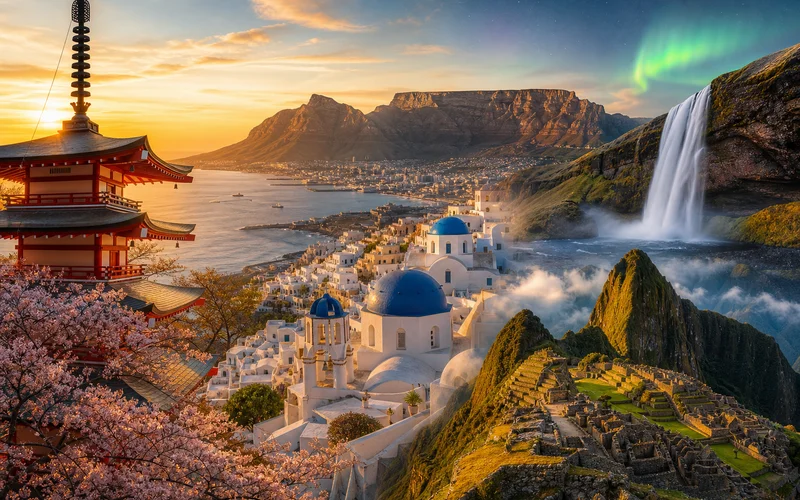
Some places stay with you long after you fly home. They change how you see food, history, landscapes, and even the pace of a morning walk. Whether you are planning your first big international trip or refreshing a well-worn bucket list, choosing the right destination matters. The best travel spots combine memorable sights, local culture, and experiences you cannot replicate anywhere else.
This guide highlights five top travel destinations that consistently earn a spot on traveler wish lists. From temple-lined streets in Japan to volcanic islands in Greece, each place offers something distinct. You will find practical planning tips, what to prioritize on a first visit, and a simple checklist to help you book with confidence. If you are also weighing shorter trips, pair this list with our guides to weekend trips in Europe, remote off-grid getaways, and hidden beaches around the world for more inspiration.
How We Chose These Must-Visit Places
Every destination on this list delivers a clear reason to visit: iconic landmarks, strong local identity, and activities that suit different travel styles. We focused on places that reward both first-time visitors and repeat travelers, with reliable infrastructure, distinct seasons, and enough variety for a meaningful trip even if you only have a week. These are not fleeting trends. They are enduring favorites that continue to feel special because the experience itself—not a single photo spot—does the heavy lifting.
We also considered accessibility for US travelers, seasonal highlights, and how well each destination pairs with nearby regions. Kyoto works beautifully with a broader Japan itinerary. Santorini fits neatly into a longer Greek island hop. Cape Town opens the door to safari extensions and wine-country detours. Machu Picchu rewards careful altitude planning. Reykjavik is ideal as a compact base for Iceland’s natural wonders. That mix gives you five different travel moods without five completely unrelated logistics puzzles.
1. Kyoto, Japan
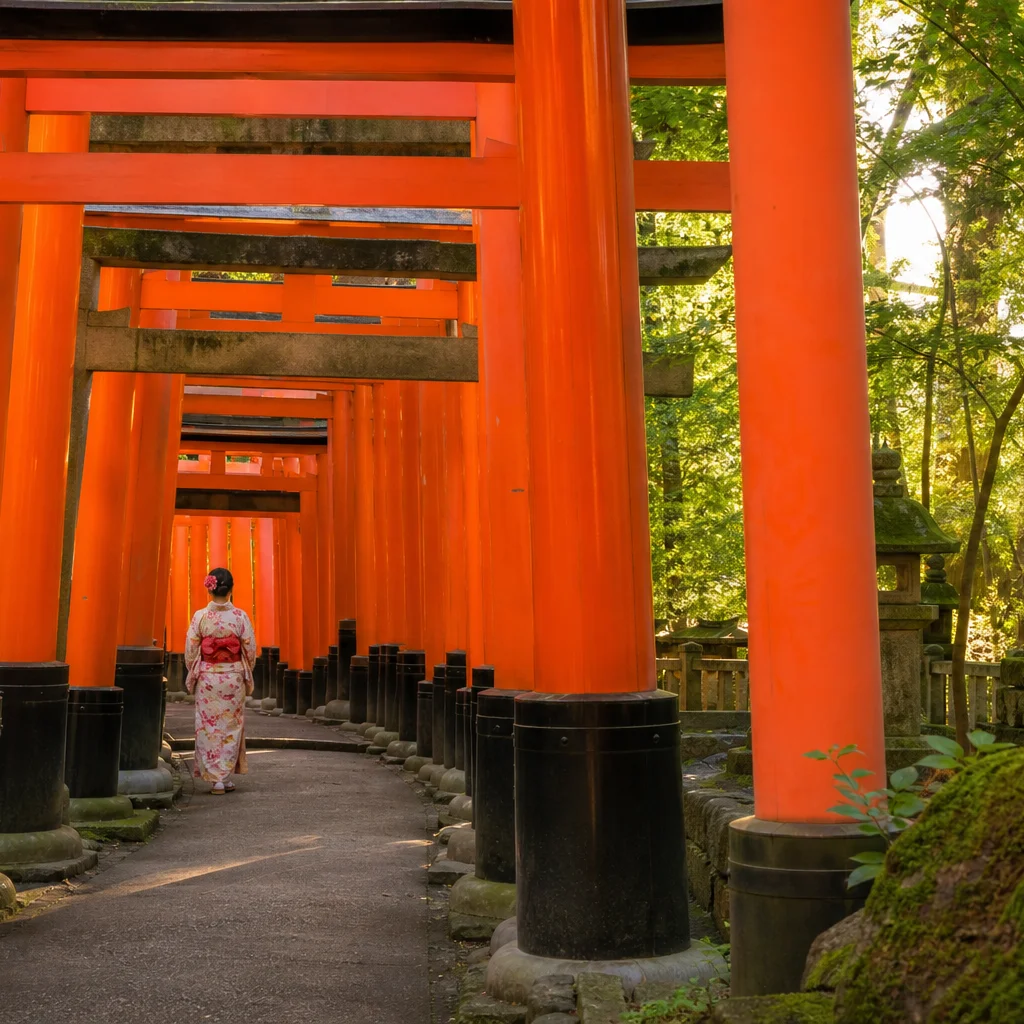
Kyoto is where Japan’s ancient heart still beats in everyday life. Once the imperial capital, the city preserves more than a thousand temples, traditional wooden townhouses, and gardens designed for quiet reflection. Unlike the neon pace of Tokyo, Kyoto invites you to slow down: sip matcha in a teahouse, stroll a philosopher’s path lined with cherry trees, and watch geiko culture continue in the Gion district.
Start with Fushimi Inari Shrine, famous for its tunnel of vermillion torii gates that climb the hillside. Early morning visits help you beat crowds and capture softer light. Arashiyama Bamboo Grove feels otherworldly when mist hangs between the stalks, while Kinkaku-ji, the Golden Pavilion, reflects perfectly on still pond water on clear days. Food lovers should seek kaiseki dining, delicate wagashi sweets, and Nishiki Market stalls packed with pickles, seafood, and seasonal produce.
Best time to visit: Late March to early April for cherry blossoms, or November for fiery maple foliage.
Ideal trip length: Three to four full days in Kyoto, plus extra time if you add nearby Nara or Osaka.
Do not miss: A temple stay experience, a tea ceremony, and at least one walk through a historic neighborhood after dark when lanterns glow.
2. Santorini, Greece
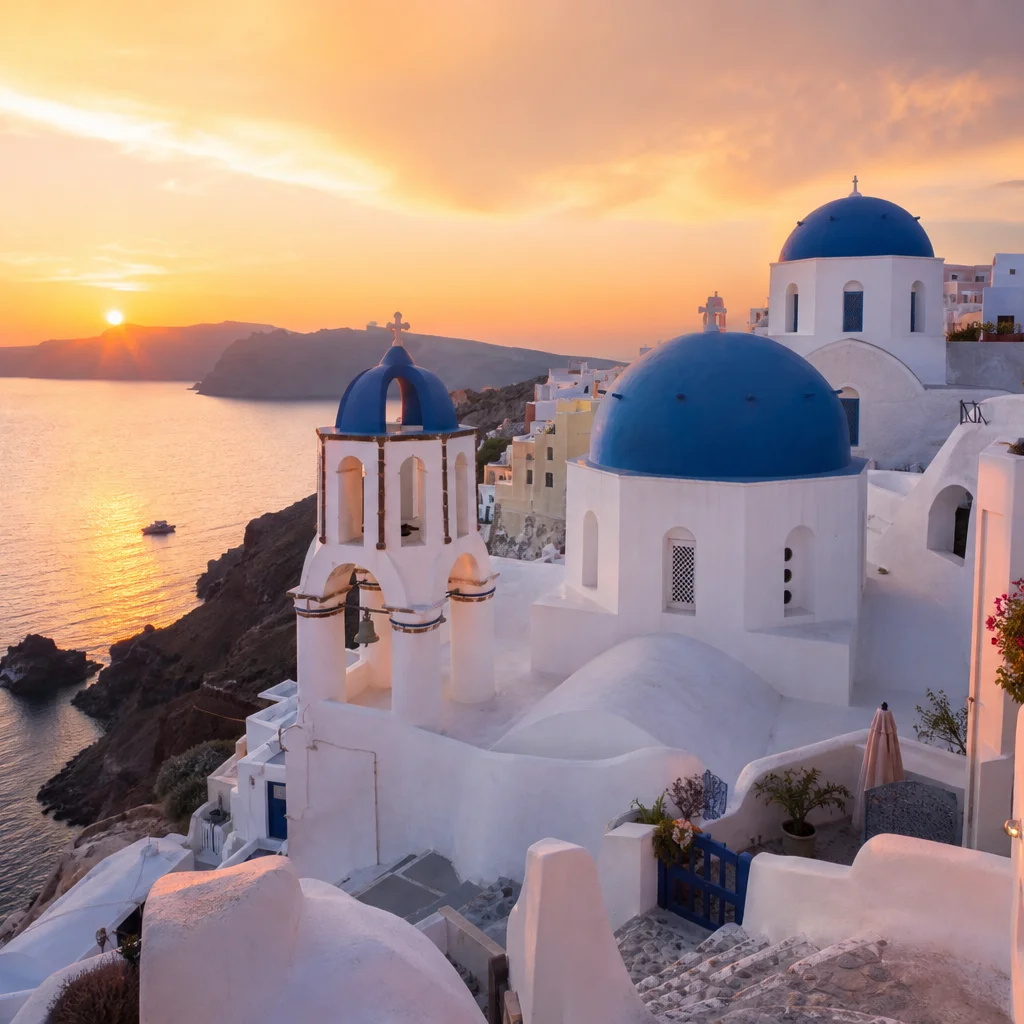
Santorini is the postcard image many travelers carry in their minds: whitewashed cliffside villages, blue-domed churches, and sunsets that turn the caldera gold. Formed by a volcanic eruption centuries ago, the island’s dramatic geography makes every viewpoint feel cinematic. Oia draws sunset crowds for good reason, but quieter moments in Imerovigli or a morning coffee in Fira can feel just as memorable with fewer people around.
Beyond the views, Santorini delivers excellent wine from assyrtiko grapes grown in volcanic soil, fresh seafood grilled simply with lemon and olive oil, and boat tours that reveal hot springs and black-sand beaches. History buffs can explore Akrotiri, a remarkably preserved Bronze Age settlement buried by ash long before Pompeii. Swim at Red Beach for striking rust-colored cliffs, or sail around the caldera for a different perspective on the cliffs you admired from land.
Best time to visit: Late April through June or September and October for warm weather with lighter crowds.
Ideal trip length: Three to five nights as part of a longer Greece itinerary.
Do not miss: A caldera-side dinner, a winery tasting, and at least one sunrise walk before day-trippers arrive.
3. Cape Town, South Africa

Cape Town sits between ocean and mountain in a way that feels almost unfair to other cities. Table Mountain dominates the skyline and rewards hikers and cable-car riders with sweeping views over the city bowl, coastline, and Robben Island in the distance. The city also carries deep historical weight. A visit to Robben Island, where Nelson Mandela was imprisoned, adds necessary context to South Africa’s modern story.
Neighborhoods like Bo-Kaap pop with color and Cape Malay heritage, while the V&A Waterfront mixes harbor views with restaurants and design shops. Food and wine are major draws here. Cape Town’s dining scene ranks among the most creative on the continent, and the nearby Winelands—Stellenbosch and Franschhoek—make easy day trips. For beach time, Camps Bay offers palm-lined sand beneath the Twelve Apostles peaks, and Boulders Beach near Simon’s Town lets you observe African penguin colonies up close.
Best time to visit: November through March for warm summer weather in the Southern Hemisphere.
Ideal trip length: Four to six days in Cape Town, longer if you add safari or garden-route travel.
Do not miss: Table Mountain on a clear day, a Winelands lunch, and a coastal drive along Chapman’s Peak if conditions allow.
4. Machu Picchu, Peru
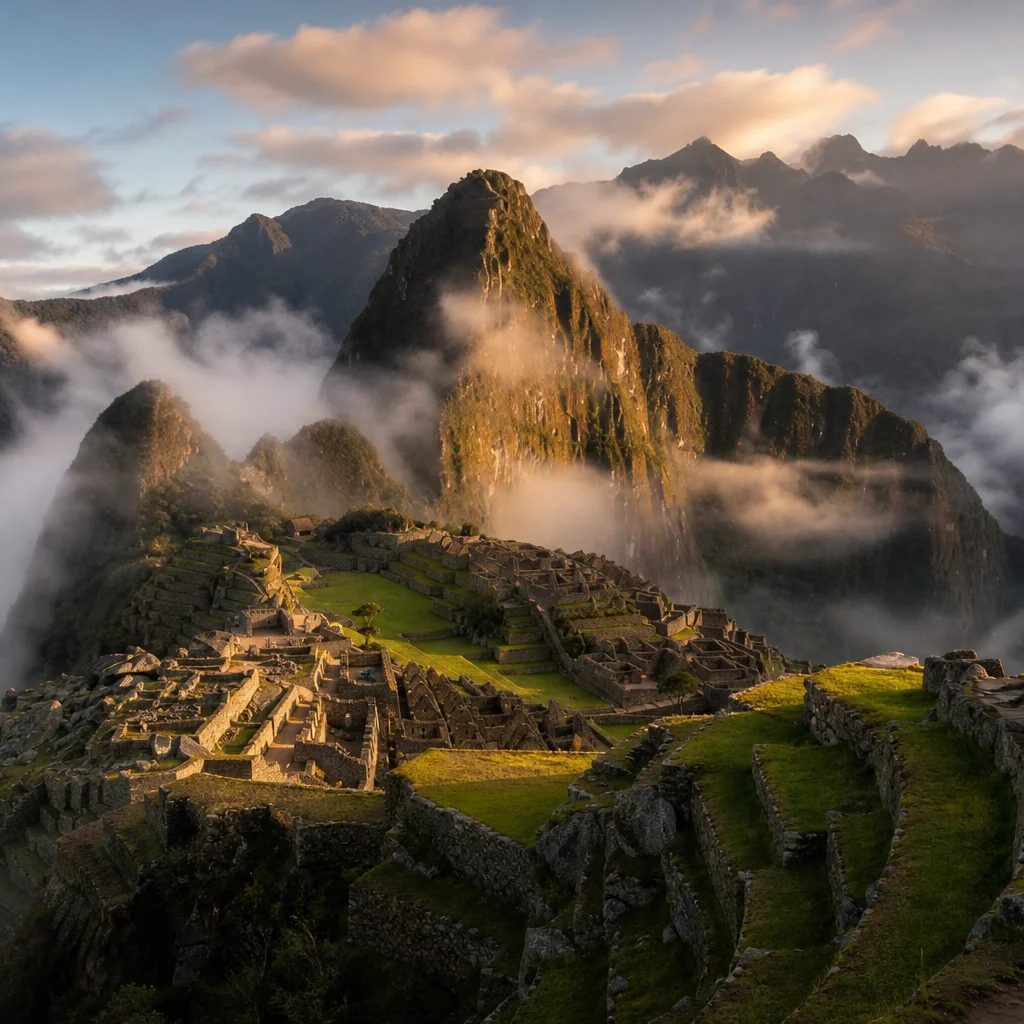
Machu Picchu is one of the world’s most awe-inspiring archaeological sites. The Inca citadel clings to a ridge above the Urubamba River, surrounded by cloud forest and steep Andean peaks. Even if you have seen countless photos, standing above the terraces as mist clears feels humbling. The site reflects extraordinary engineering: precision stonework, agricultural terraces, and urban planning adapted to extreme terrain.
Most travelers base themselves in Cusco, a colonial city with Inca foundations, before riding the scenic train to Aguas Calientes and ascending to the ruins. Adventure seekers can trek the classic Inca Trail, but shorter routes and alternative hikes also deliver stunning approaches with less commitment. Allow time to acclimatize to altitude before strenuous activity. Pair the ruins with Sacred Valley markets, salt pans at Maras, and Andean cuisine featuring quinoa, corn, and slow-cooked stews.
Best time to visit: Dry season from May through September offers clearer skies, though mornings can still be misty.
Ideal trip length: At least seven to nine days in Peru to acclimatize and explore beyond the ruins.
Do not miss: A guided visit for historical context, Huayna Picchu or Machu Picchu Mountain viewpoints if permits are available, and a full day in Cusco.
5. Reykjavik, Iceland
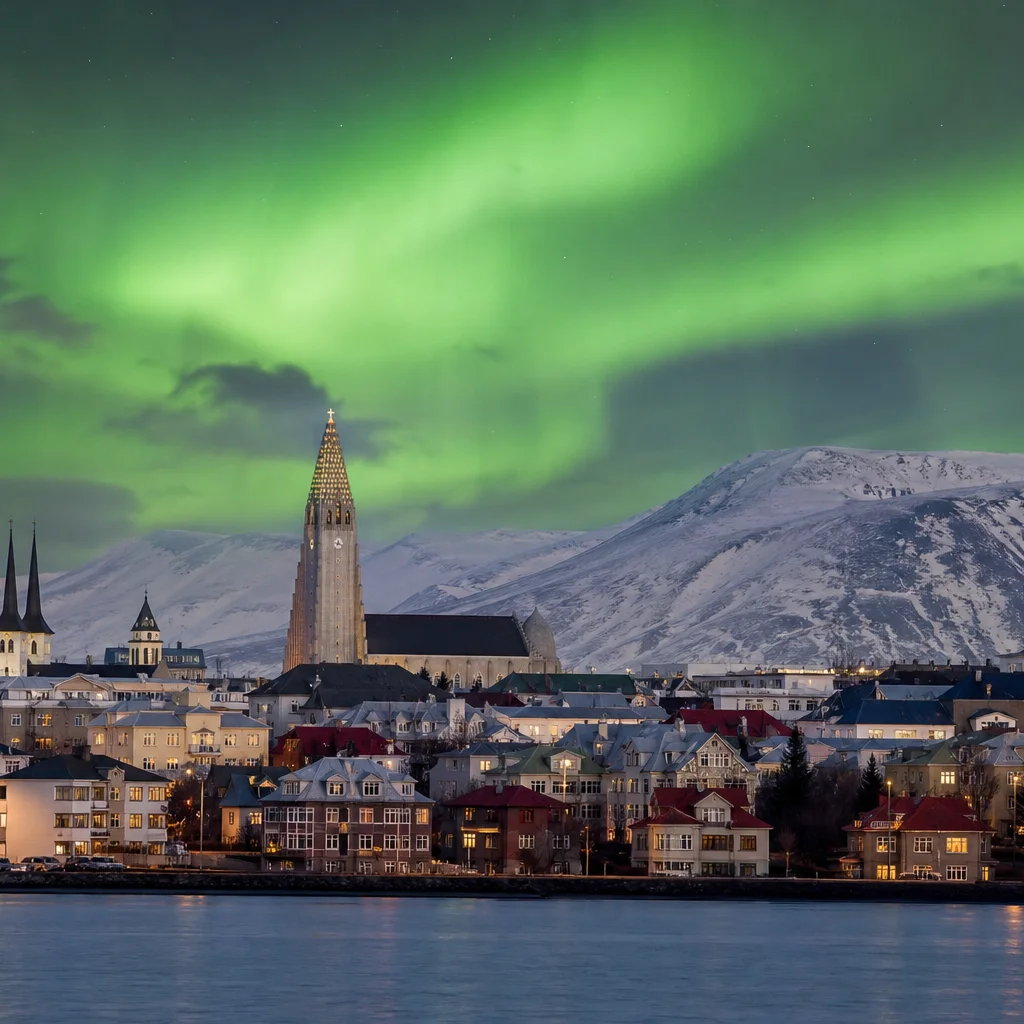
Reykjavik may be small for a capital city, but it punches far above its size as a gateway to Iceland’s raw natural drama. Colorful corrugated houses, a walkable harbor, and Hallgrimskirkja’s striking church tower give the city charm, while geothermal culture shows up everywhere—from public pools heated by underground energy to the Blue Lagoon’s milky blue waters just outside town.
Most visitors use Reykjavik as a base for day trips along the Golden Circle, which includes Thingvellir National Park, Geysir’s erupting hot springs, and the thundering Gullfoss waterfall. In winter, northern lights hunts become a nightly ritual when skies stay clear. Summer brings midnight sun and easier access to highland roads. Whale watching, glacier hikes, and black-sand beaches on the south coast are all within reach depending on season and rental car comfort.
Best time to visit: September through March for aurora potential; June through August for road trips and hiking.
Ideal trip length: Five to seven days to combine city time with south-coast or Golden Circle highlights.
Do not miss: A geothermal pool visit like a local, a guided glacier or lava-field excursion, and at least one slow evening along the old harbor.
Travel Planning Checklist
Use this checklist before you book flights or hotels. It keeps logistics simple and helps you avoid common first-trip mistakes.
- Define your travel window: Match seasons to each destination’s strengths, from cherry blossoms in Kyoto to dry-season skies at Machu Picchu.
- Check passport and entry rules: Confirm validity requirements, visas, and any transit rules for connecting flights.
- Build a flexible itinerary: Prioritize two must-see experiences per destination rather than overloading every hour.
- Compare flight routes early: US hubs often connect through different cities depending on season and price swings.
- Book key reservations: Secure Machu Picchu entry, popular Santorini hotels, and Blue Lagoon time slots when needed.
- Plan local transport: Decide between trains, rental cars, guided tours, or rideshares based on road conditions and comfort.
- Pack for real weather: Layer for Iceland, sun protection for Cape Town, and sturdy shoes for temple walks and ruin paths.
- Save offline maps and confirmations: Download translations, tickets, and directions before you lose signal abroad.
- Share your itinerary: Leave a copy with someone at home, including hotels and emergency contacts.
- Build in recovery time: Long-haul flights and altitude changes go smoother with a lighter first day on the ground.
How to Choose the Right Destination for You
If you want deep cultural immersion and refined cuisine, Kyoto belongs at the top of your list. For romantic scenery and relaxed island pacing, Santorini is hard to beat. Travelers who love cities wrapped in nature should prioritize Cape Town. History and adventure converge at Machu Picchu. Reykjavik suits anyone craving landscapes that feel almost unreal, especially if you have never stood beneath active auroras or walked behind a waterfall.
You can also combine destinations by region over multiple trips rather than rushing them into one marathon vacation. Greece and Italy pair naturally for Mediterranean travel. Peru fits well with broader South American routes. Iceland works as a standalone nature-focused escape. There is no single correct order—only the trip that matches your budget, available time, and travel style.
Frequently Asked Questions
What are the top travel destinations for first-time international travelers?
Kyoto, Santorini, and Reykjavik are strong first-time choices because tourism infrastructure is well developed, English is commonly used in travel settings, and highlights are easy to reach. Cape Town and Machu Picchu are equally rewarding but benefit from more advance planning around safety awareness and altitude acclimatization.
How many days do you need at each destination?
Plan at least three to four days in Kyoto, three to five nights in Santorini, four to six days in Cape Town, seven or more days in Peru if Machu Picchu is included, and five to seven days in Iceland to combine Reykjavik with nearby natural sights without rushing.
Which destination is best for a romantic trip?
Santorini is the classic romantic pick thanks to caldera views, boutique hotels, and sunset dinners. Kyoto offers intimate tea houses and serene gardens, while Cape Town combines ocean sunsets with wine-country day trips.
Are these destinations budget-friendly?
Costs vary widely. Peru and parts of South Africa can offer strong value outside peak season. Iceland and Santorini tend to run expensive during peak summer months. Kyoto sits in the mid-range, with affordable street food balanced by higher-end ryokan stays.
What is the best time of year to visit these places?
Spring and fall generally deliver the best balance of weather and crowds for Kyoto, Santorini, and Cape Town. Machu Picchu is clearest during the May-to-September dry season. Iceland splits between summer road-trip weather and winter aurora viewing.
Do I need a tour guide at these destinations?
Independent travel is possible at all five, but guided days add value at Machu Picchu for historical context, in Iceland for glacier safety, and in Cape Town when you want deeper insight into local neighborhoods and history. Kyoto temples and Santorini viewpoints are easy to explore on your own with basic research.
Final Thoughts
The best travel destinations are the ones that align with what you want to feel on the road—whether that is wonder, rest, adventure, or connection. Kyoto, Santorini, Cape Town, Machu Picchu, and Reykjavik each deliver a distinct version of that feeling. Choose one, plan with intention, and give yourself enough time to look up from your camera. The memories that last rarely come from rushing every landmark in a single day. They come from the meal you did not expect, the view you stumbled into, and the place that makes you start planning a return before you even board the flight home.