
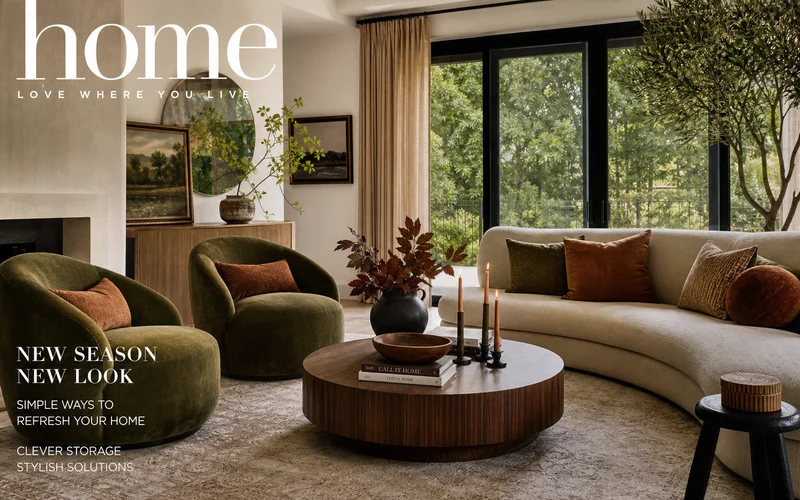
Refreshing your home does not require a full renovation. The most impactful updates often come from a few deliberate choices—color direction, furniture silhouette, lighting, and texture—that work together to make a room feel current, comfortable, and distinctly yours. Whether you are styling a rental apartment, updating a primary bedroom, or giving your living room a polished reset, these ten must-have home decor trends offer practical inspiration you can adopt at your own pace.
Each trend below stands on its own, but the real magic happens when you combine two or three in a single space. Earthy tones pair beautifully with curved furniture. Layered textures soften bold accent walls. Indoor plants bring life to vintage finds and sustainable materials alike. Read through the full list, note what resonates with your lifestyle, and use the checklist at the end to plan your next refresh without overspending or overthinking.
If you prefer a cozy, collected aesthetic, explore our rustic home decor ideas for a cozy space for complementary styling tips. For a calmer foundation before adding pattern and color, our neutral living room decor guide shows how to build a versatile base. Coastal personality lovers should bookmark sea witch decor with coastal vibes for moody seaside-inspired accents that pair well with natural materials and greenery.
1. Earthy Tones and Natural Materials
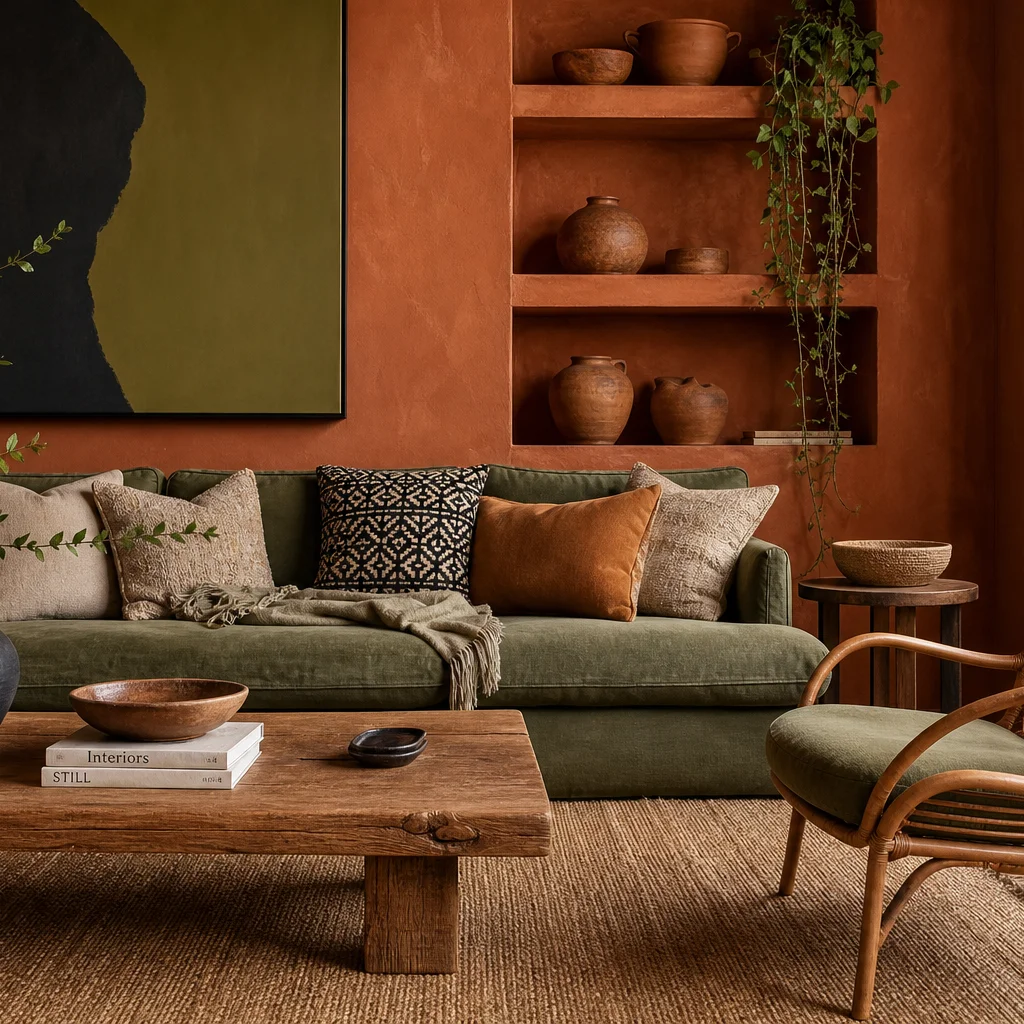
Warm, grounded palettes continue to dominate interiors because they feel welcoming the moment you walk in. Terracotta, olive green, camel, and rich brown create a sense of calm that bright white rooms sometimes lack. Pair these hues with honest materials—solid wood, rattan, clay, linen, and stone—to build spaces that look lived-in rather than staged.
Start small if a full color shift feels intimidating. Swap throw pillows, introduce a clay vase, or add a woven basket beside the sofa. A natural fiber rug anchors the palette and makes adjacent furniture feel intentional. Avoid matching every wood tone exactly; slight variation reads more authentic and less catalog-perfect.
Quick win: Paint one accent piece of furniture in a muted terracotta or sage, then pull the room together with a textured throw in the same family.
2. Curved Furniture
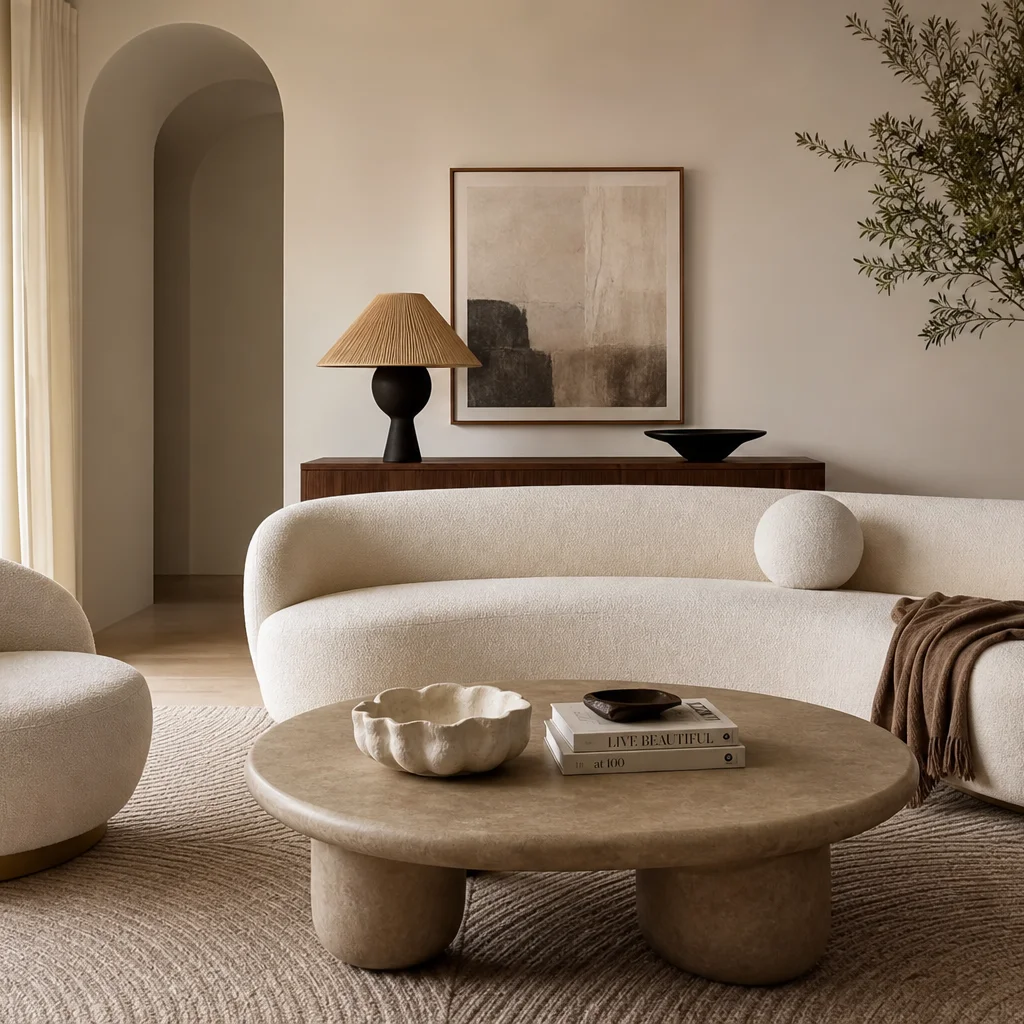
Soft, rounded silhouettes replace rigid lines in living rooms, bedrooms, and dining nooks. Curved sofas, arched mirrors, and round coffee tables create flow and make tight layouts feel less boxy. The trend works in modern, transitional, and even rustic spaces because curves naturally soften hard architectural edges.
When shopping, prioritize comfort alongside shape. A beautiful curved chair that nobody sits in misses the point. Balance one statement curved piece—often the sofa or a pair of accent chairs—with straighter storage or shelving so the room does not feel overly soft or formless.
Placement tip: Float a curved sofa away from the wall slightly to highlight its shape and improve conversation grouping.
3. Maximalist Patterns
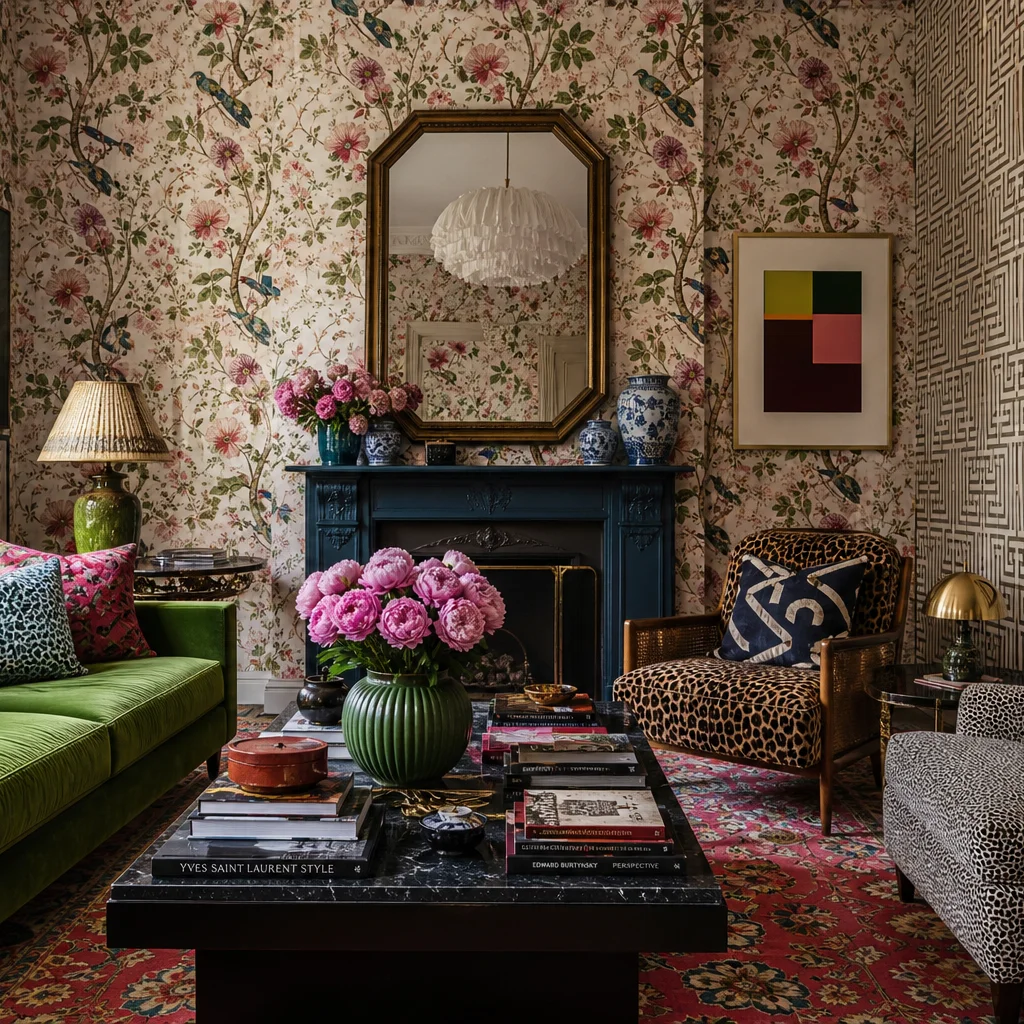
Maximalism is back, but the updated version favors balance over chaos. Mix bold patterns on wallpaper, rugs, and cushions while keeping your larger furniture pieces relatively neutral. Floral prints, geometric motifs, and subtle animal patterns can coexist when you repeat one or two colors across the room.
If pattern-on-pattern intimidates you, limit bold prints to one surface—typically the rug or a single accent wall—and keep everything else solid or textured. Layer pattern through removable items like pillow covers and throws before committing to permanent wallpaper.
Color bridge: Pull two colors from your boldest pattern and repeat them in smaller accessories to unify the look.
4. Indoor Plants
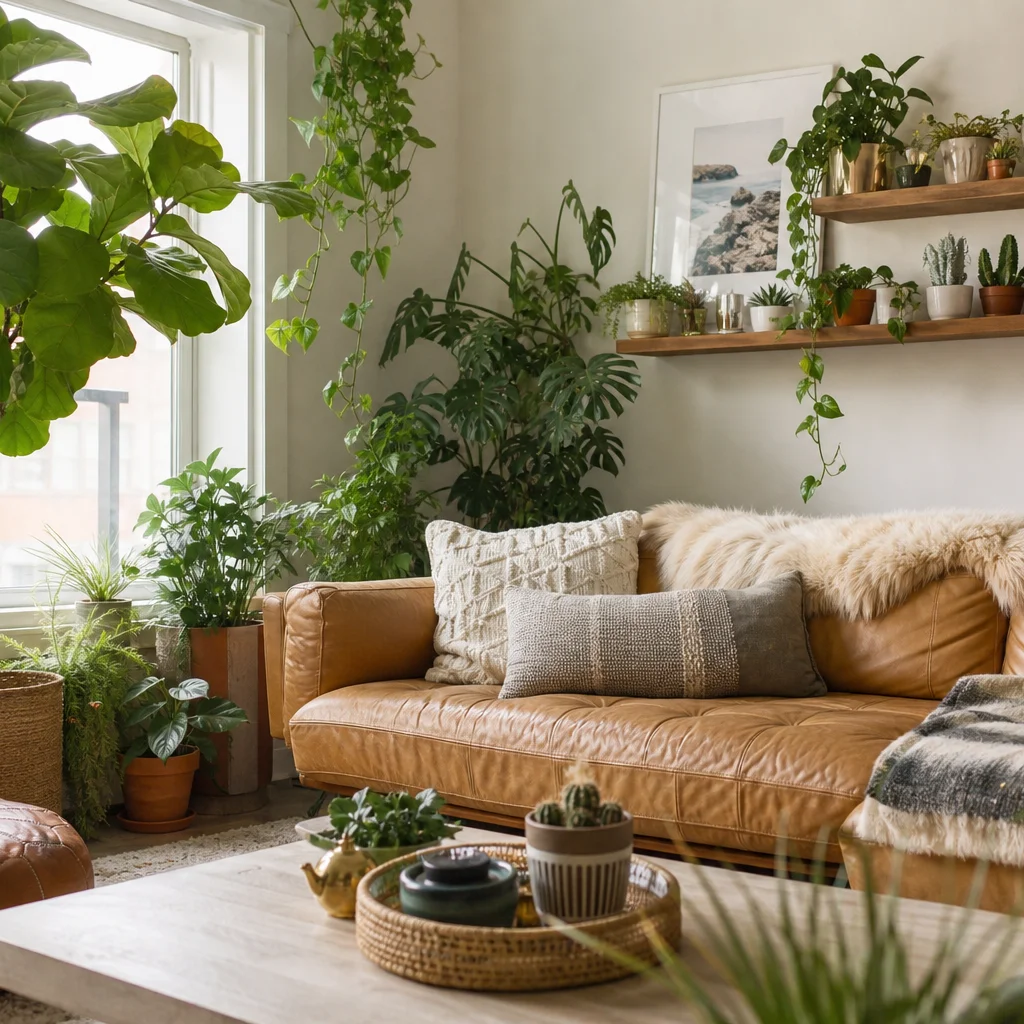
Indoor plants remain one of the easiest ways to make a room feel fresh and cared for. Large statement plants like fiddle leaf figs or bird of paradise anchor corners, while trailing pothos and small succulents add detail on shelves and windowsills. Greenery improves visual rhythm and breaks up long stretches of furniture and wall.
Mix heights and leaf shapes for a layered look rather than lining up identical pots. Choose planters in materials that match your overall direction—terracotta for earthy rooms, ceramic for minimalist spaces, woven baskets for relaxed boho styling. Consider light levels honestly; a plant in the wrong spot becomes a maintenance burden.
Beginner-friendly picks: Pothos, snake plant, and zz plant tolerate a range of light and irregular watering.
5. Statement Lighting
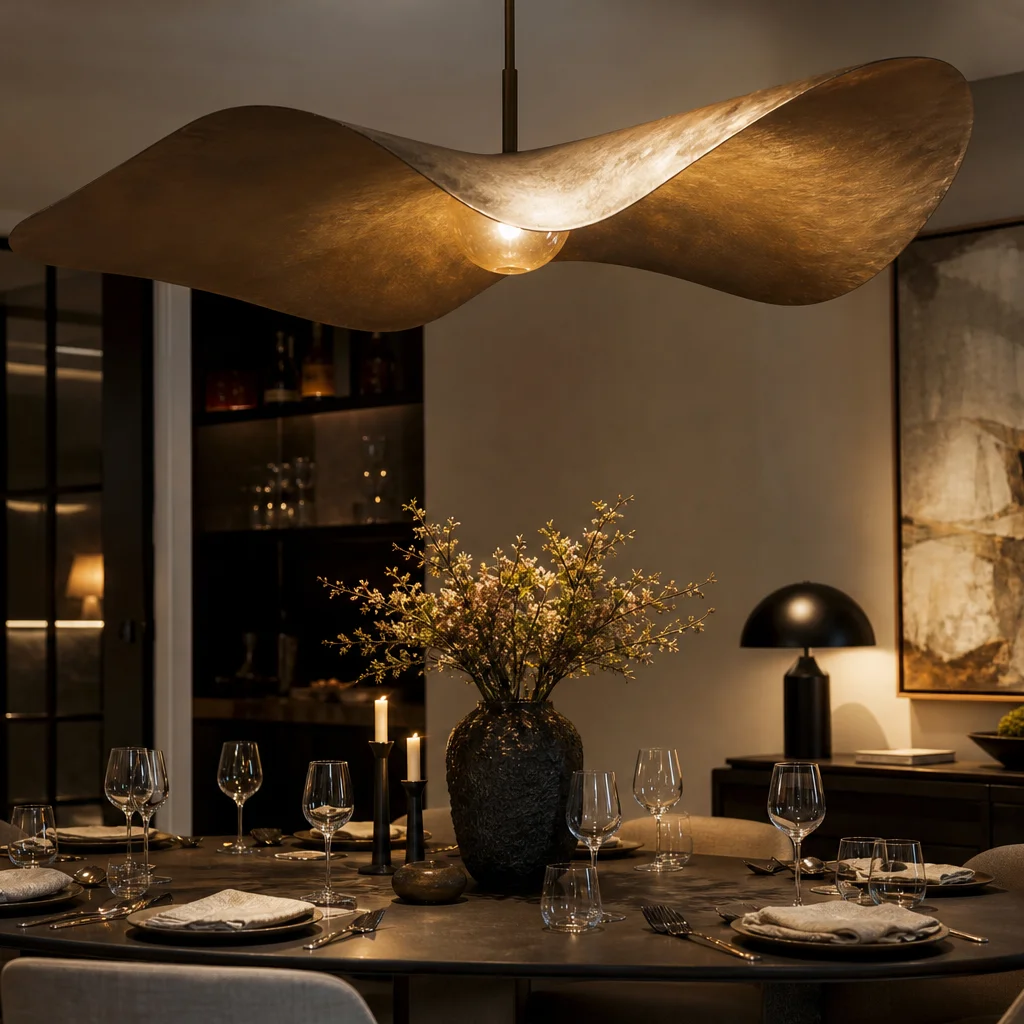
Lighting is decor, not an afterthought. Oversized pendants, sculptural floor lamps, and uniquely shaped sconces double as art while setting mood after sunset. A striking fixture above the dining table or in an entry instantly signals that the room was designed with intention.
Layer three types of light in main living spaces: ambient overhead, task lighting for reading or cooking, and accent lighting on art or shelving. Dimmer switches transform statement pieces from bright focal points into warm evening glow. Scale matters—measure your table or seating area before choosing pendant diameter and drop height.
Common mistake: Relying on a single overhead bulb flattens texture and color. Add at least one secondary light source per zone.
6. Vintage and Antique Decor
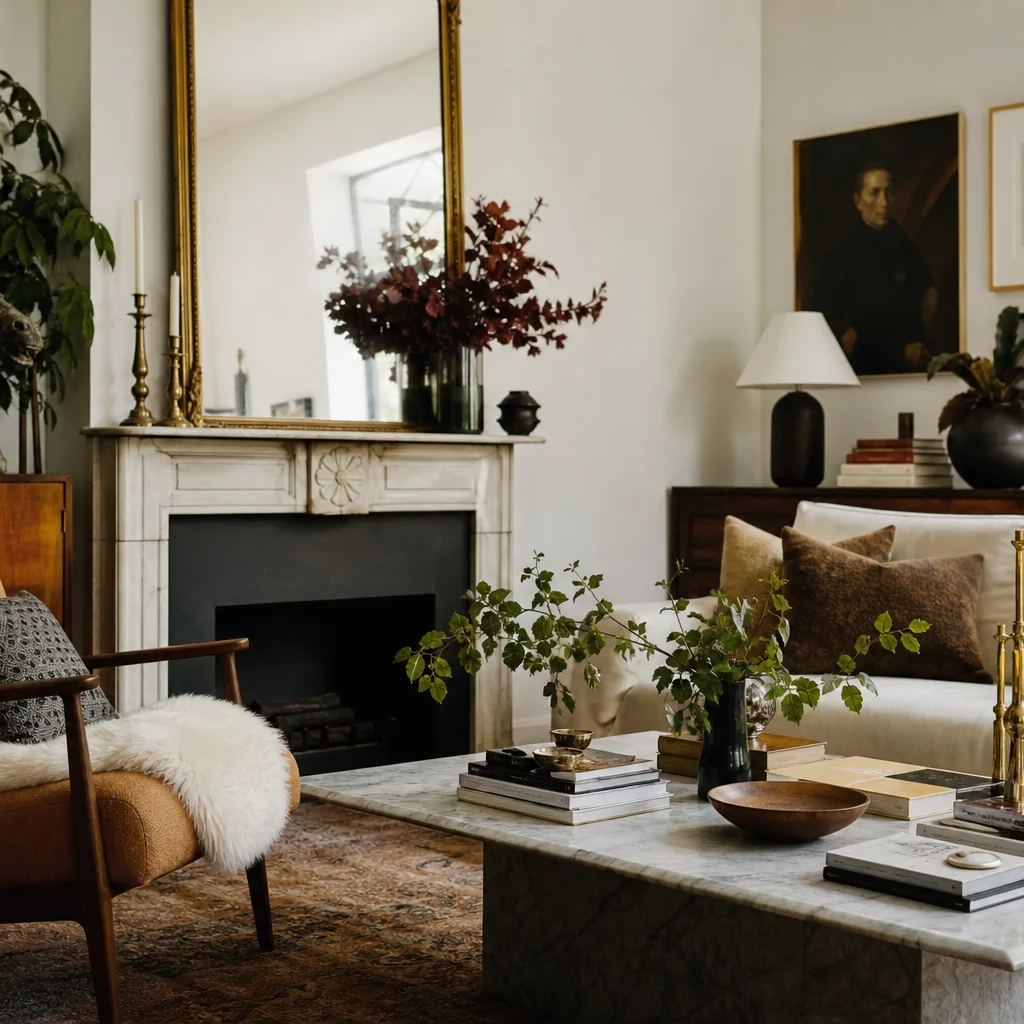
Blending vintage and antique finds with newer furniture creates depth and personality no single shopping trip can replicate. Hunt for pieces with character—a patinated mirror, a carved side table, a retro armchair—and let them sit alongside clean-lined modern staples. The contrast feels curated rather than dated.
Thrift stores, estate sales, and online marketplaces reward patience. Focus on quality materials and interesting silhouettes over perfect condition; minor wear often adds charm. One or two vintage heroes per room is enough; too many competing eras can feel cluttered.
Styling secret: Repeat a metal finish or wood tone between old and new pieces to visually tie the mix together.
7. Bold Accent Walls
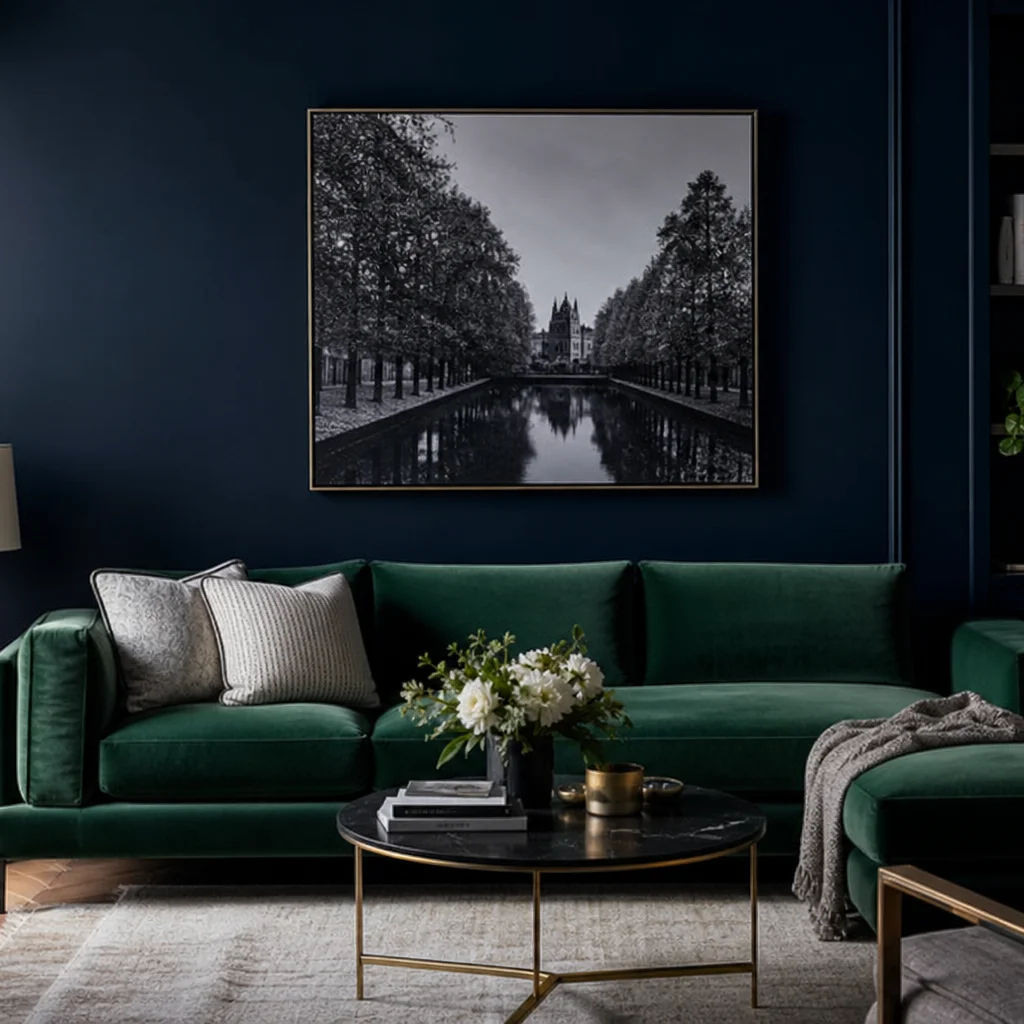
Accent walls returned with bolder confidence. Deep navy, emerald green, charcoal, and even matte black add drama without repainting an entire house. Choose the wall that naturally draws the eye—behind the bed, the fireplace, or the main sofa wall—and keep adjacent surfaces lighter to preserve balance.
Test paint samples at different times of day before committing. Dark colors shift noticeably with natural and artificial light. If permanent color feels risky, try removable wallpaper or a large framed textile for a similar effect with less commitment.
Renter-friendly option: Floor-to-ceiling curtains in a deep hue behind the sofa mimic an accent wall without paint.
8. Multi-Functional Spaces
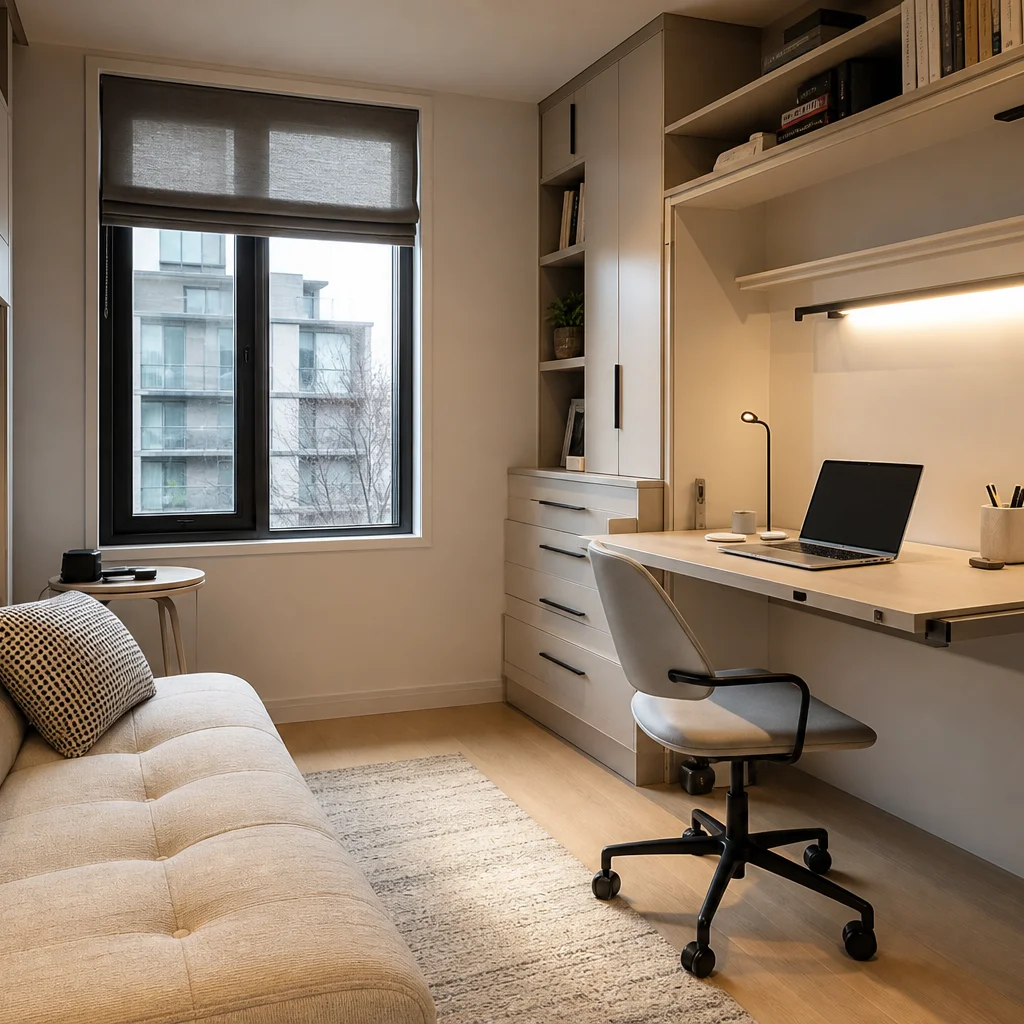
Flexible layouts matter more than ever as homes serve as offices, gyms, guest rooms, and entertaining spaces. Furniture that performs double duty—sofa beds, nesting tables, fold-down desks, ottomans with storage—helps small and medium rooms adapt throughout the day without constant rearranging.
Define zones with rugs, lighting, and furniture placement even in open floor plans. A desk tucked behind a sofa or a room divider shelf creates psychological separation without building walls. Keep cable management and storage within reach so multifunctional rooms stay tidy under daily use.
Space saver: Wall-mounted drop-leaf desks free floor space when work hours end.
9. Sustainable Materials
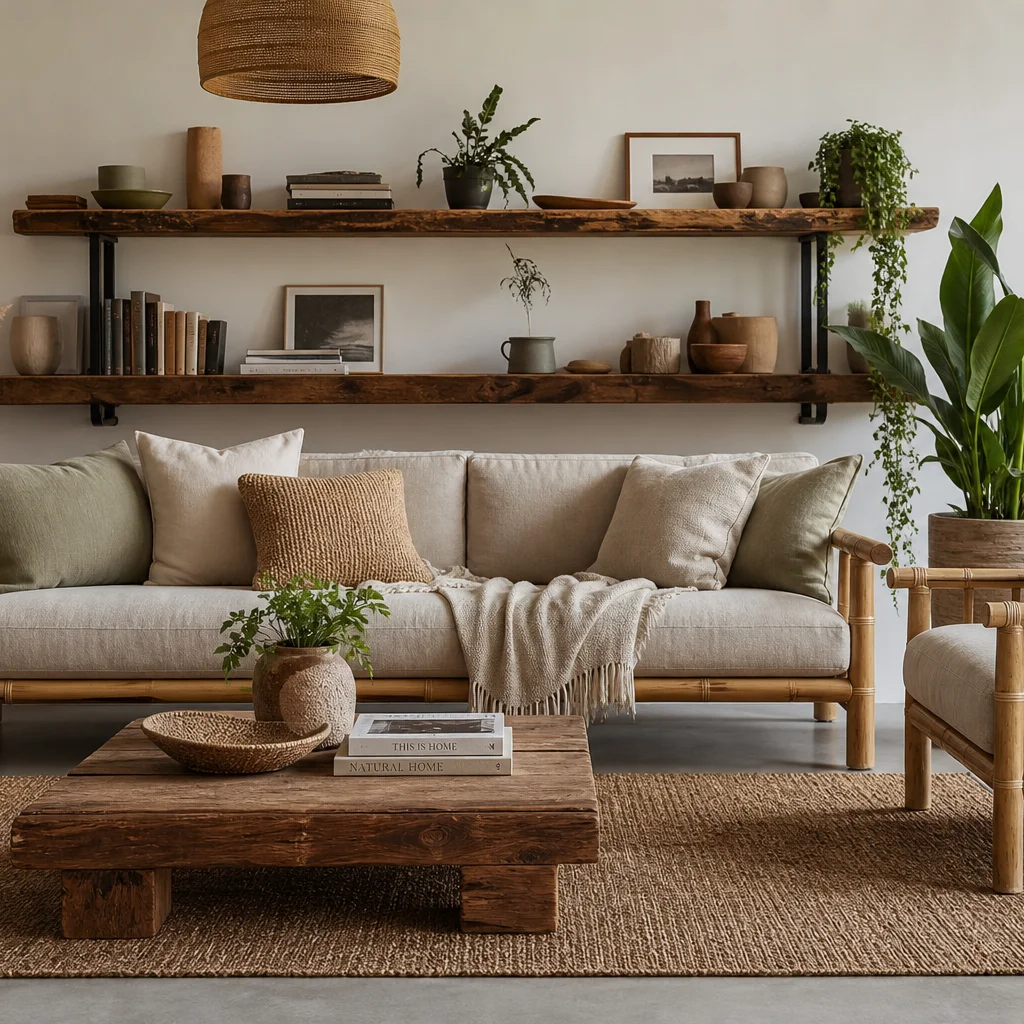
Eco-conscious decorating is no longer niche. Bamboo, reclaimed wood, organic cotton, recycled glass, and low-VOC finishes appear across price points and styles. Choosing durable, responsibly sourced pieces reduces waste and often delivers better craftsmanship than fast-furniture alternatives.
Look for certifications and transparent sourcing when possible, but do not let perfect be the enemy of good. Buying secondhand solid wood furniture is one of the most sustainable choices available. Refinishing a thrifted dresser beats discarding it for a flat-pack replacement.
Long-term mindset: Invest in timeless silhouettes and natural materials that survive trend cycles and daily wear.
10. Texture Over Color
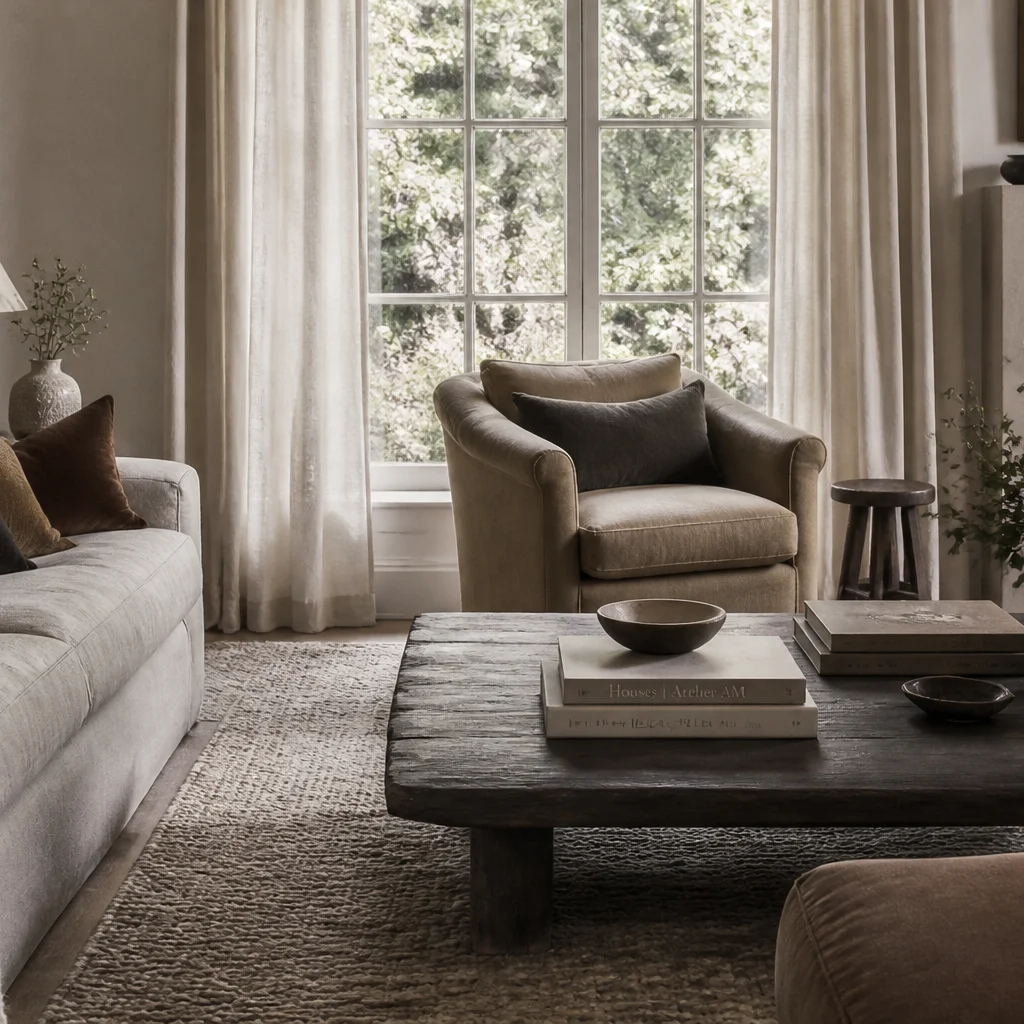
When color takes a back seat, texture steps forward. Layer wool rugs over jute, mix velvet cushions with linen slipcovers, and hang gauzy curtains beside heavier drapes. Monochrome or neutral rooms stay interesting because each surface reflects light differently and invites touch.
Texture also helps open-plan homes feel warmer without adding busy patterns. Vary scale—chunky knit beside fine weave, smooth ceramic beside rough stone—to prevent a flat, one-note look. This approach pairs especially well with earthy palettes and curved furniture.
Easy layer: Add a sheepskin throw and a textured ceramic lamp base to an otherwise simple sofa setup.
How to Mix Trends Without Overwhelming Your Space
You do not need all ten trends in one room. Pick a direction: warm and natural (earthy tones, plants, texture), bold and expressive (accent walls, maximalist patterns, statement lighting), or collected and timeless (vintage pieces, sustainable materials, multifunctional layout). Two primary trends plus one accent trend usually feels cohesive.
Photograph your room in natural light before shopping. Reference photos reveal clashing undertones and empty zones your eyes adjust to in person. Edit existing clutter first—new decor shines when the foundation is calm.
Home Decor Trends Checklist
- Choose a core palette direction: earthy, neutral, or bold accent
- Audit existing furniture for one curved or vintage statement piece to add
- Layer at least three textures in main seating areas
- Add greenery scaled to your light conditions and maintenance comfort
- Upgrade one lighting fixture to a sculptural or oversized design
- Test bold wall colors with samples before full application
- Introduce pattern through pillows or rugs before permanent wallpaper
- Identify one zone that needs multifunctional furniture or storage
- Prioritize sustainable or secondhand materials for long-term pieces
- Repeat two colors across the room to unify mixed patterns and eras
- Photograph the space and edit clutter before buying new decor
Frequently Asked Questions
What are the most popular home decor trends right now?
Earthy tones, curved furniture, layered textures, indoor plants, and statement lighting lead current interiors. Maximalist pattern mixing and bold accent walls add personality, while sustainable materials and multifunctional layouts address how people actually live and work at home.
How do I update my home decor on a budget?
Start with paint, textiles, and lighting—high-impact changes that cost less than new furniture. Shop secondhand for vintage character pieces, propagate existing plants, and rearrange layouts before purchasing. One statement upgrade per month spreads cost and lets you evaluate what truly improves daily life.
Can I mix modern and vintage decor in the same room?
Yes, and the combination often looks more personal than a single-era room. Anchor with modern essentials like a clean-lined sofa, then add vintage accents through mirrors, side tables, or art. Repeat one finish or color between old and new pieces so the mix feels intentional.
Are dark accent walls still in style?
Deep accent walls remain popular because they add depth and drama without repainting entire rooms. Navy, forest green, and charcoal work especially well behind beds and sofas. Balance dark walls with lighter furniture and ample layered lighting to keep the space from feeling closed in.
How many indoor plants should I put in a living room?
There is no fixed number—scale to room size and care capacity. One large floor plant plus two to three smaller plants on shelves or side tables creates visible impact in most living rooms. Vary pot heights and leaf shapes rather than duplicating the same species throughout.
What is texture-over-color decorating?
Texture-over-color focuses on material contrast—wool, linen, velvet, jute, wood, stone—within a restrained palette. Neutral rooms stay visually rich because surfaces catch light differently and invite touch. It is an elegant way to add interest without relying on bold hues or busy prints.
Make Your Space Feel Intentionally Yours
These ten must-have home decor trends are guides, not rules. Your home should reflect how you live, not a showroom checklist. Start with the one or two ideas that excite you most, use the checklist to stay focused, and build slowly. The best rooms evolve over time—with plants that grow, vintage finds discovered on weekend trips, and textures layered season by season.
When you are ready for more inspiration, keep exploring within the Home Decor category for room-specific guides, DIY upgrades, and styling ideas that complement the direction you choose here.