
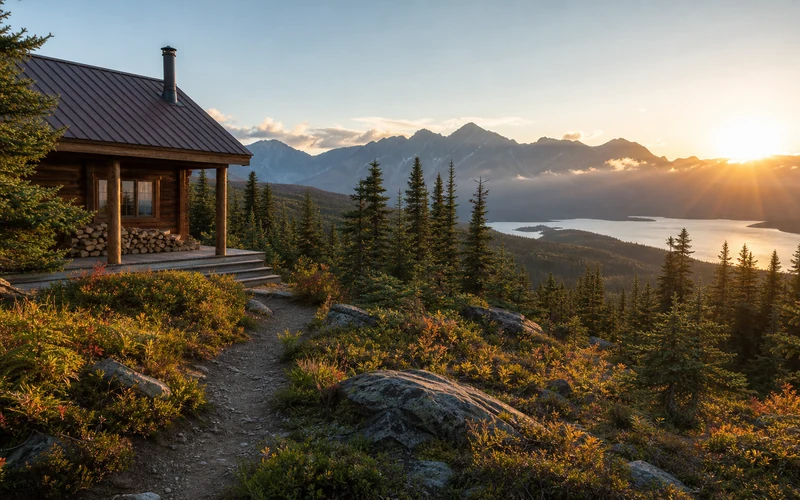
Remote weekend getaways are perfect when you want a real break from constant notifications, packed calendars, and crowded places. An off-grid escape can be as rustic as a cabin in the woods or as comfortable as a tiny home, farm stay, mountain lodge, or desert tent camp. The goal is not to disappear completely; it is to choose a place that helps you slow down safely. As summer travel ramps up in June 2026, more Americans are trading crowded resorts for quieter stays where nature sets the pace.
This guide explains how to choose the right off-grid weekend getaway, what to pack, how to plan for limited service, and how to enjoy a digital detox without feeling unprepared. For broader inspiration, browse our weekend getaway ideas and top weekend getaways for nature lovers before you book.
What Makes a Getaway Feel Off-Grid?
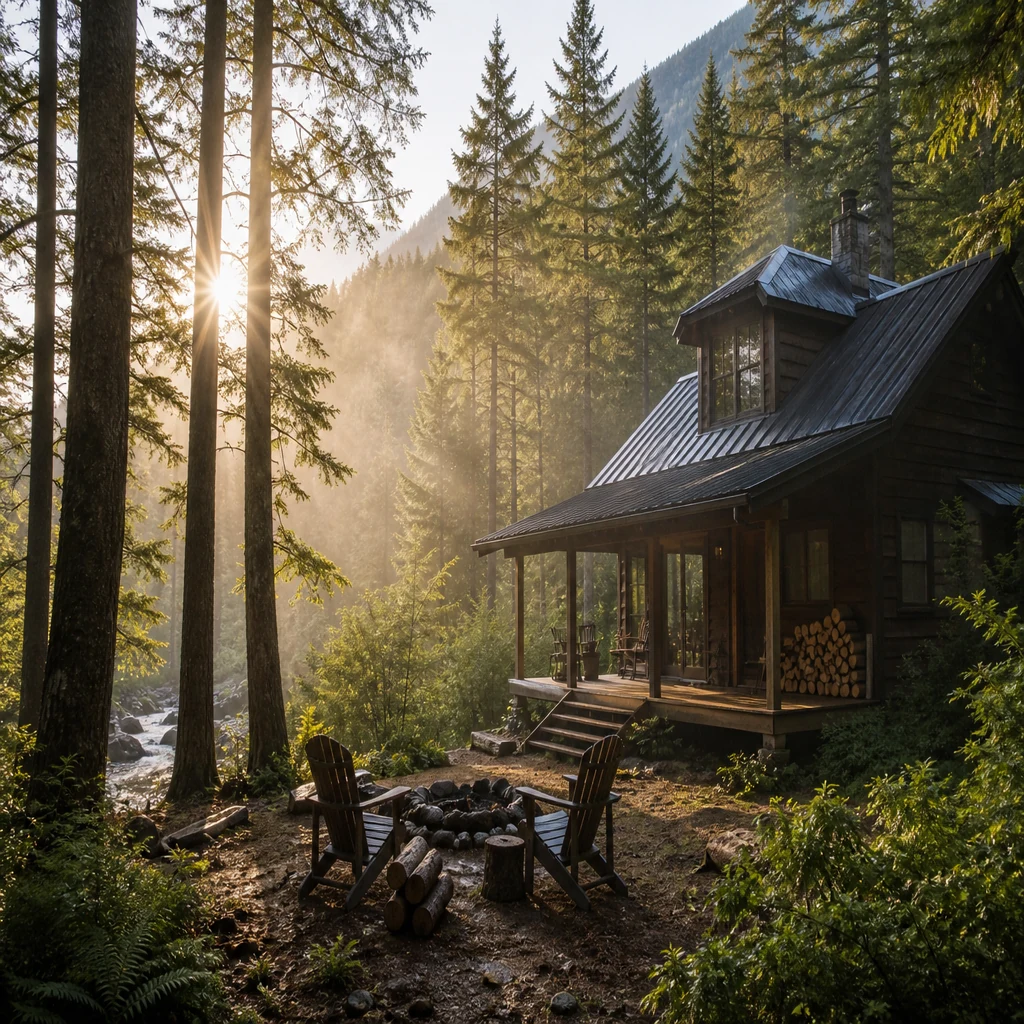
An off-grid getaway usually means fewer conveniences, less signal, more nature, and a slower rhythm. Some places have no Wi-Fi or limited electricity, while others simply feel remote because they are quiet, scenic, and far from urban routines. You do not need to give up every comfort to call a trip off-grid. What matters is that the setting encourages you to unplug, breathe deeper, and move at a human pace.
Common off-grid features
- Limited phone signal or no Wi-Fi.
- Remote roads or longer drive times.
- Solar power, generator power, or simple utilities.
- Natural surroundings such as forest, desert, coast, or mountains.
- More self-sufficiency for food, water, warmth, and entertainment.
If you are new to remote travel, start with a managed property that lists clear amenities. A well-reviewed cabin or lodge is a safer first step than a fully primitive site with no backup plan.
Best Types of Remote Weekend Getaways
Cabin in the woods
A cabin is ideal for quiet mornings, reading, cooking simple meals, hiking, and sitting by a fire or window view. Choose this if you want comfort with a strong nature feeling. Look for listings that mention firewood, a full kitchen, and nearby trail access so you are not stuck indoors if weather shifts.
Desert tent camp or canvas stay
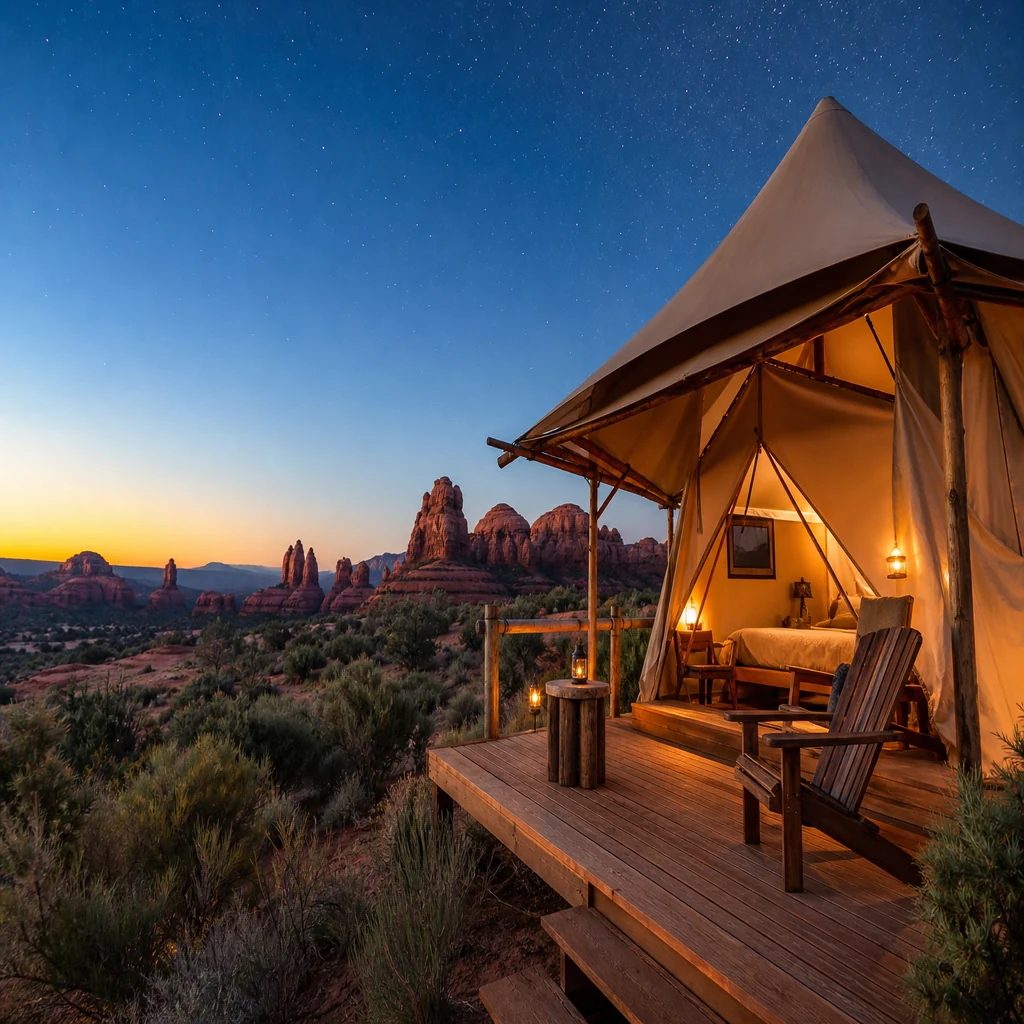
Desert stays offer huge skies, stargazing, silence, and dramatic landscapes. They require extra planning for water, sun protection, and temperature changes. If desert terrain interests you, pair this trip with practical advice from our desert camping tips guide before you go.
Tiny home retreat
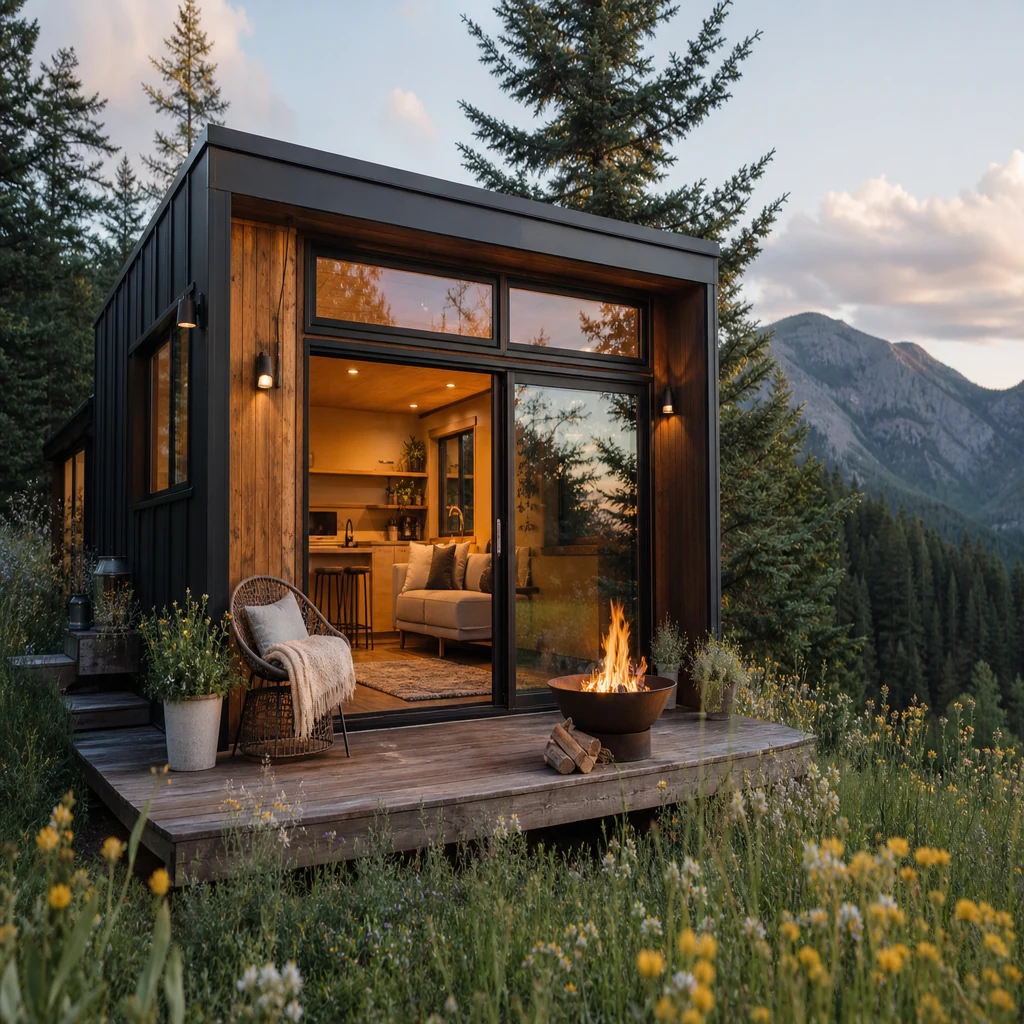
A tiny home is a good choice if you want a minimal, cozy space without giving up all comfort. It works well for couples, solo travelers, and short digital detox trips. Many tiny home hosts design the space efficiently, so you get a real bed, hot shower, and small kitchen in a compact footprint.
Farm stay
Farm stays can offer quiet routines, fresh air, simple meals, animals, gardens, and a slower pace. They are especially good for travelers who enjoy rural life and want to see where food comes from. Ask about chores, feeding times, or seasonal activities if you want a more hands-on experience.
Mountain lodge
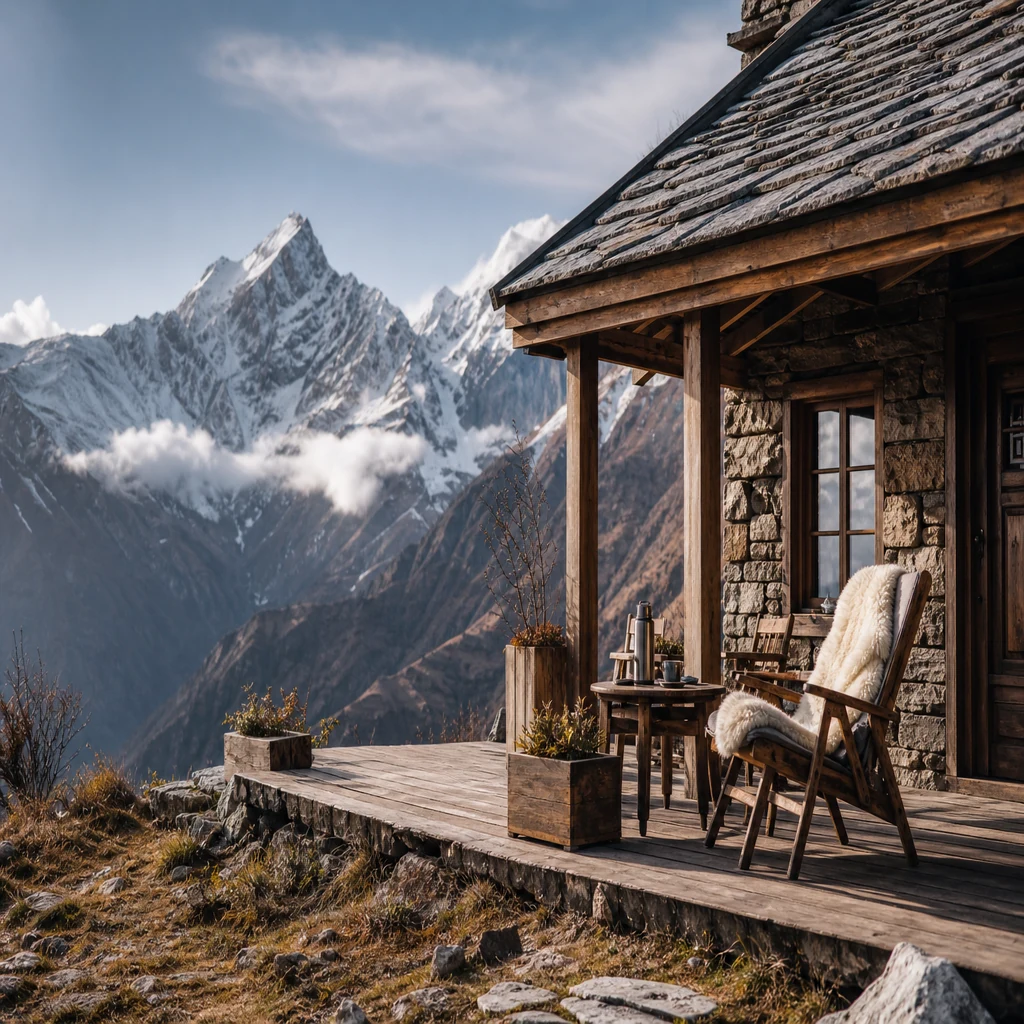
Mountain getaways are ideal for hiking, cool air, scenic drives, and unplugged evenings. Weather can shift quickly, so packing layers matters. A lodge with a wood stove or fireplace makes chilly June nights at elevation feel welcoming rather than stressful.
How to Choose the Right Destination
Choose based on your comfort level, travel time, season, and how remote you truly want to be. A first off-grid trip should be simple and safe rather than extreme. Two hours of rough road may sound adventurous until you arrive after dark in the rain.
Check before booking
- Driving distance and road conditions.
- Heating, cooling, water, and bathroom setup.
- Cell service and emergency contact options.
- Food storage and cooking facilities.
- Pet rules, fire rules, and local wildlife guidance.
- Cancellation policy for bad weather.
Read recent reviews from travelers who visited in the same season. A desert property that feels perfect in spring may be uncomfortably hot by late June 2026. A mountain cabin that shines in winter may have muddy access roads after spring snowmelt.
What to Pack for an Off-Grid Weekend
- Offline map and saved directions.
- Power bank and charging cables.
- Headlamp or flashlight.
- Layered clothing and rain protection.
- Reusable water bottle.
- Simple meals and snacks.
- First-aid basics.
- Book, journal, cards, or offline activity.
- Trash bags and reusable containers.
- Warm socks, comfortable shoes, and sleepwear.
Remote places may not have nearby stores, and temperatures can change fast. Pack one more layer than you think you need and enough food for an extra meal in case arrival takes longer than planned.
Digital Detox Tips
Going off-grid is easier when you decide your phone rules before leaving. You do not have to be unreachable; you just need boundaries that protect the purpose of the trip. For more ideas on stepping back from screens, see our easy digital detox tips for summer calm.
- Tell someone where you are going and when you expect to return.
- Download maps, booking details, and emergency contacts.
- Use airplane mode for most of the trip.
- Set one check-in window if needed.
- Bring non-screen activities for evenings.
Many travelers find that limiting social scrolling for 48 hours does more for mental rest than adding another activity to the itinerary. Treat the weekend as a reset, not a content-capture project.
Common Mistakes to Avoid
Choosing too remote for a first trip
Start with a comfortable cabin, tiny home, or managed canvas stay before trying a more rugged location. Build confidence with each trip.
Assuming there will be signal
Download everything important before leaving, including directions and check-in instructions. Screenshot gate codes and host messages while you still have data.
Underpacking food or layers
Remote areas rarely offer late-night grocery runs. A warm layer and extra snacks solve more problems than an extra outfit.
Ignoring local rules
Fire restrictions, wildlife rules, and road conditions matter more in remote areas. Respect quiet hours and leave no trace.
How to Make the Trip Feel Restorative
A remote getaway is most rewarding when you resist the urge to over-plan it. Leave space for slow coffee, long walks, quiet meals, reading, and doing nothing. The point is to create contrast from normal life, not to turn the weekend into another task list. Trips that feel like a real vacation often succeed because they protect unstructured time.
Simple restorative ideas
- Start the morning without checking your phone.
- Cook one slow meal instead of eating on the go.
- Take a short walk at sunrise or sunset.
- Bring a journal and write down what you notice.
- Spend one evening without screens or background noise.
Safety and Courtesy Tips
Remote places depend on guests being prepared and respectful. Keep gates as you found them, drive slowly on rural roads, avoid loud music, follow fire rules, and pack out trash. If the property uses limited water or solar power, conserve resources as instructed.
Always check weather before leaving. A remote road that feels simple in dry weather may become difficult after snow, rain, or high winds. Share your route with a friend and confirm you have a full tank of gas before the last stretch of unpaved road.
Frequently Asked Questions
What is the best off-grid getaway for beginners?
A cabin, tiny home, or managed canvas stay is usually best because it offers nature and quiet without too much logistical pressure. Look for hosts who respond quickly and explain access clearly.
How do I stay safe with no phone signal?
Share your itinerary, download offline maps, know the nearest town or ranger station, and avoid risky activities when alone. Carry a paper backup of emergency numbers and property addresses.
What should I do during an off-grid weekend?
Read, cook, hike, journal, watch the sunset, stargaze, play cards, take photos, or simply rest without a packed agenda. The best activities are often the simplest ones.
Are off-grid getaways good for families?
Yes, if the location has safe facilities, clear rules, and activities suitable for children. Choose comfort and accessibility over extreme remoteness, especially for a first family trip.
How far in advance should I book a remote weekend stay?
Popular cabins and desert sites often fill three to six weeks ahead for summer weekends. Book early for June 2026 travel, but keep a flexible cancellation option in case weather or road conditions change.
Do I need special gear for an off-grid weekend?
Not always. A managed cabin may need only normal luggage plus a headlamp and offline maps. Rugged camps require more preparation. Match your gear to the property type listed in the booking description.
Final Thoughts
An off-grid weekend getaway works best when it balances freedom and preparation. Choose the right level of remoteness, pack thoughtfully, set phone boundaries, and give yourself permission to slow down. Whether you pick a forest cabin, desert canvas stay, or mountain lodge, the quiet is the point—and that reset can carry into the rest of your summer.