
Sunburn is skin injury from too much ultraviolet light. A cool cloth and a gentle moisturizer may make a mild burn feel more comfortable, but no kitchen remedy can erase the damage or guarantee fast healing. Start by going indoors or into shade. If you have widespread blisters, severe swelling, fever, dizziness, nausea, confusion or signs of dehydration, get medical advice promptly rather than trying a home treatment. A baby or young child with sunburn also needs medical advice.
This guide focuses on simple comfort measures supported by the American Academy of Dermatology and the NHS sunburn guidance. Pain and peeling can continue for days even when you care for the skin well. Keep the routine gentle and stop any product that stings.
Four Steps to Soothe Mild Sunburn
1. Move Out of the Sun and Cool the Skin
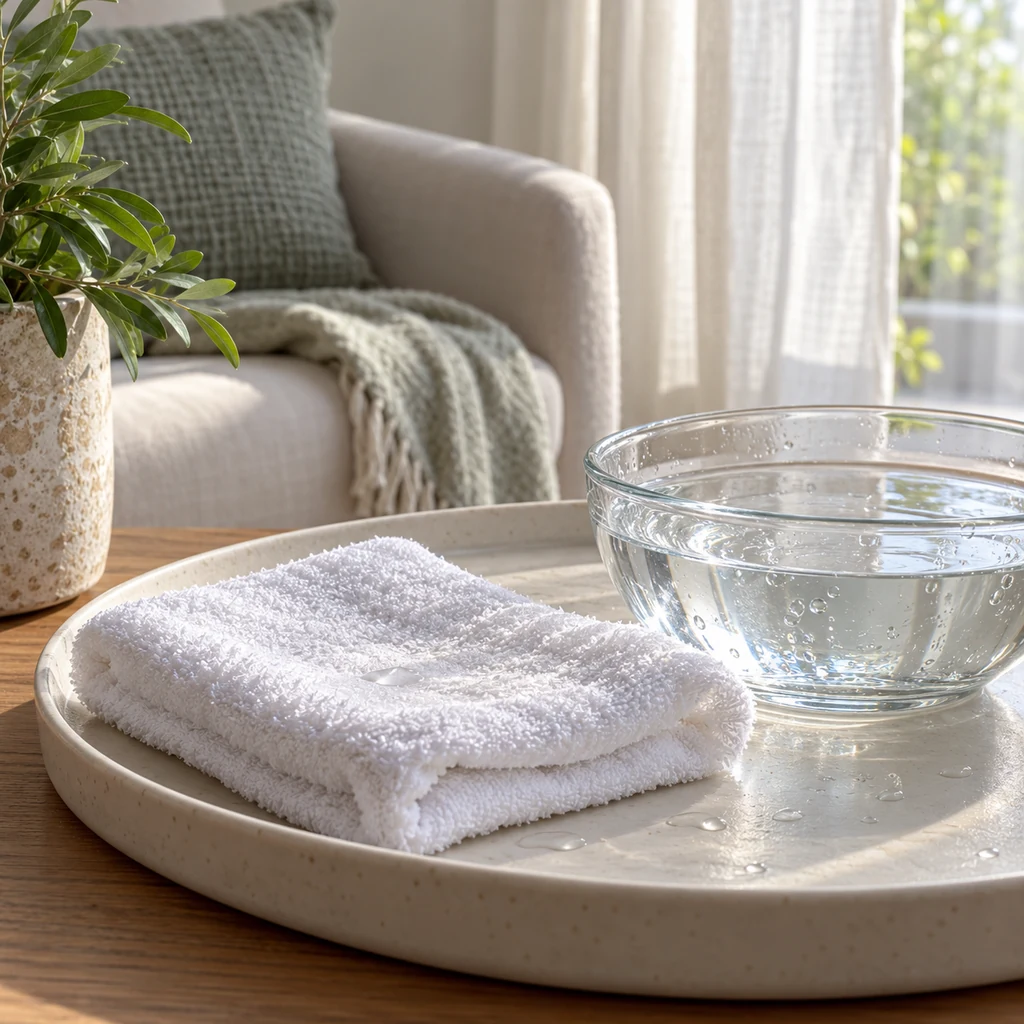
Get out of direct sunlight, ideally indoors. Take a cool shower or bath, or lay a clean cloth dampened with cool tap water over the sore area. Keep the water comfortably cool rather than icy. Afterward, pat the skin dry instead of rubbing it. Repeat the cool cloth when it feels helpful, using a fresh clean cloth each time.
Do not press ice or an ice pack onto sunburned skin. Avoid tight clothing that rubs the area. If you have blisters, leave them intact and do not peel or scratch the skin; blistering is a reason to ask a clinician or pharmacist for advice, especially when it is extensive or accompanied by feeling unwell.
2. Moisturize Gently While Skin Is Damp
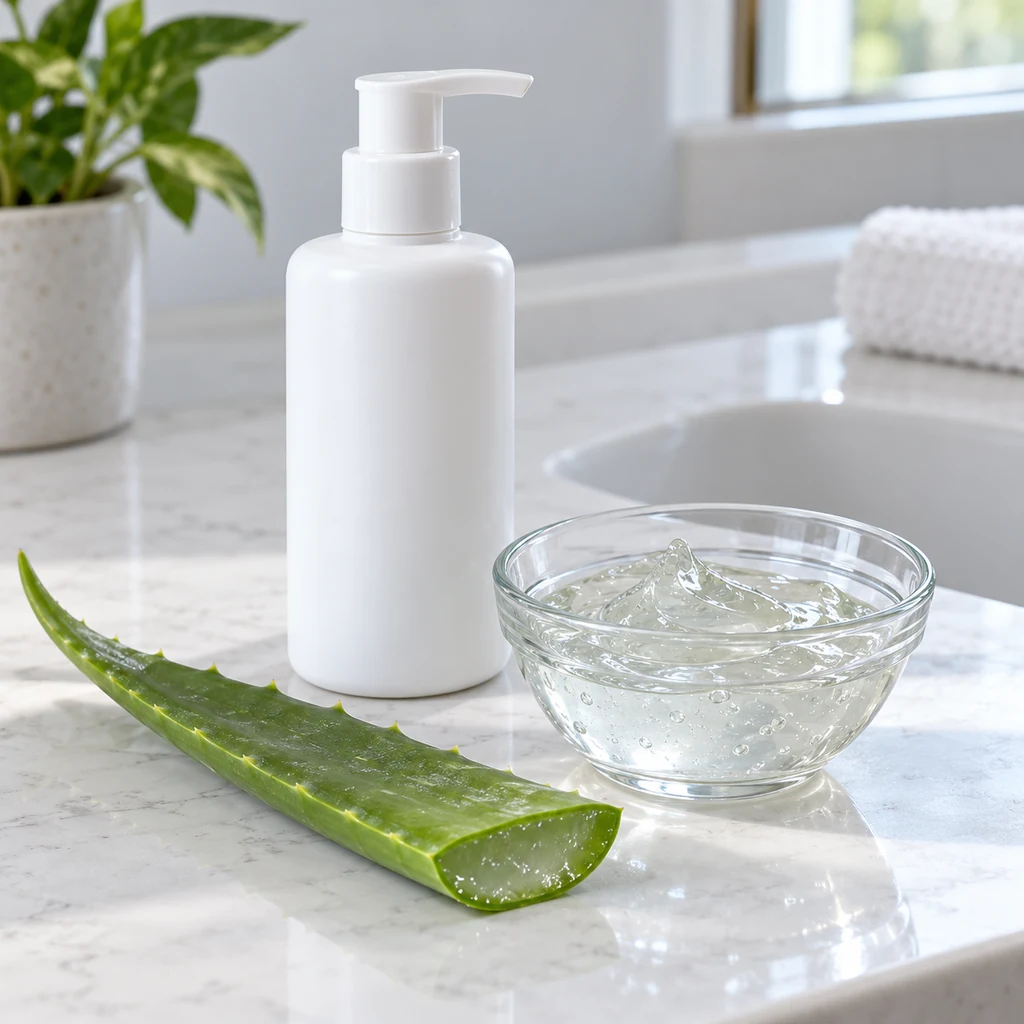
While the skin is still a little damp, apply a thin layer of an unperfumed moisturizer. A formulated moisturizer or gel containing aloe vera can feel soothing. Follow the product directions and keep it away from eyes and open skin. If it burns or irritates, rinse it off and choose a simpler product. Aloe may help comfort the surface; it does not reverse ultraviolet injury.
Skip scented oils, vinegar, lemon juice and homemade pastes on a fresh burn. These can sting or add irritation, and there is no need to layer several treatments. Our honey and oat face mask guide specifically advises against applying that mixture to sunburned skin.
3. Consider a Cool Colloidal Oatmeal Bath
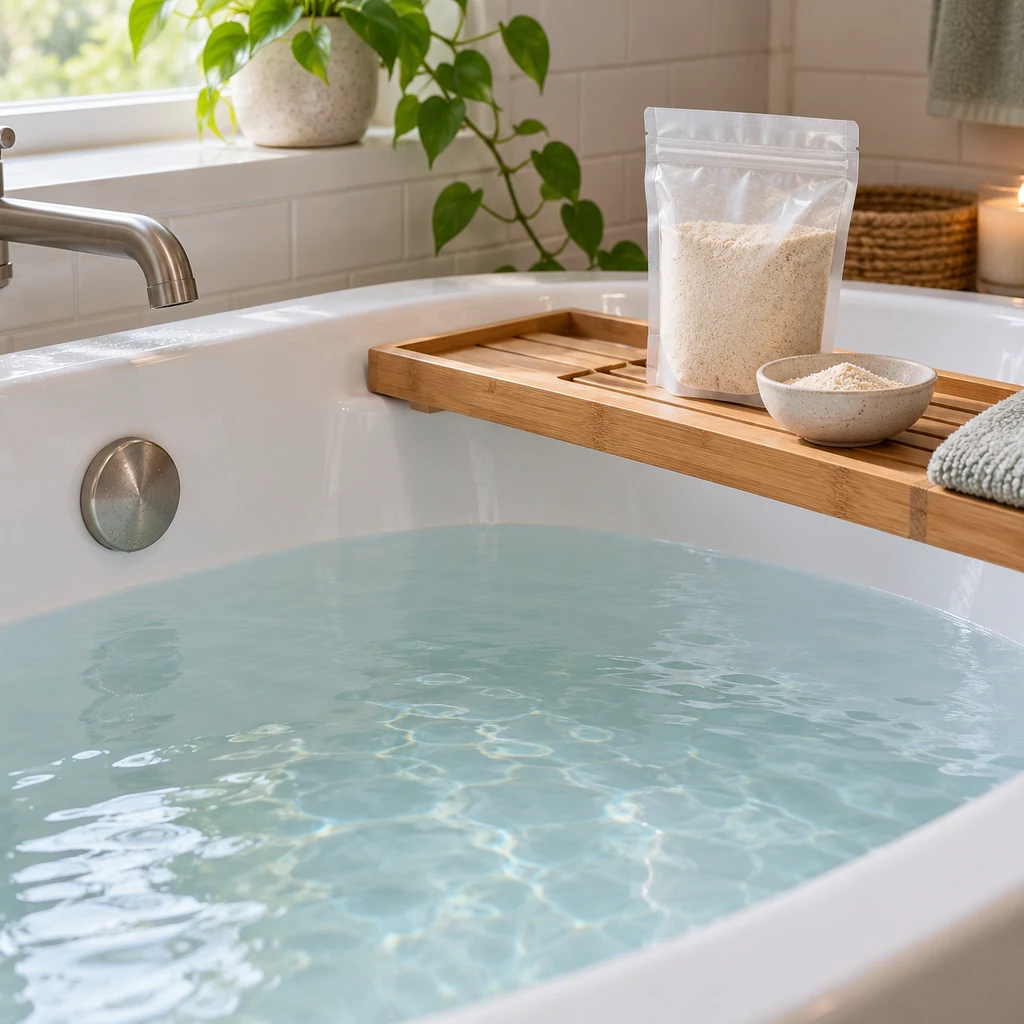
If a bath is practical, the AAD lists a cool colloidal oatmeal bath as another way to ease discomfort. Use a product labeled for bath use and follow its package directions. Keep the water cool, step out if you feel chilled or dizzy, and pat dry gently. Then apply an unperfumed moisturizer while skin is damp.
This is optional; a cool shower or damp cloth may be simpler. Plain breakfast oats sprinkled into a bathtub are not the same as a prepared colloidal oatmeal bath product and may leave slippery residue. Do not scrub the burn with oat grains or a washcloth.
4. Drink Water and Protect the Area While It Heals
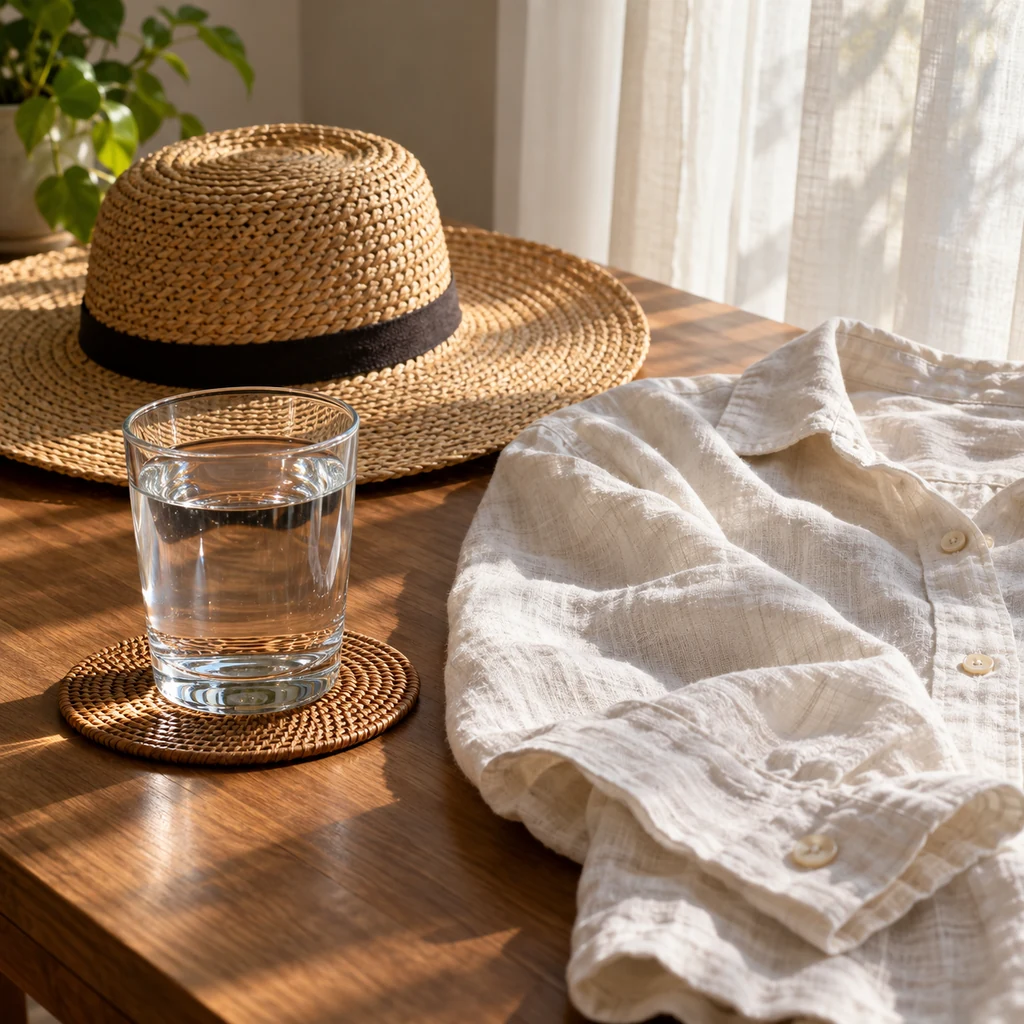
Drink water regularly, especially after time in the heat. Keep burned skin out of direct sun until it has healed; seek shade and wear loose, protective clothing if you must go outside. A pharmacist can advise whether an over-the-counter pain reliever is suitable for you; follow the label and consider your own medical conditions and medicines. Sun protection remains important afterward. See our everyday skin care guide for a simple ongoing routine.
Contact a health professional if pain worsens, blisters are large or widespread, or you develop fever, chills, headache, nausea, dizziness, confusion, eye pain or signs of infection. The Mayo Clinic first-aid guide explains when urgent care is needed. Severe symptoms need prompt care; a cool bath or gel is not a substitute.
What to Skip
Do not pop blisters, pull peeling skin, put ice directly on the burn, or try vinegar, citrus juice or oily kitchen mixtures. Keep the care routine plain and comfortable. Sunburn can happen on every skin tone, and the appearance of redness varies; warmth, soreness or tenderness also matter. If you are unsure whether the burn is mild, seek medical advice.