

The retail industry is not a mysterious machine designed only to trick shoppers, but it is built to influence decisions. Store layout, pricing, promotions, return rules, product placement, and online recommendations all shape what people notice, compare, and eventually buy.
Knowing these patterns does not mean you have to stop enjoying shopping. It simply helps you shop with clearer eyes. This guide breaks down 10 things the retail industry often prefers customers not to think about too deeply, plus practical ways to protect your budget, avoid impulse buys, and choose better-quality items.
1. Sale Prices Are Not Always the Bargain They Look Like
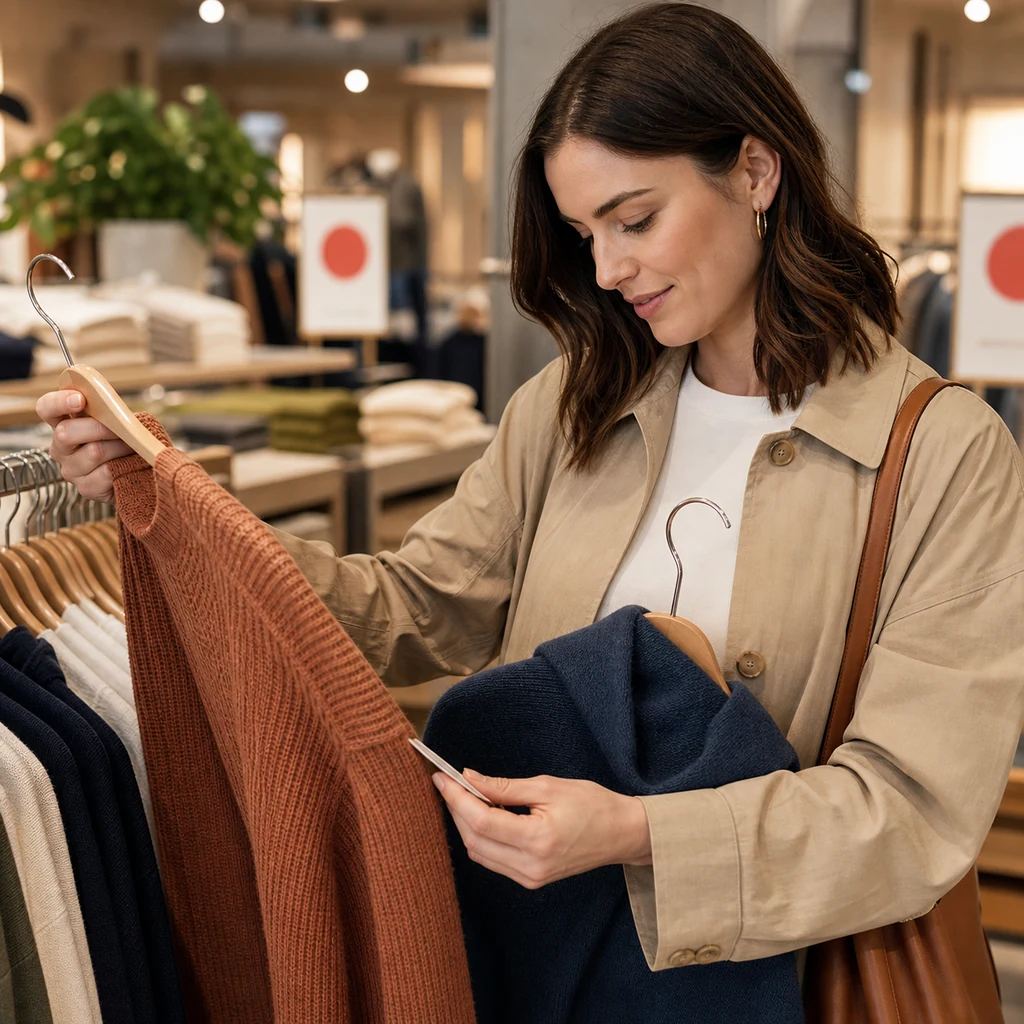
A big discount tag can feel urgent, but the original price is not always the best measure of value. Some items are priced high first so the later discount looks more dramatic. Other products cycle through regular promotions, which means the sale may not be as rare as it seems.
Before buying, ask yourself whether you would still want the item at full price, whether you know its usual price range, and whether it solves a real need. A sale is only a win when the product is useful, durable, and genuinely worth the money to you.
2. Store Layout Is Designed to Slow You Down
Retail spaces are often arranged to guide your path. Popular products may be placed farther inside the store, seasonal displays may sit near the entrance, and small add-on items may appear near checkout. None of this is accidental. The longer you browse, the more opportunities there are to buy something unplanned.
A simple shopping list helps you stay focused. If you enjoy browsing, set a time limit or a spending limit before entering the store.
3. Outlet Items May Be Made Differently
Outlet shopping can be useful, but not every outlet item is leftover stock from a regular store. Some products may be manufactured specifically for outlets, sometimes with different fabric, hardware, stitching, or finishing. That does not automatically make them bad, but it does mean the label alone should not make the decision for you.
Check seams, zippers, buttons, fabric weight, lining, and care labels. If the quality feels lower than expected, the discount may not be as strong as it looks.
4. Free Shipping Often Encourages Bigger Orders
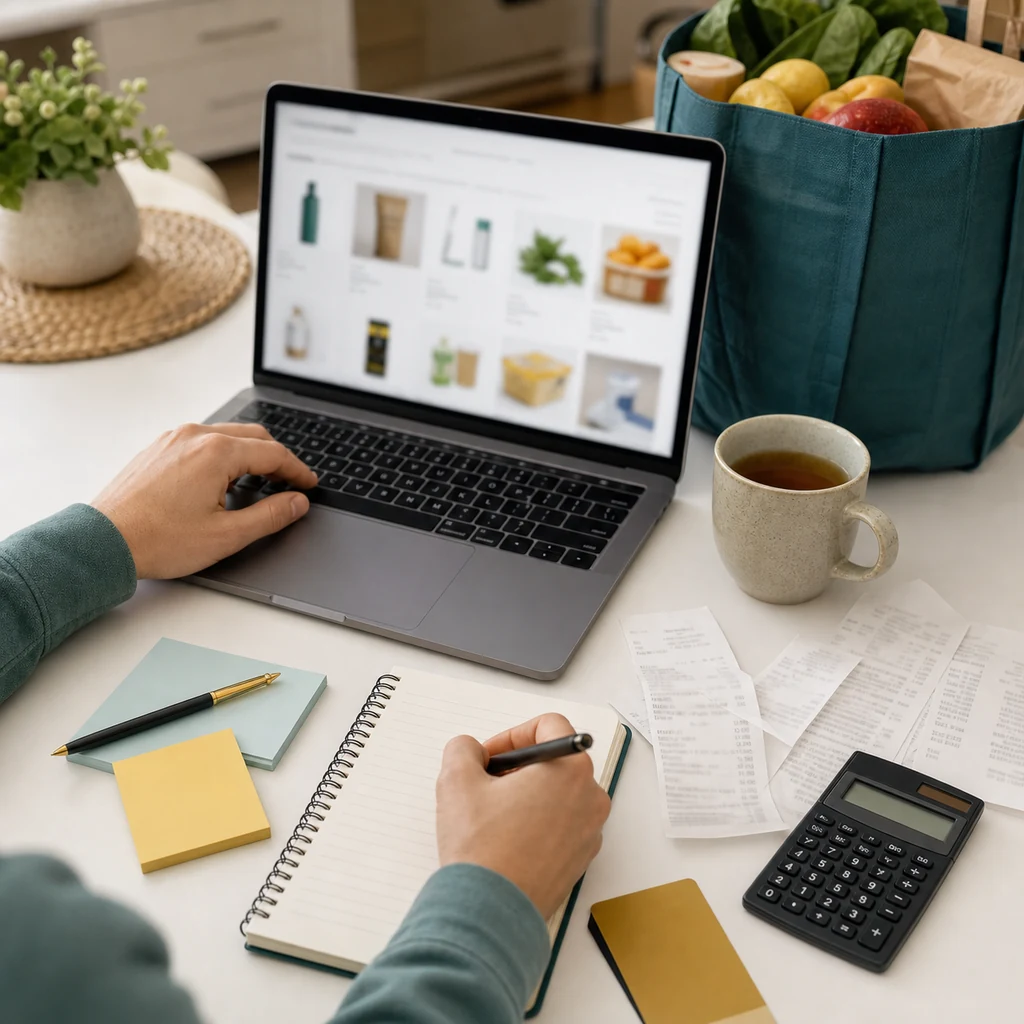
Free shipping thresholds are powerful because they make adding one more item feel logical. If you need to spend more to avoid a smaller delivery fee, the final total can still be higher than planned.
Before adding extras, compare the shipping cost with the cost of the extra item. Paying for shipping can sometimes be the cheaper and smarter choice.
5. Return Policies Can Make or Break a Purchase
A product that seems risk-free may have limits hidden in the return policy. Some stores allow returns only within a short window. Others offer store credit instead of refunds, exclude final sale items, or require original packaging and tags.
For expensive purchases, always check the return terms before paying. Keep receipts, tags, and packaging until you are sure the item works for your life.
6. Impulse Items Are Placed Where Your Guard Is Low
Small products near checkout, checkout-page recommendations, and limited-time bundles are designed for quick decisions. These items often feel harmless because they are cheaper than the main purchase, but they can quietly inflate your total.
Use a pause rule: if it was not on your list, wait at least a few minutes before adding it. Online, leave the cart and come back later. If you forget about the item, you probably did not need it.
7. Loyalty Programs Collect Attention as Well as Data
Loyalty programs can offer real savings, but they also create a habit loop. Points, member-only sales, birthday rewards, and app notifications encourage repeated visits. The program may be free, but it still competes for your attention.
Use loyalty programs only where you already shop regularly. Turn off unnecessary notifications, and avoid buying just to earn points.

8. Trend Cycles Are Faster Than Most Wardrobes Need
Retail depends on novelty. New colors, shapes, collections, and seasonal edits can make perfectly good items feel outdated. This is especially true in fashion and home decor, where trends move quickly and social media makes them feel even faster.
A smarter approach is to separate style from pressure. Buy trends only when they fit your actual taste, your existing wardrobe or home, and your long-term use.
9. Product Photos Can Make Items Look Better Than Real Life
Lighting, styling, model fit, camera angles, and editing can make products look more polished online. A sweater may appear thicker, a color may look richer, or a home item may seem larger because of how it is staged.
Read measurements, fabric details, customer photos, and negative reviews. Look for repeated comments about sizing, durability, color accuracy, or comfort. One bad review may not matter, but patterns usually do.
10. Cheap Can Become Expensive When Quality Is Low
A low price can be tempting, but poor-quality items often need replacing sooner. The better question is not only “How much does this cost?” but “How many times will I realistically use it?”
For clothing, check fabric feel, stitching, stretch recovery, lining, and care instructions. For household items, check material, weight, reviews, warranty, and whether replacement parts are available. Value is about use, not just price.
Smart Shopping Checklist
Use this quick checklist before buying something you did not plan for:
- Do I need this, or do I only feel rushed by the offer?
- Would I still want it if it were not on sale?
- Have I compared the price with at least one other source?
- Do I understand the return policy?
- Does the quality match the price?
- Will I use it at least several times in the next few months?
- Is this item replacing something, solving a problem, or creating clutter?
How to Shop More Intentionally
Set a Budget Before You Browse
Decide your maximum spend before the store or website starts making suggestions. A clear limit protects you from emotional decisions.
Wait Before Buying Non-Essentials
A 24-hour pause can reveal whether an item is truly useful or simply exciting in the moment. For larger purchases, wait longer and compare options.
Check Quality in Person When Possible
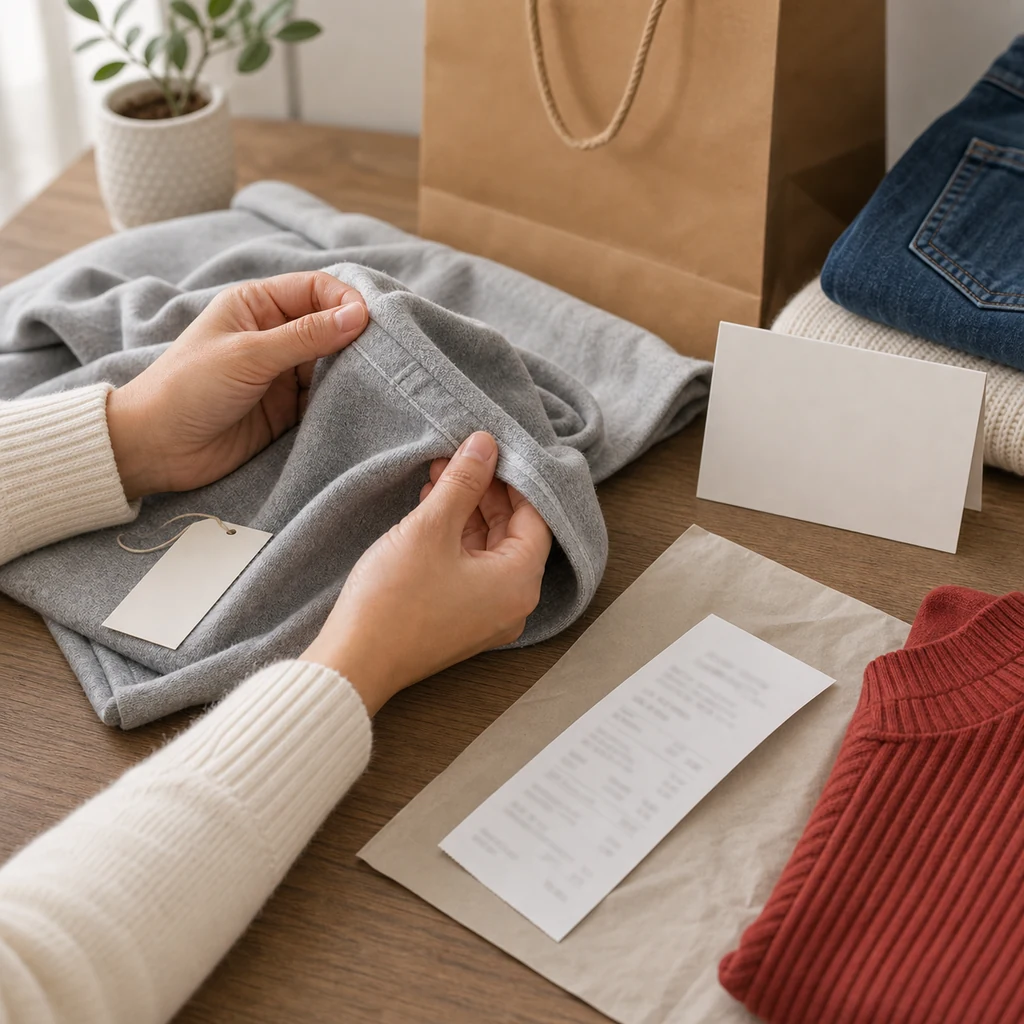
Photos and descriptions help, but touch, fit, weight, and construction tell you more. When shopping online, use reviews and return policies as your backup.
Unsubscribe from Pressure
Sales emails, app alerts, and retargeting ads are designed to bring you back. If they regularly trigger unnecessary spending, reduce them. A quieter inbox can make your budget feel easier to manage.
FAQ
Are retail sales fake?
Not always. Many sales are genuine, but some discounts are less meaningful than they appear. The best way to judge a sale is to know the usual price, compare similar items, and decide whether the product is useful to you.
Is outlet shopping worth it?
It can be, especially when the quality is good and the price fits your budget. Just inspect the item carefully and do not assume every outlet product is identical to full-price store merchandise.
How can I stop impulse buying?
Shop with a list, set a budget, avoid browsing when tired or emotional, and use a pause rule for anything unplanned. Online, leave items in the cart and return later with a clearer mind.
What should I check before buying clothes?
Look at seams, fabric weight, transparency, stretch, buttons, zippers, lining, care instructions, and return policy. If the item looks good but feels flimsy, it may not be a strong value.
Final Thoughts
The retail industry understands attention, urgency, and desire extremely well. As a shopper, your advantage is awareness. When you know how pricing, layout, promotions, and product presentation work, you can enjoy shopping without letting every offer make the decision for you.