
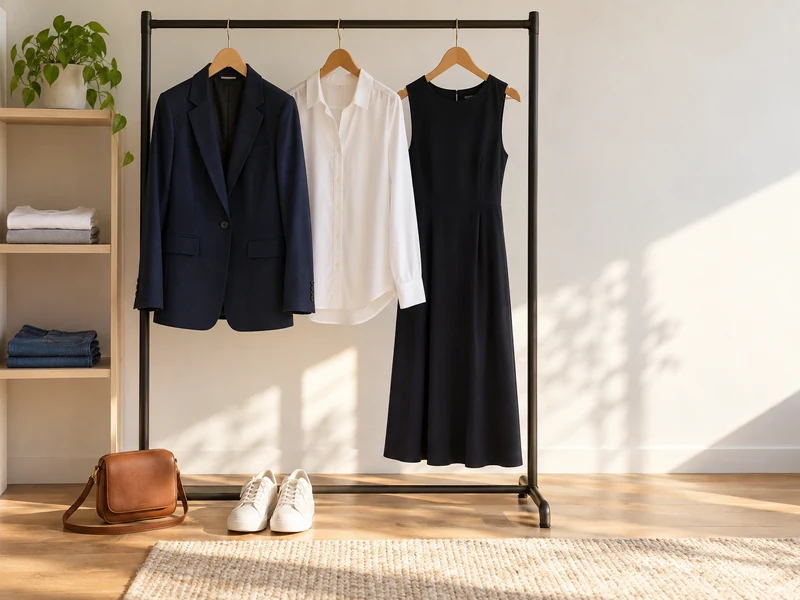
Smart shopping starts with your own wardrobe, schedule, climate, and budget. A blazer or black dress can be useful for one person and unnecessary for another. Before calling anything a “must-have,” ask what you actually wear, what is missing, and whether a new item will work with clothes you already own.
Use the six categories below as a checklist of decisions rather than a required shopping list. You may already have an excellent version of a piece, or prefer a different color and cut. Try the items you own first, note any real gap, and buy only when the fit, function, price, and care needs make sense for you. Leave room for changing seasons and routines.
Six Wardrobe Purchases to Evaluate
1. Everyday Tops and Denim That Fit Your Routine
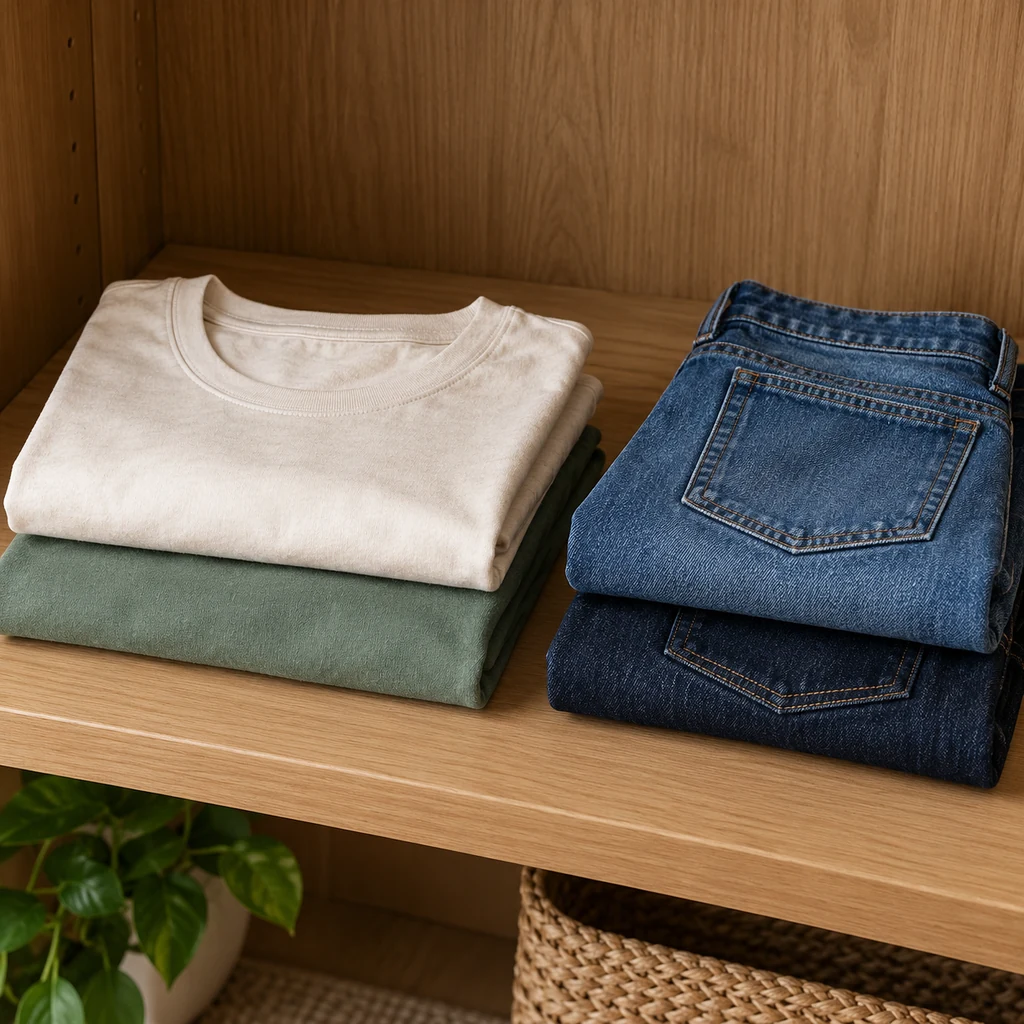
A plain tee and a pair of jeans can anchor many outfits, but only if they are comfortable in your real life. Look at the colors, necklines, rises, and leg shapes you already wear. When trying on a tee, move your arms and check whether the fabric twists or feels too sheer for your preference. For jeans, sit, walk, and check the waistband and hem with your usual shoes. The number on the label matters less than how the garment moves with you. Inspect seams, stitching, and the care label before paying. A good basic is one you will wear repeatedly, whether it is neutral, bright, fitted, or roomy.
2. One Layer That Works Across Your Outfits
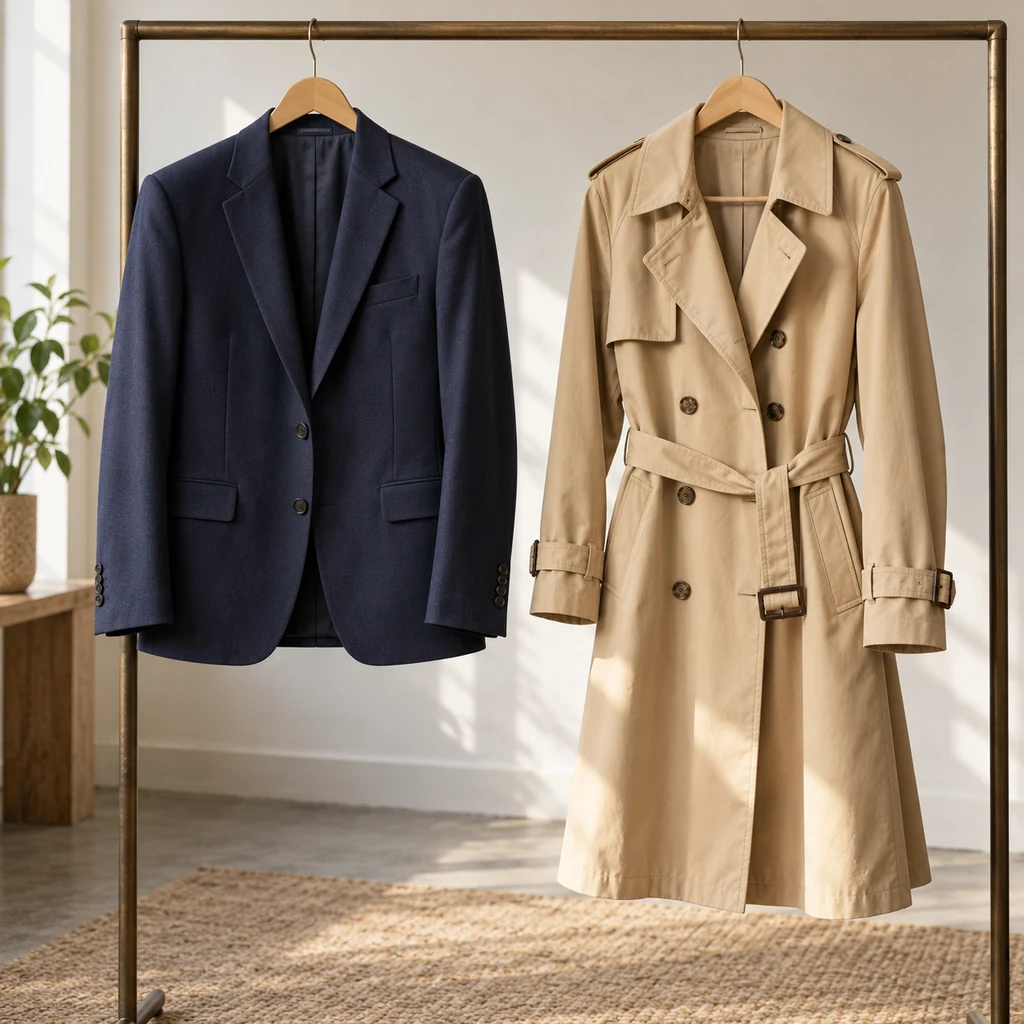
A blazer, trench, or warm coat serves a different purpose, so choose according to your climate and daily travel. A blazer can make a tee and trousers feel more polished; a lightweight trench can handle mild rain; insulated outerwear matters where winter is cold. You do not need all three. Test a layer over the thickest top you expect to wear with it, then lift your arms and close it. Check pockets, lining, closures, and cleaning instructions. If the piece is expensive, consider how often you will actually use it and whether a repairable secondhand option exists. A classic style is only a good purchase when it fits your weather and taste.
3. Shoes You Can Wear for a Full Day
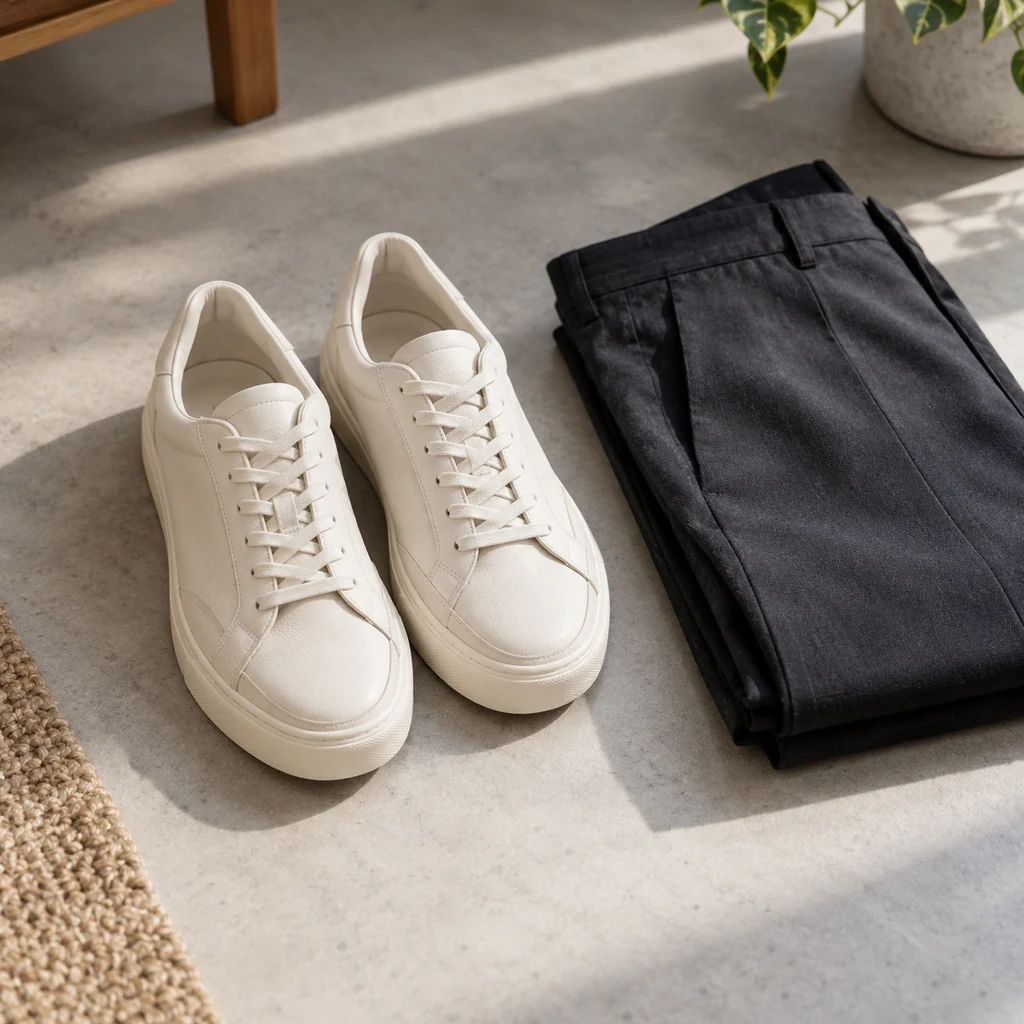
Sneakers are versatile for many wardrobes, but the right everyday shoe might instead be a loafer, boot, or flat. Try shoes later in the day when possible, with the socks you normally wear. Walk on a firm surface and notice heel movement, toe room, and any rubbing. Check the sole and whether the shoe works with at least a few outfits you own. A “neutral” shade is useful only if it suits your clothes; a favorite color can be equally versatile in your wardrobe. Do not assume an uncomfortable pair will become comfortable after enough wear. For more combinations, see our comfortable-shoe outfit ideas.
4. A Bag That Holds What You Actually Carry
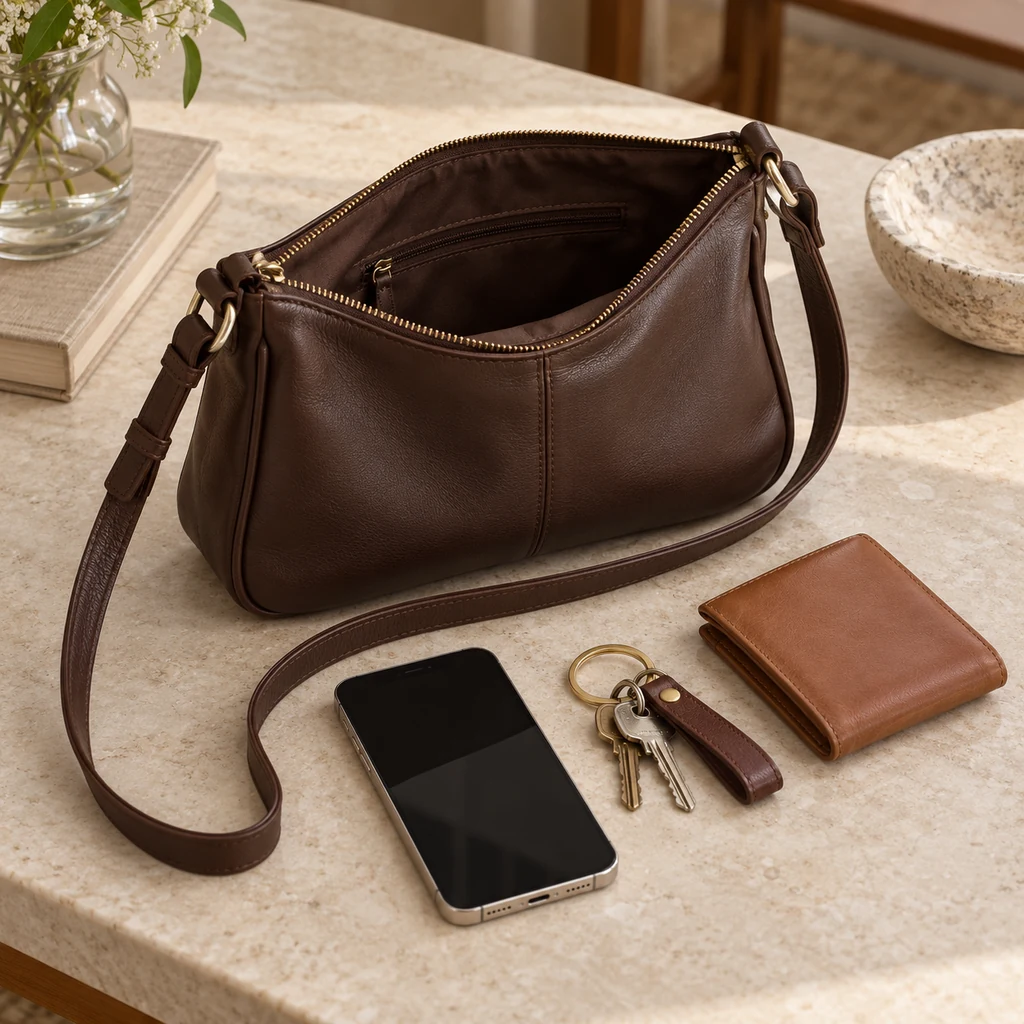
A crossbody bag can leave your hands free, but a tote, backpack, or smaller pouch may suit your day better. Make a short list of what must fit: phone, keys, wallet, glasses, or a water bottle. Check the internal dimensions and opening, then test whether you can reach the essentials easily. Notice strap length, weight, zipper quality, and whether the bag sits comfortably when loaded. A beautiful bag that slips off your shoulder or will not close around your belongings is poor value. If you already own a functional bag, a new one should solve a specific problem or bring genuine enjoyment within your budget.
5. A Dress or Occasion Piece You Will Really Wear
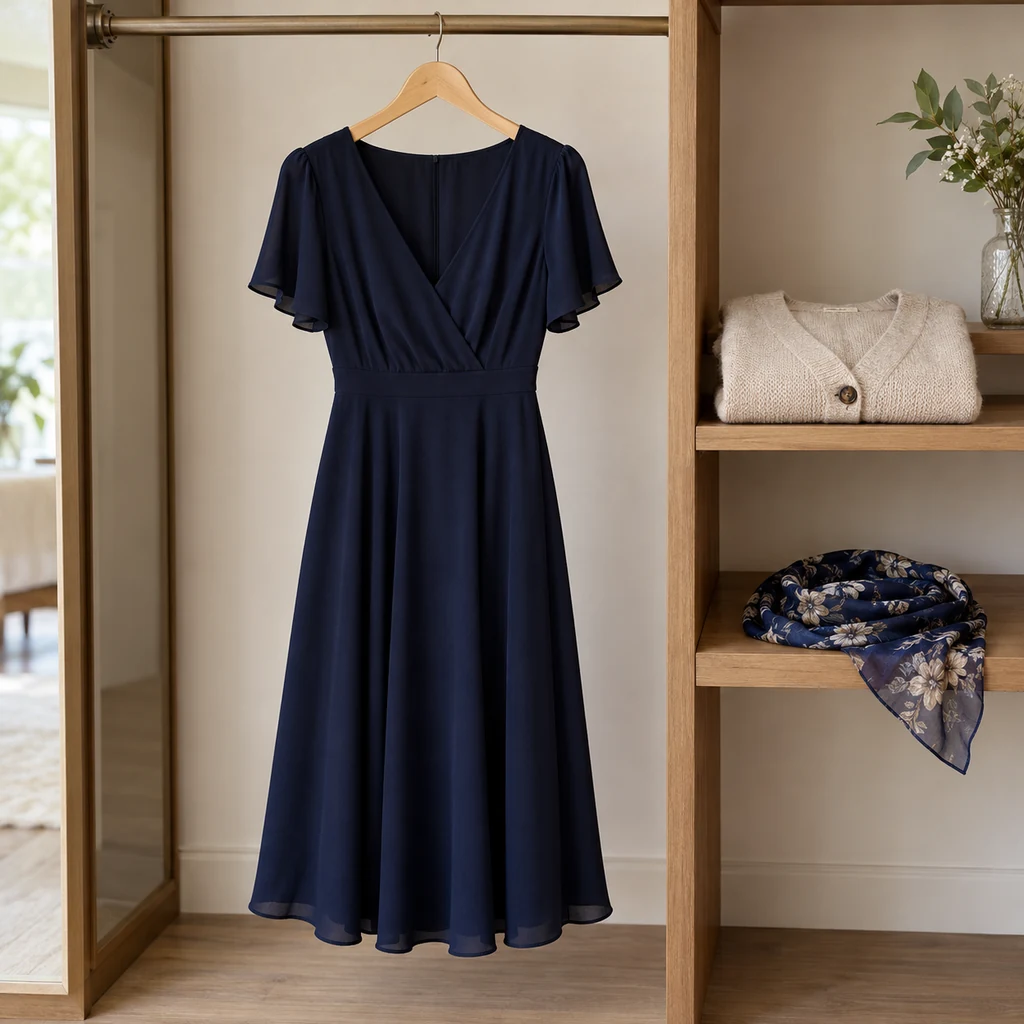
The little black dress is familiar advice, but it is not universal. Your version may be navy, patterned, long, or a tailored two-piece outfit. Think about the occasions you actually attend and what shoes, layers, and accessories you already have. Try sitting and walking in the outfit, and check whether the fabric needs special care. Before buying for one event, see whether a piece in your closet can be restyled, altered, borrowed, or rented. If a new purchase is right, choose a silhouette you would also enjoy on an ordinary day. The goal is repeat use, not meeting someone else’s definition of timeless.
6. Accessories That Add Function or Personality
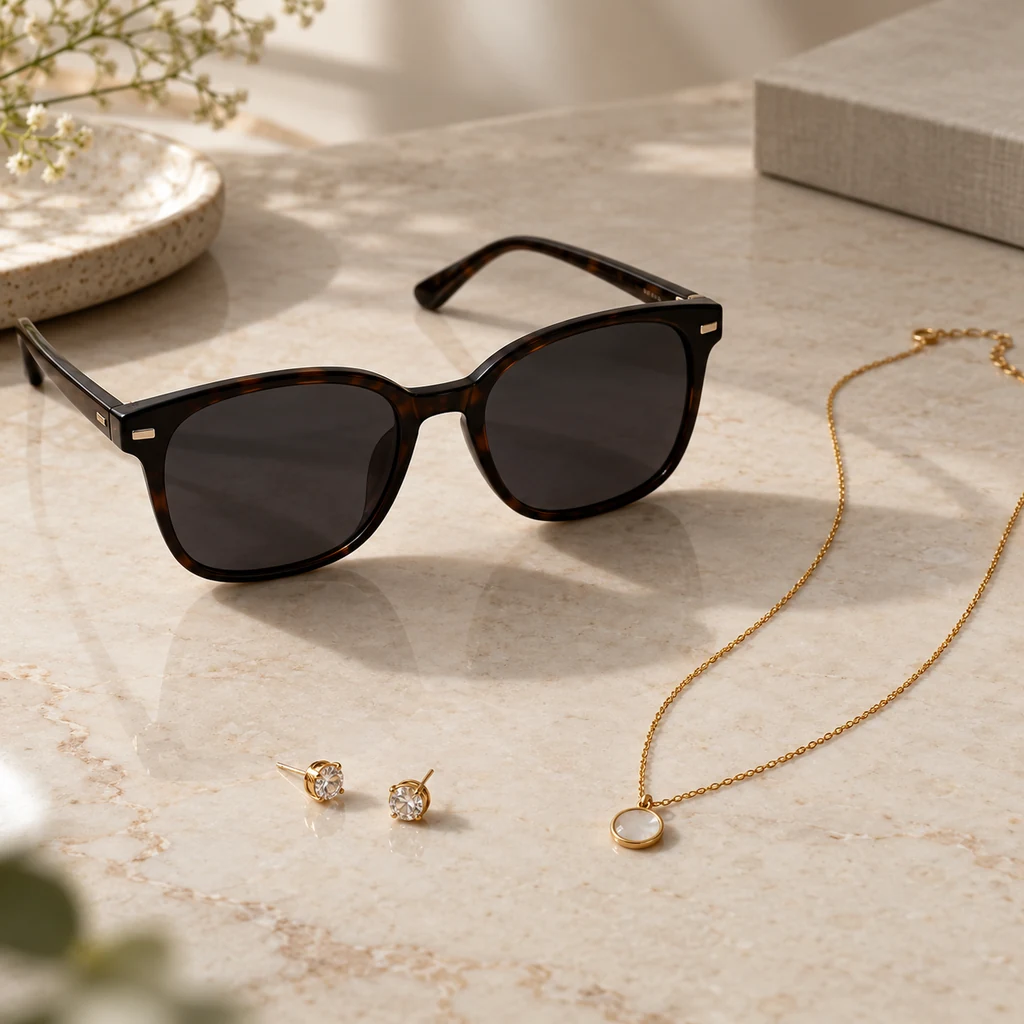
Sunglasses and jewelry can change an outfit without replacing its main pieces. For sunglasses, prioritize a label showing 99–100% UVA and UVB protection; the American Optometric Association recommends that level of protection. Check that frames stay comfortable and give the coverage you want. With jewelry, choose pieces that feel like you and do not snag on clothes or interfere with daily tasks. One pair of earrings or a necklace you wear often may be more useful than a box of impulse buys. Accessories are a place to enjoy color and character, not a requirement to keep up with every trend.
Make the Purchase Decision Before Checkout
For any candidate, ask: Can I name three outfits or situations where I will use it? Does it fit comfortably now? Can I follow the care instructions? What is the full price including delivery or alterations? If you shop online, check the size chart, total cost, and return terms before ordering. The FTC’s online shopping guidance also recommends comparing total costs and reading refund policies, especially for sale items. A sale is only useful when the item fills a real need at a price you can afford. Our capsule wardrobe ideas can help you spot combinations with what you already own.
Frequently Asked Questions
Do I need every item on a wardrobe essentials list?
No. Keep only the categories that match your routine and preferences. A useful wardrobe is personal, not a fixed checklist.
Is the cheapest item always the smartest buy?
Compare fit, likely use, care, and total cost. A low price does not help if the item stays unworn.
What should I buy first?
Start with the gap that affects your day most often, after checking whether something you own can fill it.