

When temperatures climb and daylight stretches longer, taking your training outside feels less like a luxury and more like the smartest move you can make. Outdoor workouts for summer combine fresh air, natural scenery, and flexible movement options that keep your routine interesting without adding gym fees or commute time. Whether you are rebuilding consistency after winter or leveling up an already solid program, this guide walks you through the best warm-weather options, how to structure a simple weekly plan, and what to watch for when the heat turns up.
Why Outdoor Workouts Beat the Gym in Warm Weather

Training outside does more than change your scenery. Sunlight supports vitamin D production, which plays a role in bone health, immune function, and mood regulation. Natural light and green spaces are also linked to lower stress and better mental clarity compared with fluorescent-lit indoor sessions. That matters when motivation dips in the middle of a busy week.
Outdoor terrain adds variety your body cannot replicate on a treadmill. Hills, uneven paths, wind resistance, and temperature shifts challenge balance, coordination, and cardiovascular endurance in small but meaningful ways. You also tend to move longer without noticing it—chasing shade, exploring a new trail, or finishing one more loop around the park adds volume without the mental grind of staring at a screen.
If you already train indoors, summer is the perfect season to blend both. A morning workout habit pairs especially well with cooler sunrise temperatures and quieter parks before the day heats up.
Best Outdoor Workouts for Summer
You do not need fancy equipment to build an effective warm-weather routine. The workouts below cover cardio, strength, mobility, and recovery—mix and match based on your goals, schedule, and access to parks, trails, or water.
Running and Jogging
Running remains one of the most accessible outdoor workouts. Start with run-walk intervals if you are returning after a break: two minutes jogging, one minute walking, repeated for 20 to 30 minutes. Grass, packed dirt, and rubberized park paths are gentler on joints than concrete sidewalks. Track weekly mileage gradually—most beginners thrive adding no more than 10 percent volume per week.
Cycling
Cycling delivers low-impact cardio that scales easily. Flat neighborhood loops build aerobic base; hill repeats develop leg strength and power. Always wear a helmet, use hand signals, and carry water on rides longer than 45 minutes. Bike paths and rail-trails are ideal when you want steady pacing without traffic stress.
HIIT in the Park

High-intensity interval training burns calories quickly and fits busy schedules. Pick four moves—burpees, squat jumps, mountain climbers, and walking lunges—and alternate 40 seconds of work with 20 seconds of rest for four rounds. Shade matters here: set up under trees or near a pavilion so heart rate spikes do not stack on top of direct sun exposure. On extra-hot days, shorten work intervals and extend recovery.
Outdoor Yoga and Mobility
Yoga outdoors deepens the mind-body connection. A simple 20-minute flow might include cat-cow, downward dog, low lunge, warrior II, and seated forward fold. Grass, a deck, or a beach boardwalk all work—just bring a mat for grip and knee comfort. Morning sessions feel especially grounding when birdsong and soft light replace gym mirrors.
Swimming and Water Workouts
Swimming is joint-friendly full-body cardio with built-in cooling. Lap swimming builds endurance; water jogging in the shallow end works well for active recovery days. Always swim in designated areas, never train alone in open water, and reapply sunscreen after toweling off.
Hiking and Incline Walking
Hiking trains endurance, glutes, and core while delivering a mental reset. Start with local nature preserves rated easy to moderate, carry a small backpack with water and snacks, and wear trail shoes with traction. Incline walking on neighborhood hills offers similar benefits when you cannot reach a trailhead.
Bodyweight Strength Training
Parks are outdoor gyms. Use benches for incline push-ups and tricep dips, stairs for step-ups, and open turf for squats, lunges, planks, and bear crawls. A 30-minute circuit—three rounds of 12 reps per exercise—builds functional strength without dumbbells. Pair this with simple at-home cardio sessions on rainy days to stay consistent.
Outdoor Circuit Training
Combine cardio and strength in one session: sprint 30 seconds, perform 10 push-ups, sprint again, then 15 squats, repeating for 20 minutes. Resistance bands and light kettlebells travel easily if you want extra load. Circuits keep heart rate elevated and work multiple muscle groups efficiently—ideal when summer calendars get crowded.
How to Build a Simple Summer Outdoor Routine
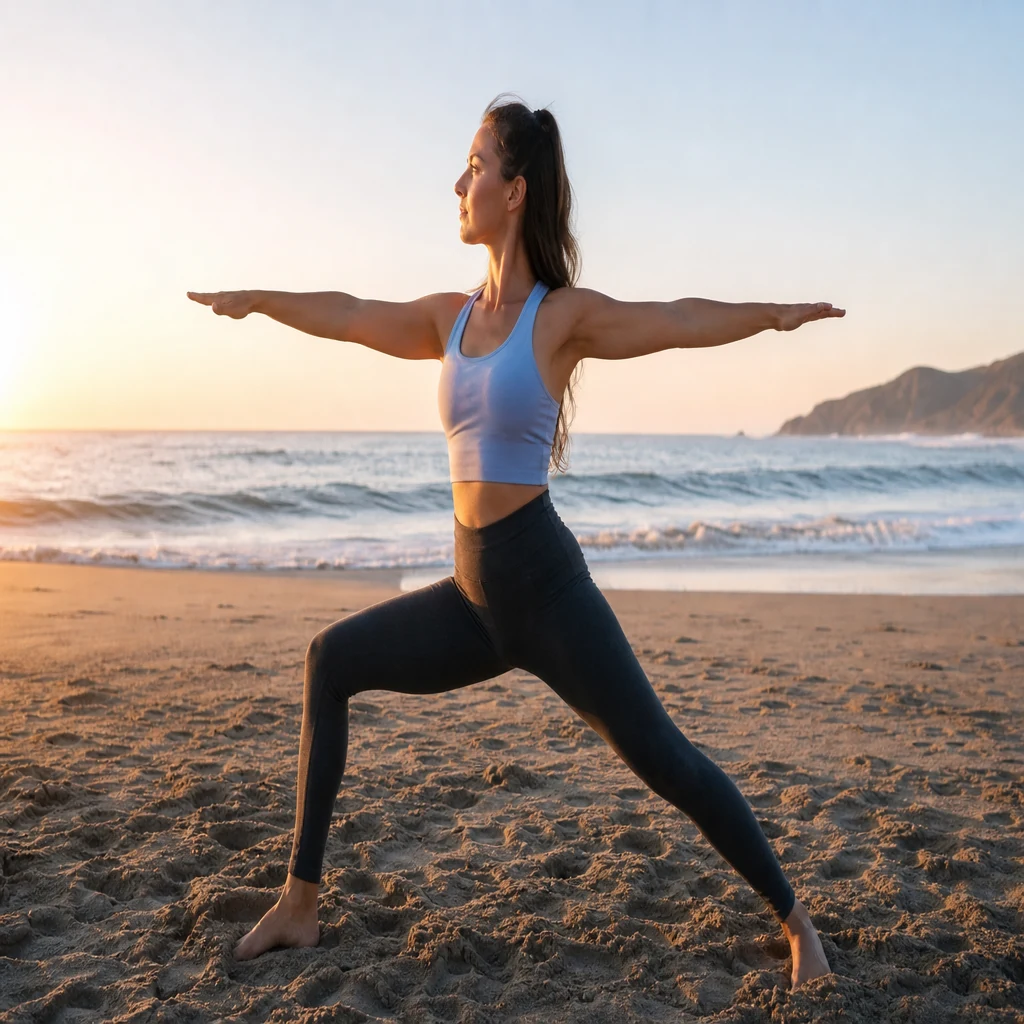
Consistency beats complexity. A balanced week might look like this:
- Monday: 30-minute jog or brisk walk
- Tuesday: Bodyweight strength circuit in the park
- Wednesday: Rest or gentle outdoor yoga
- Thursday: 20-minute HIIT session in the shade
- Friday: Cycling or hiking
- Weekend: Longer adventure—trail hike, lake swim, or mixed circuit
Adjust volume to your fitness level. Two or three outdoor sessions weekly still deliver results if you show up consistently. Track how you feel—energy, sleep quality, and soreness—more than perfect adherence to a spreadsheet.
Short on time? Stack outdoor movement with quick home workouts that burn for hybrid weeks that never feel all-or-nothing.
Safety Tips for Hot-Weather Exercise
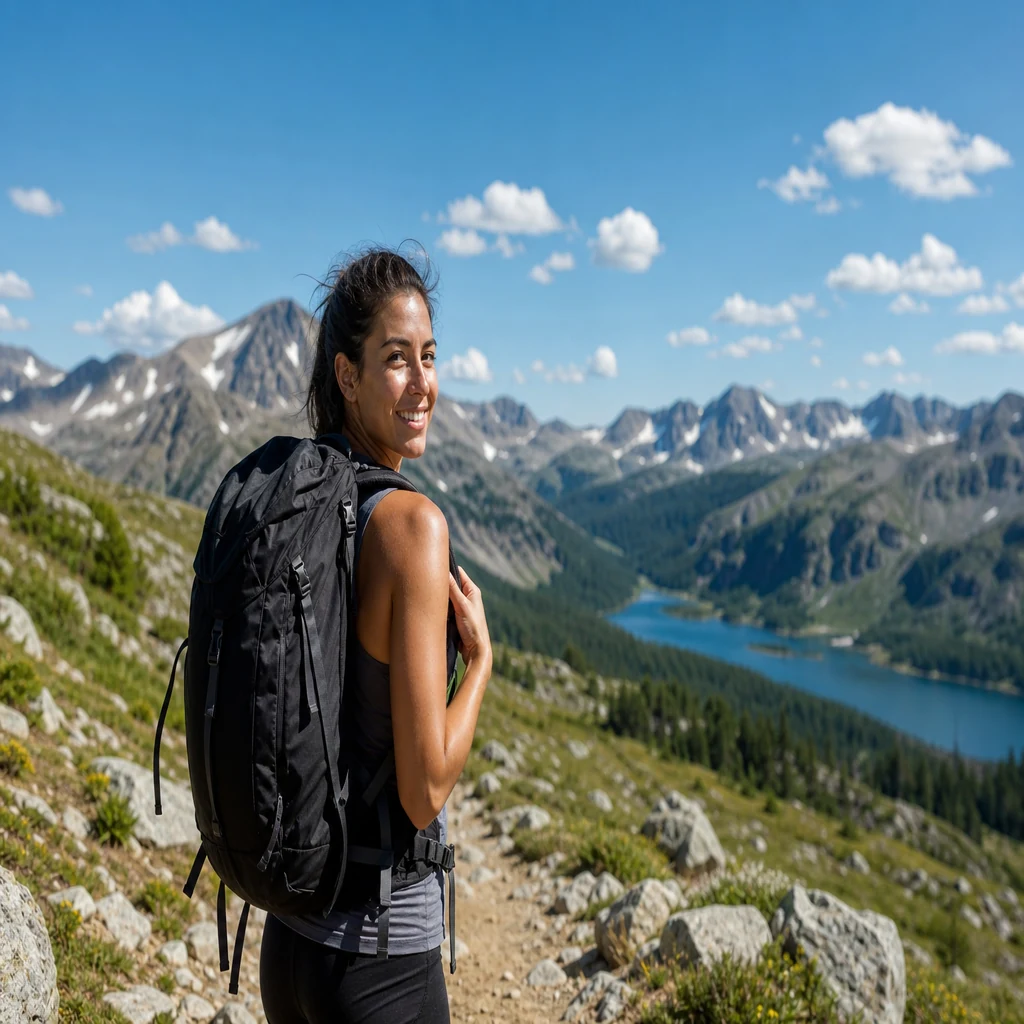
Summer fitness should energize you—not land you on the couch recovering from heat exhaustion. Keep these habits non-negotiable:
- Hydrate early and often. Drink 16 to 20 ounces of water one to two hours before training, sip during sessions longer than 45 minutes, and replace fluids afterward. Our guide to summer hydration tips covers electrolytes and signs you are falling behind.
- Wear sunscreen and breathable fabrics. Apply broad-spectrum SPF 30 or higher 15 minutes before heading out. Choose moisture-wicking tops and shorts in light colors.
- Time workouts wisely. Schedule intense efforts before 10 a.m. or after 6 p.m. when possible. Midday heat raises core temperature fast.
- Listen to your body. Dizziness, nausea, cramping, or sudden fatigue mean stop, find shade, and cool down. There is no badge for pushing through heat illness.
- Know your surface. Asphalt radiates heat. Grass, dirt, and shaded paths reduce thermal load on your body.
Frequently Asked Questions
What are the best outdoor workouts for beginners in summer?
Walking, cycling on flat paths, bodyweight circuits, and gentle yoga are excellent starting points. They build a base without overwhelming joints or cardiovascular systems. Progress by adding five minutes per session or one extra exercise per week rather than jumping straight into long runs or intense HIIT.
How often should I do outdoor workouts during summer?
Most adults benefit from three to five sessions weekly, mixing moderate cardio, strength, and mobility. Rest days matter—muscles adapt during recovery, especially when heat increases overall training stress. Two solid outdoor workouts beat five inconsistent ones.
Is it safe to exercise outdoors when it is over 90°F?
It can be, with adjustments. Shorten duration, lower intensity, seek shade, hydrate aggressively, and wear light clothing. High humidity makes heat more dangerous because sweat evaporates slower. Move indoors or postpone hard efforts when heat advisories are active.
What should I bring to an outdoor summer workout?
At minimum: water, sunscreen, a hat, sunglasses, and a phone for emergencies. For longer sessions add electrolyte tablets, a small towel, insect repellent, and snacks. A yoga mat or towel helps on grass; trail shoes matter for hiking.
Can outdoor workouts replace the gym completely?
For general fitness, often yes. Bodyweight training, running, cycling, and hiking cover cardio and strength needs for many people. Gym access still helps if you rely on heavy barbells, machines, or climate-controlled winter training. Think of summer outdoors as your primary season and indoors as a smart backup.
How do I stay motivated when it gets too hot?
Shift workouts earlier, choose shaded routes, invite a friend for accountability, and rotate activities so boredom does not win. Setting a summer goal—first 5K, weekly hike count, or 30 days of morning movement—gives structure without rigid gym schedules.
Make This Summer Your Fittest Yet—Outside
Outdoor workouts for summer turn parks, trails, beaches, and neighborhood sidewalks into training spaces that feel energizing instead of obligatory. Pick two or three activities you genuinely enjoy, protect yourself from heat and sun, and build a simple weekly rhythm you can repeat all season. Fresh air, natural light, and movement you look forward to—that is the combination that keeps results coming long after the warm weather fades.