
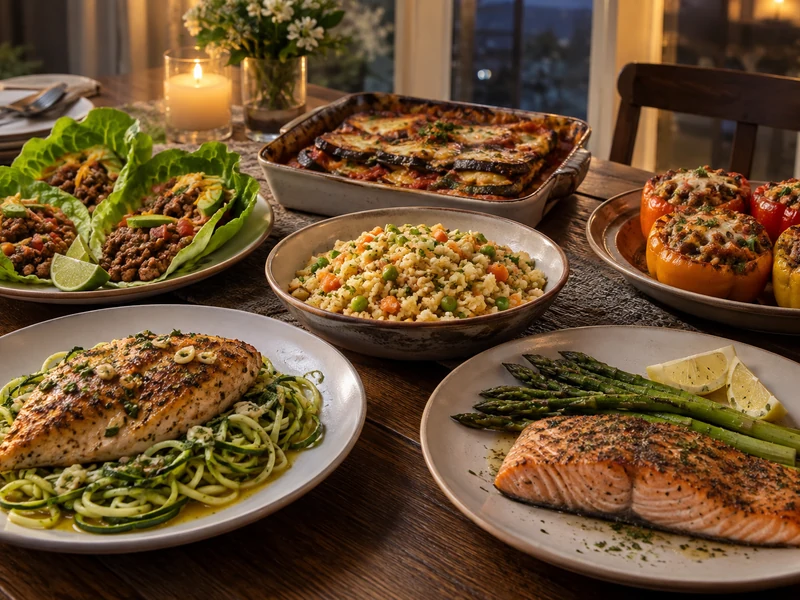
Low-carb dinner recipes for weight loss can be useful when they make weeknight meals easier to plan, but no single dinner causes weight loss by itself. Body weight is influenced by the overall eating pattern, portions, activity, sleep, health conditions, and other individual factors. These six dinners focus on satisfying protein, plenty of non-starchy vegetables, and straightforward cooking rather than exaggerated promises.
Each idea makes approximately two servings and can be adjusted for appetite and dietary needs. “Low carb” has no single definition, so check labels and portions if you follow a carbohydrate target recommended by a clinician. Anyone managing diabetes, kidney disease, pregnancy, an eating disorder, or medication-related nutrition needs should seek personalized advice from a qualified health professional.
Why You’ll Love It
- Practical variety: choose chicken, turkey, salmon, eggs, or a meat-free adaptation.
- Vegetable-forward plates: zucchini, lettuce, eggplant, asparagus, cauliflower, and peppers form the base.
- Weeknight methods: every meal uses familiar sautéing, roasting, or baking techniques.
Ingredients
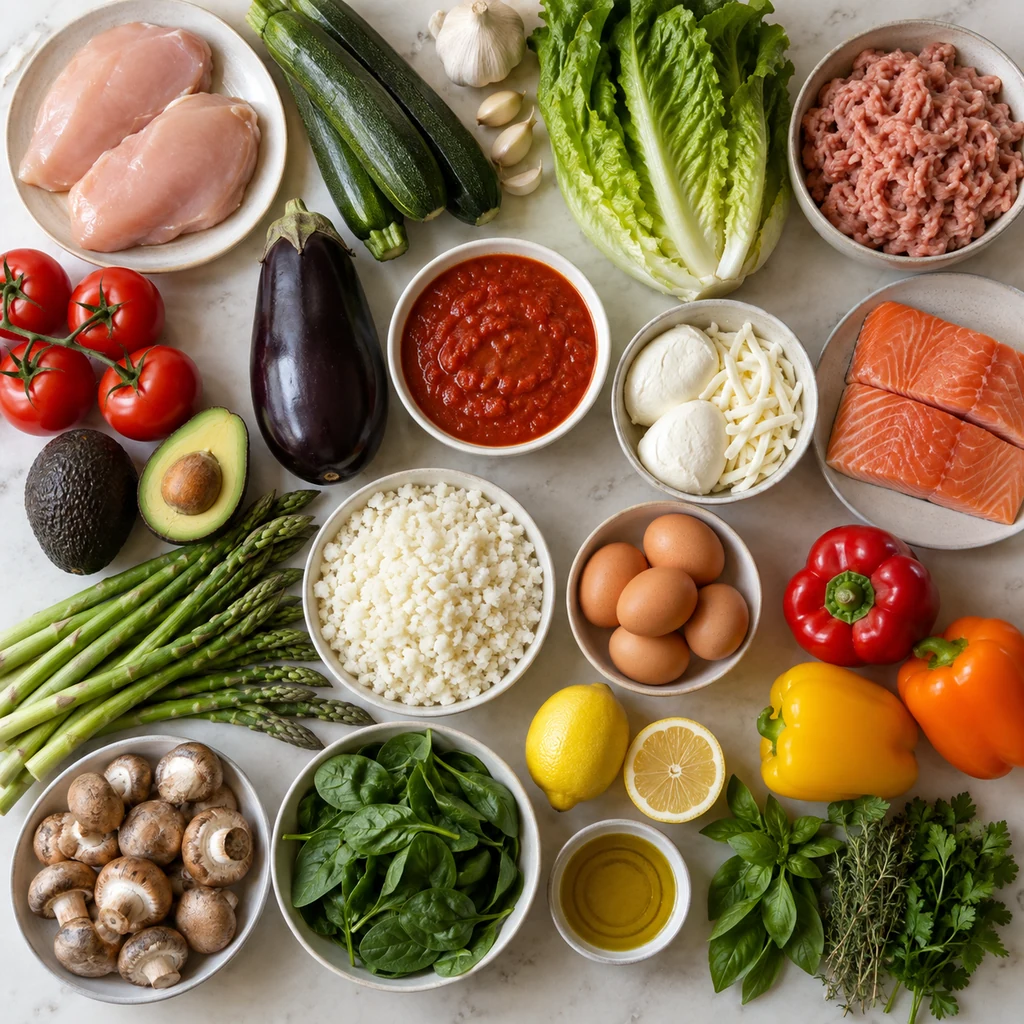
For the full collection, gather chicken breast, lean ground turkey, salmon, eggs, zucchini, romaine, tomatoes, avocado, eggplant, asparagus, cauliflower rice, bell peppers, mushrooms, spinach, onion, garlic, lemon, plain marinara, mozzarella or ricotta, olive oil, herbs, and spices. Choose marinara and seasonings by flavor and ingredient quality rather than assuming a “sugar-free” label automatically makes a product better.
Wash vegetables, use separate boards for raw meat and produce, and cook poultry and ground turkey to a safe internal temperature. Refrigerate leftovers promptly. The quantities below are guides for two servings, not a prescribed weight-loss plan, and they may be increased or decreased to suit the rest of your meal.
Low-Carb Dinner Recipes for Weight Loss
1. Garlic Chicken with Zucchini Noodles
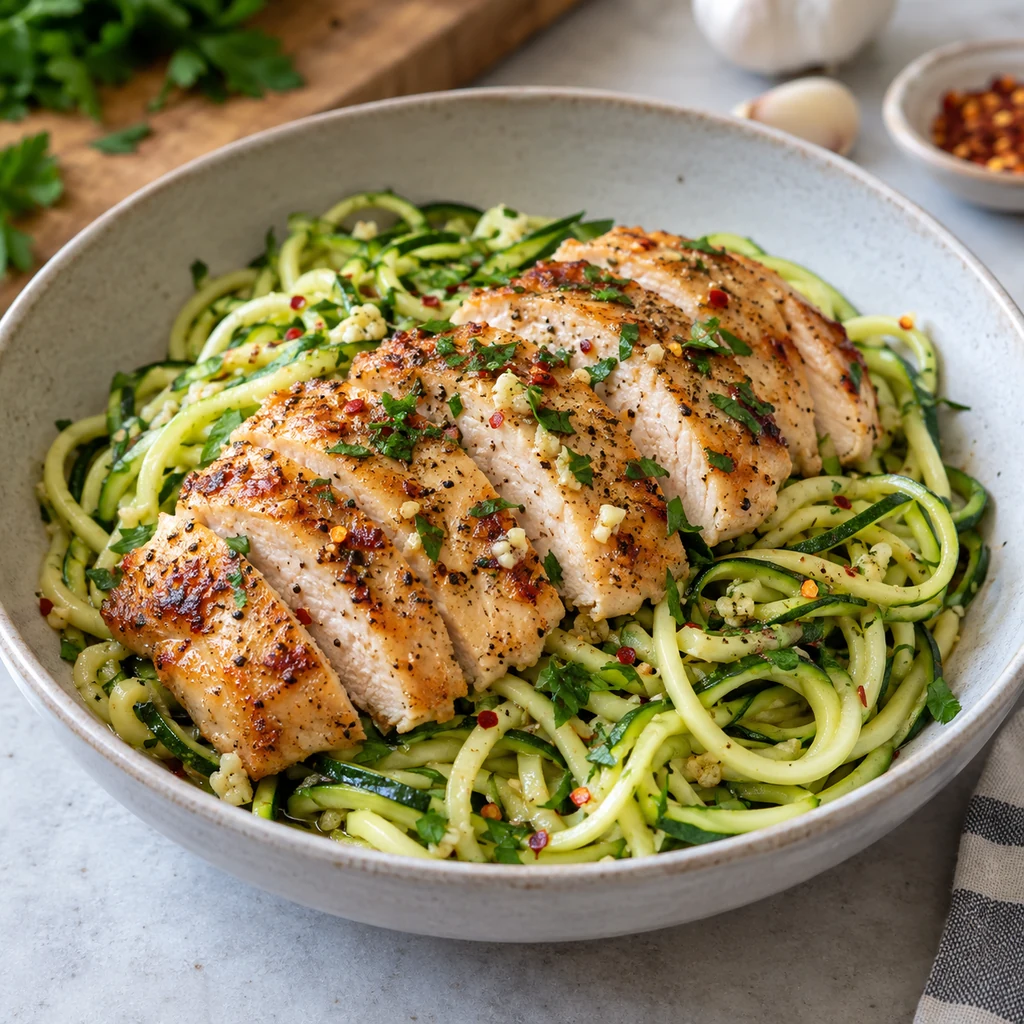
Slice 12 ounces of chicken breast into even pieces and season with pepper and a modest pinch of salt. Brown it in 1 tablespoon olive oil over medium-high heat until cooked through, then transfer it to a plate. Lower the heat, add two minced garlic cloves, and stir for 30 seconds. Add noodles from two medium zucchini and cook just two minutes so they remain firm. Return the chicken, add lemon juice, parsley, and chili flakes, and toss gently. Avoid overcooking the zucchini, which releases water and softens quickly.
2. Turkey Taco Lettuce Wraps
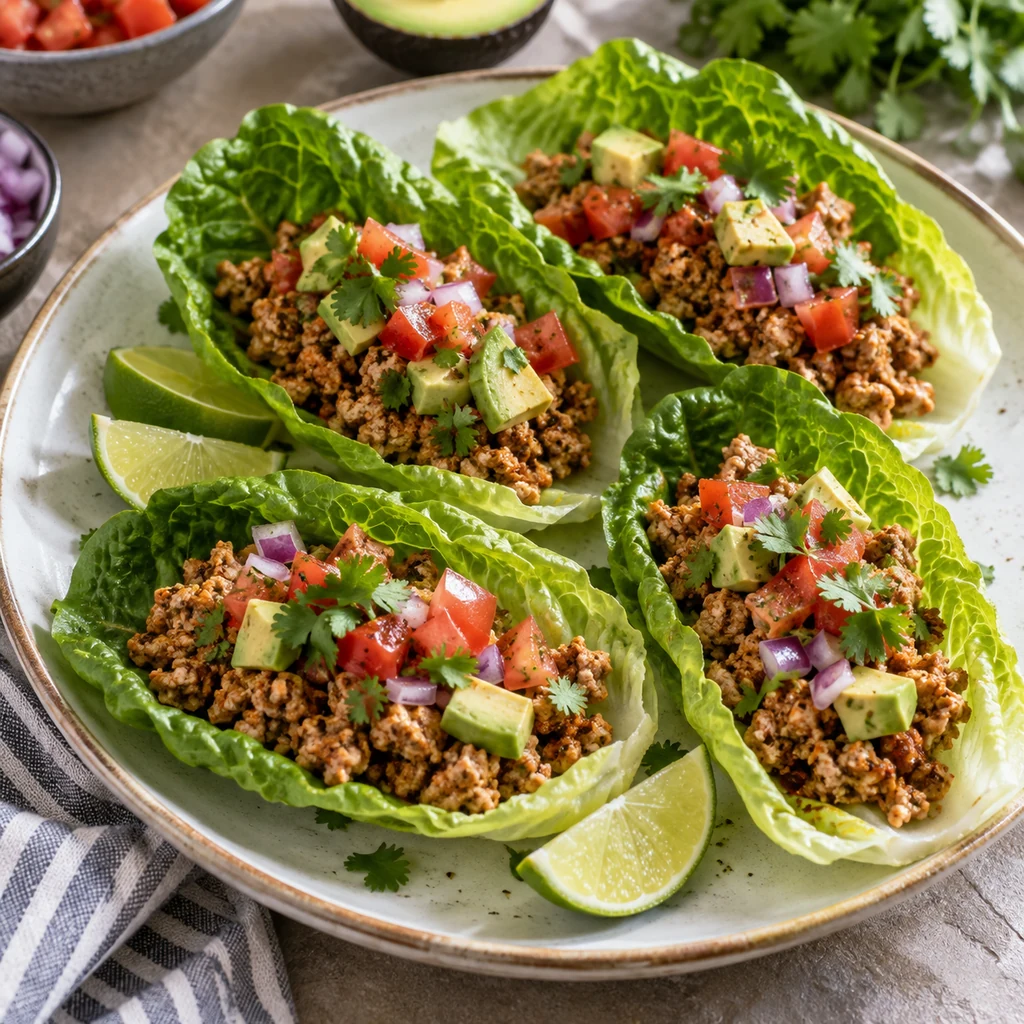
Cook 12 ounces lean ground turkey in a skillet until no pink remains, breaking it into small pieces. Stir in 1 teaspoon cumin, 1 teaspoon smoked paprika, 1/2 teaspoon chili powder, and two tablespoons water; simmer until the spices coat the meat. Divide the filling among six sturdy romaine leaves. Top with diced tomato, 1/2 avocado, red onion, cilantro, and lime. Keep the lettuce dry and add the warm filling only when serving so the wraps stay crisp.
3. Eggplant Lasagna
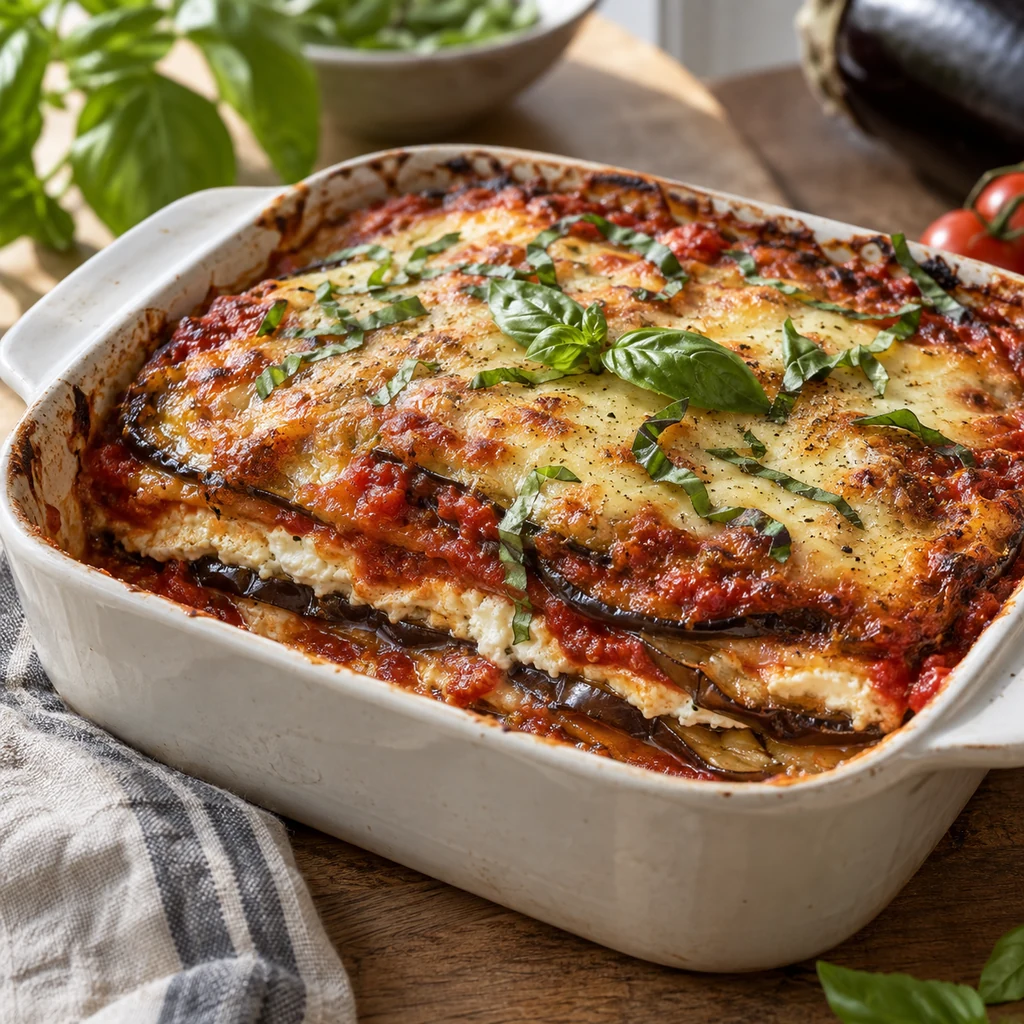
Cut one large eggplant lengthwise into 1/4-inch slices, brush lightly with olive oil, and roast at 425°F (220°C) until flexible and lightly browned. Layer the slices in a small baking dish with 1 cup plain marinara, 3/4 cup ricotta, 3/4 cup shredded mozzarella, basil, and pepper. Bake at 375°F (190°C) for about 25 minutes, until bubbling. Rest for ten minutes before cutting; this lets the layers settle and prevents a watery serving.
4. Baked Salmon with Asparagus
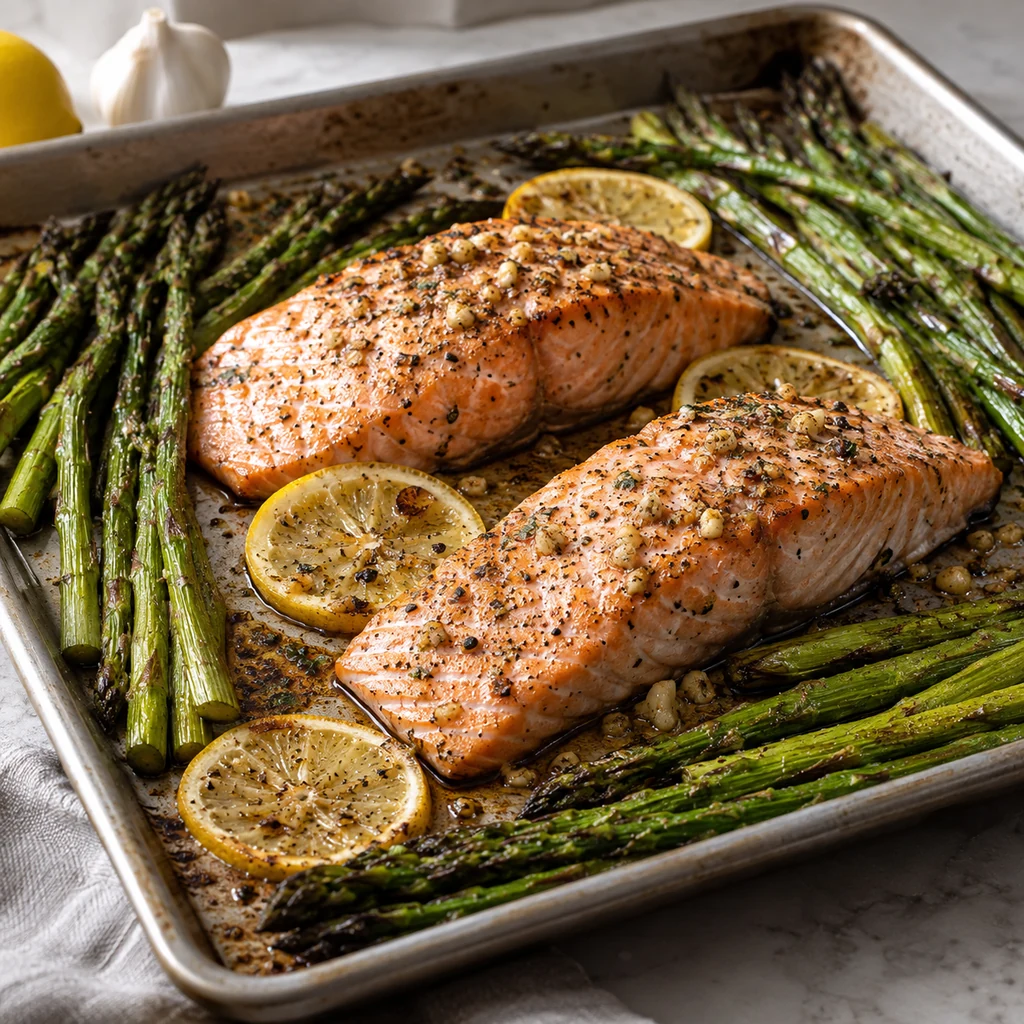
Place two 5-ounce salmon fillets and 12 ounces trimmed asparagus on a rimmed sheet pan. Drizzle the entire pan with 1 tablespoon olive oil, then add minced garlic, black pepper, lemon zest, and lemon slices. Roast at 400°F (200°C) for 12 to 16 minutes, depending on thickness, until the salmon flakes and reaches the doneness appropriate for you. If the asparagus spears are very thick, give them a five-minute head start.
5. Cauliflower Fried Rice
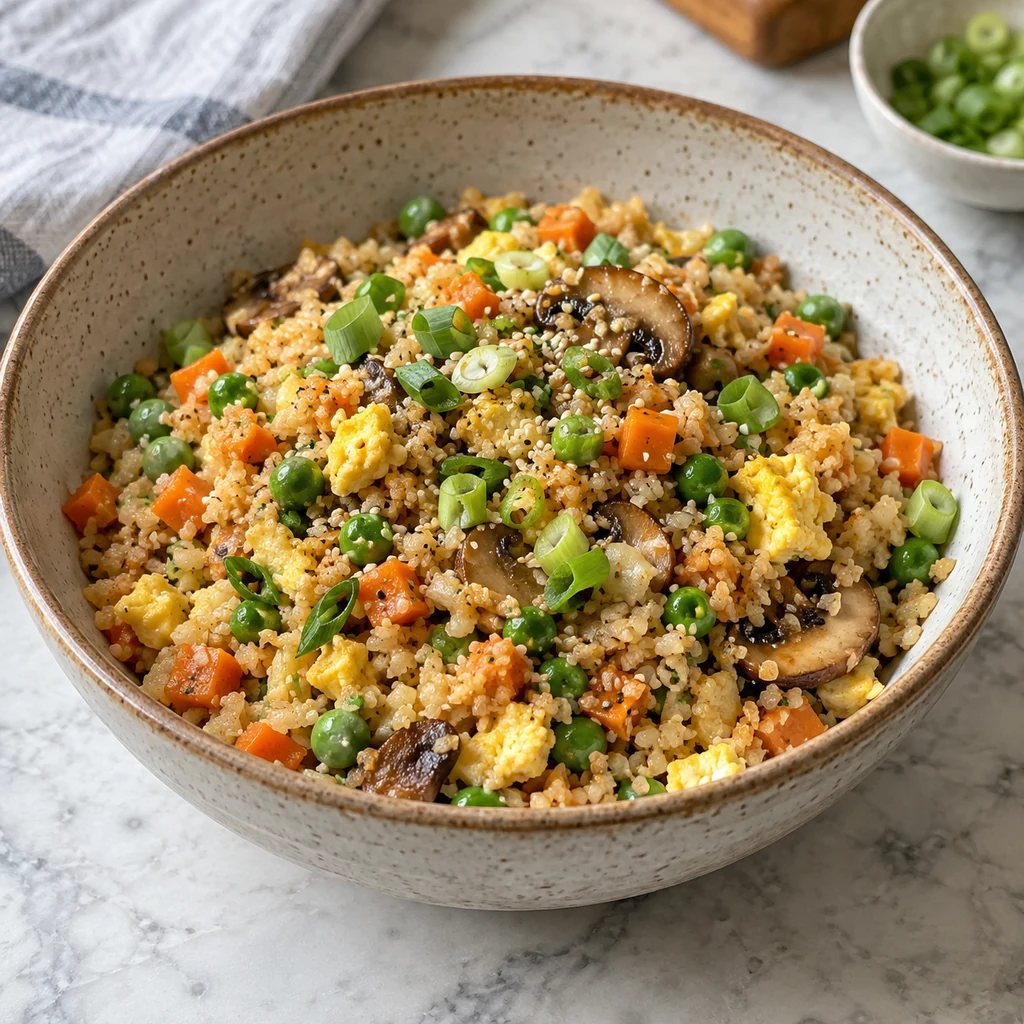
Heat 2 teaspoons neutral oil in a wide skillet. Sauté 1 cup sliced mushrooms and 1/2 cup diced carrots until browned. Add 3 cups cauliflower rice and cook over medium-high heat for four minutes. Push everything aside, scramble two eggs in the open space, then fold them through with 1/3 cup peas, two sliced scallions, and 1 tablespoon reduced-sodium tamari. Cook just until hot. Work in batches if your skillet is crowded, because trapped steam makes the cauliflower soggy.
6. Rice-Free Stuffed Bell Peppers
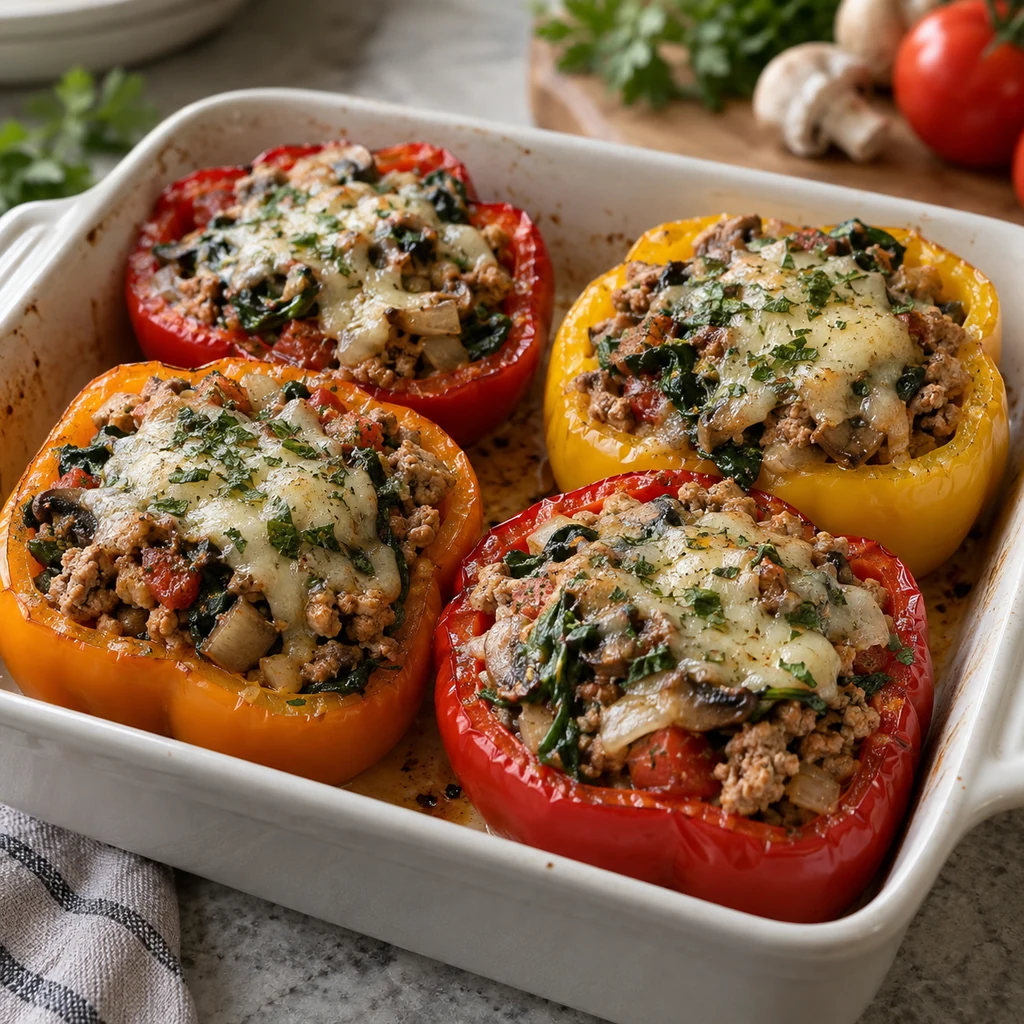
Halve two large bell peppers and remove the seeds. Brown 10 ounces lean ground turkey with 1 cup chopped mushrooms and 1/2 diced onion. Stir in 2 cups spinach, 1/2 cup diced tomatoes, garlic, oregano, and pepper; cook until excess liquid evaporates. Fill the four pepper halves and place them in a covered baking dish with a splash of water. Bake at 375°F (190°C) for 25 minutes, uncover, add 1/3 cup shredded mozzarella if desired, and bake until the peppers are tender.
Substitutions & Variations
Use ground chicken in the lettuce wraps or stuffed peppers, and replace chicken breast with firm tofu in the zucchini-noodle skillet. For a vegetarian eggplant bake, keep the ricotta layer or use a suitable dairy-free alternative. Broccoli rice can replace cauliflower rice, while green beans can replace asparagus. If you need less sodium, choose no-salt-added tomatoes and adjust tamari, cheese, and packaged sauces. Peas and carrots contribute useful flavor and texture even though they contain more carbohydrate than leafy vegetables; portion them according to your own goals rather than labeling foods “good” or “bad.”
What to Serve With
These meals already contain vegetables and protein, so accompaniments can stay simple. Serve the chicken or salmon with a leafy salad and a lemon-herb dressing. Add sliced cucumber and yogurt sauce beside the lettuce wraps, or pair eggplant lasagna with roasted broccoli. If your needs include more carbohydrate, add beans, a small baked potato, or a whole grain portion. A balanced plate should fit the person eating it, not an inflexible internet rule.
Frequently Asked Questions
Will eating low-carb dinners guarantee weight loss?
No. Weight change depends on the overall eating pattern and many personal factors. A lower-carbohydrate dinner can be one preference within a sustainable plan, but it does not independently guarantee a result.
How can I make these dinners more filling?
Include an adequate protein portion, plenty of vegetables, and a measured source of fat such as olive oil or avocado. Eat slowly and adjust portions based on hunger, activity, and professional guidance.
Can people with diabetes use these ideas?
They may be adaptable, but carbohydrate needs and medication effects differ. Anyone managing diabetes should discuss major dietary changes with their clinician or registered dietitian rather than relying on a general recipe collection.