

When summer heat turns your sunny beds into scorched patches, the shady side of your yard becomes the most valuable real estate you have. A well-planned shade garden does not have to look dark or sparse. With the right perennials, you can build layered color, interesting foliage, and soft texture that actually looks better as temperatures climb.
Whether you are working under a mature oak, along a north-facing fence, or in the shadow of your house, these eight shade garden plants handle summer heat without demanding constant attention. They are widely available at US garden centers, perform reliably in USDA zones 4 through 8 (with a few stretching warmer), and pair beautifully with the container and patio ideas you may already be trying elsewhere in the yard.
1. Hosta — The Backbone of Any Shade Garden
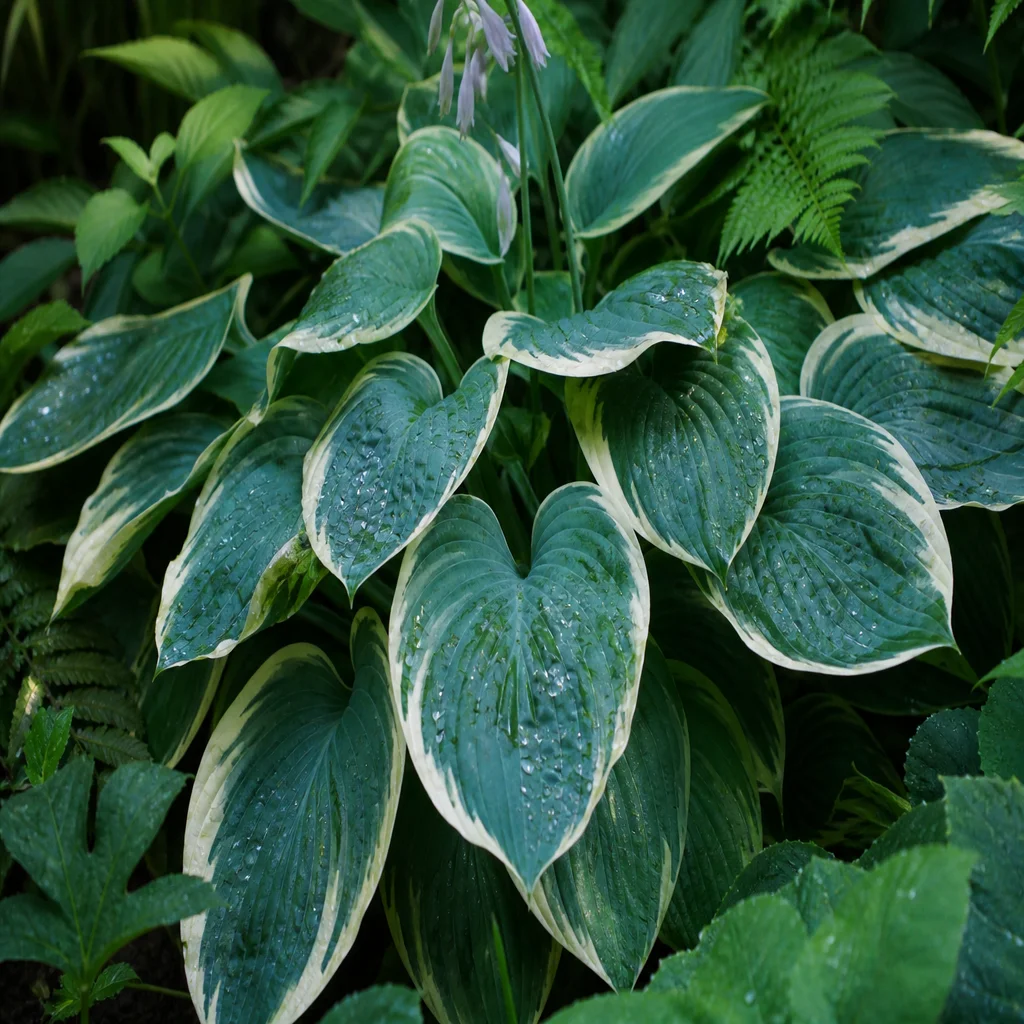
Hostas are the plant most gardeners reach for first when sunlight disappears, and for good reason. Their broad leaves create instant structure, and varieties range from chartreuse miniatures to giant blue-green specimens that anchor an entire bed. In hot summer yards, hostas appreciate consistent moisture and protection from harsh afternoon sun, which can bleach or scorch leaves even in technically shady spots.
Why hostas work in summer shade
Once established, hostas are remarkably low maintenance. Mulch around the crown to keep roots cool, water deeply once or twice a week during dry stretches, and divide overcrowded clumps every three to five years. Slugs can be an issue in humid regions, so crushed eggshells or iron phosphate bait around new growth helps without harsh chemicals.
2. Japanese Painted Fern — Color Without Flowers
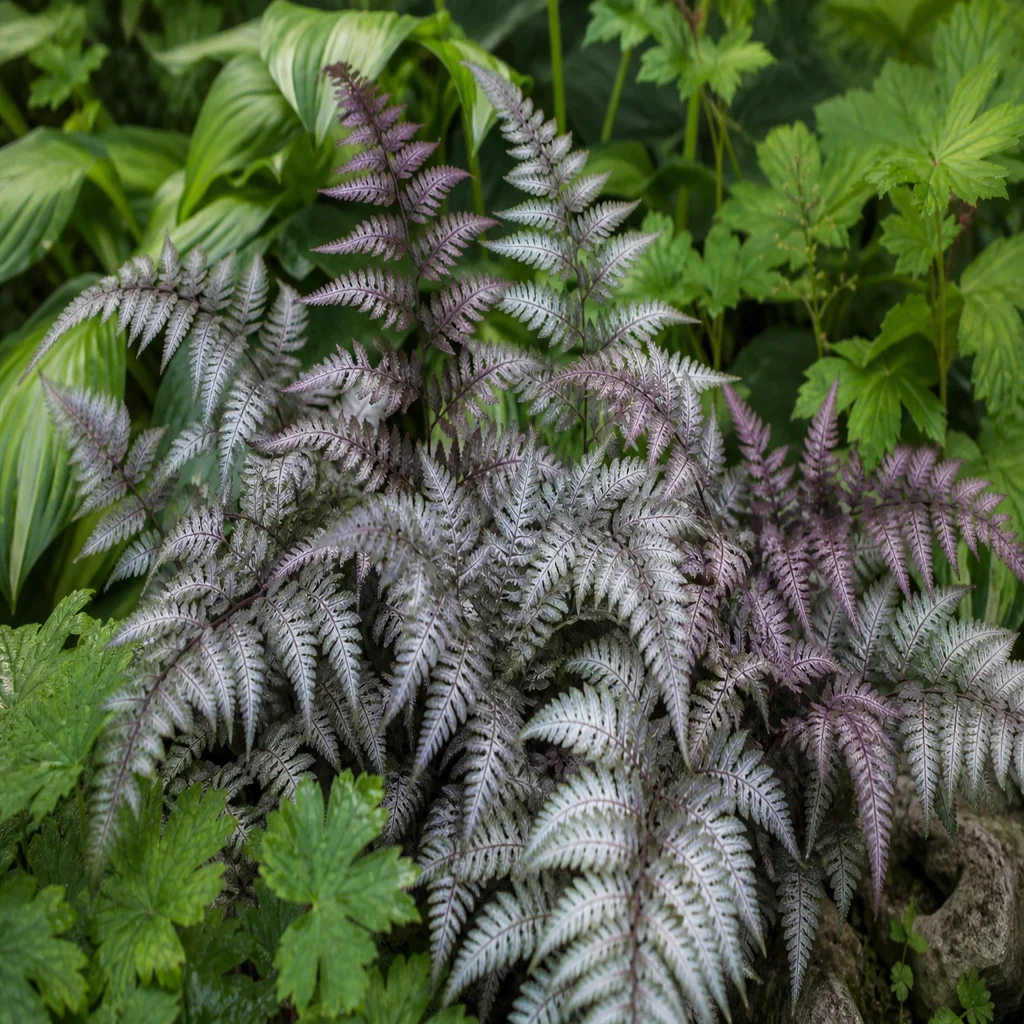
If your shade garden feels heavy on green, Japanese painted fern (Athyrium niponicum) adds silver, burgundy, and pewter tones that read like foliage flowers. The fronds catch filtered light beautifully, making this fern a focal point along paths and near seating areas where you want visual interest at ground level.
Planting and care tips
Plant painted ferns in rich, well-draining soil amended with compost. They prefer evenly moist conditions but tolerate brief dry spells once roots settle in. Pair them with hostas or Solomon’s seal for a classic woodland combination that looks polished without trying too hard.
3. Astilbe — Fluffy Blooms for Shady Borders
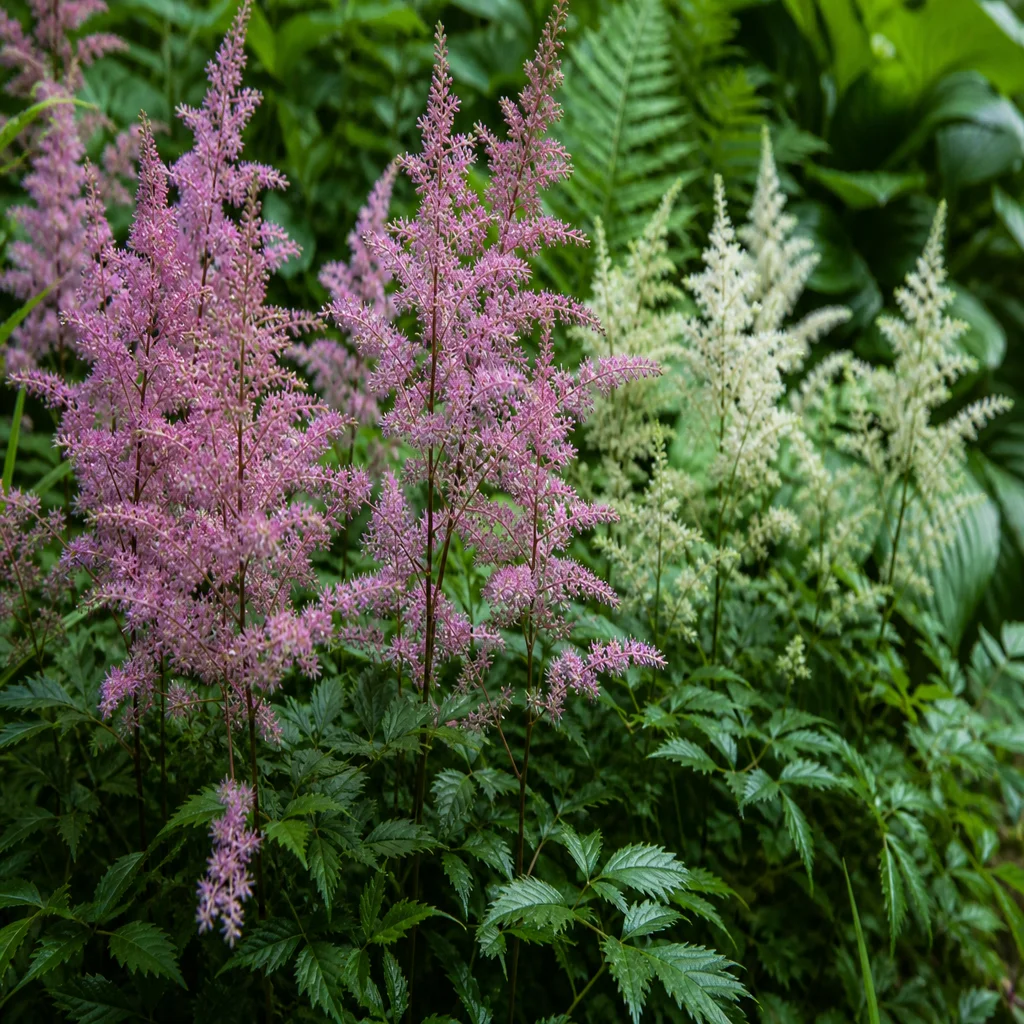
Astilbe brings vertical softness to shade gardens with feathery plumes in pink, white, red, and lavender. Unlike many flowering perennials that shut down in heat, astilbe blooms in early to mid-summer and keeps borders from feeling flat. The fern-like foliage stays attractive after flowers fade, which matters when you want year-round structure.
Best varieties for hot summers
Look for Astilbe chinensis types such as ‘Visions’ or ‘Maggie Daley’ for better drought tolerance than older cultivars. Water astilbe during dry weeks because stressed plants brown at the edges. A two-inch mulch layer makes a noticeable difference in root-zone temperature.
4. Bleeding Heart — Old-Fashioned Charm That Still Performs
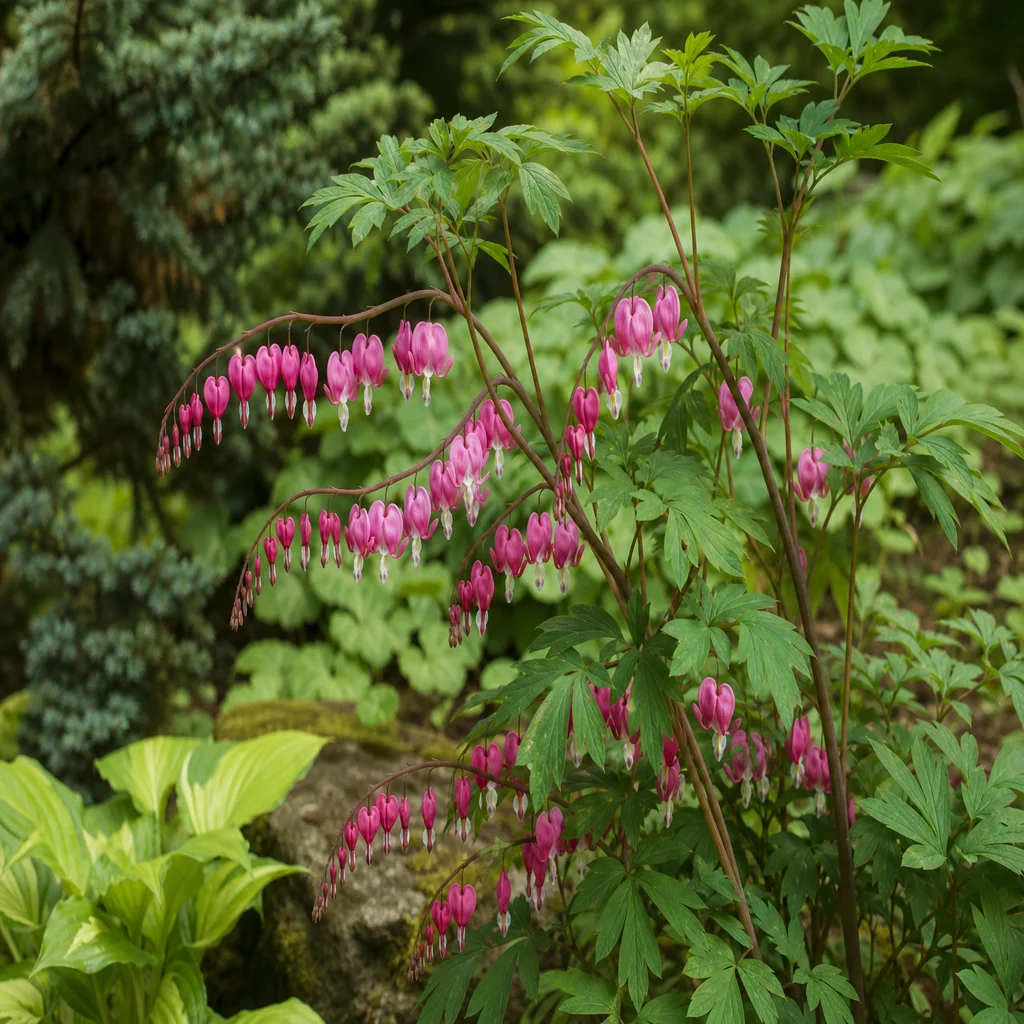
Bleeding heart (Dicentra spectabilis and its cousins) delivers one of the most recognizable silhouettes in shade gardening. Arching stems carry heart-shaped flowers in spring and early summer, then the plant often goes dormant in the hottest weeks — which is perfectly normal, not a failure.
How to use bleeding heart in a summer layout
Plant bleeding heart where neighboring perennials can fill the gap once foliage yellows. Ferns, hostas, or Japanese forest grass slide in nicely to keep the bed full. In cooler microclimates within your yard, bleeding heart may stay green longer; avoid planting it in the hottest reflected heat near driveways.
5. Lungwort — Spotted Leaves and Early Summer Color
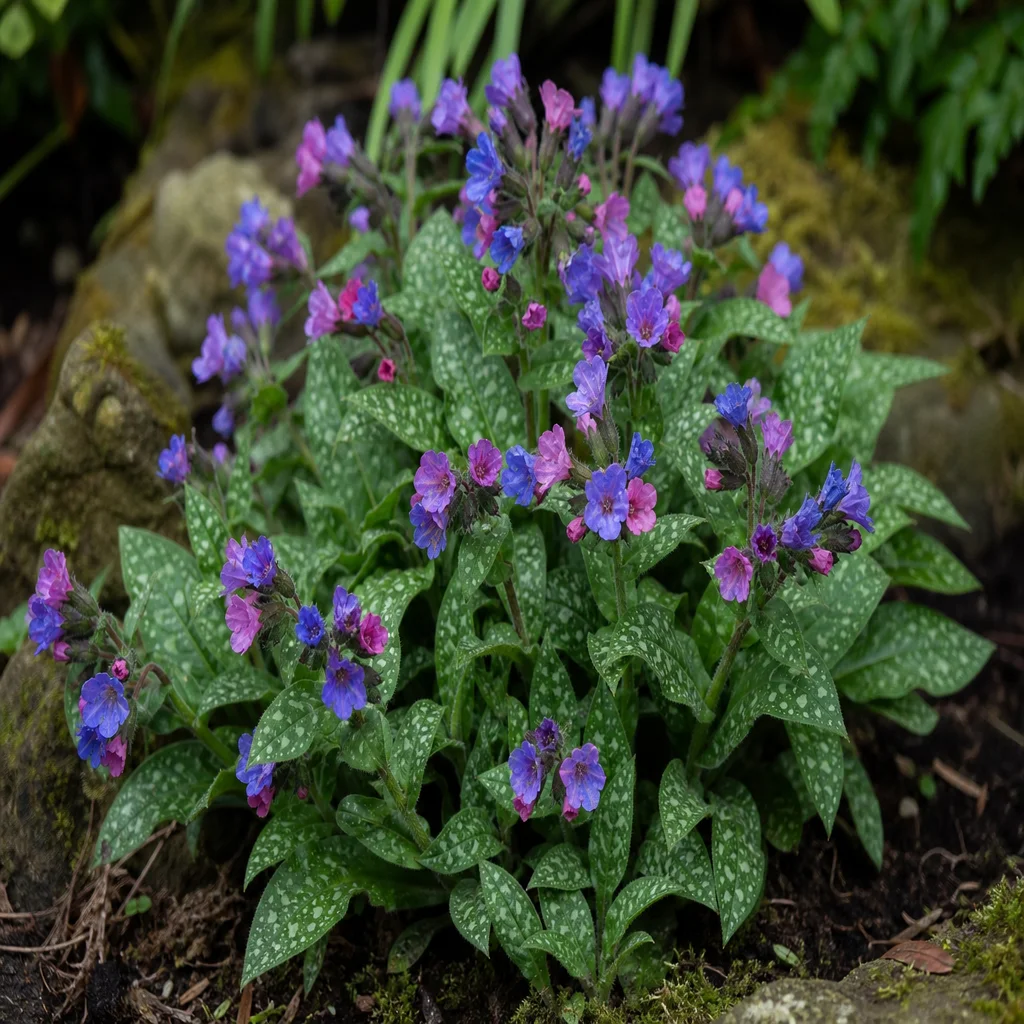
Lungwort, or pulmonaria, solves a common shade garden problem: bare soil in early season before larger perennials leaf out. Silvery spotted foliage looks fresh from spring through summer, and tubular flowers shift from pink to blue on the same plant — a subtle detail that rewards close looking.
Where lungwort shines
Use lungwort as a ground-covering edge along walkways and beneath shrubs. It spreads gently rather than aggressively, which makes it a smart choice near small patio garden beds where you want tidy, low plants that do not need staking or deadheading.
6. Solomon’s Seal — Graceful Arching Stems
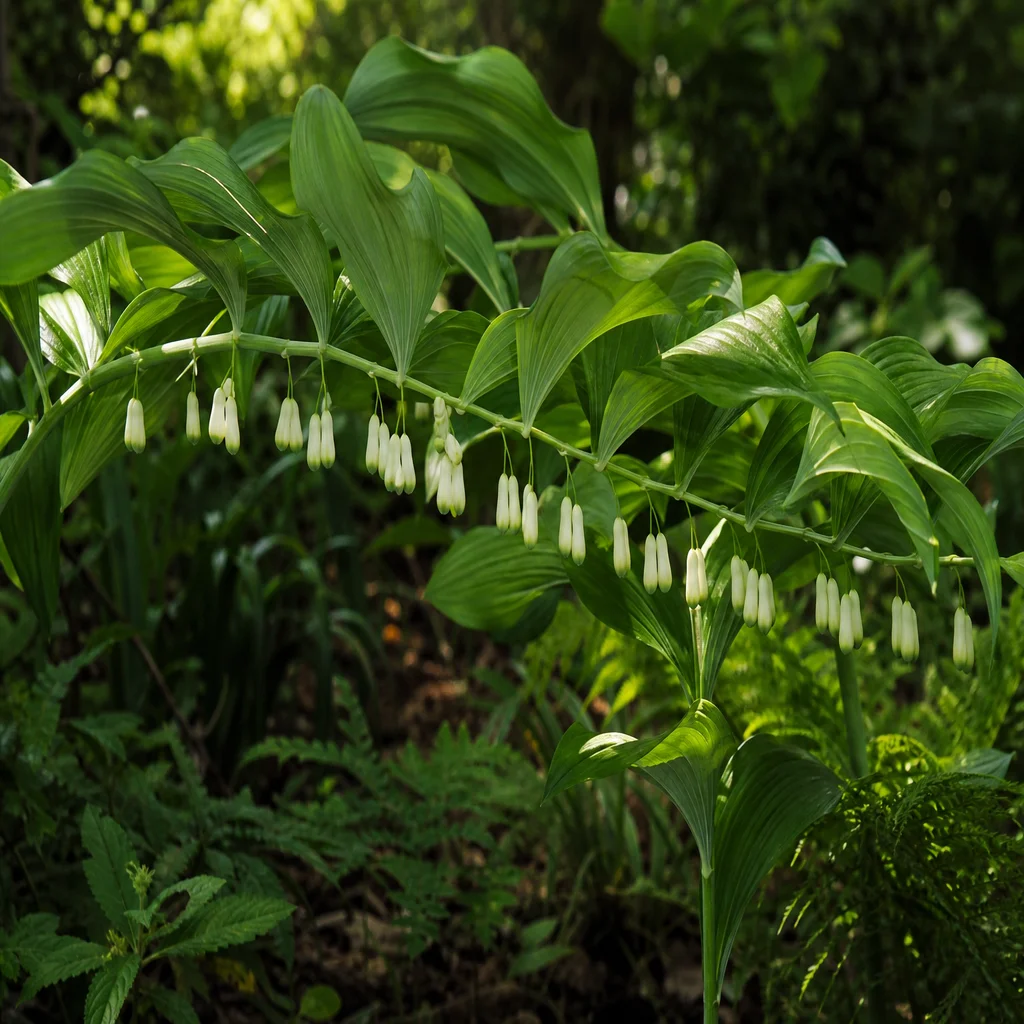
Solomon’s seal (Polygonatum species) adds quiet elegance with arching stems and dangling white bells in late spring. By midsummer, the clean green foliage carries the show, weaving between bolder hostas and flowering astilbe. It is one of the most underused shade perennials in American home gardens.
Growing notes
Plant rhizomes in spring or fall in humus-rich soil. Solomon’s seal tolerates dry shade better than astilbe once established, though young plants need regular watering their first year. Variegated forms brighten especially dark corners under dense tree canopies.
7. Foamflower — Native Charm for Cottage-Style Shade
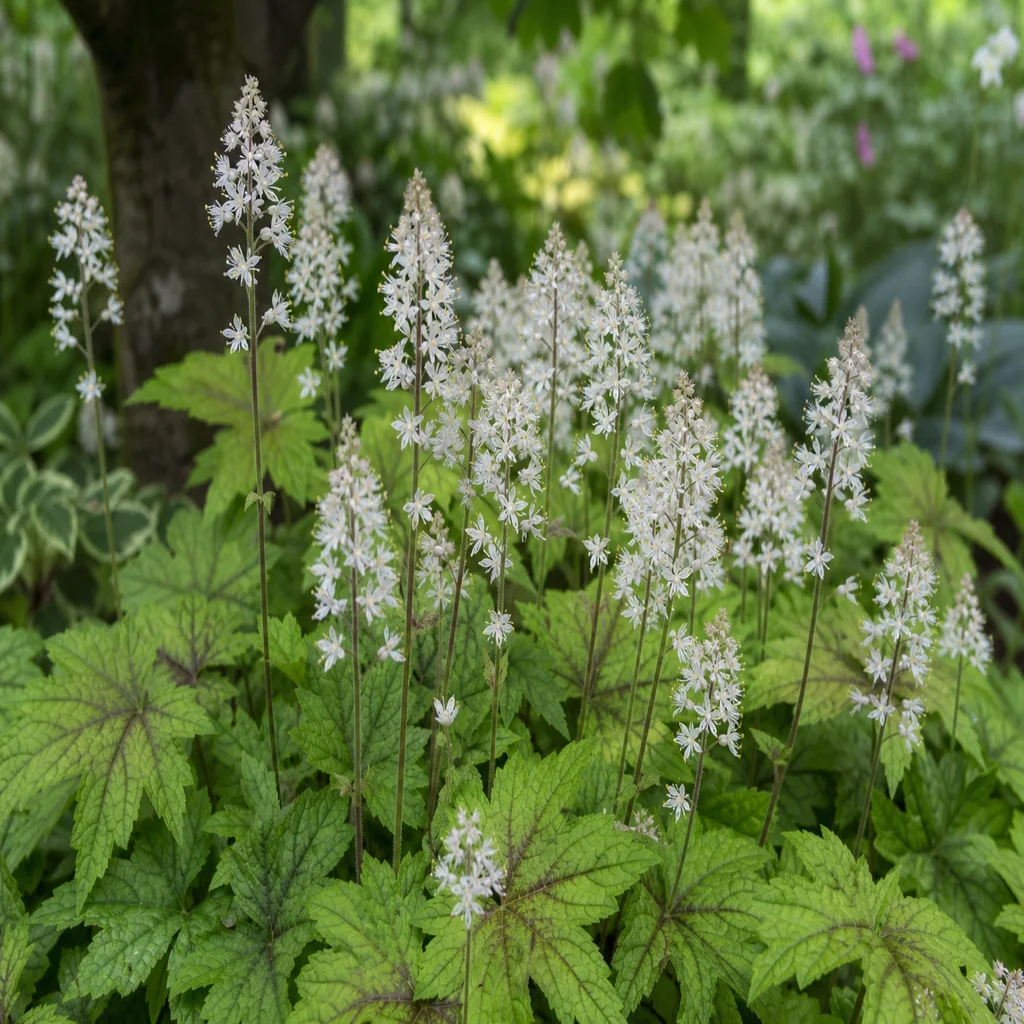
Foamflower (Tiarella) offers foamy white flower spikes above maple-shaped leaves, often with dramatic dark veining. Many cultivars are North American natives or hybrids bred for longer bloom and humidity resistance — useful in sweaty southern summers where older shade plants struggle.
Design pairing ideas
Combine foamflower with lungwort at the front of a border and taller astilbe behind for a tiered cottage look. If you are also experimenting with sunnier spots, balance your yard plan with ideas from our colorful container garden guide so every exposure has a purpose.
8. Japanese Forest Grass — Movement Along Shaded Paths
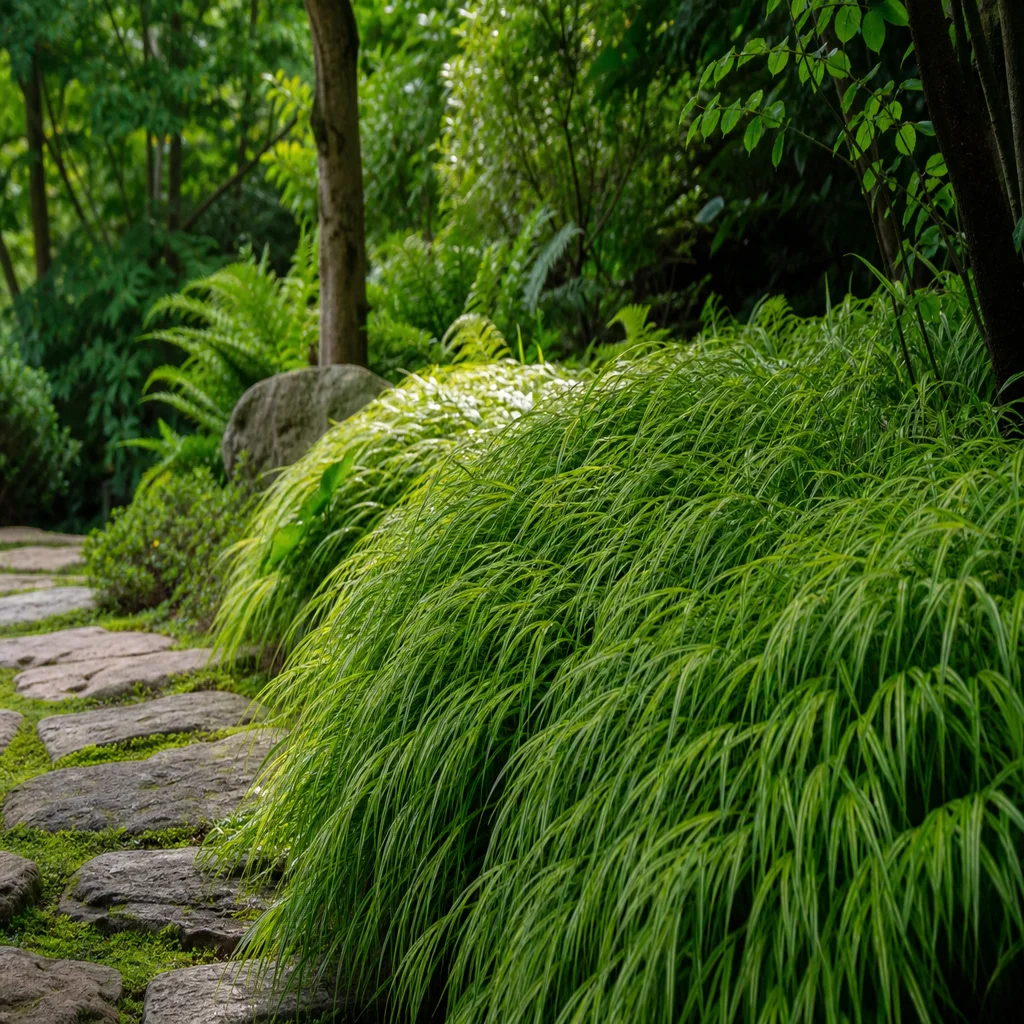
Japanese forest grass (Hakonechloa macra) is the shade gardener’s answer to ornamental grasses that demand full sun. Cascading blades in green, gold, or variegated forms soften edges along stepping-stone paths and spill gracefully over low retaining walls. In summer, the gentle movement catches breeze in a way stiff perennials cannot.
Seasonal performance
‘Aureola’ is the classic golden variety and lights up dim areas without flowers. Forest grass wants moist, fertile soil and afternoon shade in hot climates. Cut back old foliage in late winter before new growth emerges. For more easy-care options across sun and shade, browse low-maintenance plants for a lush garden look.
How to Plan a Shade Garden That Survives Summer Heat
Shade is not one uniform condition. Morning shade with hot afternoon sun is harder on plants than all-day dappled light under trees. Walk your yard at 10 a.m., 2 p.m., and 5 p.m. on a sunny July day and note which beds stay coolest. That map tells you where moisture-loving astilbe belongs versus tougher hostas and Solomon’s seal.
Layer heights so tall ferns and astilbe sit behind mid-height hostas, with lungwort and foamflower at the front. Add two to three inches of shredded bark mulch to regulate soil temperature — critical when summer heat bakes exposed roots. If tree roots compete aggressively, raise a simple shade bed with imported topsoil rather than fighting roots every season.
Water deeply and less often to encourage roots to reach down where soil stays cooler. A slow soak at the base of plants beats a daily sprinkle that only wets leaves. In the first year, every new shade planting needs consistent moisture; by year two, this list of eight plants should need far less babysitting.
Shade Garden Planning Checklist
- Map sun and shade patterns on a hot summer afternoon before buying plants
- Test soil drainage — shade beds still rot roots if water pools
- Amend planting holes with compost, not heavy peat that dries into a brick
- Choose at least three foliage textures: broad (hosta), fine (fern), and grassy (forest grass)
- Include one flowering perennial for seasonal color (astilbe or bleeding heart)
- Mulch two to three inches deep, keeping mulch away from plant crowns
- Water deeply twice weekly during the first summer after planting
- Group moisture lovers together so you are not overwatering drought-tolerant Solomon’s seal
- Leave space for mature spread — hostas and ferns widen more than tags suggest
- Plan a dormant-season filler near bleeding heart for mid-summer gaps
- Edge beds cleanly so lawn grass does not steal water and nutrients
- Photograph the bed monthly to learn which microclimates perform best
Frequently Asked Questions
What is the easiest plant to start with in a shade garden?
Hostas are the most forgiving starter plant for new shade gardeners. They establish quickly, show clear thirst signals when dry, and come in sizes for every space. Start with one or two varieties with different leaf colors so the bed does not look monotone.
Can shade plants survive a heat wave?
Yes, if roots stay cool and hydrated. Shade plants suffer in heat waves when soil dries out or when they are planted in too much sun. Deep watering in the morning, mulch, and avoiding reflected heat from walls and pavement help more than misting leaves.
How much sunlight is too much for shade perennials?
Most plants on this list handle three to four hours of gentle morning sun. Harsh afternoon sun — even for two hours — can scorch hosta leaves and stress ferns. Dappled light under trees is ideal because it moves with the day and mimics woodland conditions.
Do I need to fertilize a shade garden in summer?
Light feeding in spring is usually enough. Spread compost or a balanced slow-release fertilizer when new growth appears, then let plants coast through summer. Over-fertilizing shaded beds pushes soft growth that pests and slugs prefer.
Why does my shade garden look dull by August?
Often it is a foliage-only problem. Mix in astilbe, bleeding heart, or foamflower for seasonal blooms, and add Japanese painted fern or golden forest grass for color without flowers. If everything is plain green hosta, the bed reads flat even when plants are healthy.
Can I grow vegetables in the same shade bed?
Heavy shade and traditional vegetables do not mix well. Keep this bed for ornamentals and tuck sun-loving edibles like tomatoes into brighter spots. Our tomato container guide is a better fit for patio sun.