
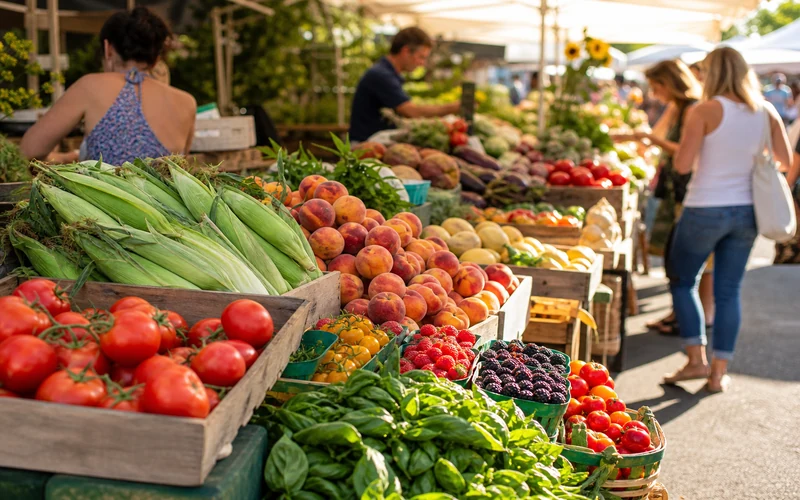
Summer is peak season for ripe peaches, sweet corn, fragrant basil, and tomatoes that actually taste like tomatoes. A well-planned trip to your local farmers market turns a Saturday morning into the easiest way to eat fresher, cook more creatively, and support growers in your community. This farmers market shopping guide walks you through what to bring, which summer produce to prioritize, how to spot peak ripeness, and how to store everything so nothing wilts in your crisper drawer by Tuesday.
Whether you are feeding a family, meal-prepping for the week, or picking up ingredients for a summer picnic spread, a few smart habits make every market visit faster, cheaper, and more satisfying. You do not need to arrive at dawn or memorize every vendor—just show up prepared, shop seasonally, and let the produce lead your menu.
Why Shop Farmers Markets in Summer
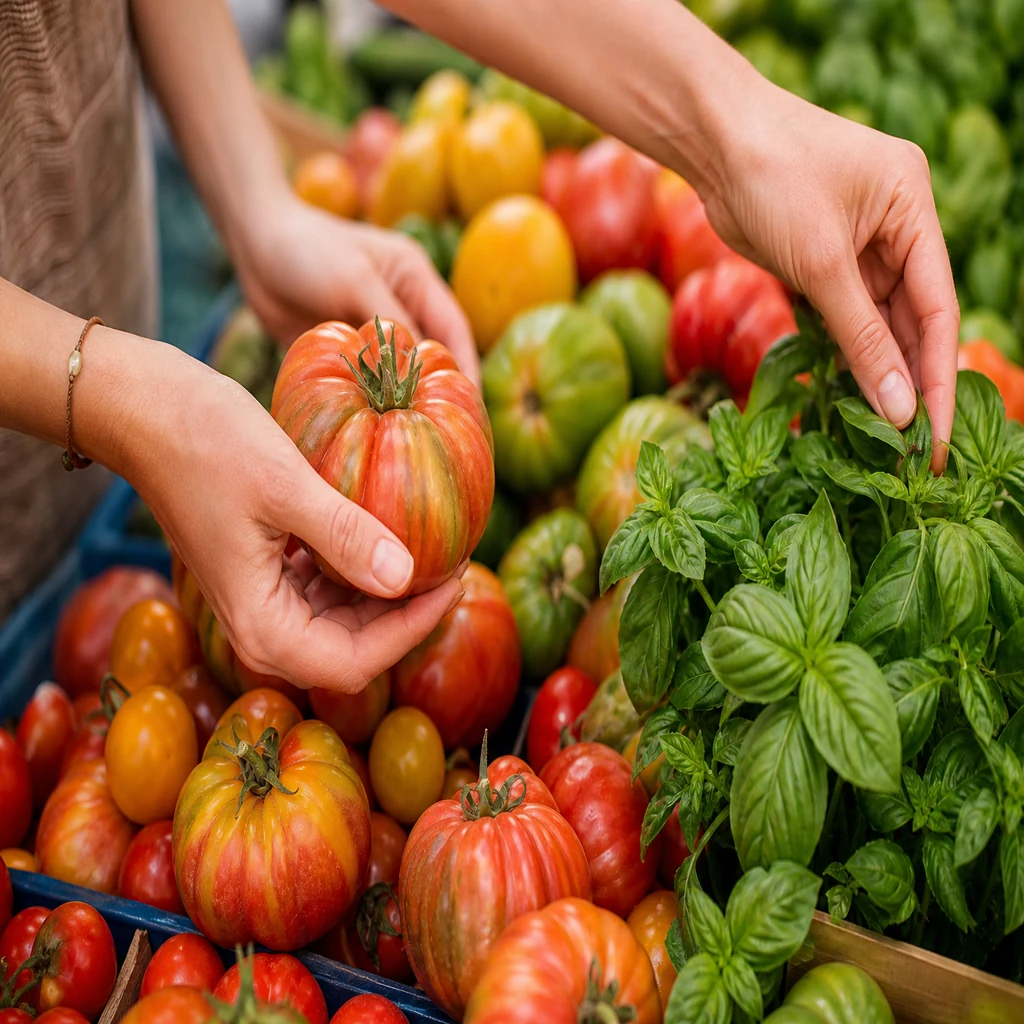
Farmers markets shine when fields are producing at full volume. Produce picked within a day or two of sale retains more flavor, texture, and nutrients than items that traveled hundreds of miles and sat in cold storage. You also get varieties grocery stores rarely stock: heirloom tomatoes in stripes and golds, donut peaches, shishito peppers, and herbs bundled still rooted in soil.
Shopping locally in summer supports small farms during their busiest—and most financially critical—window. Many vendors offer better prices on peak crops like zucchini, cucumbers, and berries because supply is high. That means your grocery budget stretches further while your meals get more colorful and interesting.
Markets also inspire cooking you might not attempt otherwise. A basket of unknown peppers or a vendor sample of honeydew melon can push you toward new salads, grills, and preserves. Pair your haul with simple hydration habits from our summer hydration tips so hot-weather outings stay comfortable from first stall to last.
What to Bring for a Smooth Market Trip
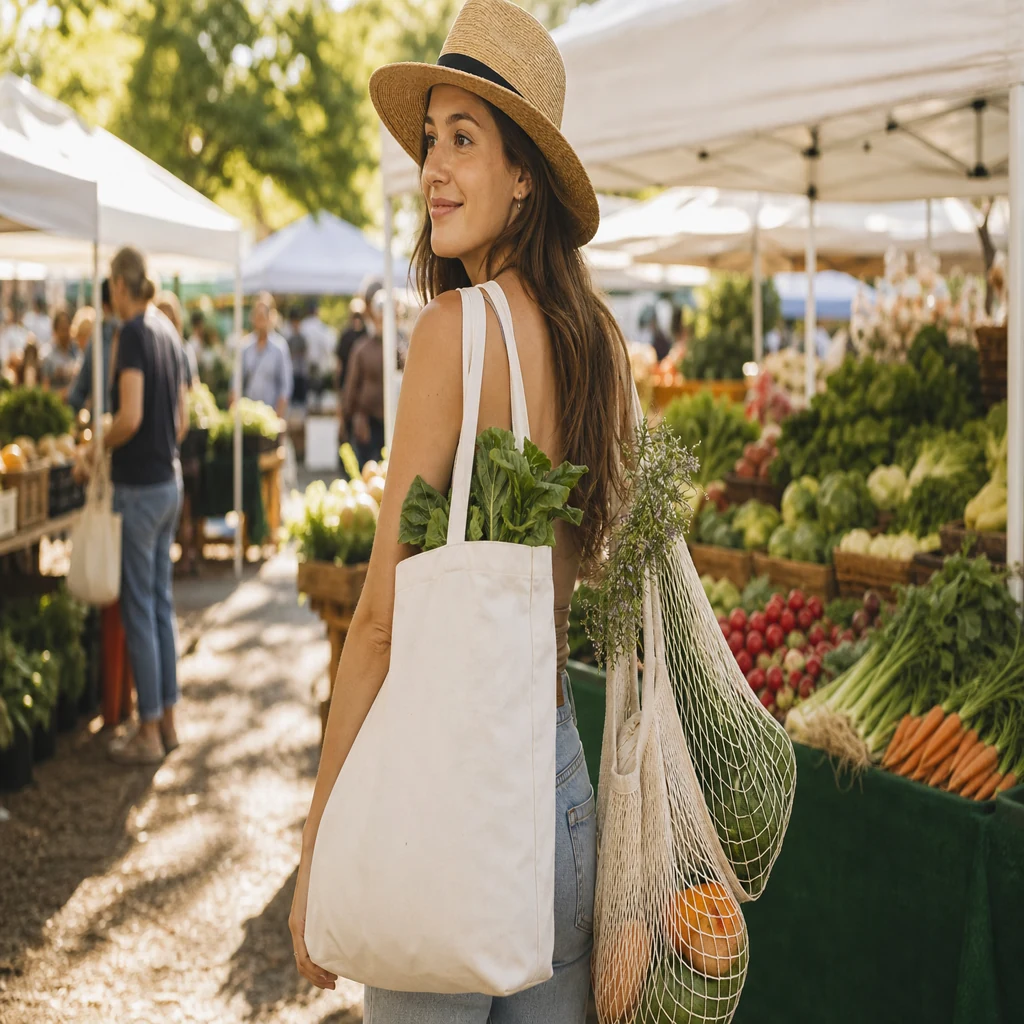
Arriving prepared saves time and reduces waste. Markets get crowded fast on summer weekends, and the last thing you want is bruised peaches rolling around a plastic grocery bag in the trunk.
- Reusable totes and produce bags. Sturdy canvas bags for heavy items; mesh or cotton bags for loose fruit and vegetables.
- Small bills and a card. Some vendors are cash-only; others accept cards or mobile pay.
- Insulated cooler bag with ice packs. Essential if you will run errands afterward or shop in afternoon heat.
- Water bottle and sun protection. Markets are outdoors—hat, sunscreen, and hydration keep energy up.
- A rough meal plan. Not a rigid list, but a sense of whether you need salad greens, grilling vegetables, or snacking fruit.
- Hand sanitizer or wipes. Useful before eating samples or handling your phone after touching produce.
Best Summer Produce to Buy at Farmers Markets
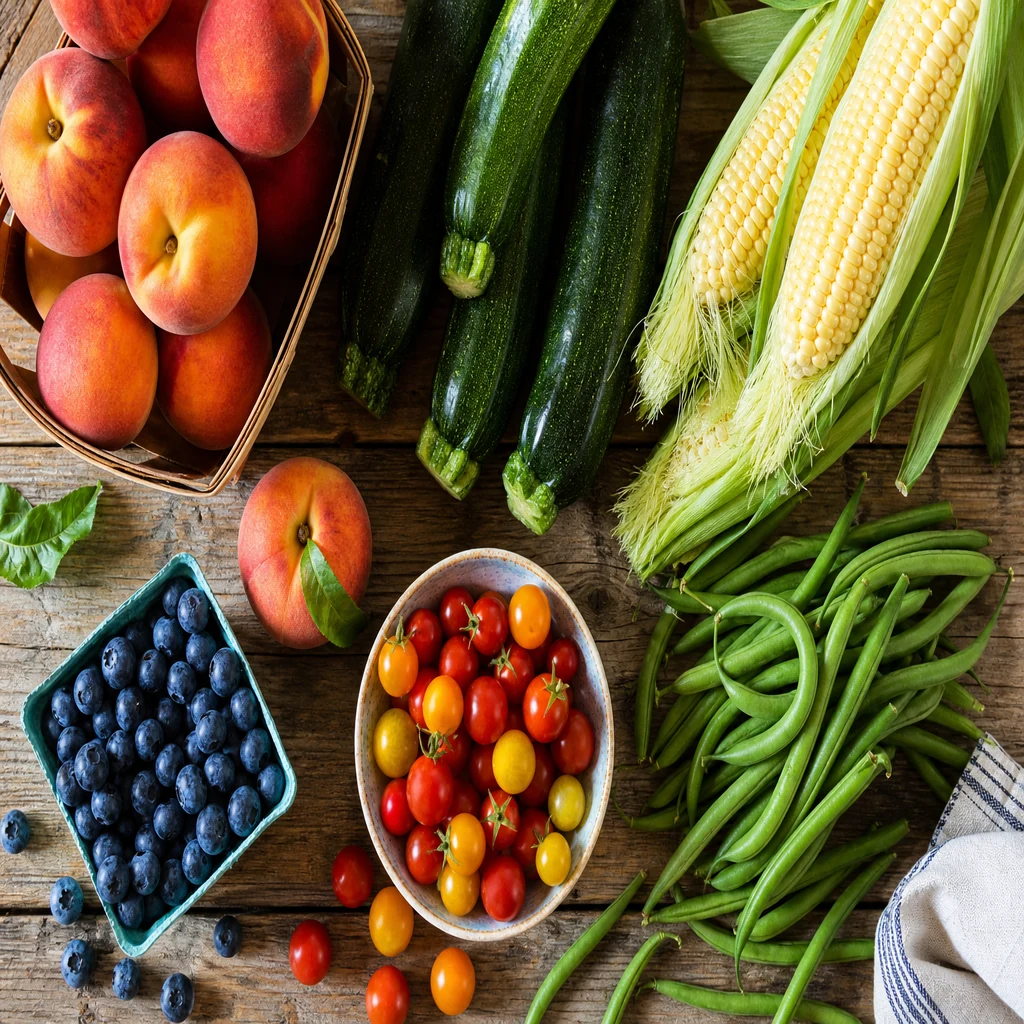
Seasonality varies by region, but these summer staples appear at most American markets from June through August. Buy them here first before defaulting to the supermarket.
Stone Fruit
Peaches, nectarines, plums, and cherries hit peak sweetness in midsummer. Look for fragrant fruit with slight give near the stem. Plan to eat soft peaches within two days or slice them for freezing and baking.
Tomatoes
Heirloom and cherry tomatoes are the headline act of summer markets. Choose firm fruit with deep color and earthy aroma. If you fall in love with the flavor, our guide on growing tomatoes in pots helps you extend the season at home.
CCorn and Peppers
Sweet corn should have green husks, moist silk, and kernels that release milky juice when pierced. Bell peppers, jalapeños, and shishitos grill beautifully and freeze well when prepped.
Berries and Melons
Strawberries, blueberries, raspberries, and blackberries are best consumed quickly. Whole melons should feel heavy for their size; tap for a hollow sound on watermelons.
Leafy Greens and Herbs
Arugula, Swiss chard, and tender lettuce stay crisp when bought fresh. Basil, cilantro, dill, and mint bundled with roots still attached last longer in a water jar on the counter.
Summer Squash and Cucumbers
Zucchini and yellow squash cook fast on weeknights. Choose small to medium squash with glossy skin. Pickling cucumbers are often sold in bulk—ideal for quick refrigerator pickles.
How to Pick Peak-Ripe Fruits and Vegetables
Color alone misleads. Use touch, smell, and weight to judge quality.
- Tomatoes: Heavy, fragrant, with smooth skin. Avoid refrigeration before ripening.
- Peaches: Yield gently near the stem; no green shoulders on yellow varieties.
- Berries: Dry, plump, uniform color. Turn the clamshell—mold on one berry spreads fast.
- Green beans: Snap cleanly; avoid bulging pods with visible seeds.
- Eggplant: Glossy, firm skin; cap and stem look fresh, not dried out.
- Lettuce: Crisp leaves without slimy edges or rust spots.
Ask vendors when they picked and how they recommend storing. Most growers love talking about their crop and will steer you toward what is best that week.
Smart Shopping Strategies to Stretch Your Budget
Farmers market food can feel expensive until you shop strategically.
- Shop peak season. Zucchini, cucumbers, and corn are often cheapest when supply peaks.
- Buy seconds for cooking. Blemished tomatoes and overripe peaches cost less and work perfectly for sauce, jam, and smoothies.
- Walk the full market first. Compare prices and quality before buying the first attractive display.
- Shop late for deals. Some vendors discount remaining produce in the final hour to avoid hauling it back.
- Buy in bulk for preserving. Large flats of berries or boxes of canning tomatoes save money if you freeze or jar.
- Split with a friend. Herb bundles and melon varieties are easier to share than waste.
Balance splurge items—perfect heirloom tomatoes—with budget staples like squash and onions. That mix keeps weekly totals reasonable without feeling deprived.
Storing and Using Your Haul at Home
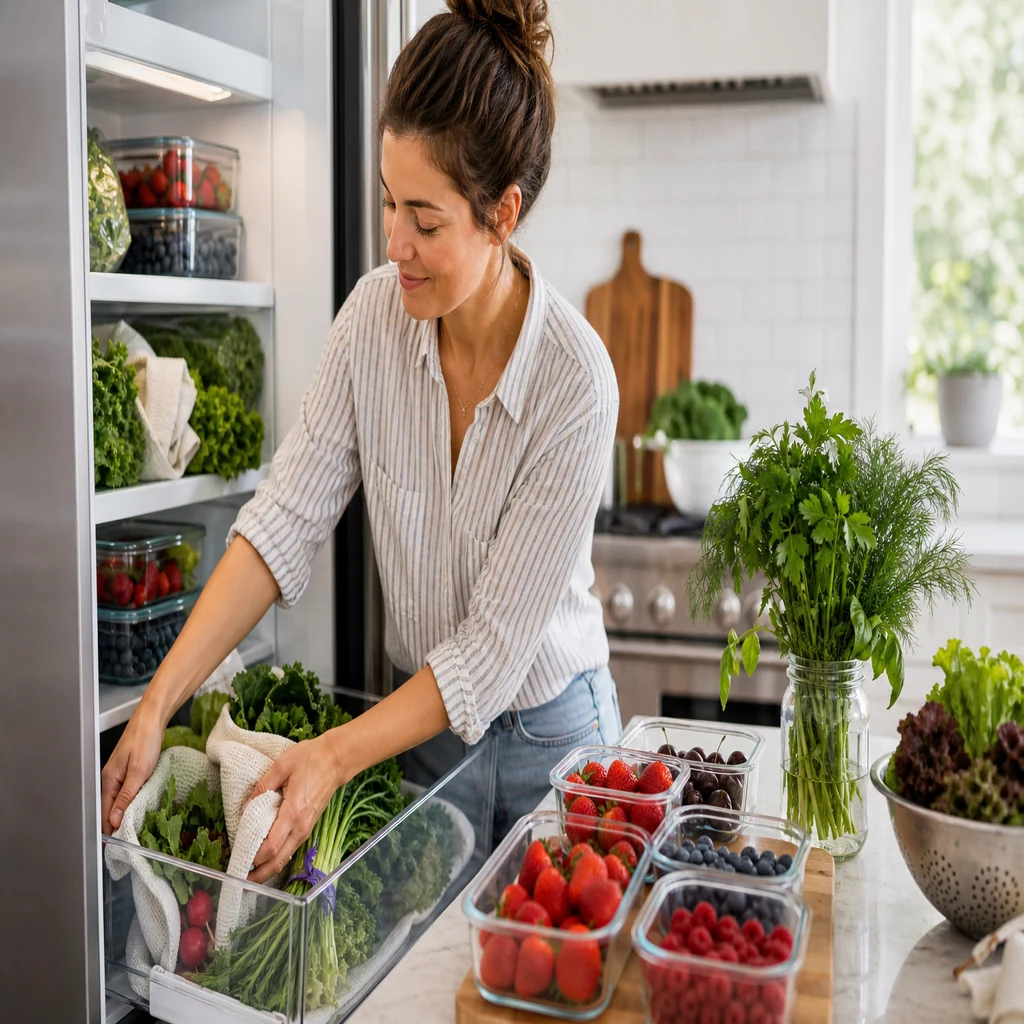
Great shopping means nothing if produce dies in the fridge. Use these storage rules to protect flavor and texture.
- Tomatoes: Counter ripen stem-side down; refrigerate only after fully ripe and use within two days.
- Leafy greens: Wash, dry thoroughly, and store with a paper towel in a container.
- Herbs: Trim stems and stand in water like flowers; cover loosely with a bag.
- Berries: Do not wash until eating; line containers with paper towels to absorb moisture.
- C and eggplant: Refrigerate in crisper; use within four to five days.
- Stone fruit: Ripen on counter; refrigerate when soft to pause decay.
Plan meals around perishables first: salads and berries early in the week; grilling vegetables and corn midweek; squash and onions toward the end. Blend extra fruit into refreshing summer drinks when berries start to soften.
Farmers Market Shopping Checklist
Print or save this checklist before your next summer market run:
- Reusable totes, produce bags, and cooler with ice packs packed
- C and card ready; small bills for faster checkout
- Water, hat, and sunscreen for outdoor comfort
- Rough weekly meal plan sketched
- Walk full market before buying to compare vendors
- Prioritize peak-season summer produce on your list
- Check ripeness with smell, weight, and gentle pressure
- Ask vendors about pick date and storage tips
- Store tomatoes on counter; greens and herbs prepped in fridge
- Plan to use berries and delicate greens within two to three days
Frequently Asked Questions
When is the best time to visit a farmers market?
Early morning offers the widest selection and coolest temperatures. Late afternoon can yield discounts as vendors clear inventory. Mid-morning balances crowd size with full stalls—ideal if you want samples and conversation without the rush.
Is farmers market produce really fresher than grocery store produce?
Often yes. Many items were harvested within 24 to 48 hours and traveled fewer miles. That short chain usually means better flavor and longer shelf life once you store it properly at home.
How do I know what is in season in my area?
Check your market’s website or social pages for peak crop lists. Seasonal charts from your state extension office are also reliable. When in doubt, ask vendors what they picked yesterday—they will tell you.
Should I wash produce before storing it?
Wash leafy greens and herbs before storage only if you dry them completely. Berries and mushrooms stay firmer unwashed until just before eating. Root vegetables can be brushed clean and stored dry.
Can I negotiate prices at farmers markets?
Polite bulk questions are fine—“Is there a discount for a full flat?”—but haggling over single items is uncommon. Building a relationship with regular vendors often earns informal deals over time.
What if I cannot use everything before it spoils?
Freeze berries on trays, roast extra tomatoes into sauce, pickle cucumbers, and blanch green beans for later. Seconds bins are perfect for projects that do not require cosmetic perfection.