
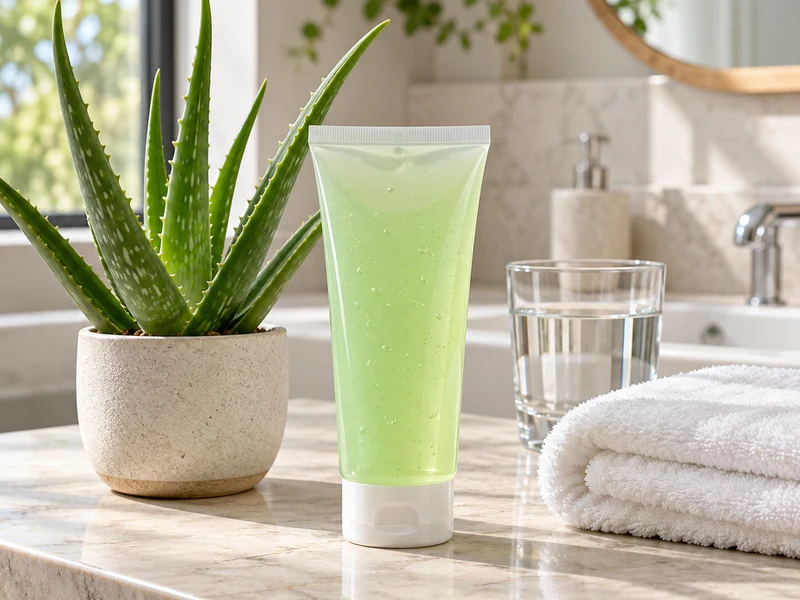
The idea of sleeping in an aloe vera mask sounds simple, but longer contact does not guarantee clearer skin. Aloe can feel soothing in a formulated skin-care product, yet it can also cause burning, itching or a rash in some people. It is not a stand-alone acne treatment, and a fresh leaf or homemade mixture has not been tested for overnight wear. If you want to try aloe, choose a product that suits your skin and follow its label instead of assuming every gel belongs on your face until morning.
The American Academy of Dermatology (AAD) advises testing a new mask on a small area and following the wear time on its label. Leaving a mask on longer than directed can cause irritation. The National Center for Complementary and Integrative Health (NCCIH) says topical aloe is generally tolerated but reactions do occur; the evidence for acne comes from small studies using aloe alongside other treatments. A mask should be an optional comfort step, not a promise of overnight healing or clearer skin.
Four Steps for a Cautious Aloe Mask Trial
1. Choose a Product With Clear Directions
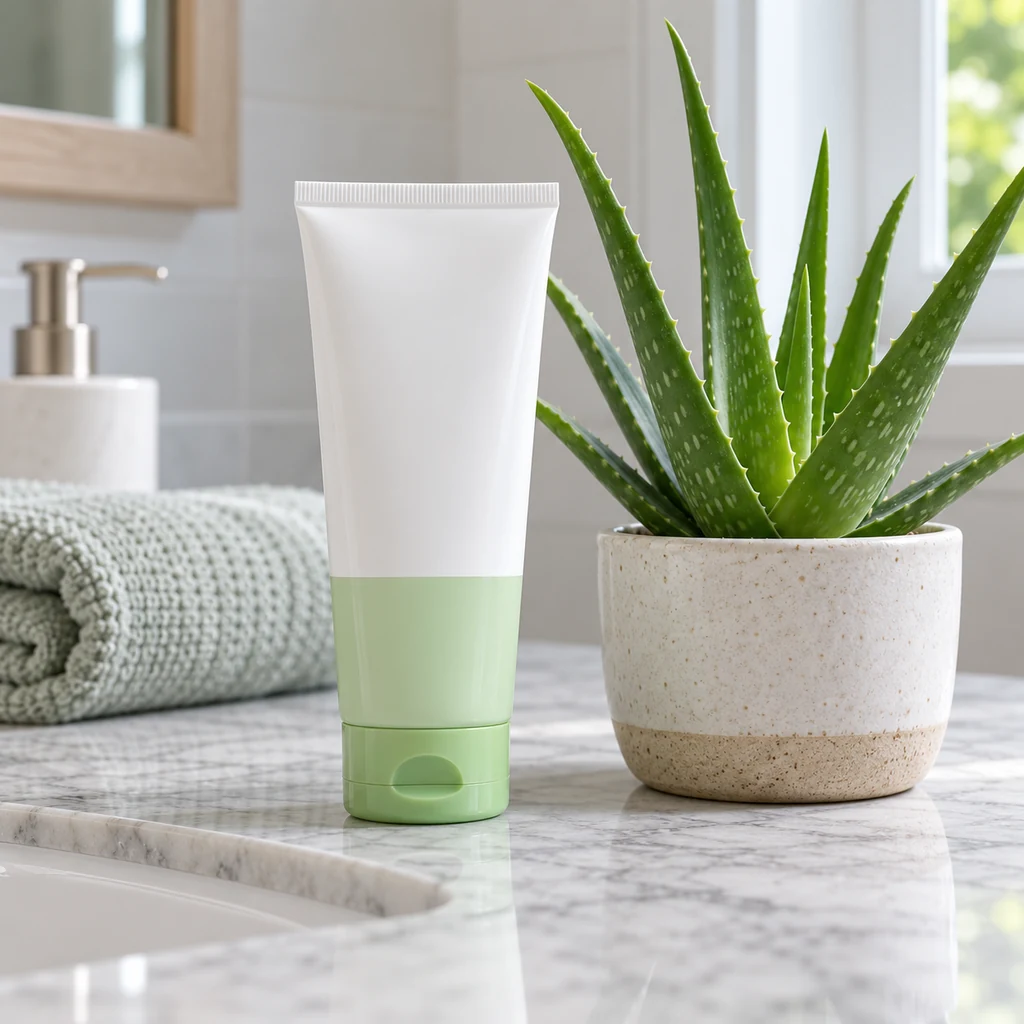
Look for a skin-care gel or mask with a complete ingredient list and instructions for facial use. Fragrance-free may be a simpler starting point if your skin is easily irritated. Check whether the product is meant to be washed off or left on; those are different uses. If a label says to rinse after ten minutes, do not turn it into an overnight treatment. If it specifically permits overnight use, follow the stated amount and frequency only after testing it first.
Skip essential oils, lemon juice and other additions. The AAD notes that fragrance and essential oils may irritate skin or trigger allergies. Freshly scraped aloe gel is not automatically purer or safer than a formulated product, and it may be hard to separate clean inner gel from other leaf material. The FDA notes that microbial contamination is a safety concern for homemade cosmetics. Do not store an improvised wet mixture for later use.
2. Test a Small Area Before Facial Use
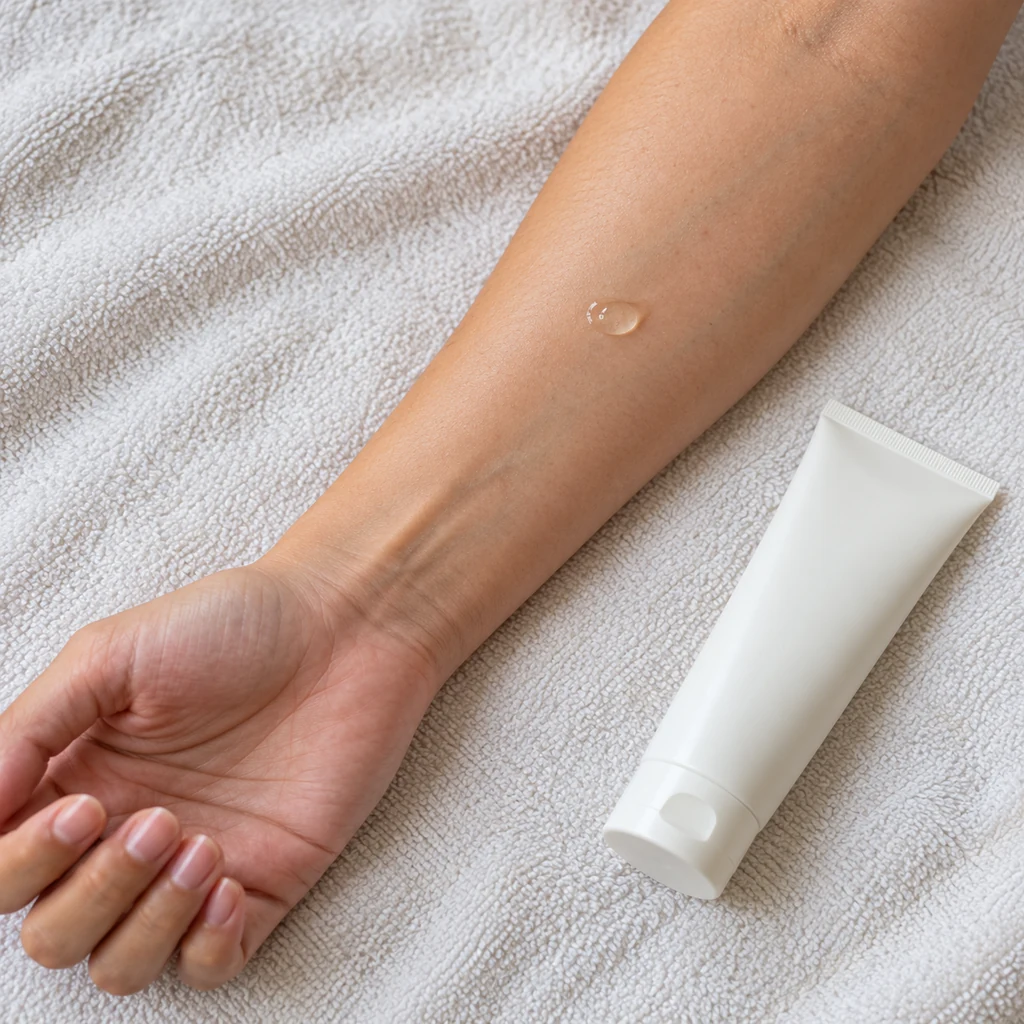
Apply a small amount of the exact product to the underside of the arm or bend of the elbow. Use the normal amount and leave it on only for the time the label directs. The AAD recommends repeating a new-product test twice daily for seven to ten days because a quick check can miss a delayed reaction. If you notice itching, swelling, redness or a rash, wash the area gently and do not put the product on your face.
Do not use a new mask on broken, very irritated or sunburned facial skin. If your skin is reacting to an acne medicine, retinoid or exfoliating acid, adding another product may make it harder to identify the cause. Ask a dermatologist about persistent or severe reactions.
3. Apply a Thin Layer for the Labelled Time
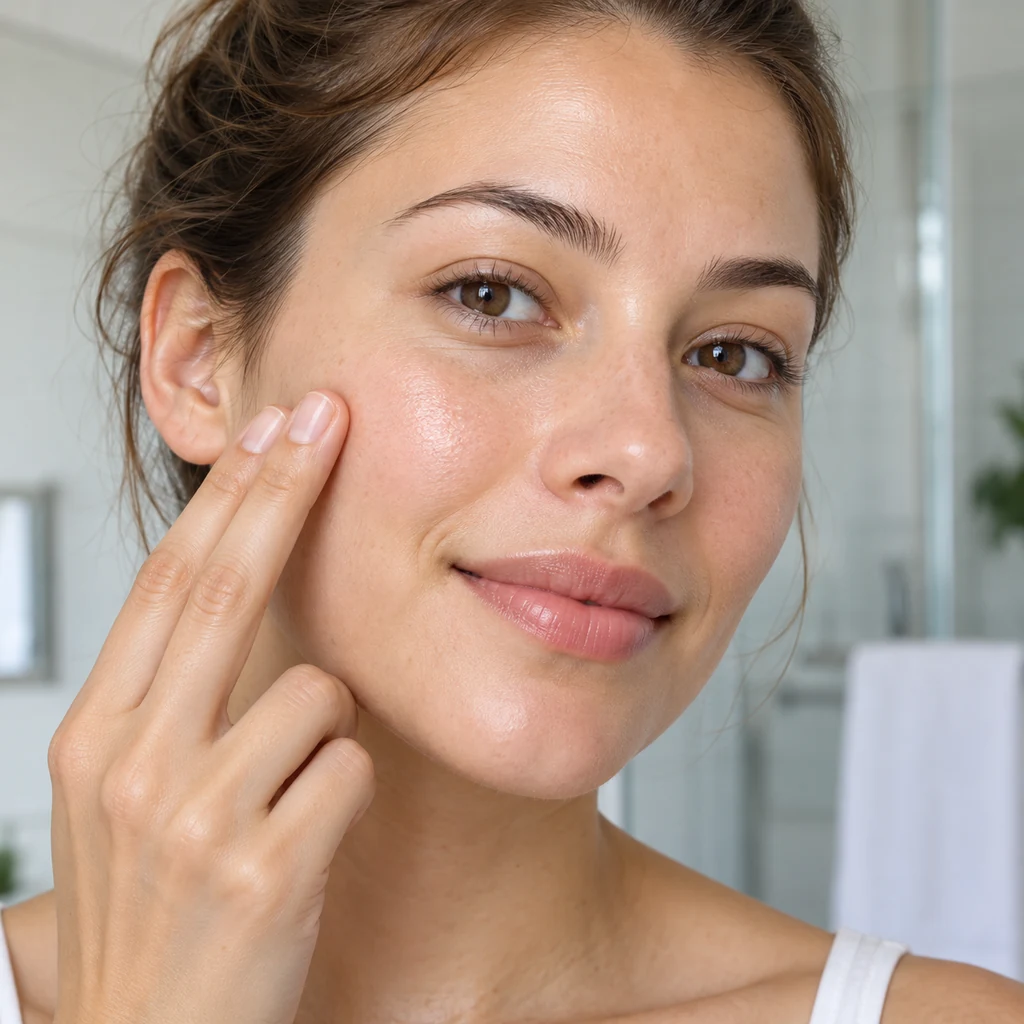
After a successful test, wash your hands and gently cleanse your face. Apply a thin layer with clean fingertips, keeping it away from the eyes, lips and nostrils. Follow the product’s stated wear time. A wash-off mask should be rinsed when directed; a leave-on product can be used as its label permits. Stop immediately and rinse if it stings, burns or itches. Do not push through discomfort for a promised result.
There is no need to mix the aloe product with tea tree or lavender oil for “extra acne fighting.” If acne is your main concern, a mask cannot replace a routine or treatment chosen for acne. Our simple skin-care guide covers the basics of cleansing, moisturizing and sun protection without stacking many products.
4. Rinse if Directed and Return to Your Routine
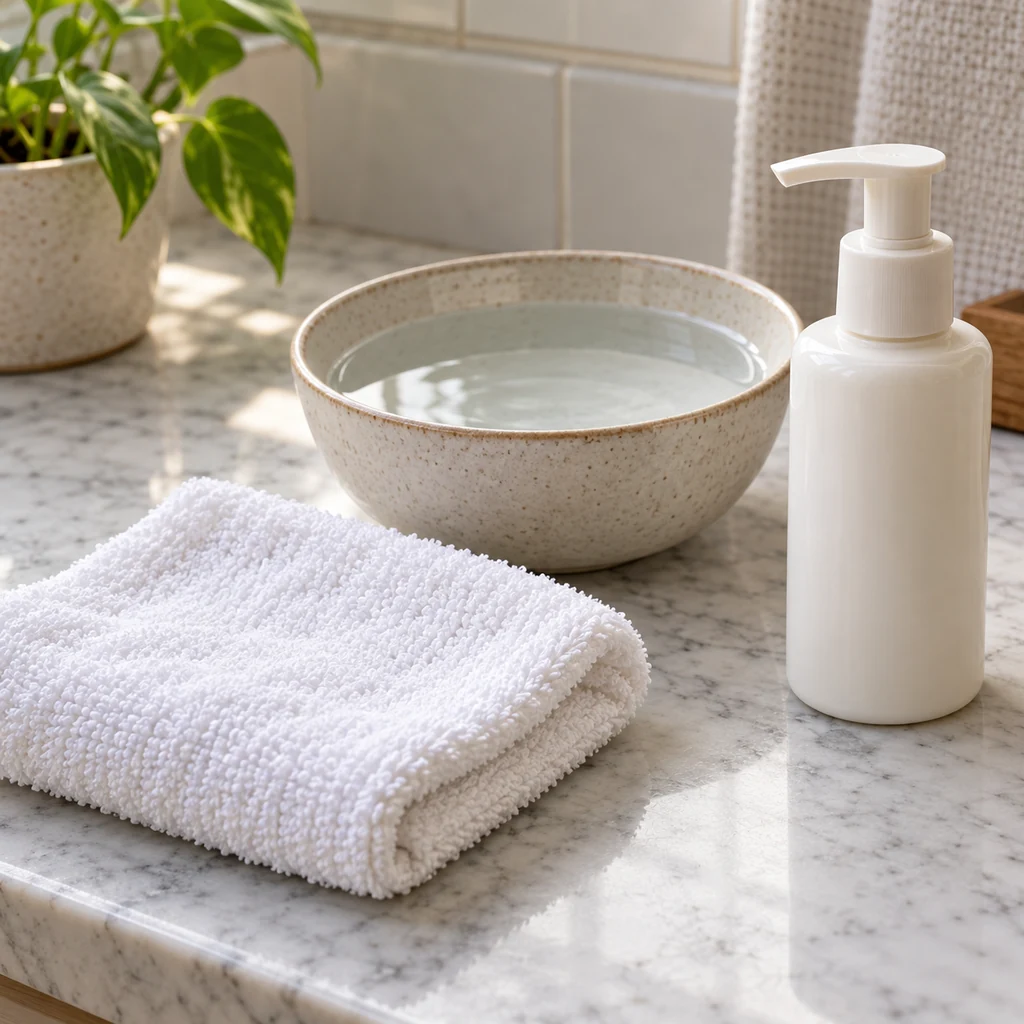
For a wash-off mask, rinse with lukewarm water and pat dry; do not scrub. Use a moisturizer that your skin already tolerates. If the product is a leave-on gel, follow its directions and your usual routine. In the morning, continue your normal cleansing and sun protection. A mask does not replace sunscreen, and “natural” does not mean allergy-free.
Notice how your skin feels over the next day or two. If it becomes dry, tight or irritated, stop using the product. For another optional wash-off idea, see our honey and oat mask guide, which also emphasizes testing and short contact time. If breakouts or inflammation persist, a dermatologist can help you choose evidence-based care rather than adding more masks.