

Summer evenings on the patio should feel relaxing, not like a battle against buzzing mosquitoes. Whether you are hosting a casual weeknight dinner or setting up for a backyard BBQ, a few smart changes around your outdoor space can dramatically cut down bites without ruining the mood.
Mosquitoes breed in standing water, hunt most actively at dusk, and are drawn to certain lights and scents. The good news: you do not need harsh chemicals or expensive equipment to reclaim your patio. These seven practical tips combine prevention, landscaping, and timing so you can enjoy warm nights outside again.
1. Eliminate Standing Water Around Your Patio

Mosquitoes need as little as a bottle cap of water to lay eggs. Walk your patio and yard weekly during summer and dump anything that collects rain: planter saucers, birdbath water older than three days, clogged gutter sections, kiddie pool corners, and tarp folds. Tip stored containers upside down so they cannot refill overnight.
Pay special attention to areas near your seating zone. A saucer under a pretty container garden can hatch hundreds of mosquitoes in a week. If you keep a birdbath for aesthetics, change the water every two days or add a small solar fountain to keep it moving. Moving water disrupts egg-laying and is one of the most effective long-term fixes you can make.
2. Grow Mosquito-Repelling Plants in Patio Containers
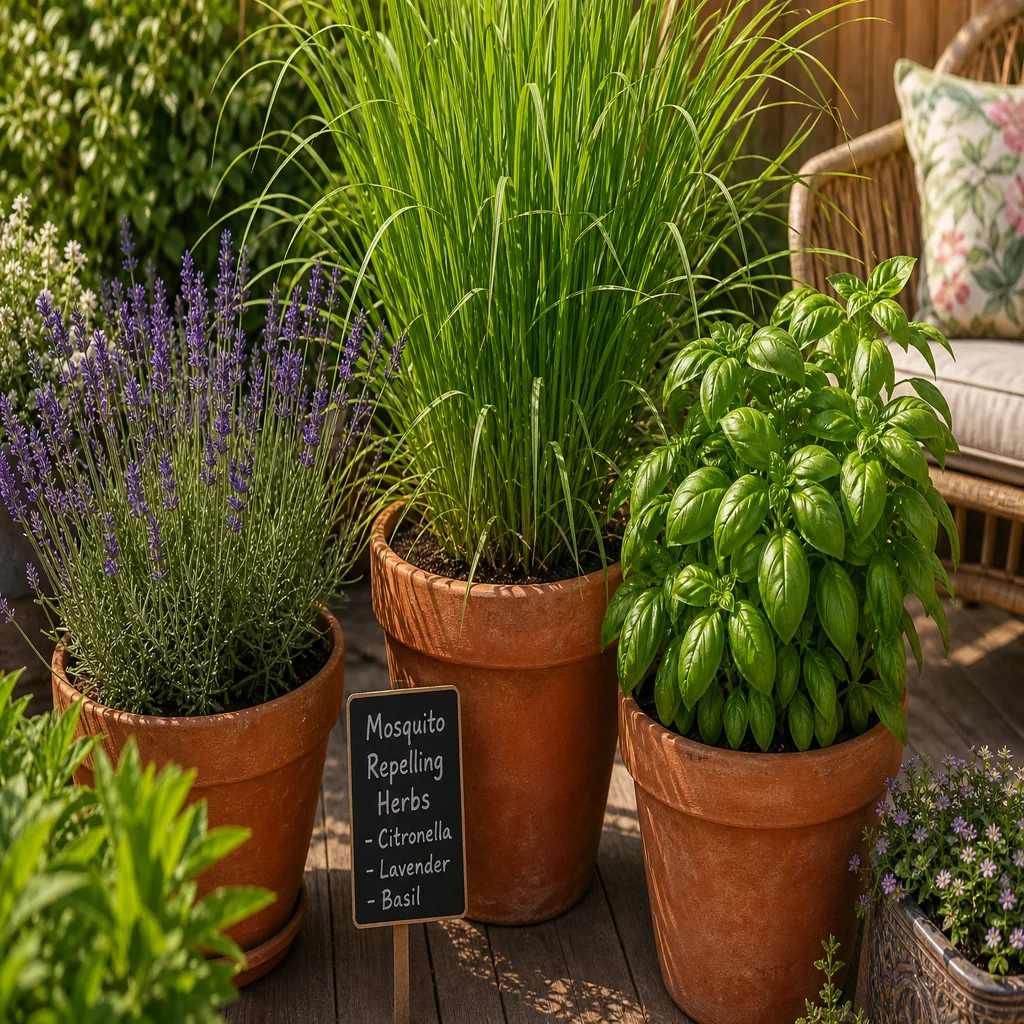
Certain aromatic plants naturally discourage mosquitoes when placed where people gather. Citronella grass, lavender, basil, rosemary, and scented geraniums all work well in pots along railing edges and beside dining tables. Crush a leaf between your fingers when you sit down; the released oils add a light barrier near seating level.
Container placement matters more than plant variety alone. Group pots within three feet of chairs and walkways rather than scattering them along a distant fence line. Pair this approach with a colorful container garden layout so your patio looks intentional while staying functional. Herbs need sun and occasional trimming, so plan for easy access when you water.
3. Run a Patio Fan to Disrupt Mosquito Flight
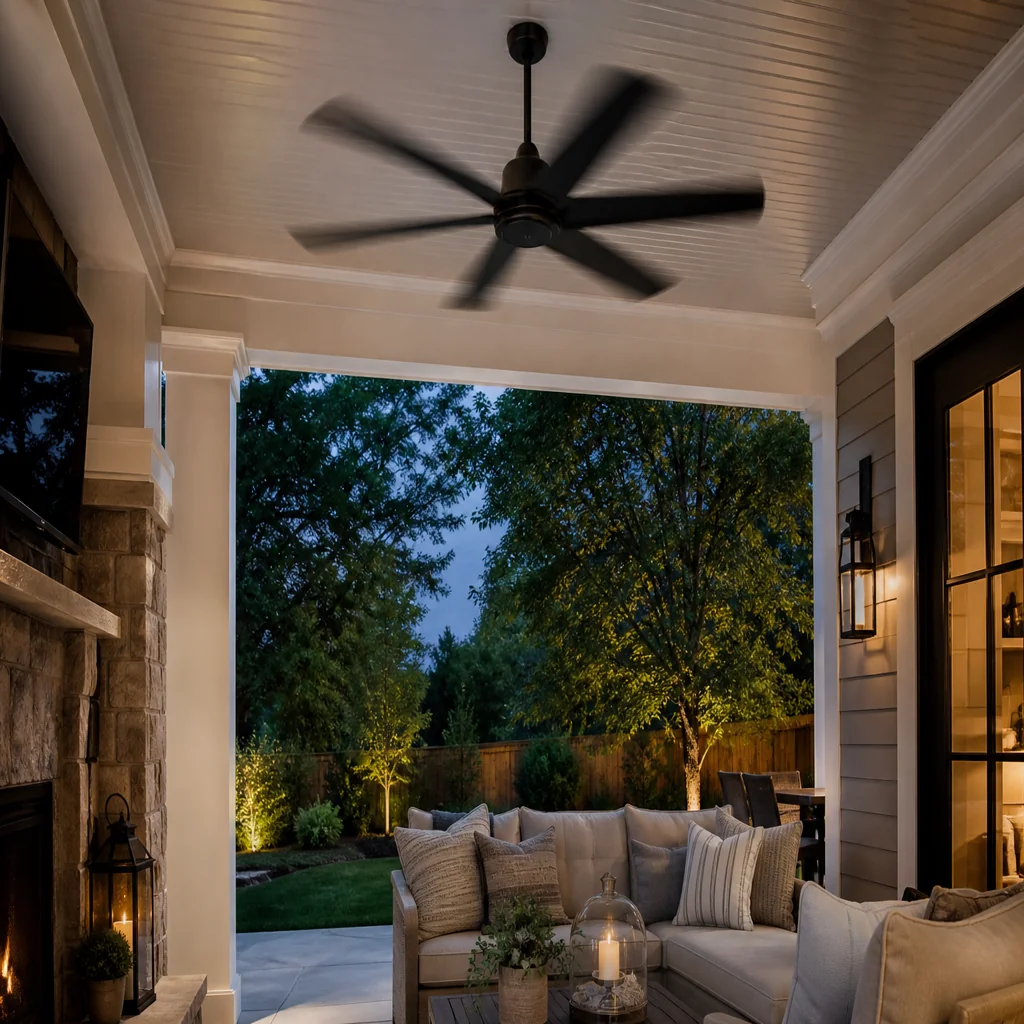
Mosquitoes are weak fliers. A steady breeze above six miles per hour makes it difficult for them to land on exposed skin. Mount an outdoor-rated ceiling fan on a covered porch, or set a sturdy box fan at floor level pointing across seating. The airflow also disperses the carbon dioxide and body heat that attract mosquitoes in the first place.
For open patios without a roof, a pedestal fan on a weighted base works well. Choose a model rated for damp locations and keep cords tucked along walls to avoid trip hazards. On still, humid nights, run the fan on medium rather than low; you will feel cooler and notice fewer pests within minutes.
4. Swap White Bulbs for Yellow Bug Lights
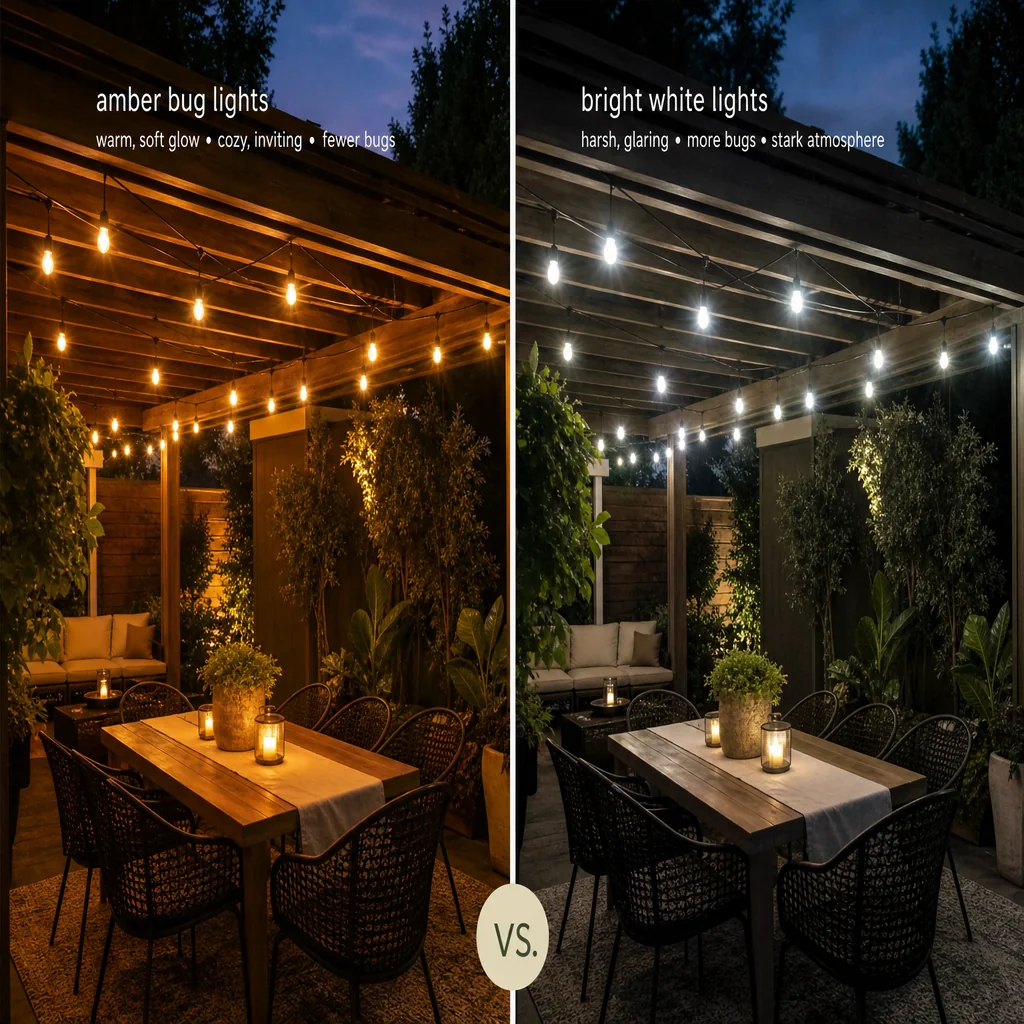
Standard bright white and blue-toned bulbs attract far more flying insects than warm amber or yellow bulbs. Replace patio string light bulbs with yellow “bug light” LEDs rated for outdoor use. You still get enough glow for dining and conversation, but fewer insects spiral into the light pool above your table.
Position lights away from entry doors when possible. Illuminate the seating area from the perimeter rather than hanging a single bright fixture directly overhead. If you use solar path lights along walkways, choose amber lenses for the same reason. Combined with a fan, lighting changes are one of the lowest-effort upgrades with immediate results.
5. Apply EPA-Approved Repellent Before Dusk Gatherings

Physical barriers and landscaping help, but repellent still matters when mosquitoes are active. Choose products registered with the EPA containing DEET, picaridin, IR3535, or oil of lemon eucalyptus. Apply to exposed skin and thin clothing layers fifteen minutes before guests arrive, and keep a bottle on a side table for touch-ups.
Natural sprays with citronella or soybean oil can supplement protection for short gatherings, but reapply every hour if humidity is high. Avoid spraying near food prep surfaces. If children join your outdoor picnic spread, use age-appropriate formulas and skip combination sunscreen-repellent products unless labels clearly allow it.
6. Place Citronella Candles and Torches Strategically
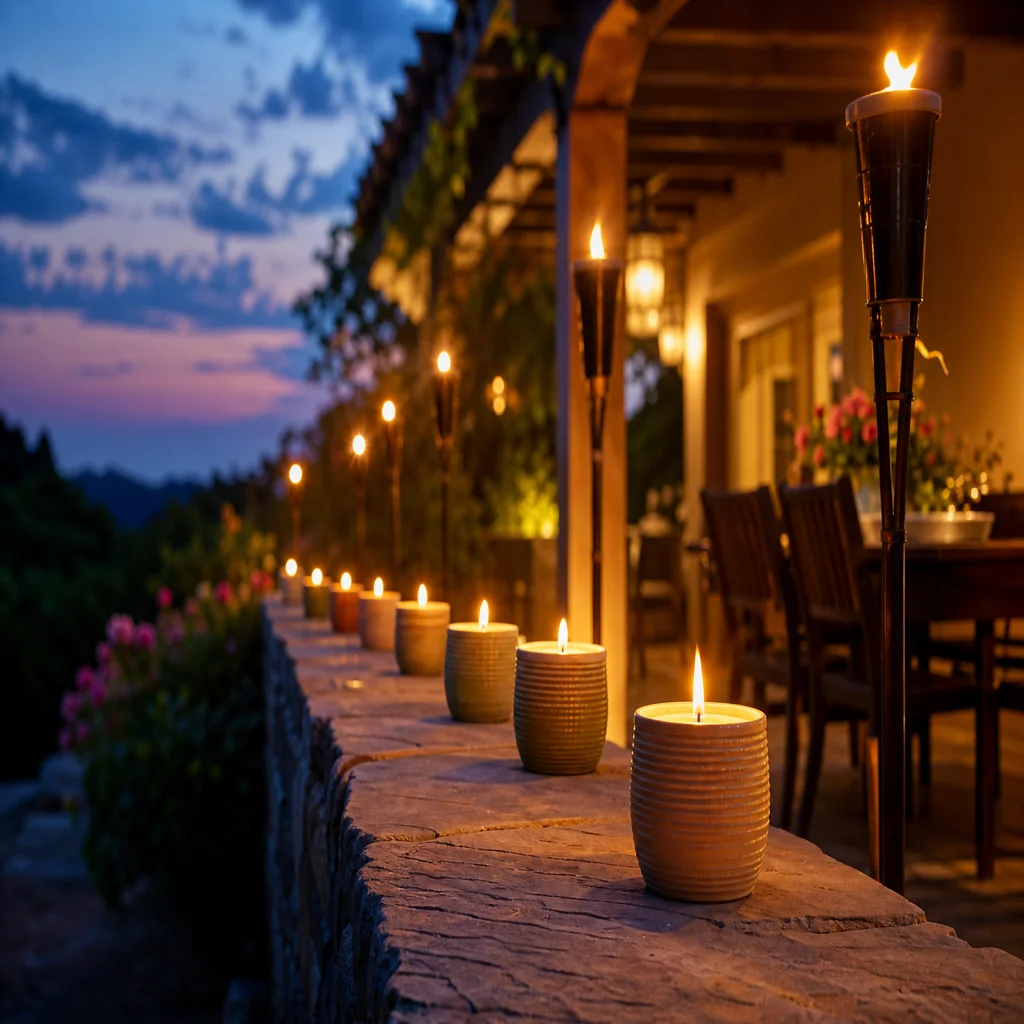
Citronella candles and tiki torches work best as a perimeter line, not a single centerpiece. Set them low along the outer edge of your patio, downwind from seating when possible, so the scent drifts across the area people occupy. Use stable holders on level stone or brick; never place open flames on wobbly side tables near tablecloths.
Expect a modest radius of protection—roughly three to five feet per candle. For a ten-foot dining table, plan four to six evenly spaced flames rather than one large bucket in the center. Extinguish all flames when you head inside, and consider LED flameless citronella alternatives if local fire codes restrict open burns.
7. Schedule Outdoor Meals Before Peak Mosquito Hours

Most mosquito species feed heavily at dawn and dusk, especially the first hour after sunset. Shift casual dinners earlier—think 5:30 or 6:00 p.m. service—and serve chilled desserts or refreshing summer drinks while light remains. You keep the outdoor vibe without sitting through the worst biting window.
If you love late-night conversation, move guests under a screened porch or add a pop-up mesh canopy just for the final hour. Check weather apps for humidity, too. Muggy nights above seventy percent humidity increase mosquito activity regardless of temperature, so plan shorter outdoor sessions and keep indoor backup space ready.
Patio Mosquito Control Checklist
- Dump standing water in saucers, birdbaths, and gutters every three to five days
- Place citronella, lavender, and basil pots within three feet of seating
- Run an outdoor fan on medium across dining and lounge areas
- Replace white patio bulbs with yellow or amber bug lights
- Apply EPA-registered repellent fifteen minutes before guests arrive
- Line citronella candles along the patio perimeter, not only at the table center
- Plan meals before dusk and use screens for late-night hangouts
- Keep a spray bottle and spare fan extension cord stored in a patio bin
Frequently Asked Questions
What is the most effective way to reduce mosquitoes on a patio?
Removing standing water is the single most effective long-term step because it stops mosquitoes from breeding near your home. Pair that with a fan and perimeter citronella for immediate relief during gatherings.
Do citronella plants really repel mosquitoes?
Citronella plants release scented oils that can help when leaves are bruised and pots sit close to people. They work best as part of a layered plan with fans, lighting changes, and repellent—not as a standalone fix.
Are bug zappers good for patio mosquito control?
Bug zappers kill many flying insects but often attract more mosquitoes toward your patio without eliminating a meaningful percentage of biters. Fans, water removal, and repellents typically outperform zappers for seating areas.
How often should I empty patio plant saucers in summer?
Empty saucers at least twice a week during rainy stretches, or whenever you see water pooling after irrigation. In hot, dry weeks, a weekly check is usually enough if you water carefully without overflow.
Can I use essential oils instead of DEET on my patio?
Oil of lemon eucalyptus is EPA-registered and works for many adults when applied correctly. Pure essential oil blends without registration may offer shorter protection. Reapply more often and combine with physical barriers for best results.
What time of day are mosquitoes worst on patios?
Peak activity is usually dawn and the hour after sunset, especially on humid evenings. Scheduling food and drinks slightly earlier, then moving under screens, avoids the heaviest biting period without canceling outdoor plans.
With these habits in place, your patio becomes a comfortable extension of your home rather than a seasonal annoyance. Start with water removal and a fan this week, then add plants and lighting upgrades as you refine the space for the rest of summer.