

A 30-day declutter works when it reduces decisions instead of creating a second job. The goal is not to empty your house into piles or buy matching containers. The goal is to make the rooms you already use easier to reset, easier to clean, and easier to live in.
This guide breaks the month into ten focused phases. Each phase covers three days: remove obvious clutter, make decisions, and put the space back together. Work in short sessions, keep walkways clear, and stop before decision fatigue turns every object into a debate.
Supplies for a Low-Stress Decluttering Month
- Four boxes or bags for donate, recycle, trash, and relocate
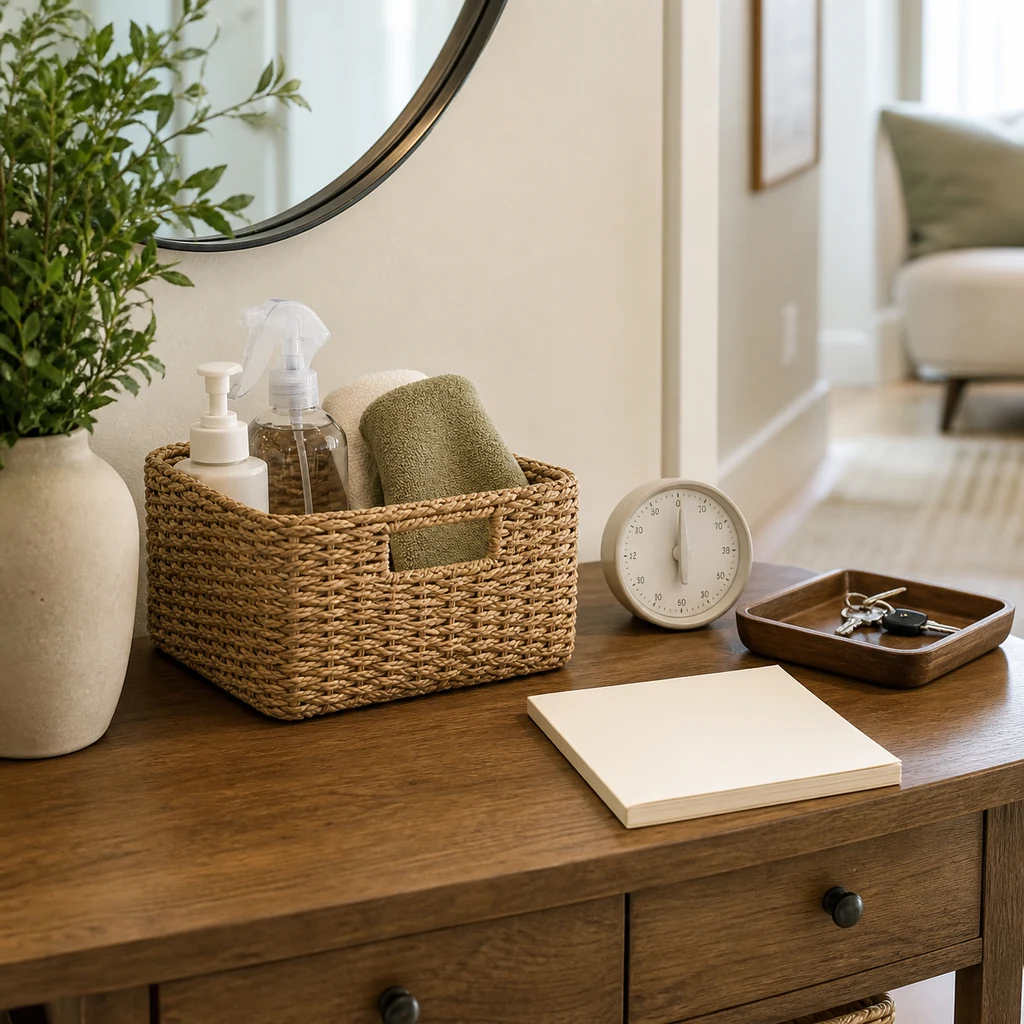
- A timer, marker, labels, and a basic cleaning cloth
- A small basket for items that belong in another room
- Clear bins only after you know what is staying
Do not start by shopping for organizers. Containers are useful only after the volume has been reduced. Keep important documents, medication, electronics, batteries, paint, and chemicals separate so they can be handled according to local guidance or product labels.
Declutter Your Home in 30 Days: A Step-by-Step Guide
1. Days 1-3: Set Up the Sorting System
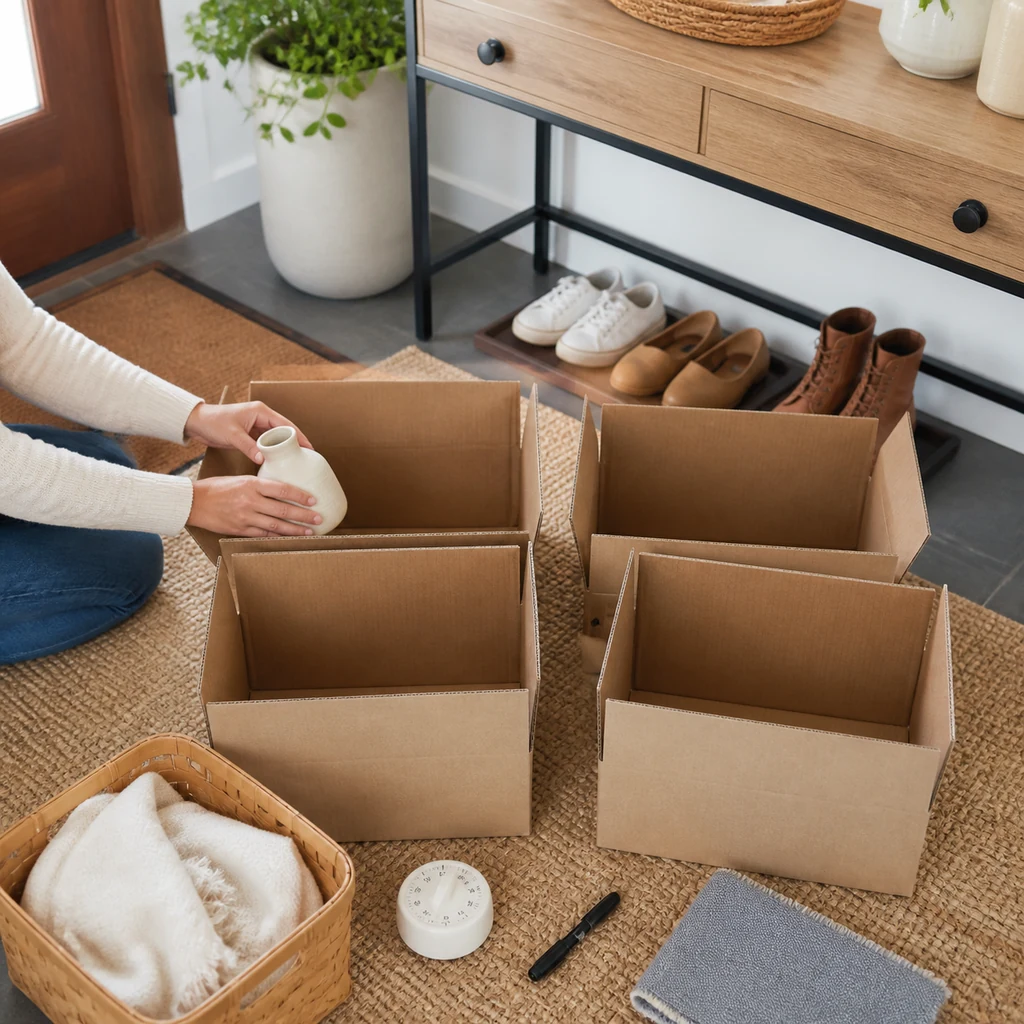
Start with one visible entry point, not the hardest room. Place four open containers where you can reach them and define what each one means. The relocate box is for items that belong elsewhere, but do not deliver them during the session or you will lose focus. On day two, remove obvious trash and returns. On day three, clear the entry console, shoe pile, or drop zone so the house feels different immediately.
2. Days 4-6: Reset Kitchen Counters, Fridge, and Pantry
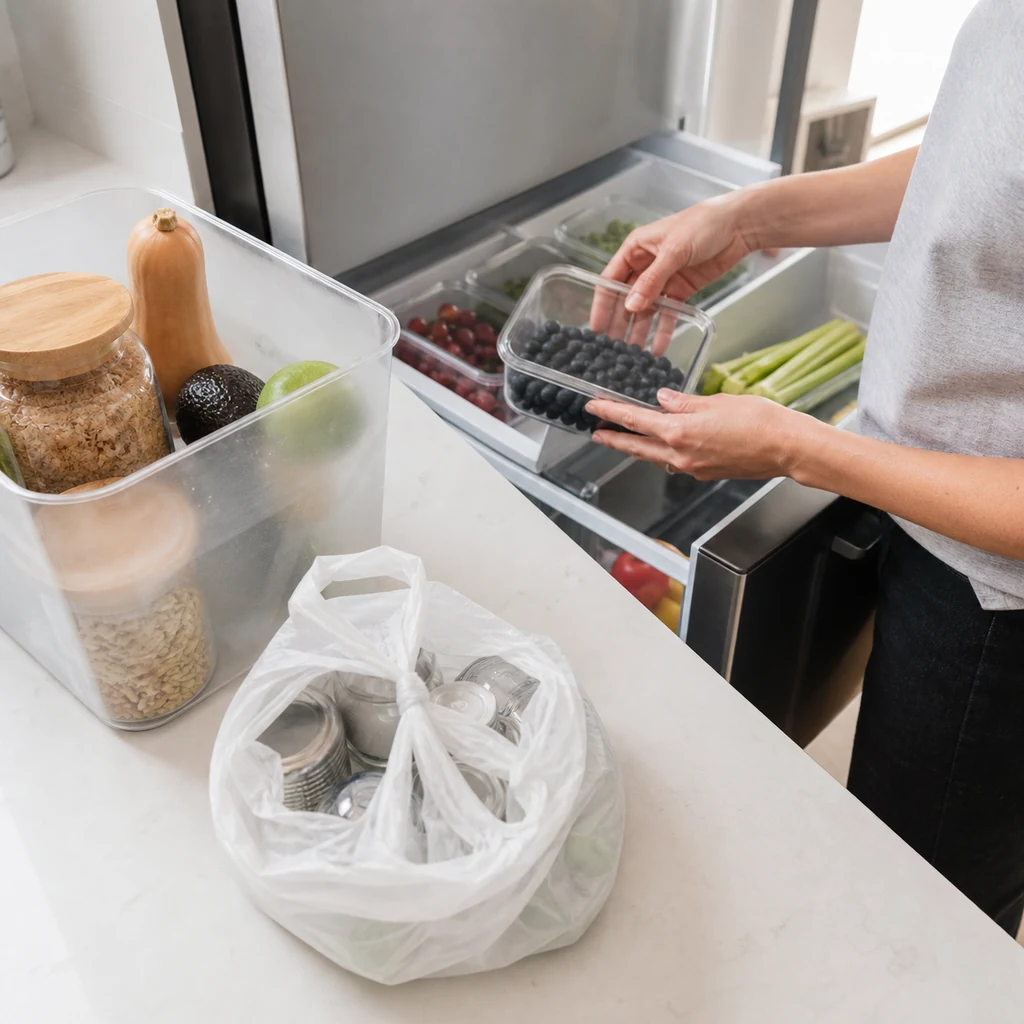
Clear the counter first because it changes the whole room. Return only the appliances used weekly and move everything else to a decision zone. The next day, edit the refrigerator and freezer, discarding spoiled food and wiping shelves before restocking. Finish with pantry categories. Combine duplicates, put older food forward, and avoid decanting unless the container truly solves a visibility or pest-control problem.
3. Days 7-9: Edit Bathroom, Toiletries, and Linen Storage
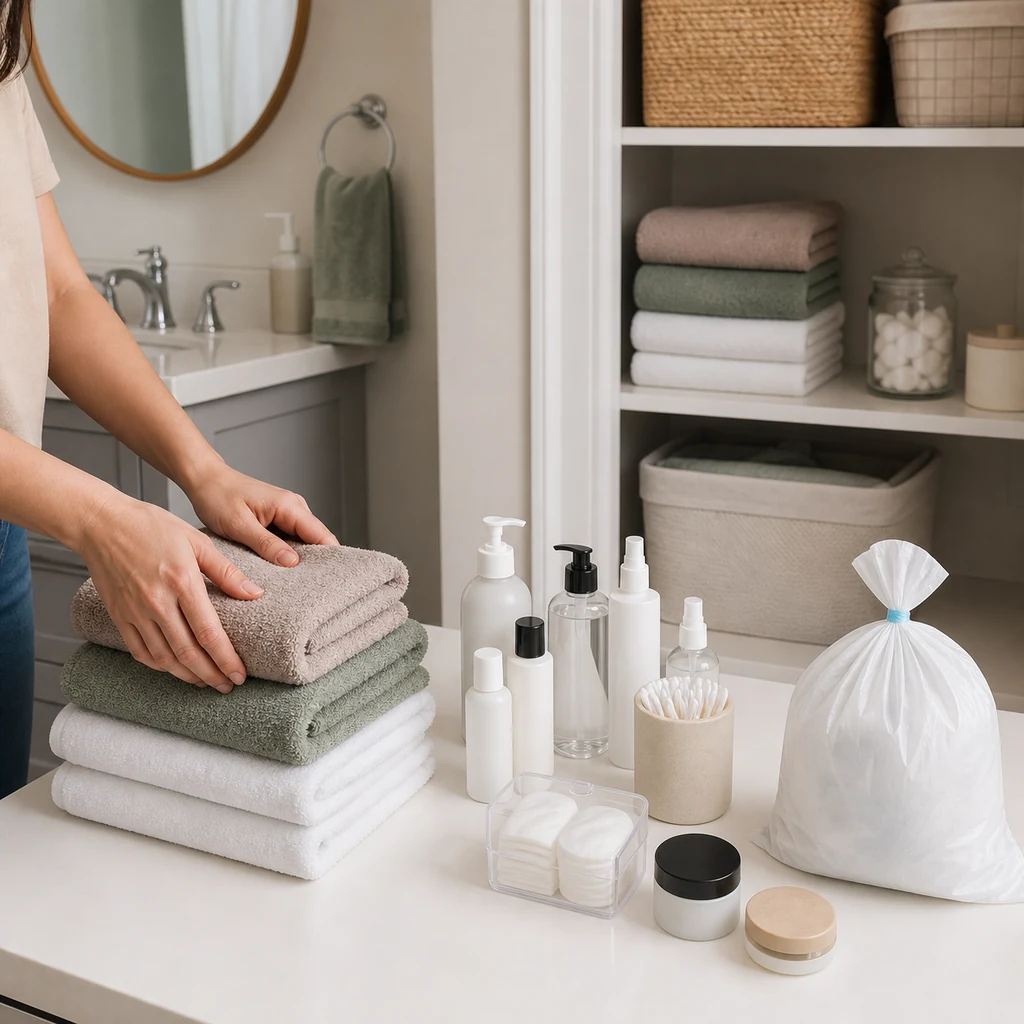
Bathrooms collect half-used products because they are small and private. Remove empties, expired cosmetics, dried-out items, and duplicates you will not realistically finish. Handle medication through an appropriate take-back or disposal route for your area. Sort towels by condition, keeping enough for real household needs plus a small backup. If linens overflow the shelf, reduce the count before adding baskets.
4. Days 10-12: Simplify Clothes, Shoes, and Accessories
Pull one clothing category at a time: shirts, pants, workout wear, then shoes. Judge each item by fit, condition, comfort, and whether it matches your actual week. Keep a repair pile only if you will schedule the repair within the month. Put off-season clothes in a clearly defined zone and keep daily clothing where your hand naturally reaches. Empty hangers are useful feedback, not wasted space.

5. Days 13-15: Calm the Bedroom and Nightstand Clutter
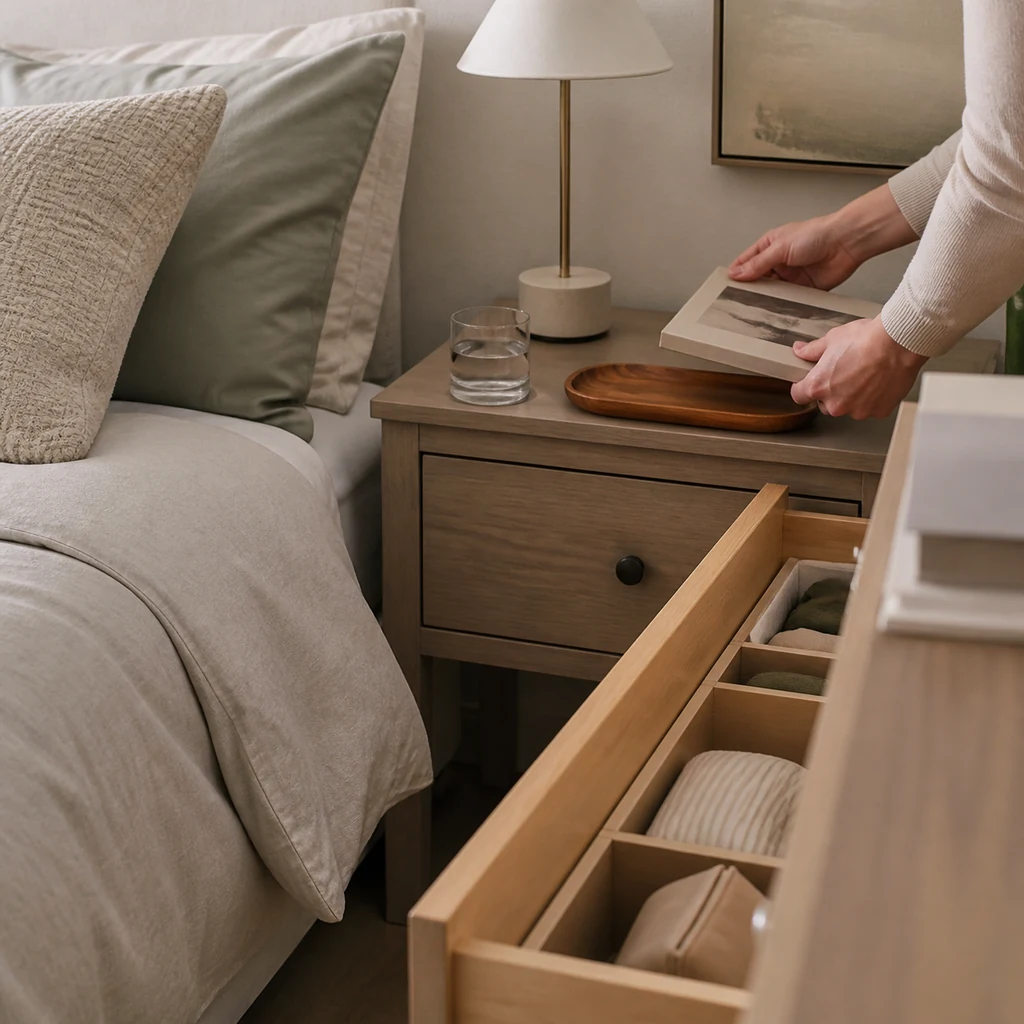
The bedroom should not be the overflow closet for the rest of the house. On day thirteen, clear the floor and chair. On day fourteen, edit nightstand drawers down to current bedtime items. On day fifteen, simplify dresser tops and bedding storage. Keep sentimental items, but give them one intentional home instead of letting them scatter across every surface.
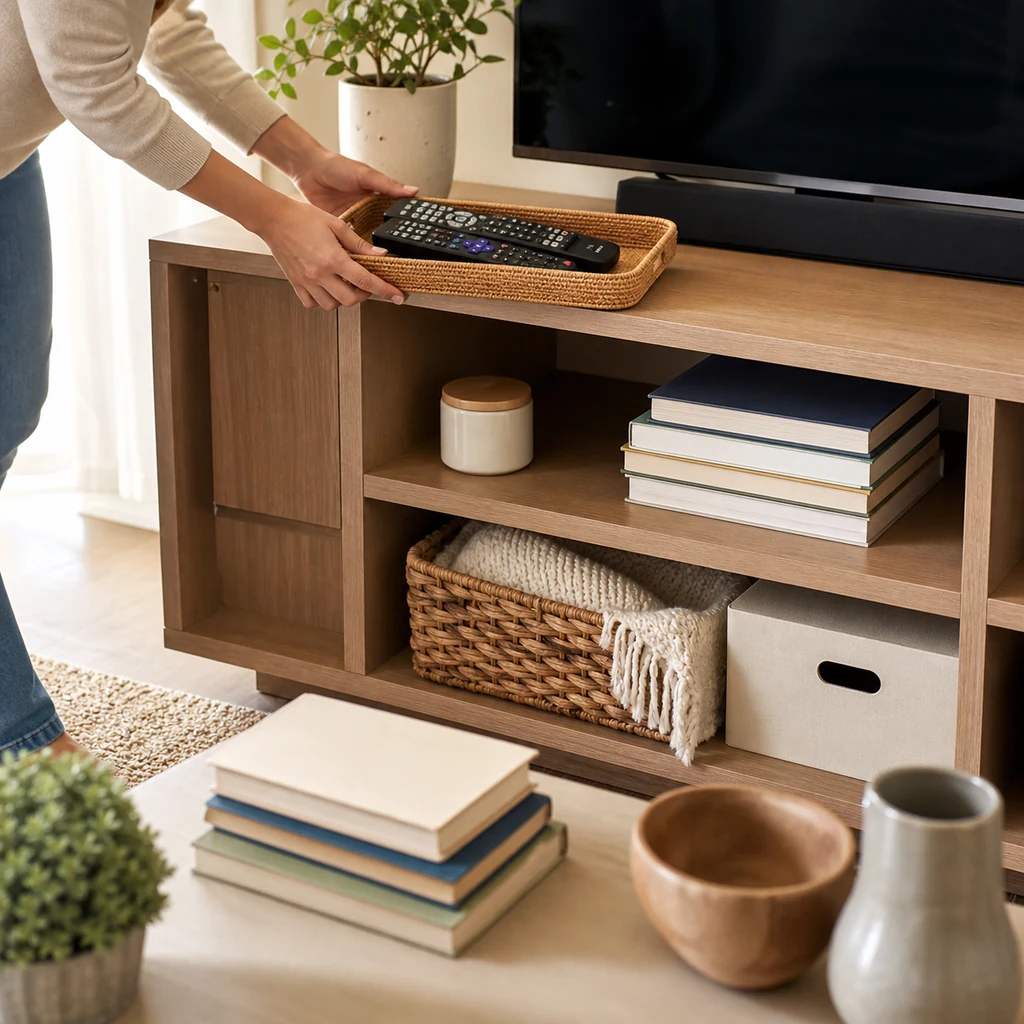
6. Days 16-18: Clear Living Room Surfaces and Media Zones
Living rooms gather shared clutter, so reset them by function. Create homes for remotes, chargers, blankets, games, books, and mail that lands there accidentally. Edit decor by removing pieces that make dusting hard without making the room better. If shelves feel busy, leave a little empty space between groups. The room will look cleaner even before you buy anything.
7. Days 19-21: Control Paper and Digital Clutter
Paper clutter grows because it lacks a next action. Build one inbox, one folder for active paperwork, and one archive for records you truly need. Shred sensitive papers before discarding them. For digital clutter, clean the desktop, downloads folder, and camera roll enough to reduce friction. Back up important files before deleting, and avoid touching financial or legal records unless you know the retention need.

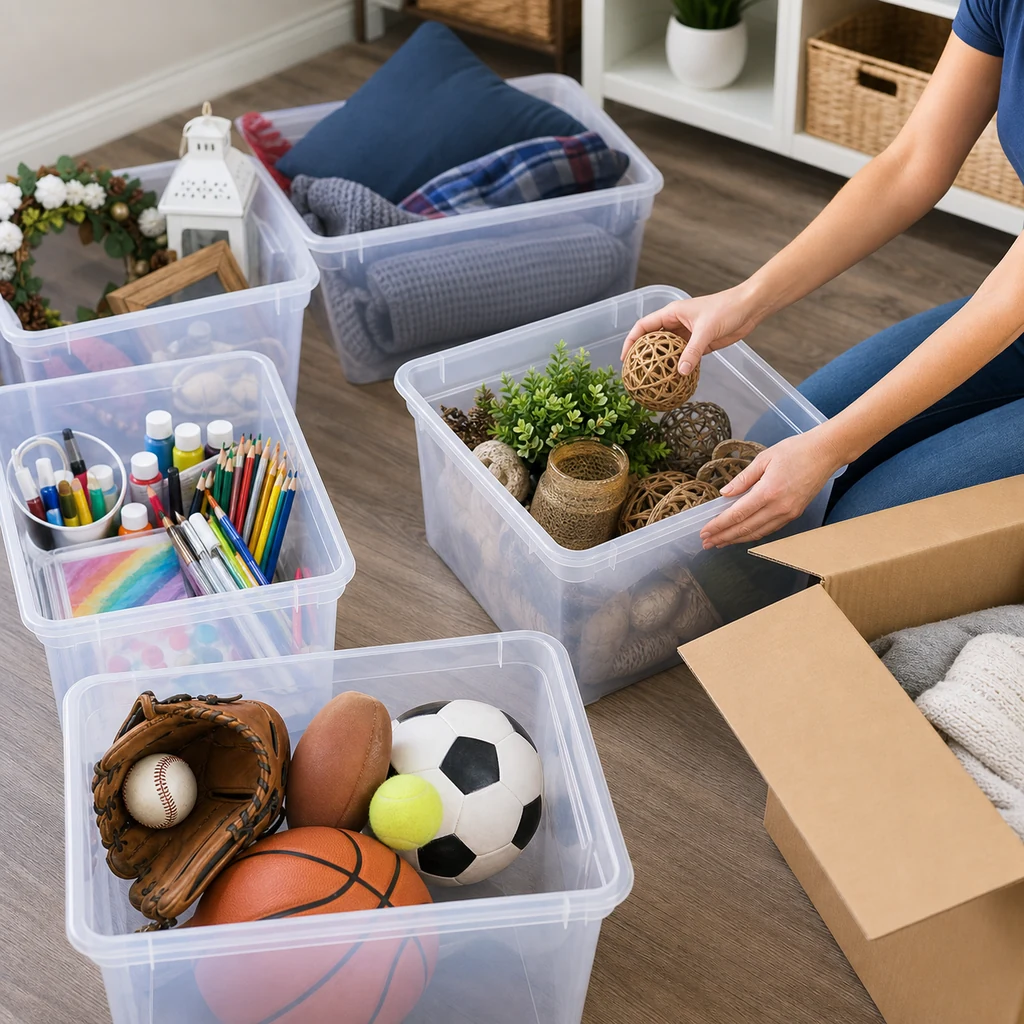
8. Days 22-24: Sort Hobby, Seasonal, and Kid Zones
Collections become clutter when there is no boundary. Group hobby supplies by activity and choose one container size for each active hobby. Seasonal decor should fit the storage space you can reach safely. For kids’ items, keep favorites accessible and rotate extras instead of filling every bin. Broken pieces, incomplete sets, and outgrown items can leave without guilt.
9. Days 25-27: Move Donations, Returns, and Recycling Out
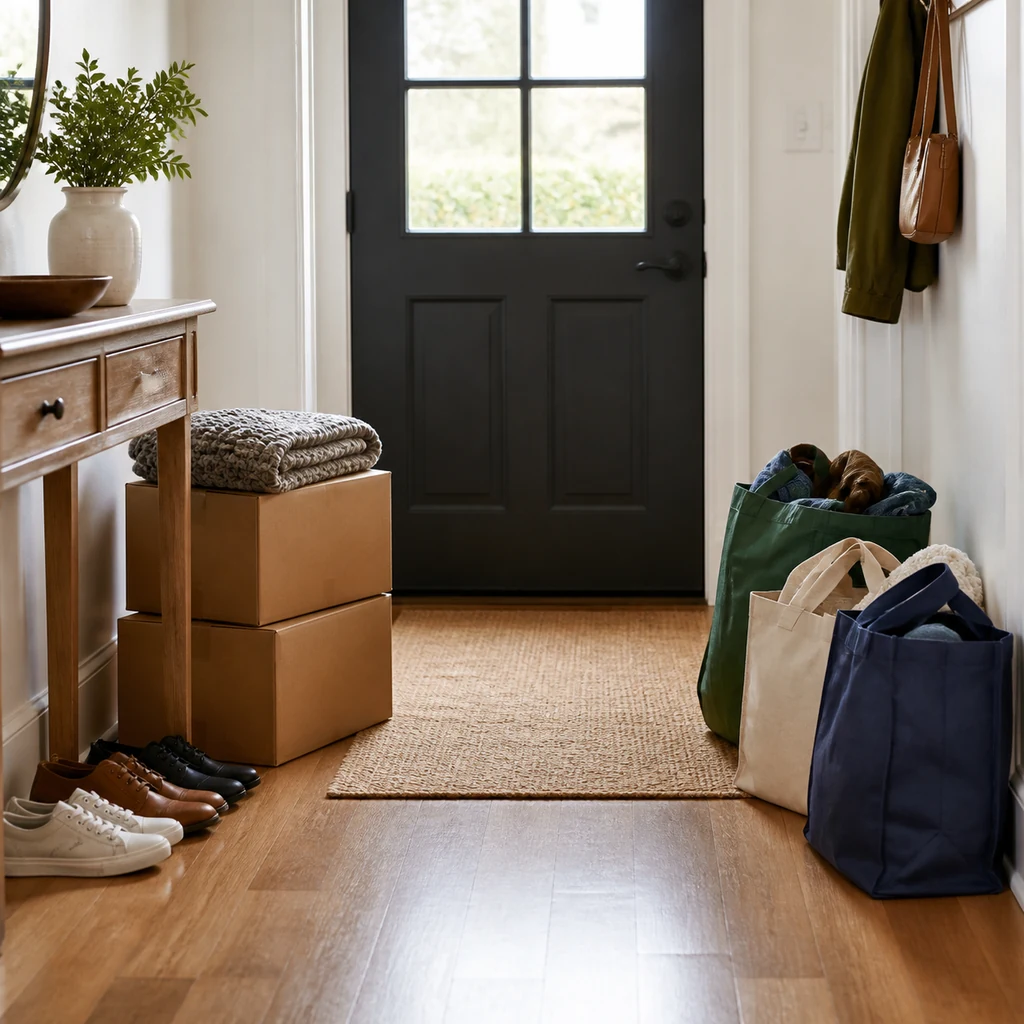
A donation pile is not finished until it leaves the house. Schedule a drop-off, arrange pickup if available, return borrowed items, and separate electronics, batteries, paint, or chemicals for proper local disposal. Keep boxes near the exit only briefly. The longer they sit there, the more likely items drift back inside. Take one photo for records if needed, then complete the handoff.
10. Days 28-30: Assign Homes and Build a Weekly Reset
Use the final three days to make the system repeatable. Every item that stayed needs a home that is easy to reach, easy to see, and close to where it is used. Write a 20-minute weekly reset: return strays, empty the relocate basket, process mail, and remove one small bag of excess. Maintenance is not a punishment for owning things; it is the rhythm that keeps the month from unraveling.
Substitutions & Variations
If thirty days feels slow, combine two phases per week and keep the same order. If life is busy, stretch the plan to six weeks and focus on one micro-zone per session. Renters can rely on freestanding baskets, drawer dividers, and removable labels. Families can assign one decision category per person so the project does not depend on one exhausted organizer.
What to Pair With This Decluttering Plan
Pair the plan with a simple cleaning schedule, a donation appointment, and one household rule: do not bring in a new storage product until the old volume has been reduced. A laundry basket for room-to-room returns and a small mail tray near the entry can prevent the most common clutter rebounds.
FAQ
What if I miss a day?
Resume with the next phase instead of restarting. The sequence matters more than perfect timing.
Should I declutter sentimental items first?
No. Build decision confidence with easier categories before touching emotional objects.
How many storage bins should I buy?
Buy only after editing. Measure the final category and choose containers that solve a specific access problem.