

I spent years believing every fitness tip I heard at the gym, on social media, and from well-meaning friends. Some of it helped. A lot of it wasted my time. Once I learned to separate myth from mechanism, progress got simpler and a lot less stressful. These are the five fitness myths I see most often, and what I wish someone had explained to me sooner.

Myth 1: A Big Weekend Weight Jump Means You Gained Fat

You step on the scale after a heavy weekend and see plus five pounds. Panic sets in. I have been there. But fat gain and scale weight are not the same thing.
One pound of body fat is roughly 3,500 calories above maintenance. Five pounds of pure fat would mean a huge surplus in just a few days. That can happen, but it is rare. What is common after salty meals, extra carbs, travel, or poor sleep is water retention. Carbs pull water into muscles and tissues. Sodium does the same. Alcohol can disrupt sleep and hydration, which also shows up on the scale.
What I do now: I return to my normal meals, drink steady water, keep sodium moderate for a few days, and skip the guilt spiral. Within three to five days the number usually normalizes. Track trends over weeks, not one morning.
Myth 2: Lifting Makes Women Bulky by Default
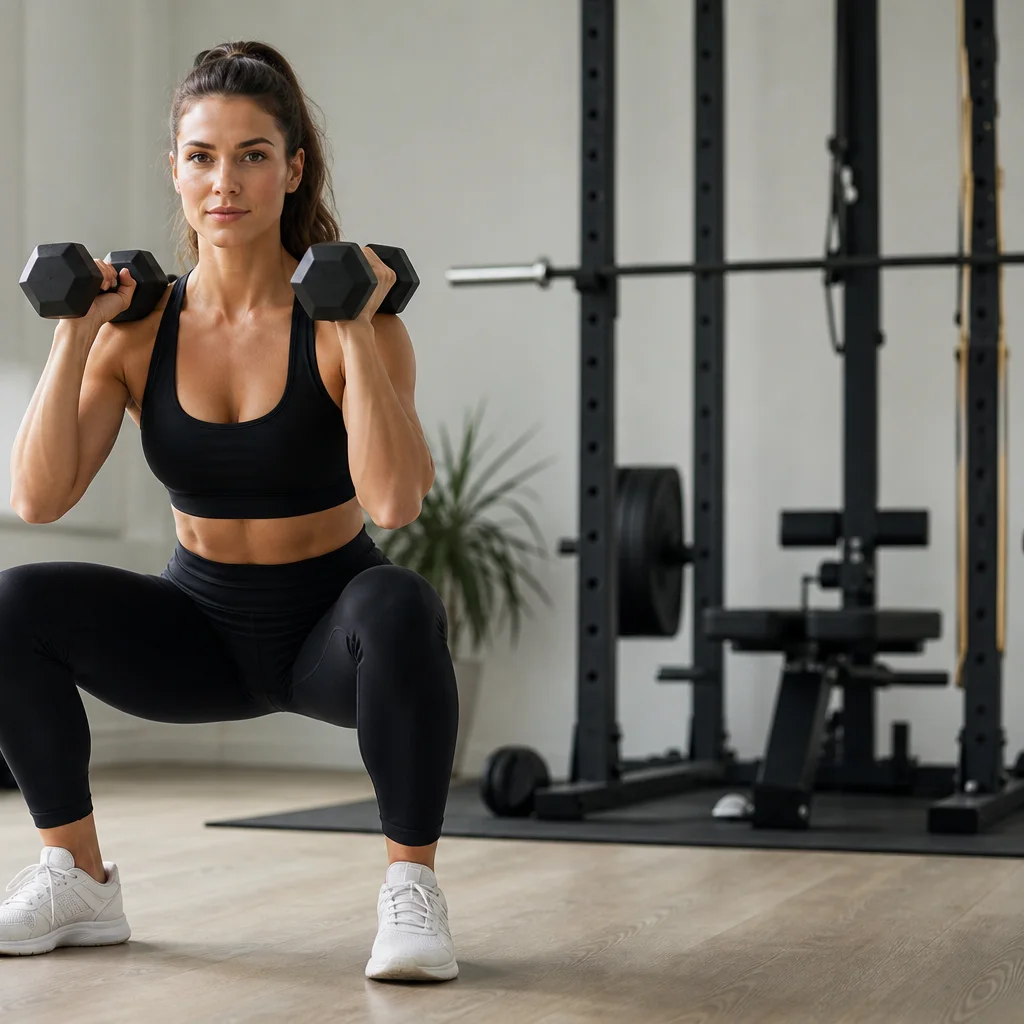
Strength training does not automatically build a bulky physique. Muscle and fat change are separate processes. Lifting helps you hold muscle while you lose fat, which is how you get that toned look most people actually want.
More muscle also raises daily calorie needs at rest. That makes maintaining weight easier after a diet. The women who look extremely muscular on stage often train for years with very specific nutrition and, in some cases, pharmaceutical support. That is not what happens from two or three full-body sessions per week.
Start with compound moves you can recover from: squats, hinges, pushes, and pulls. Add weight slowly. Two to three sessions weekly is enough for most beginners to see shape changes within a few months.
Myth 3: You Can Spot-Reduce Fat With Targeted Exercises

Tricep kickbacks will strengthen triceps. They will not magically melt arm fat. Your body decides where fat comes off based on genetics, hormones, and overall deficit, not the muscle you train that day.
I used to chase ab circuits hoping for a flat stomach while ignoring nutrition and sleep. The abs got stronger. The cover did not change until my total habits changed. Build muscle where you want shape. Lose fat with consistent calories, protein, steps, and patience.
Myth 4: Long, Easy Workouts Are Always Better

Duration matters less than effort for many goals. A focused twenty-minute session with hard intervals can beat a distracted hour on the treadmill. Intensity drives adaptations: better cardiovascular fitness, preserved muscle, and higher post-workout calorie burn for hours in some cases.
That does not mean every workout should destroy you. Low-intensity walks help recovery and stress. The myth is believing only long cardio counts. Mix hard days, easy days, and rest.
Myth 5: Any Calorie Deficit Equals Fat Loss
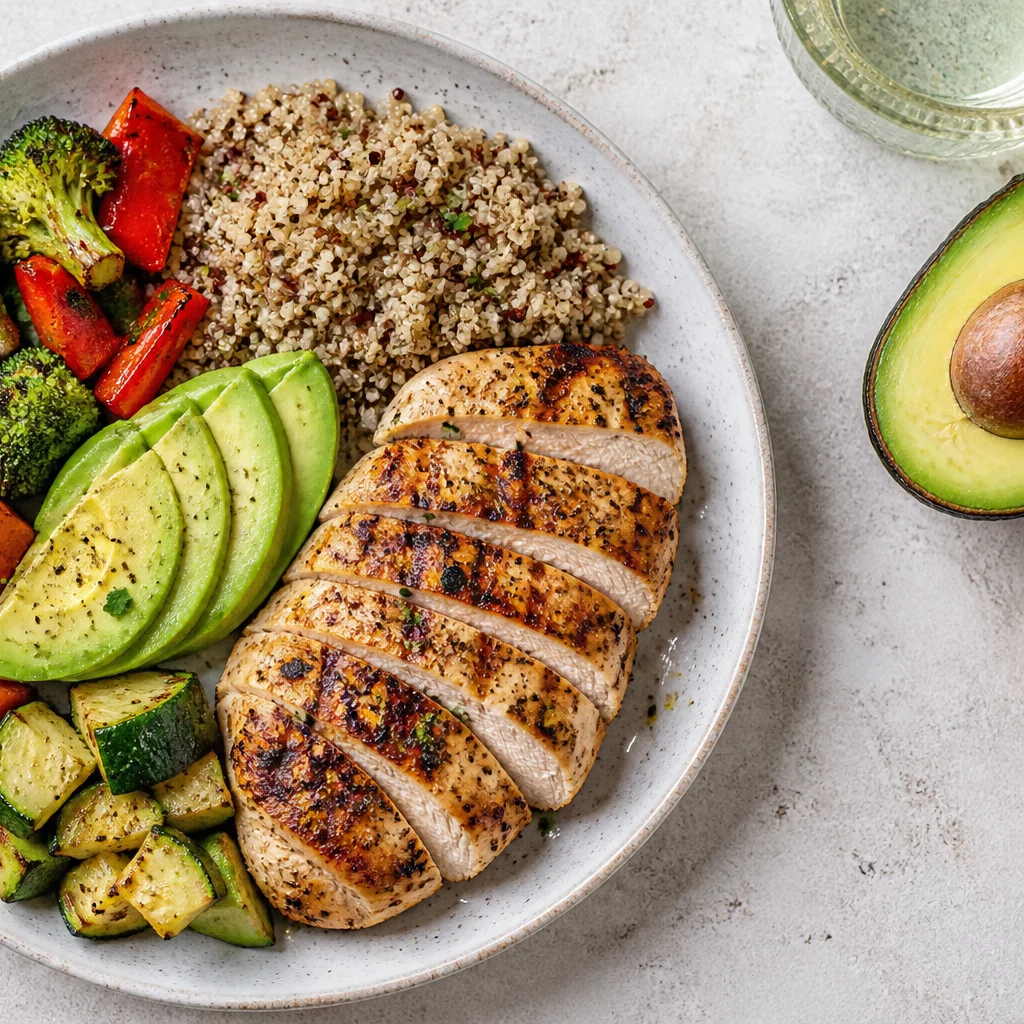
A deficit can drop scale weight while you lose muscle, energy, and sleep quality. Eat too little protein and too few whole foods and you may end up skinny-fat: lighter on the scale but soft in the mirror and hungry all day.
Fat loss needs a deficit plus enough protein, resistance training, and sleep. I aim for mostly whole foods, protein at each meal, and strength work at least twice weekly. Scale down slowly, about half to one percent of body weight per week for many people, unless your clinician guides otherwise.
What to Do This Week
- Weigh yourself daily if you like, but judge trends over 14 days.
- Pick two full-body strength sessions and walk on off days.
- Hit a protein target that fits your size and activity.
- Drop one myth-based habit that has not worked for six months.
Quick Checklist Before Your Next Workout
- Goal: Am I training for strength, endurance, or general health today?
- Effort: Can I add weight, reps, or speed compared to last week?
- Recovery: Did I sleep at least seven hours and eat protein at breakfast?
- Expectations: Am I judging fat loss by one mirror check or by four weeks of photos?
I keep this list on my notes app because it stops me from chasing the wrong metric after one heavy dinner or one missed gym day.
Frequently Asked Questions
Why did I gain three pounds overnight without overeating?
Water, fiber, sodium, hormones, and training soreness can shift scale weight fast. Fat does not appear that quickly. Look at the weekly average and how clothes fit.
Will lifting make my thighs bigger?
Lifting can make muscles firmer and slightly larger, which often looks leaner when fat drops. Huge size jumps usually need years of targeted training and surplus calories.
Do ab workouts burn belly fat?
They strengthen the core. Fat loss still requires a sustained calorie deficit and overall lifestyle consistency.
How long should my workouts be?
Twenty to forty-five minutes of focused work beats ninety minutes of scrolling between sets. Match length to your schedule and recovery.
Can I lose fat without tracking calories?
Yes. Many people succeed with protein portions, more steps, and fewer liquid calories. Tracking is a tool, not a requirement.
Bottom Line
Fitness progress gets easier when you stop fighting biology with myths. Pick one habit from this list, run it for two weeks, and adjust based on energy, sleep, and strength in the gym. If you manage a medical condition or take prescription medication, talk with your healthcare provider before changing exercise or nutrition.