

When I first heard about HIIT, I thought it sounded too good to be true: shorter workouts, more sweat, better results. After years of mixing steady cardio with lifting, high-intensity interval training became the tool I use when time is tight but I still want a real training stimulus. This guide breaks down how HIIT high intensity interval training works, what to expect, and how to use it without burning out.

What HIIT Actually Is
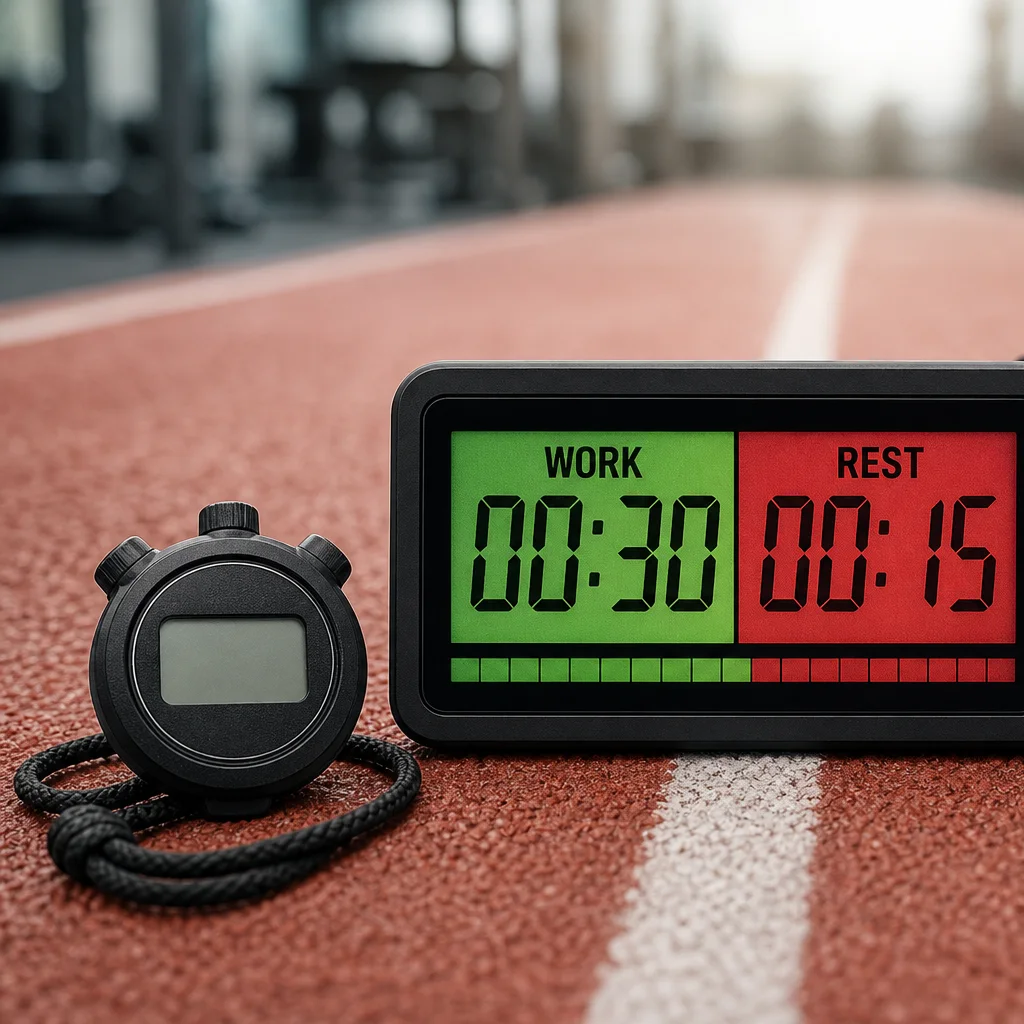
HIIT means alternating short bursts of hard effort with brief recovery. The work interval should feel challenging. You should not be able to hold a conversation during the hard parts. Recovery lets your heart rate drop partially before the next round.
It works with running, cycling, rowing, kettlebells, or bodyweight circuits. The key is large muscle groups and honest effort, not tiny isolation moves with light weights. A true interval training session is structured: you know your work time, rest time, and total rounds before you start.
I use a simple rule: if the last few seconds of each work interval feel uncomfortable but safe, you are in the right zone. If you could keep going for five more minutes at that pace, the interval is probably too easy.
Why HIIT Works for Fat Loss and Fitness

Time efficient: Many sessions finish in fifteen to twenty-five minutes including warm-up. That matters on busy weeks when a sixty-minute treadmill block is not realistic.
High calorie burn: Hard intervals use a lot of energy in little time. You are trading duration for intensity.
Afterburn effect: Your body keeps working post-workout to restore oxygen and clear metabolic byproducts. This is often called EPOC. It is not magic, but it adds up over weeks when you stay consistent.
Cardio and muscle stimulus: Sprints and heavy circuits can support heart health and retain muscle better than long, slow cardio alone during a cut, especially when you keep lifting twice weekly.
Rest still matters. I limit true HIIT to one or two sessions weekly because recovery drives results. More is not always better with interval training.
Sample HIIT Workouts You Can Try
Pick one format below, warm up five to eight minutes, then run the intervals. Cool down and stretch briefly after.
Outdoor track or sidewalk
- Sprint twenty seconds, walk forty seconds. Repeat ten to fifteen rounds.
- Jog curves, sprint straights for fifteen to twenty minutes.
- Incline walk thirty seconds, flat easy walk thirty seconds for twelve rounds if you are new to sprints.
Home bodyweight

- Forty seconds squat jumps, twenty seconds rest; forty seconds push-ups, twenty seconds rest; repeat five rounds.
- Mountain climbers and plank jacks in the same forty/twenty format for eight rounds.
- Fast step-ups on a sturdy bench: thirty on, thirty off for ten minutes.
Gym

- Assault bike: ten seconds all-out, fifty seconds easy, ten rounds.
- Kettlebell swings: thirty seconds on, thirty off for ten minutes.
- Rowing machine: twenty seconds hard pull, forty seconds easy paddle, eight to twelve rounds.
How to Progress Safely
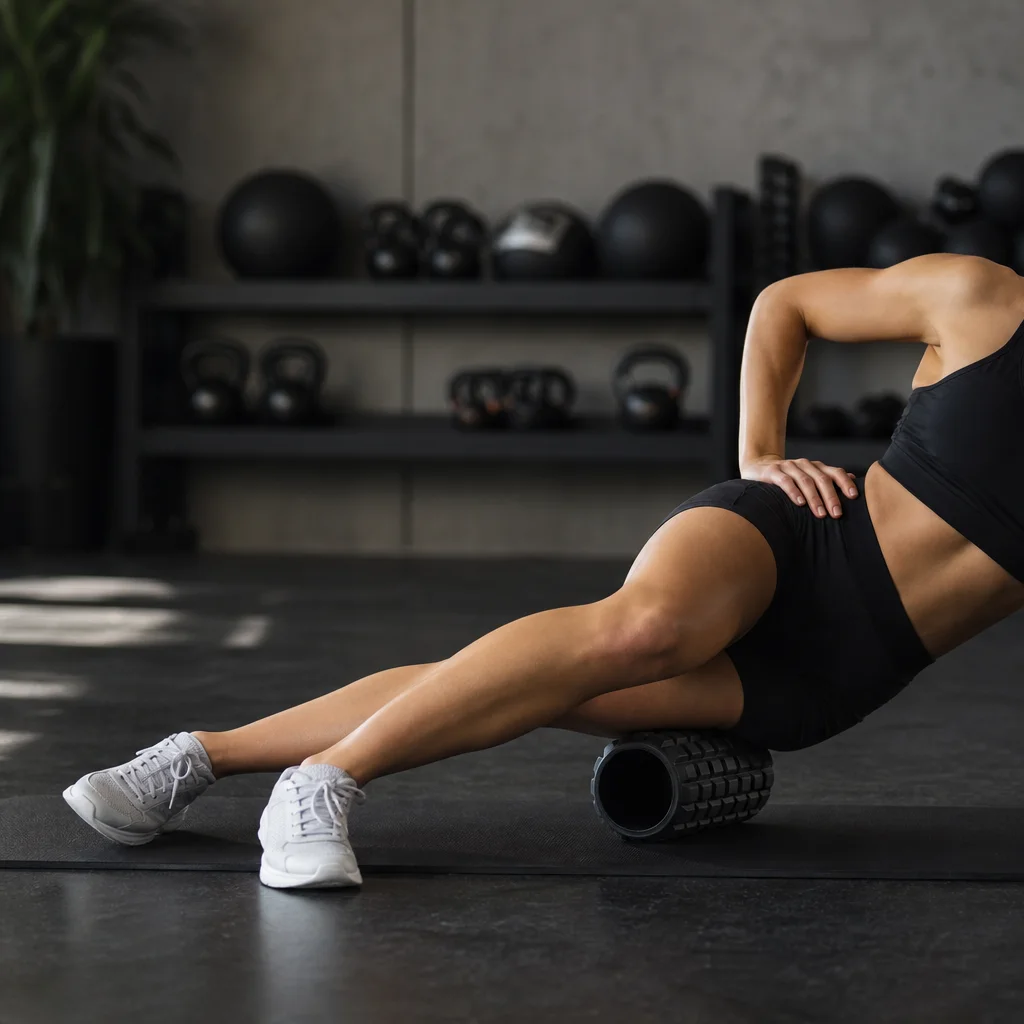
Increase one variable at a time: slightly shorter rest, one extra round, or a bit more speed. Do not add all three at once. If sleep, mood, or joints suffer, pull back to one weekly HIIT day.
Pair HIIT with two or three strength sessions and daily walking. That combination beat my old pattern of endless moderate cardio. Protein at each meal and seven hours of sleep make the hard intervals recoverable.
If you have high blood pressure, heart conditions, or joint pain, talk with your clinician before starting high-intensity work. Beginners can start with brisk incline walks or fast bike pedaling before all-out sprints.
Quick Checklist Before Your First HIIT Session
- Warm-up: Five to eight minutes of easy movement so joints and heart rate rise gradually.
- Timer ready: Phone interval app or gym clock visible so you are not guessing rest periods.
- Effort honest: Hard intervals should feel like an eight or nine out of ten, not a casual jog.
- Recovery planned: No back-to-back HIIT days until you know how forty-eight hours feels.
- Protein after: A meal or shake within a few hours supports muscle repair after hard work.
Frequently Asked Questions
Is HIIT better than steady-state cardio?
Neither wins forever. HIIT is efficient and intense. Steady cardio is easier to recover from and builds base endurance. Use both across the week if you enjoy them.
How often should I do HIIT?
Most people do well with one to two hard sessions weekly, plus lifting and easy movement on other days.
Can beginners do HIIT?
Yes, with shorter work intervals and longer rest. Start with brisk incline walks or fast bike pedaling before all-out sprints.
Will HIIT make me lose muscle?
Excessive HIIT without protein or lifting can. Keep strength training and eat enough protein to protect muscle during fat loss.
Do I need special equipment?
No. A timer and space to move are enough. A bike or rower adds options but is not required.
How long until I see fat loss results?
Consistency over four to eight weeks with nutrition and sleep usually shows up in energy, fitness, and how clothes fit. The scale may move slower than your performance gains.
Bottom Line
HIIT is a sharp tool, not an everyday hammer. Use it when you want maximum return per minute, recover well, and keep lifting on your calendar. Try one session this week, run through the checklist above, and note how you feel forty-eight hours later before adding more. If this helped, save it for your next busy week and share what format you tried in the comments.