

I have started more diets than I can count. Some lasted a week. A few lasted months. The ones that failed usually shared the same patterns below. Once I stopped treating each attempt as a temporary project and started fixing the underlying habits, results finally stuck. Here are ten reasons diets fail, and what I changed instead.

1. Peer Pressure and Social Eating

Friends mean well when they say one bite will not hurt. Office donuts, family dinners, and happy hours stack up fast. I learned to plan ahead: eat protein before events, decide my order in advance, and practice a polite no without long explanations.
You do not need to skip every social meal. I bring a dish I can eat, suggest restaurants with solid protein options, and focus on conversation instead of the bread basket. One off-plan meal is data, not defeat.
2. Eating Too Little
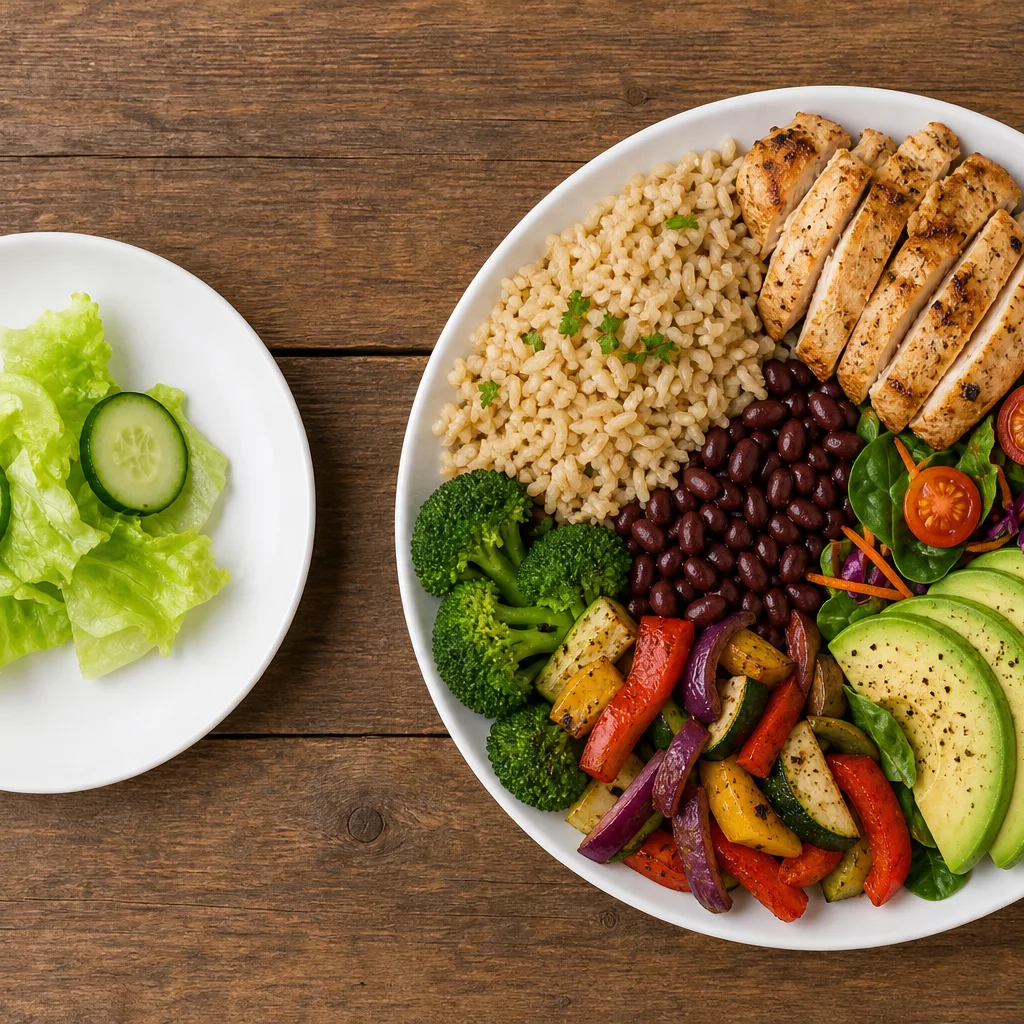
Crash calories backfire. Hunger spikes, sleep suffers, workouts feel awful, and binge cycles follow. I now aim for the highest calorie intake that still produces slow fat loss, with protein prioritized. That keeps energy stable and muscle on the frame.
If you are dizzy, cold, or obsessed with food all day, the deficit is probably too aggressive. Small downward adjustments beat heroic cuts that last four days.
3. Dieting Instead of Changing Lifestyle

A twelve-week plan without an after-plan is a countdown to regain. I build meals I can eat year-round with flexible portions. Weekends include treats within reason, not a separate food universe where rules disappear.
Think maintenance on day one: would I eat this way in six months? If the answer is no, the diet is a sprint you already know how to finish.
4. Binge-Restrict Cycles

All-or-nothing thinking caused my worst rebounds. One tough day became a lost weekend. Now I treat slips as single events. The next meal returns to normal. No punishment cardio required.
Labeling foods good or bad made the cycle worse. I focus on frequency and portions instead of moral judgment at every bite.
5. Missing Micronutrients

Low-calorie junk can leave you hungry despite calories eaten. Vegetables, fruit, legumes, lean protein, and whole grains carry vitamins and minerals that support satiety and mood. I build plates around color first, then adjust portions.
When energy crashes at 3 p.m., I look at fiber and protein before blaming willpower. Often the fix is food quality, not more discipline.
6. Boring Food

Plain chicken and broccoli every day ended every diet I tried. Spices, citrus, air-fryer textures, and one new recipe weekly keep meals interesting without blowing calories.
I keep a short list of five-minute sauces and rubs so healthy food does not taste like punishment. Variety supports adherence more than perfection.
7. Expecting Fast Scale Drops

Fat loss and scale loss differ. Water shifts hide progress for weeks. I track waist measurements, photos every four weeks, and strength in the gym alongside the scale.
A stall of seven to ten days is common after a whoosh week. Trends over thirty days tell the truth better than one morning number.
8. Unmanaged Cravings

Physical hunger needs food. Emotional cravings need a pause. I ask whether I am stressed, tired, or bored before opening the pantry. A ten-minute walk resolves many false alarms.
Sleep debt and skipped meals create cravings that feel like weakness but are biology. Fix the basics first, then judge your plan.
9. No Movement

Nutrition drives fat loss, but training protects muscle and improves insulin sensitivity. Walking daily plus lifting twice weekly made every diet phase easier for me.
Steps add up without feeling like another diet rule. Ten thousand is a target, not a religion; consistency beats spikes.
10. No Progress Tracking
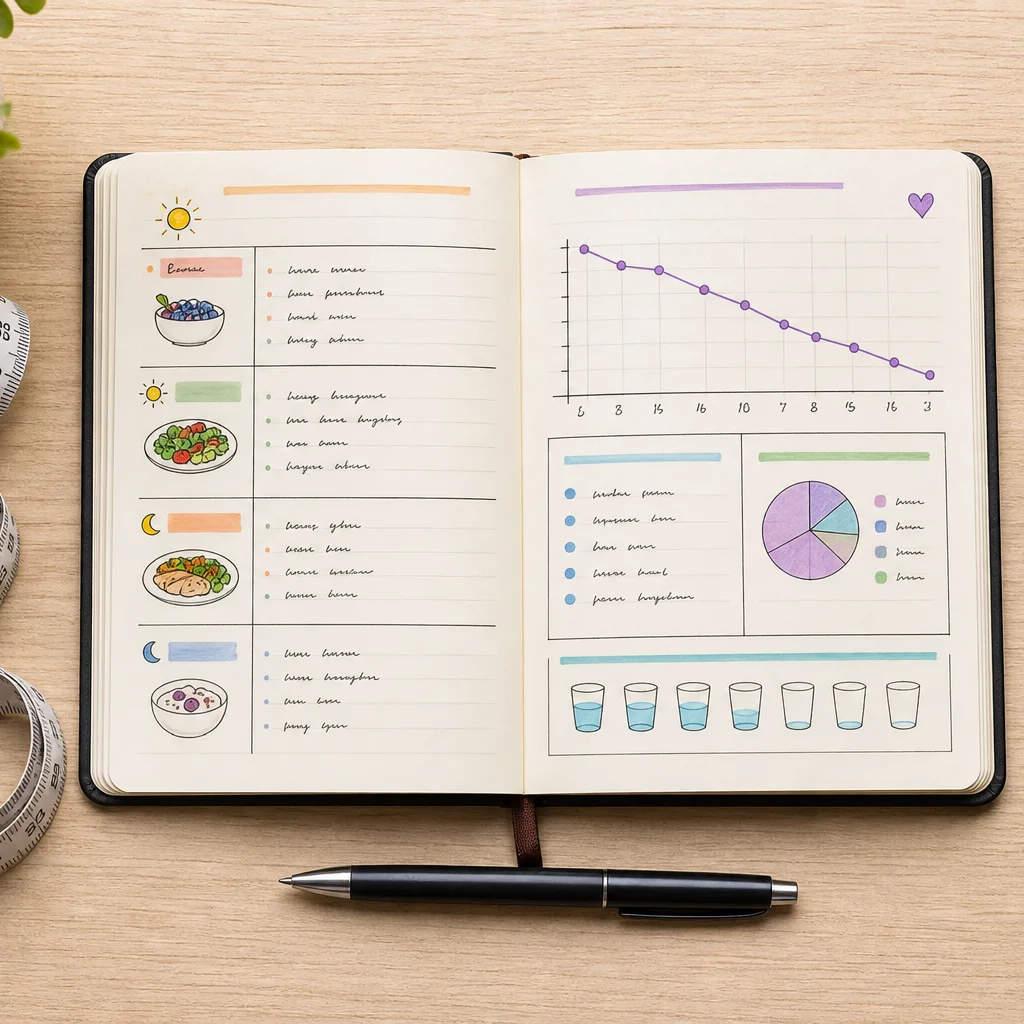
Without data, bad weeks feel like total failure. A simple log of meals, steps, sleep, and gym sessions reveals patterns. Adjust one variable at a time instead of restarting from zero.
I review notes every two weeks: what worked at restaurants, which breakfasts kept me full, when cravings hit. That turns the next attempt into an upgrade, not a reboot.
Quick Checklist Before Your Next Diet Attempt
- Deficit check: Can you train, sleep, and focus at work on this calorie level?
- Protein anchor: Is there protein at breakfast, lunch, and dinner most days?
- Social plan: Do you know your default order for the two events coming up this week?
- Movement base: Are you walking daily and lifting at least twice weekly?
- Track one metric: Scale, waist, photos, or gym logs, pick one and stick with it for a month.
Frequently Asked Questions
Why do I regain weight after every diet?
Extreme deficits, lost muscle, and unsustainable rules make regain likely. Slower loss with strength training and flexible meals helps maintenance.
How fast should I lose weight?
Many adults do well around half to one percent of body weight weekly, but individual needs vary. Your clinician can guide medical contexts.
Do I need to cut carbs to lose fat?
No. A calorie deficit with adequate protein works with many carb levels. Pick the pattern you can adhere to.
What if I binge on weekends?
Examine weekday restriction first. Often weekends compensate for too-aggressive weekday deficits. Balance the full week instead of punishing Monday.
Should I track calories?
Helpful for some, stressful for others. Portion templates and protein targets work for many people without full tracking.
When should I see a professional?
If you have a history of disordered eating, diabetes, or unexplained weight changes, involve a registered dietitian or physician early.
Bottom Line
Diets fail when they fight your life instead of fitting it. Pick two fixes from this list, practice them fourteen days, then add one more. Small stacks beat heroic sprints every time. If you have a medical condition or take prescription medication, talk with your healthcare provider before changing how you eat.