

Carb cycling sounded complicated when I first read about it. High days, low days, timing around workouts. Once I stripped it to the basics, it became a simple way to fuel hard training days and keep calories in check on rest days. If you have ever wondered whether carb cycling for weight loss is worth the effort, this guide walks through what it is, who it helps, and how to try it without turning every meal into math.
What Carb Cycling Means

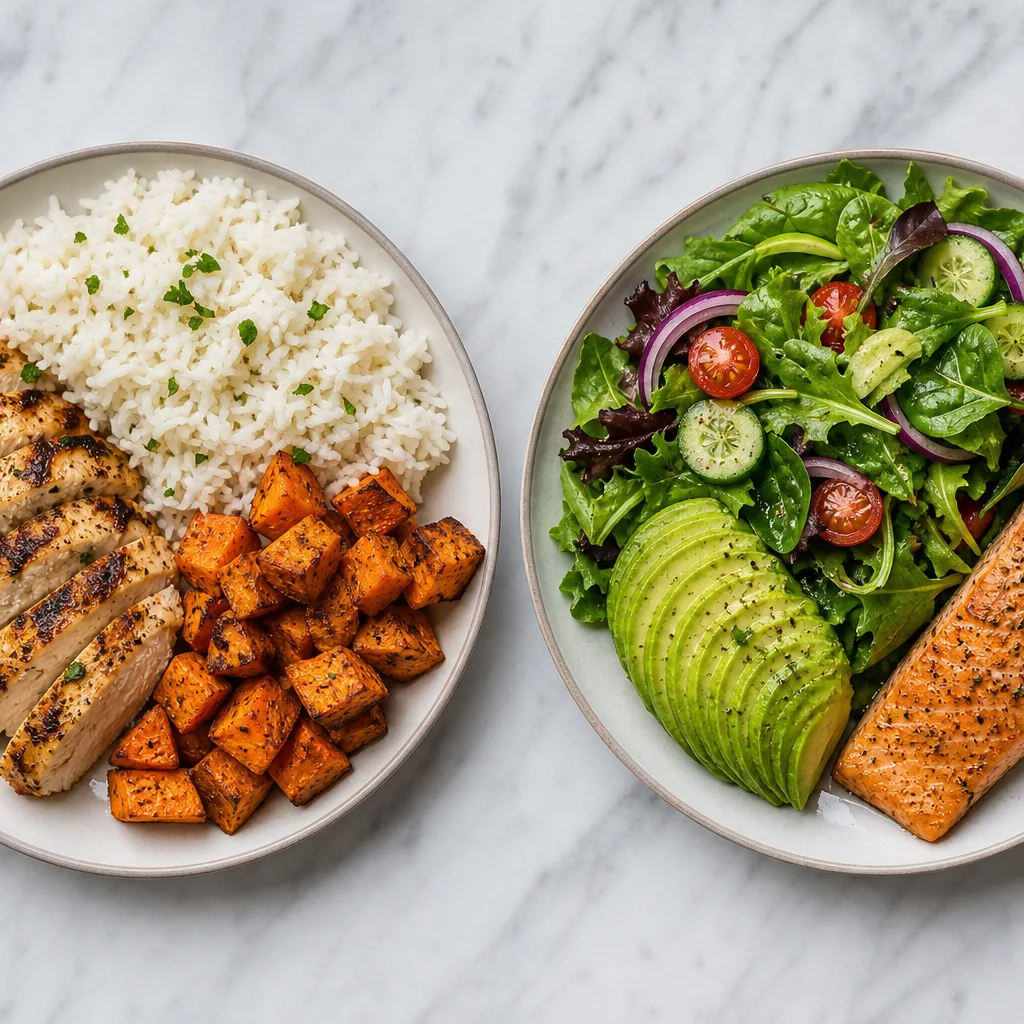
Carb cycling means you alternate higher-carb days with lower-carb days while keeping protein steady and adjusting fats to match your calorie target. Training days get more carbohydrates for performance and recovery. Rest or light activity days use fewer carbs and often slightly fewer total calories.
It is not required for fat loss. A consistent calorie deficit with adequate protein works perfectly well. Carb cycling helps some people stick with plans because hard workout days feel stronger and low days create a weekly calorie buffer without feeling deprived every single day.
Think of carbs as fuel you schedule, not a moral choice. That mindset shift made the whole approach feel less like a diet and more like a training plan for my kitchen.
Why Carb Cycling Can Work

Most diets fail for reasons that have little to do with willpower. I wrote about ten common reasons diets fail after years of starting over. Carb cycling addresses a few of those patterns directly.
Very low carbs every day left me irritable and weak in the gym. High carbs every day made fat loss stall because my weekly average calories crept up. Cycling let me eat more starch when I actually needed it and pull back when activity was low, which improved both gym performance and adherence.
Physiologically, higher carbs on training days refill glycogen and support harder sessions. Lower days reduce overall energy intake without asking you to white-knuckle through every workout on empty. Psychologically, knowing a higher-carb day is coming makes moderate days easier to tolerate.
Who It Fits Best
- People who lift, run hard intervals, or play sports several times weekly
- Anyone who feels flat on very low carbs but stalls when carbs stay high every day
- Dieters who like structure, meal prep, and a weekly rhythm
It may not suit mostly sedentary schedules or anyone who finds daily label changes confusing. If counting and switching feel stressful, a steady moderate-carb plan is better than forcing a cycle you will abandon in two weeks.
A Simple Three-Day Template
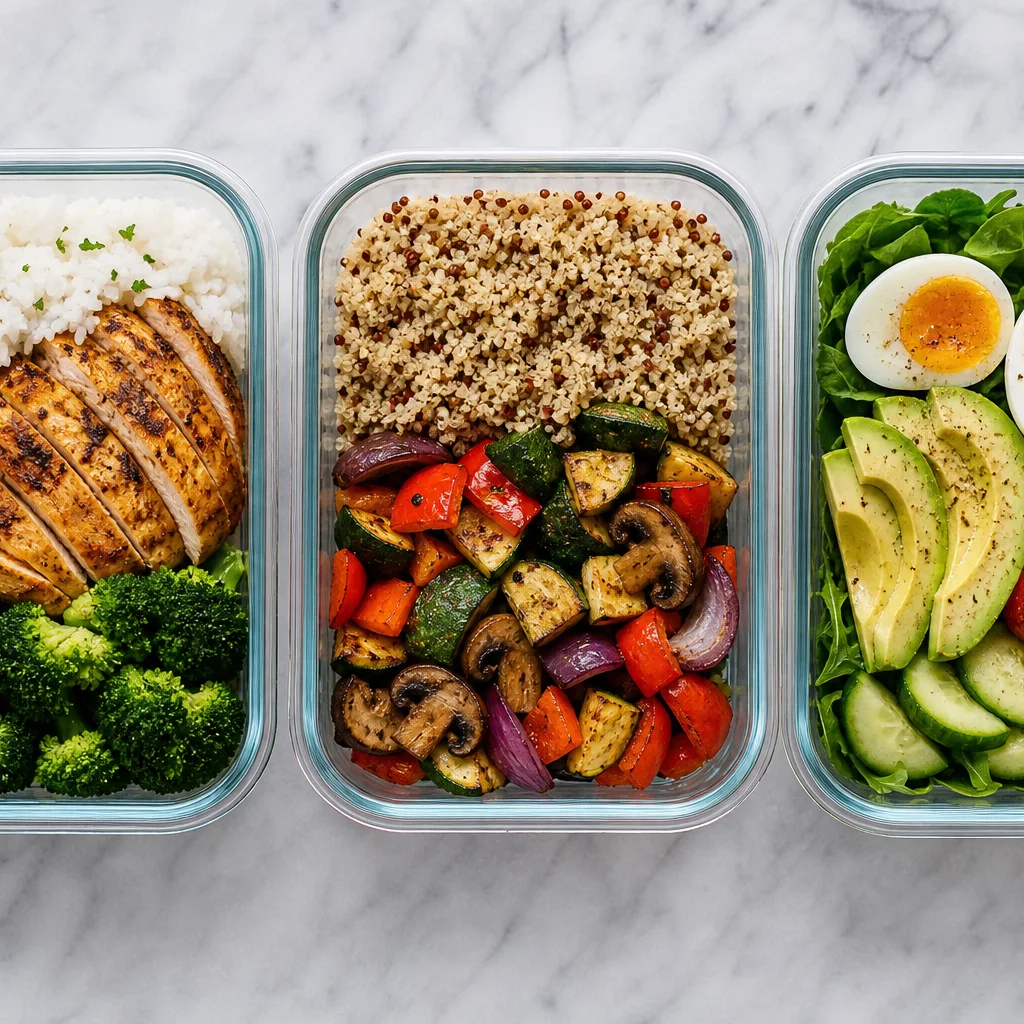
Training day (high carb): Protein at each meal, most starches around workouts (oats, rice, potatoes, fruit, whole-grain bread), moderate fat. Aim to feel energized, not stuffed.
Moderate day: Protein focus, carbs at one or two meals, plenty of vegetables and fiber. Good for light cardio or busy days that are not full rest.
Rest day (lower carb): Protein, vegetables, healthy fats (olive oil, avocado, nuts), limited starches. Calories can sit slightly below training days if fat loss is the goal.
Repeat across the week based on your gym calendar. Adjust portions to your size, goals, and hunger. Labels matter less than honest activity levels.
Sample Week at a Glance

Here is a pattern I used when lifting three days weekly. Monday, Wednesday, and Friday were high-carb training days. Tuesday and Saturday were moderate. Thursday and Sunday were lower-carb rest days.
- Mon: High carb | lower-body lift
- Tue: Moderate | walk + mobility
- Wed: High carb | upper-body lift
- Thu: Lower carb | rest
- Fri: High carb | full-body or intervals
- Sat: Moderate | hike or errands
- Sun: Lower carb | meal prep + rest
You can rotate high days to match social meals if that helps consistency. The point is a repeatable rhythm, not a perfect spreadsheet.
Macros Without Overthinking

Exact grams vary by body size and goals. A practical starting point many coaches use:
- Protein: Roughly 0.7 to 1 gram per pound of body weight daily, every day
- High day: Double or triple starch servings versus rest days; keep fat moderate
- Low day: Protein and vegetables first; starches mostly at one meal or none
Track for two weeks: gym energy, hunger, scale trend, and waist measurements. Adjust one variable at a time. If low days feel brutal, add vegetables and protein before cutting more carbs.
Common Mistakes I Made

Calling a Netflix day a training day just to eat more pasta. Skipping protein on low days and feeling starving by evening. Using carb cycling as an excuse for weekend junk instead of planned starches around real activity.
Another trap: chasing scale weight on high-carb days. Glycogen and water shift the number without changing body fat. I weigh on the same two mornings each week and look at the four-week average instead of daily panic.
Fix: honest activity labels, protein first at every meal, and treat high-carb plates as workout fuel, not a reward for surviving the week.
Frequently Asked Questions
Does carb cycling burn fat faster?
Not automatically. Total weekly calories and protein matter most. Cycling can improve gym performance and adherence for some people, which indirectly supports fat loss.
How many carbs on high vs low days?
Ranges vary widely. Many start by doubling starch portions on training days versus rest days while keeping protein constant. A dietitian can personalize numbers if you have medical conditions.
Can vegetarians carb cycle?
Yes. Use beans, lentils, grains, fruit, and dairy if you eat it. Protein targets still come first so you stay full on lower days.
Will low-carb days hurt my metabolism?
Short lower days within a balanced week do not damage metabolism. Chronic extreme restriction is the problem, not one or two moderate days per week.
Should I cycle carbs while cutting?
Optional. Try four weeks of consistent calories first. Add cycling if performance drops or hunger fights you every low day.
Do I need supplements?
Usually no. Whole foods cover most needs. Creatine or electrolytes are personal choices, not requirements for cycling itself.
Can I carb cycle without tracking apps?
Yes. Use plate methods: a palm of protein, a fist of carbs on high days, two cupped hands of vegetables, and a thumb of fat. Simplicity beats precision you will not maintain.
Bottom Line
Carb cycling is a scheduling tool, not a secret hack. Match carbs to activity, keep protein steady, and stay in a weekly deficit if fat loss is the goal. Test it one month, track gym energy and trends beyond the daily scale, then keep or simplify. The best plan is the one you can repeat next month.