
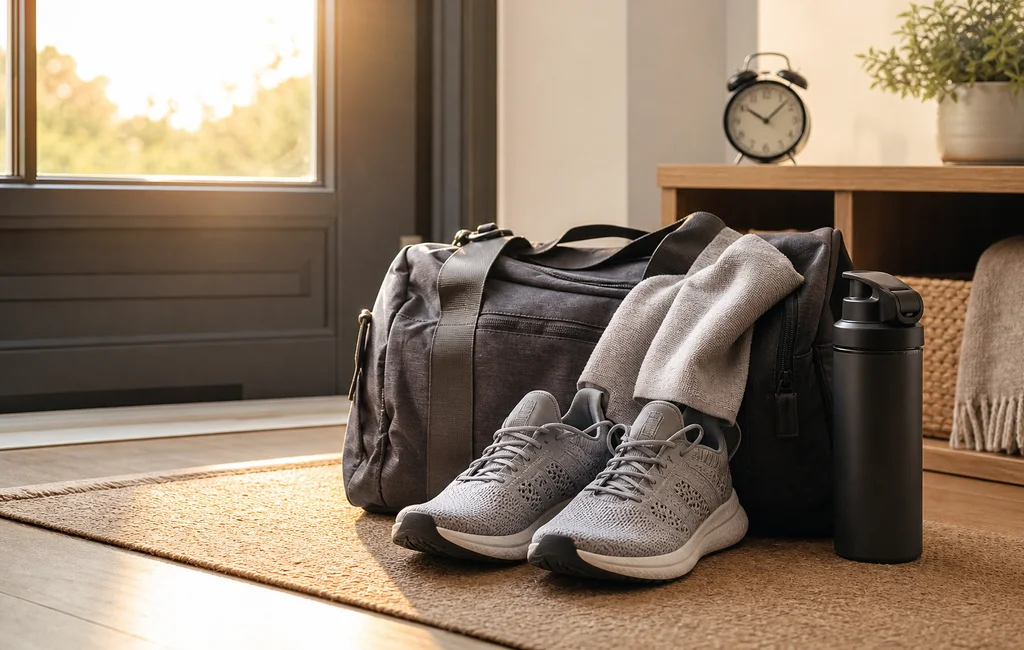
I spent years rearranging my training around blog posts that declared one hour “optimal.” Sunrise sessions felt heroic until a newborn made 5 a.m. impossible. Evening lifts felt strong until late meetings stole the slot three weeks in a row. The lesson was boring and useful: the best time to work out is the window you protect often enough to progress. Timing still matters for energy and sleep, but consistency writes the results.
Adherence Beats the Clock
Research on athletes sometimes shows slightly better power output in late afternoon. For most of us chasing health, fat loss, or basic strength, the bigger variable is how many sessions you complete in a month. A lifter who trains at 7 p.m. four times weekly will outgrow someone who books 6 a.m. slots and attends twice.
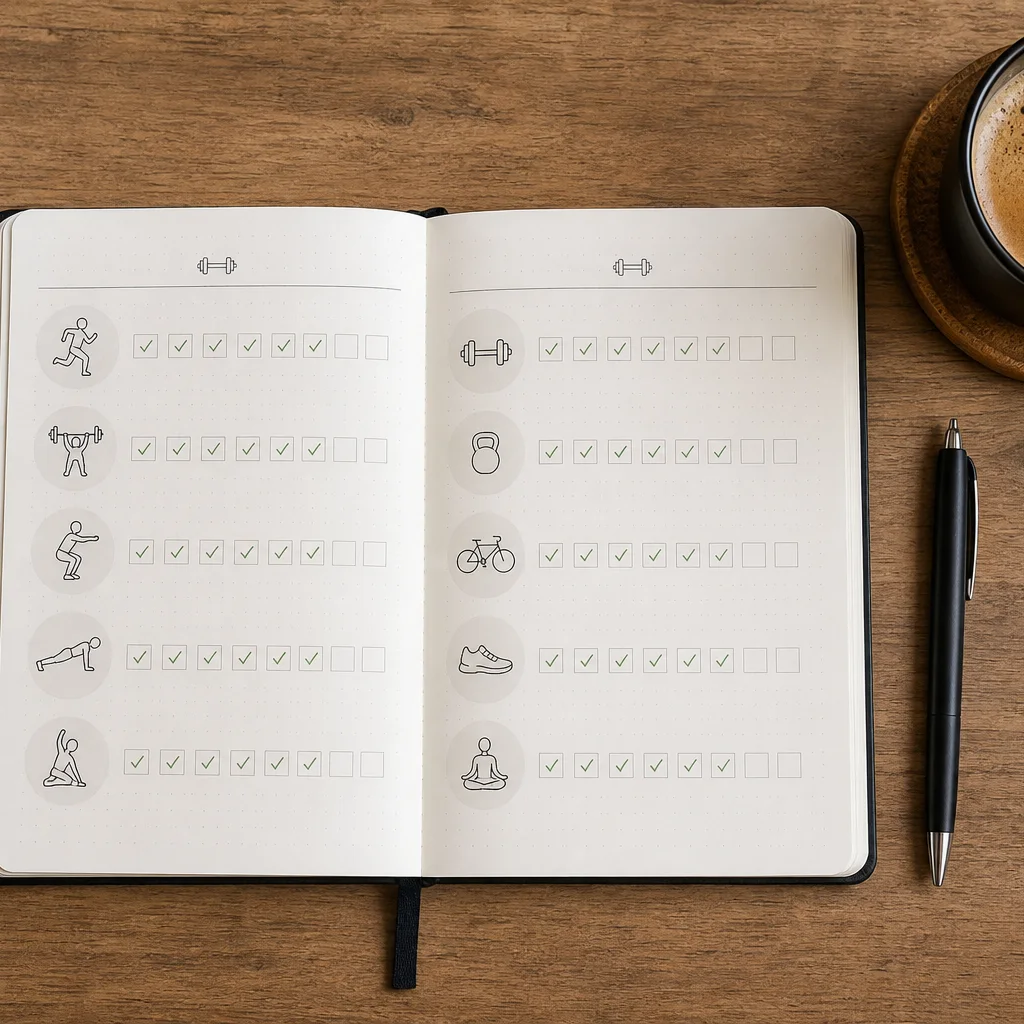
Before you optimize hormones or fasted cardio, measure completion. For two weeks, note whether you trained, how hard it felt from one to ten, and whether life knocked the session off the calendar. That log beats any generic “best time” headline.
What Changes Across the Day

Core body temperature rises as you wake, peaks in late afternoon for many people, then falls toward sleep. Warmer muscles often feel smoother for heavy sets. Cortisol is higher in the morning; many people feel mentally fresh before inbox overload.
None of this means you must train at peak temperature. It explains why your first rep at dawn can feel stiff and why a lunch squat can surprise you with easy depth. Work with the pattern instead of fighting it: longer warm-ups early, harder lifts when you feel springy, earlier finish times if sleep suffers.
Four Schedules, Four Practical Picks
Early riser with a fixed job: Morning works if bedtime is protected. Pack gym bag at night, set a realistic alarm, and accept lighter loads until set two. A banana and yogurt beat fasted misery if you feel faint.
Parent with unpredictable evenings: Morning or lunch blocks often win. Treat the slot like a meeting that cannot move. Even thirty minutes counts when evenings belong to homework and dishes.
Office worker with a long commute: Lunch gym or train immediately after work before you sit down at home. The couch wins if you “rest first” for forty minutes.
Night owl who hates alarms: Evening training is fine. Cap intensity within two to three hours of bed if you lie awake. Keep protein ready so post-gym hunger does not become drive-through.
My 14-Day Time Test
When I doubt my schedule, I run a simple experiment. Pick one time window and train only there for fourteen days. Track sessions completed, average energy, sleep hours, and one performance marker (same lift weight, same walk distance, or same bike level).
Switch windows for the next fourteen days. Compare completion rate first, performance second. The winner is rarely the slot that felt coolest on social media. It is the one that survived real Tuesdays.
Morning Training: What Actually Helps

Mornings shine when distractions are low. Gyms are quieter. You bank a win before email chaos. Downsides are real: stiff joints, cold muscles, and the temptation to skip when sleep was short.
What works for me: clothes laid out, water by the bed, five extra minutes of mobility, and permission to shorten the session instead of skipping entirely. If you do cardio fasted, stop if dizzy. Fed training with a small carb plus protein snack often produces better output for strength days.
Evening Training: Strength Without Sacrificing Sleep

Evenings offer fuel from earlier meals and a mental break from work. Many people hit personal bests on squats and deadlifts later in the day. Trade-offs include social plans, overtime, and sleep friction after hard intervals.
Try finishing vigorous work two to three hours before bed. Follow with protein, fluids, and a short cool-down. If you use a tracker and see sleep depth drop after late HIIT, move intervals earlier in the week or swap a hard day for moderate volume.
Lunch and Split Sessions
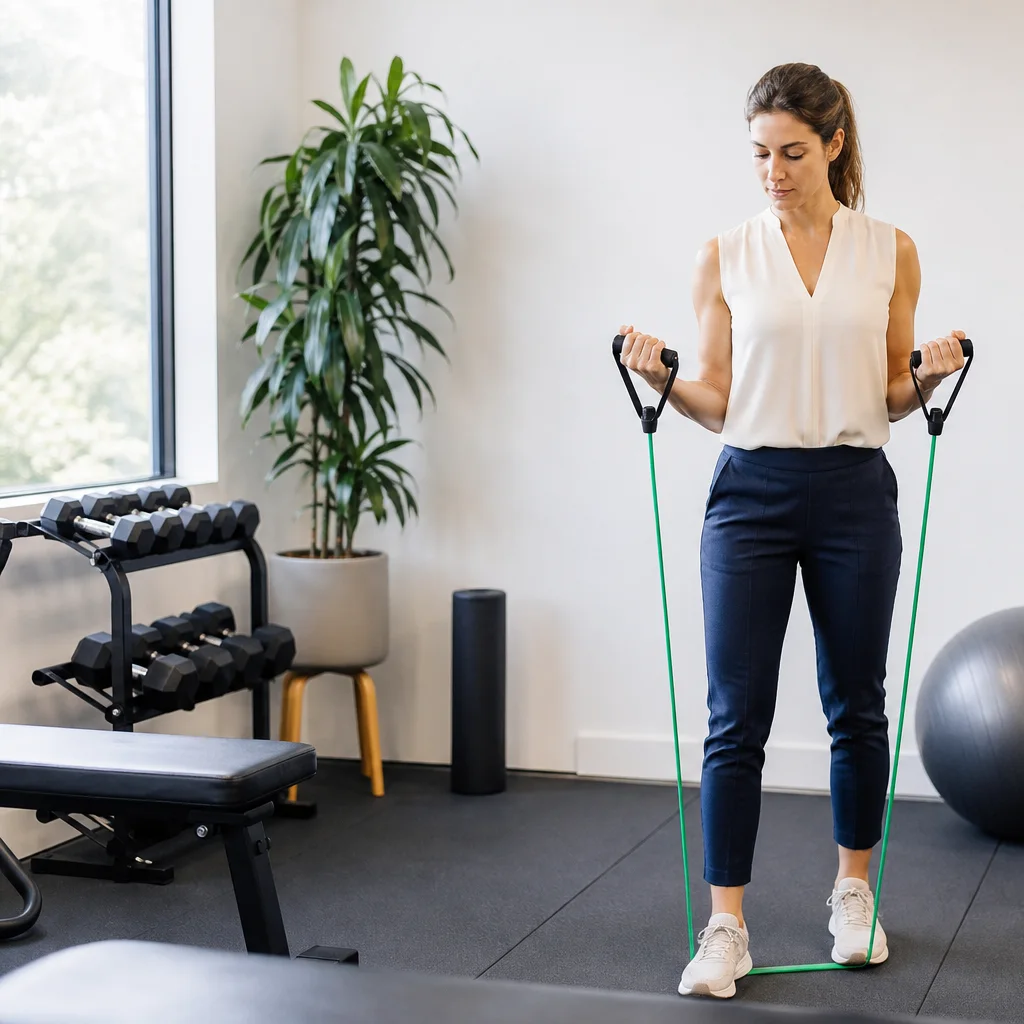
Lunch workouts are underrated. A thirty-minute circuit plus a walk beats a skipped day because morning failed. Keep a simple template: compound lift or machine circuit, one accessory, shower, eat.
Split sessions also work. Weights at lunch, steps after dinner spreads stress and can fit caregiving schedules. Total weekly volume still matters more than doing everything in one heroic hour.
Signs You Should Move Your Workout Time

- You miss more than one planned session weekly at the same slot.
- Performance stalls because you are chronically tired at that hour.
- Sleep latency jumps after late training.
- Joint stiffness never improves despite warm-ups (try later hours).
- Life events keep colliding with the same block (choose a new default).
Frequently Asked Questions
Is morning or evening better for fat loss?
Neither wins on its own. Total weekly activity and nutrition drive fat loss. Pick the time you repeat.
Does fasted morning cardio burn more fat?
You may use more fat during the session, but daily calorie balance matters more. Train fed if fasted sessions feel weak or you under-eat later.
Will lifting at night hurt muscle growth?
No. Muscle responds to progressive training and protein over weeks. Time of day is secondary if sleep and food are solid.
What about afternoon workouts?
Great option if your job allows. Body temperature and alertness often peak, which can help heavy lifts.
Should I train at the same time every day?
Consistency helps habit formation, but flexible anchors (morning on weekdays, late morning on weekends) still work if you track completion.
How long should I warm up in the morning?
Five to ten minutes of easy cardio plus dynamic mobility. Add an extra warm-up set on your first lift.
Can I switch times seasonally?
Yes. Summer light may favor mornings; winter darkness may push you later. Re-run your fourteen-day test when life shifts.
Bottom Line
The best time to work out is the one you keep. Use a short completion log, respect sleep, and match hard days to your strongest window. Morning, lunch, or evening can all work. Progress belongs to the schedule that survives your real life, not the schedule that looks best on paper.