
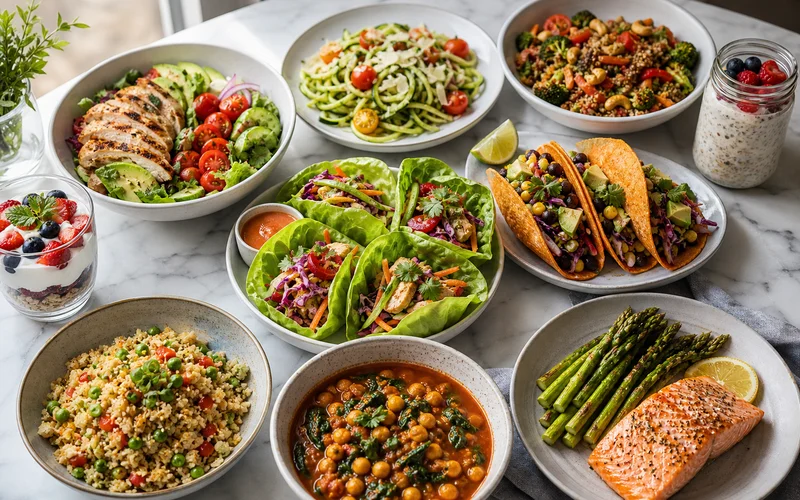
Healthy eating for weight loss does not have to mean tiny portions or flavorless plates. The right recipes combine lean protein, fiber-rich vegetables, and smart fats so you feel satisfied after every meal—not deprived. This guide brings together ten dependable dishes you can rotate through your week, whether you are meal-prepping on Sunday or throwing together a quick dinner after work.
Each recipe below is built around whole ingredients, moderate calories, and flavors that make clean eating feel like a reward rather than a restriction. You will find options for breakfast, lunch, and dinner, plus plant-based and high-protein choices so the list works for different preferences. Pair these meals with simple habits—drinking enough water, eating slowly, and building plates with mostly vegetables—and you have a practical framework for steady progress.
For more light, satisfying dishes, try our crunchy cabbage cucumber salad as a side, a protein-rich spinach and mushroom crustless quiche for brunch, or a bright fresh peach cucumber salad when you want something crisp between heavier meals.
What Makes a Recipe Good for Weight Loss
Effective weight-loss meals share a few traits. They deliver protein or fiber—or both—to help you stay full longer. They limit added sugars and heavy sauces that add calories without much nutrition. They use cooking methods like grilling, baking, and stir-frying instead of deep-frying. Most importantly, they taste good enough that you actually want to eat them again.
Portion size still matters, but these recipes are designed so a standard serving feels generous. Load up on non-starchy vegetables, use healthy oils sparingly, and season boldly with herbs, citrus, and spices instead of relying on butter or cream. That approach keeps calories in check while preserving the satisfaction that keeps you consistent.
How to Use This List
Pick two or three recipes to cook this week and shop for those ingredients first. Batch-cook grains like quinoa on Sunday, grill extra chicken for salads, or prep overnight oats in jars so mornings run smoothly. Rotate recipes every few weeks to avoid boredom. None of these dishes require specialty equipment beyond a sheet pan, a skillet, and basic kitchen tools.
1. Grilled Lemon Herb Chicken Salad
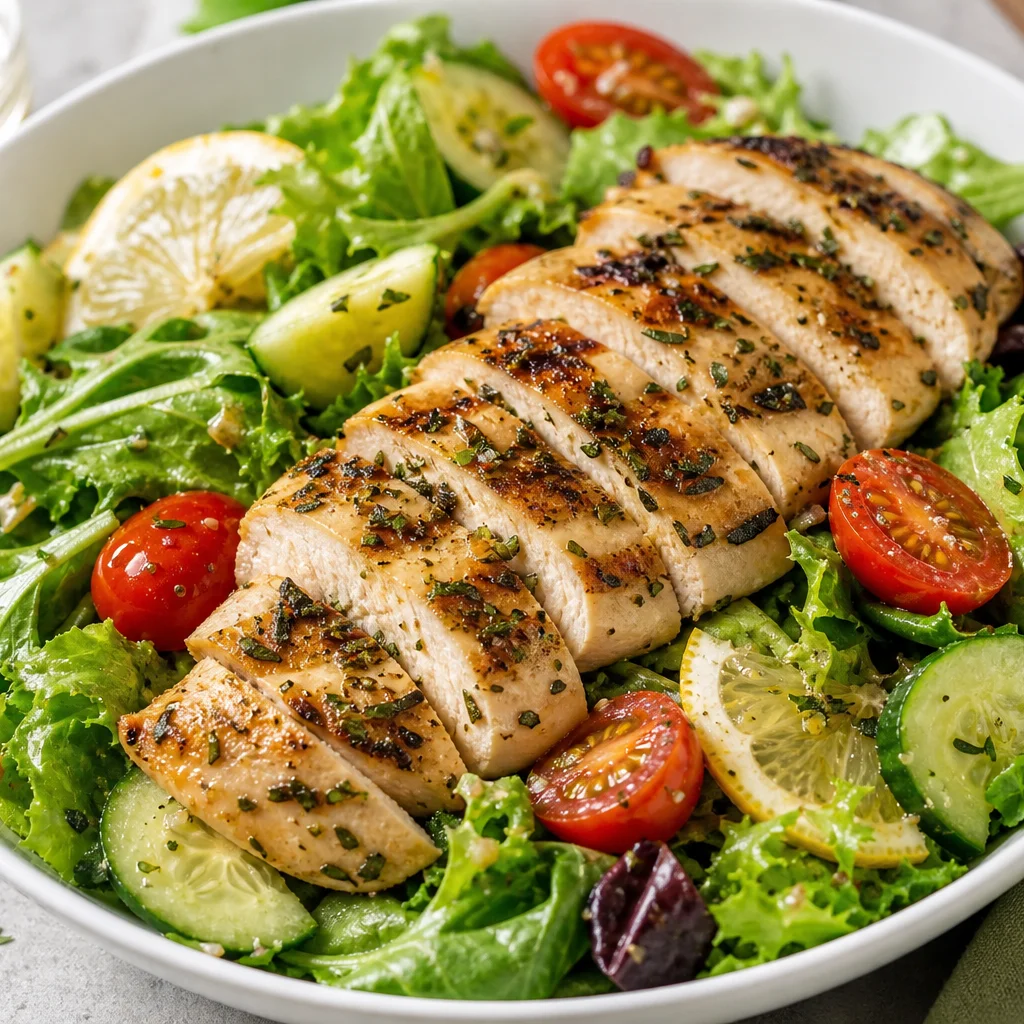
This salad puts lean protein front and center. Marinate boneless chicken breasts in lemon juice, olive oil, garlic, and fresh herbs such as parsley and oregano, then grill until charred at the edges and juicy inside. Slice over a bed of mixed greens with cherry tomatoes, cucumber, and red onion. Dress with a light lemon vinaigrette—three parts lemon juice to one part olive oil, whisked with Dijon mustard and a pinch of salt.
Why it works: High protein and fiber keep hunger away for hours. One serving typically lands around 350–400 calories depending on portion size. Prep grilled chicken ahead and assemble salads in minutes on busy nights.
2. Zucchini Noodles with Pesto and Cherry Tomatoes
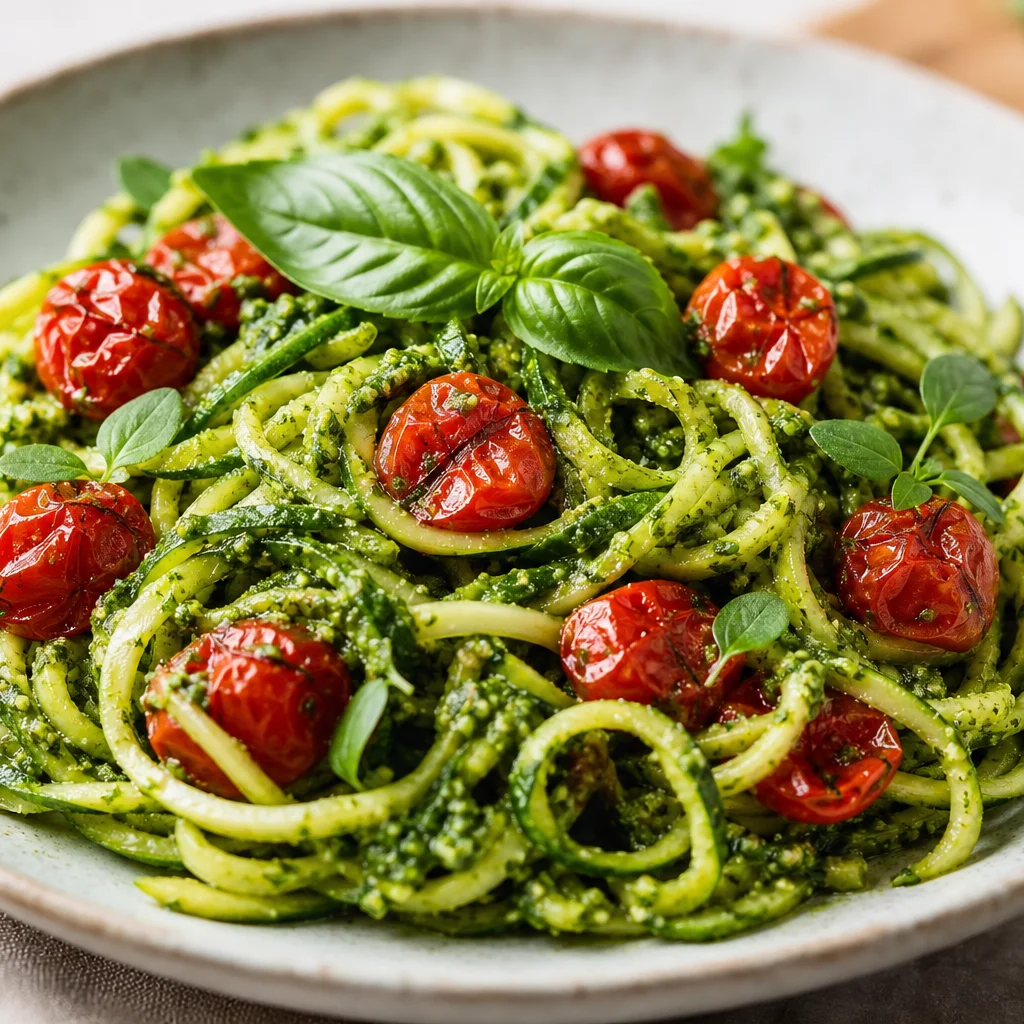
Spiralize zucchini into noodles or buy pre-spiralized packs for convenience. Toss raw zoodles with a few tablespoons of homemade or store-bought basil pesto—look for versions without excessive oil. Roast halved cherry tomatoes with a drizzle of olive oil at 400°F for fifteen minutes until they burst, then fold them into the noodles. Finish with shaved Parmesan and cracked black pepper.
Why it works: Swapping pasta for zucchini slashes carbs and calories while keeping the dish fresh and herb-forward. Add grilled shrimp or chickpeas if you need extra protein.
3. Quinoa Veggie Stir-Fry
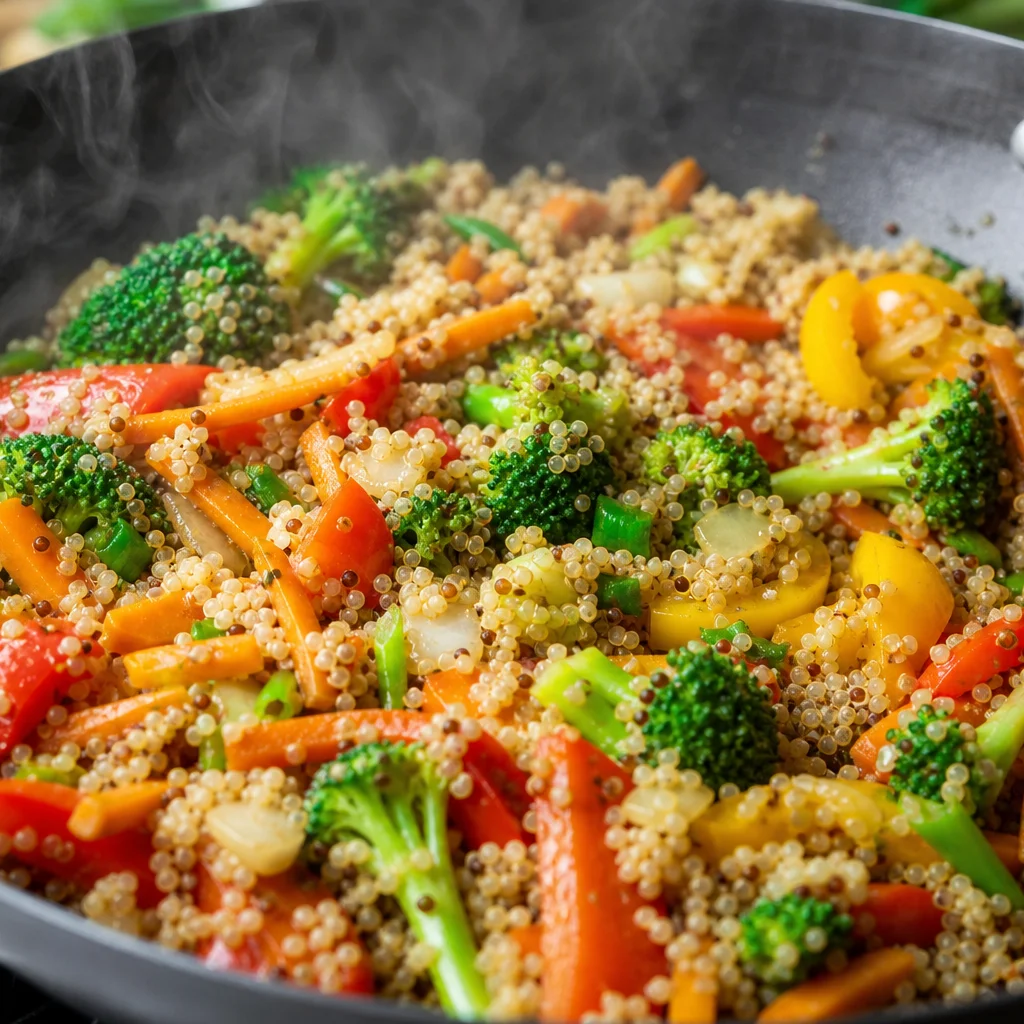
Cook quinoa according to package directions and fluff with a fork. In a hot wok or large skillet, stir-fry bell peppers, broccoli florets, snap peas, and shredded carrots with minced garlic and ginger. Splash in low-sodium tamari or soy sauce and a teaspoon of sesame oil. Add the cooked quinoa and toss until everything is coated and heated through. Top with sliced scallions and sesame seeds.
Why it works: Quinoa adds complete plant protein and fiber. The rainbow of vegetables delivers volume without many calories, so your plate looks and feels substantial.
4. Baked Salmon with Asparagus
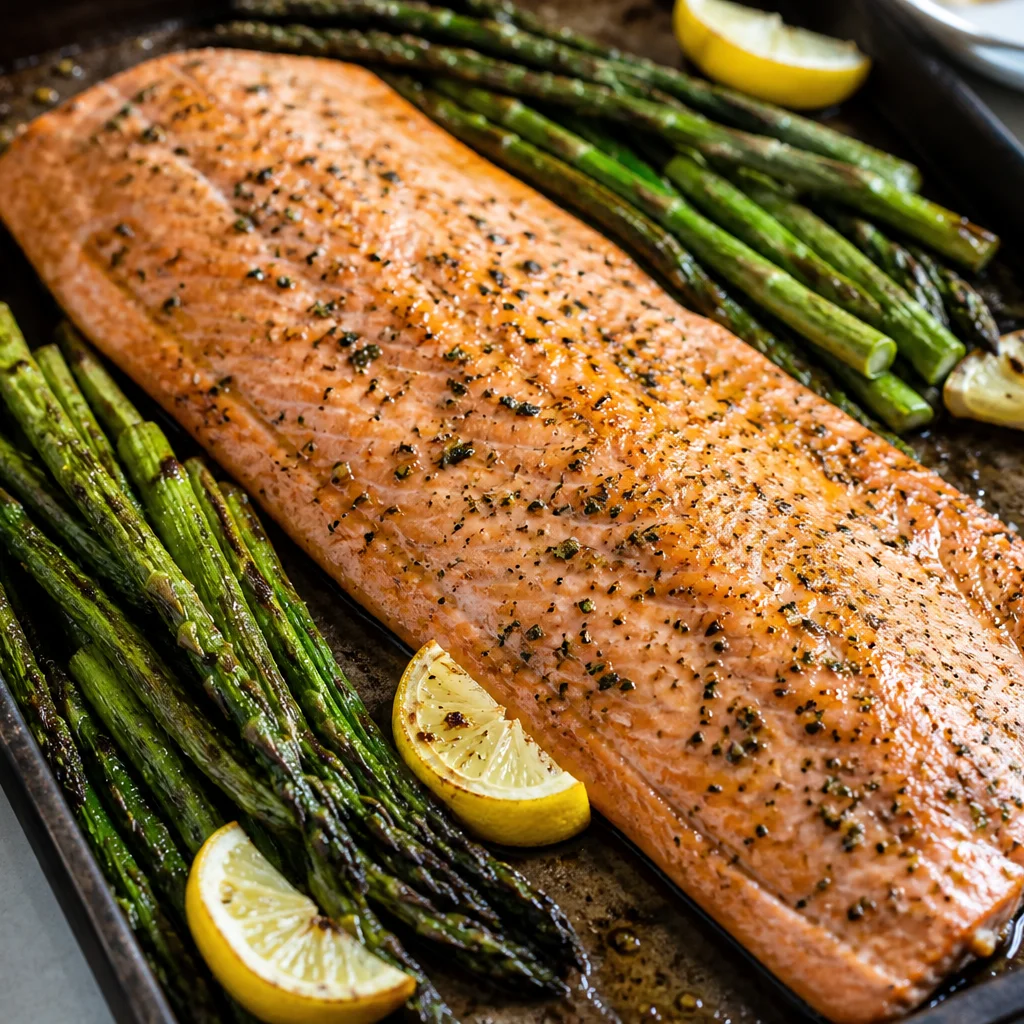
Line a sheet pan with parchment. Place salmon fillets and trimmed asparagus spears side by side. Drizzle with olive oil, squeeze fresh lemon over everything, and season with salt, pepper, and dill or thyme. Bake at 400°F for twelve to fifteen minutes until the salmon flakes easily and asparagus is tender-crisp. Serve with a wedge of lemon.
Why it works: Salmon delivers omega-3 fatty acids and high-quality protein. Asparagus adds fiber and nutrients with very few calories. One pan means minimal cleanup—a win for weeknight cooking.
5. Turkey Lettuce Wraps
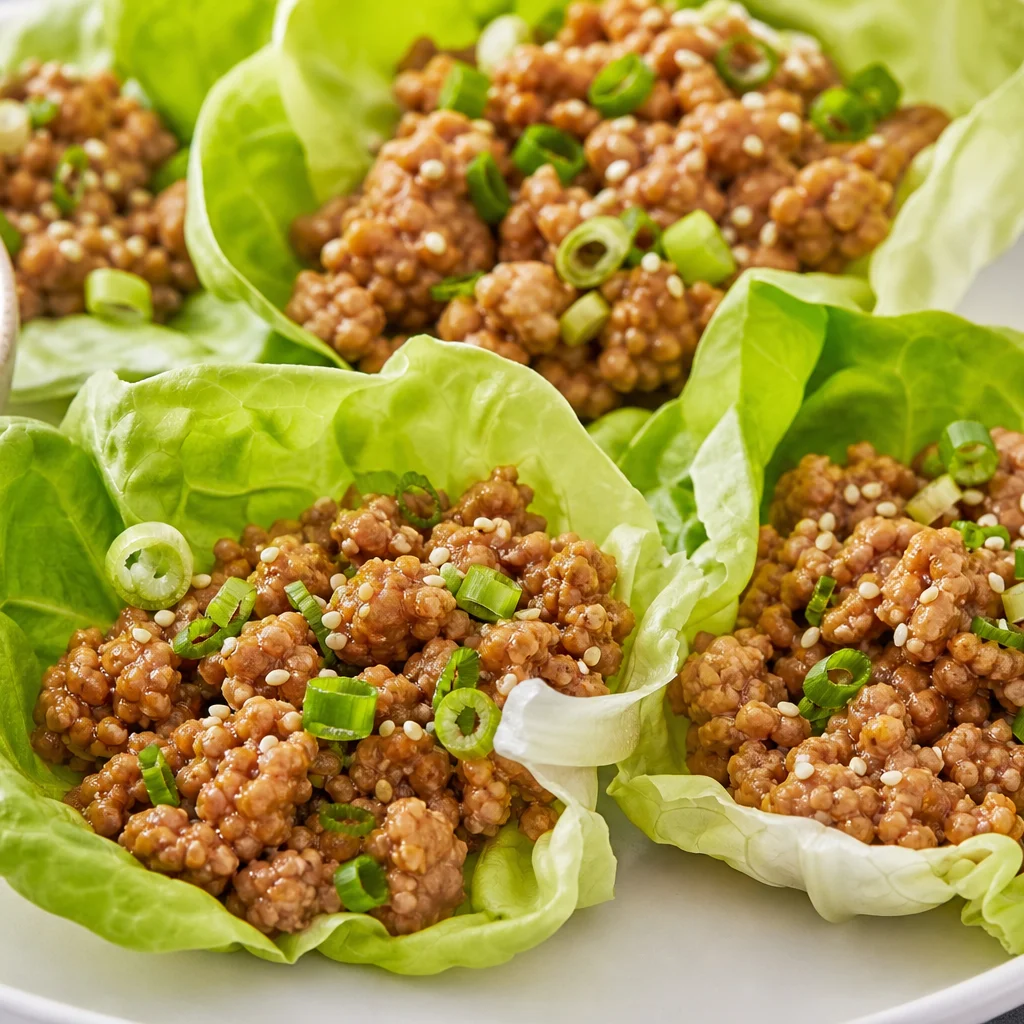
Brown lean ground turkey in a skillet with minced garlic, ginger, and a splash of low-sodium soy sauce. Stir in diced water chestnuts or bell pepper for crunch. Spoon the mixture into sturdy butter lettuce leaves and garnish with scallions and a few sesame seeds. Serve with lime wedges on the side.
Why it works: Lettuce cups replace high-calorie tortillas or bread. Ground turkey is lean and versatile. Each wrap is handheld, fun to eat, and easy to portion.
6. Sweet Potato and Black Bean Tacos
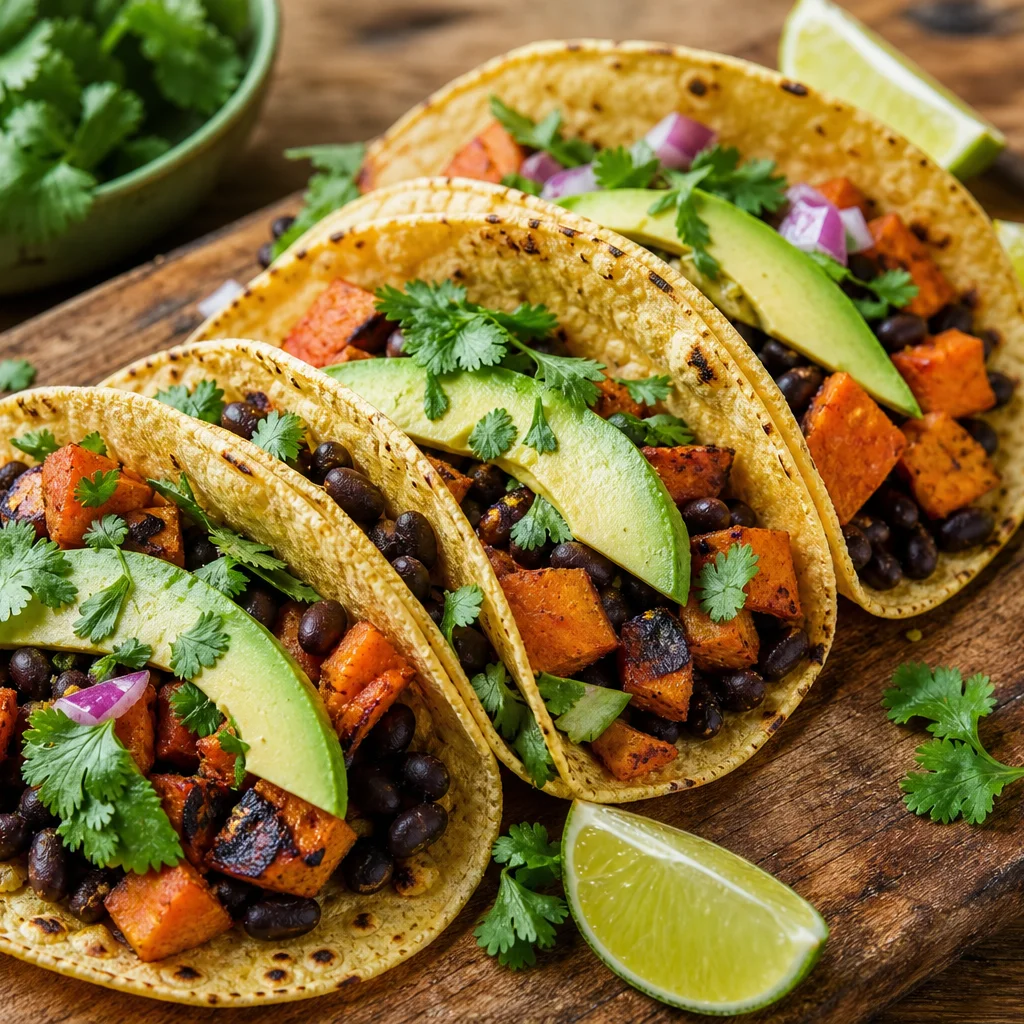
Roast cubed sweet potato with cumin and smoked paprika until caramelized at the edges. Warm black beans with garlic and a pinch of chili powder. Fill small corn tortillas with the sweet potato, beans, sliced avocado, shredded cabbage, and a squeeze of lime. Add fresh cilantro if you like.
Why it works: Sweet potatoes and black beans provide fiber and plant-based protein. Corn tortillas keep portions reasonable. Avocado adds healthy fats that improve satiety.
7. Greek Yogurt Parfait with Berries
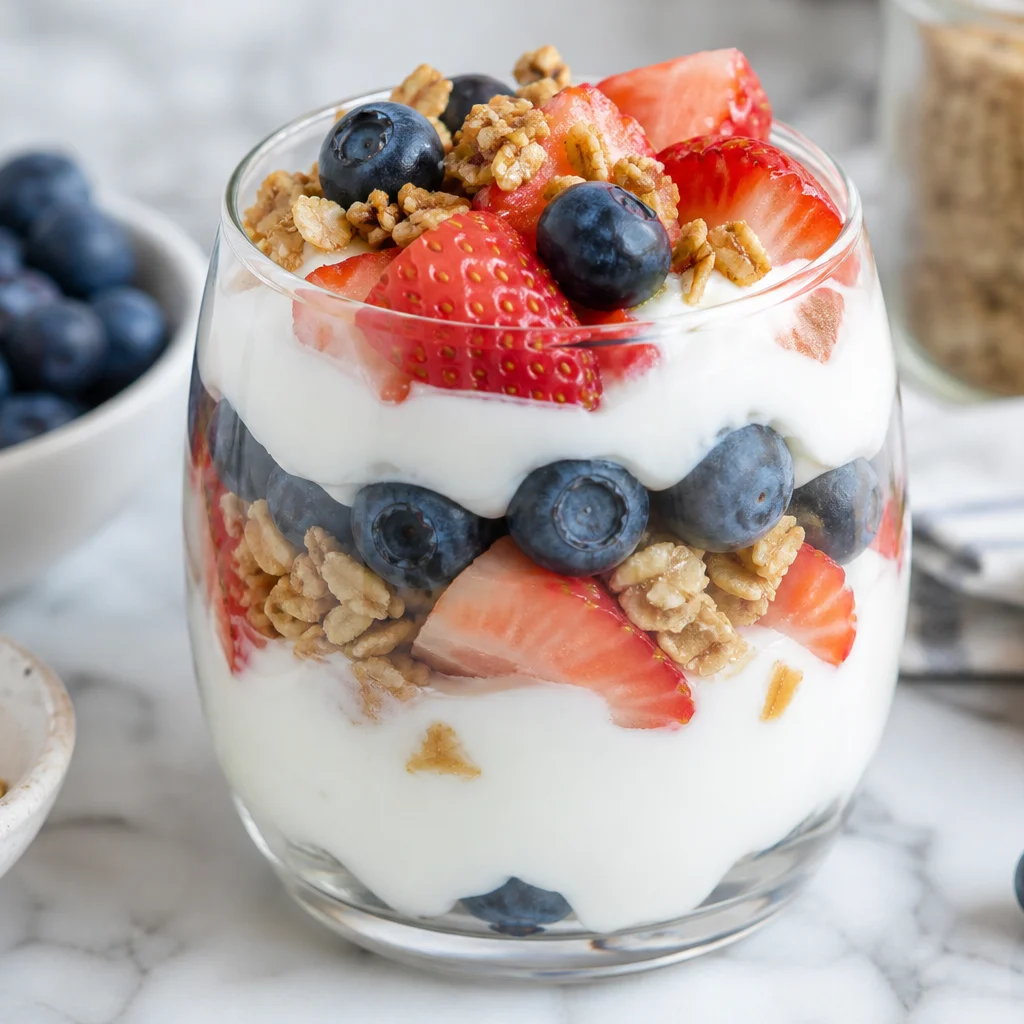
Layer plain Greek yogurt with fresh strawberries, blueberries, or raspberries in a glass or jar. Add a thin sprinkle of granola—two tablespoons is enough for crunch without excess sugar. Drizzle with a teaspoon of honey only if you need extra sweetness; ripe berries often make it unnecessary.
Why it works: Greek yogurt packs protein that supports muscle and keeps you full. Berries add antioxidants and natural sweetness. This works as breakfast, a snack, or a lighter dessert.
8. Cauliflower Fried Rice
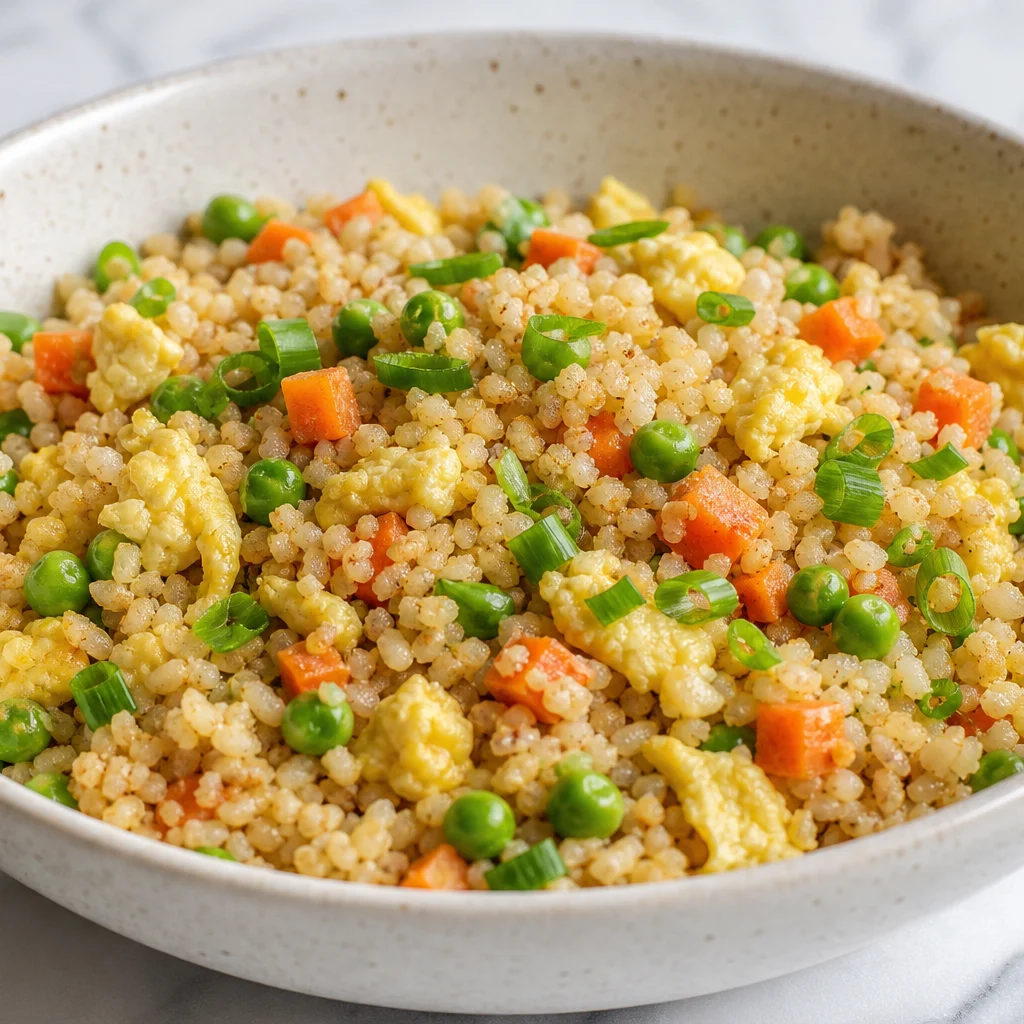
Pulse cauliflower florets in a food processor until they resemble rice grains, or use store-bought riced cauliflower. Stir-fry with a scrambled egg, frozen peas, diced carrots, and green onions in a hot skillet with a small amount of oil. Season with low-sodium soy sauce, garlic, and ginger. Keep the heat high so the cauliflower stays slightly firm, not mushy.
Why it works: Cauliflower rice has a fraction of the calories in white rice. Eggs add protein. The dish satisfies takeout cravings without the heavy oil typical of restaurant fried rice.
9. Chickpea and Spinach Stew
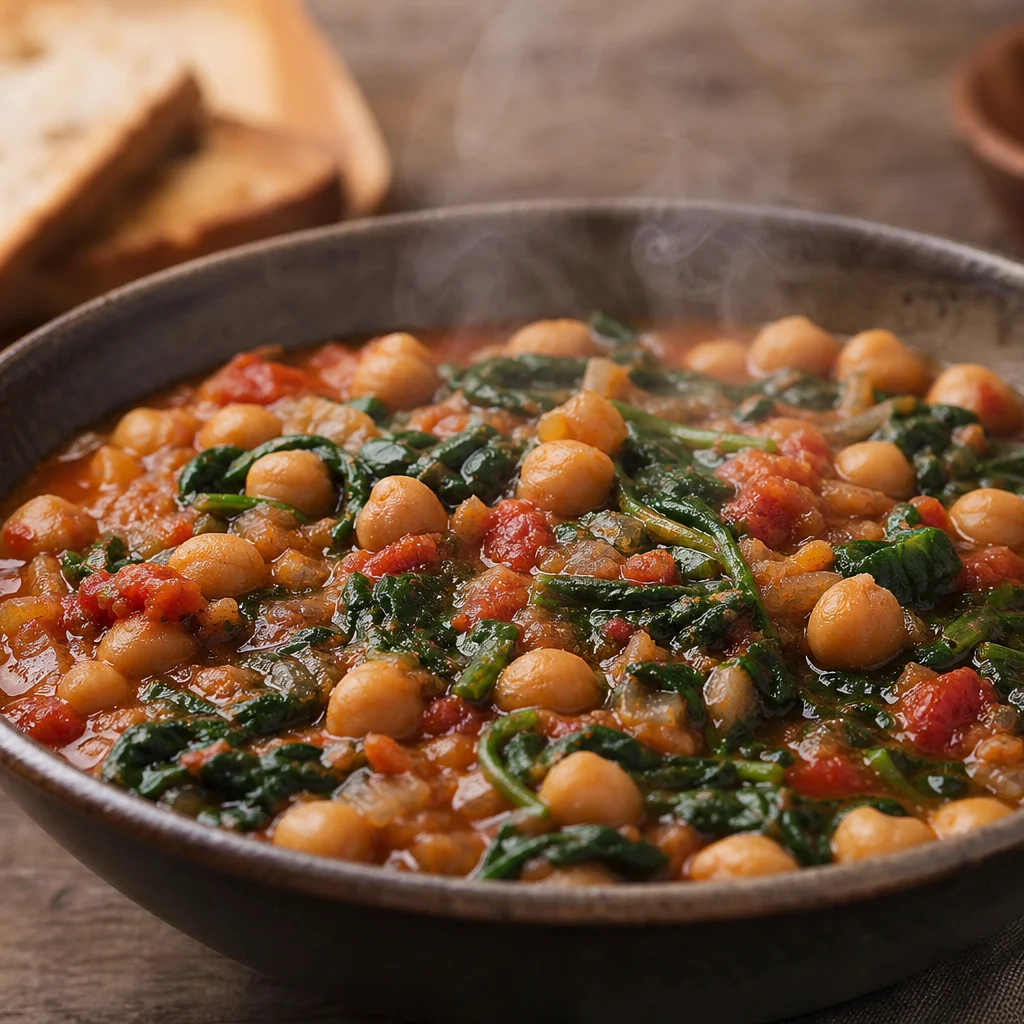
Sauté diced onion and garlic in olive oil until softened. Add canned crushed tomatoes, drained chickpeas, vegetable broth, and Italian seasoning. Simmer fifteen minutes, then stir in baby spinach until wilted. Season with salt, pepper, and a splash of red wine vinegar to brighten the flavors.
Why it works: Chickpeas provide protein and fiber for plant-based eaters. Spinach adds iron and volume. The stew reheats beautifully for lunches throughout the week.
10. Overnight Oats with Chia Seeds
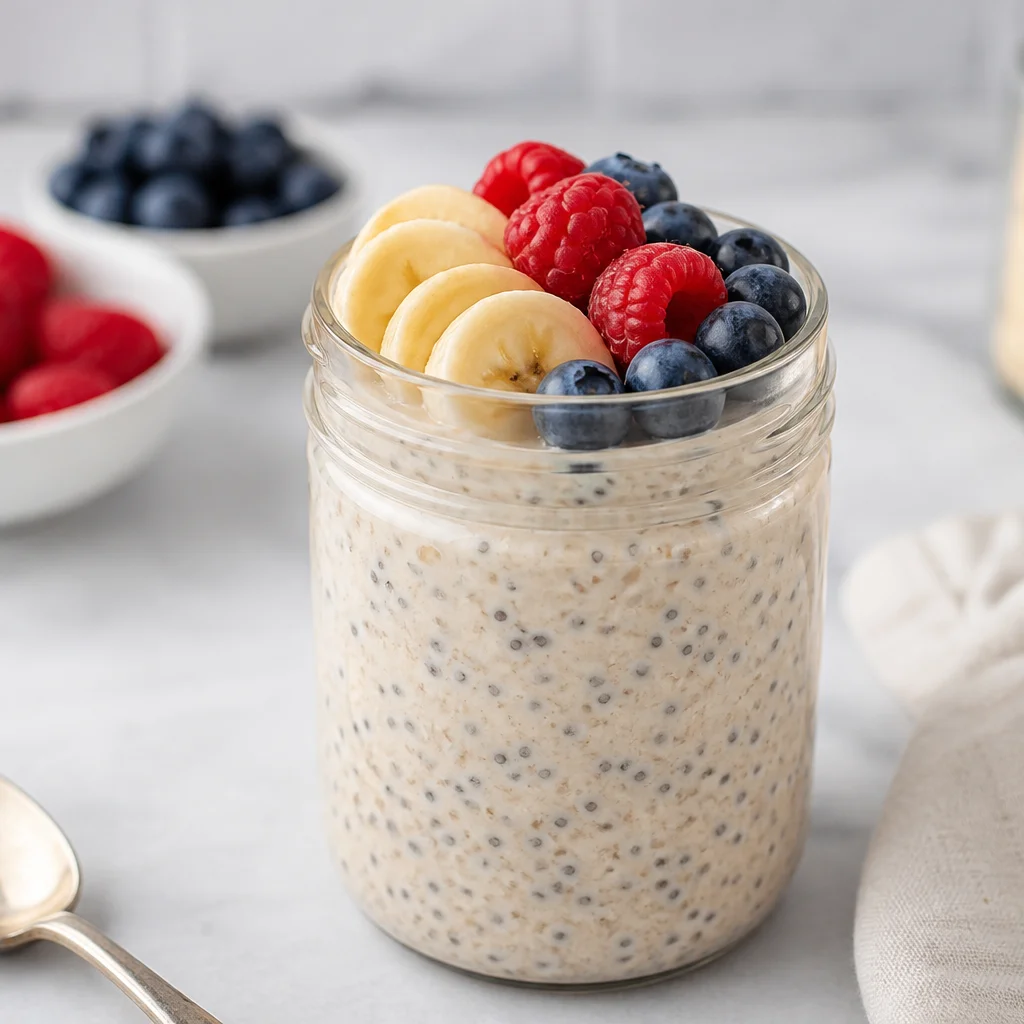
Combine rolled oats, chia seeds, and unsweetened almond milk in a jar at a ratio of roughly one part oats, one tablespoon chia, and enough milk to cover. Add cinnamon and a few drops of vanilla. Refrigerate overnight. In the morning, top with sliced banana or berries and eat cold or warmed briefly in the microwave.
Why it works: Chia seeds swell with liquid, adding fiber and a pudding-like texture. Overnight prep removes the morning rush. Oats provide slow-digesting carbohydrates that fuel your day without a sugar spike.
Meal Prep Tips for Weight Loss Success
- Wash and chop vegetables as soon as you unpack groceries.
- Store grilled chicken, quinoa, and roasted vegetables in separate containers for mix-and-match bowls.
- Pre-portion nuts, hummus, and cut fruit so snacks stay controlled.
- Keep a running grocery list tied to your chosen recipes for the week.
- Freeze extra soup or stew in single servings for backup meals.
Healthy Weight Loss Recipe Checklist
- Choose at least two recipes from this list to cook each week
- Build every plate with lean protein or plant protein plus vegetables
- Use healthy oils sparingly and season with herbs and citrus
- Prep grains, proteins, or overnight oats ahead when possible
- Pair meals with water and limit sugary drinks
- Portion avocado, nuts, and oils even when they are healthy fats
- Rotate recipes every few weeks to keep meals interesting
- Track how you feel after eating—not just calories on paper
- Keep quick options like yogurt parfaits and lettuce wraps stocked
- Combine these dinners with light sides like cabbage or peach cucumber salad
Frequently Asked Questions
Can I lose weight eating these recipes every day?
These recipes support weight loss when they fit your overall calorie needs. Everyone’s requirements differ based on age, activity level, and goals. Use these meals as a foundation, adjust portions to your hunger, and consult a healthcare provider or registered dietitian for personalized guidance.
Are these recipes suitable for meal prep?
Yes. Quinoa stir-fry, chickpea stew, grilled chicken, cauliflower fried rice, and overnight oats all store well in the refrigerator for three to four days. Salads are best assembled fresh, but you can prep components separately. Freeze stew portions for up to three months.
How do I add more protein to plant-based recipes?
Top zucchini noodles with grilled shrimp or white beans. Add an extra egg to cauliflower fried rice. Stir Greek yogurt into overnight oats. Mix hemp seeds or edamame into quinoa bowls. Small additions go a long way toward keeping you satisfied.
What if I do not like one of the ingredients?
Swap freely within reason. Replace asparagus with green beans, swap salmon for cod, use turkey instead of chicken, or substitute any berry in the parfait. The structure—protein, vegetables, smart carbs—matters more than any single ingredient.
How many calories are in these meals?
Most servings fall roughly between 300 and 500 calories depending on portion size and add-ins like avocado or oil. Weighing proteins and measuring oils helps if you track calories. The recipes prioritize nutrient density over strict numbers so you can eat well without obsessive counting.
Can I eat carbs and still lose weight?
Absolutely. Quinoa, sweet potatoes, oats, and beans are nutrient-rich carbohydrates that fit a balanced weight-loss plan. The key is portion size and choosing whole sources over refined bread, pastries, and sugary snacks. These recipes include carbs in sensible amounts paired with protein and fiber.
Build a Week You Can Stick With
Weight loss is less about one perfect meal and more about repeating good choices you enjoy. Keep this list bookmarked, rotate through the ten recipes, and adjust based on what makes you feel energized and full. Small, consistent improvements beat extreme diets every time—and these dishes prove that healthy food can be genuinely delicious.