
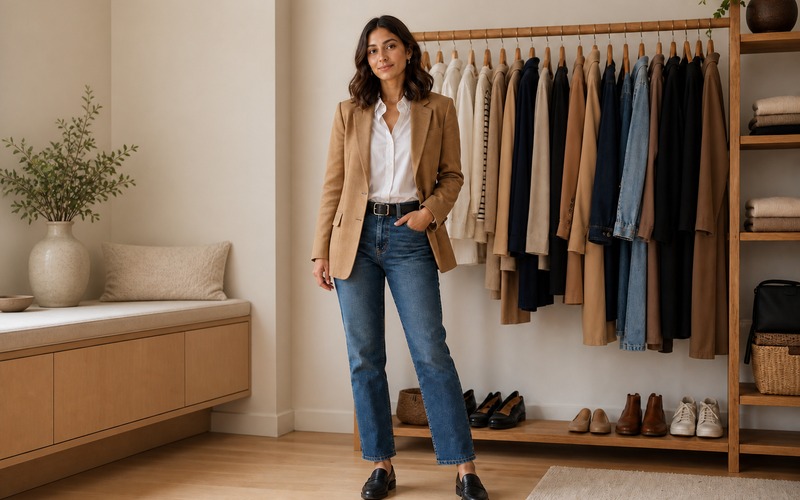
Great personal style is easier to build when every piece has a purpose. These 25 clothing tips every girl should know cover fit, wardrobe planning, garment care, and confident outfit choices without requiring a closet full of trends.
25 Practical Clothing Tips
1. Invest in Quality Basics
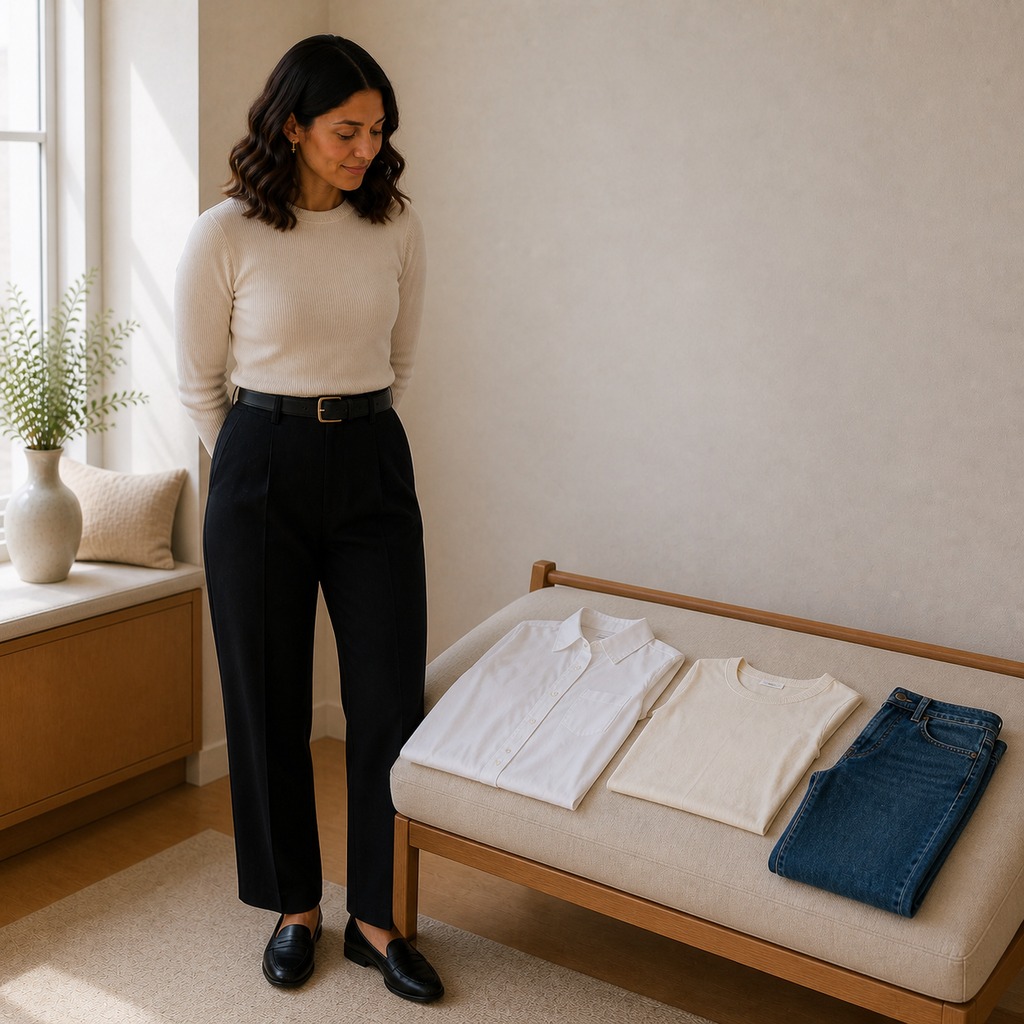
A well-fitted white shirt, classic jeans, and neutral T-shirts are dependable staples. Check fabric, seams, and shape before buying so each basic can handle frequent wear.
2. Understand Your Body Shape
Use clothing to support your natural silhouette rather than force it into a trend. Try different rises, lengths, necklines, and cuts, then keep note of the proportions that feel best.
3. Layer Like a Pro
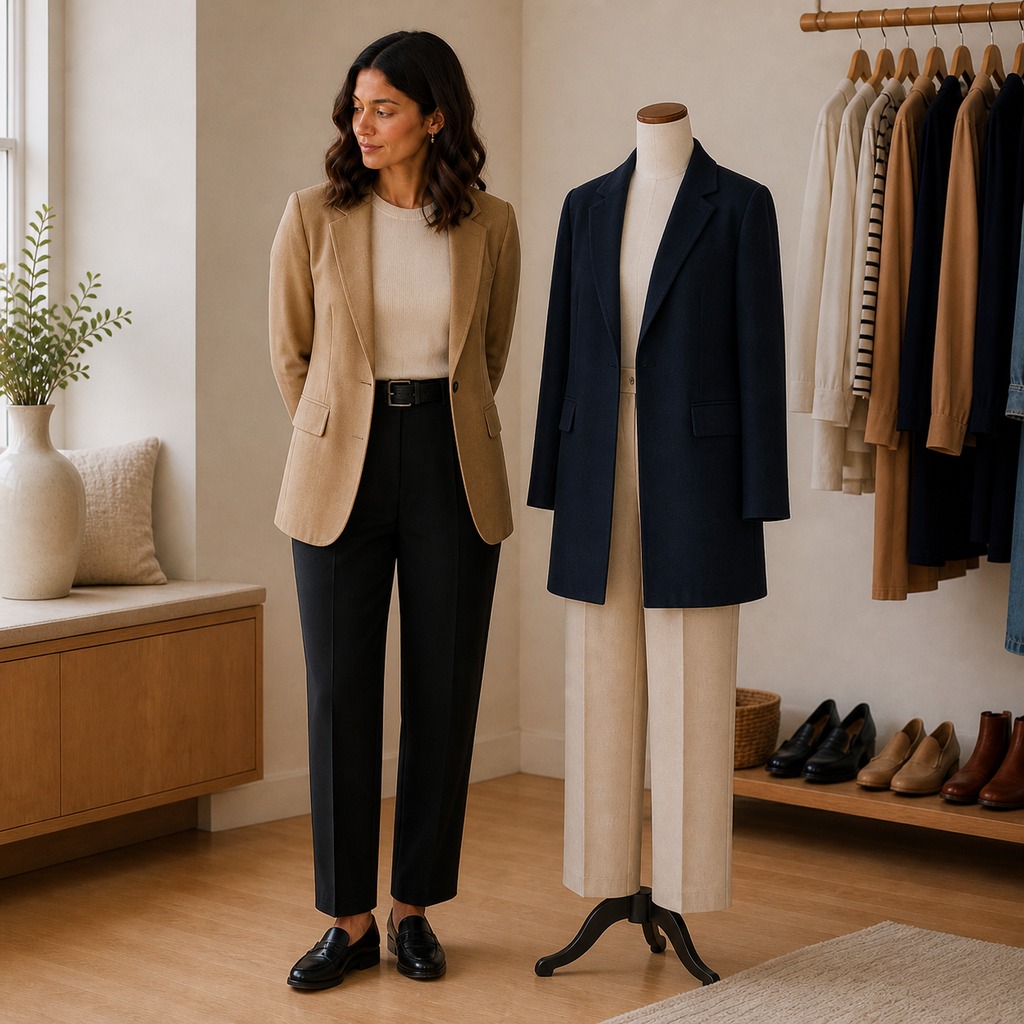
Combine light base layers with structured or warmer pieces. Vary texture and length while keeping enough room for comfortable movement.
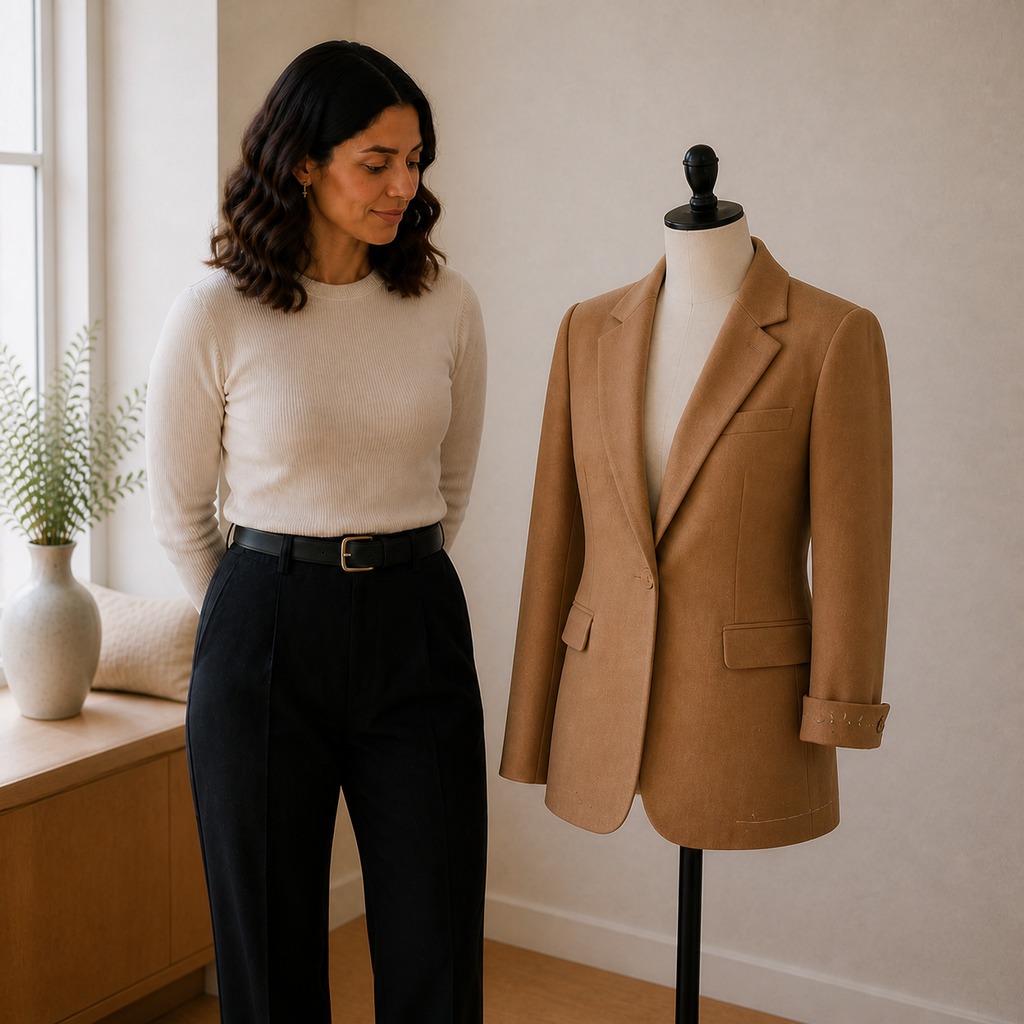
4. Don’t Underestimate Tailoring
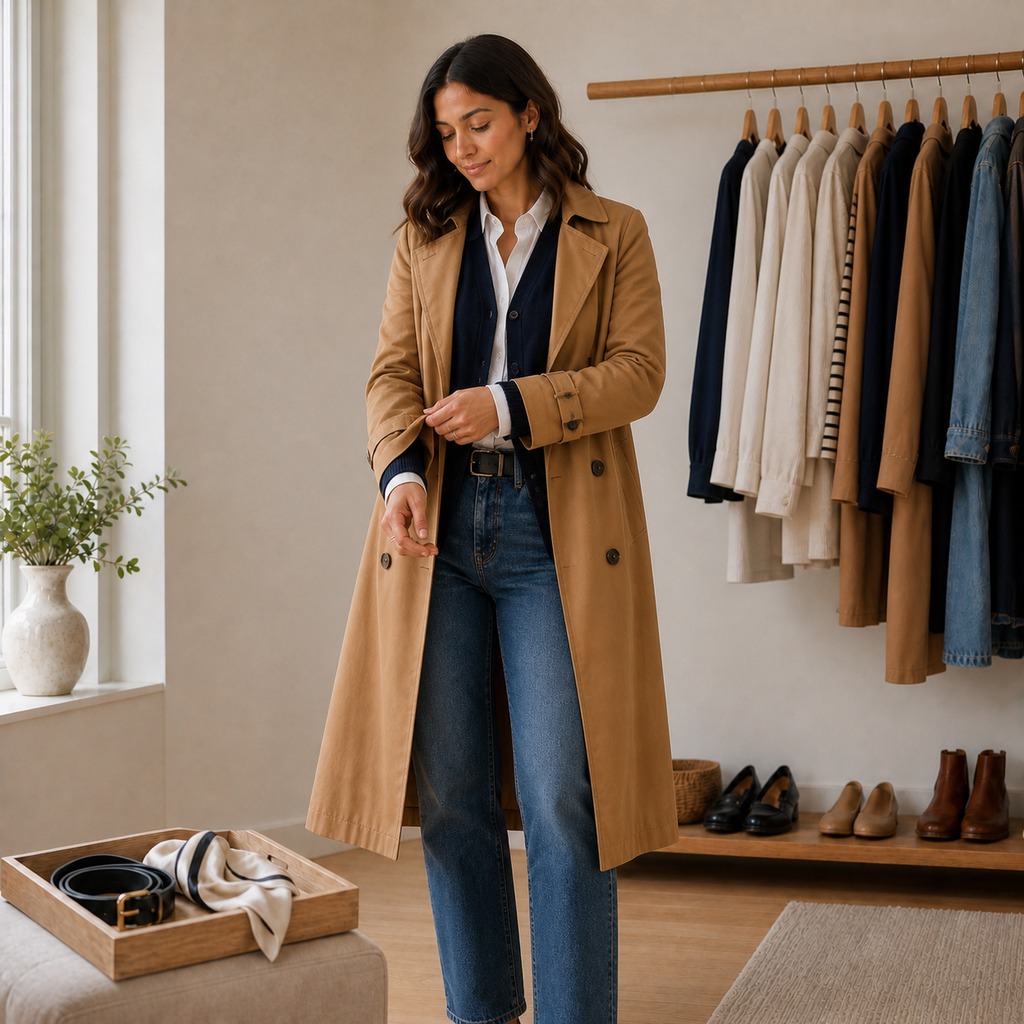
Small alterations to hems, sleeves, waists, and shoulders can make an off-the-rack garment look intentional. Tailor pieces only after checking that the main fit and fabric are worth the investment.
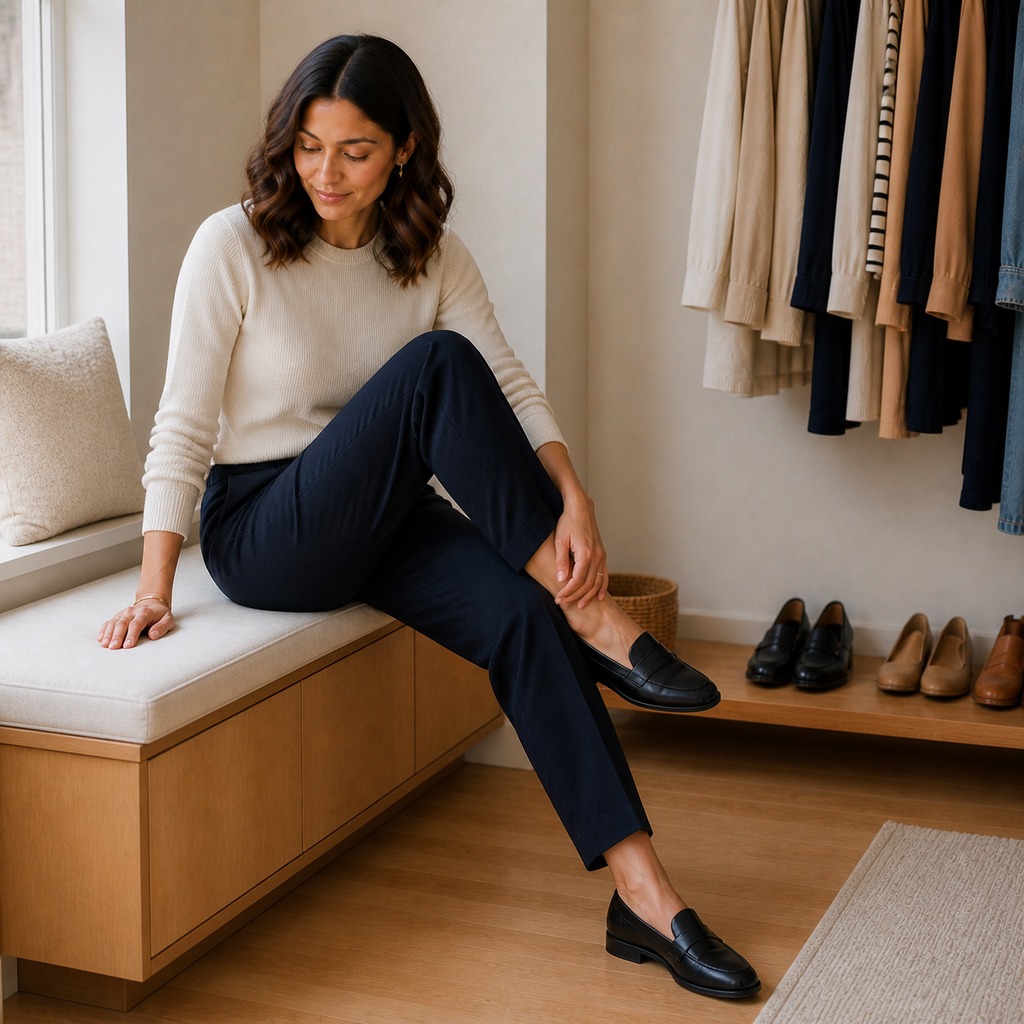
5. Prioritize Comfort
Comfort supports confidence. Test whether you can sit, walk, reach, and move naturally before committing to an outfit.
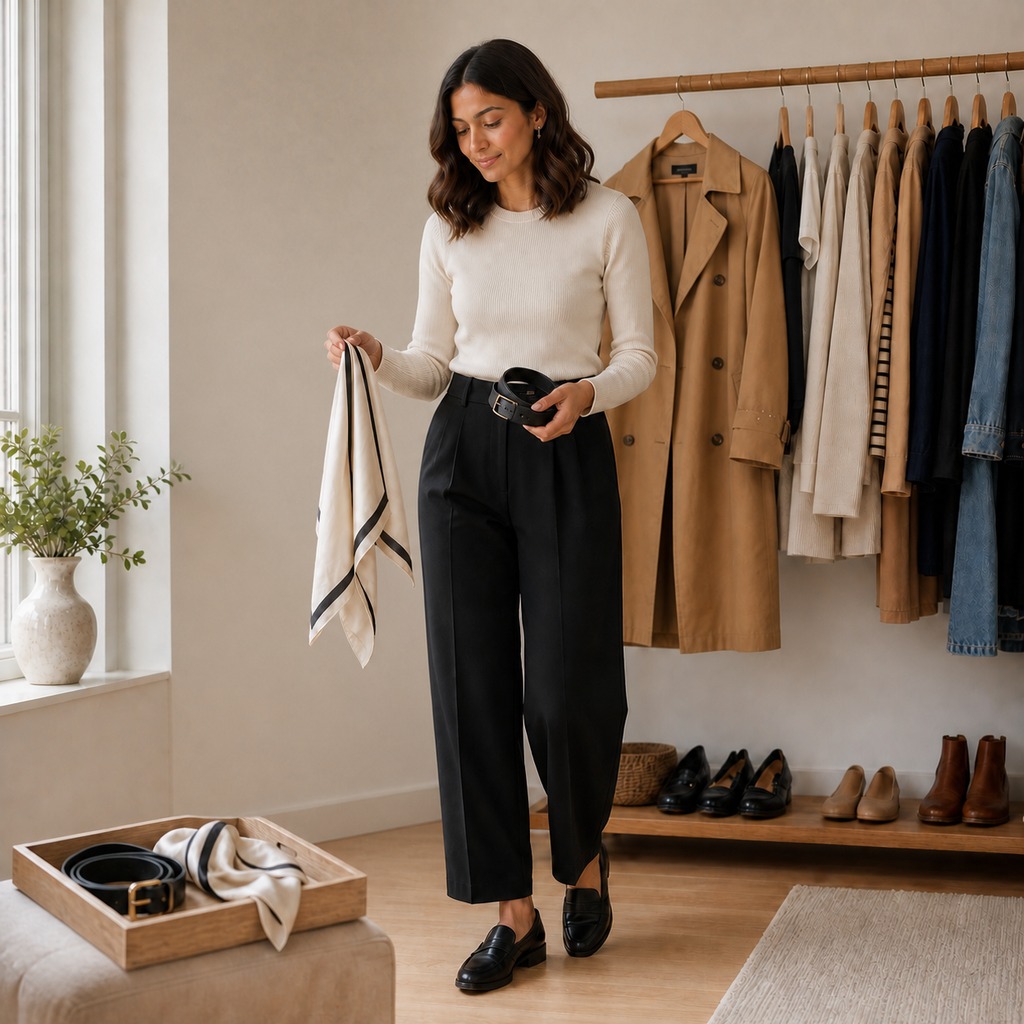
6. Experiment with Accessories
A scarf, belt, bag, or simple jewelry can change the mood of a basic outfit. Choose accessories that complement your wardrobe instead of competing with it.
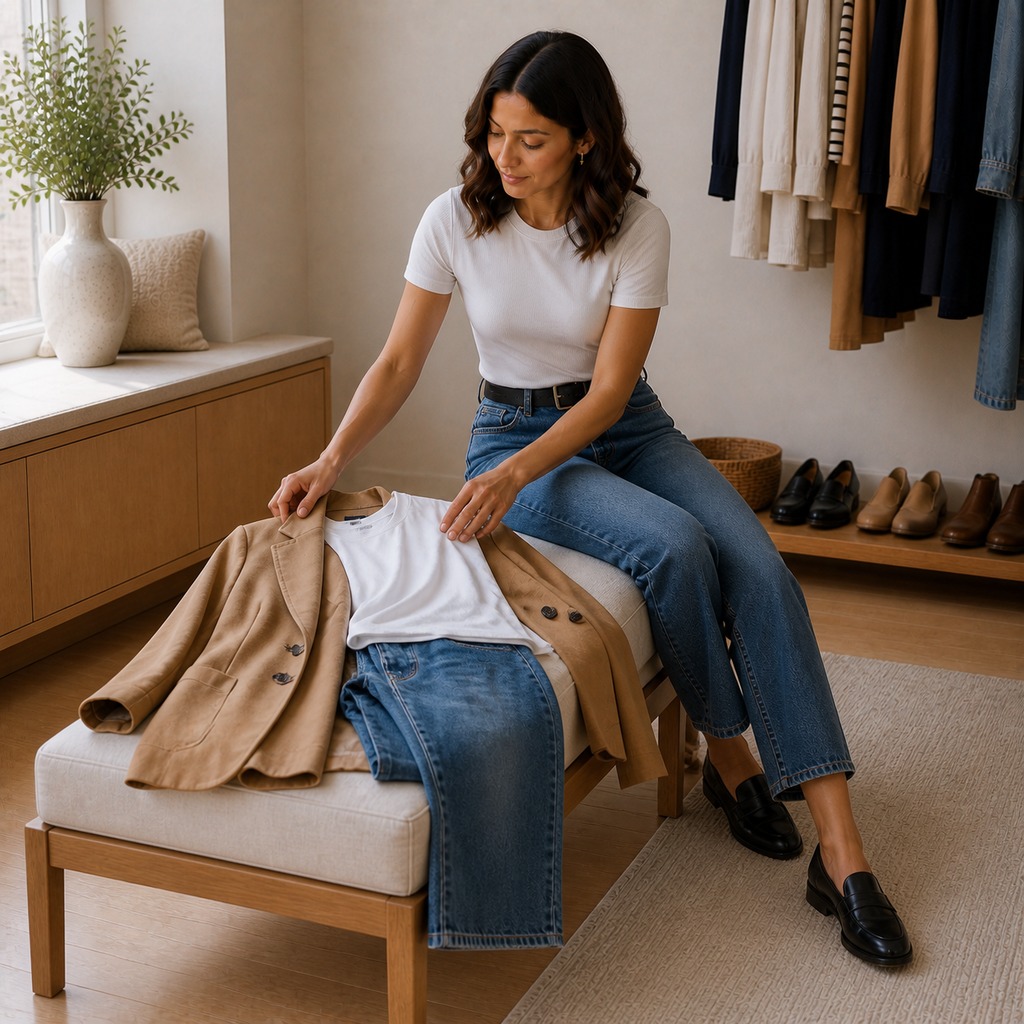
7. Mix High and Low
Combine better-made investment pieces with affordable basics when the colors, fit, and materials work together. A balanced outfit matters more than the label.
8. Stick to a Color Palette
A core palette makes mixing and matching easier. Add accent colors selectively so new purchases still work with several pieces you own.

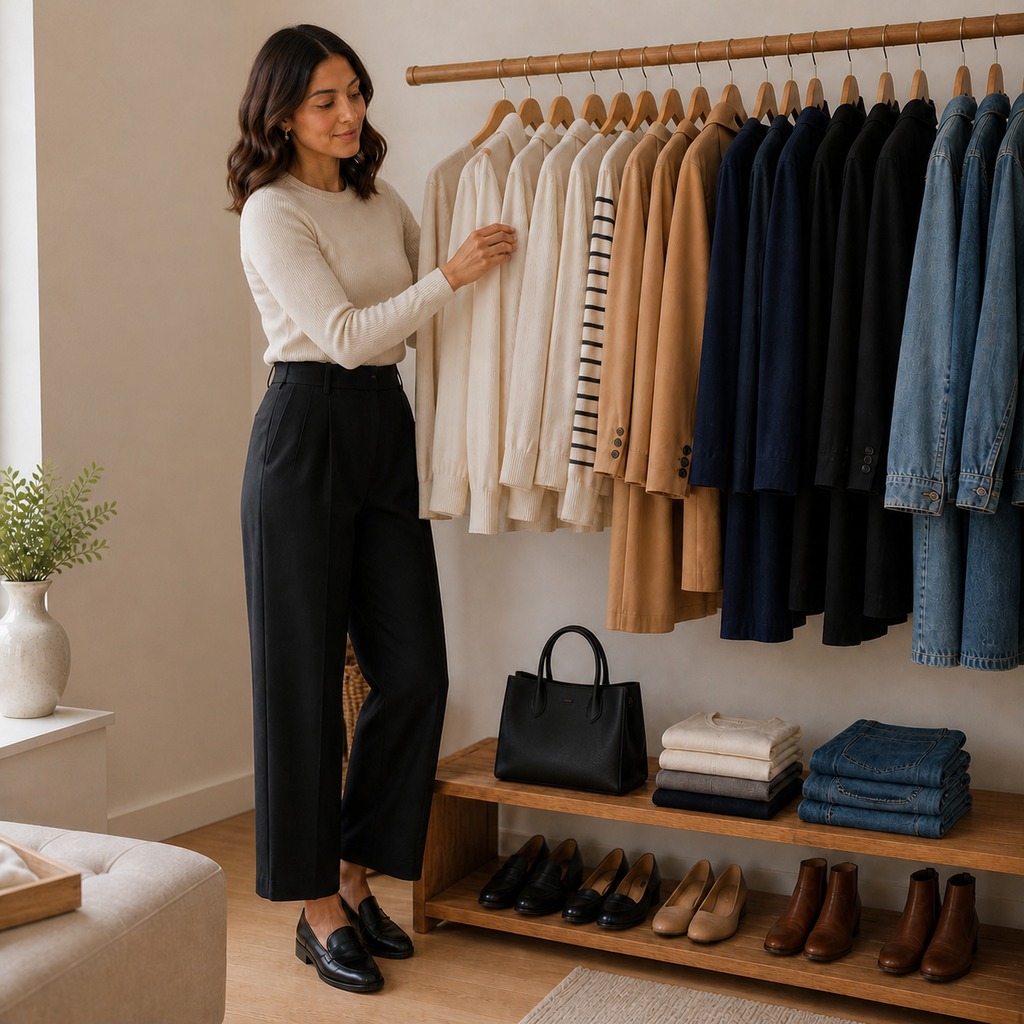
9. Keep Your Closet Organized
Group clothes by type or color and keep frequently worn pieces visible. An orderly closet helps you see outfit options and reduces duplicate purchases.
10. Choose the Right Undergarments
Correctly fitted undergarments create a comfortable foundation and help clothing hang as intended. Match the cut and color to the fabric and neckline of the outfit.
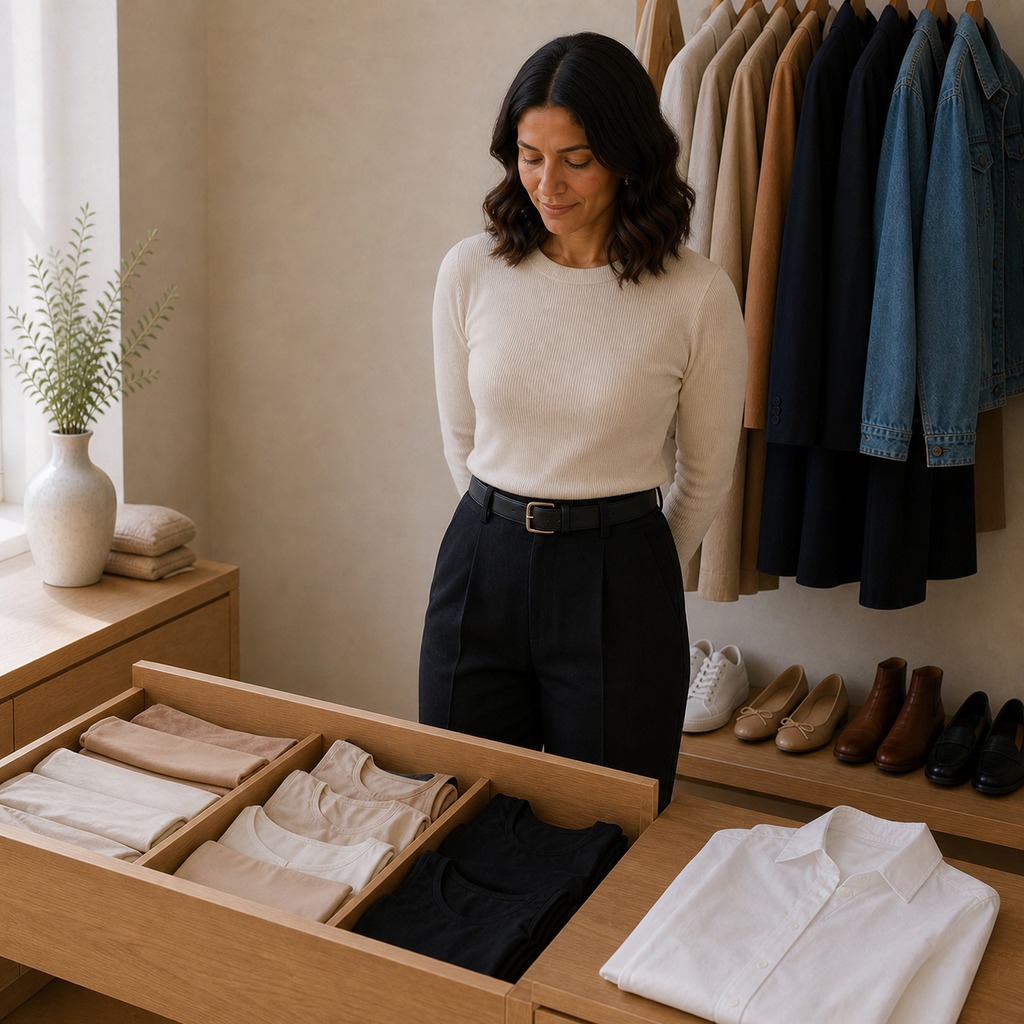
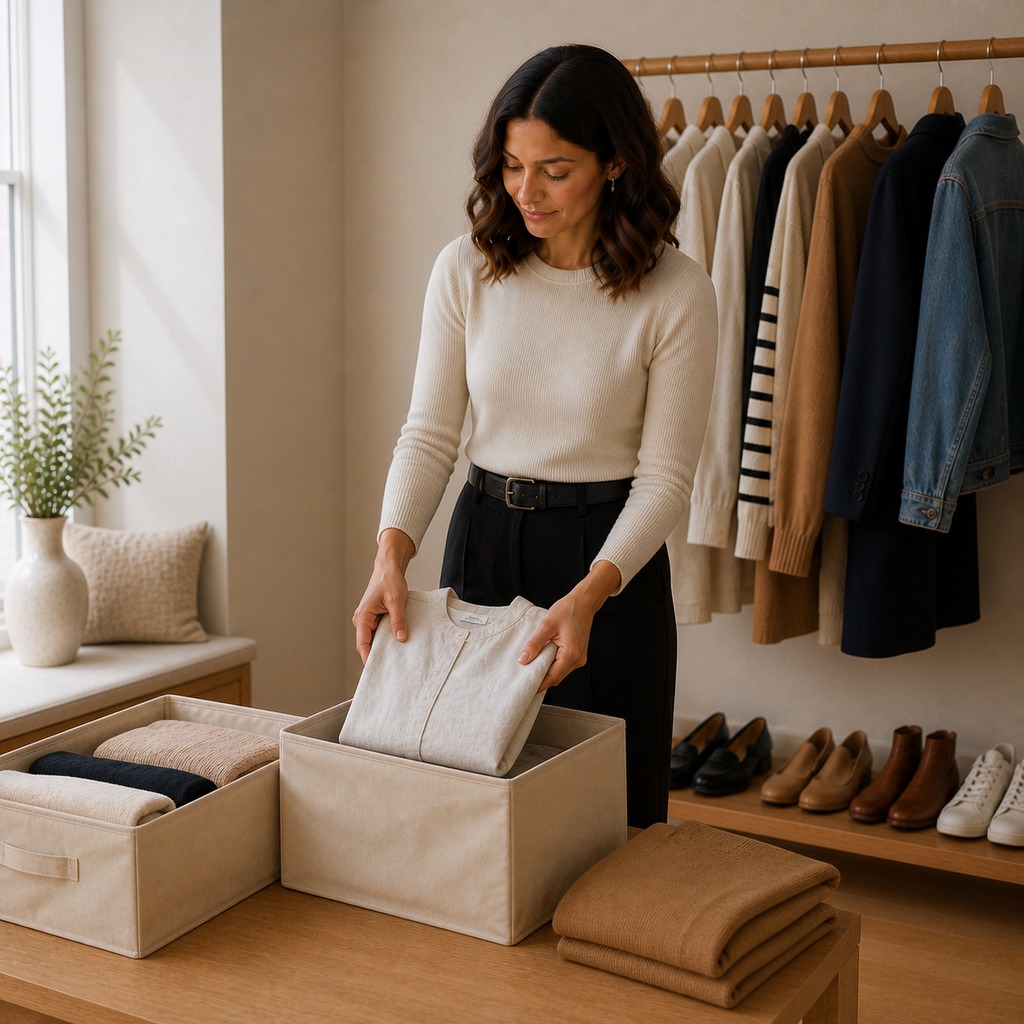
11. Embrace Seasonal Rotation
Move off-season garments into clean, breathable storage. Wash or dry-clean items first, fold knits to prevent stretching, and keep everyday pieces accessible.
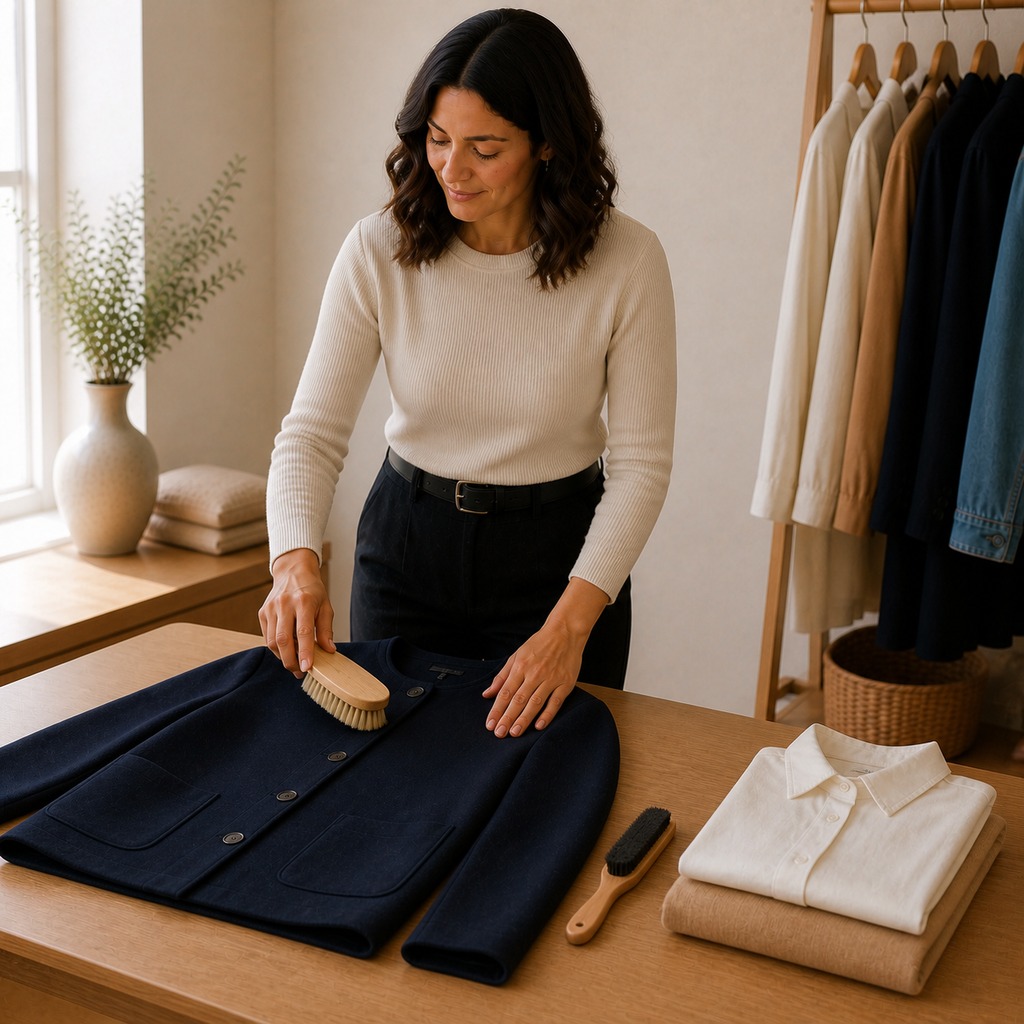
12. Learn Fabric Care
Read care labels, separate delicate materials, and use the appropriate washing temperature. Air-dry when suitable and brush or steam garments carefully between wears.
13. Play with Patterns
Begin with one patterned piece and repeat one of its colors elsewhere in the outfit. When mixing patterns, vary their scale so the result remains clear rather than crowded.
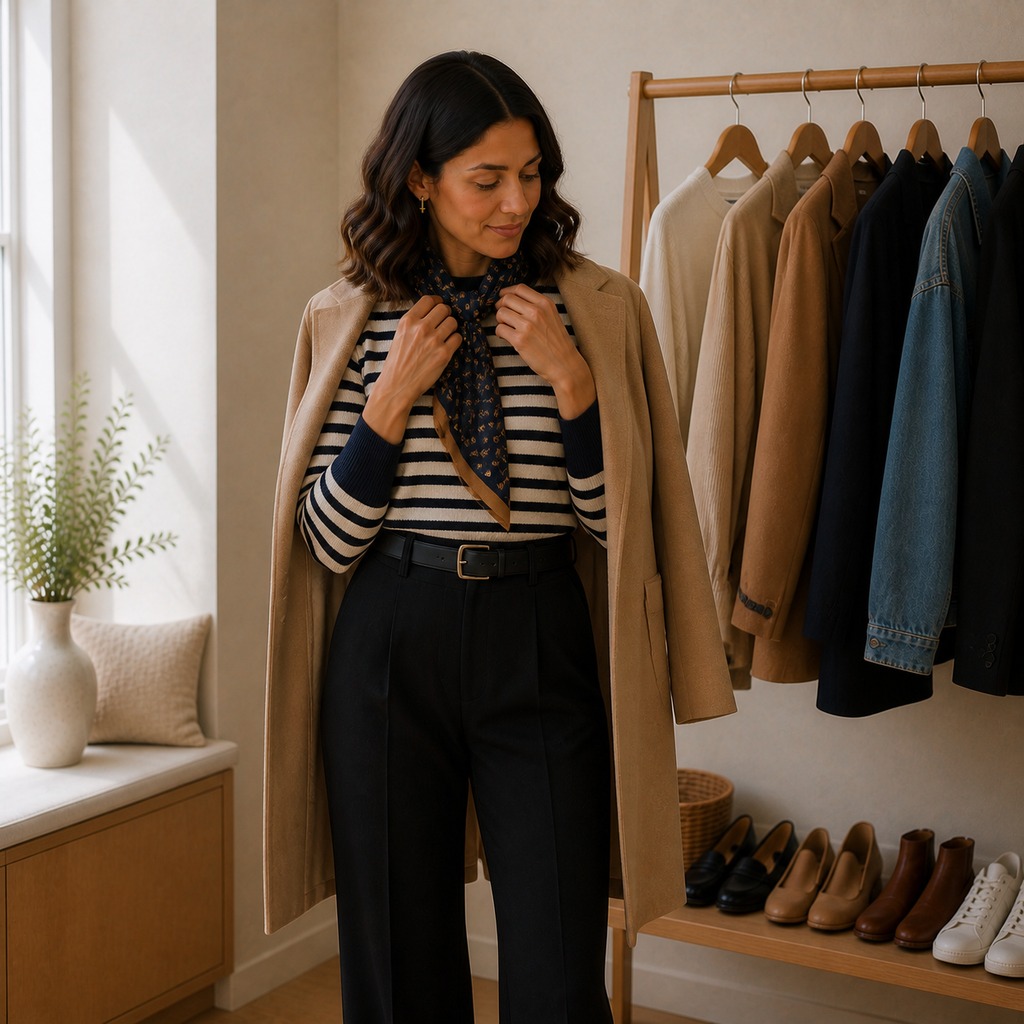
14. Invest in Outerwear
A well-cut coat or jacket can unify the whole look. Choose enough room for layering, durable fabric, and a color that works across your wardrobe.
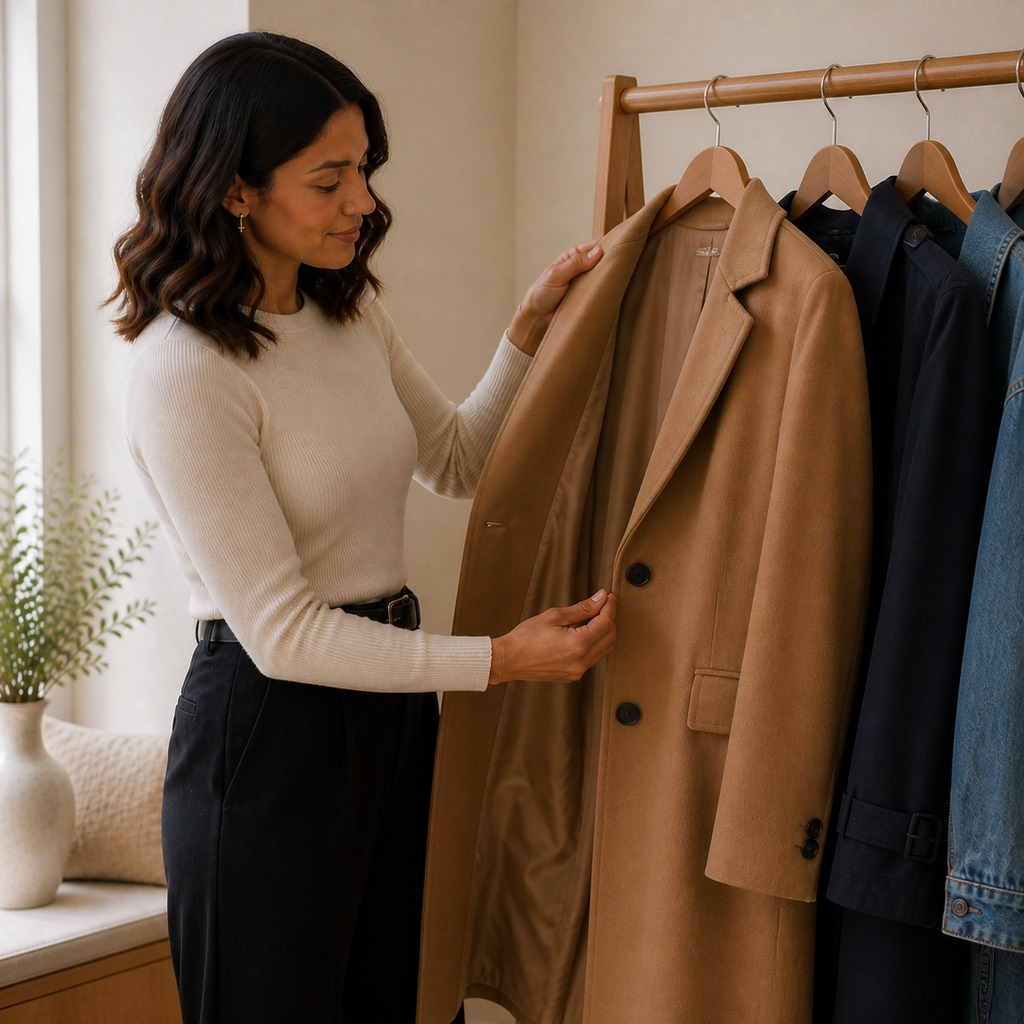
15. Shoes Matter
Build around versatile, comfortable pairs suited to your routine. Keep them clean, repair worn soles promptly, and rotate pairs so they last longer.
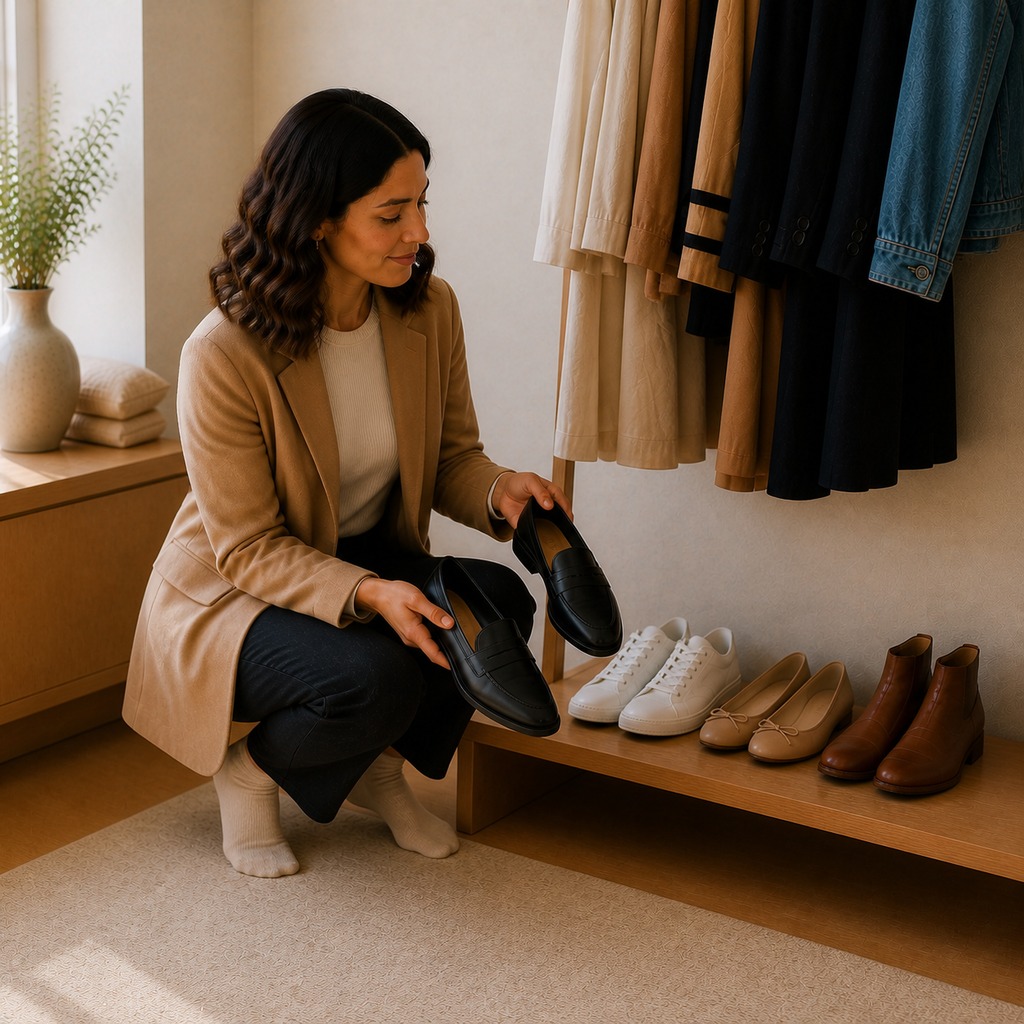
16. Keep a “Go-To” Outfit
Prepare one complete outfit that fits well and suits common last-minute plans. Photograph the combination or keep its pieces together when time is limited.
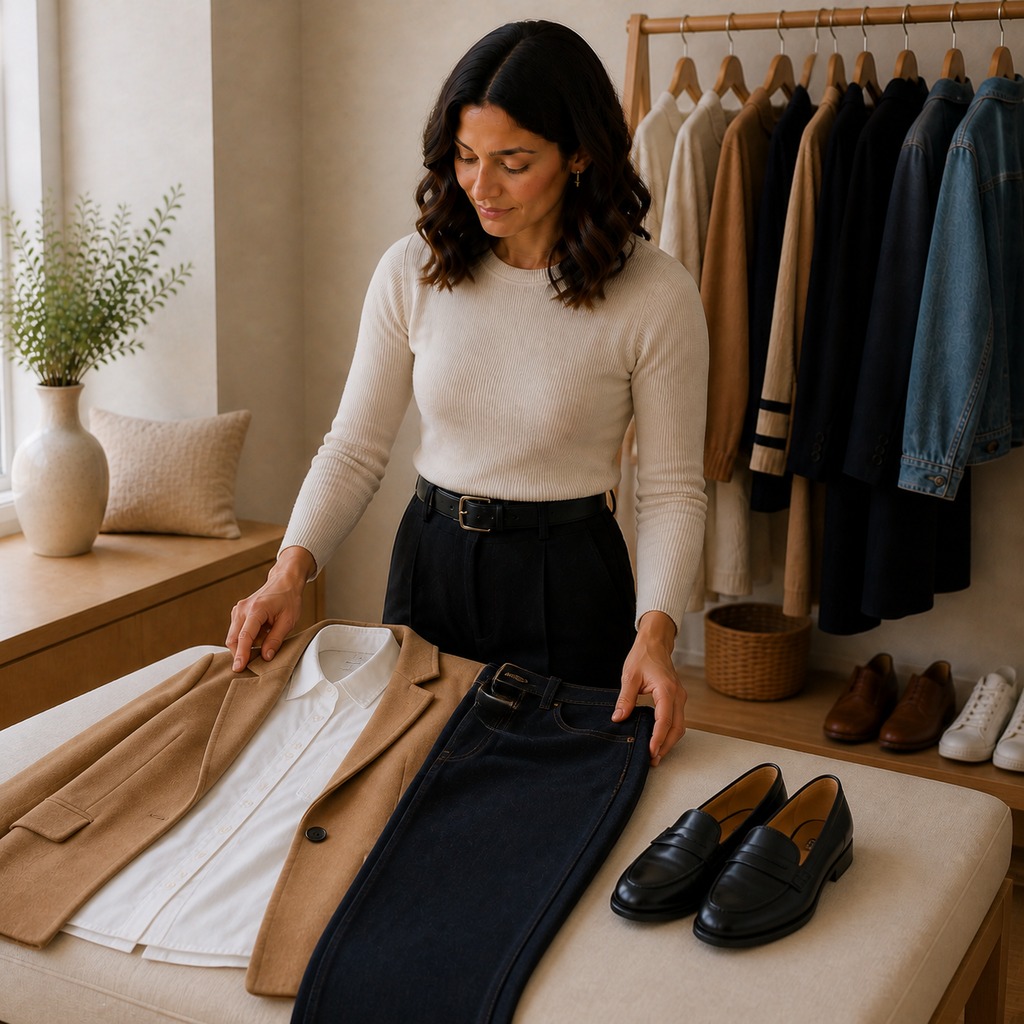
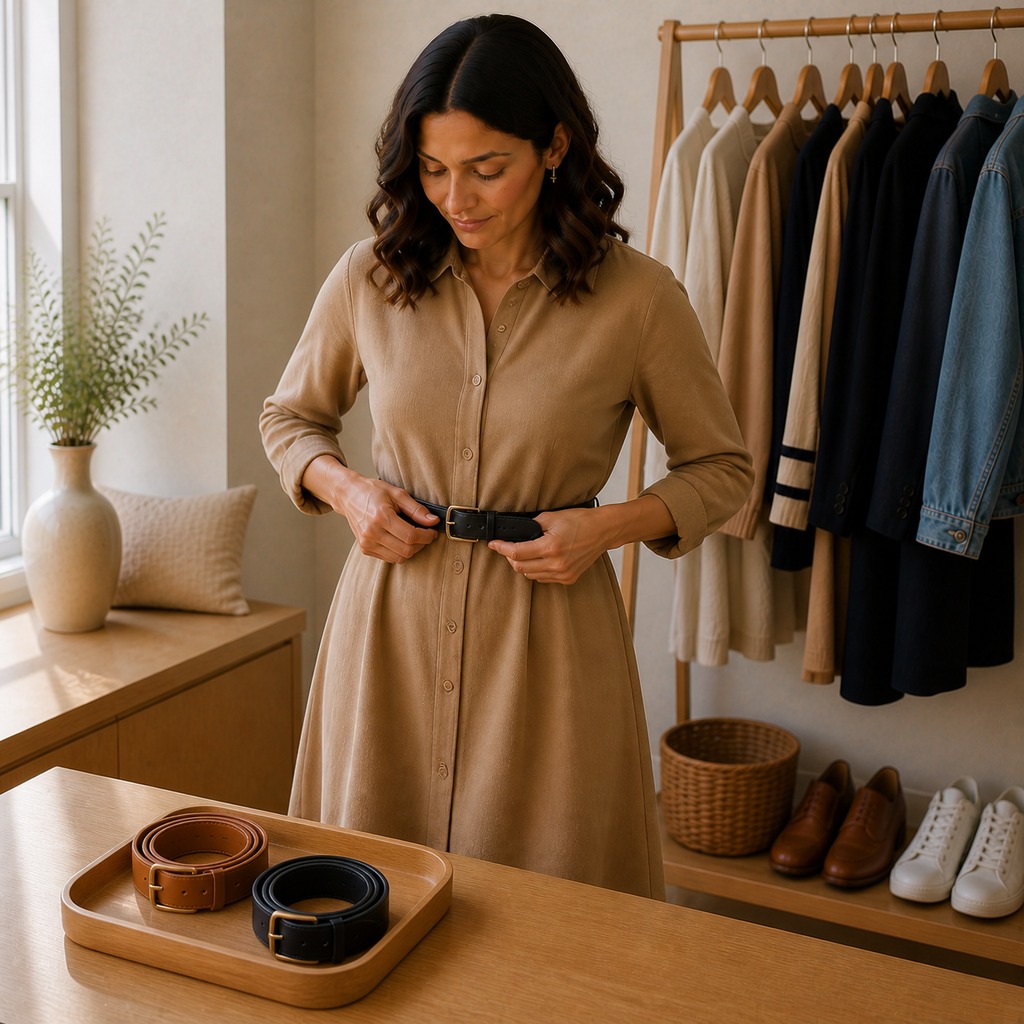
17. Use Belts Strategically
A belt can define the waist, adjust proportion, or connect shoes and accessories. Select a width that suits the belt loops and scale of the garment.
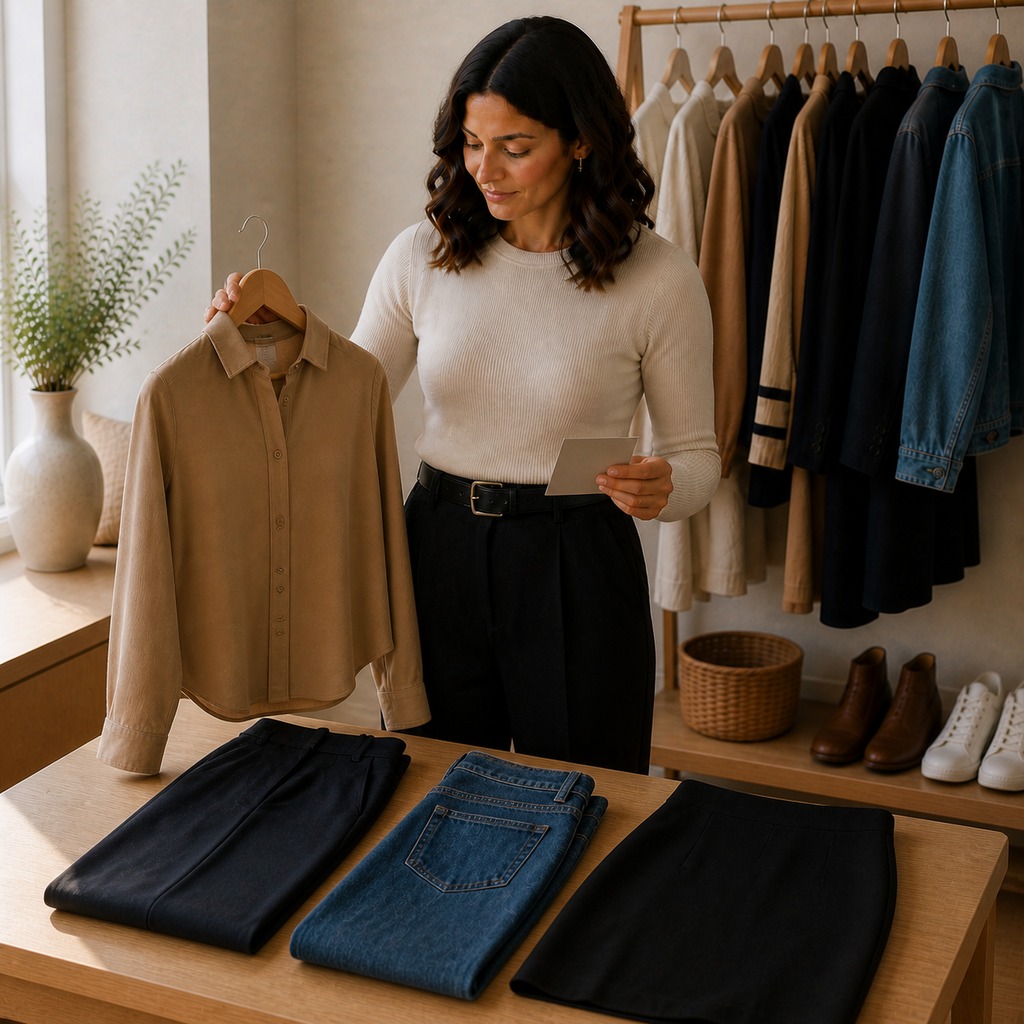
18. Avoid Impulse Purchases
Before buying, identify at least three outfits the item can complete. Check whether it fills a real gap, fits properly, and works with your care routine.
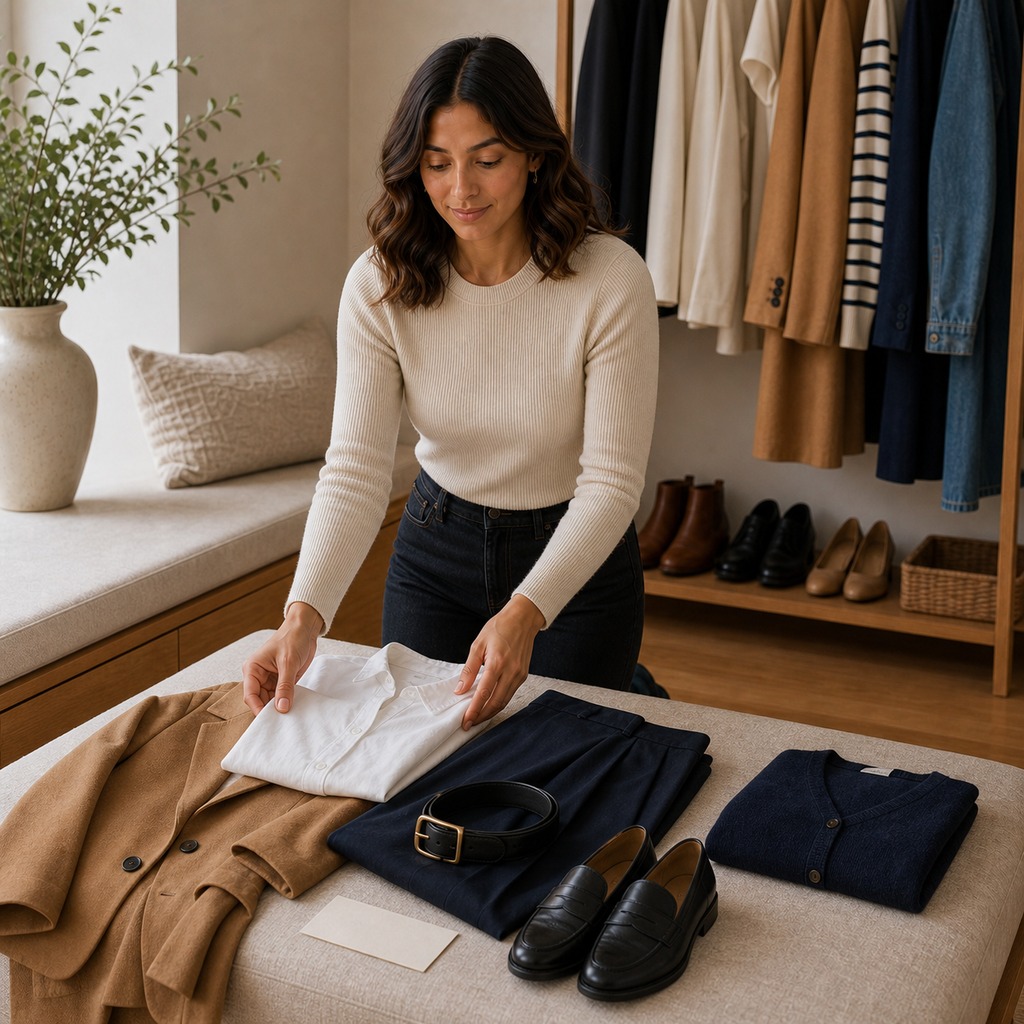
19. Experiment with Layers
Layering adds depth as well as warmth. Keep the base smooth, add a mid-layer for texture, and finish with a structured outer layer when needed.
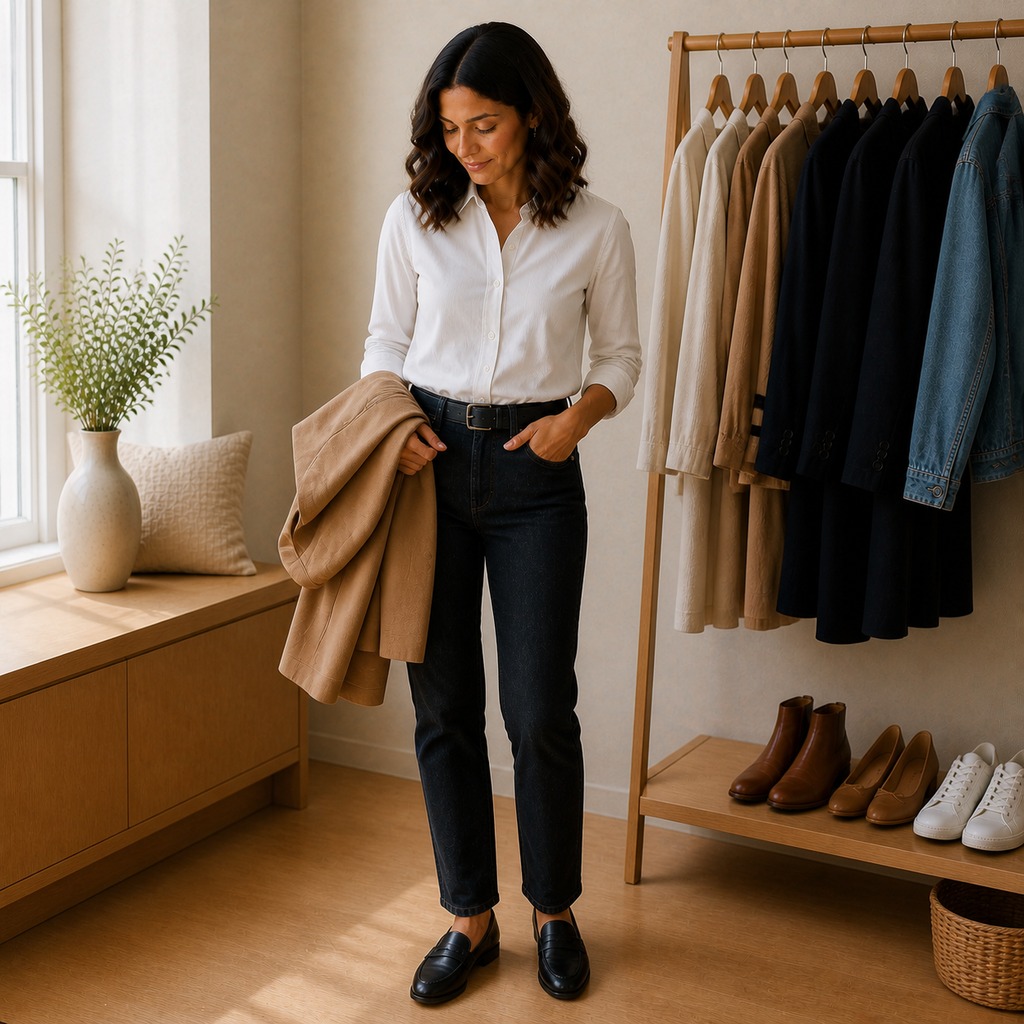
20. Keep It Simple
When an outfit feels busy, remove one competing element. Clean lines, repeated colors, and one clear focal point often look more considered.
21. Tailor Your Wardrobe for Your Lifestyle
Give most closet space to clothes that suit your actual week. Balance work, casual, active, and occasion pieces according to how often you need them.
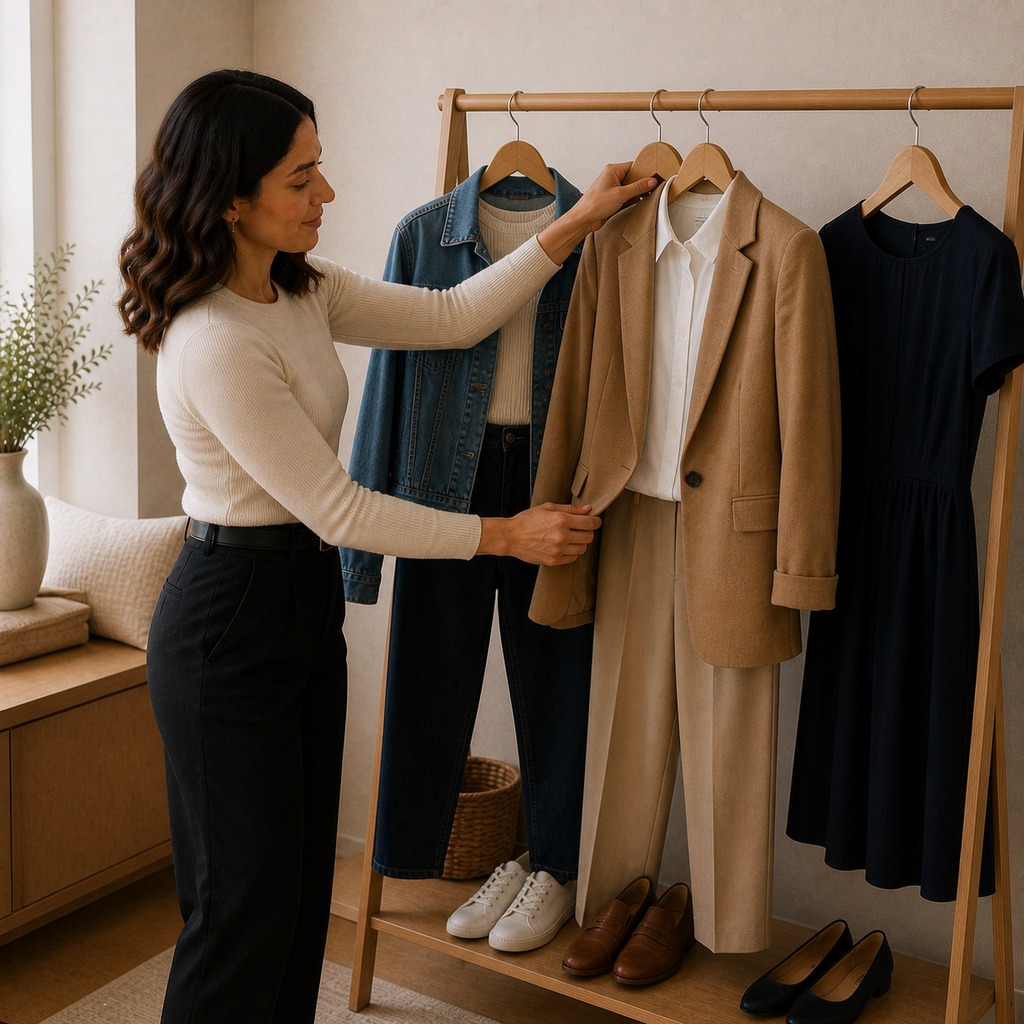
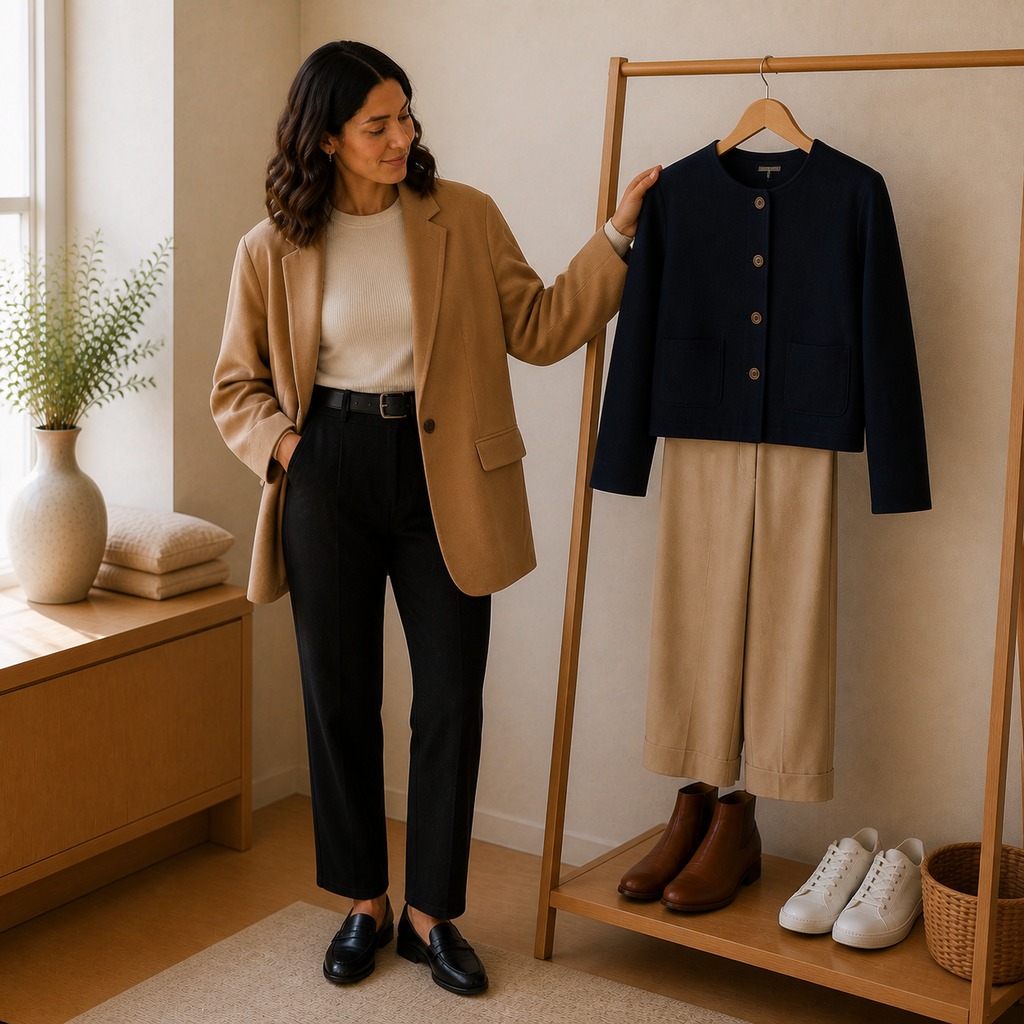
22. Experiment with Proportions
Balance volume by pairing an oversized garment with a more fitted piece. Use waist placement, sleeve length, and hemline to keep the silhouette intentional.
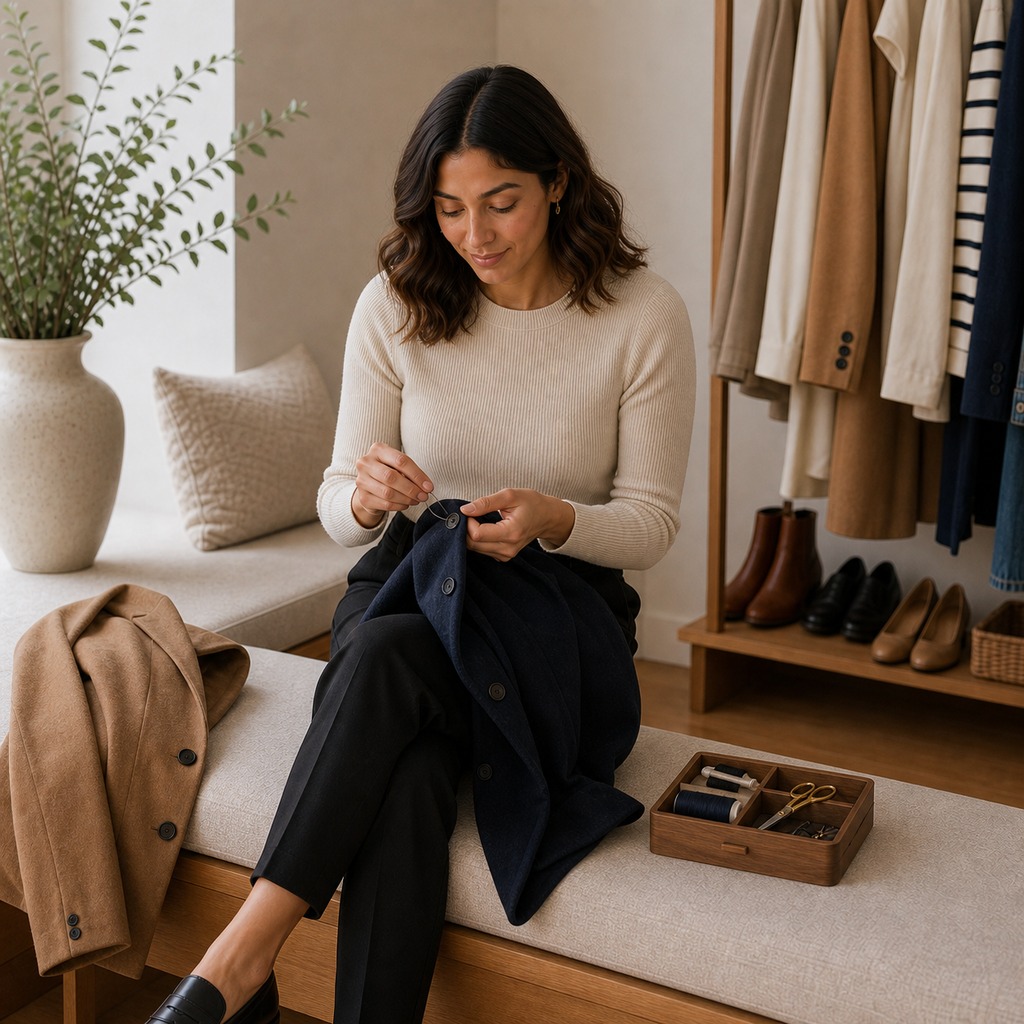
23. Keep Up with Maintenance
Repair loose buttons, small tears, and falling hems quickly. Regular maintenance prevents minor damage from shortening the life of a favorite garment.
24. Borrow Inspiration
Save colors, silhouettes, and combinations that suit your life, then look for repeating themes. Use inspiration to clarify your taste rather than copy an outfit exactly.

25. Dress for Yourself
Wear what makes you feel comfortable, capable, and recognizable as yourself. The most useful style rules are the ones that help you choose with confidence.

Use these 25 clothing tips as a flexible checklist rather than a rigid formula. A cohesive wardrobe develops through thoughtful purchases, regular care, and outfits that genuinely support your daily life.