
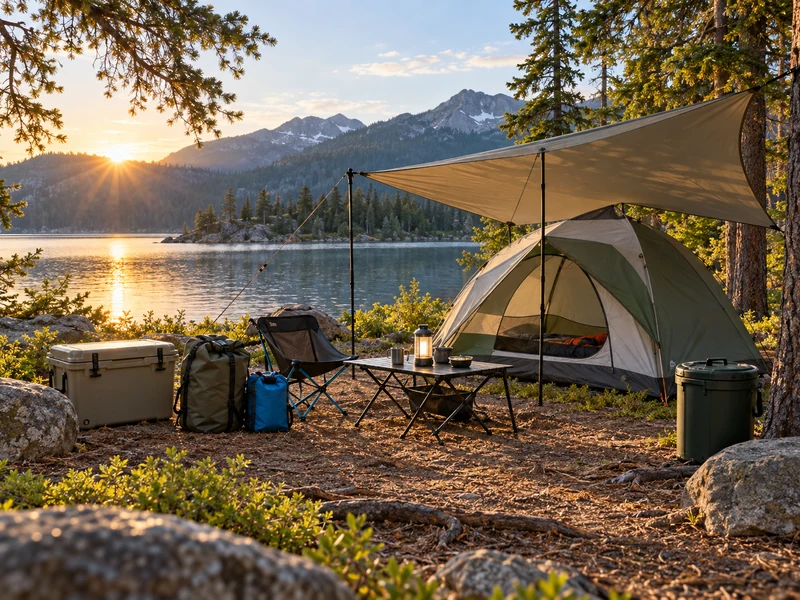
A good camping hack should solve a real annoyance without adding a new problem. Light that is easy to find, dry clothes, a cool food supply, and a tidy campsite matter more than clever gear that fails when the weather changes. The seven ideas below use simple, repeatable setups for a relaxed weekend outdoors.
Check the forecast, campground rules, and fire restrictions before you pack. Test unfamiliar equipment at home, especially your light, stove, shower, and shelter. Bring the basics first; then use these small upgrades where they fit your trip. For a broader packing plan, see our camping gear checklist.
Why These Camping Hacks Help
- Every frequently used item has a predictable place.
- Small packing choices reduce wet gear and food waste.
- Safer setups are easier to repeat on the next trip.
Seven Camping Hacks Worth Trying
1. Make a Soft, Easy-to-Find Camp Light
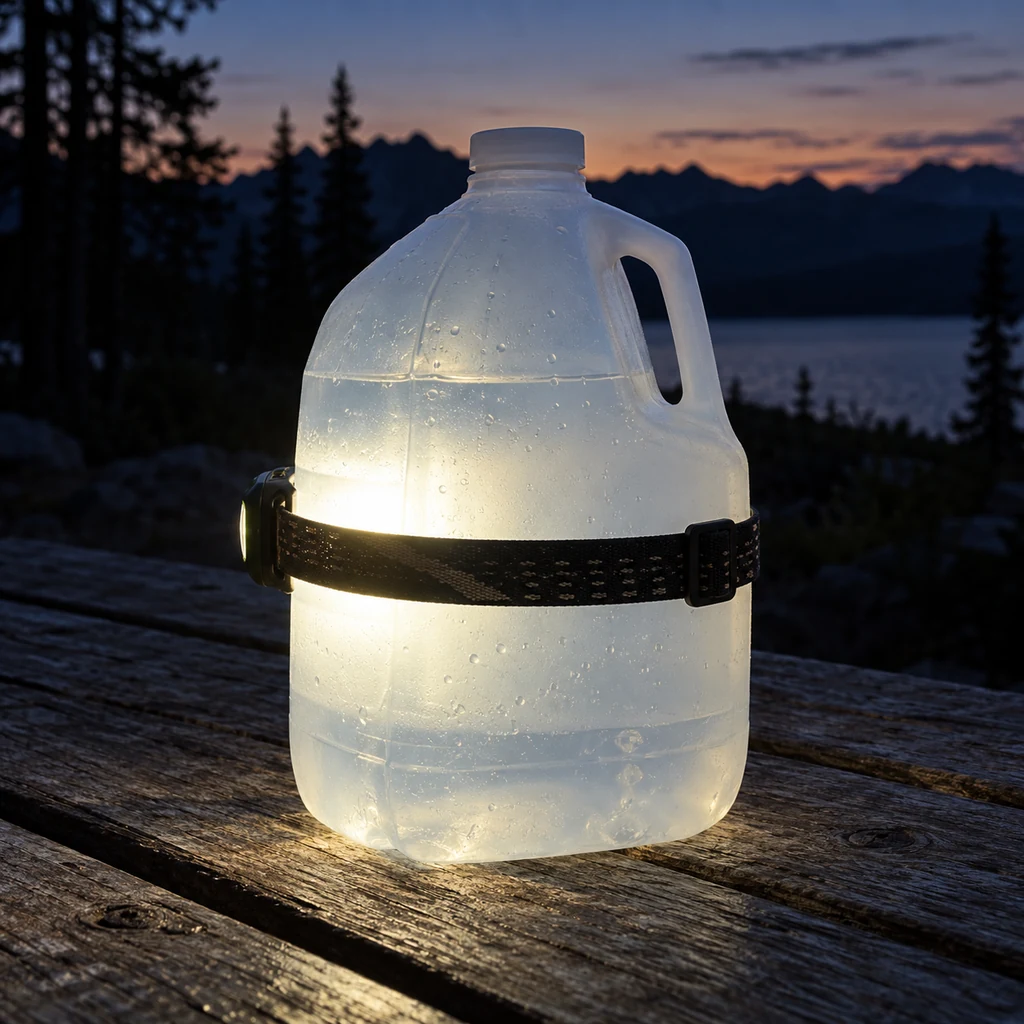
Set a clean translucent water jug on a stable table and aim a battery headlamp toward its side. The jug diffuses the beam, creating softer ambient light for sorting gear or finding a snack. Keep the lamp outside the jug and use only a cool-running LED model. A proper lantern is still the better choice for a large area, and a dedicated headlamp remains essential when walking after dark. Put spare batteries or a charged backup in the same pocket every time. Keep the light away from flames and avoid shining it into another camper’s eyes.
2. Pack Clothes and Small Gear by Task
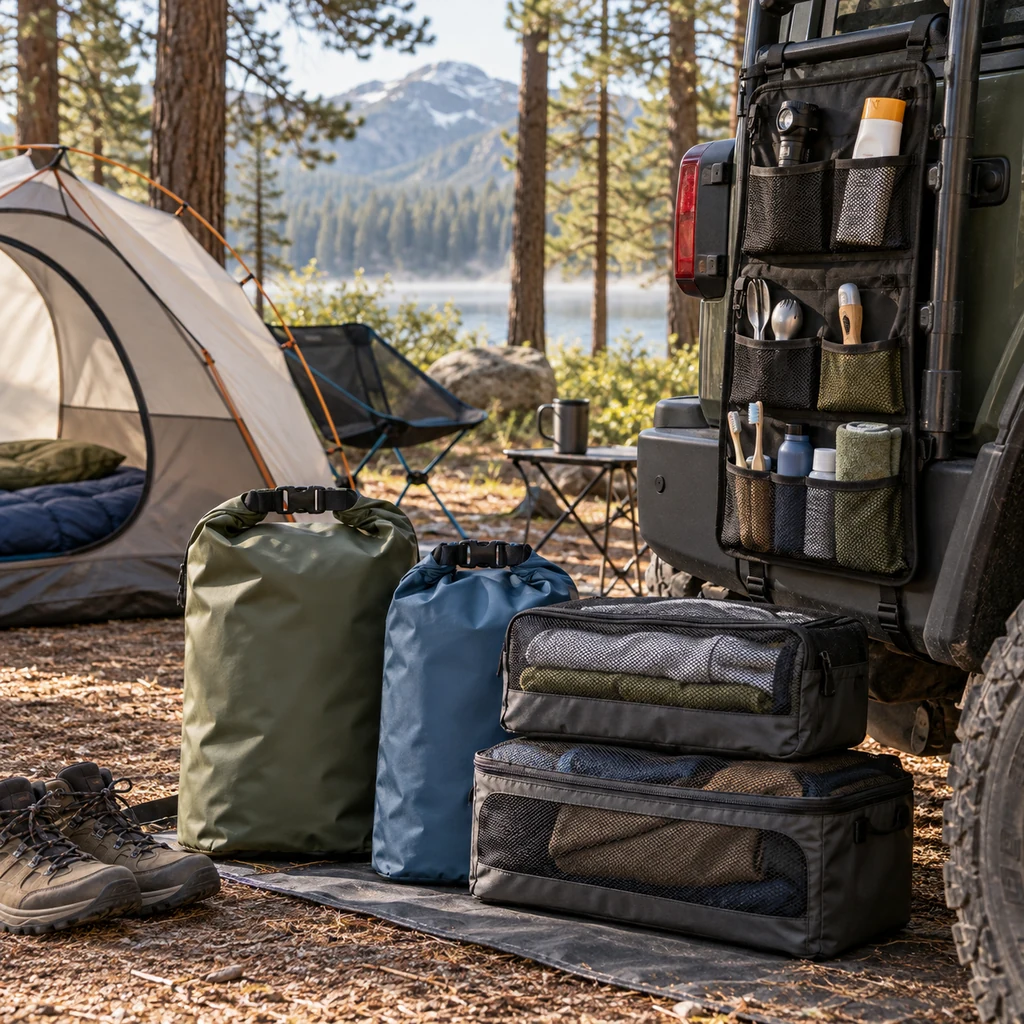
Group a day’s clothes in a reusable dry bag or packing cube, with a separate bag for damp items. Zip bags can help in a pinch, but choose durable ones you can reuse and do not assume an ordinary bag is fully waterproof. Give socks, sleepwear, and rain layers their own predictable spots. At a car campsite, a hanging pocket organizer can hold sunscreen, a flashlight, utensils, and toiletries; secure it to a suitable hook or vehicle fixture instead of stressing tent fabric. Keep food in the campsite’s required food-storage area, not in a tent pocket. Before leaving, check that every pocket can close and nothing drags on the ground.
3. Keep the Tent Floor Dry with a Fitted Footprint
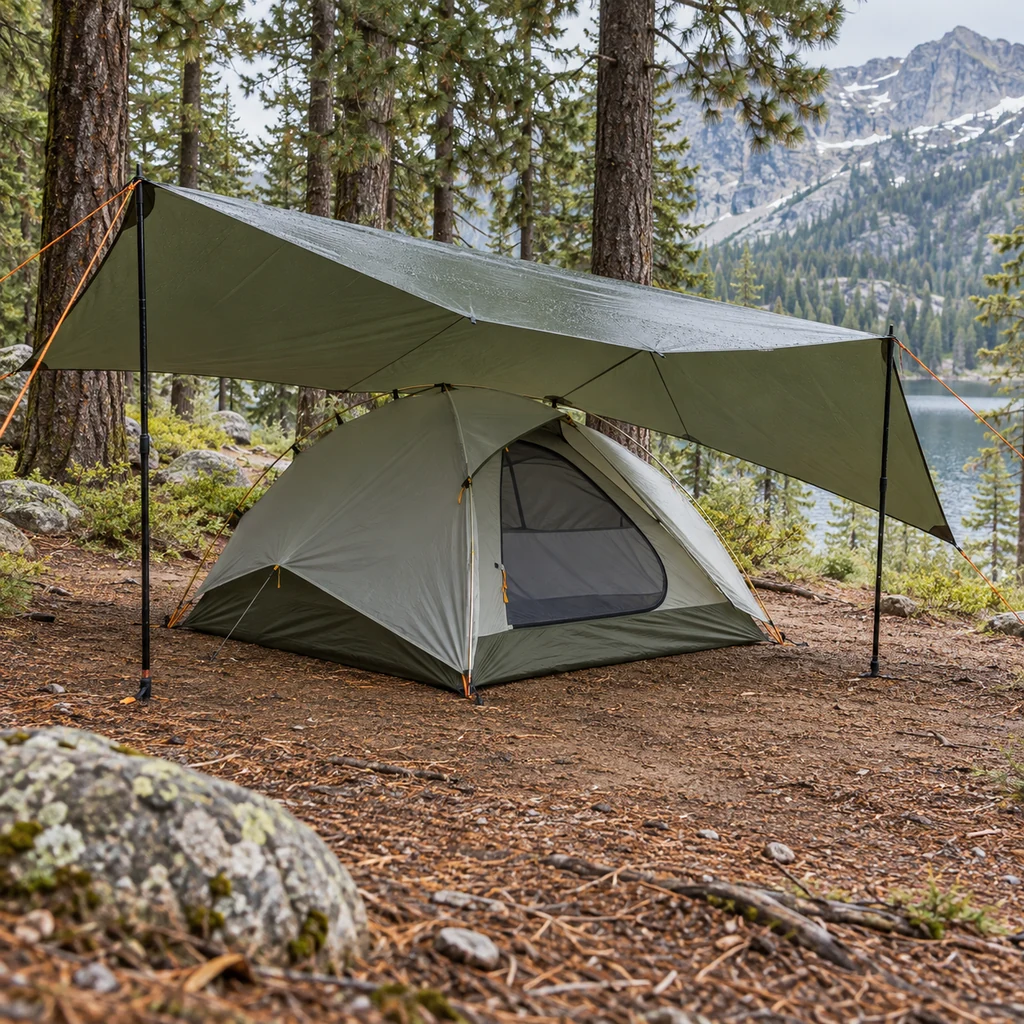
Pitch on permitted, well-drained ground and use a tent footprint or tarp that stays inside the tent floor’s edge. Tuck excess material underneath: an exposed lip can catch rain and channel it beneath the tent, as the National Park Service explains. If the campsite permits an overhead tarp, tension it with suitable poles and guylines, away from the cooking area. It can create a dry place for wet jackets, but do not attach it to a tree where local rules forbid it. Test the pitch before dark and keep guyline paths visible to prevent trips. After rain, dry both tent and footprint thoroughly before long-term storage.
4. Use Frozen Bottles as Cooler Ice
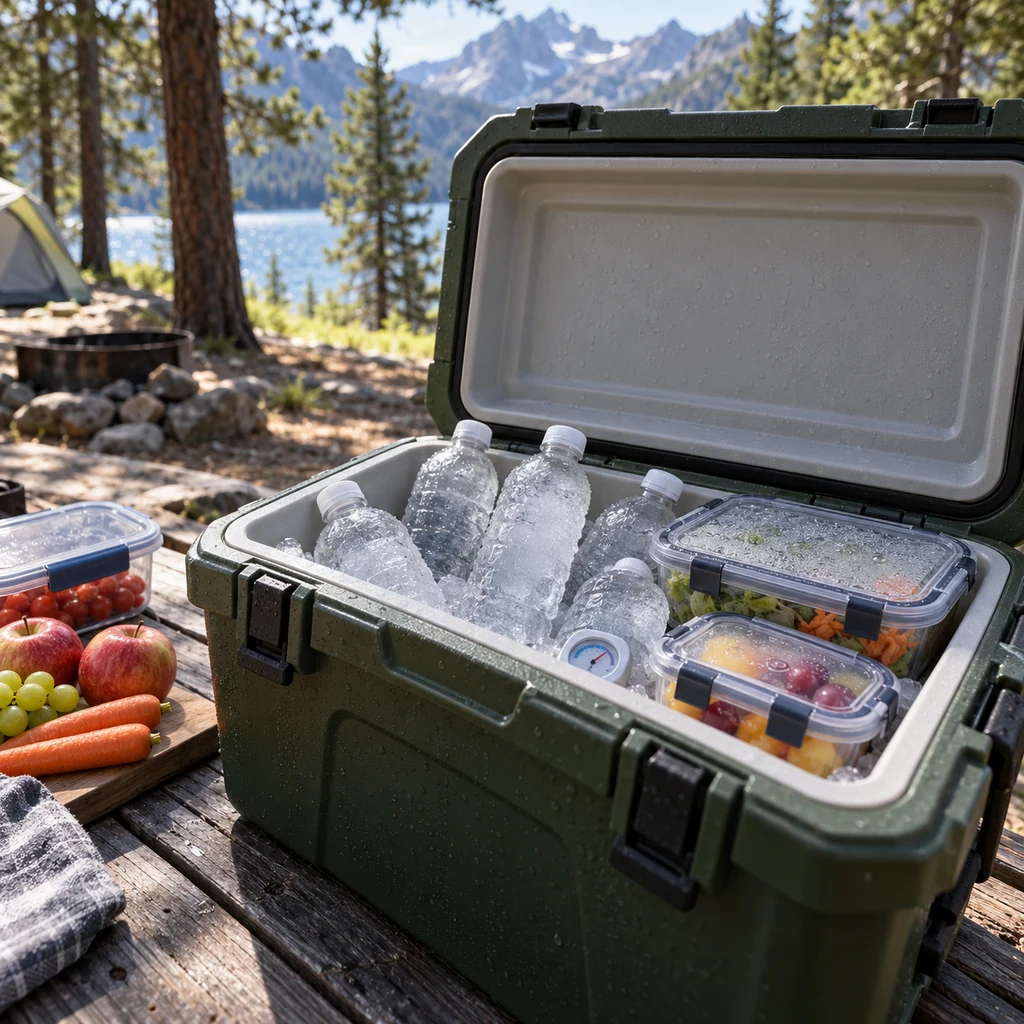
Freeze clean, freezer-safe water bottles with space for expansion, then pack them around already chilled food. Keep the cooler shaded and open it only when needed. A thermometer is more useful than guessing from how much ice remains: USDA guidance says perishable food should stay below 40°F (4°C). Store raw meat in leakproof packaging below ready-to-eat food, or use a separate cooler. When the bottles thaw, you have extra drinking water if they were filled with potable water. Do not count on frozen bottles alone to keep food safe for an entire trip; check the temperature and add ice when needed.
5. Set Up a Safer Cooking and Fire Station
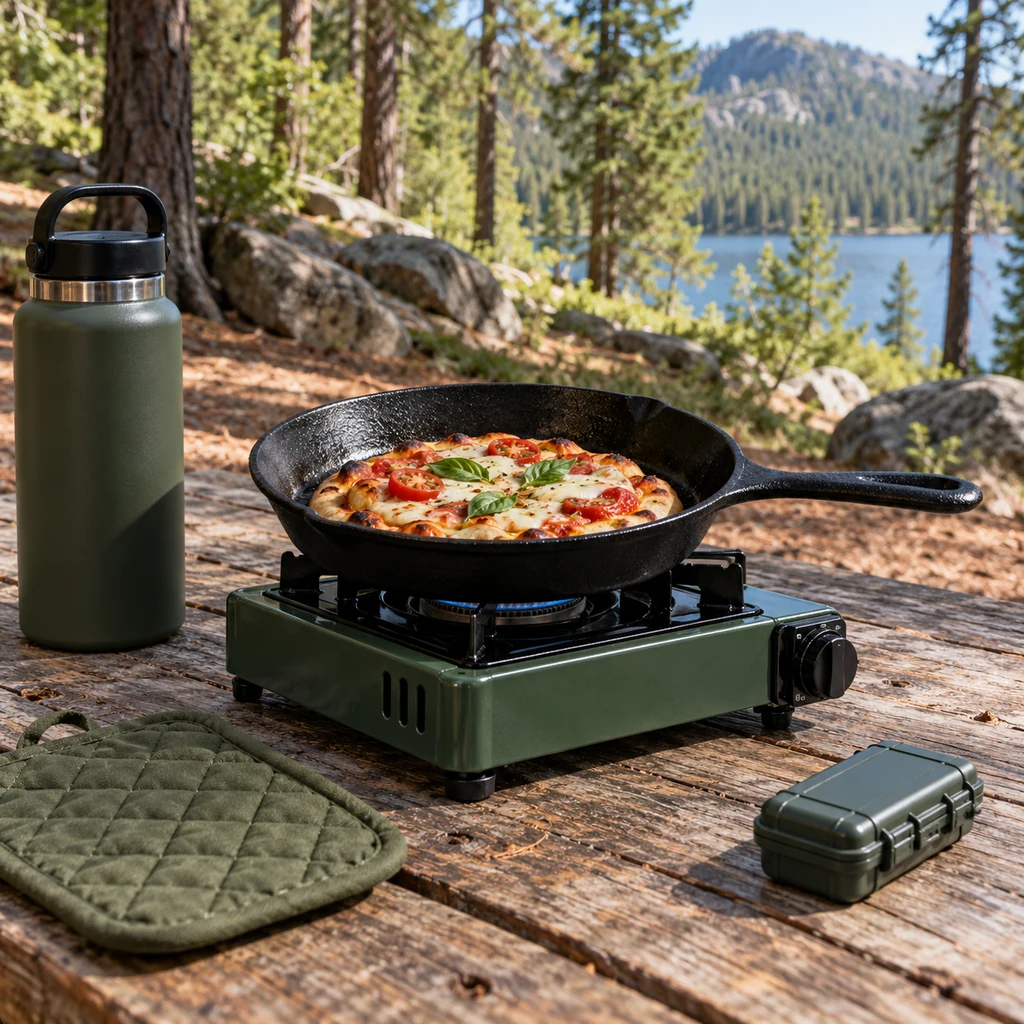
Store matches in a waterproof case instead of coating them with nail polish. Keep a backup ignition method and use the stove or designated fire ring allowed at your site. A stable camp stove and skillet can cook a small pizza or flatbread more predictably than a loose foil bowl over coals. Follow stove instructions, cook outside the tent, and keep children and loose fabric clear. If campfires are allowed, keep water nearby, never leave the fire unattended, and fully extinguish it before leaving, following National Park Service fire guidance. Skip improvised lint starters when restrictions prohibit fires; a no-cook meal is a useful backup plan.
6. Choose a Purpose-Made Camp Shower
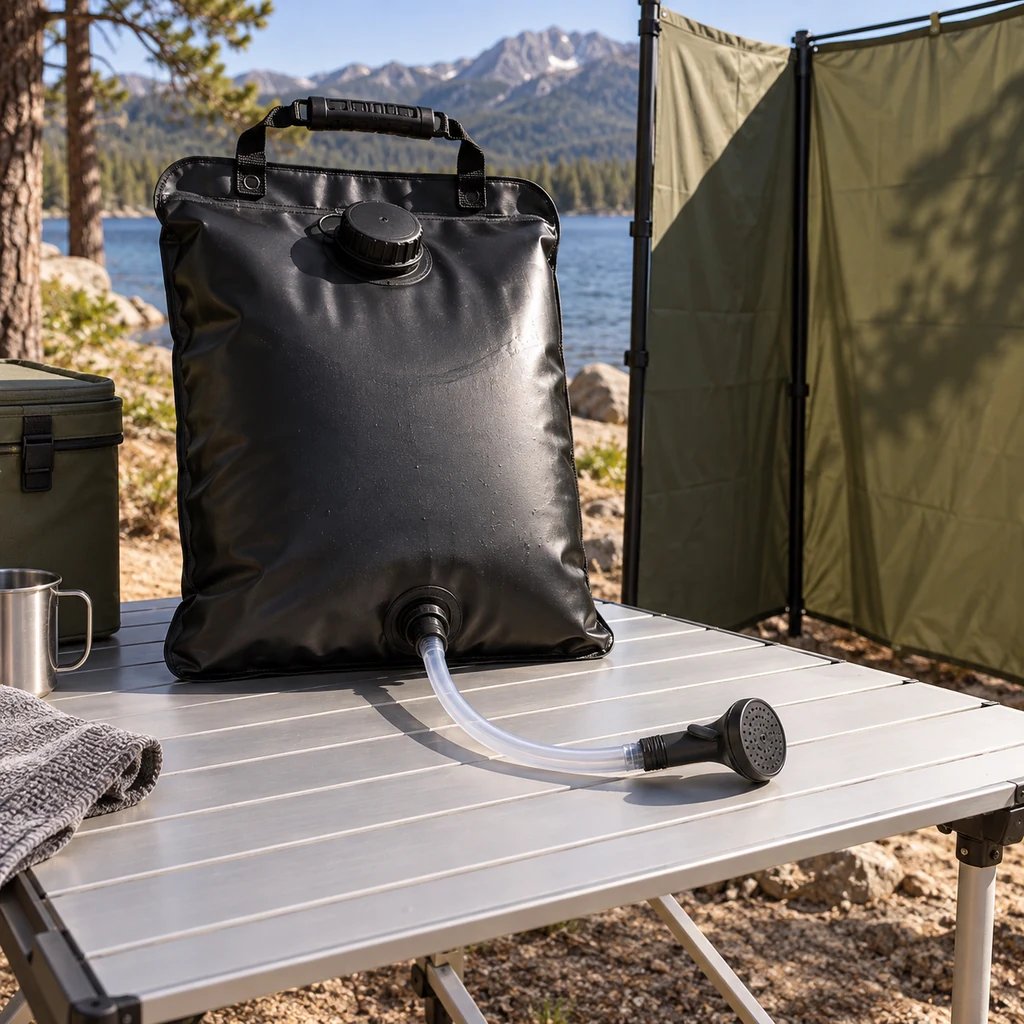
A purpose-made solar shower has a filling cap, secure handle, and controlled outlet. Fill it with suitable water, warm it as its instructions direct, and check the temperature with your hand before use. Suspend it only from a support rated for the full water weight; a filled bag can be surprisingly heavy. Use a privacy screen where allowed, and follow campground rules for washing and gray water disposal. A thin household garbage bag has no dependable handle or nozzle and can tear while lifted. If a shower is impractical, a small wash basin and cloth may serve you better for a short trip.
7. Make Cleanup Simple from the Start
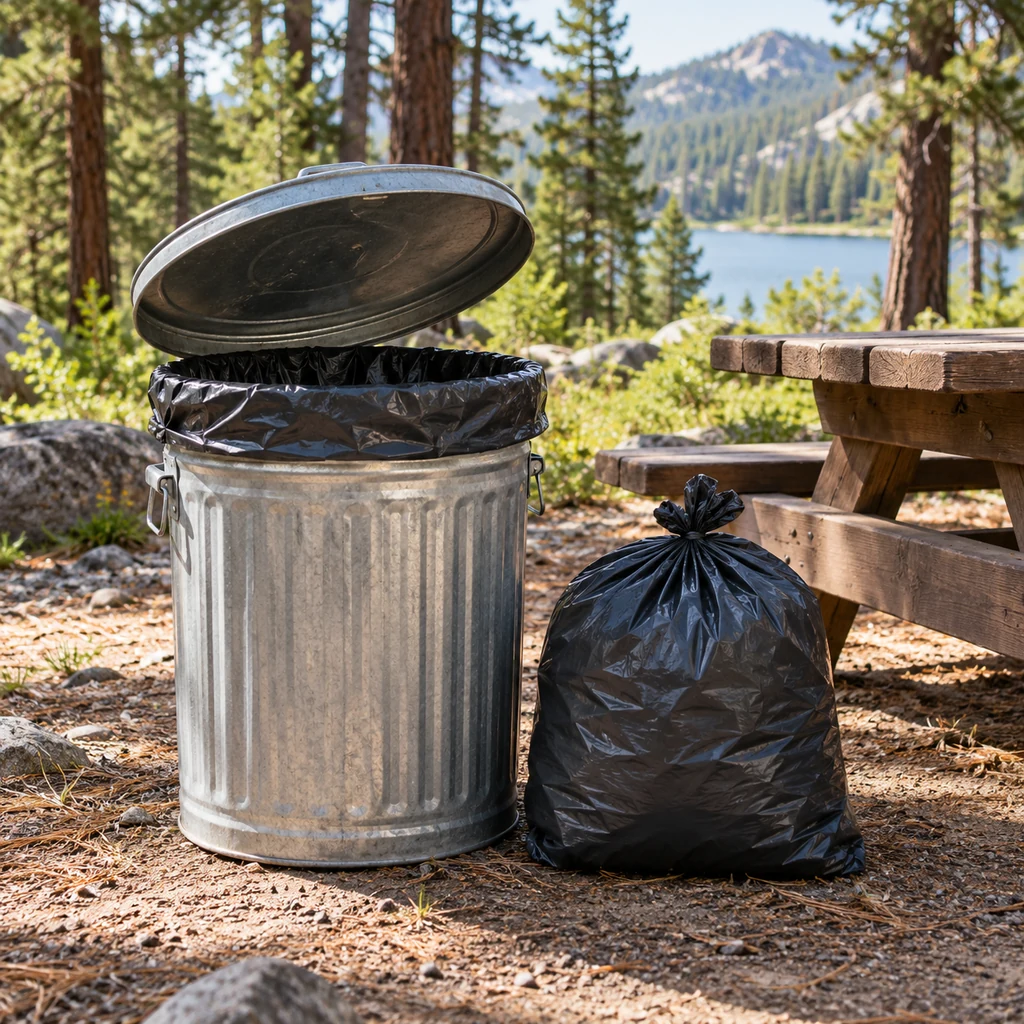
Line a clean, lidded container with a sturdy bag for small dry waste and keep a second sealed bag ready for wet or messy items. A reused coffee can may work for small wrappers, but it is not a substitute for the campground’s wildlife-safe food and trash storage rules. Empty the container into an approved receptacle or pack waste out. Before bed, check the picnic table, cooking area, and tent entrance for scraps and loose packaging. Keep cleaning supplies separate from food, and wash or sanitize hands before handling meals. This quick routine protects the site and makes packing up less frantic.
Before You Leave Home
Try one or two changes on your next trip rather than buying a new organizer for every item. Confirm the tent footprint fits, freeze bottles the night before departure, and put light and ignition backups where you can reach them. For wetter destinations, read our rain forest camping tips before you finalize the shelter plan.
Frequently Asked Questions
Do frozen bottles replace cooler ice?
They are one cold source, but the cooler still needs enough cooling capacity to keep perishable food at or below 40°F (4°C). Check it with a thermometer.
Can a tarp stick out beyond the tent floor?
Fold a ground tarp’s edges underneath the tent so rain cannot collect on an exposed lip and flow beneath the floor.
What is the simplest first upgrade?
Start with lighting and a consistent packing place for essentials. Those changes help on almost every trip without complicating the campsite.