

The best weekend getaway ideas fit the time, budget, energy, and interests you actually have. A two-night trip does not need a famous destination or a packed schedule. Choose one appealing place, reduce time in transit, and leave enough room to enjoy where you are.
Why You’ll Love It
- Flexible: Each idea works for different seasons, budgets, and travel styles.
- Realistic: The planning method protects your limited weekend hours.
- Balanced: You will combine one anchor experience with unscheduled time.
Choose the Right Radius Before the Destination
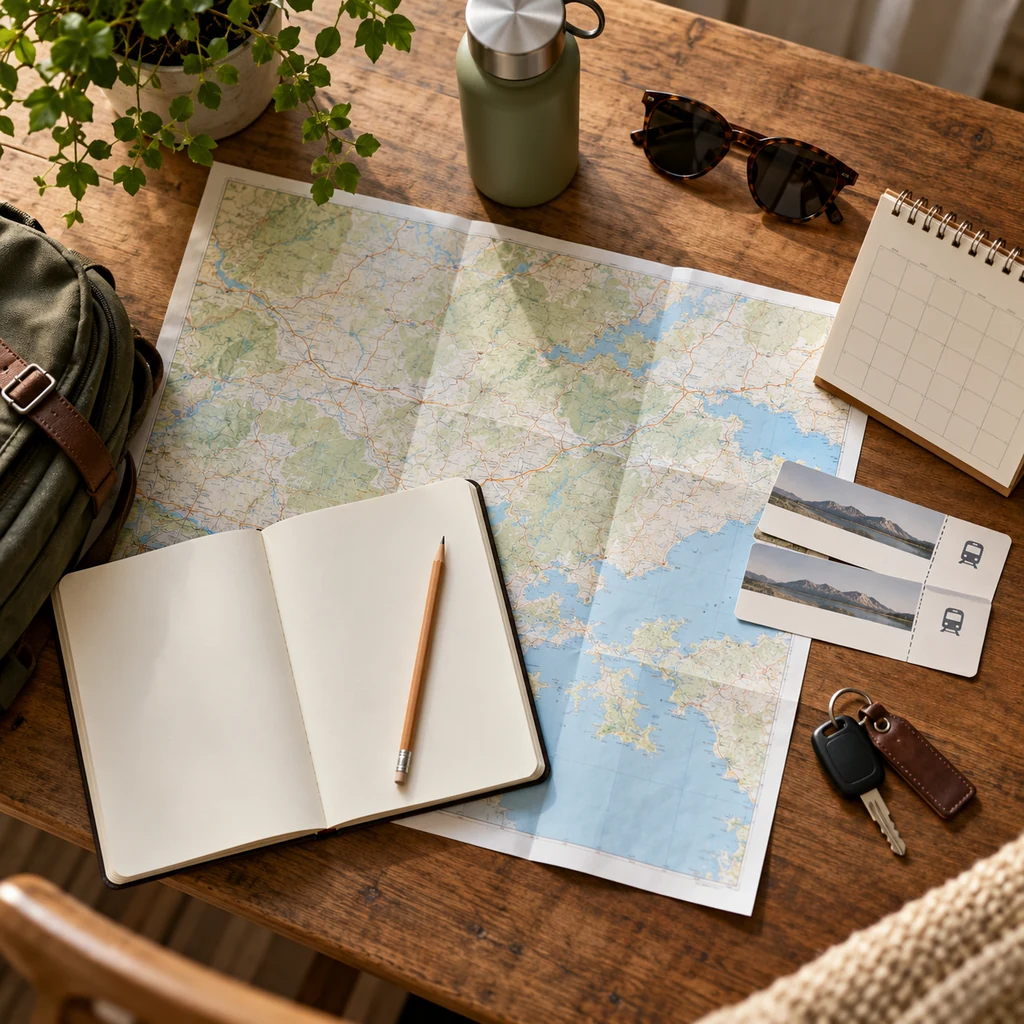
Start with the door-to-door journey, not a photo of the destination. Decide how many hours you are comfortable spending in a car, train, bus, or airport on Friday and Sunday. Include transfers, parking, fuel or charging stops, check-in, and likely traffic. A closer place can feel more restorative because you arrive with usable time left.
Next, compare the full cost: transportation, accommodation, meals, admission, parking, local transit, and pet or resort fees. Look at cancellation terms before booking. Check official weather, road, transit, park, and attraction pages close to departure; hours, reservations, closures, permits, and entry rules can change. Save confirmation details and an offline map, and choose a simple backup activity.
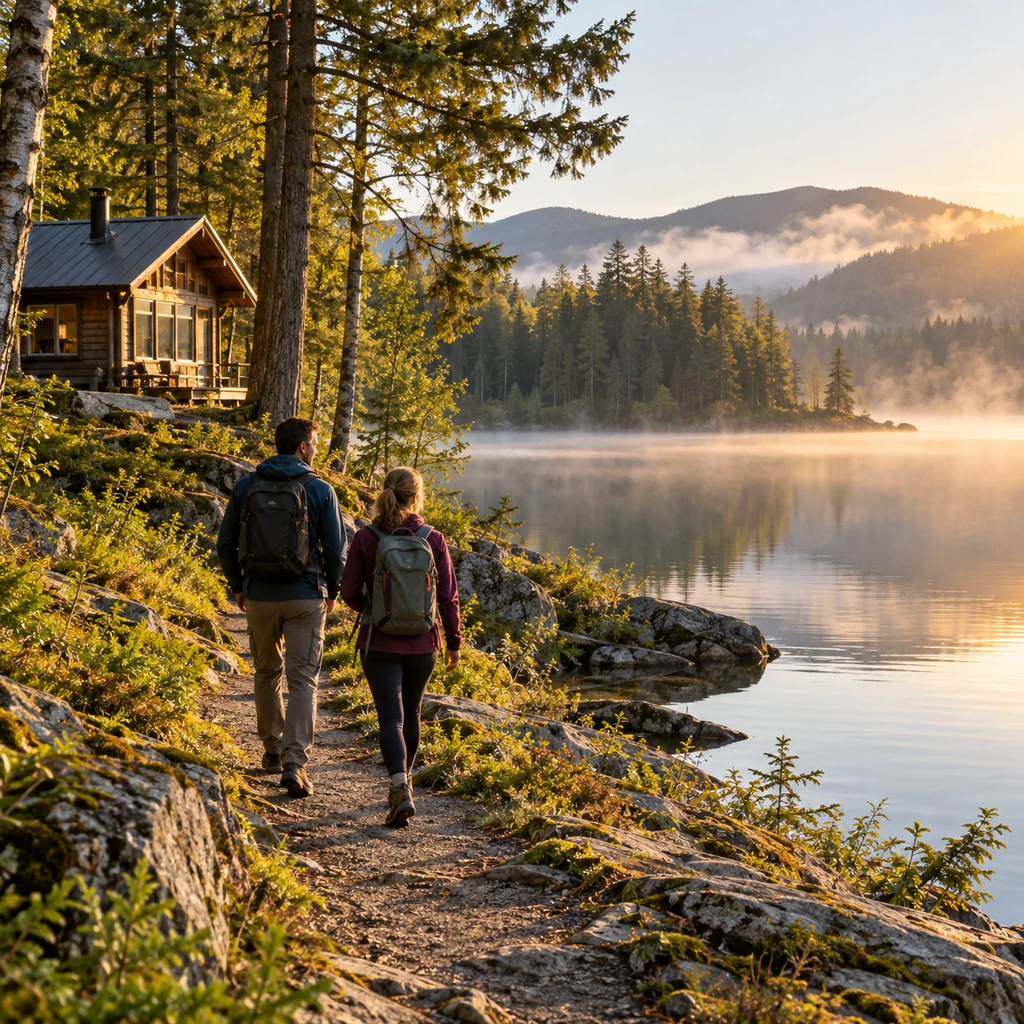
1. A Cabin, Lake, or Forest Retreat
Choose this style when quiet surroundings and easy outdoor time matter more than a long attraction list. A small cabin, campground, lodge, or guesthouse near a lake or trail system can create a clear change of pace. Confirm road access, check-in instructions, heating or cooling, drinking-water availability, mobile coverage, and whether linens or cooking equipment are included.
Pick activities suited to the weather and everyone’s ability. Check the land manager’s official alerts, trail status, fire rules, wildlife guidance, parking, permits, and reservation requirements. Carry appropriate layers, water, navigation, and emergency basics even on a short outing. For more inspiration, browse these weekend getaways for nature lovers.
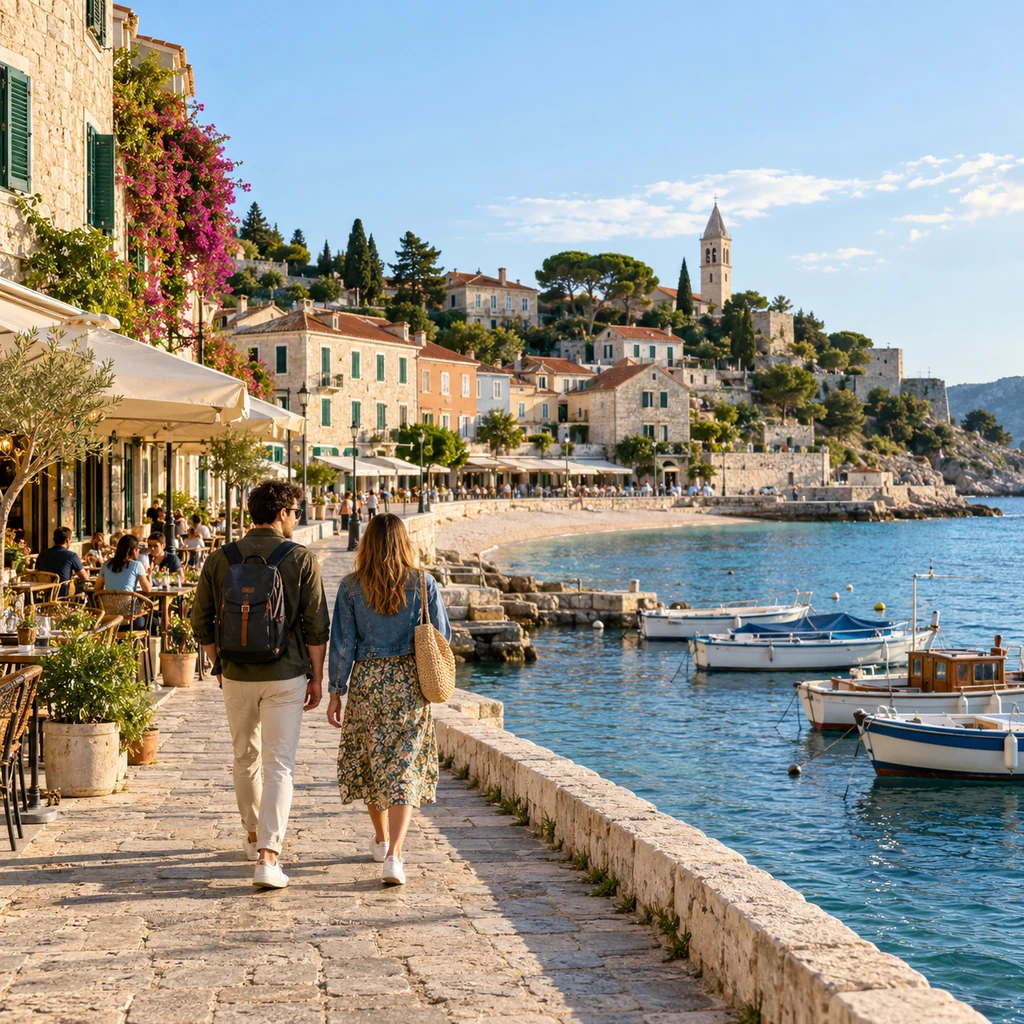
2. A Walkable Coastal Town
A compact coastal town can combine a waterfront walk, local food, small shops, and a relaxed morning without constant driving. Look beyond peak-season resorts: working harbors, bayside communities, and towns near public beaches may offer the same change of scenery with a more manageable plan.
Confirm tide information when relevant, lifeguard coverage, beach access, parking rules, water quality notices, and weather warnings through official sources. Never assume calm-looking water is safe. Bring wind and rain layers, and plan an inland alternative such as a gallery, market, or historic center. If you want a broader shortlist, explore these hidden coastal getaway ideas.
3. A Culture-Focused City Break
Choose one neighborhood or a pair of adjacent districts instead of trying to cover an entire city. Build the weekend around a museum, performance, market, architecture walk, or special exhibition, then add flexible stops nearby. This keeps the itinerary compact and reduces time spent navigating.
Stay near useful public transit or the places you most want to visit, but compare the accommodation rate with taxes and parking. Reserve timed-entry attractions when required, check accessibility details, and verify the last train or bus. Leave a free hour for a bookshop, park, or café that you discover along the way. A rail-based escape can also make the journey part of the experience; see these scenic train journey ideas.

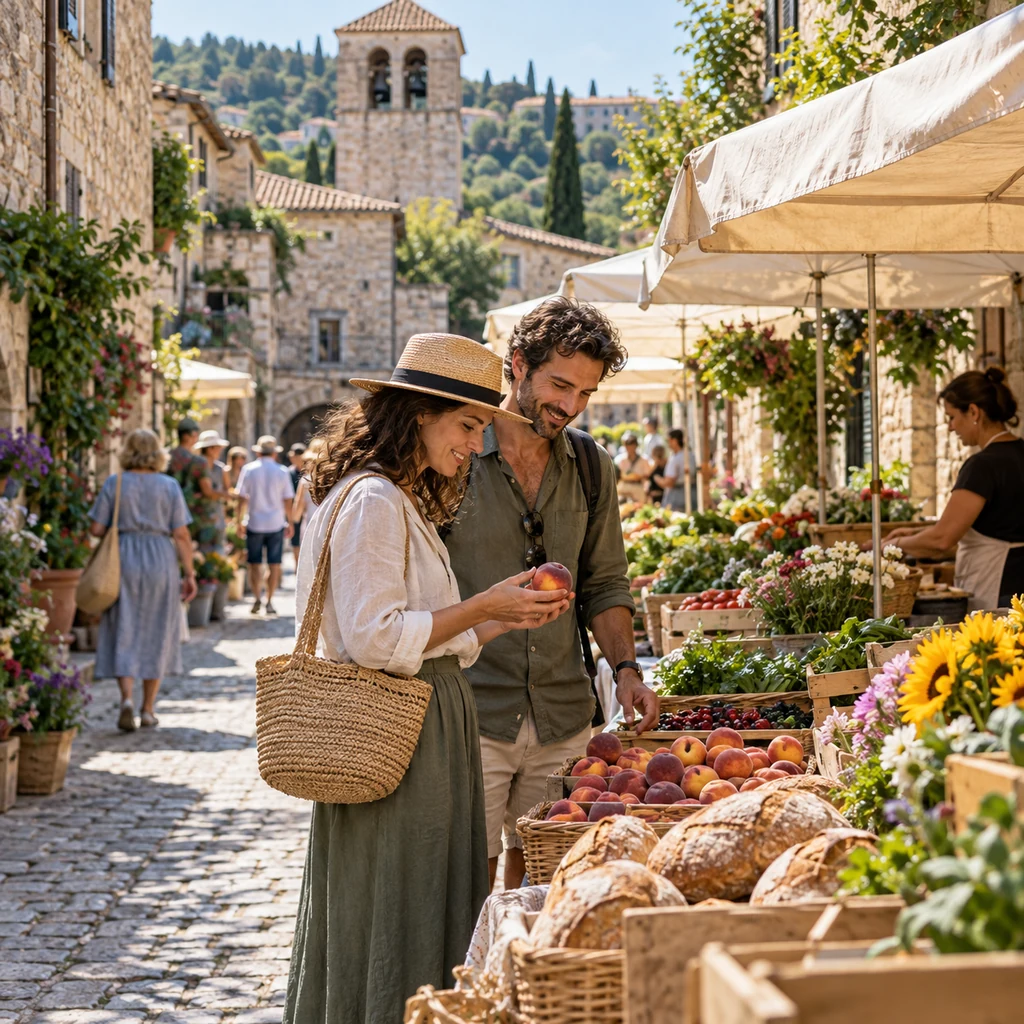
4. A Historic Town and Local Market
A small historic center works well when you want character without a complex schedule. Look for a compact main street, preserved architecture, a local museum, guided walk, craft studios, or a weekend market. Read the town or heritage site’s official visitor information rather than relying only on social media posts.
Check market days, seasonal hours, admission, photography rules, and accessibility before leaving. Support local businesses thoughtfully, respect residents and private property, and avoid treating working neighborhoods as scenery. A regional bakery, produce market, or family-run restaurant can be an anchor experience without turning the weekend into a reservation marathon.
5. A Low-Key Stay Near Home
A getaway can be a hotel, guesthouse, or rental in your own city or a neighboring town. Choose a district you rarely visit and act like a guest: walk a new park, book a matinee, visit a gallery, or have breakfast somewhere local. This option limits transport costs and can work when mobility, caregiving, pets, or a late Friday schedule make a longer trip difficult.
The key is changing the routine rather than filling the calendar. Put chores aside, silence nonessential notifications, and plan one experience that marks the weekend as different. For more ways to create that feeling without a long journey, see these weekend trips that feel like a vacation. Travelers booking close to departure can also use these budget-friendly last-minute travel tips.
Pack for the Plan You Made
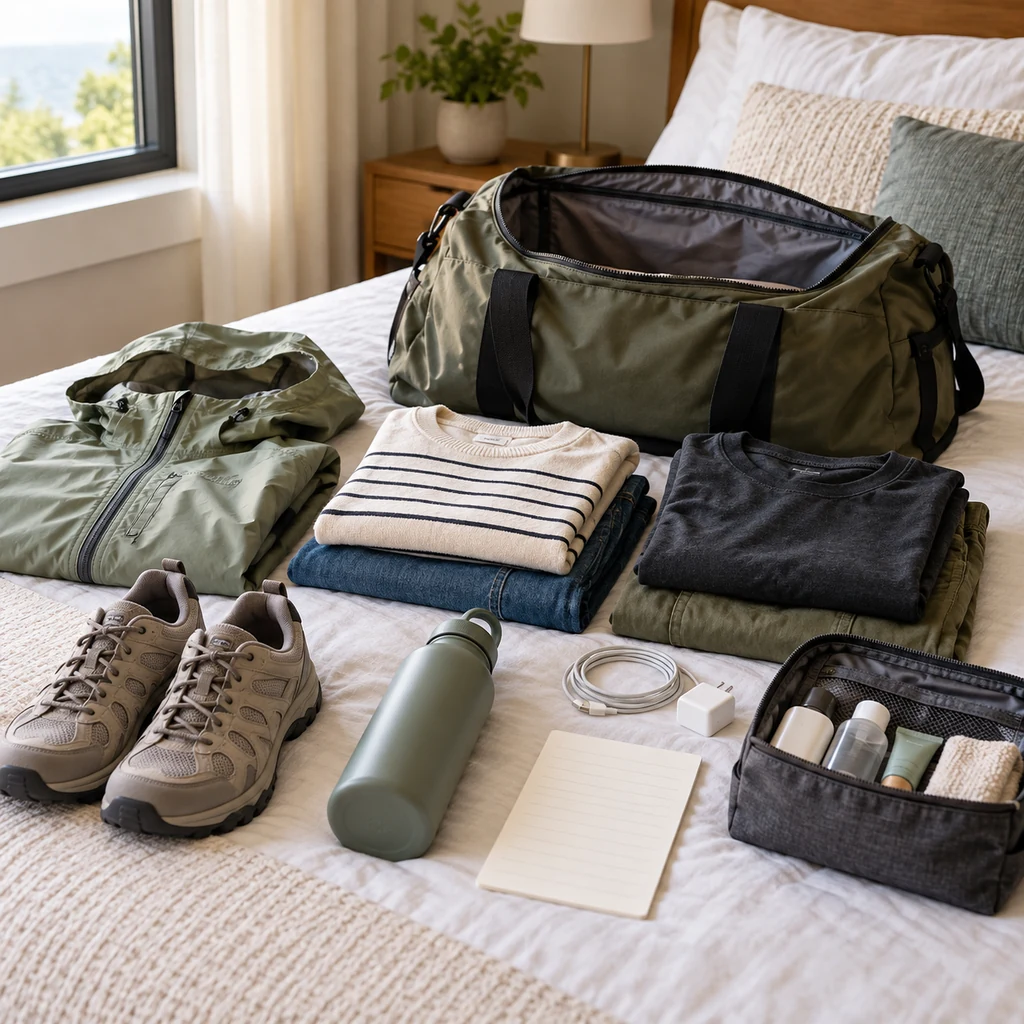
For two nights, start with one comfortable travel outfit, one change, sleepwear, weather-appropriate outerwear, and shoes already broken in. Add required medication, chargers, identification, booking details, a refillable bottle, and activity-specific items. Check the accommodation’s amenities before duplicating toiletries, towels, or equipment.
Keep medication, valuables, and a useful layer accessible in transit. A small bag makes transfers easier, but the correct size depends on your transport provider’s current rules. This personal-item packing guide offers a compact framework that can be shortened for a weekend.
A Simple Two-Night Itinerary
On Friday, travel, check in, eat somewhere uncomplicated, and take a short orientation walk. On Saturday, enjoy the single anchor activity, leave the afternoon flexible, and choose dinner according to your energy. On Sunday, have an unhurried breakfast, add one nearby stop, then leave enough buffer for the return journey.
Share the basic itinerary with someone at home when appropriate, especially for remote destinations. Keep emergency contacts, insurance details, accessibility information, and transport alternatives easy to find. If weather or conditions undermine the plan, use the backup rather than forcing the original itinerary.
Frequently Asked Questions
How far should I travel for a weekend getaway?
There is no universal limit. Work backward from your available hours and tolerance for transit. If travel consumes most of Friday and Sunday, a closer destination or direct train may provide a better weekend than a more famous place.
How can I keep a weekend trip affordable?
Compare the total cost, travel off-peak when practical, stay close to your main activity, and select free or low-cost public spaces. One paid anchor experience can feel more intentional than several rushed bookings.
What if the weather changes?
Check official forecasts and alerts before departure and during the trip. Pack suitable layers, understand cancellation terms, and identify an indoor or lower-risk alternative. Change or cancel plans when conditions exceed your preparation or comfort.
Final Thoughts
A memorable weekend depends more on fit than distance. Choose a manageable radius, one clear reason to go, and a schedule with breathing room. Verify current conditions, respect local rules, pack lightly, and keep a backup plan. You will return with a real experience rather than a checklist completed in a hurry.