

An everyday makeup routine can be quick, comfortable, and as sheer or colorful as you like. “Glowing” here means a finish with a little reflected light, not a promise to change the health of your skin. You can skip any cosmetic step that does not suit your style, skin, or schedule.
The six steps below move from skin preparation to a final check. Use clean tools, introduce new products one at a time, and stop using anything that stings or causes a rash. If your skin is sensitive, the simplest version—a moisturizer, sunscreen for daytime, and one color product—may be enough. The order matters more than buying every product mentioned. Keep shades and textures that look good to you in your own lighting; a product that looks beautiful in a studio photo may behave differently on your skin.
Six Steps for a Soft Everyday Glow
1. Prepare Skin and Apply Daytime Sunscreen
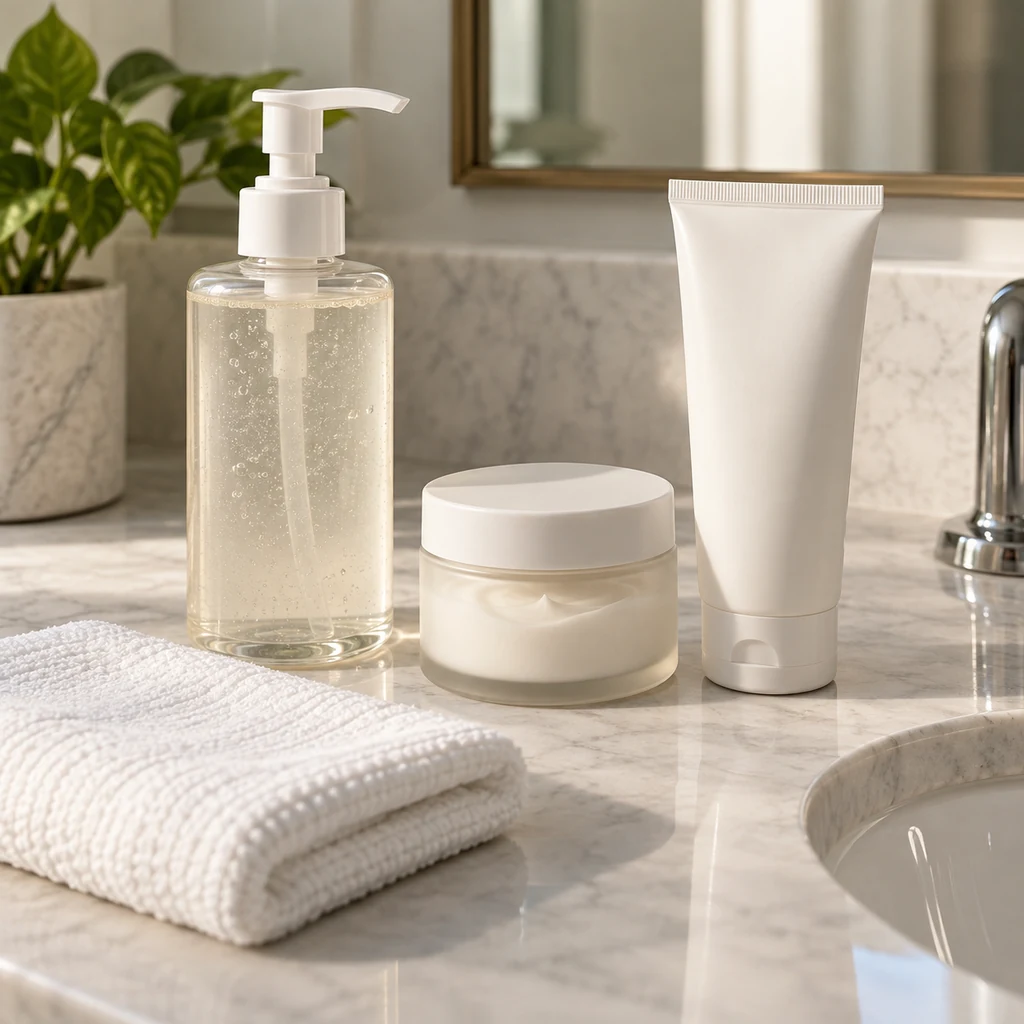
Wash with a gentle cleanser if your skin needs it, then apply a moisturizer that feels comfortable. During the day, use a broad-spectrum, water-resistant sunscreen with SPF 30 or higher on exposed skin. Follow the product directions for amount and reapplication, and let it settle before putting makeup on top. The American Academy of Dermatology’s sunscreen guide explains how to apply it for protection. Makeup labeled with SPF should not encourage you to use too little sun protection. Skip a separate exfoliating step on makeup mornings unless it is already a well-tolerated part of your routine; overdoing exfoliation can irritate skin.
2. Blend a Thin Base Only Where You Want It
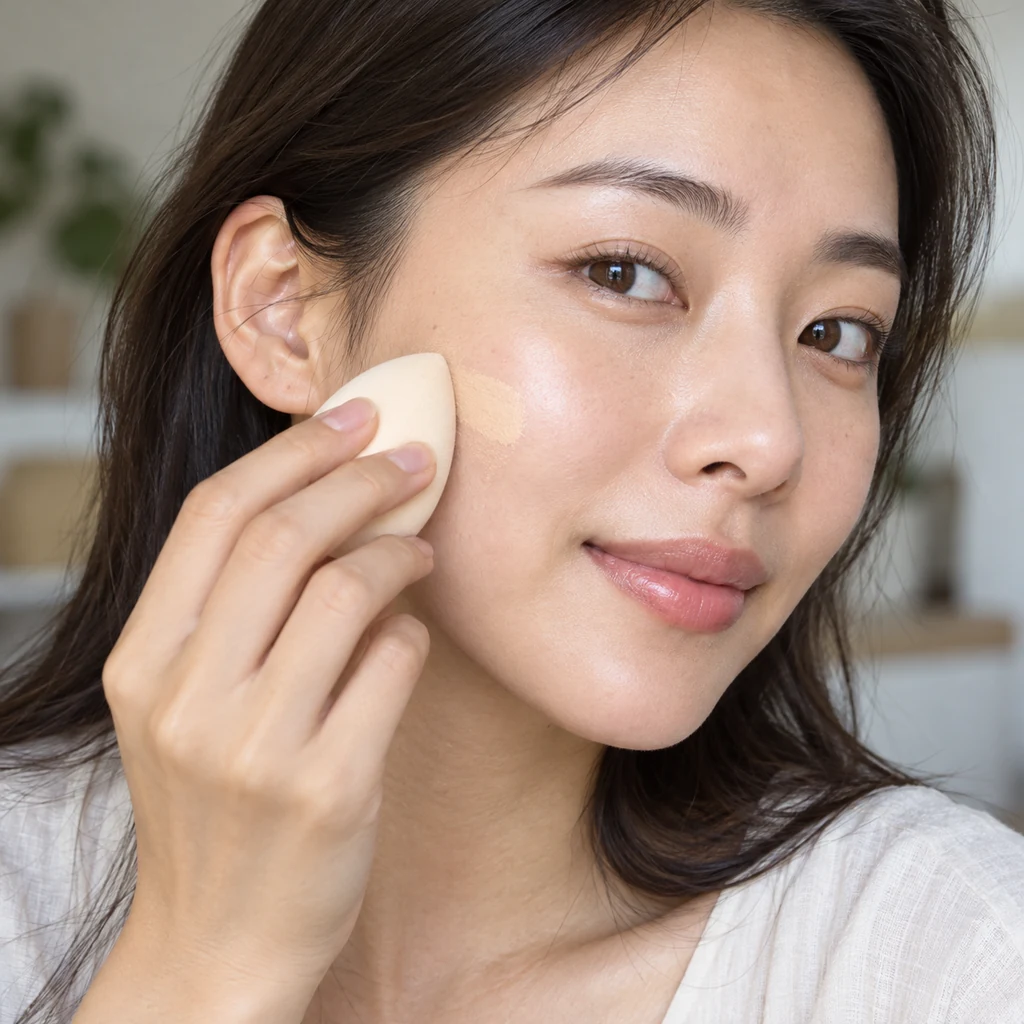
A primer is optional. If you like one, choose a finish that works with your moisturizer and sunscreen and apply it lightly. For coverage, use a tinted moisturizer or lightweight foundation that matches your face and neck in daylight. Put a small amount at the center of the face and blend outward with clean fingers, a brush, or a damp sponge. Add more only where you want it; visible skin texture is normal. Wait for each layer to settle before deciding whether it needs another. If the base pills or feels sticky, simplify the products beneath it rather than layering on more. A satin finish can look luminous without being shiny everywhere.
3. Use Concealer Selectively
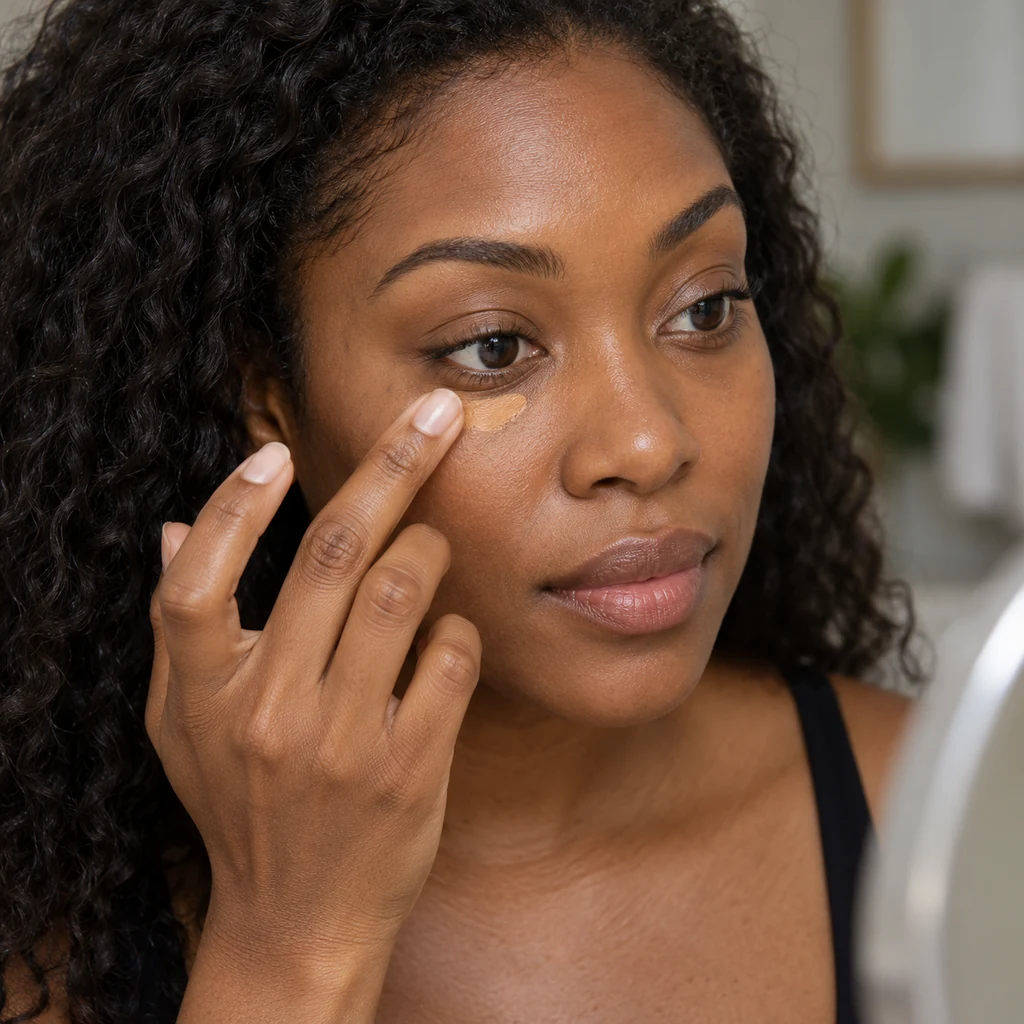
Concealer can brighten an area or soften a spot, but it is not required to erase natural shadows or marks. Put a small dot on the area you want to cover and tap around its edges until it blends into the base. Near the eyes, keep the product out of the eye and avoid pulling at the skin. Choose a shade close to your skin for spots; a slightly brighter shade can be used under the eyes if you like that effect. Check the result in ordinary daylight before adding more. If a product settles into lines, try less rather than applying a thick second layer.
4. Add Color and Light to the Cheeks
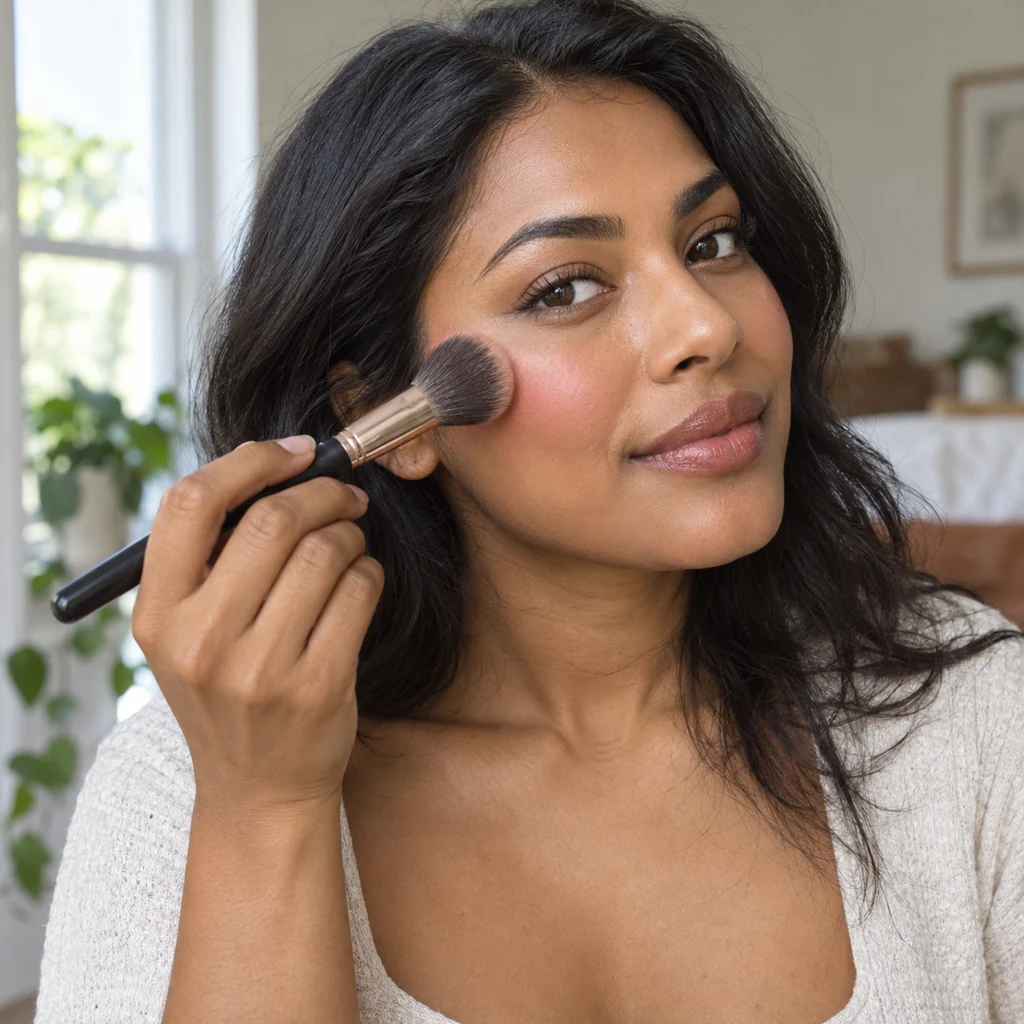
Tap a little blush onto the cheeks and blend toward the outer face. Cream and powder formulas can both work; pick the texture you enjoy using over your chosen base. Bronzer is optional and can add warmth where you naturally prefer it, while a small amount of highlighter on the upper cheek can catch the light. You do not need all three products. Start lightly and view the color from a normal conversational distance, not only close to the mirror. There is no universal blush shade or placement for every face. If you want more finish ideas, see our dewy makeup guide.
5. Keep Eyes and Brows Comfortable
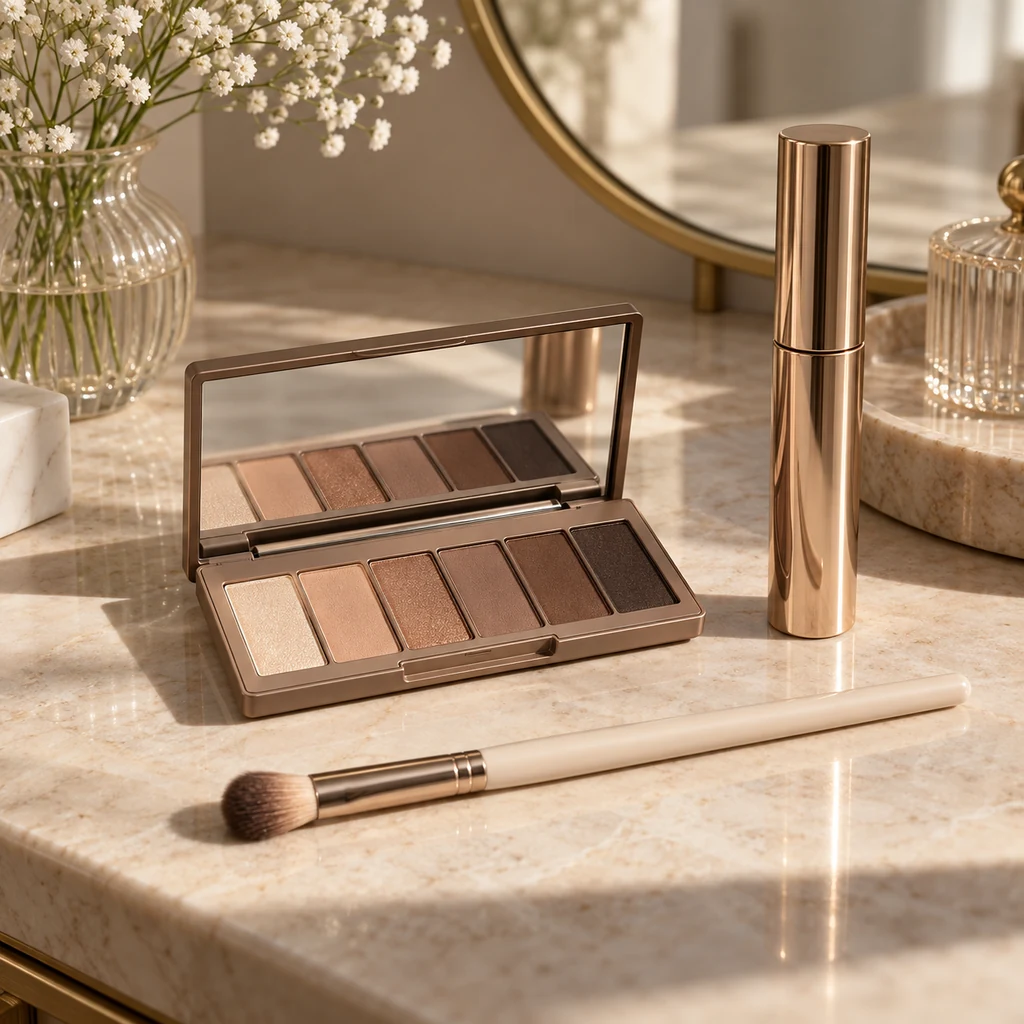
Brush brows into place and fill sparse areas only if you wish. A soft shadow close to your skin tone can add definition; mascara is another optional choice. Use clean tools and do not share eye products. Apply makeup outside the eye and stop if it irritates or makes your eyes water. For a faster routine, choose either shadow or mascara rather than both. The goal is a look you can wear comfortably throughout the day. If you prefer a more playful color combination, our easy eye makeup ideas offer options to adapt to any eye color.
6. Check the Finish and Remove Makeup at Night

Step back from the mirror and check for anything you want to soften: a visible edge of blush, a patch of base, or shine in a place you would rather keep matte. A small amount of powder may be enough; a setting spray is optional and should be used only as its label directs. It cannot replace sunscreen or guarantee makeup will last all day. Keep a clean tissue or sponge for quick adjustments instead of adding repeated layers. Before bed, remove face and eye makeup gently and follow with your usual skincare. The AAD recommends removing makeup before sleep, especially when skin is prone to breakouts.
Adapt the Routine to Your Skin and Time
Try the full sequence once, then decide which steps earn a place in your mornings. On a short day, skin preparation, sunscreen, blush, and a brow brush may be all you want. If a new product causes redness, itching, or swelling, wash it off and stop using it; the AAD explains how to test new skincare and cosmetics. Clean reusable tools regularly and replace products according to their labels. Makeup should feel like a choice, not a daily obligation.
Frequently Asked Questions
Do I need primer for a glowing finish?
No. Moisturizer and a light base may give the finish you like. Add primer only if it solves a problem you notice.
Can I rely on foundation with SPF alone?
Use sunscreen as directed for daytime protection. A small amount of SPF makeup may not provide the labeled protection across the whole face.
How can I make this routine faster?
Keep the steps you enjoy: prep and sunscreen for daytime, then perhaps one complexion or cheek product. Skip the rest.