
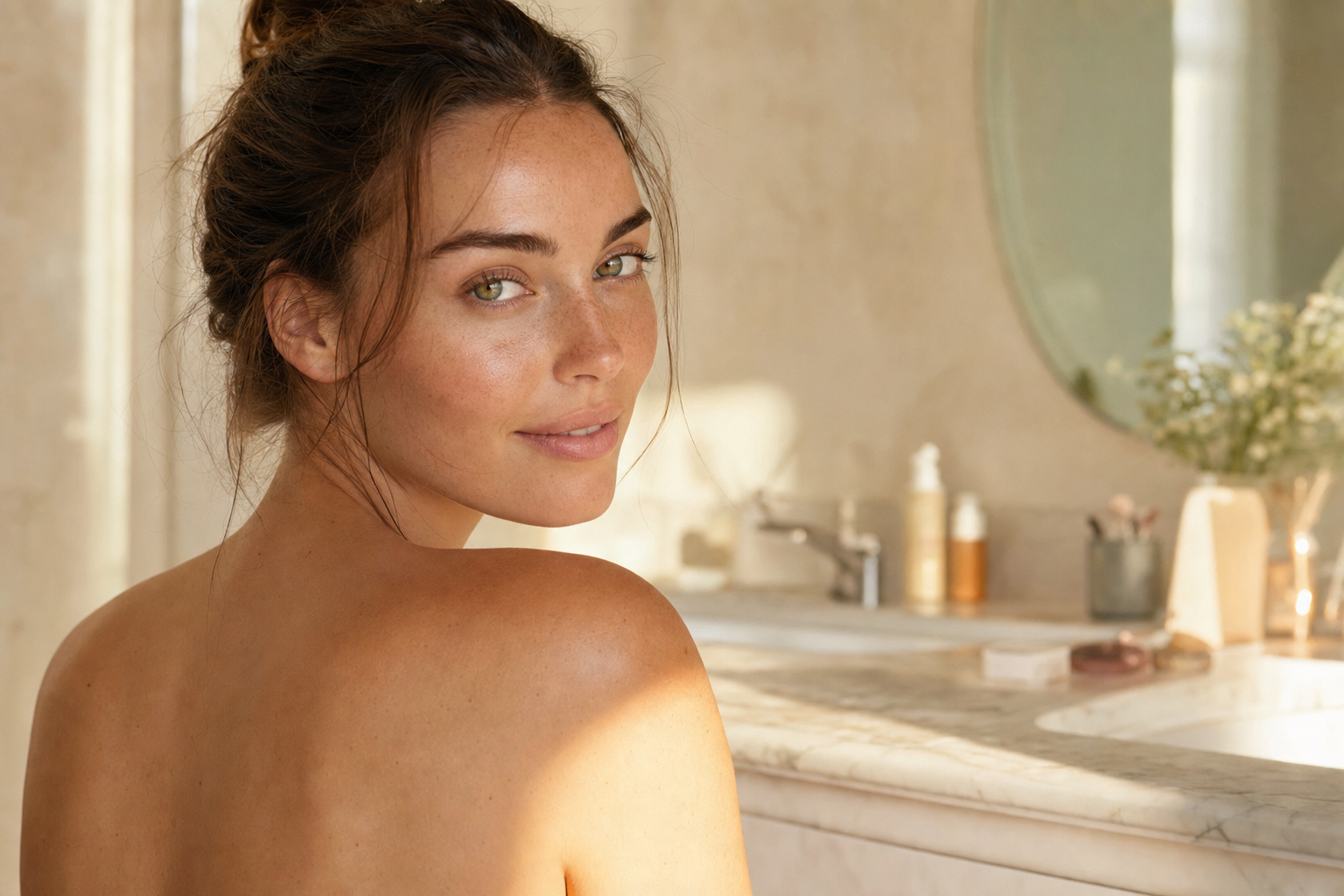
A heat-proof summer makeup routine is less about using more product and more about applying the right products in thin, well-set layers. Hot weather, humidity, sweat, and excess oil can cause heavy foundation to separate, cream products to slide, and eye makeup to transfer. A lighter routine usually looks fresher and lasts longer.
The goal is not to make makeup completely unaffected by heat. Instead, create a comfortable base that fades evenly, control shine only where needed, and carry a small touch-up kit for long days. This guide explains the order of application, product textures to consider, and common mistakes that shorten makeup wear.
Why Summer Makeup Breaks Down
Makeup can separate when skincare, sunscreen, primer, and complexion products form too many thick or incompatible layers. Heat softens waxes and oils, while sweat and natural skin oil disturb products sitting on the surface. Friction from sunglasses, phones, hands, and blotting can also remove makeup.
A successful hot-weather routine reduces unnecessary layers, gives each layer time to settle, and sets only areas that need extra control. If you want color inspiration after mastering the technique, see these summer makeup trends for 2026.
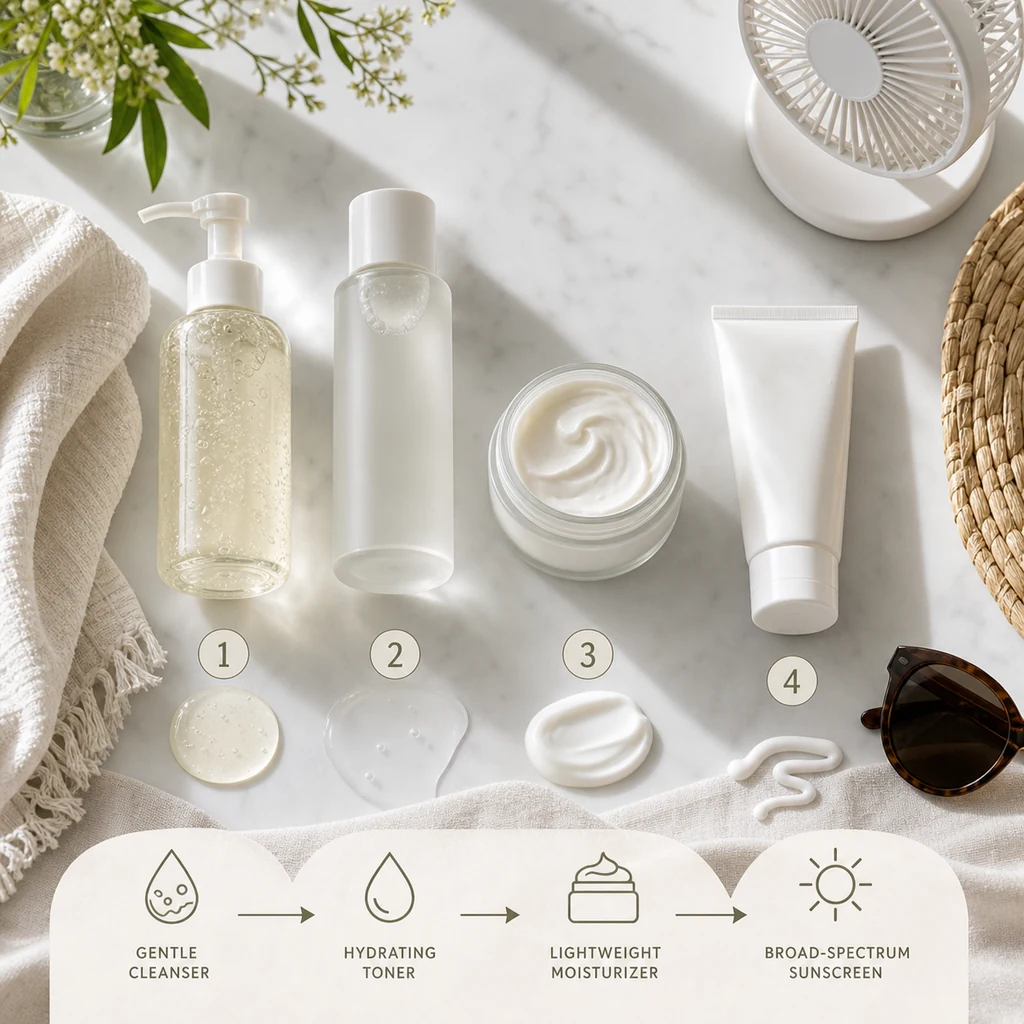
Step 1: Begin With Lightweight Skin Preparation
Start with clean skin and a lightweight moisturizer suitable for your skin type. Heavy creams can be comfortable at night but may make daytime makeup move more quickly in humid weather. Allow moisturizer to absorb before applying sunscreen.
Use a broad-spectrum sunscreen and follow its label directions. Let it form an even layer before continuing with makeup. Makeup containing SPF should not be treated as a replacement for a properly applied sunscreen. For a simple order of application, review these morning skincare steps.
Step 2: Use Primer Only Where It Helps
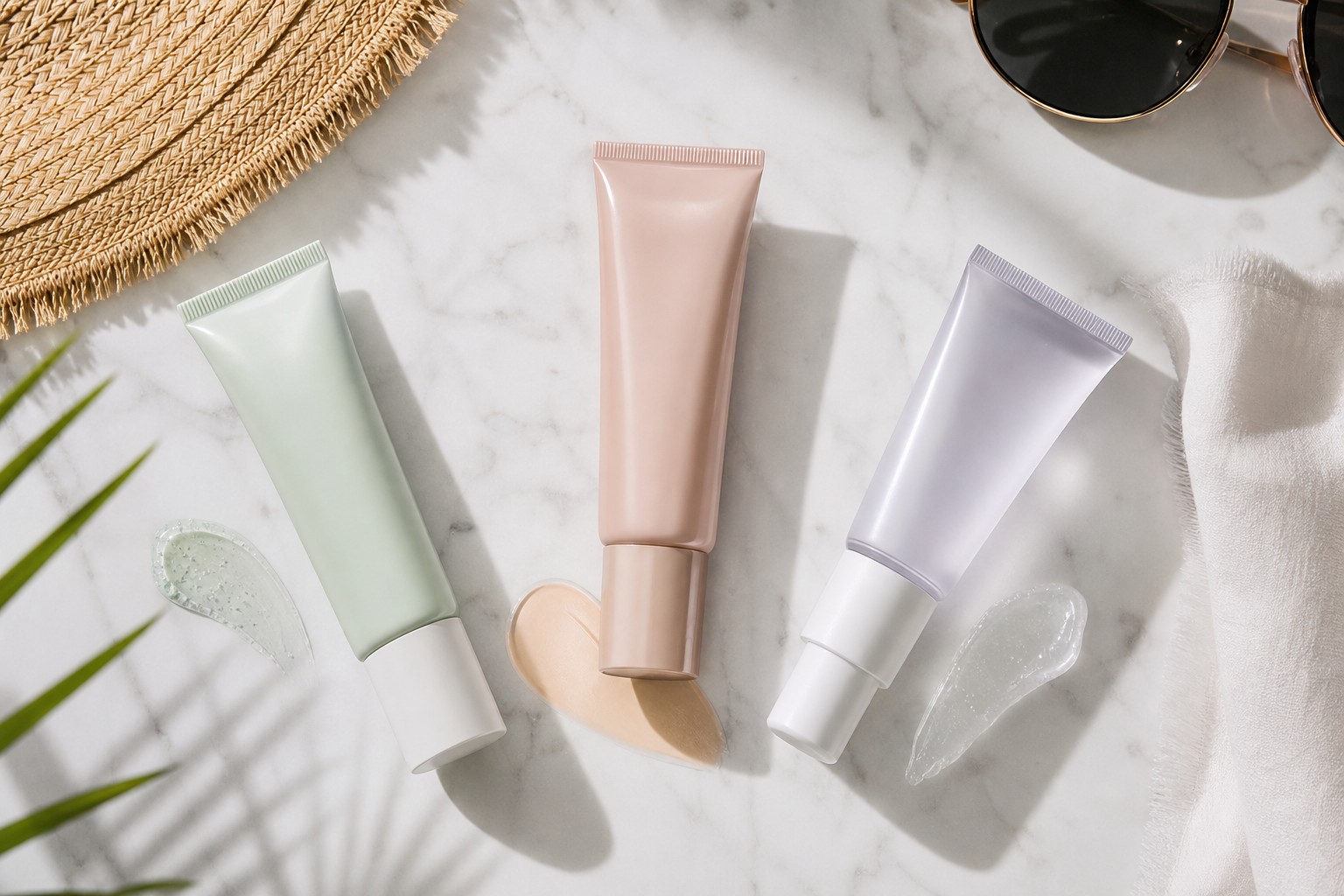
Primer is optional, and applying it across the entire face is not always necessary. Use a small amount of oil-controlling primer through the T-zone if that area becomes shiny. A smoothing primer can be pressed around visible texture, while a gripping primer may help makeup adhere during long days.
Choose primer based on the problem you are trying to solve rather than using several at once. Allow it to settle briefly before adding complexion products. If a primer repeatedly causes pilling, simplify the skincare underneath or test a different product combination.
Step 3: Build a Thin, Flexible Base
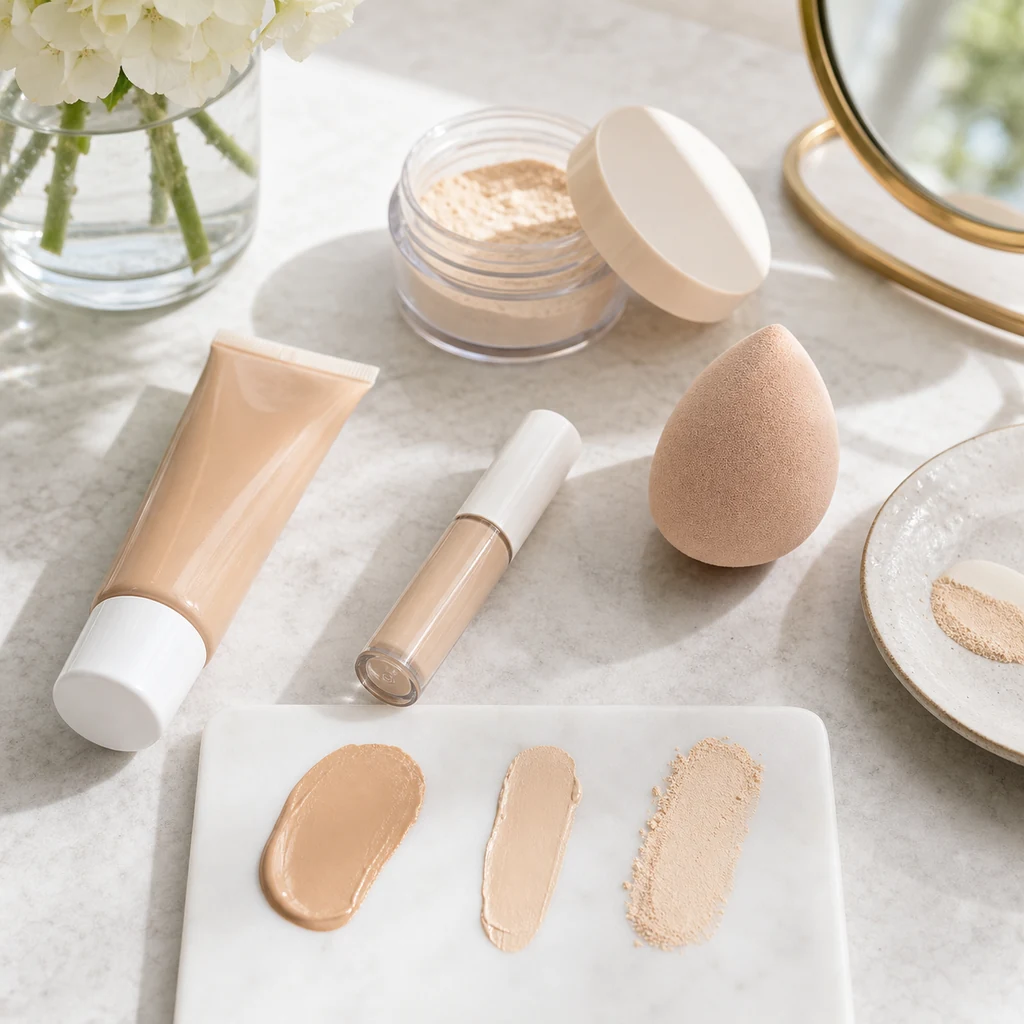
Use a skin tint, lightweight foundation, or small amount of long-wear foundation. Apply a thin layer from the center of the face outward with fingers, a damp sponge, or a brush. Add coverage only where it is needed rather than applying a second full layer.
Use concealer strategically around discoloration or blemishes. Thin layers move less noticeably and are easier to repair than a heavy base. If you prefer to skip foundation, spot-conceal and allow your natural skin texture to remain visible.
Step 4: Choose Long-Wearing Eye, Cheek, and Lip Products
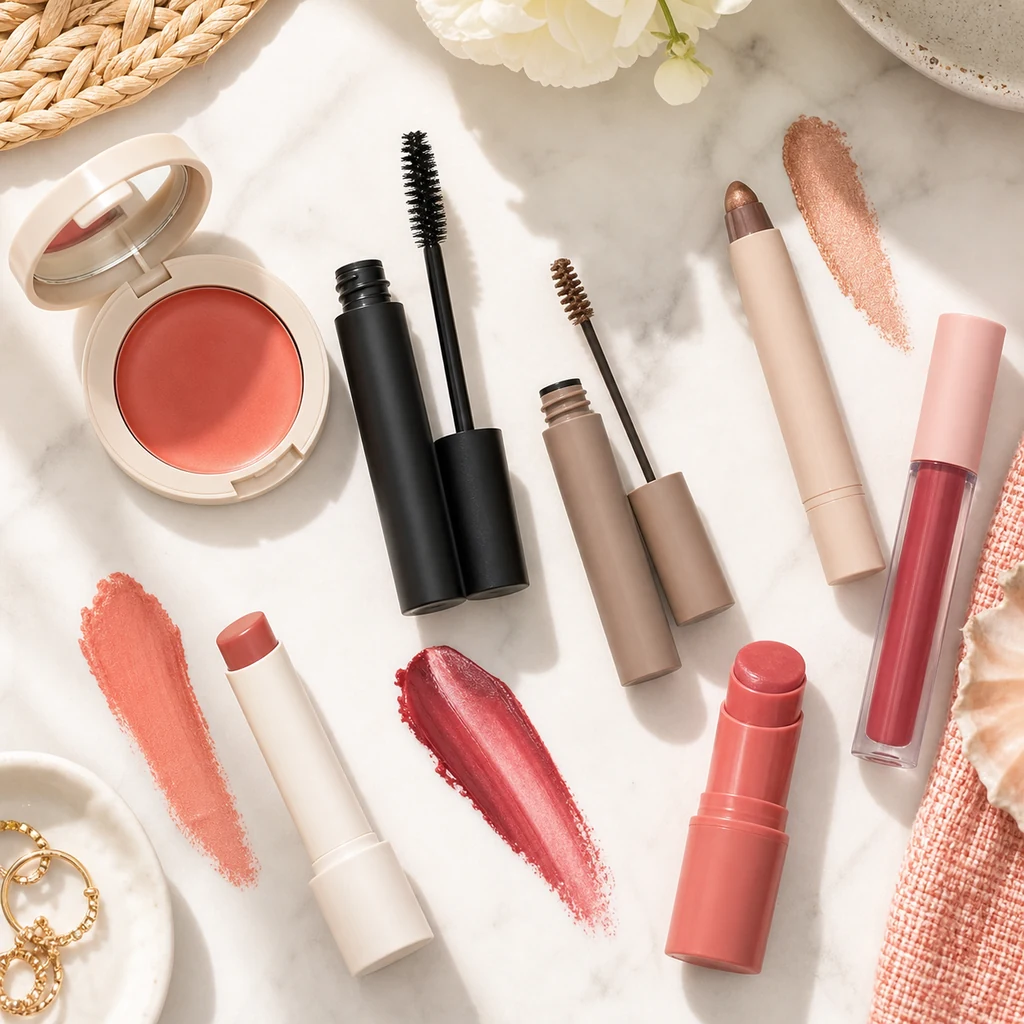
For eyes, consider a long-wear shadow stick or thin layer of eye primer followed by a small amount of powder shadow. Waterproof or water-resistant mascara can reduce smudging, although it should still be removed gently at the end of the day. A brow gel can help keep brow hairs in place.
Cream blush can look natural in summer, but apply it in a thin layer and lightly set it with a coordinating powder blush when extra wear is needed. Lip stains, pencils, and tinted balms tend to fade more evenly than thick glossy layers. Select comfortable products you can reapply without creating buildup.
Step 5: Set Strategically Instead of Powdering Everything
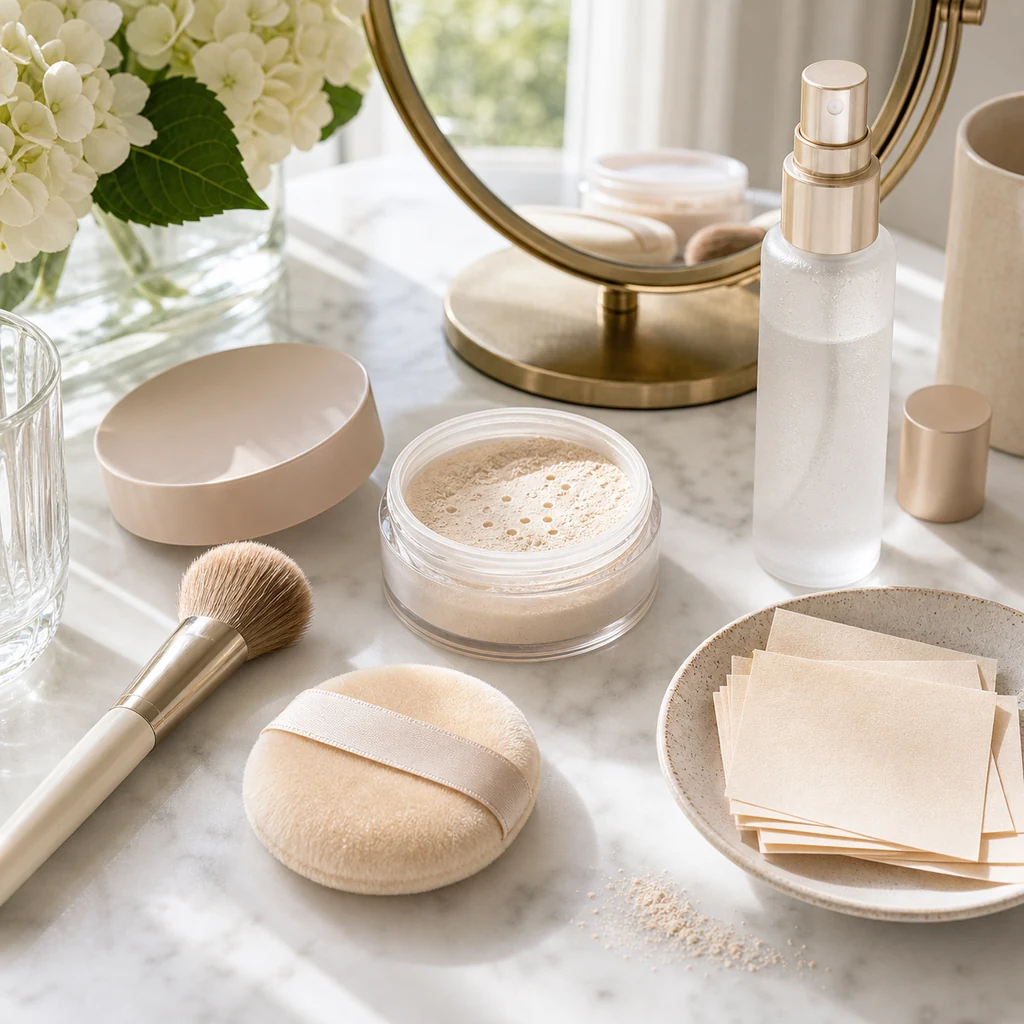
Press a small amount of translucent powder into areas that crease or become shiny, usually the center of the forehead, sides of the nose, under the eyes, and chin. Leave the outer face less powdered if you want to preserve a natural finish.
A powder puff offers targeted control, while a small fluffy brush creates a lighter effect. Avoid adding repeated heavy powder layers throughout the day because powder mixed with oil and sweat can become textured. Finish with setting mist if it works well with your products, then allow the face to dry without touching it.
Step 6: Touch Up Without Adding Heavy Layers
When shine appears, blot first. Press blotting paper or a clean tissue gently against the skin instead of rubbing. After removing excess oil or moisture, add a very small amount of powder only if necessary.
For areas where makeup has worn away, use a clean sponge or fingertip to smooth the remaining product before applying a tiny amount of concealer. Refresh lip color and brows rather than rebuilding the full face. Touch-ups should restore the routine, not double its weight.
Adjust the Routine for Your Skin Type
Oily or Combination Skin
Keep moisturizing layers lightweight, use oil-control primer only where needed, and press powder into the T-zone. Blot before repowdering. Avoid removing every trace of natural sheen because repeatedly adding powder can emphasize texture.
Dry or Dehydrated Skin
Focus on comfortable hydration and use less powder. Choose flexible complexion products and set only areas that crease. A hydrating mist may improve comfort, but test it with the full routine to confirm it does not shorten wear.
Sensitive or Acne-Prone Skin
Introduce new products one at a time and stop using anything that causes irritation. Keep brushes, sponges, hands, and touch-up tools clean. Avoid relying on makeup to cover a reaction that needs time or professional care.
Common Summer Makeup Mistakes
- Applying too many skincare layers: Excess product beneath makeup can increase slipping and pilling.
- Rushing between layers: Give moisturizer, sunscreen, and primer time to settle.
- Using heavy foundation everywhere: Thin targeted coverage usually wears more gracefully.
- Powdering the entire face repeatedly: Blot first, then powder only where needed.
- Skipping product testing: Wear the routine before an important event to identify separation or transfer.
- Touching or rubbing the face: Friction removes even long-wearing makeup.
- Ignoring clean tools: Dirty brushes and sponges can affect application and skin comfort.
What to Carry in a Summer Touch-Up Kit
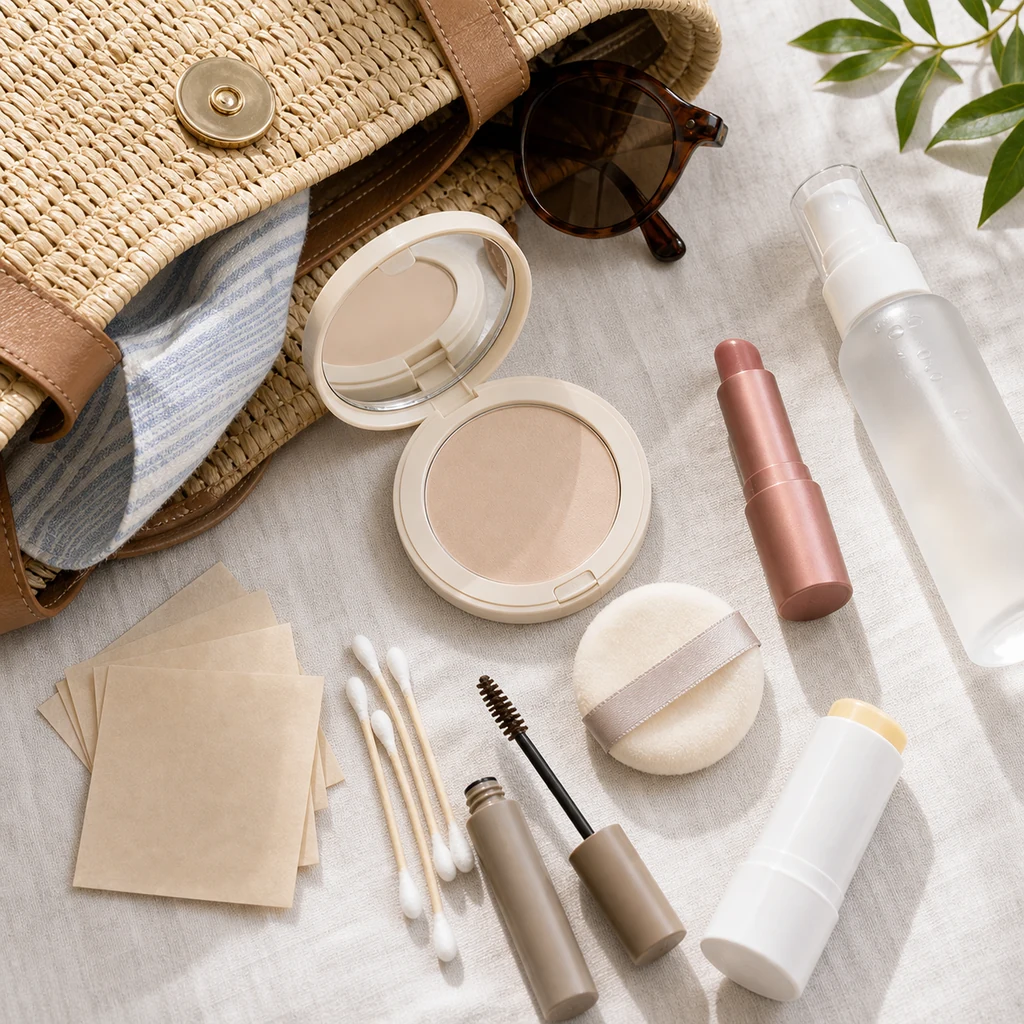
- Blotting papers or clean tissues
- Small pressed powder and compact puff
- Concealer for targeted repair
- Tinted lip balm, lip stain, or lip pencil
- Brow gel
- Cotton swabs
- Small clean sponge
- Your chosen sunscreen reapplication product, used according to its label
Keep the kit compact so products are easy to find and use. Avoid leaving cosmetics in a very hot car, where extreme temperatures may affect texture and packaging.
Heat-Proof Summer Makeup Checklist
- Cleanse and apply lightweight moisturizer.
- Apply broad-spectrum sunscreen according to its label.
- Allow skincare and sunscreen to settle.
- Use primer only where it solves a specific problem.
- Apply complexion products in thin targeted layers.
- Choose comfortable long-wearing eye and lip products.
- Set crease-prone and oily areas strategically.
- Let setting mist dry without touching the face.
- Blot before adding powder during touch-ups.
- Clean makeup tools regularly.
Frequently Asked Questions
How can I stop makeup from separating in hot weather?
Reduce the number and thickness of layers, allow skincare to settle, use targeted primer, apply a thin base, and set only areas that become oily or crease. Test the complete product combination before a long day.
Should I use powder or setting spray for summer makeup?
They serve different purposes and may be used together. Powder controls shine and sets specific areas, while setting spray can help the layers look more cohesive. Product performance varies, so test the combination on your skin.
How do I touch up makeup after sweating?
Gently blot moisture without rubbing, smooth any visible edges, and add only a small amount of concealer or powder where needed. Rebuilding heavy layers over sweat usually creates texture.
Is waterproof makeup necessary in summer?
Not for every product. Waterproof or water-resistant mascara and eyeliner can reduce smudging, but lightweight long-wear formulas may be enough elsewhere. Choose products based on comfort, removal, and your plans.
Does makeup with SPF replace sunscreen?
No. Use a broad-spectrum sunscreen as directed on its label before makeup. Makeup with SPF may provide supplemental coverage but should not replace a properly applied sunscreen.
What makeup products hold up best in humid summer weather?
Lightweight long-wear complexion products, thin cream or powder blush, water-resistant mascara, and lip stains or pencils usually fade more evenly than heavy full-coverage foundation or thick glossy lip products. Test your full combination on a warm day before relying on it for a long event.
A Summer Routine Built to Fade Gracefully
The most reliable heat-proof summer makeup routine begins with comfortable skin preparation and stays light from the first layer to the final touch-up. Apply only the coverage you need, set strategically, and blot before adding more product. The result is makeup that feels fresher in hot weather and remains easier to maintain throughout the day.