
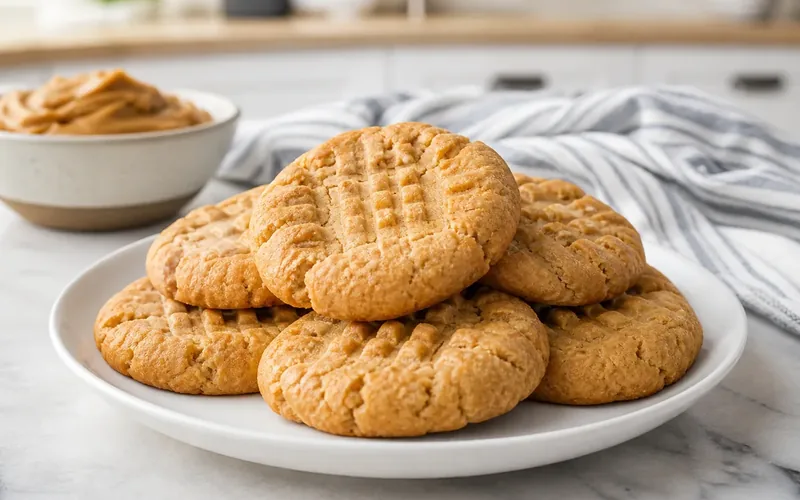
These three-ingredient keto peanut butter cookies mix in one bowl and bake with soft centers, golden edges, and classic fork marks.
RECIPE CARD
3-Ingredient Keto Peanut Butter Cookies
Timing and serving details are shown only when they are available in the original recipe.
Ingredients
- Prep: 8 minutes
- Chill: 15 minutes
- Bake: 9 to 11 minutes
- Temperature: 350 degrees F
- Yield: 12 cookies
Quick Method
Condensed overview. Use Full Instructions for the complete method, timing and doneness details.
- Heat the oven to 350 degrees F.
- Line a metal sheet pan with parchment paper.
- Stir peanut butter, egg, and sweetener for 60 seconds until smooth.Mix until the egg is completely incorporated and the dough is uniform.
- Chill the dough for 15 minutes.
- Divide into 12 equal balls, about 1 tablespoon each.
- Place portions 2 inches apart.
- Flatten each ball with a fork in a crosshatch pattern.Equal portions and thickness help every cookie bake evenly.
- Bake for 9 to 11 minutes until the edges are set.
- Cool on the pan for 10 minutes before moving.
Keto Peanut Butter Cookies With 3 Ingredients
Natural peanut butter, one egg, and a sugar-free sweetener create a flourless dough. A short chill makes portioning cleaner and limits spreading.
- Prep: 8 minutes
- Chill: 15 minutes
- Bake: 9 to 11 minutes
- Temperature: 350 degrees F
- Yield: 12 cookies
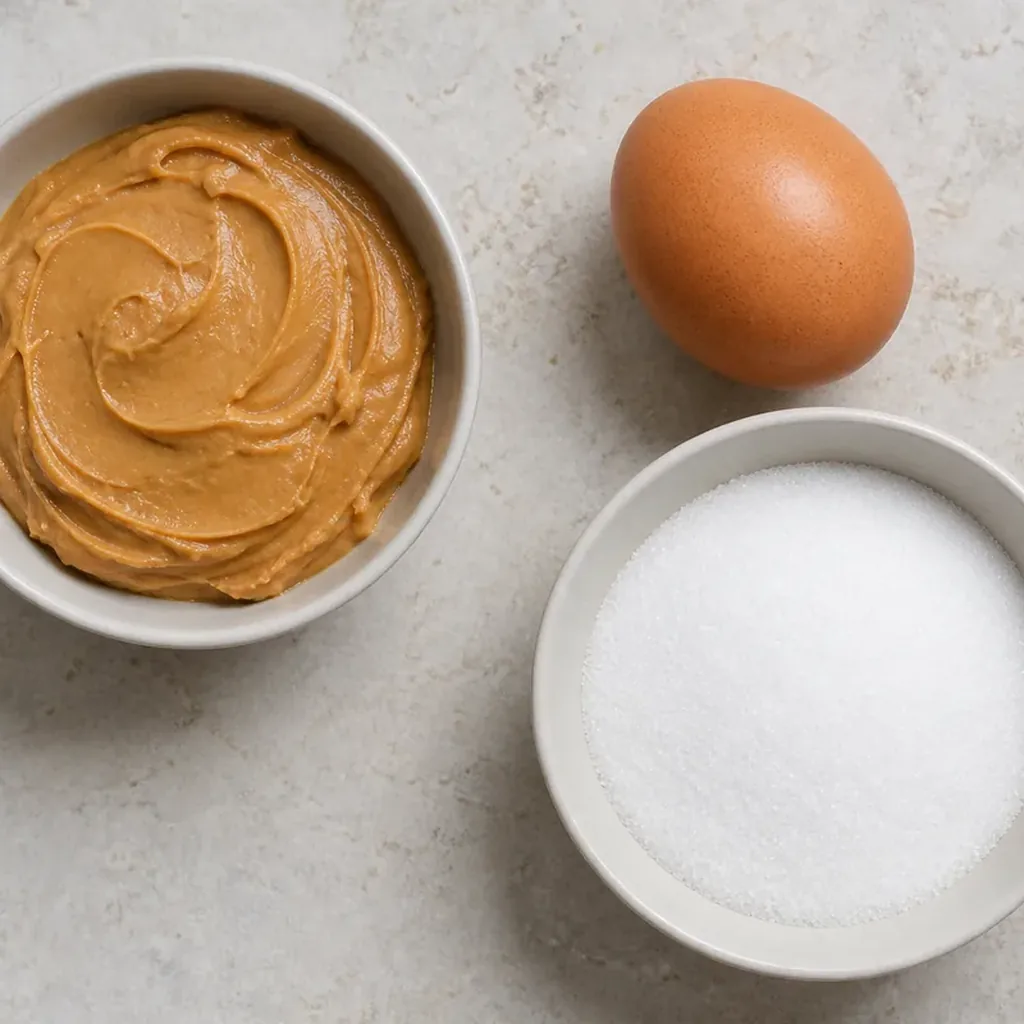
Three Ingredients
- 1 cup smooth natural unsweetened peanut butter, 9 oz
- 1 large egg, room temperature
- 1/3 cup granulated monk-fruit erythritol sweetener
How to Make Keto Peanut Butter Cookies
- Heat the oven to 350 degrees F.
- Line a metal sheet pan with parchment paper.
- Stir peanut butter, egg, and sweetener for 60 seconds until smooth.
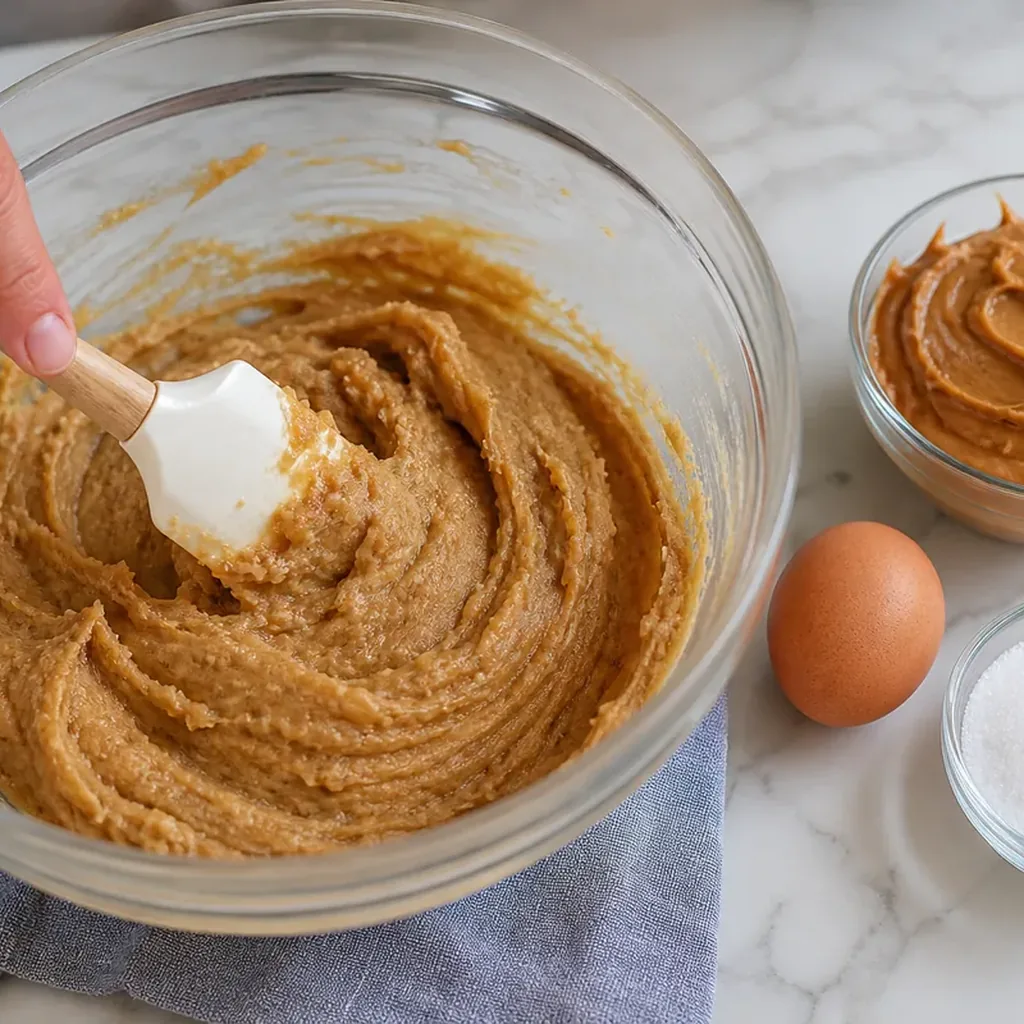
Mix until the egg is completely incorporated and the dough is uniform. - Chill the dough for 15 minutes.
- Divide into 12 equal balls, about 1 tablespoon each.
- Place portions 2 inches apart.
- Flatten each ball with a fork in a crosshatch pattern.
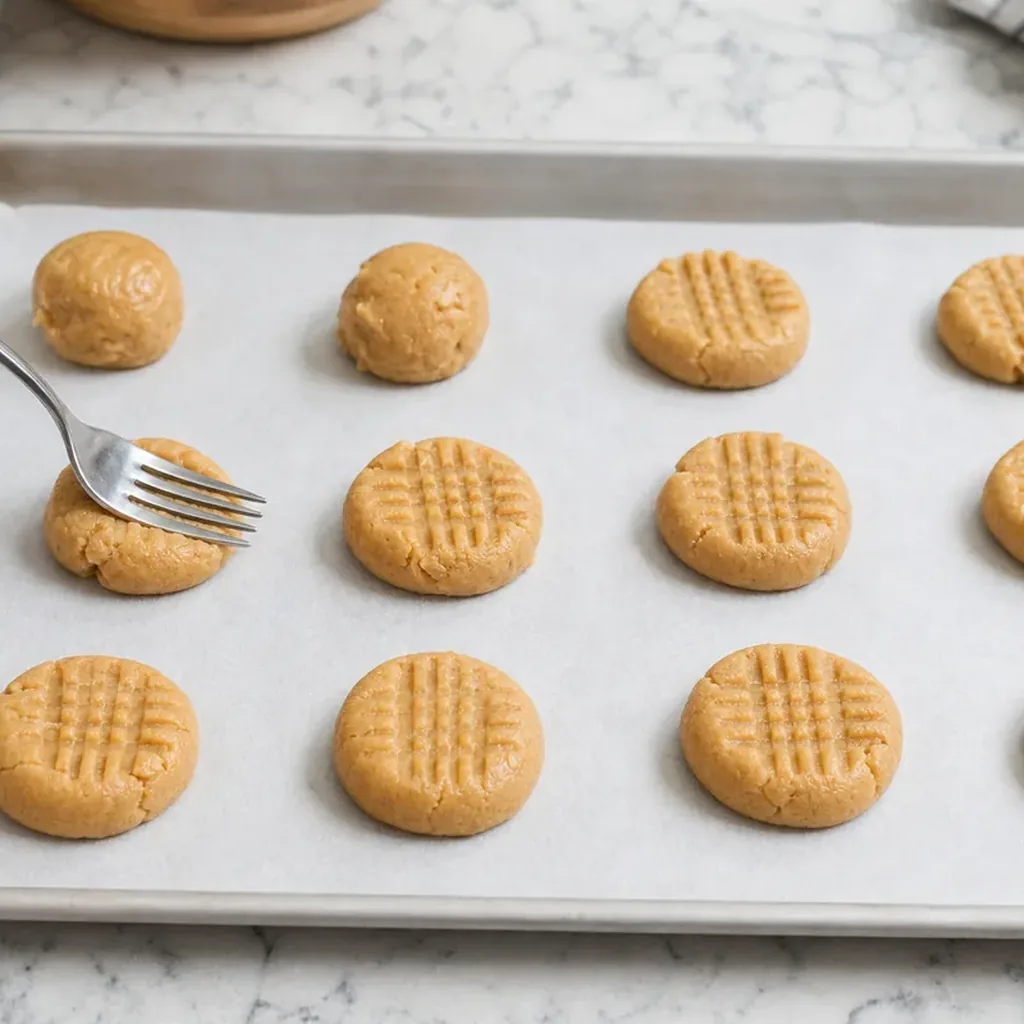
Equal portions and thickness help every cookie bake evenly. - Bake for 9 to 11 minutes until the edges are set.
- Cool on the pan for 10 minutes before moving.
Portioning and Baking Tips
- Chill sticky dough for 5 additional minutes.
- Wipe the fork between cookies if dough clings.
- Do not overbake; the centers firm while cooling.
- Allow complete cooling before stacking.
Storage
For safe handling and storage, follow the FDA food-allergy guidance, including prompt refrigeration and clean utensils.
- Store cooled cookies in a sealed container for up to 4 days.
- Refrigerate for up to 7 days.
- Freeze baked cookies for up to 2 months.
- Thaw at room temperature for 30 minutes.
Try these with almond flour cookies, keto cheese crisps, or Greek yogurt breakfast bowl.
Food-Safety and Allergen Checks
Peanuts and eggs are major allergens. Read every sweetener and peanut-butter label, prevent cross-contact with clean equipment, and never serve these cookies to someone with either allergy.
Reliable Three-Ingredient Cookie Texture
Natural peanut butter varies in oil content. Stir the jar thoroughly before measuring so every portion receives the same balance of peanut solids and oil.
The dough should be soft but hold a ball after chilling. If it looks oily, chill five minutes longer rather than adding an unlisted fourth ingredient.
Let the cookies cool completely on the pan. Their centers remain fragile while hot and become firm enough to lift as they return to room temperature.
Measure and Cool Consistently
Use a level tablespoon for every portion and keep two inches between cookies. Begin checking at nine minutes because dark pans can brown the bottoms faster.
Move the entire pan to a cooling rack after baking. Transfer individual cookies only after ten minutes, when their edges and centers can support the move.
Keto Peanut Butter Cookies FAQ
Why did my cookies spread?
The peanut butter may be unusually runny or the dough may need a longer chill.
Can I use powdered peanut butter?
No. Powdered peanut butter has different fat and moisture levels and cannot replace natural peanut butter directly.
Texture Notes That Make These Cookies More Reliable
The main challenge with three-ingredient keto peanut butter cookies is not the ingredient list. It is texture control. Peanut butter brands vary a lot: some are thick and dry, while others are glossy and loose from separated oil. That difference changes how the dough behaves before it ever reaches the oven.
If the dough feels too soft to scoop, chill it for 10 to 15 minutes instead of adding a large amount of extra sweetener or flour. Chilling helps the fat firm up, keeps the cookie shape neater, and makes the fork marks easier to press without sticking.
If the dough feels crumbly, mix it a little longer before changing the recipe. The egg needs time to fully hydrate the peanut butter. After another 30 seconds of stirring, the mixture often becomes smoother and easier to shape.
How to Know When They Are Done
Keto cookies can look underbaked when they are actually ready, because they do not brown exactly like classic sugar cookies. Look for set edges, a lightly matte surface, and bottoms that lift from the parchment without smearing. The centers should still feel slightly soft when you remove the tray.
Let the cookies rest on the baking sheet for at least 10 minutes. This cooling time is part of the recipe. Moving them too early can make them break, especially if you use natural peanut butter or a granular low-carb sweetener.
Best Sweetener and Peanut Butter Choices
A powdered low-carb sweetener gives the smoothest bite. Granular sweeteners work, but they can leave a slightly sandy texture if the crystals are coarse. For a cleaner finish, use a sweetener blend that is labeled for baking and measure it level, not heaped.
Choose unsweetened creamy peanut butter with only peanuts and salt if possible. If your peanut butter contains added sugar, honey, or palm oil, the cookies may spread differently and the carb count will change. Stir natural peanut butter very well before measuring so the oil and solids are evenly combined.
Storage and Make-Ahead Tips
Store the cooled cookies in an airtight container at room temperature for 2 days, or refrigerate them for a firmer texture. For longer storage, freeze the baked cookies in a single layer, then move them to a freezer bag once solid.
You can also freeze the dough balls before baking. Press the fork marks before freezing, then bake from frozen and add 1 to 2 extra minutes as needed. This makes the recipe useful for small batches when you only want one or two cookies at a time.
Common Fixes
Cookies spread too much: chill the dough, check that the peanut butter was not overly oily, and avoid placing dough on a warm baking sheet.
Cookies taste dry: shorten the bake time slightly and let them finish setting on the tray. Overbaking is the most common cause of a dry keto cookie.
Cookies crumble after cooling: use a large egg, mix until fully combined, and let the cookies cool completely before stacking.