
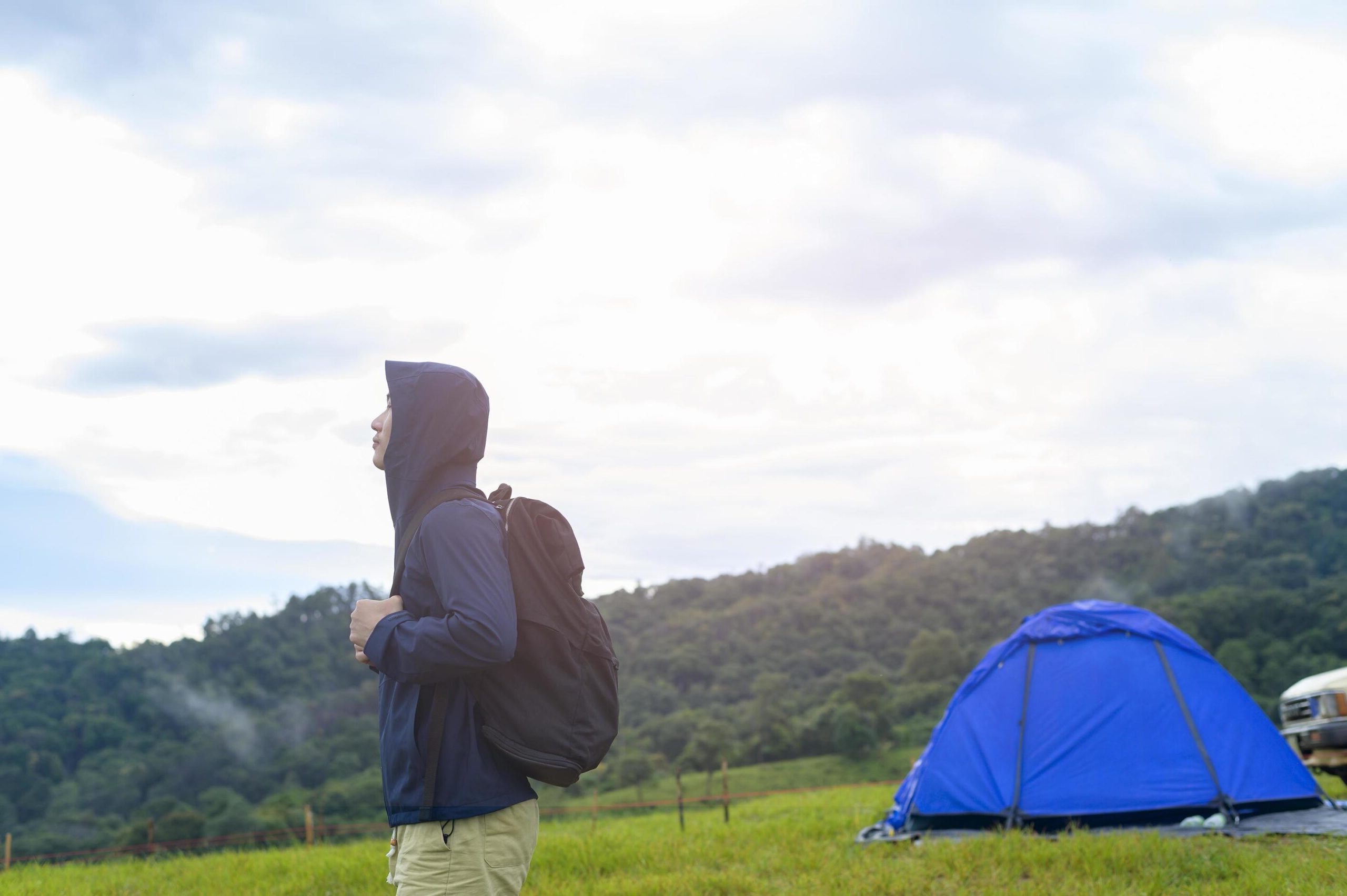
Camping in a tropical climate can be unforgettable: warm nights, dense green landscapes, dramatic rain showers, coastal breezes, and wildlife you will not see on a typical temperate-weather trip. It also asks for smarter preparation. Heat, humidity, insects, sudden rain, wet ground, and food storage all matter more when you are camping in the tropics.
This guide explains how to enjoy tropical wilderness camping with practical gear choices, campsite setup tips, rain planning, wildlife awareness, meal ideas, and a simple checklist you can use before leaving home.
What Makes Tropical Camping Different?
Tropical camping is not just regular camping in warmer weather. Moisture changes almost everything: how you sleep, how you pack, how you cook, and how you protect your gear. Clothing dries more slowly, storms can arrive quickly, insects are more active, and food spoils faster in heat.
The main challenges to plan for
- High humidity: Sweat evaporates slowly, so overheating can happen even in shade.
- Frequent rain: Short storms can soak gear if camp is not prepared.
- Wet ground: Campsites may flood or become muddy after heavy rain.
- Insects: Mosquitoes, ants, and other biting insects are common in many tropical areas.
- Fast food spoilage: Heat makes safe food storage more important.
- Delicate ecosystems: Trails, plants, coral areas, rivers, and wildlife need extra respect.
The goal is to stay cool, dry, organized, and low-impact. If you plan for water and humidity first, the rest of the trip becomes much easier.
Choose the Right Campsite
A good campsite is the foundation of a comfortable tropical camping trip. Before setting up, look for natural drainage, airflow, shade, and distance from hazards.
Look for these campsite features
- Slightly raised ground that will not collect water after rain.
- Enough tree cover for shade, but no dead branches overhead.
- Good airflow to reduce trapped heat and condensation.
- Distance from riverbanks, steep slopes, and low muddy areas.
- Enough space to separate sleeping, cooking, and food storage zones.
Avoid camping in dry stream beds, low basins, or places that show signs of recent flooding. In tropical regions, a short storm upstream can change water levels quickly.
Gear Essentials for Tropical Climates
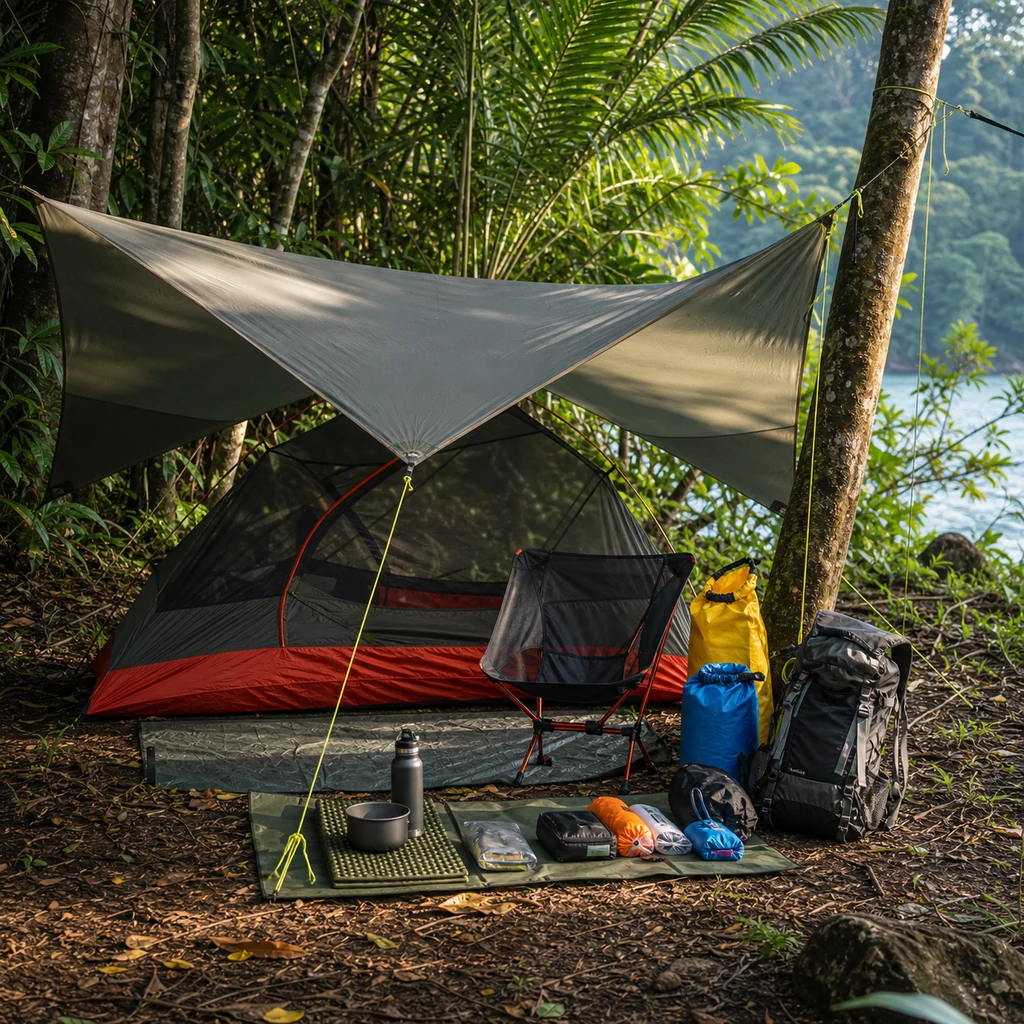
Your tropical camping gear should be lightweight, breathable, waterproof where needed, and easy to dry. Heavy cotton, poorly ventilated tents, and unprotected bags can make the trip uncomfortable fast.
Shelter and sleep setup
- Ventilated tent: Choose a tent with mesh panels and a reliable rainfly.
- Tarp or canopy: A tarp gives you a dry outdoor area for cooking, packing, and relaxing.
- Groundsheet: Use a footprint or groundsheet to protect the tent floor from wet soil.
- Light sleep system: A warm sleeping bag may be too much; a liner or lightweight quilt can be better.
- Mosquito protection: Bring netting, check tent zippers, and repair holes before the trip.
Clothing that works in heat and humidity
- Quick-drying shirts and shorts or pants.
- Lightweight long sleeves for sun and insect protection.
- Breathable rain shell or poncho.
- Wide-brim hat or cap with neck coverage.
- Dry socks stored in a waterproof bag.
- Camp sandals plus trail shoes or boots suitable for wet paths.
Pack clothing in dry bags or waterproof stuff sacks. Even inside a backpack, humidity and rain can find their way into fabric.
Plan for Rain Before It Starts
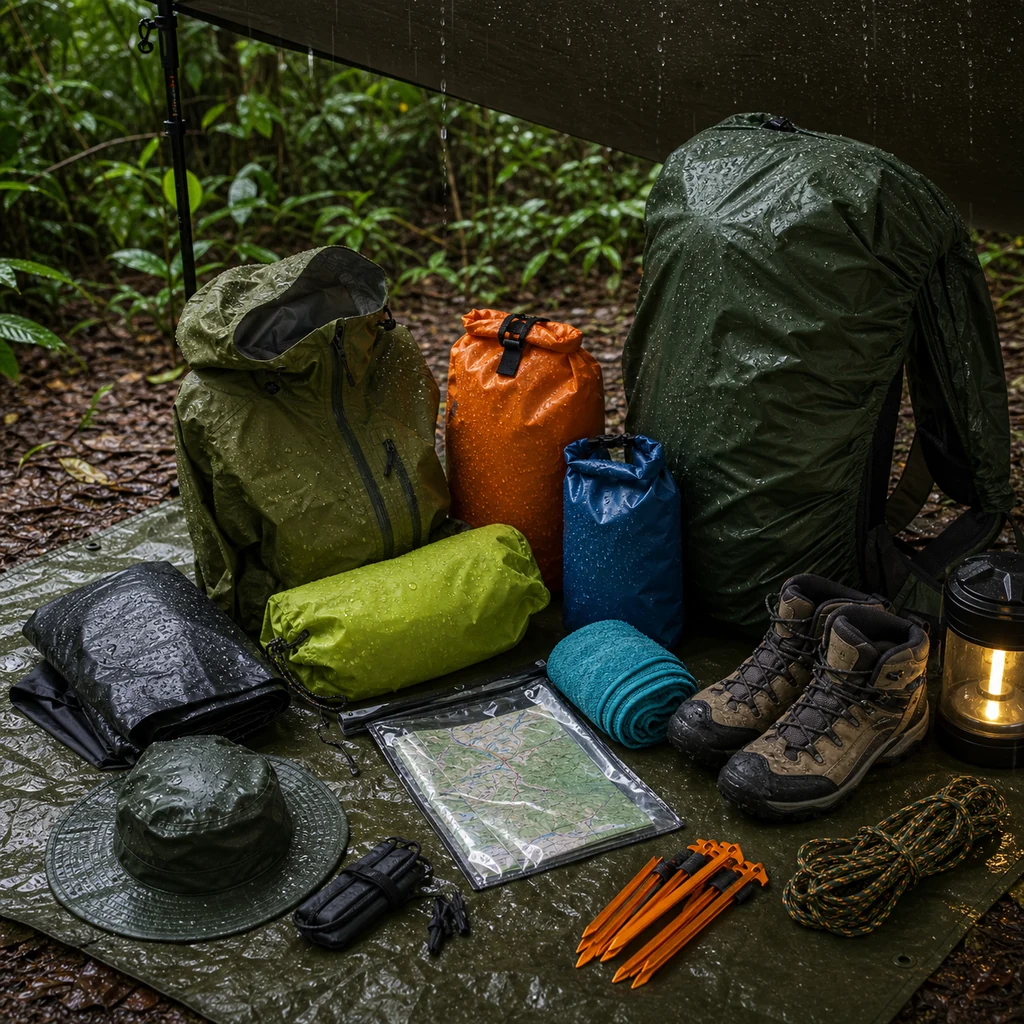
Tropical rain can be intense and sudden. The best time to prepare is when the sky is still clear. Set up the tarp first, then organize the tent and gear under cover.
Rain-smart campsite setup
- Pitch the tarp at an angle so water runs away from the tent.
- Keep gear off the ground on a camp chair, log, table, or inside dry bags.
- Check that tent edges are not touching the rainfly, which can transfer moisture inside.
- Digging trenches is usually discouraged; instead, choose naturally draining ground.
- Keep one dry outfit sealed for sleeping.
If lightning, strong winds, flash flooding, or dangerous storm conditions appear, prioritize safety over comfort. Move away from exposed ridges, isolated tall trees, flood-prone areas, and water crossings.
Manage Heat, Humidity, and Hydration
Heat management is one of the biggest parts of camping in tropical climates. You may not feel how much fluid you are losing because sweat does not dry quickly in humid air.
How to stay comfortable
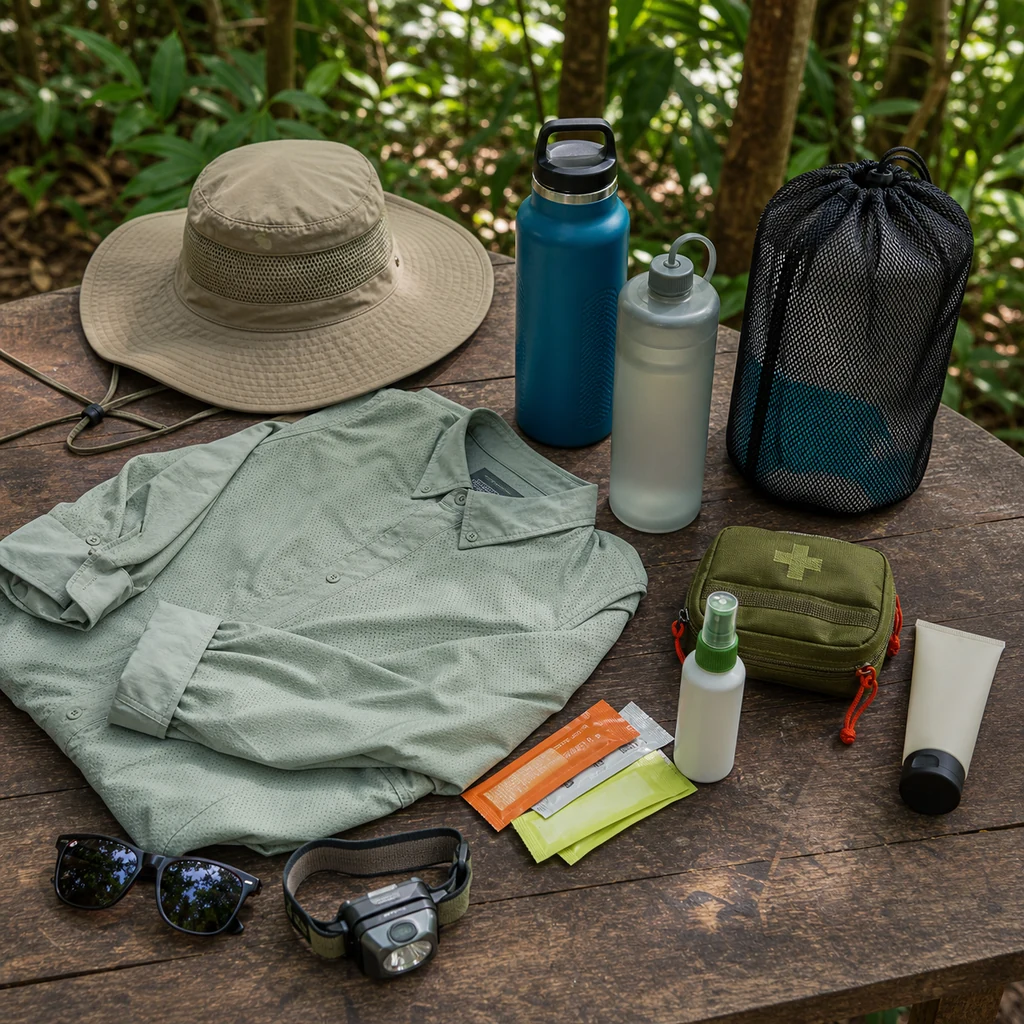
- Hike early in the morning or later in the afternoon when possible.
- Rest in shade during the hottest part of the day.
- Drink regularly instead of waiting until you feel very thirsty.
- Use electrolytes when sweating heavily or hiking for long periods.
- Wear breathable clothing that protects skin from sun and insects.
- Ventilate the tent before sleeping to reduce condensation.
Watch for heat stress signs such as dizziness, confusion, headache, nausea, unusual fatigue, or stopping sweating in hot conditions. If symptoms appear, cool down, rest, hydrate, and seek help if needed.
Protect Yourself From Insects and Wildlife
Insects are part of many tropical ecosystems, but you can reduce bites with good habits. Keep your sleeping area sealed, avoid leaving food out, and use repellent according to its label directions.
Insect protection tips
- Keep tent doors zipped at all times.
- Use mosquito netting if sleeping in an open shelter.
- Wear light long sleeves and pants at dawn and dusk.
- Shake out shoes, clothing, and towels before using them.
- Store scented items and food away from the tent.
Wildlife awareness
Do not feed wildlife, approach animals, or leave scraps around camp. Many problems begin when animals learn that campsites contain food. Keep a clean cooking area, pack out waste, and follow local food storage rules.
Cook and Store Food Safely
Food spoils faster in heat, and strong smells can attract insects or wildlife. Keep meals simple, sealed, and easy to clean up.
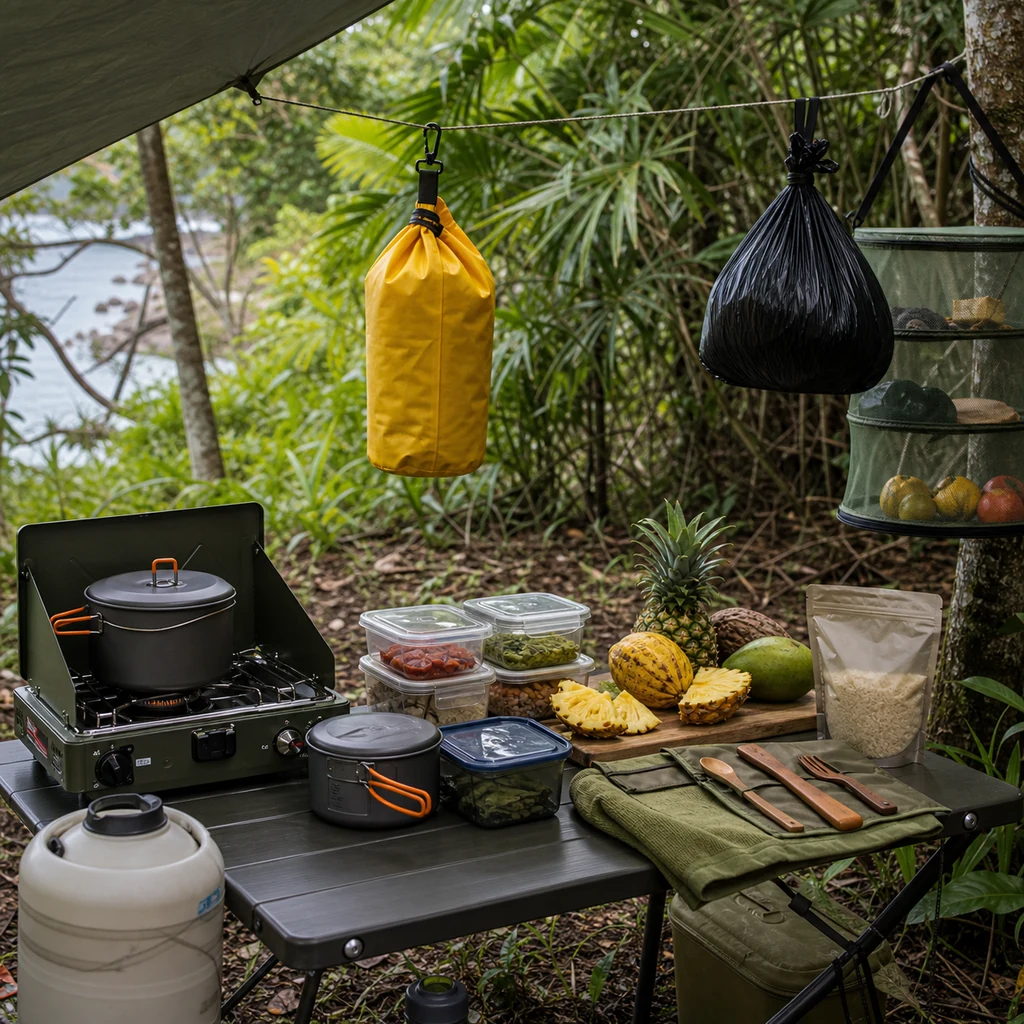
Good meal choices for tropical camping
- No-cook wraps with shelf-stable fillings.
- Rice, noodles, oats, or couscous that cook quickly.
- Dried fruit, nuts, crackers, and sealed snack portions.
- Fresh fruit that travels well, eaten early in the trip.
- Simple one-pot meals to reduce cleanup.
Food storage habits
- Store food in sealed containers or dry bags.
- Keep food and trash away from the sleeping area.
- Clean cookware immediately after meals.
- Pack out food scraps, peels, wrappers, and used wipes.
- Follow local rules for hanging food or using wildlife-resistant storage.
A clean camp is more comfortable, safer for campers, and better for wildlife.
Respect the Tropical Environment
Tropical places can be incredibly biodiverse and fragile. Small choices, such as where you step or how you wash dishes, can make a real difference.
Low-impact camping practices
- Stay on established trails and campsites when available.
- Do not cut plants, remove coral, collect shells where prohibited, or disturb nests.
- Wash dishes and yourself away from streams, lakes, and beaches.
- Use biodegradable soap only where appropriate and still keep it away from waterways.
- Pack out all trash, including small plastic pieces and food waste.
- Keep noise low so wildlife and other campers are not disturbed.
Tropical Camping Packing Checklist
Use this checklist as a starting point and adjust it for your destination, season, and local rules.
- Ventilated tent with rainfly
- Tarp, cord, stakes, and groundsheet
- Dry bags or waterproof stuff sacks
- Lightweight sleep liner or warm-weather quilt
- Mosquito netting or repaired tent mesh
- Quick-dry clothing and sealed dry sleep outfit
- Rain jacket or poncho
- Wide-brim hat and sun protection
- Insect repellent and basic first-aid kit
- Water bottles or hydration bladder
- Water filter or purification method appropriate for the area
- Portable stove, fuel, lighter, and simple cookware
- Sealed food containers and trash bags
- Headlamp, spare batteries, and backup light
- Map, offline navigation, and emergency contact plan
Common Mistakes to Avoid
Choosing the lowest, flattest spot
Flat ground is tempting, but low ground can flood. Look for slightly raised ground with natural drainage.
Packing heavy cotton clothing
Cotton holds moisture and dries slowly in humid weather. Quick-dry fabrics are usually more comfortable for tropical camping.
Leaving gear outside overnight
Even if it does not rain, dew and humidity can soak exposed gear. Store important items in dry bags or under a tarp.
Cooking too close to the tent
Keep cooking smells, food, and trash away from the sleeping area. This helps reduce insects and wildlife visits.
Underestimating short storms
A quick tropical shower can still soak clothing, bedding, and electronics. Waterproof organization matters from the moment you arrive.
FAQ
What is the best tent for tropical camping?
Choose a tent with strong ventilation, reliable mesh, a waterproof rainfly, and enough space to avoid brushing against wet walls. A separate tarp is also useful for creating a dry living area.
How do you keep a tent dry in tropical rain?
Pitch it on raised, draining ground, use a groundsheet, tension the rainfly properly, avoid touching tent walls from inside, and set up a tarp so water runs away from the sleeping area.
What should I wear camping in a tropical climate?
Wear quick-drying, breathable clothing. Lightweight long sleeves and pants help with sun and insect protection, while dry socks and a sealed sleep outfit make nights more comfortable.
How do I keep bugs away while camping?
Keep the tent zipped, use netting where needed, wear protective clothing at dawn and dusk, store food properly, clean up after meals, and use insect repellent according to the label.
Is it safe to camp during tropical rainy season?
It depends on the destination, local weather patterns, campsite conditions, and storm risk. Check forecasts, ask local authorities or park staff, avoid flood-prone areas, and have a plan to leave if conditions become unsafe.
Final Thoughts
Tropical camping is rewarding when you respect the climate instead of fighting it. Plan for rain, heat, insects, food safety, and environmental care before you go. With the right setup and habits, you can enjoy the wilderness while staying comfortable, prepared, and mindful of the place you came to explore.