
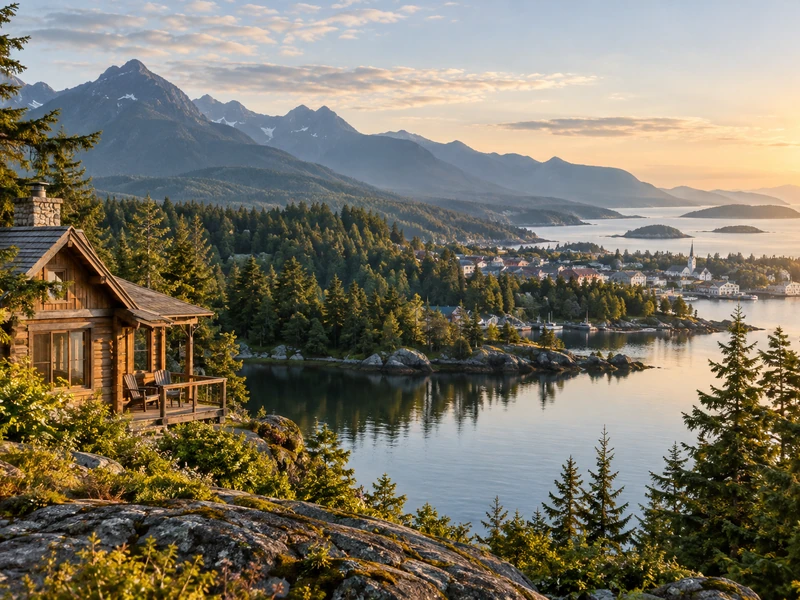
A memorable weekend away does not require a cross-country flight or a packed itinerary. The best short escapes are close enough to reach without losing half the trip in transit, yet different enough from home to create a genuine change of pace. Start by defining the mood you want—quiet, active, romantic, cultural, or restorative—then search within a travel radius that feels comfortable.
“Near you” will mean something different in every region, so this guide focuses on eight adaptable getaway styles rather than naming destinations that may be far from you. Before booking, verify current opening hours, seasonal access, weather, road conditions, reservation requirements, and local safety information through official destination sources. A little research protects the limited time you have and keeps the weekend relaxed.
Why You’ll Love It
- Flexible ideas: Choose nature, food, history, wellness, or culture according to your interests and local options.
- Realistic timing: Every suggestion can fit into a one- or two-night break when you keep transit manageable.
- Practical planning: Clear selection criteria help you compare costs, seasonal conditions, and reservation needs before leaving.
Weekend Getaway Planning Essentials
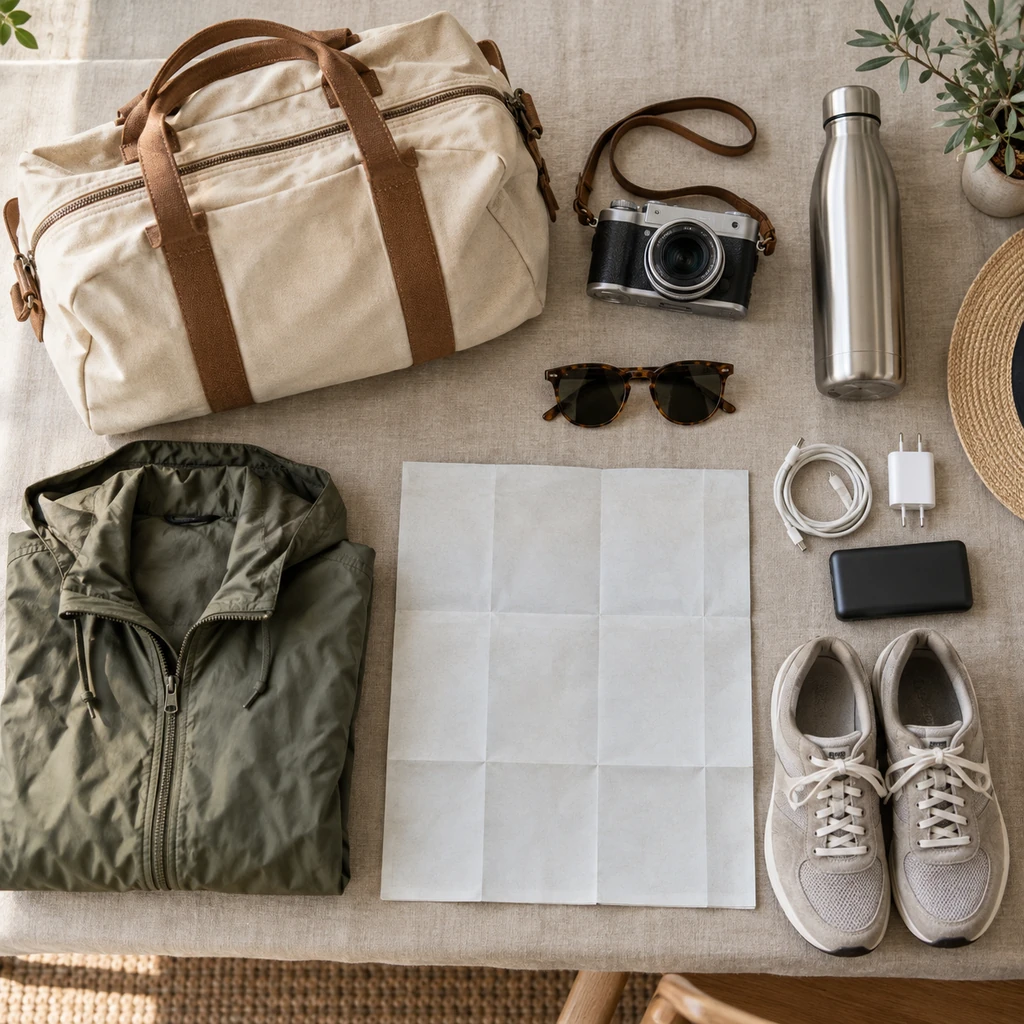
Build the trip around one primary experience and one flexible backup. Check travel time in both directions, parking or transit, check-in hours, cancellation terms, accessibility, and expected total cost. For outdoor destinations, review official alerts for closures, fire restrictions, permits, and weather immediately before departure.
- A small overnight bag and weather-appropriate layers
- Comfortable walking shoes and activity-specific equipment
- Reusable water bottle, simple snacks, and necessary medication
- Phone charger, portable battery, offline directions, and emergency contacts
- Confirmed lodging, transportation, reservations, and a modest contingency budget
8 Weekend Getaway Ideas Near You
1. Choose a Quiet Lakeside Retreat
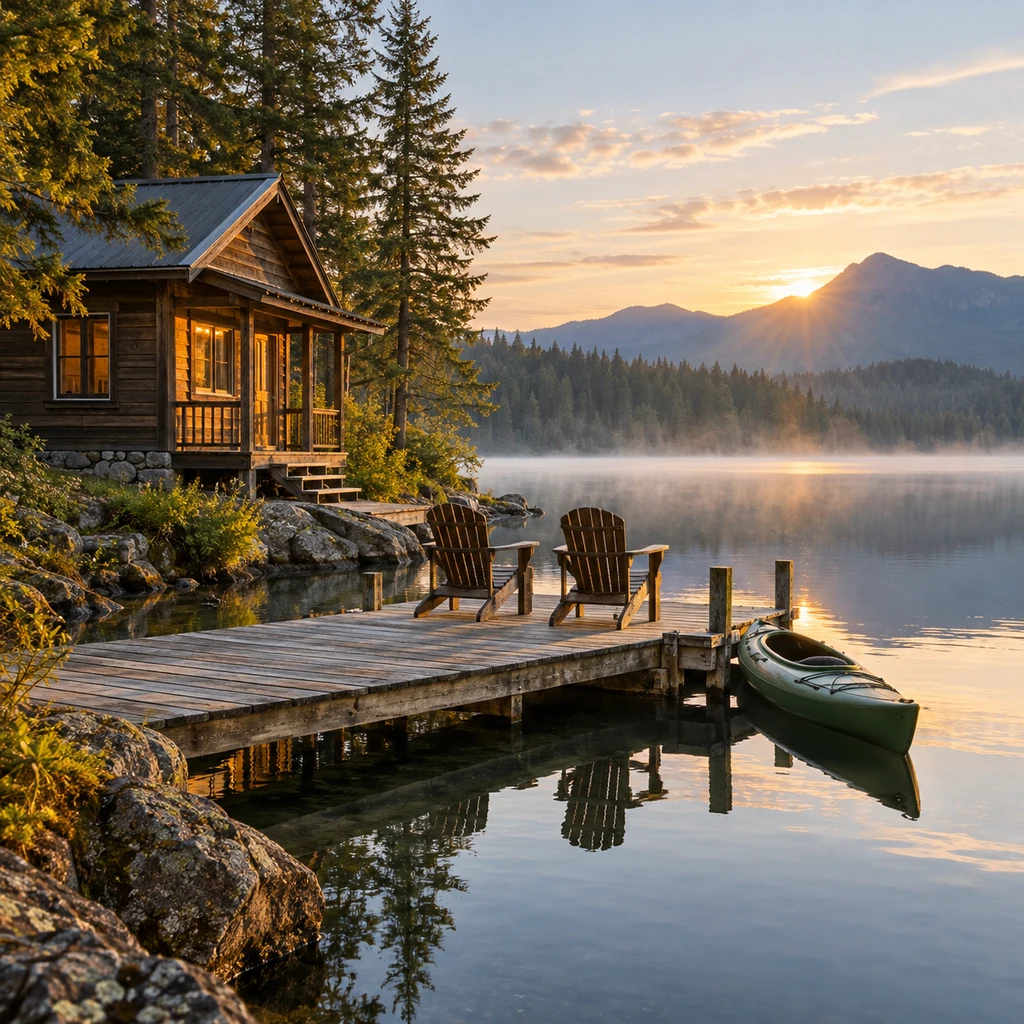
Search for a public lake, reservoir, or small waterfront town within a comfortable drive. A simple cabin or inn can feel restorative when the plan is intentionally light: arrive before sunset, walk by the water, and reserve the next morning for kayaking or a picnic. Confirm swimming rules, boat rentals, parking, and seasonal water conditions. Choose a backup café, museum, or scenic drive in case wind or rain changes the outdoor plan.
2. Plan a Mountain-Town Escape
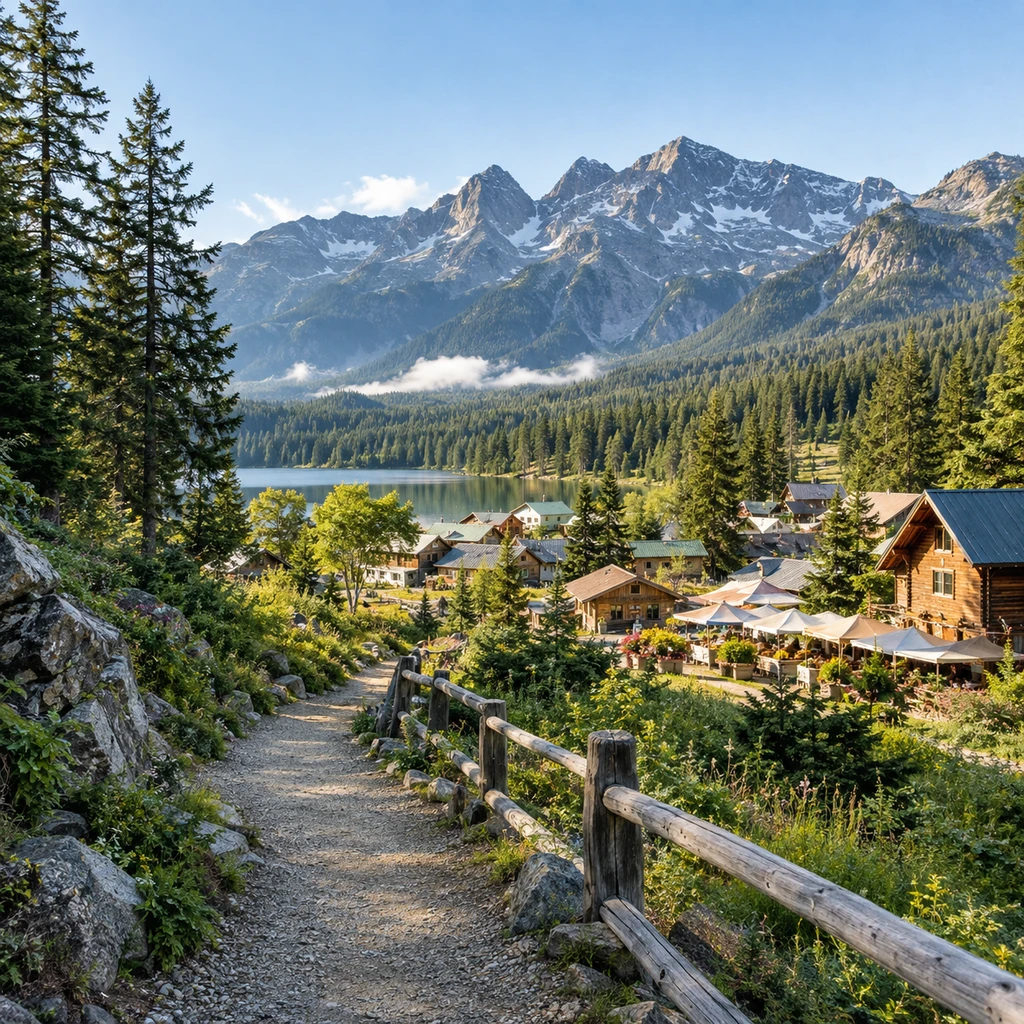
Look for a foothill community or mountain town with trails suited to your group’s ability. Pick one main hike rather than stacking several ambitious routes, and check elevation, distance, daylight, trail status, and weather through the managing agency. A local bakery, craft market, or relaxed dinner gives the trip variety without adding a long detour. Pack an extra layer even when the forecast at home feels mild.
3. Explore Nearby Wine or Farm Country
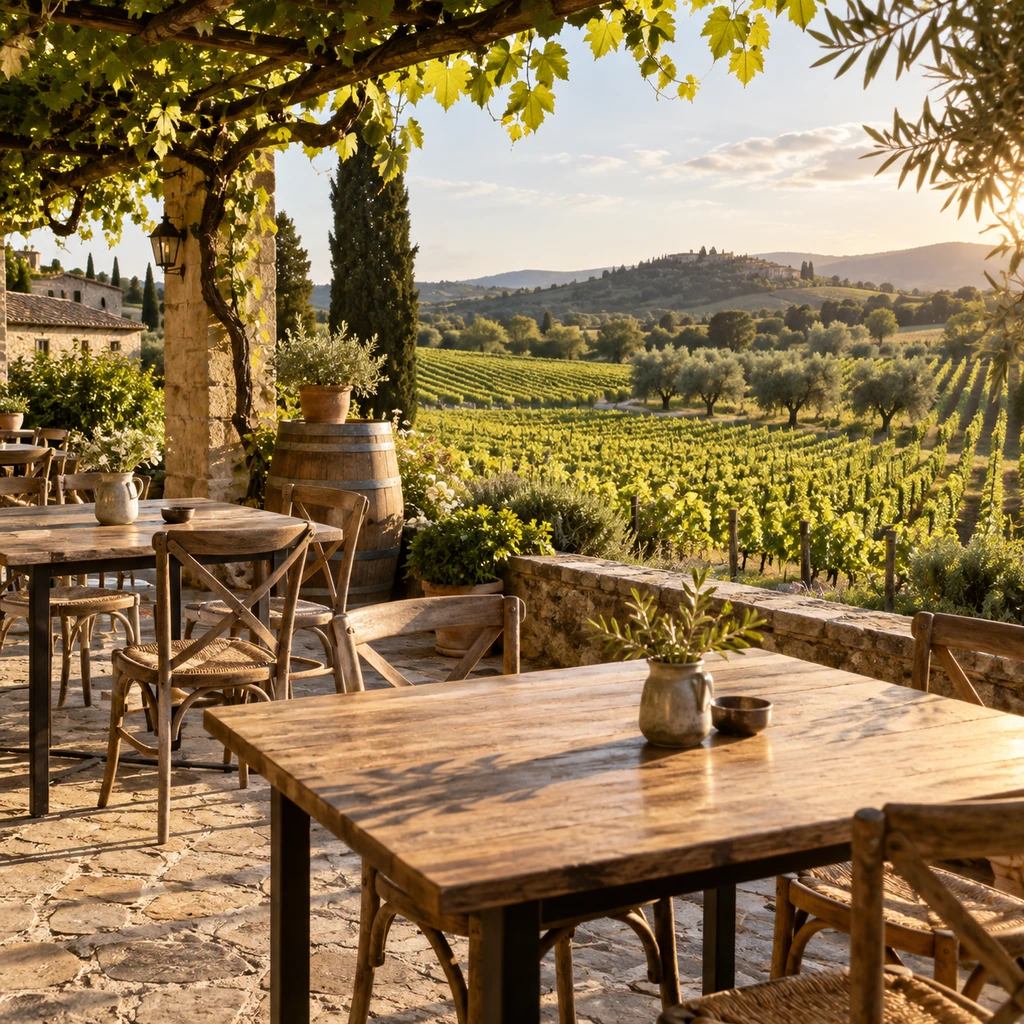
Search for a vineyard corridor, orchard region, farm trail, or countryside food route close to home. Book only a few stops and confirm whether reservations are required. If alcohol is part of the experience, designate a sober driver, hire transportation, or stay within walking distance of the venue. Travelers who do not drink can focus on seasonal produce, bakeries, gardens, cooking workshops, and scenic lunches instead.
4. Wander Through a Historic Town
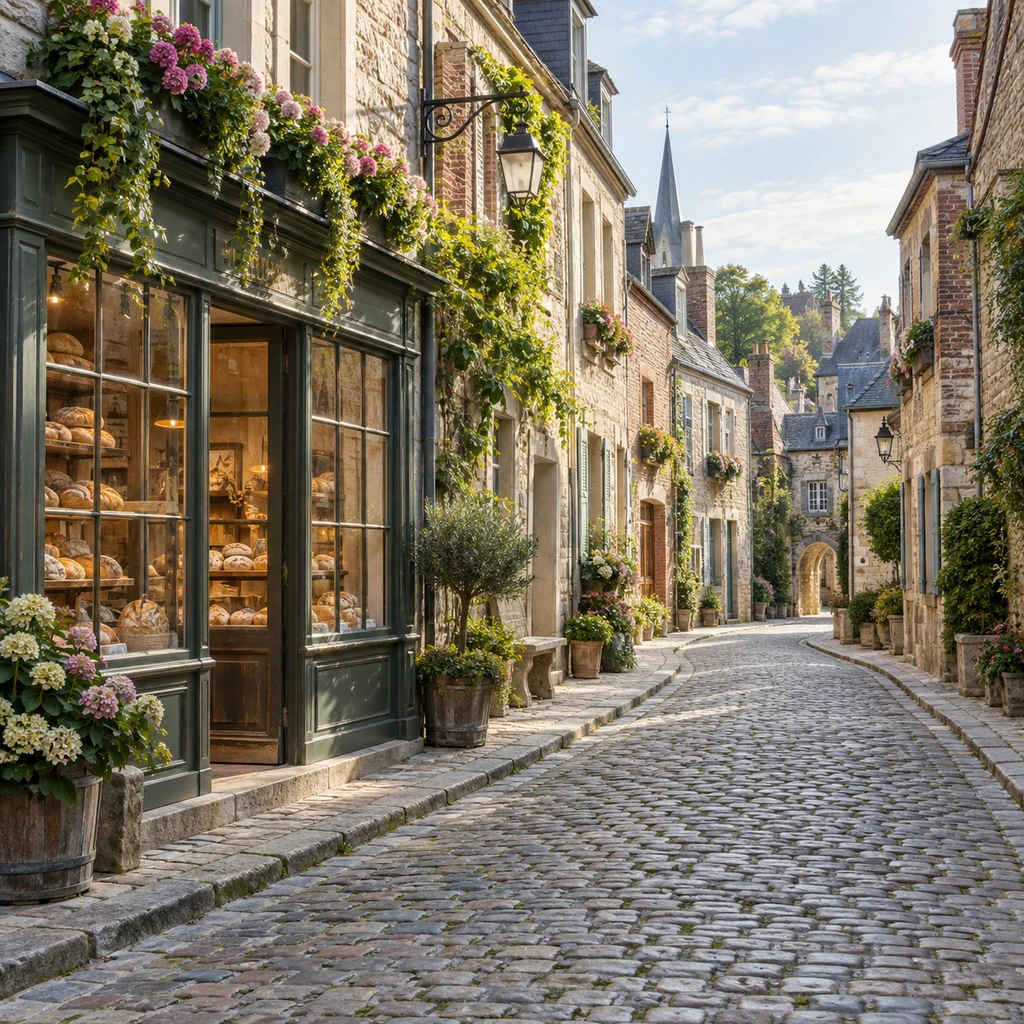
Choose a town with a walkable center, preserved architecture, a local history museum, or a heritage trail. Begin at the visitor center or official tourism office so opening hours and tour schedules are current. Leave time for independent wandering between one or two planned attractions. Antique shops and traditional bakeries add atmosphere, but the strongest visit comes from understanding the people and events that shaped the place.
5. Take a Low-Key Coastal Break
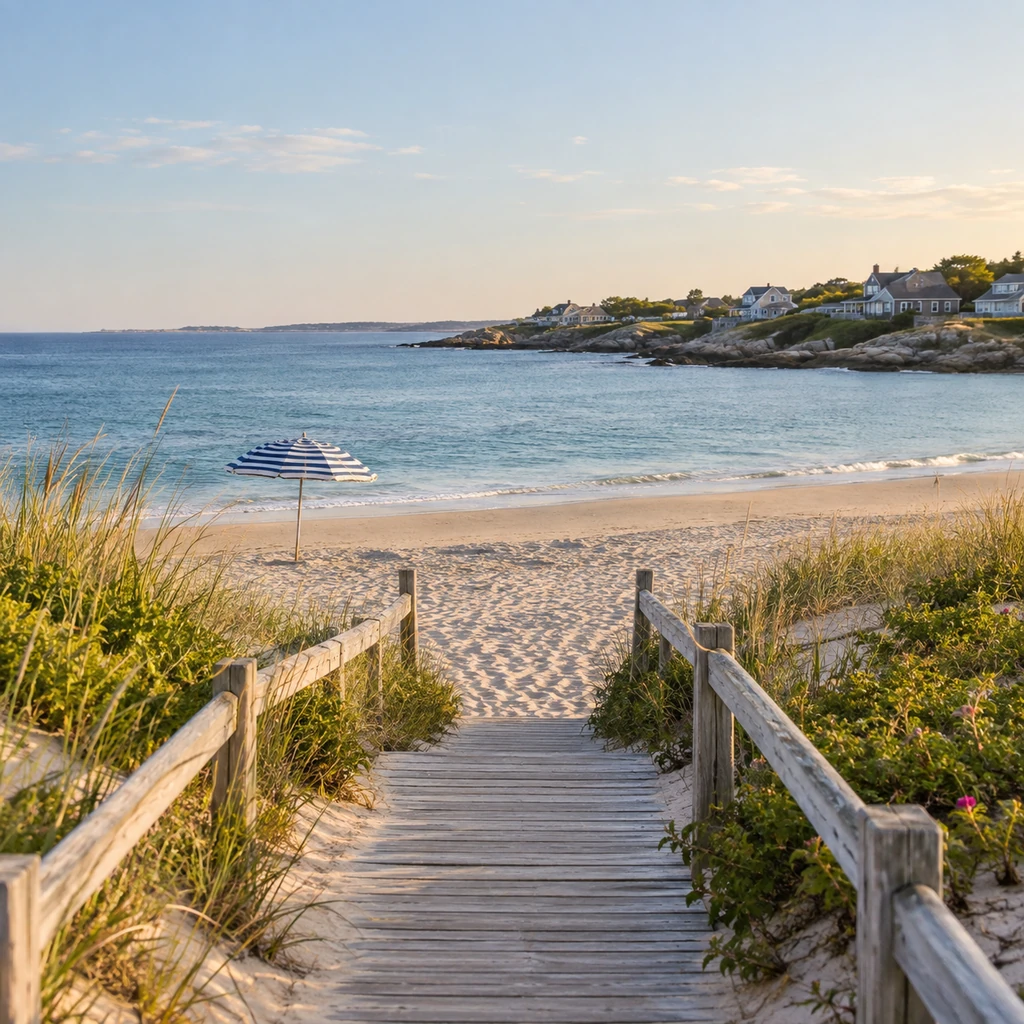
Instead of automatically choosing the busiest beach, compare smaller coastal communities with public access, safe swimming information, and nearby food options. Check tides, surf warnings, water quality notices, lifeguard schedules, and parking restrictions. A shoulder-season stay can feel peaceful, but some businesses may operate limited hours. Bring sun protection and water even on a cool or cloudy day, and keep a non-beach alternative ready.
6. Book a Forest Cabin or Treehouse
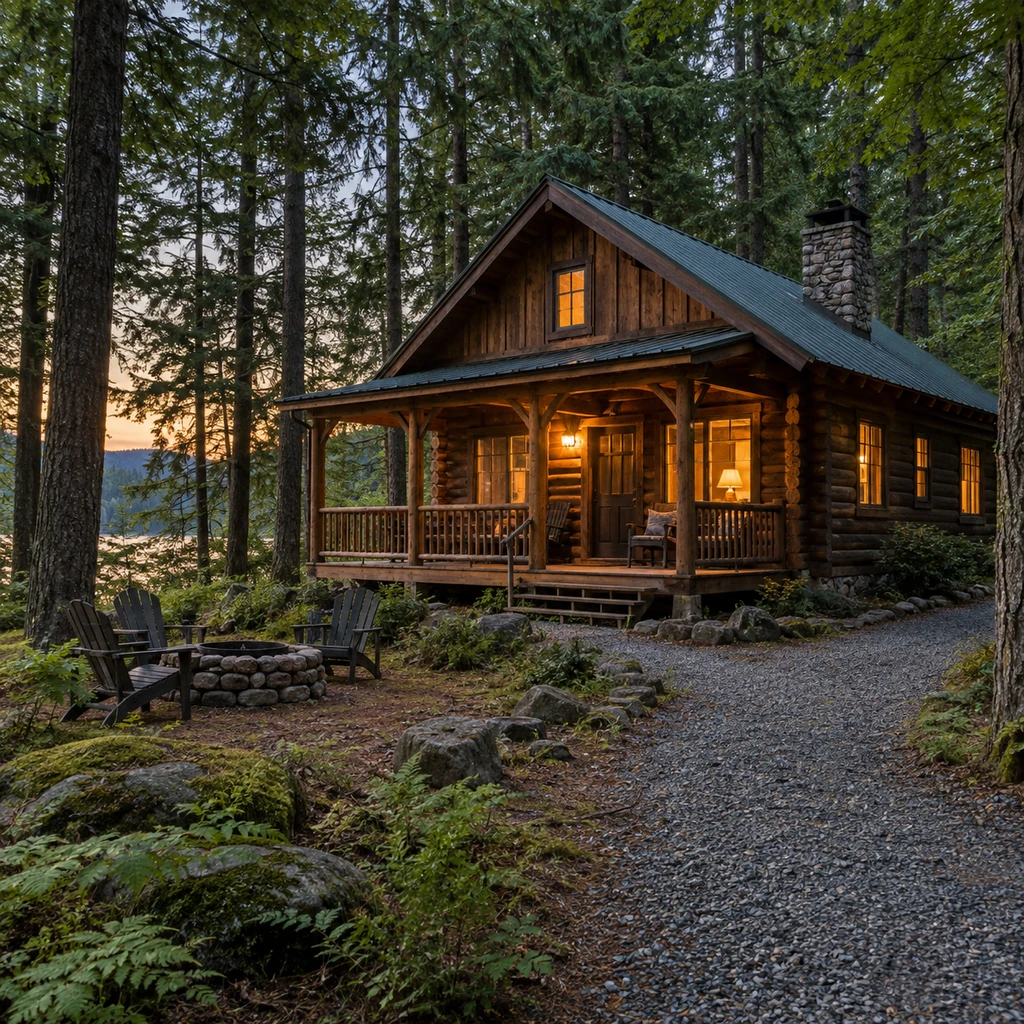
A cabin stay can deliver the feeling of a remote escape without a complicated itinerary. Read the full listing for road access, heating, water, cooking equipment, mobile coverage, pet rules, and fire restrictions. Bring meals that match the actual kitchen setup. If the property is isolated, share the address and itinerary with someone at home, download offline directions, and arrive before dark so unfamiliar roads are easier to navigate.
7. Reset at a Spa or Wellness Retreat
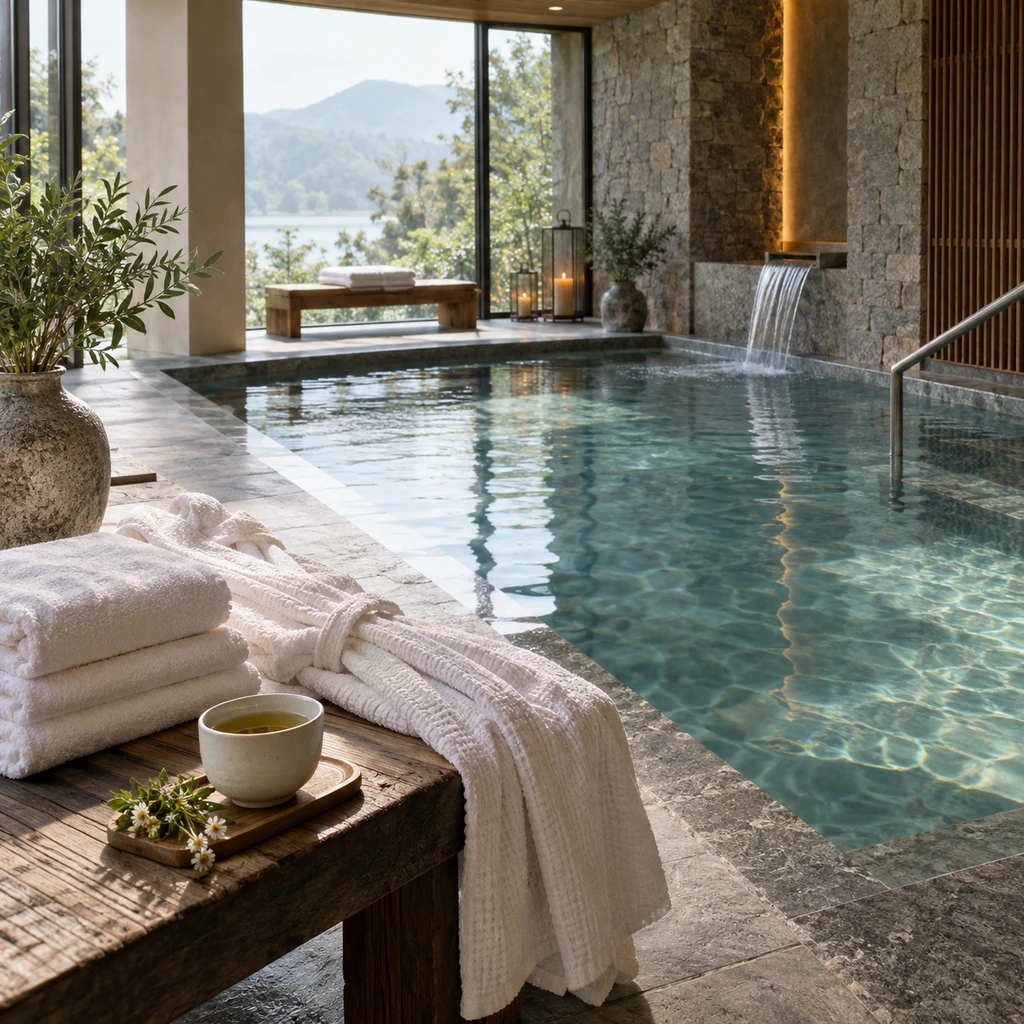
Compare day spas, thermal baths, yoga lodges, and full-service wellness resorts according to what you will actually use. Review treatment credentials, cancellation policies, accessibility, meal arrangements, and what is included in the room rate. One massage or guided class may be more relaxing than a rigid schedule. Leave unscheduled time for sleep, a quiet walk, or reading so the weekend does not become another checklist.
8. Build an Art-and-Culture City Weekend

Pick a nearby city or district with a museum, gallery cluster, performance venue, independent shops, or notable architecture. Check timed-entry tickets and special-event dates before choosing the weekend. Group stops by neighborhood to reduce transit and avoid rushing across town. Keep one open block for an unexpected gallery, market, or café. If driving, research overnight parking; if using transit, confirm late-evening service.
Substitutions & Variations
Adapt the format to your time and budget. Turn an overnight trip into a long day trip, replace a private cabin with a campground or modest inn, or choose a self-guided walk instead of a ticketed tour. Families can favor short trails and hands-on museums, while couples may prefer a quiet dinner and scenic lodging. Travelers with mobility or sensory needs should verify accessibility directly with venues rather than relying only on general listings.
What to Serve With Your Weekend Getaway
Pair the destination with a simple ritual that makes the break feel intentional: a favorite road-trip playlist, a packed breakfast, a sunset walk, a local specialty, or a printed photo afterward. Avoid overloading the schedule. One anchor activity, one good meal, and downtime usually create a stronger memory than a rushed list of attractions.
Frequently Asked Questions
How far should I travel for a two-night getaway?
Choose a radius that leaves meaningful time at the destination after traffic, stops, and check-in. For many travelers, a few hours each way is manageable, but the right limit depends on the route, driver comfort, transit schedules, and the length of the stay.
How can I find good weekend trips near me?
Search official regional tourism sites, park agencies, museum calendars, rail maps, and local event listings. Compare travel time and current operating information before reading broader inspiration articles or booking platforms.
What should I verify immediately before leaving?
Recheck weather, road or trail closures, reservation details, check-in instructions, parking or transit, emergency contacts, and any destination advisory. Conditions can change after booking, especially in natural areas and during busy seasons.