
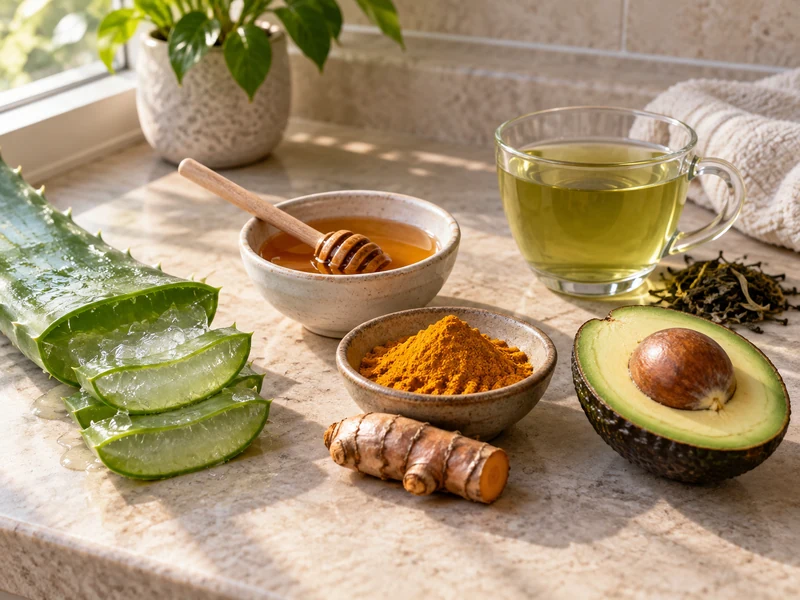
“Glowing skin” usually describes skin that looks comfortable and well moisturized, not a complexion transformed by one pantry ingredient. Aloe vera, honey, turmeric, avocado, and green tea often appear in natural-skin-care lists, but the evidence and practical risks differ. A food that is pleasant to eat is not automatically a tested facial treatment, and a plant extract in a formulated product is not identical to rubbing the raw ingredient on skin.
This guide keeps the five-ingredient theme while separating plausible uses from unproven promises. It is general skin-care information, not treatment advice for acne, eczema, or pigmentation. For persistent symptoms or a painful rash, speak with a dermatologist. Gentle cleansing, moisturizing, and sun protection matter more than any mask trend.
Why You’ll Love This Guide
- Clear expectations: each ingredient gets a realistic description rather than a miracle claim.
- Safety first: the guide explains patch testing and when to stop using a product.
- Easy comparisons: five distinct sections help you decide whether an ingredient suits your routine.
What You Need Before Trying a New Ingredient
- A gentle cleanser and a fragrance-free moisturizer that already suit your skin.
- Broad-spectrum sunscreen with SPF 30 or higher for daytime use.
- One clearly labeled, skin-formulated product to test at a time.
- Time to check the full ingredient label and test a small area before wider use.
The American Academy of Dermatology recommends a simple foundation of cleansing, moisturizing, and sun protection. A botanical product can be an optional extra, but it cannot replace sunscreen or a treatment prescribed for a diagnosed problem. Products labeled “natural” may still irritate or trigger contact dermatitis. Introduce only one new product at a time so a reaction is easier to identify.
For a new product, the AAD advises testing a small spot twice daily for seven to ten days, following normal contact time. Its patch-test instructions explain that redness, itching, or swelling is a reason to wash it off and stop. A home test cannot guarantee that a later reaction will never occur.
Five Natural Ingredients to Consider
1. Aloe Vera: A Soothing-Feeling Gel
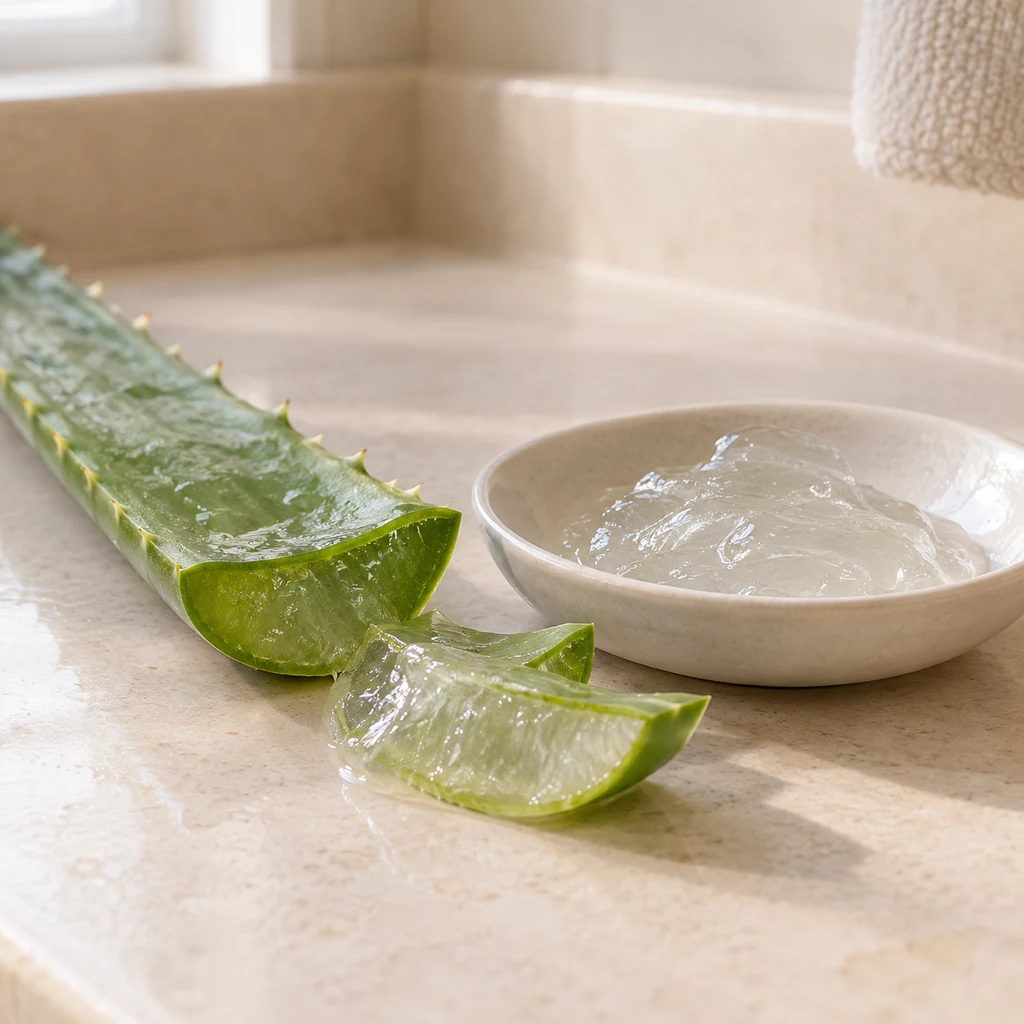
Aloe gel is common in after-sun and moisturizing products because its light texture can feel comfortable. The NIH’s NCCIH notes that topical gel is generally well tolerated, but burning, itching, rash, and eczema have been reported. It should not be presented as a proven cure for acne or as a replacement for care of a serious burn.
Choose a plain, fragrance-free skin product, read its directions, and test it first. Avoid the eyes and broken skin unless a clinician recommends a specific product. Fresh leaves vary in preparation, so a labeled product is easier to evaluate. Stop if cooling turns into stinging.
2. Honey: A Sticky Mask, Not an Acne Cure
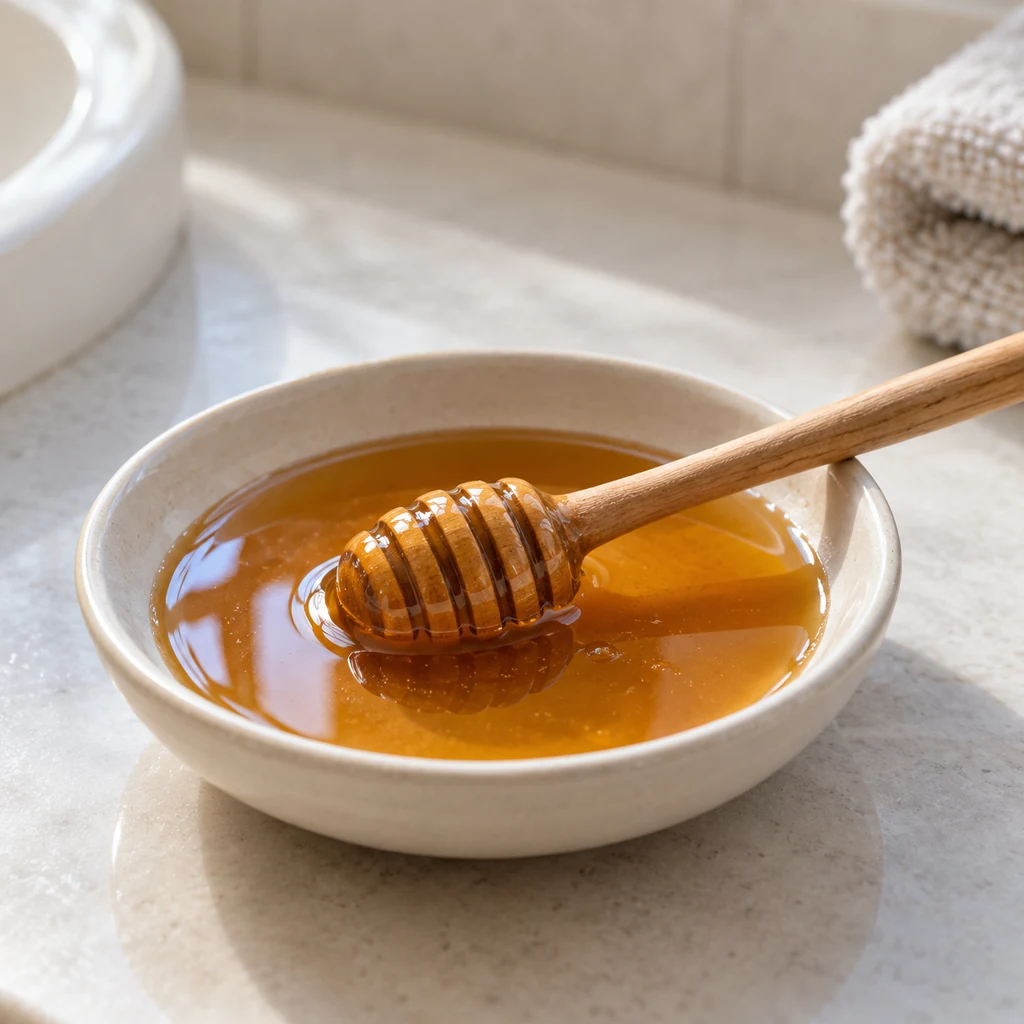
Honey’s texture helps explain its popularity in rinse-off masks, yet antibacterial activity in a laboratory does not establish that a kitchen jar will treat facial acne. In a randomized clinical trial, adding a medical-grade kanuka-honey product to the study’s cleansing regimen did not show a clear acne benefit over the comparator regimen. That result does not test every honey or cosmetic formula; it does rule out a confident promise.
Anyone with a honey or bee-product allergy should avoid it. A labeled skin product is preferable to a sticky raw-food mask that requires rubbing to remove. For recurring acne, seek evidence-based guidance rather than relying on honey.
3. Turmeric: Colorful, but Easy to Overpromise
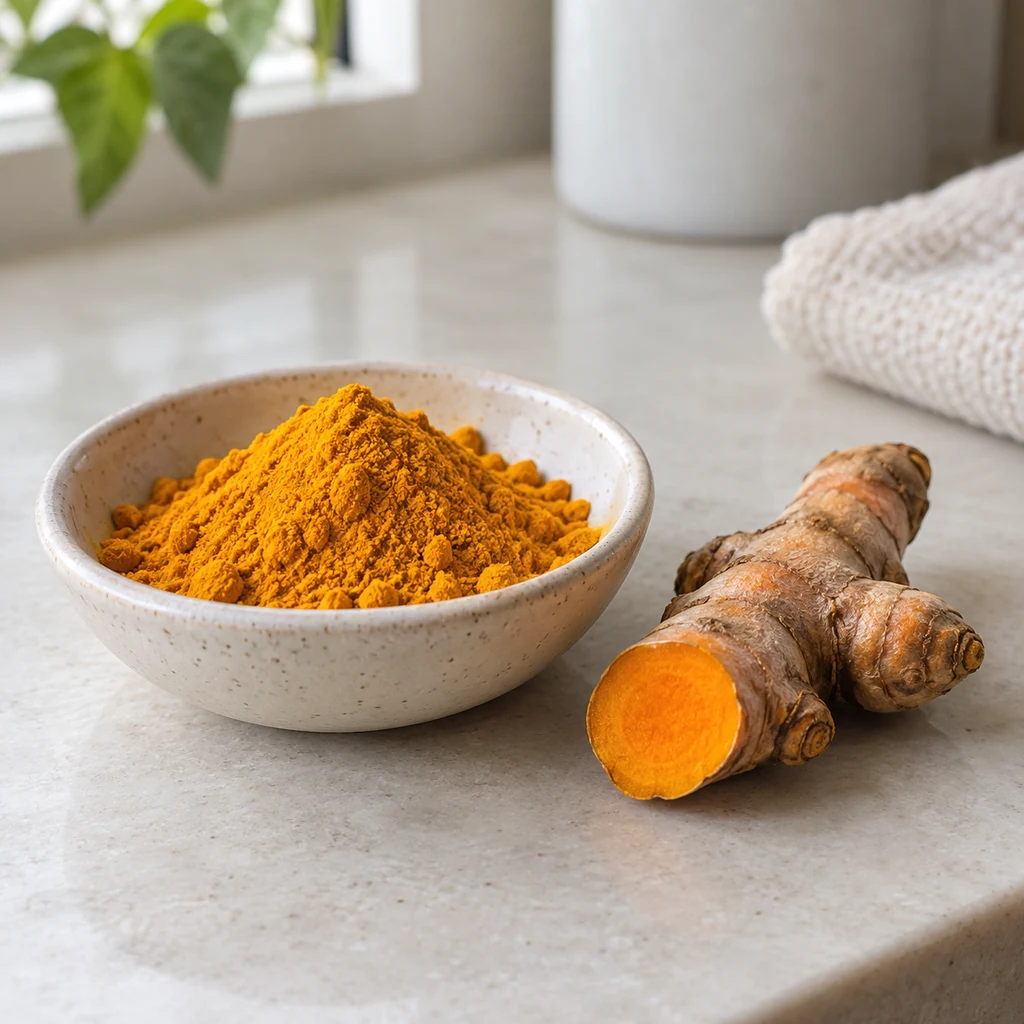
Turmeric gives masks a distinctive golden color, but a spice’s chemical profile does not prove that a homemade paste evens skin tone or clears blemishes. The NCCIH overview does not establish those cosmetic outcomes. Ground spice can stain fabric and may irritate skin, particularly when combined with other harsh DIY ingredients or rubbed vigorously.
If you are curious about a turmeric-containing cosmetic, look for a labeled product and test it on a small area first. Do not apply an abrasive spice paste to inflamed or broken skin. For persistent dark patches, diagnosis and sun protection matter because several different conditions can look alike, and an unsuitable treatment may delay appropriate care.
4. Avocado: A Rich Texture with Limited Topical Evidence
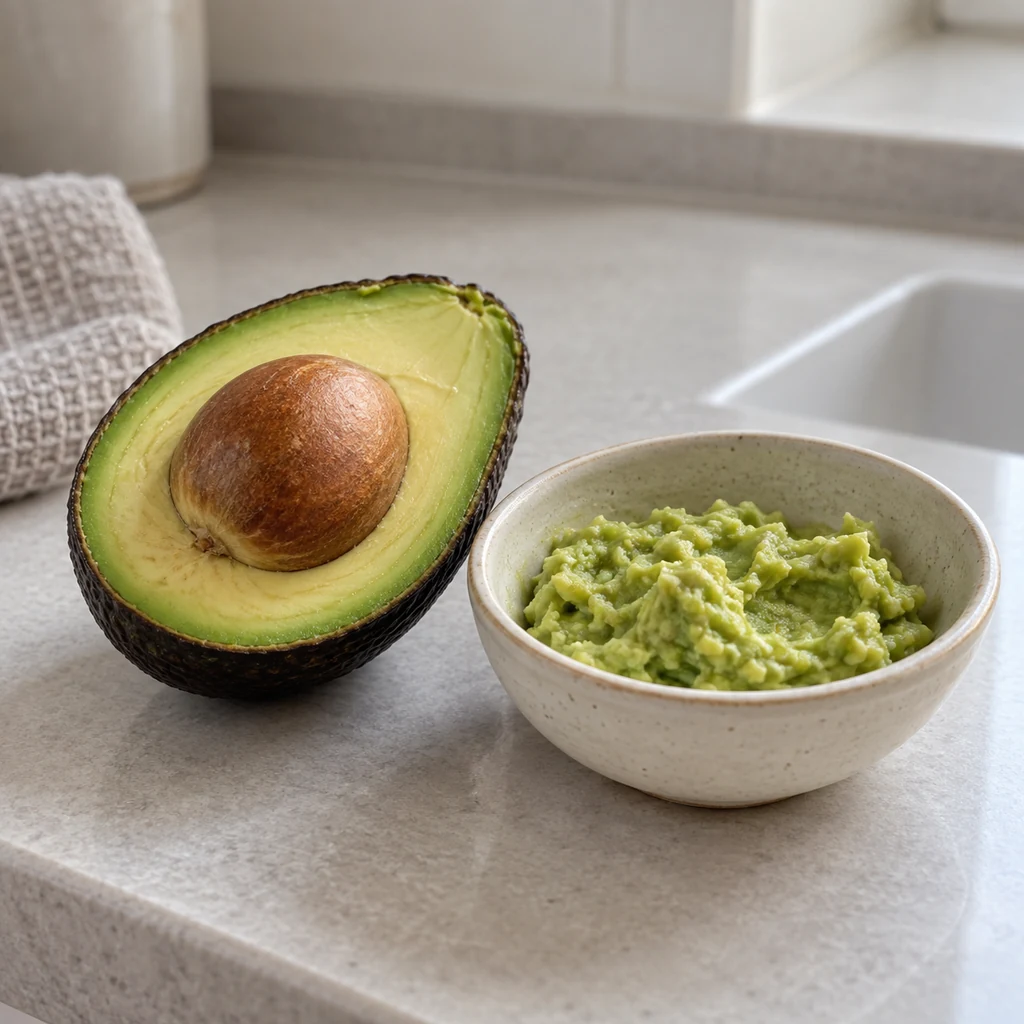
Ripe avocado has a creamy feel that makes it attractive for DIY masks. Its dietary fats and vitamins, however, cannot simply be converted into a claim that mashed avocado restores facial elasticity or reverses damage when applied to the surface. There is little direct clinical evidence for that specific home treatment. The texture may also be messy and leave residue that requires more cleansing than sensitive skin appreciates.
For dry skin, a tested moisturizer is a more predictable starting point. The AAD’s moisturizer guidance cautions that “all natural” does not mean hypoallergenic. Avoid topical avocado if it is a known allergy.
5. Green Tea: Interesting Extract, Modest Claims
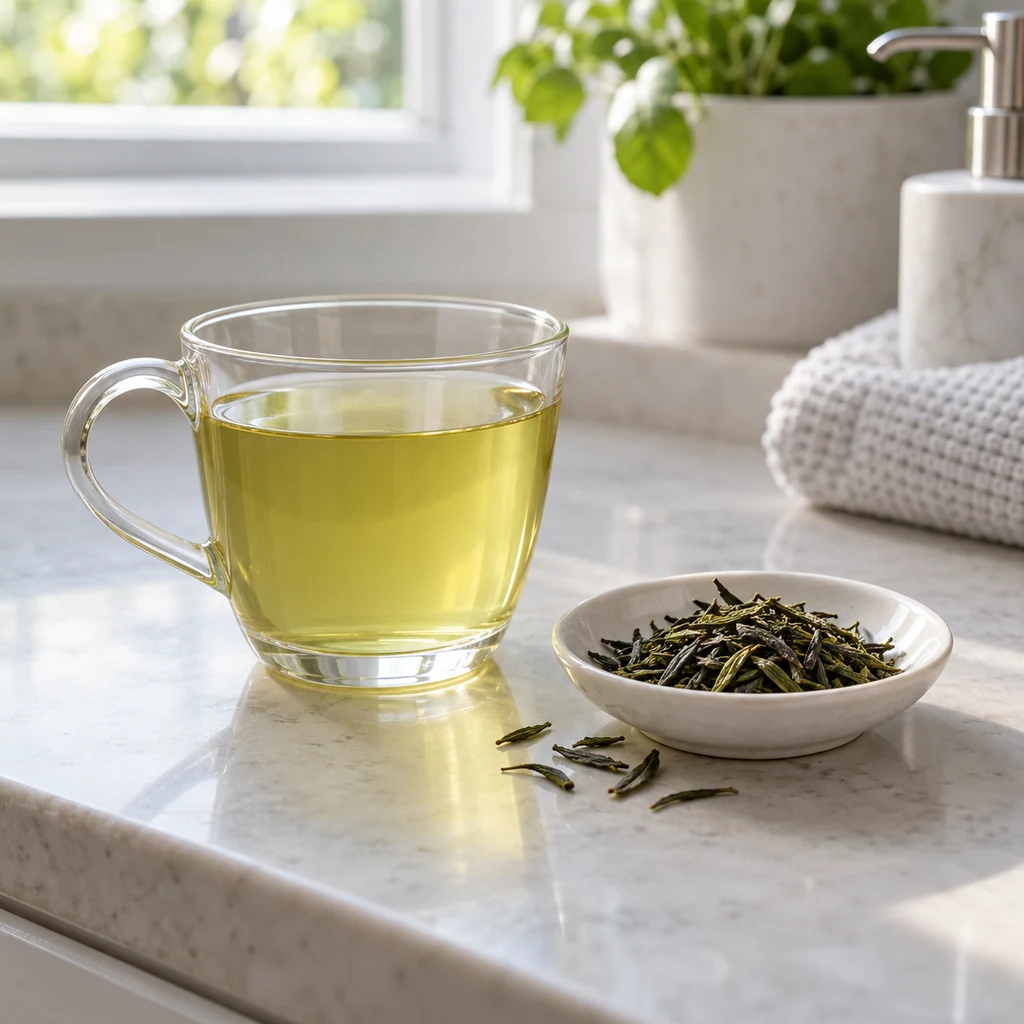
Green tea contains polyphenols, and researchers have studied formulated topical extracts. A review of small acne trials suggested potential benefit from topical extracts but called for better studies. It does not prove that brewed tea dabbed on the face treats acne, prevents aging, or substitutes for sunscreen. Product concentration, formulation, and testing all matter.
Choose a skin-formulated green-tea product, check for fragrance, and patch test. Skip abrasive tea-leaf scrubs; friction can irritate delicate skin. Follow the product’s storage directions instead of keeping a homemade liquid toner indefinitely.
Substitutions & Variations
You do not need all five ingredients. If a botanical stings or conflicts with a known allergy, skip it. A straightforward fragrance-free moisturizer may be better than an elaborate mask, especially for dry or reactive skin. If you already use a prescription topical or strong exfoliating product, avoid layering experiments without advice; combining too many products can make irritation harder to trace.
What to Pair With Your Routine
Pair any optional botanical product with the basics: gentle cleansing, moisturizer, and daytime sun protection. The AAD advises washing off a mask immediately if it burns or stings and keeping the usual routine in place. New spots, persistent redness, or worsening acne deserve a clinician’s assessment, not a longer series of homemade masks.
Frequently Asked Questions
Does natural mean safe for sensitive skin?
No. Botanical extracts, fragrances, and other ingredients can cause irritation or allergy. Check the complete label and test one new product on a small area. If you develop swelling, itching, or a rash, wash it off and stop using it. Ask a dermatologist about a persistent reaction.
Can these ingredients replace sunscreen or acne treatment?
No. None of the five is a substitute for broad-spectrum SPF 30 or higher, and a pantry mask is not a proven acne treatment. Maintain the routine that works for you and seek professional advice for stubborn acne, unexplained discoloration, or painful lesions.
Should I use all five in one face mask?
No. Mixing them makes a reaction harder to trace and does not guarantee better results. Start with one labeled, skin-formulated product, test it, and follow its instructions. A five-item list is not a five-ingredient mask recipe.