
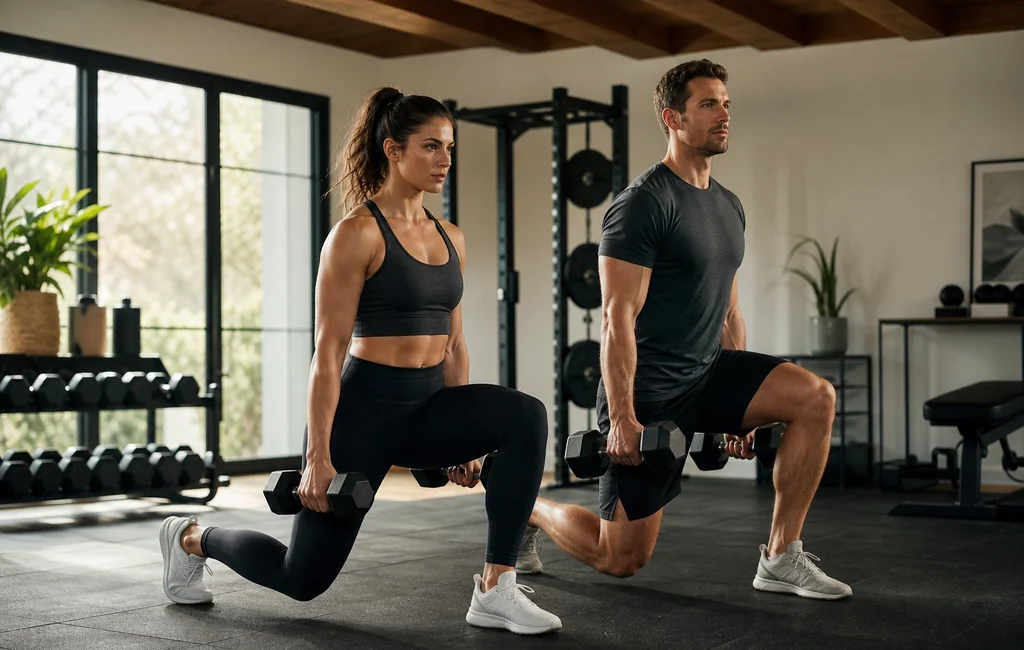
I ran three mornings a week for a year and watched the scale drop, then freeze. Same route, same playlist, tighter laces. My knees felt fine but my jeans fit the same. A trainer friend asked one question that annoyed me because it was obvious: when did you last pick up something heavy on purpose? I had not. Cardio was doing its job until my body adapted. Adding strength training for weight loss did not turn me into a powerlifter. It gave fat loss a structure cardio alone never offered.
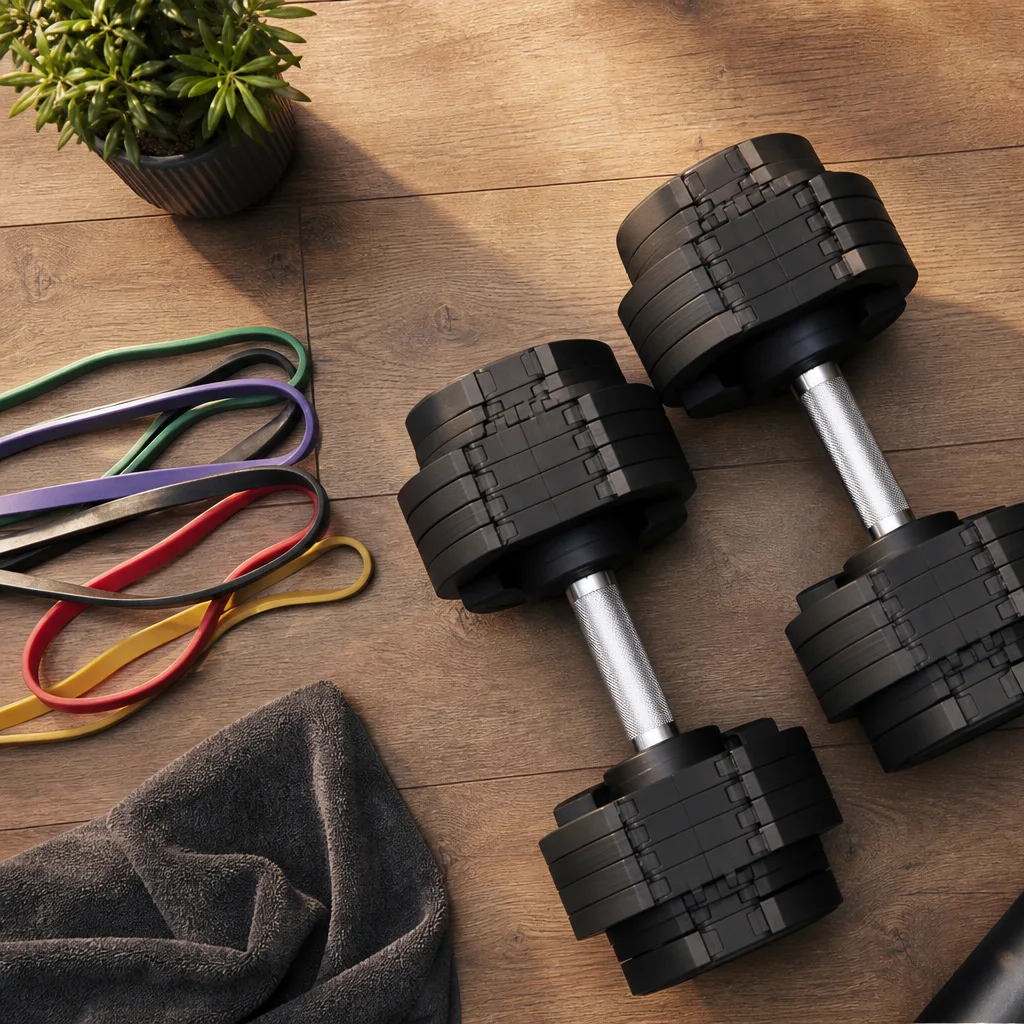
Why Cardio-Only Plans Plateau
Steady cardio burns calories during the session. Over months, your body gets efficient at that exact movement. You burn fewer calories for the same jog unless you run longer or faster. That is not failure. It is adaptation.
During a calorie deficit, your body may also shed lean tissue along with fat if you never signal that muscle is worth keeping. The CDC and major health organizations recommend strength work at least two days per week for adults because it supports bone health, function, and healthy aging, not just aesthetics. For fat loss, the practical win is simple: muscle is metabolically active tissue. Lose less of it while you diet and maintenance gets easier later.
Muscle Is the Lever, Not the Excuse
Strength training will not make most people look bulky overnight. Building noticeable size takes years of focused eating and training. What beginners usually notice first is better posture, firmer arms, and clothes fitting differently even when the scale barely moves.
Think of muscle as insurance during a cut. Two people can lose ten pounds. One loses mostly fat. One loses fat and muscle. The second person often regains weight faster because their daily calorie needs dropped with lean mass. Lifting gives your body a reason to keep the tissue that keeps your metabolism steadier.
What Counts as Strength Training
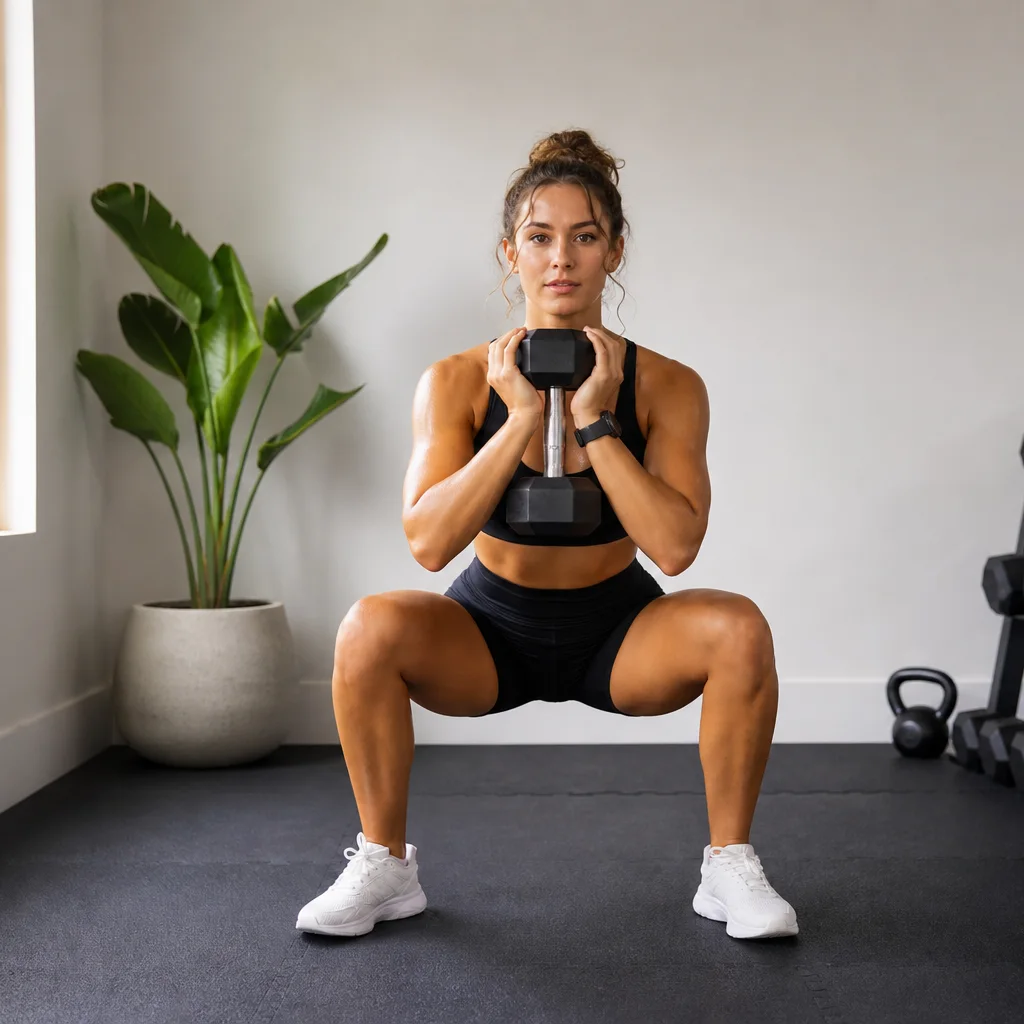
You do not need a full gym. Effective options include:
- Dumbbells or kettlebells at home for goblet squats, rows, and presses
- Resistance bands for rows, pull-aparts, and hip hinges when space is tight
- Bodyweight progressions such as incline push-ups, split squats, and supported pull-ups
- Machine circuits at a gym if free weights feel intimidating at first
The common thread is tension on large muscle groups through a full range of motion. Tiny isolation moves alone will not move the needle for most beginners. Prioritize patterns that train legs, back, chest, and core in compound movements.
A Beginner Week That Actually Fits
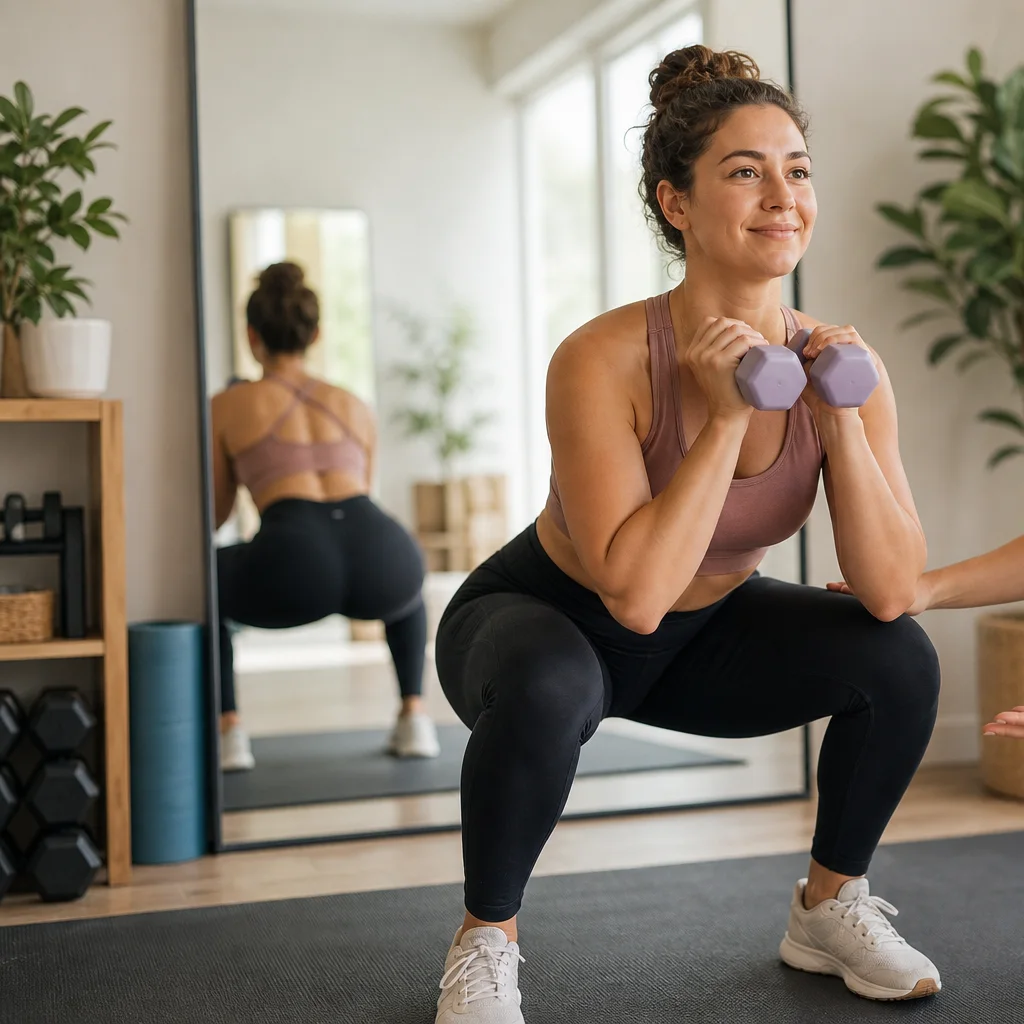
Start with two full-body sessions and one optional short third day. Example:
Day A: Goblet squat, dumbbell row, push-up variation, plank. Three sets of 8–12 reps, rest 60–90 seconds.
Day B: Romanian deadlift or hip hinge, overhead press, lat pulldown or band row, dead bug or side plank. Same rep range.
Optional Day C: 20 minutes of brisk walking plus mobility. This is recovery, not punishment.
Sessions can finish in 35–45 minutes with a warm-up. Progress by adding one rep, a little weight, or one set before you chase fancy programs. Consistency across eight weeks beats a perfect plan you quit in ten days.
Pairing Lifts With Your Calorie Deficit

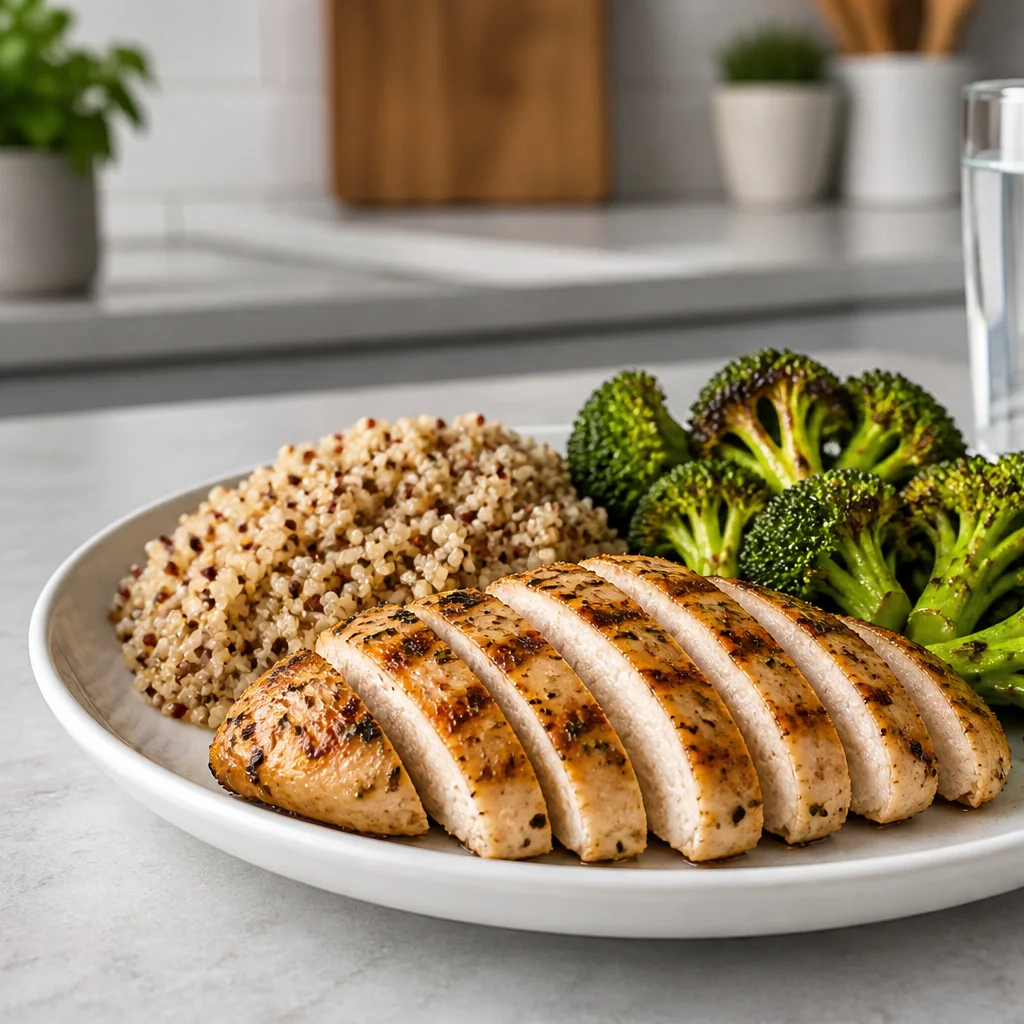
Strength training does not erase the need for a sensible calorie deficit if fat loss is the goal. It changes what you lose inside that deficit. Keep protein near 0.7–1 gram per pound of target body weight if your doctor has not restricted protein. Spread it across meals so recovery stays steady.
I eat a palm-sized protein portion at breakfast now because lifting hungry made every set feel heavier than it was. Carbs around training are not the enemy. A banana or oats before a morning session often improved my focus more than another espresso.
Do not add five hundred calories because you lifted. Track for two weeks, adjust slowly, and watch trend lines instead of single days.
How to Know It Is Working
The scale is one data point. Useful extras:
- Waist measurement every two weeks
- Progress photos in similar lighting
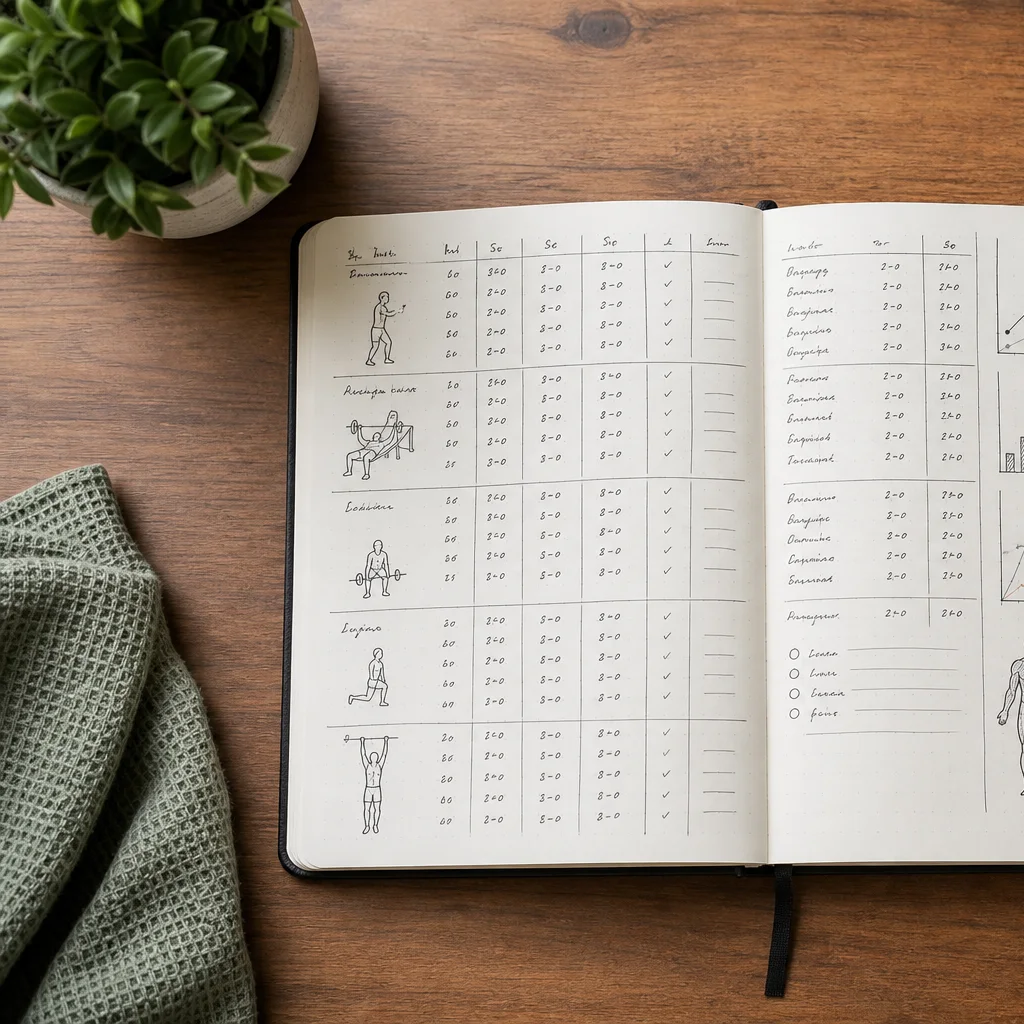
- Strength logs: are your goblet squat or row numbers climbing?
- Energy and sleep quality on training days
I once gained two pounds on the scale while my belt tightened. Water, glycogen, and new muscle tone can confuse a single weigh-in. Trend beats drama.
Mistakes Worth Avoiding
Skipping warm-ups. Five minutes of movement prep reduces silly injuries that pause everything.
Lifting too light forever. The last two reps should feel challenging. If you could do twenty easily, add weight.
Replacing all cardio with only heavy singles. Walking, cycling, and sports still help heart health and recovery. Blend instead of swap entirely unless your joints need a break.
Comparing week one to someone else’s year five. Social media highlights peak sets, not the boring Tuesday sessions that built them.
Who Should Talk to a Doctor First
Check with your healthcare provider before starting or changing exercise if you have heart disease, uncontrolled blood pressure, recent surgery, joint replacements, or pregnancy complications. A physical therapist can modify movements for arthritis or chronic pain so you still load tissue safely.
Frequently Asked Questions
Can I lose fat without lifting weights?
Yes, through diet and cardio. Strength training improves the odds you lose fat instead of muscle and makes results easier to maintain.
How often should I lift for fat loss?
Two to three full-body sessions per week is enough for most beginners. More is not always better if recovery suffers.
Should I do cardio or weights first?
If strength is the priority, lift first when you are fresh. If you are training for an endurance event, flip the order. Either way, separate hard sessions by a few hours when possible.
Will lifting make me bulky as a woman?
Most women lack the hormonal profile and training volume to build large muscle quickly. You are more likely to see tone, strength, and better body composition.
How long until I see changes?
Strength gains can show in weeks. Visible fat loss usually takes eight to twelve weeks of consistent training and nutrition. Individual timelines vary.
Do I need protein shakes?
No. Whole food protein works. Shakes are convenience, not magic.
Can I strength train at home with no equipment?
Yes. Push-up variations, split squats, hip hinges, and backpack rows can build a base until you add bands or dumbbells.
Bottom Line
Fat loss is not a cardio audition. Strength training for weight loss protects the tissue that keeps your metabolism and shape steady while you eat in a deficit. Pick two days, learn a handful of compound moves, track strength and waist trends, and give it two months before you declare it failed. Your future maintenance self will thank you for the muscle you kept.