
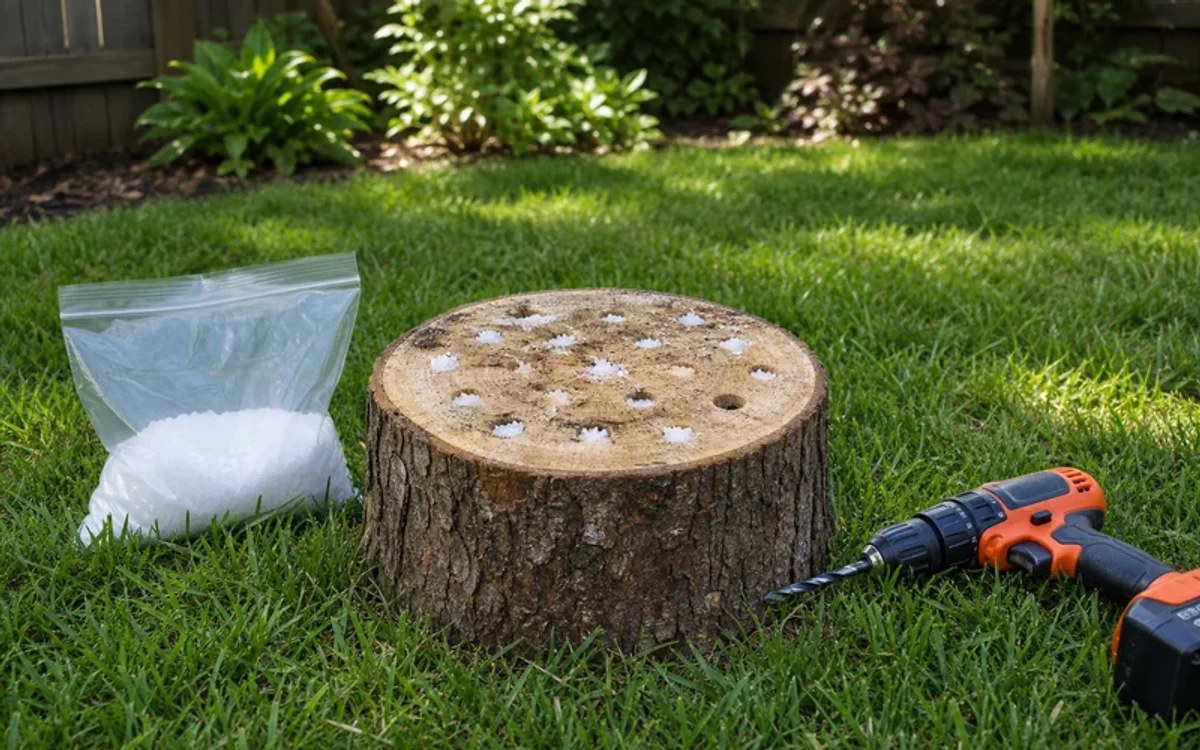
After a windstorm took down our backyard maple, the trunk was gone in a day—but the stump sat there for months, tripping the mower and stealing sunny space where I wanted a small herb border. I was not ready to rent a grinder or pay for a full removal crew. Then I found the old Pinterest trick: tree stump removal with Epsom salt, drilled holes, water, and patience. It is not instant magic, but it is cheap, low-effort, and surprisingly effective on smaller, older stumps.
If you are cleaning up the yard this season, this guide walks you through the Epsom salt method step by step. Pair it with our garden planting ideas, browse DIY backyard projects, and add mosquito repelling plants once the open ground is yours again.
Why Use Epsom Salt for Tree Stump Removal?
Epsom salt is magnesium sulfate—a mineral gardeners already use to green up tomatoes and roses. In high concentration inside a stump, it draws moisture out of the wood and speeds natural decay. The process is gentler than burning or grinding and costs far less than hiring equipment.
This method works best on stumps that are already a few inches to about 12 inches above grade, not brand-new fresh cuts with live sap still pumping hard. Think of it as accelerating what nature would do anyway, not blasting a 30-year oak overnight.
What You Will Need
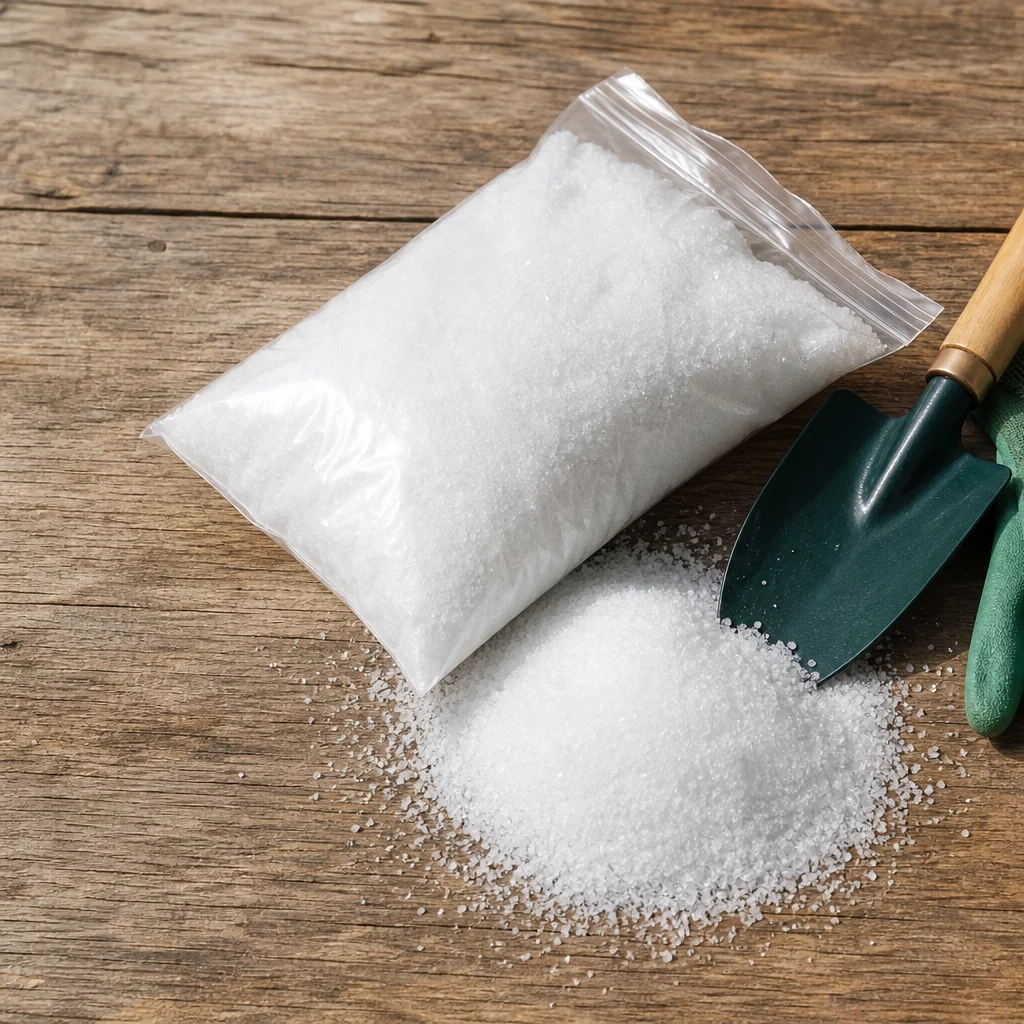
- Epsom salt: Several pounds for a medium stump (plan 2–4 lb per application, repeat as needed)
- Power drill: Long ⅜-inch or larger wood bit, at least 8 inches deep
- Water: Hose or watering can to saturate the stump after each salt application
- Plastic tarp or bucket lid: Optional cover to keep rain from washing salt away too quickly
- Safety gear: Gloves, eye protection, closed-toe shoes
- Shovel and mattock: For clearing debris once wood softens
Step 1: Trim and Prep the Stump
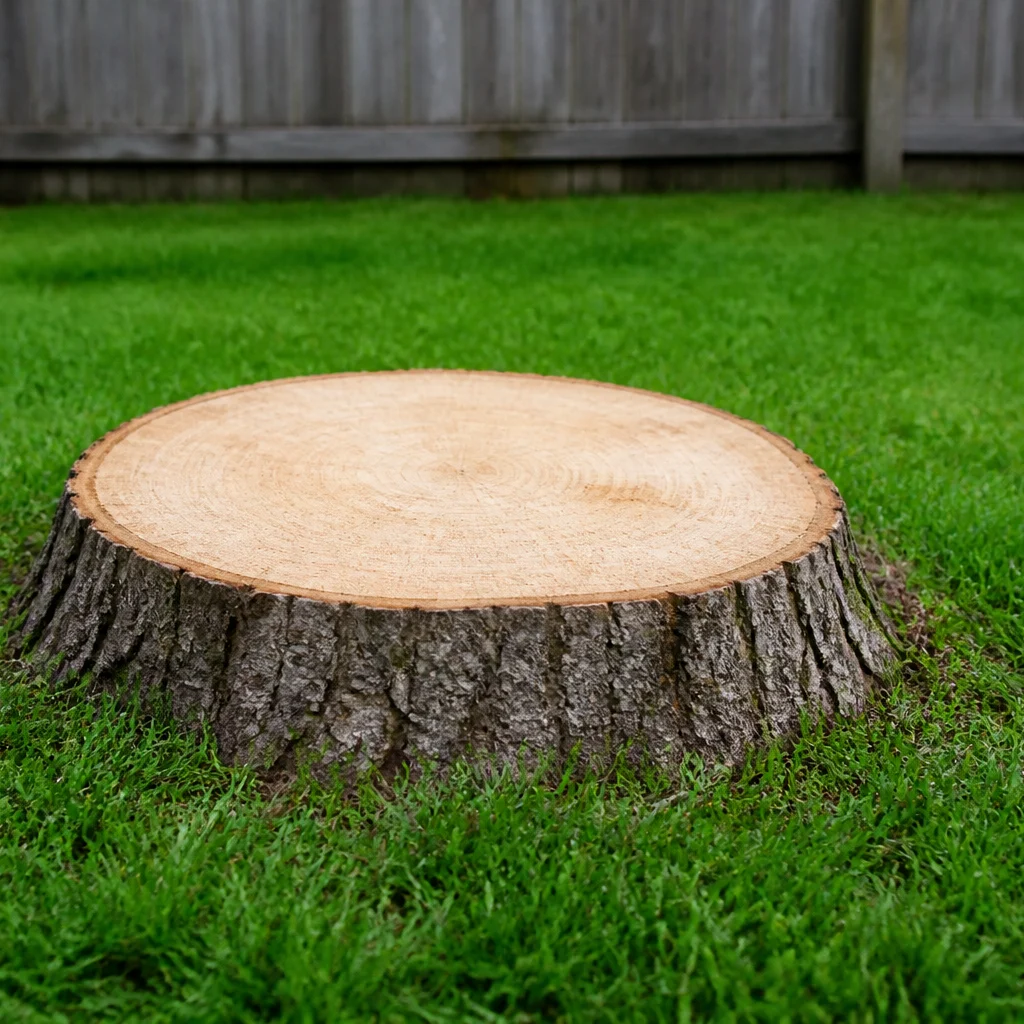
Cut the stump as close to the ground as your saw allows—lower stumps decay faster and look better while you wait. Remove loose bark flakes with a flat pry bar; exposed soft wood absorbs salt better than thick outer bark.
Clear mulch and soil from the top so drill holes start in wood, not dirt. Mark a ring of holes about 1 inch from the outer edge and another ring closer to the center for stumps wider than 10 inches.
Step 2: Drill Deep Holes
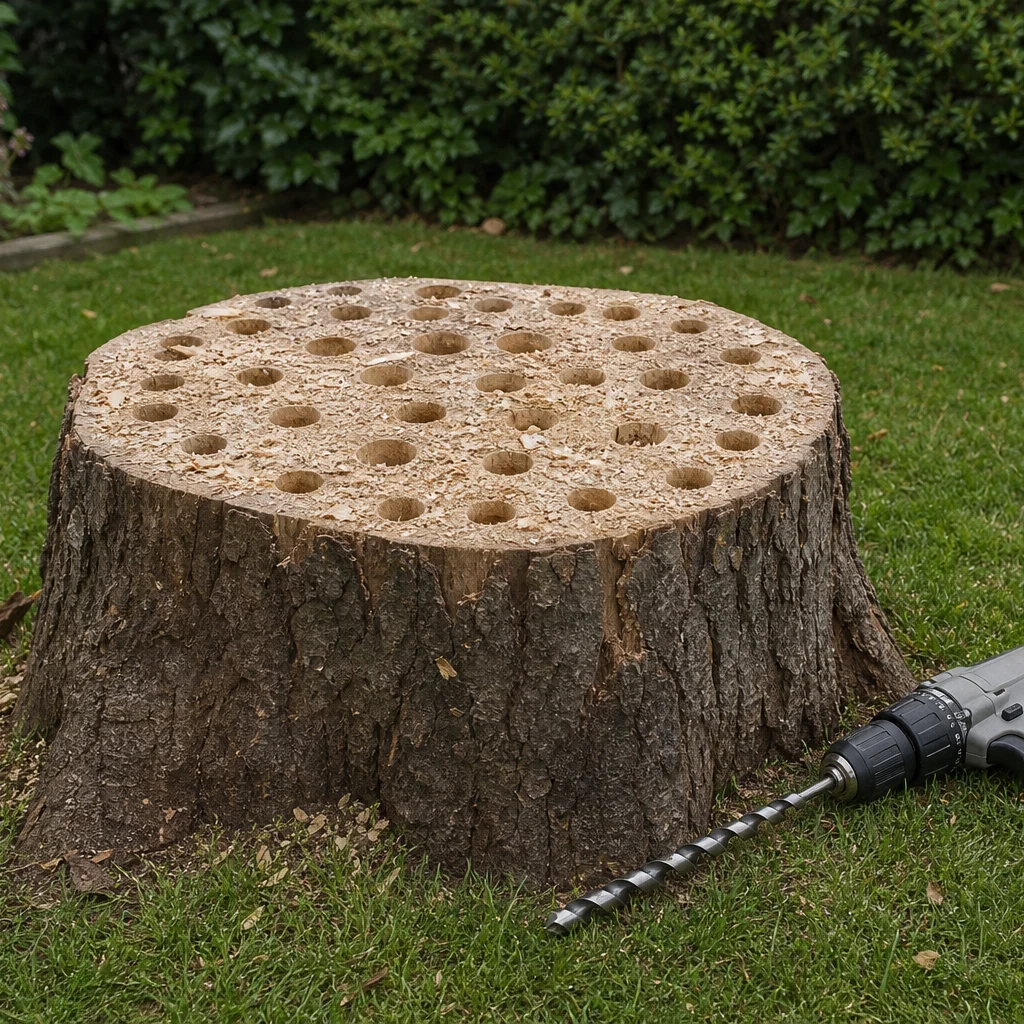
Drill holes 8–10 inches deep, spaced 2–3 inches apart across the entire top surface. Angle a few holes from the side of the stump toward the center to reach roots near the flare.
Vacuum or blow out shavings so holes stay open. Clogged holes slow the salt-and-water soak that does the real work.
Step 3: Pack with Epsom Salt and Water
Pour Epsom salt into each hole until full. Pack lightly with a stick if needed—do not use your bare hands on sharp drill edges. Slowly add water until the salt dissolves and the wood looks saturated. Repeat until the surface glistens but is not flooding into the lawn.
Some gardeners sprinkle an extra layer of dry salt across the top, then cover with a tarp for a week to hold moisture in. Uncover after heavy rain so the stump can breathe and continue breaking down.
Step 4: Wait, Reapply, and Monitor
Check the stump every two to three weeks. Re-drill if holes collapse, add more salt, and water again. Softwood stumps may show spongy, darkened wood in six to eight weeks; harder species can take several months.
Keep kids and pets off treated areas until you rinse residue away before replanting. Epsom salt is garden-safe in moderation, but concentrated piles can irritate skin and should not be eaten.
Step 5: Break Up and Remove Decayed Wood
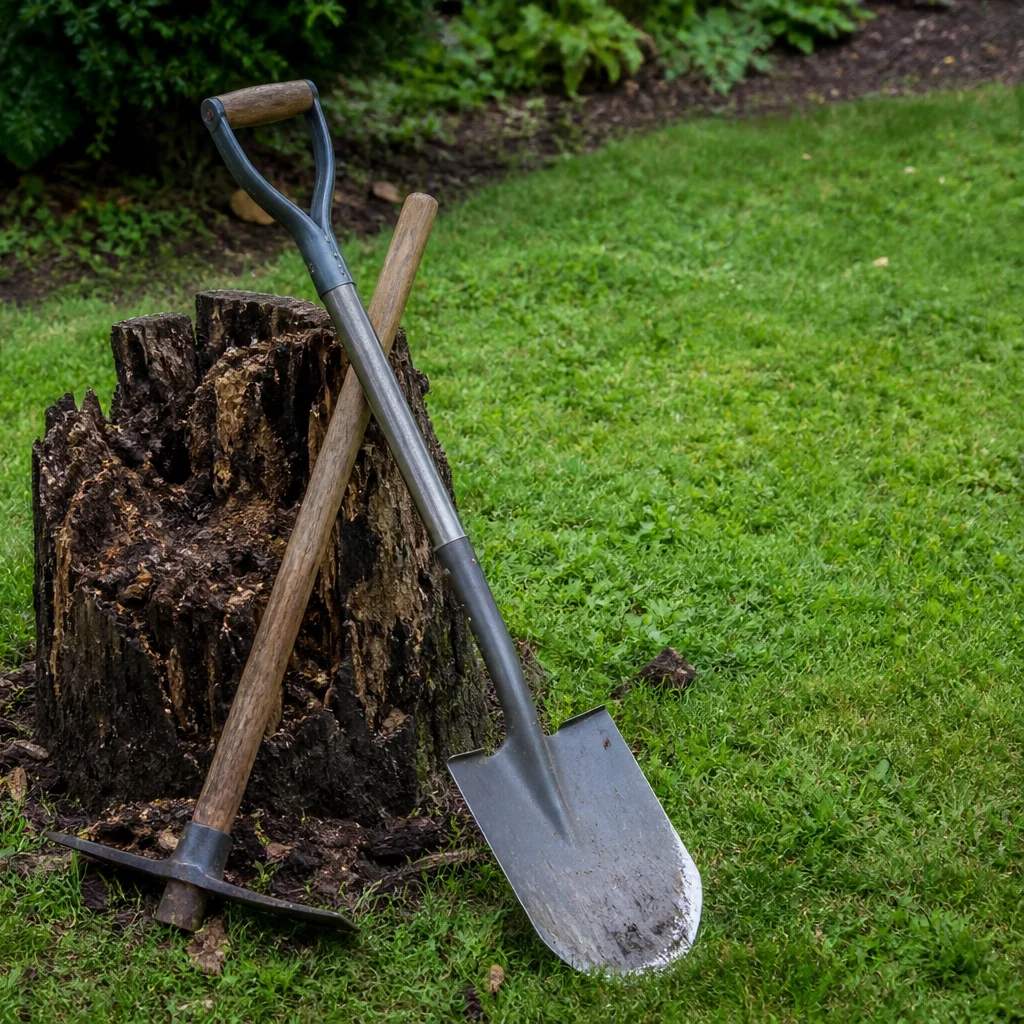
When the center crumbles under a firm poke with a screwdriver, chip away rotted wood with a mattock or shovel. Pull exposed roots as they loosen; cut stubborn ones with loppers.
Fill the hole with topsoil mixed with compost, tamp lightly, and level with the surrounding lawn. Seed or sod if you want grass back quickly.
When the Stump Is Gone: Reclaim the Space
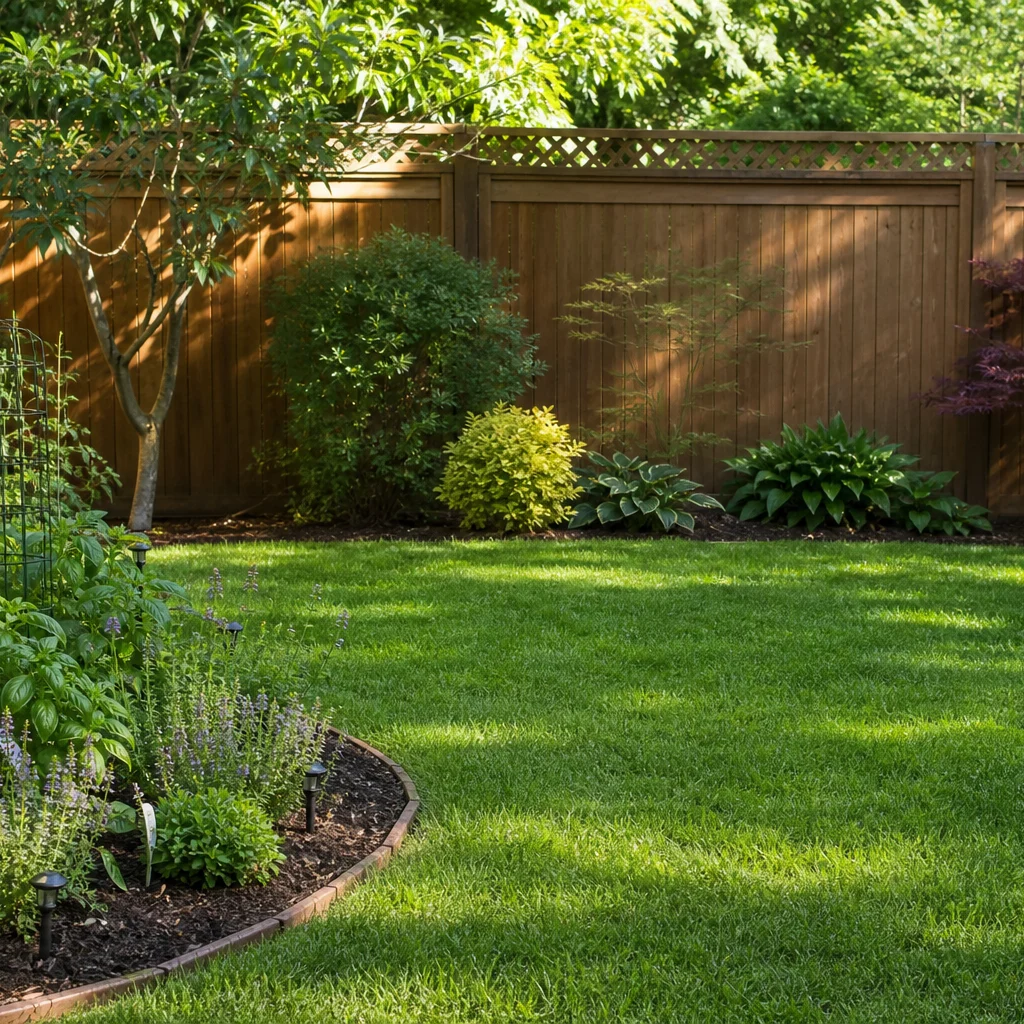
- Plant a low perennial border where the stump once blocked sun
- Set a container herb garden on the refreshed soil
- Add a path stone or birdbath focal point if the stump was central
- Run a soil test before heavy feeding—wood decay can temporarily shift pH
An open patch of yard is a gift. Plan one simple upgrade instead of ten, and you will actually finish it before the next season.
When This Method Is Not Enough
Very large stumps, species with aggressive root systems, or stumps still sprouting suckers may need grinding or professional removal. If you see fresh green shoots after six weeks, snap them off and reapply salt, or switch methods.
Burning stumps is restricted in many areas and risky near structures. Chemical rotting products exist, but Epsom salt remains a favorite for gardeners who already keep a bag on hand.
Project Checklist
- Cut stump flush and remove loose bark.
- Drill deep holes across the top and into side roots.
- Fill holes with Epsom salt and water until saturated.
- Cover optionally; reapply salt every 2–3 weeks.
- Wait for spongy, dark decay before prying wood apart.
- Remove rotted material and backfill with soil.
- Replant or reseed once residue is rinsed and leveled.
Frequently Asked Questions
Does Epsom salt really remove tree stumps?
It accelerates natural rot rather than dissolving wood overnight. Small to medium stumps often break down enough to remove by hand within a few months with repeated applications.
How long does Epsom salt stump removal take?
Expect six weeks to four months depending on stump size, wood hardness, weather, and how faithfully you reapply salt and water. Soft, older stumps go faster.
Will Epsom salt harm nearby plants?
Diluted runoff is usually fine for lawns and beds. Avoid piling salt on desirable roots; rinse the area before planting edibles directly on the old stump site.
What size drill bit works best?
Use the largest bit your drill can handle—⅜ inch minimum—with an extension for depth. Wider holes hold more salt and speed the process.
Can I use regular table salt instead?
Epsom salt (magnesium sulfate) is the method gardeners recommend because it draws moisture effectively. Table salt can harm soil sodium levels and is not a good substitute.
Is stump grinding faster?
Yes. Grinding removes wood in hours but requires rental equipment or a pro. The Epsom salt method trades speed for low cost and minimal equipment.
Final Thoughts
Tree stump removal with Epsom salt is a patience project, not a weekend demolition—but that is exactly why it fits busy gardeners. Drill, pour, water, wait, and let the stump rot on your schedule. When the last chunk comes out and the lawn is level again, you will wonder why that stub sat in the middle of the yard for so long.